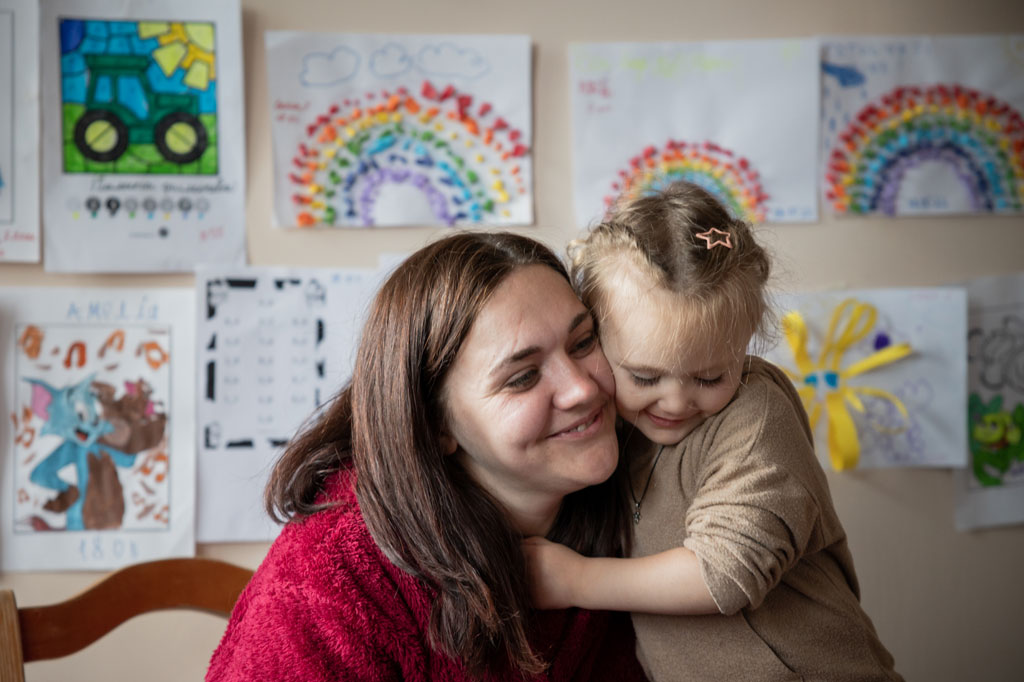
The Romania Country Strategy 2024-2028 is a strategic document in English for ERIKS Development’s child rights work in Romania between 2024 and 2028.
Introduction
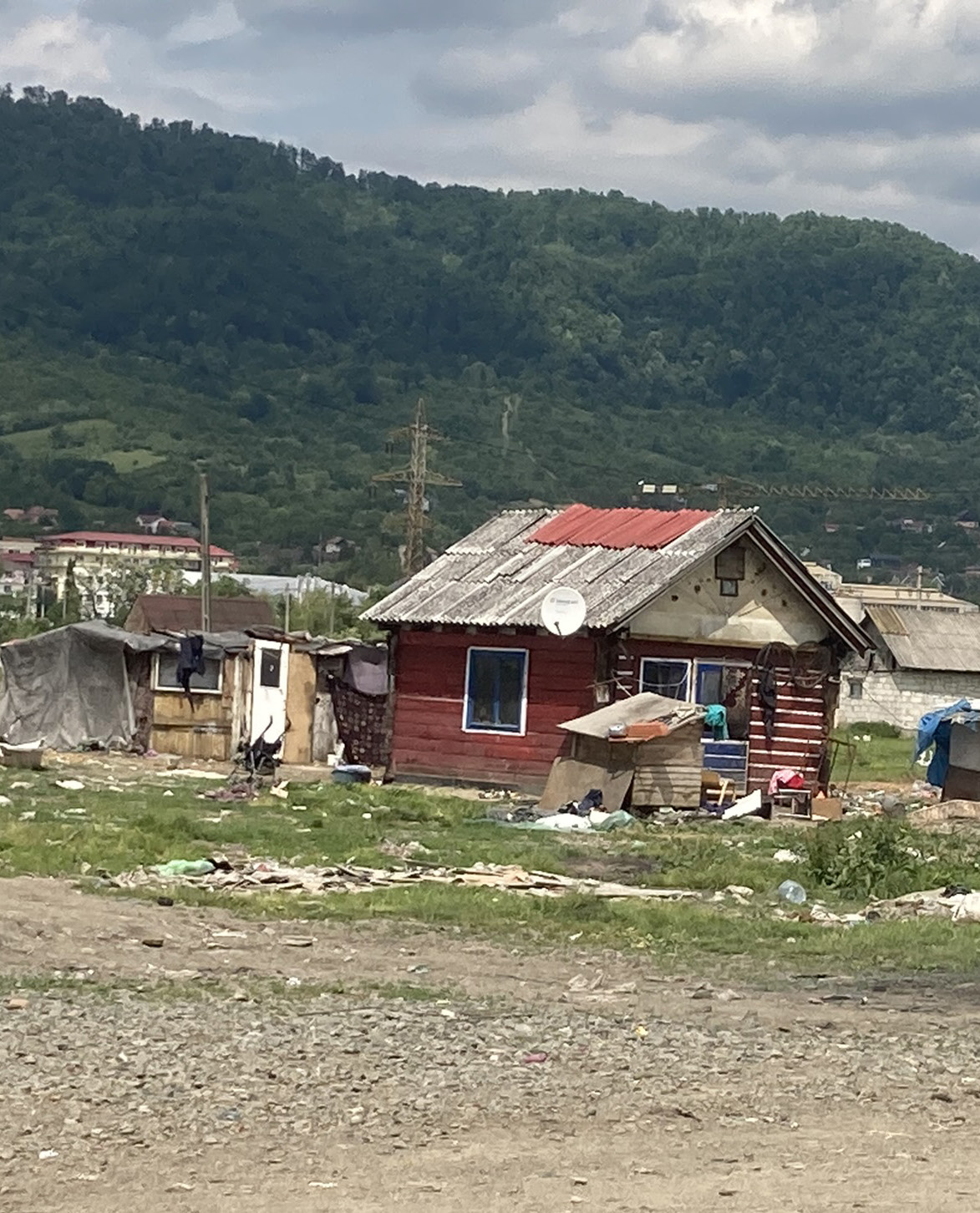
Romania is an upper-middle-income country with a population of about 19 million, including 3.64 million children, ranking at 53 out of 191 on the 2022 Human Development Index. Since joining European Union in 2007, Romania’s economy has grown significantly, reaching an annual average growth rate of seven percent before the Covid-19 pandemic. Despite making significant progress on most of the Sustainable Development Goals and having a robust legislative framework, the annual budgets allocated to education, health and social protection are among the lowest in Europe, while certain societal groups, including Roma ethnics, face severe poverty and material deprivation. Rural-urban disparities are seen both in accessing quality education, but also health care services.
Children from communities affected by severe poverty experience inadequate nutrition, overcrowded houses, and poor sanitary conditions. Limited access to health education results in a high rate of birth among girls and increasing concerns on substance abuse among adolescents. Children left behind by migrating parents are particularly vulnerable from a child protection perspective, while violence against children, including bullying is another area of concern, as the authorities lack resources to prevent and respond adequately. As a frontline country in the humanitarian crisis prompted by the Russian invasion of Ukraine, Romania is hosting a large number of refugees, that requires additional mobilisation of resources in the education, healthcare and social systems.
ERIKS has been operating in Romania since the beginning of 1990s. During the country programme 2019-2022, ERIKS worked in three thematic areas (education, health, protection), promoting an integrated approach to achieve the most sustainable results, though education was prioritised and seen as an entry point for the other programme components.
ERIKS continued to focus on Roma inclusion and improving the overall situation for Roma children in the western parts of Romania, in both rural and urban areas with compact settlements of Roma ethnics. Since the overall risks of humanitarian crisis were considered low in Romania, this has not been part of the country strategy until early 2022. This country strategy has been developed by ERIKS’ Regional Office team, using as sources of information the recent research, state and alternative reports, direct consultations and ongoing monitoring of partner interventions. The perspectives of boys and girls have been integrated in the strategy through partners’ reports and by analysing available child-informed reports.
ERIKS will continue to focus on Roma inclusion and four thematic areas – education, health, protection and humanitarian assistance, with additional changes to further strengthen the child rights-based approach. First, there will be an increased focus on developing legal duty-bearers’ capacities to prioritise resources and deliver quality services for the most affected populations, thus better fulfilling their responsibilities according to UNCRC. Secondly, parents from marginalized communities, that demonstrate limited life skills, capacities and resources to provide adequate care for their children, will be supported to understand and access their own rights as a means to achieve outcomes in the realisation of their children’s rights. Thirdly, a limited humanitarian component is added in the current strategy, in parallel with development of long-term solutions, to enable a more intentional approach in communities affected by overlapping vulnerabilities, where urgent responses are needed to ensure the survival of children. Gender, environment, religious and conflict sensitivity, as cross cutters, will be highlighted in all the interventions and capacity development of partners.
ERIKS will continue to strengthen the capacity of partners to better understand the child protection system in Romania, proactively prevent and report cases of abuse in the communities, and work with duty-bearers to increase their capacity to react efficiently.
Strategic orientation
The role and contribution of ERIKS
With a long-term presence in Romania, ERIKS is a predictable and consistent donor for local partners working with Roma inclusion programmes. While these partners have a long history of grassroots work that started on a needs-based model, ERIKS brings to Romania its focus on child rights programming and a strategic view on sustainable changes.
By adding to the portfolio new partners with expertise in advocacy, ERIKS will increase the possibilities to influence policies and practices at local and national level. Although not intending to take on a more active role in advocacy in its own name, ERIKS’ contribution will primarily be to facilitate networking and transfer of data documented within the current grassroots interventions, thus making the advocacy efforts more rooted in reality.
ERIKS builds progressively, through its partners portfolio and constant presence in the country, a larger awareness regarding the rights of the child and the challenges faced by children from the most marginalized communities. Based on previous and current work, ERIKS has an important added value when it comes to fostering dialogue between Roma communities, legal duty-bearers and the majority society to combat discriminatory structures and social norms.
Main learnings from Romania country programme 2019-2022
Ensuring the access of Roma children to education, protection and health services remains a complex mission, despite multiple efforts and models developed over time. Legal duty-bearers find it difficult to take full responsibility for implementing interventions aimed at supporting the most vulnerable ones. As a result, residential and school segregation continues, access to services is limited, and Roma ethnics are discriminated against. At the same time, Roma civil society has limited resources and capacity to carry on campaigns for sustainable changes. For this, long-term support, flexibility of funding, and a combination of grassroots work and advocacy actions are needed. Promoting rights-based approach in the work with partners is a difficult mission in an environment in which charity and direct actions have been the main approaches for a long period of time. This transition requires gradual changes in understanding and practices, beyond organisational policies.
ERIKS’ strategic choices for Romania country programme 2024-2028
A. Geographical focus
ERIKS will continue to focus on the North-Western part of Romania, where the current partners are working with compact settlements of Roma population. Although the South and East of Romania is traditionally considered poorer, the gap between Roma and non-Roma neighbours is higher in the wealthier North-Western parts of the country, making Roma inclusion even more difficult to achieve. Mostly rural communities, more prone to social exclusion, and those where vulnerabilities overlap will be prioritized. The geographical concentration will also facilitate the networking and learning between partners.
B. Thematic focus and targeted rights-holders/duty-bearers
ERIKS will support partners to have an integrated approach of all the thematic areas in their programmes to achieve the most sustainable results – education, health, protection, and humanitarian assistance.
Local legal duty-bearers will be prompted to understand their responsibilities and become accountable for what happens in their communities. Since in the previous strategic periods, Roma parents have been granted with a lot of responsibility for fulfilling children’s rights, without always having the needed resources, the current strategy is tackling parents primarily from a moral duty-bearer role. In this respect, the partner organisations will focus on developing the capacity of parents to understand and access their own rights, to be able to care and provide for their children.
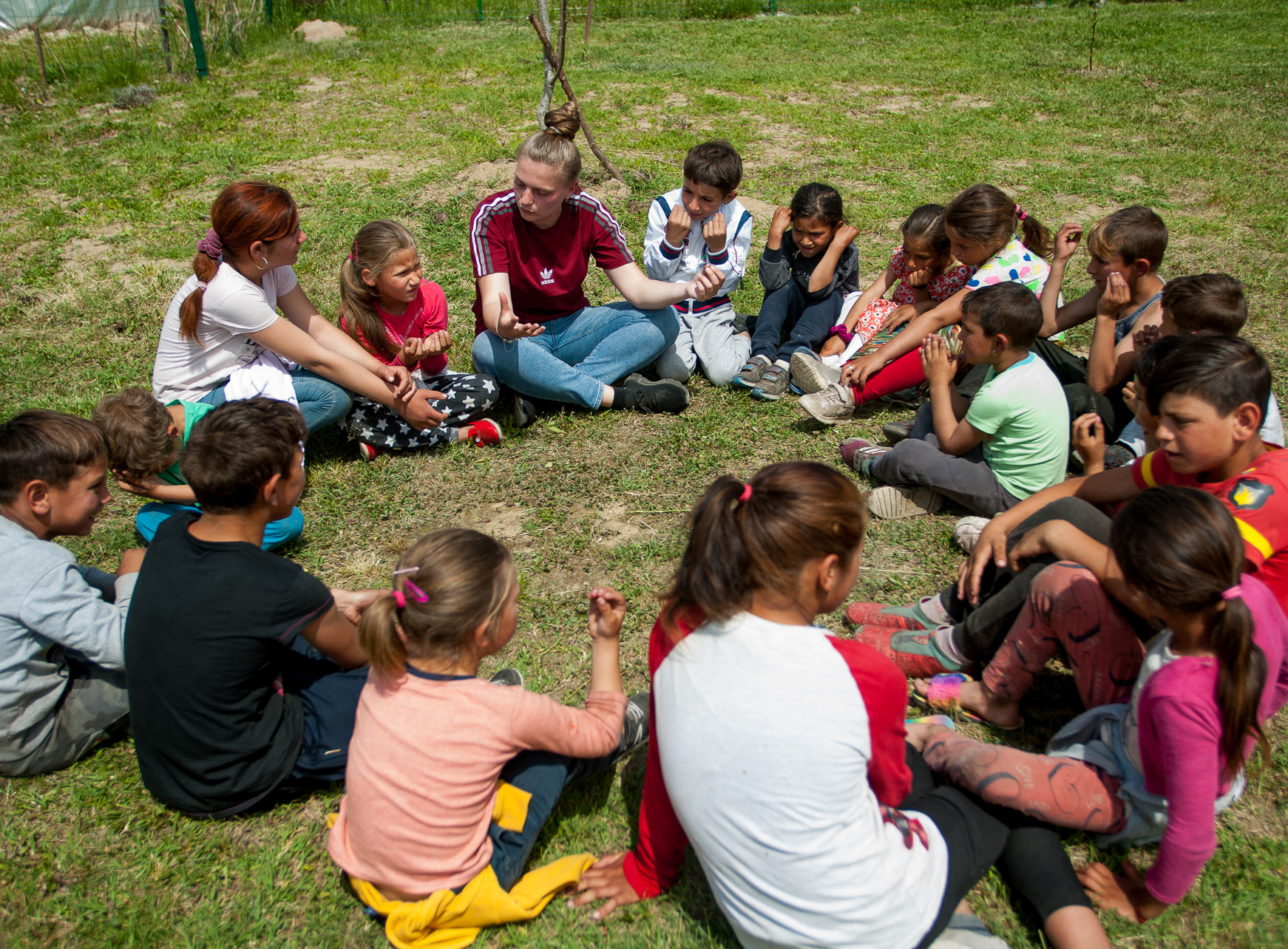
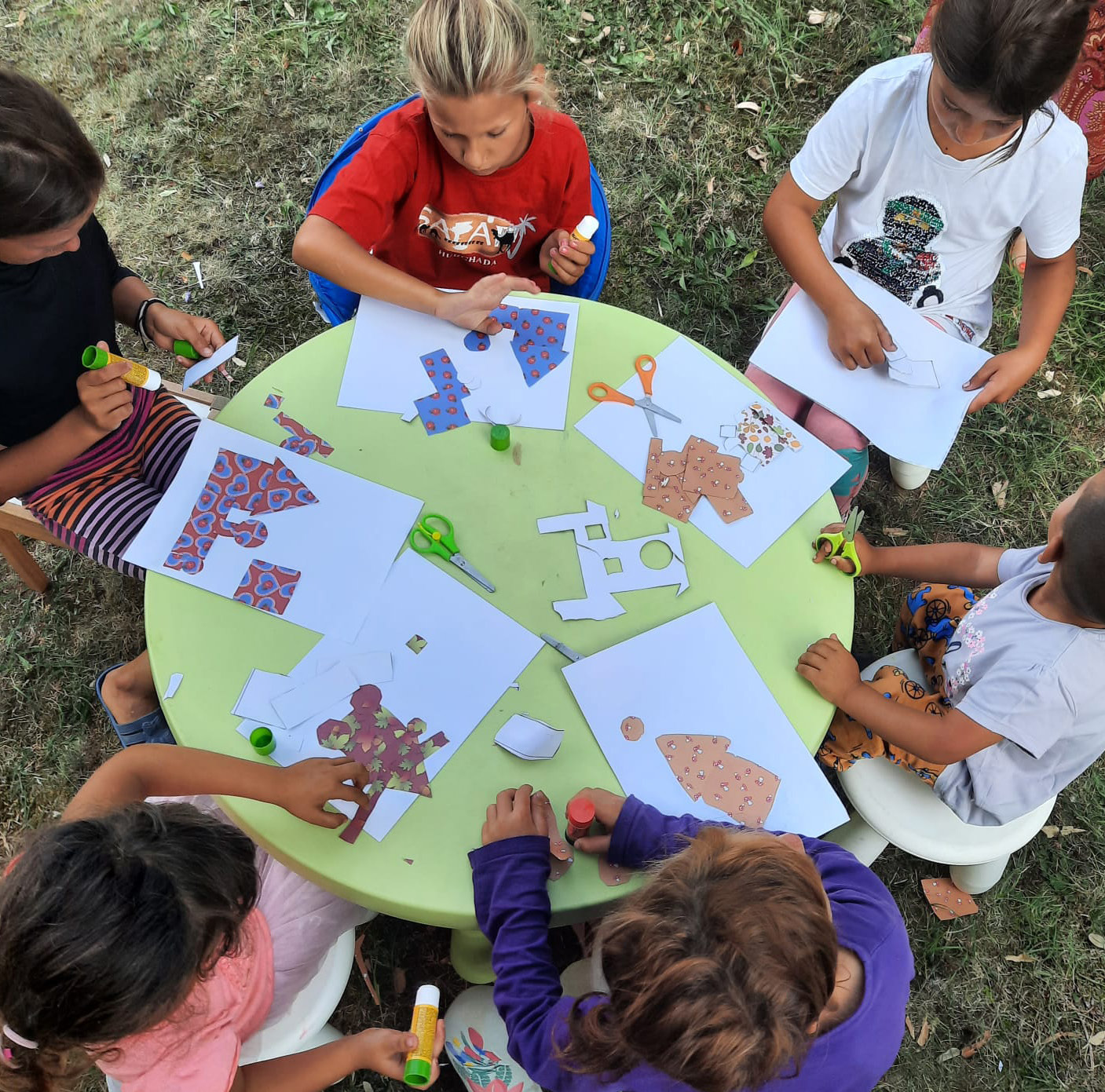
Working with non-Roma population and authorities’ attitudes towards Roma are increasingly important for their integration and will be highlighted in the coming strategy period. In the area of education and leisure, ERIKS will encourage partners to advocate for schools, as legal duty-bearers, to take more responsibility in ensuring quality education for vulnerable children. Compared to the previous period, the focus of afterschool programmes developed by partners will be moving towards complementing school curricula and offering children the opportunity to develop life skills, exercising rights, preventing bullying and discrimination, and organising meaningful leisure time in a secure space.
In parallel, partners will work to increase the capacity of schools to provide appropriate teaching and customized support for vulnerable children. A special attention will be paid to pre-school children and their inclusion in educational programmes that ensure a smooth start of their school life.
The health area will be strengthened by including components of health education, sexual and reproductive health and rights, and mental health for vulnerable adolescents. Access to healthy food and nutrition education will be prioritized for young mothers and infants, aiming at giving children a good start in life. Awareness raising activities related to the right to decent health services will continue, including ensuring adequate sanitation facilities and access to safe drinking water for families from the most vulnerable communities.
Partners will be supported to better understand the child protection system in Romania and proactively prevent and report child abuse cases. The work with legal duty-bearers will be prioritised to ensure an efficient way of tackling cases of abuse and strengthening the application of best interest of the child.
Parents, as moral duty-bearers, will be supported in developing parenting skills and creating a nurturing environment for their children.
Humanitarian programmes will focus on the communities affected by multiple, overlapping vulnerabilities and will include gap filling components with direct actions to ensure children’s rights to survival. Humanitarian assistance will also be considered when unexpected crises or threats, such as floods, fire or other natural disasters will affect the respective communities.
C. Partners
ERIKS will seek to expand its country portfolio with at least one additional partner experienced in implementing advocacy programmes and developing the capacity of duty-bearers. This partner will complement and provide valuable input to the other partner organisations in this area, while using the results of the existing partners’ grassroots programmes to advocate for long-term structural changes.
At the same time, ERIKS will expand its reach in extremely vulnerable communities in North-Western Romania by adding to its portfolio new organisations working at the grass roots level, with a proven understanding of the rights-based approach. During this strategic period, ERIKS will evaluate the opportunity of phasing out from certain intervention components, implemented by the longer-term partners, that do not fit with ERIKS’ approaches.
D. Aid efficiency
Most interventions in ERIKS’ portfolio are programme based, acknowledging the need for continuous long-term support to achieve sustainable changes in the vulnerable communities.
To prevent the risk of creating dependency, ERIKS will encourage partners to focus on empowering communities and develop appropriate exit strategies. During 2024-2028 period, ERIKS will investigate the possibility to provide core funding to at least one partner organisation, as a way to increase aid efficiency.
E. Implementation strategies and approach
In relation to ERIKS’ theory of change and strategic approaches, there will be an increased focus on developing legal duty-bearers’ capacities to prioritise resources and to deliver quality services on education, health, protection for the most affected areas and populations, thus better fulfilling their responsibilities according to UNCRC. Both at local and national levels, ERIKS will take a more active role in advocating for children’s rights through bringing on board new partners with expertise in advocacy and policy changes and by participating in joint initiatives and relevant networks on child rights and Roma issues.
At the same time, strengthening the capacity of rights-holders to understand and access their rights will continue to be prioritised as a strategy to improve the position of Roma in the society. Examples of meaningful participation, demonstrated in the previous strategic period, will be promoted, multiplied and complemented with approaches that facilitate Roma inclusion in the surrounding communities and prevent
segregation.
As a complement to working with duty-bearers and rights-holders, ERIKS will support limited direct actions to address gaps in provision and violations of children’s rights in the areas affected by high level of poverty and/or multiple vulnerabilities. These activities will focus on responding to immediate needs of children, where a relevant response from duty-bearers cannot be expected within a reasonable period of time.
F. Sustainability
ERIKS’ country priorities are very much in line with the objectives set by the National Strategy on children’s rights 2023-2027 and the National Strategy for the inclusion of Romanian citizens belonging to the Roma minority 2022-2027 in the areas of education, health and protection. With increased presence in advocacy, ERIKS, together with partners, will raise the profile of the interventions implemented in these vulnerable communities and draw government’s attention to areas which are not covered by the strategies.
A more active participation in relevant networks working with children’s rights and Roma issues, regular dialogue with other international NGOs, and increased efforts in identifying additional sources of funding for partners’ interventions will strengthen ERIKS’ efforts for increased sustainability.
Country outcomes
The following outcomes have been defined for ERIKS’ work in Romania during this strategy period, based on the country analysis and ERIKS’ role and contribution:
1:1:1
Partner organisations adhere to the Child Rights Based Approach. They integrate in a contextualized manner, gradually and organically, elements of the Child Rights Based Approach and the UNCRC principles at the level of their organisational strategies, staffing policies (institutional ownership) and programme development.
1:1:2
Partner organisations are continuously open to learning from their own and others’ experiences, as well as from new approaches. This allows them to be sensitive to the context, emerging risks and changes, and to plan and adapt their strategies accordingly.
1:1:3
Partner organisations integrate elements of gender transformative approach in their organisational strategies and programmatic work.
1:1:4
ERIKS and partner organisations have appropriate governance structures and systems for management and internal control.
1:1:5
ERIKS and partner organisations participate in relevant networks and have skills and opportunity to advocate for the rights of the child.
2:1:1
Girls and boys enjoy their rights to quality and inclusive education at all mandatory school levels. They learn about their rights, develop life skills and self-esteem through meaningful leisure time activities.
2:1:2
Newborn and infant girls and boys enjoy access to healthy food, quality care and medical services for a good start in life.
2:1:3
Adolescent girls and boys enjoy their right to health, including sexual and reproductive health and rights (SRHR), menstrual health and mental health.
2:1:4
Girls and boys understand their rights to be protected from violence, neglect and exploitation. They know how and where to report child abuse and take part in preventing abuse and discrimination.
2:1:5
Girls and boys enjoy their rights to assistance in the humanitarian context.
2:2:1
Local authorities, school management and school staff ensure inclusive quality education for all children at all levels. They understand their responsibilities and the particular challenges faced by children from vulnerable communities, thus they allocate necessary resources and cooperate effectively to facilitate all children’s access to quality education.
2:2:2
Health care units, social protection and education institutions work together to ensure adequate health care for mothers and children from the most vulnerable communities. They are pro-active in reaching out to most vulnerable girls and boys and prevent discrimination on any ground when delivering health services.
2:2:3
Legal duty-bearers at local level work to ensure girls and boys from the most vulnerable communities are
protected from abuse, neglect and exploitation. The social housing and relocation programmes are designed and implemented taking into account the CRC principles, including the best interest of the child.
2:3:1
ERIKS’ partner organisations develop afterschool activities that complement schools’ programme and offer
girls and boys from the most vulnerable communities the opportunity to build life skills, exercise their rights, prevent bullying and discrimination in a safe and inclusive environment.
2:3:2
ERIKS’ partner organisations develop health programmes for the most vulnerable girls and boys, as a complement to public services.
2:3:3
ERIKS’ partner organisations are active to prevent and protect girls and boys from abuse, neglect and exploitation.
2:3:4
Parents understand their role and act responsively in ensuring an adequate environment for children’s development in accordance with children’s rights.
Romania Country Strategy 2024 2028
The document “Instruction for ERIKS ERIKS´ Nomination Committees” describes how ERIKS’ two nomination committees shall work in preparing board elections. Approved by ERIKS board 2026-05-29. Revised when needed.
1. Introduction and Purpose
This instruction describes how ERIKS’ two nomination committees shall work in preparing board elections. It covers the composition, mandate and principles of the nomination committees, their working procedures, nominations, the terms and conditions of the nomination committees, as well as support provided to them. Much of the work of the two nomination committees is similar; however, each section also specifies the differences that apply respectively to the foundation ERIKS and to the association ERIKS Second Hand.
The purpose of this instruction is to establish a clear, transparent and appropriate process for the preparation of board elections.
2. Composition of the Nomination Committees
ERIKS formally consists of two legal entities: the fundraising foundation ERIKS (Insamlingsstiftelsen Farbror Eriks barn- och hjälpverksamhet) and the non-profit association ERIKS Second Hand (Erikshjälpen Second Hand), each with its own board and its own nomination committee.
According to the foundation’s statutes, the board constitutes itself and appoints new members when necessary. In practice, this means that the board, particularly through its Chair, plays an important role in the process. The foundation has chosen to have a nomination committee as part of its work to ensure transparency and quality in the preparation of board elections. The foundation’s nomination committee consists of three members and is appointed at the constitutive meeting of the foundation board. It is desirable that at least one of the members of the nomination committee also serves on ERIKS’ board. Members of the nomination committee are appointed, on proposal by the board, for a term of three years and may be reappointed for a maximum of three terms.
The nomination committee of ERIKS Second Hand also consists of three members. The board of ERIKS Second Hand prepares the election of nomination committee members by collecting proposals from the member organisations . Two of the members are elected by the annual general meeting of ERIKS Second Hand, while the third member, who serves as the convenor, is appointed by the foundation board. Members of the nomination committee are appointed for a term of three years and may be reappointed for a maximum of three terms.
¹ The Board presents two names at the annual general meeting that it recommends; however, all nominations shall be presented at the annual general meeting.
3. Mandate and Principles
The mandate of the nomination committees is to contribute to ensuring that each board possesses the collective competence, experience and anchoring required to fulfil its responsibilities and to support ERIKS’ long-term development. For the foundation, this mandate entails preparing proposals for board members and the presidium of the foundation board. For ERIKS Second Hand, the mandate entails preparing proposals for board members and auditors.
In preparing board elections, documented experience of financial governance shall be considered as an advantage. This refers to experience of having responsibility for financial management and governance of an organisation or a function within an organisation, for example as a board member, manager, project manager or operational lead. The nomination committees shall also give particular consideration to gender balance, diversity in age and life experience, and anchoring in ERIKS’ Christian values.
For ERIKS Second Hand, the mandate also includes identifying potential board members among representatives of the member organisations.
The nomination committees shall be given the opportunity to continuously follow the work of the respective boards, including through access to board minutes and through meetings with the board or the board Chair and the Secretary General. The nomination committees may also be invited to participate in the boards’ strategic discussions in order to gain a deeper understanding of the issues and challenges facing the boards.
4. Coordination
The nomination committees should maintain ongoing dialogue and meet at least once per year. At this meeting, the Chair of each organisation may also be invited in order to provide a consolidated picture of the current situation and the boards’ recruitment needs. However, the final assessments and the formal handling of proposals remain the responsibility of each nomination committee, which shall act with a high degree of independence.
5. Working Procedure
The work of identifying potential candidates and maintaining dialogue with individuals who may be considered for board assignments is carried out continuously throughout the year. In addition, the work includes the following recurring steps:
5.1. Survey to Current Board Members
Each year, a survey is sent to all board members. The purpose is to clarify which members are available for continued assignments and to provide the nomination committee with a basis for assessing competence needs and nominating new members. The nomination committee compiles the survey responses.
5.2. Feedback to the Board
The nomination committee presents an overall summary of the survey results at an appropriate board meeting as a basis for the continued nomination work. The convenor of the nomination committee is responsible for compiling, anonymising and presenting to the board Chair those parts of the survey responses that are relevant to the board’s continued work.
5.3. Contact with Candidates
When the nomination committee has identified potential candidates, consultation shall take place with the respective Chair regarding the order in which candidates should be contacted. If the recruitment of a new Chair for the foundation is under consideration, corresponding consultation shall take place with the first and/or second Vice Chair. Before a candidate is formally asked to make themselves available, a conversation shall be held with the candidate and the Chair, and in the case of the foundation also with the presidium/executive committee.
5.4. Presentation of Proposals
The nomination committee shall account for how its work has been conducted and present and justify its proposal in the forum where the election takes place. For the foundation, this usually occurs at the constitutive board meeting, but may also take place at another board meeting. For ERIKS Second Hand, this occurs at the annual general meeting. The aim is for proposals to be prepared well in advance and distributed together with the meeting documentation ahead of the respective meeting.
6. Nominations
Proposals for candidates shall be able to be submitted to the nomination committees, and contact details for the nomination committees shall be made available on ERIKS’ website.
For ERIKS Second Hand, all members of the association have the right to nominate candidates to the board. The nomination committee shall also consider nominations and expressions of interest submitted spontaneously by individual persons.
7. Terms and Conditions of the Nomination Committees
Members of the nomination committees are entitled, in the same way as board members, to meeting fees or compensation for loss of income, as well as reimbursement for travel expenses. Applicable amounts are set out by the foundations board at the constitutive board meeting.
8. Administrative Support
The Secretary General is responsible for ensuring that the nomination committees receive the administrative support and information required to fulfil their mandates. This includes, among other things, an up-to-date list of current board members with contact details, year of appointment and term of office, as well as information about the organisation’s operations.
For ERIKS Second Hand, this support also includes administrative assistance with communications to members in connection with nominations.
 Lyssna
 ERIKS Annual Report 2025 is Erikshjälpens Årsberättelse 2025 in English. Annual accounts is included in the Annual Report.
ERIKS Annual Report 2025
ERIKS Position Paper – Partnership describes and explains ERIKS’ approach to partnerships and provides guidance on selecting partner organisations, as well as possible discontinuation of partnership. Adopted in Swedish at a regular meeting of the Foundation’s Board in May 2018. Amended Dec 2019.
1. Background and purpose of the document
ERIKS Development Partner (ERIKS) is a child rights organisation which, based on Christian values, applies a human rights-based approach in its work. The organisation´s mission is to reduce poverty and vulnerability by ensuring that children’s rights are fulfilled. In this mission, it is strategically important to work in partnership with others, both for and with civil society.¹
ERIKS Development Policy identifies four strategic approaches: a human rights-based approach; partnership with local organisations; promoting child participation; resilience and sustainable livelihoods as a tool for children’s rights. This position paper focuses on partnerships with local organisations and is one of the documents that explain ERIKS’ approach in more detail.
ERIKS has a clear focus on partnerships and an established method² for evaluating potential partners for programmes in Sweden and internationally. This position paper describes and explains ERIKS’ approach to partnerships and provides guidance on selecting partner organisations, as well as possible discontinuation of partnership. It is not meant to be a checklist or manual, but rather a supplement to and a bridge between ERIKS’ Development Policy and the Organisational Assessment templates. This document aims to provide guidance and common understanding of how and why we prioritise certain values and qualities in potential partners. Above all, it is intended to support ERIKS’ programme staff at the head office and the regional offices.
¹ In the Service of Love. Identity, vision, mission, values and culture, p. 2.
² Organizational Assessment
2. Partnership as a strategic focus
ERIKS’ work is built on respectful partnerships with civil society organisations and groups that share our values and that have a strong connection to and involvement in people’s daily life. Our work is characterised and enriched by lasting relationships with partner organisations.
2.1 Why does ERIKS prioritise partnerships with civil society?
A strong civil society
There is great intrinsic value in developing and strengthening the capacity of civil society organisations. A pluralistic and robust civil society is crucial for peaceful and democratic development. The ability of people to organise and join networks, associations etc. is essential to ensure an inclusive and healthy society. This is explained in the guidelines for Swedish development cooperation: ”Civil society has a key role in poverty reduction as well as a special relevance and potential to contribute to democratic development and increased respect for human rights in developing countries”.³ It is important not to take civic space for granted; the freedoms of association, assembly and expression must always be defended, especially in contexts where laws and practices limit the ability of civil society organisations to operate.
Long-term approach and sustainable results
Achieving the goal of reducing poverty and vulnerability requires a comprehensive approach and a long-term perspective. By working in cooperation with organisations that have local knowledge and roots, ERIKS is able to identify opportunities to promote a long-term approach, accuracy and mutuality in development cooperation. Local ownership makes interventions more relevant, effective and sustainable than if ERIKS was to work alone.⁴ It is also an essential factor when applying a human rights-based approach, so that the people who are involved in a project are supported in their role as actors and can continue the work when ERIKS is no longer providing support. A long-term approach includes mutuality and faith in the partnership itself, with an atmosphere of trust and an ambition to forge sustainable relationships.
Advocacy
ERIKS believes that it is important for child rights programmes to incorporate a long-term focus on advocacy to ensure that decision-makers, authorities and other duty bearers are held accountable to fulfil children’s right and promote positive development.⁵ It is important to take a clear stance on the issues at hand and to draw attention to unfair and unequal power structures.⁶ Through our partnerships we want to promote conducive environments for people to influence decisions, attitudes and behaviours and thereby promote structural change in society. Sound, long-term and successful advocacy work requires cooperation between organisations at local, national and international level. When advocacy initiatives are based on the reality in which the rights holders live they become more credible.
2.2 How does ERIKS work in partnerships?
ERIKS partners with organisations working at different levels and with different roles and functions to promote the rights of the child
ERIKS understands the value of working in cooperation with both nationwide partner organisations and smaller, local grass-roots organisations. Different types of partners can complement each other’s efforts in an effective way. ERIKS therefore seeks to maintain a broad partnership portfolio with partner organisations that are focusing on different issues and working at different levels to reach rights holders and duty bearers. This breadth also increases the potential for synergy effects and creates the potential for exchange between organisations, as well as long-term learning.
According to ERIKS’ statutes and identity, the organisation has a purpose which is diaconal in nature, focusing on the social and humanitarian aspects of the Christian mission, to love your neighbour.⁷ Collaboration with partner organisations based on Christian values is therefore a clear priority and this is reflected in ERIKS’ partner portfolio. At the same time, having a diverse range of partners is important so that ERIKS, in all contexts in which the organisation work, is able to support children’s rights in the best possible way; for example, where there is a lack of organisations with Christian values and local roots, or where we identify a need to supplement and support the ongoing work with a specific competency. Rooted in its identity, ERIKS is able to have an open mind about the surrounding world and to focus on being an inclusive and open organisation with space for different forms of expression and respect for every individual; an organisation in which all people have the opportunity to grow and develop.⁸ ERIKS also looks for and encourages this type of openness in the partner organisations.
In all of ERIKS’ partnerships it is important to emphasise that it is unacceptable for any project or programme to be conditional upon people participating in religious activities or to be limited in any other way based on people’s beliefs, identity, group affiliation or other basis for discrimination.⁹ Nor are funds from ERIKS to be used to finance activities aimed at converting people to a particular religion or belief. However, religious stories, texts and expressions could be important resources in promoting the rights of the child. ¹⁰
ERIKS’ partnerships in Sweden differ in some respects from those in the organisation’s international programme contexts. Initiatives in Sweden are implemented in partnership with other organisations, but also by ERIKS itself, which is possible due to the organisation’s knowledge of the local context in Sweden. The focus of ERIKS’ work in Sweden is also based on its desire to promote engagement for children’s rights, inspire and encourage people to donate. The relationships with the partners with whom we jointly operate Second Hand shops are a priority as well. ERIKS also provides individual grants to associations and programmes in Sweden that do not require a longer-term partnership. The primary purpose is always to support children’s rights and to meet the needs of the target group. The choice of partner is still important even when the grant is small, or the collaboration involves a limited project. Our choice of whom to work with says something about who we are.
ERIKS walks beside and empowers organisations and civil society
Part of ERIKS’ identity as a faith-based organisation is a strong motivation to express the Christian message of love through actions.¹¹ ERIKS’ mission is to enable children and families living in poverty and vulnerability to develop, participate in, influence and improve the society in which they live. This is why ERIKS wants to empower local organisations and enable them to develop in terms of democratic methods and values. ERIKS believes that strengthening the capacity of civil society organisations promotes local ownership and sustainability in the promotion of children’s rights. ERIKS would like to see partnerships involving mutual learning, where we share knowledge and experiences “at eye level”. ERIKS aims to be an active and close partner, one which has empathy and focuses on possibilities, in the spirit of Uncle Erik.
ERIKS’ history, values and identity provide a solid foundation from which the organisation can raise awareness and knowledge about children’s rights within churches and other faith-based organisations. We believe that this type of cooperation can provide valuable access to religious actors, who in their turn can be role models in the promotion of child rights and, through their local roots and networks, contribute to sustainability. ¹²
At the same time, ERIKS is aware that its identity is associated with a special responsibility to be mindful of the tensions that can arise in various cultural and social contexts where there are religious affiliations. We must, for example, always be aware of situations where religious language or religious traditions are used to wield power that can cause harm to children or negatively affect children’s rights. ERIKS believes it has a responsibility to always promote the best interests of the child and to challenge traditional and hierarchical structures in a constructive way.
ERIKS treats partners with respect when discontinuing collaboration
Although ERIKS values long-term collaboration, it is natural that partnerships are evaluated and sometimes terminated. There are three main reasons why a partnership might be discontinued. The first case is based on strategic choices and priorities. ERIKS will at times decide to stop working in a country, in a geographical area or in a specific thematic field. For this reason, ERIKS will also cease working with certain partner organisations. This type of phaseout is always handled with great care and the partner is given time to prepare for the discontinuation of funding. The second reason for termination is when there is no longer a common vision for the work. For instance, it could be that the partner organisation does not want to subscribe to the guiding principles below, or other important policies. Discussions about ideological matters can be part of a continuous dialogue with a partner over some time, but if there is no progress towards a more common vision, ERIKS will eventually decide to discontinue partnership. Even in this case, the phaseout is managed in a respectful way and clear reasons are communicated to the partner why the partnership is ending. The third case is when the partner has very clearly broken agreements with ERIKS and/or requirements from back donors. This might have to do with fraud and mismanagement of funds, child protection issues or with other binding policies. If the misconduct is of a very serious nature and/or the partner is not collaborating in correcting the misbehaviour, it will lead to an immediate termination of the partnership.
³ Sida, 2015: Underlag för strategi för stödet till civila samhället i utvecklingsländer, CSO-strategin, 2016–2019, p.1
(CSO Strategy, quote translated from Swedish)
⁴ In the Service of Love. Identity, vision, mission, values and culture, p. 2.
⁵ ERIKS’ Opinion Policy, adopted by the Foundation’s Board in September 2017.
⁶ In the Service of Love. Identity, vision, mission, values and culture, p. 2.
⁷ The Foundation’s statutes, paragraph 3; In the Service of Love. Identity, vision, mission, values and culture.
⁸ ERIKS Policy on Diversity, Equal Treatment and Gender Equality. Established by the Foundation’s Board and Board of the Second Hand organisation, September 2017.
⁹ ERIKS Policy on Diversity, Equal Treatment and Gender Equality; Core Humanitarian Standard, CHS Alliance
¹⁰ Swedish Mission Council, 2013: Religion som tillgång i utvecklingssamarbetet (Religion as an asset in development cooperation).
¹¹ In the Service of Love, p. 1.
¹² In the Service of Love, p. 1
3. Guiding principles for partner selection
When applying these guiding principles, it is important to always take into consideration the local context, as well as existing cooperation in the country or region. The following principles, which are in no particular order of priority, guides ERIKS in the initial selection process, before deeper analyses and assessments are made of the organisations that share these principles.
The organisation stands behind the principle that all people have equal value and defends the rights of the child
- ERIKS’ values provide the key foundation on which our partnerships with others are built. The values and view of humanity of a partner organisation are therefore of crucial importance in our joint efforts to promote children’s rights. ERIKS’ partners must firmly stand behind the principles of equal value of all people, non-discrimination, gender equality, diversity and economic, social and environmental sustainability.
- ERIKS seeks to partner with organisations in which children’s rights are recognised and made visible in both the organisation’s work and its attitudes.
The organisation has the will and potential to apply a human rights-based approach
- As a child rights organisation, ERIKS prioritises cooperation with organisations with a strong connection to and understanding of children’s rights according to the UN Convention on the Rights of the Child. The willingness and potential of partner organisations to apply a human rights-based approach, e.g. by strengthening the capacity of rights holders and duty bearers, is essential. ERIKS works with organisations where a human rights-based approach is an established method, as well as with those who are willing to develop their capacity in this area.
The organisation is characterised by democratic values, local roots and legitimacy
- Based on the goal of promoting a robust civil society and local ownership, ERIKS looks for partner organisations who are actively promoting democratic values such as participation, representativity, transparency and accountability. This may be manifested in various ways, such as clear interaction and trust between the organisation and its target groups, for example regarding insight into the organisation’s work, possibilities to impact its direction and to demand accountability.
- ERIKS also emphasises the importance of leadership with integrity, with leaders that are committed to gender equality and non-discrimination and act with sensitivity to national or local conflicts, and where no one uses their position as a means to reach other ends, such as financial or political ones.
- According to ERIKS, legitimacy and local roots imply that an organisation is respected and understands its local context. When choosing a partner organisation ERIKS emphasises the importance of being guided by the target group’s identification of problems and prioritisation of issues; where the participation of girls and boys in the planning, implementation and follow-up of projects are promoted.¹³ This gives an organisation legitimacy.¹⁴
- In many parts of the world, faith-based organisations and religious leaders and institutions have strong roots and legitimacy among the local population. The role of religion in society could be an obstacle but could also provide an opportunity to changes in attitudes and behaviours to promote children’s rights. According to ERIKS, the understanding of the role of religion and its influence in a community, as well as respect for people’s spiritual needs is an asset in efforts to promote children’s rights.¹⁵ Consequently, ERIKS prefers to work with organisations, both faith-based and non-confessional, that understand this principle.
¹³ ERIKS Position Paper on Child Participation
¹⁴ “Legitimacy is necessary in order to get target groups involved and participating and is also fundamental in the ability to be a strong and credible voice for change”. Swedish Mission Council, Policy for human rights perspective, adopted on 13 March 2014, p. 11
¹⁵ Swedish Mission Council. 2013: Religion som tillgång i utvecklingssamarbetet (Religion as an asset in development cooperation).
4. Follow-up
Working in cooperation with others involves constant interaction, where the choice of partner can to some extent shape and change an organisation’s identity. The Foundation’s Board has the fundamental responsibility for ensuring that ERIKS’ partner portfolio reflects the organisation’s identity and vision.
The responsibility of choosing partners is delegated to the Programme Departments (Sweden and International). The formal decision is made by the Programme Director, International Department, and the Programme Director, Swedish Department, in consultation with the Secretary-General. Discontinuation of a partnership is handled by the respective Programme Departments with a formal decision by the Programme Director. In order for the Board to stay informed about the composition and development of partnerships, a list and an analysis of the partner organisations is presented every year, as part of the Annual Global Report and Sweden Programme Report. This information is to include which partnership agreements have been signed and which partnerships have been phased out during the past year.
The analysis must also provide examples of factors that were considered in concrete selection situations. This is to enable continual follow-up of compliance with this document and also to provide an assurance that there is consistency in the assessments and choices made by the Programme Departments.
Privacy Policy is our Integritetspolicy in English. The policy describes how we ensure that your personal data is processed in accordance with the General Data Protection Regulation (GDPR). Approved by the Board of Erikshjälpen 2025-11-28.
Content
- Introduction and purpose
- Data controllers and contact details
- Processing of personal data by ERIKS
- Processing of personal data by ERIKS Development Partner
- Personal data processing by ERIKS Second Hand Association
- Updating and completing personal data
- Who do we disclose the data to?
- Is the data stored in countries outside the EU or EEA (third country)?
- What are your rights?
- Safety
1. Introduction and purpose
You should always feel safe when providing your personal data to ERIKS. For example, when you make a donation, contact us, or apply for a position, we process your personal data in accordance with the General Data Protection Regulation (GDPR). We only collect personal data necessary for our purposes, protect it appropriately, and delete it when it is no longer required. You may request access to your personal data, withdraw your consent, or request erasure of your data at any time.
This privacy policy concerns how we process personal data; other aspects of privacy, such as safety and how individuals are treated in our operations, are regulated in separate policy documents.
2. Data controllers and contact details
ERIKS consists of two separate entities:
- ERIKS Development Partner (In Swedish: Insamlingsstiftelsen Farbror Eriks barn- och hjälpverksamhet) with org. no. 827500-4789
- ERIKS Second Hand Association (In Swedish: Föreningen Erikshjälpen Second Hand) with org. no. 827501-1131
Each entity acts as an independent data controller for personal data processed within its own operations. In this policy, “ERIKS” refers collectively to both entities.
ERIKS Second Hand Association operates several stores under its organisation number. There are also partner stores with their own organisation numbers, operating in collaboration with Erikshjälpen Second Hand.
Contact details for data protection matters
If you have questions about what data we process about you, want to decline information or communication from us or exercise any of your other rights, you are welcome to contact us:
Personal data
Erikshjälpen
Datorgatan 4
561 33 Huskvarna
Email address: personuppgifter@erikshjalpen.se
Phone number: +46 383-46 74 50
Below you can read about what data we process about you, for what purpose we process your data and what legal basis we have for processing it.
3 Processing of personal data by ERIKS
The following processing activities are handled within both of ERIKS´ entities.
3.1 Application for a job, internship, volunteer position or youth fundraising ambassador
We process data about you when you apply to engage with us.
Data we process:
- Name, personal identity number, postal address, email address, phone number
- Information in your application such as CV, cover letter, education, work experience and references (if applicable)
- Details of any interviews or conversations with you
- Data that comes from an external party, e.g. The Swedish Public Employment Service, the probation service or other partners for internships (if applicable)
- Information about the desired location, store or assignment (if applicable)
Purpose and legal basis:
- Managing applications and evaluating candidates: Legitimate interests
- Administration of the recruitment process: Legitimate interests
- Collaborate with external actors (e.g. the Swedish Public Employment Service or the Probation Service) regarding internships: Legitimate interests
Justification of legitimate interests:
Based on a legitimate interests assessment, we process data in order to be able to handle applications in an efficient and correct manner.
Data retention period:
- For applications for employment, the data is stored for a maximum of 24 months after the end of the recruitment process.
- For applications for internships, volunteer positions or youth fundraising ambassador roles that do not result in a placement or assignment, the data is stored for a maximum of 12 months after the end of the process.
3.2 Newsletters and other direct mailings
We process personal data about you if you have registered that you wish to receive newsletters or other direct mailings from us.
This category only applies to mailings that you have actively chosen to receive.
If, on the other hand, you have a different engagement with us, for example as a donor, or have interacted with us in different ways, you may receive other types of mailings that are processed according to the respective category in this policy.
Data we process:
- Name, postal address (for physical mailing), email address (for digital mailing)
Purpose and legal basis:
- Distribution, newsletters or other mailings: Consent
Data retention period:
- Data are stored until you notify us that you no longer want to receive the newsletter or mailing.
3.3 Complaints and whistleblowing
We process data about you if you submit a complaint or whistleblower alarm to us and you choose not to be anonymous.
Data we process:
- Name, email address, phone number
- Notification or report, in written or other format
- Any attached documents or evidence
- Communication history in the case
- Information about persons or situations involved in the case
Purpose and legal basis:
- Receiving, handling and following up on complaints and taking the necessary steps to improve our business: Legitimate interests
- Receiving, handling and investigating whistleblower cases in accordance with applicable whistleblower legislation, including documentation and follow-up: Legal obligation
Justification of legitimate interests:
Based on a legitimate interests assessment, we process data in order to be able to receive, investigate and handle complaints and whistleblower cases in a correct manner to ensure the quality of our operations and protect both whistleblowers and interested parties.
Any unnecessary personal data provided in the notification will be deleted immediately.
Data retention period:
- Data is stored up to 24 months after the case is closed.
- In the event of serious reports that have led to disciplinary action or legal proceedings, the data may be stored for longer in accordance with applicable legislation.
3.4 Social media
We are active on social media platforms such as Facebook, Instagram, LinkedIn and TikTok to communicate about our work, create engagement and reach more people with our message.
Data we process:
- Names, profile pictures, and usernames of people who interact with us
- Content of comments, messages, and posts where we’re mentioned or tagged
- Interaction data (likes, shares, comments)
- Information you share with us via direct messages
Purpose and legal basis:
- Communication and dialogue with followers and stakeholders, including answering questions, managing issues via direct messages, and moderating comments: Legitimate interests
- Targeted communications and reach analysis: Legitimate interests
Justification of legitimate interests:
We have a legitimate interest in reaching out with information about our work, communicating with users and engaging more people to support our mission. We also analyze the reach and statistics of our posts, to ensure that we create relevant information and reach the right recipients.
Data retention period:
- We continuously delete direct message conversations. In many cases, you can delete posts that you’ve created, liked or shared yourself.
- Other data is stored in accordance with the terms and conditions of each platform.
We act as the data controller for the content on our social media accounts, while users are responsible for the content they post. We reserve the right to remove comments that we deem inappropriate.
3.5 Contact persons at organisations
We process information about you if you are a contact person at an organisation that is a donor, supplier or partner of ERIKS.
Data we process:
- Name, email address, phone number, role or job title
Purpose and legal basis:
- Administration of the relationship between our organisations: Legitimate interests
Justification of legitimate interests:
Based on a legitimate interests assessment, we process data for the purpose of being able to administer the gift or relationship between your organisation and ERIKS.
Data retention period:
- Data is stored for the duration of the collaboration and for up to 12 months afterwards, or until a new contact person is appointed.
- If your company or organisation has made a donation to ERIKS, we will save the data for 36 months after the last donation.
4 Processing of personal data by ERIKS Development Partner
4.1 Donors
We collect personal data when you make a donation in the form of money, buy a gift certificate, launch your own fundraising campaign or contact our donor services.
Data we process:
- Name, personal identity number, postal address, email address, phone number
- Donation amount, payment history, payment method, bank account number (in case of direct debit)
- Donor ID, communication history, free-text comments
Purpose and legal basis:
- Handling of contractual donations: Performance of a contract
- Handling of one-time donations: Legitimate interests
- Accounting and reporting: Legal obligation
- Donor services, follow-up and analysis: Legitimate interests
- Information, communication and invitations: Legitimate interests
Justification of legitimate interests:
Based on a legitimate interests assessment, we process data to streamline administration, reducing costs and being able to provide information about our work in a relevant and transparent manner. This means that we can strengthen and help more children and families.
Data retention period:
- Name, donation amount, date and any OCR number or message are stored for 7 years according to The Swedish Accounting Act.
- Other information is stored for as long as you are a donor and for 36 months after your last donation.
4.2 Potential donor – existing contact
We may process your personal data if you have interacted with us and we assess that you might be interested in supporting our work. The data may come from yourself, from events we organize, quizzes you have completed, products you have purchased from us or any other contact with us.
Data we process:
- Name, personal identity number, postal address, email address, phone number
Purpose and legal basis:
- Contact to inform you about our work and to ask whether you would like to make one-time or recurring donations: Legitimate interests
Justification of legitimate interests:
Based on a legitimate interests assessment, we process data for the purpose of identifying and contacting people who might be interested in supporting our work based on previous interactions with us.
Data retention period:
- Up to 12 months after last contact
4.3 Potential donor – new contact
We are actively looking for new people who might be interested in supporting our work by learning more about our organisation and our purpose. In order to identify and reach out to potential new donors, we process personal data that is purchased from external sources (such as SPAR, the Swedish State Personal Address Register) or retrieved from public news sources, where we assess that people may be interested in our work.
Data we process:
- Name, personal identity number, postal address, email address, phone number
Purpose and legal basis:
- Contact to inform you about our work and to ask whether you would like to make one-time or recurring donations: Legitimate interests
Justification of legitimate interests:
Based on a legitimate interests assessment, we process data for the purpose of identifying and contacting people who may be interested in supporting our work.
Data retention period:
- Up to six months for purchased data for a specific activity
4.4 Wills
We may process information about you if you have entered or shown interest in entering ERIKS in your will.
Data we process:
- Name, personal identity number, postal address, email address, phone number
Purpose and legal basis:
- Monitoring ERIKS´ rights according to wills: Legitimate interests
- Donor services, follow-up and analysis: Legitimate interests
- Information, communication and invitations: Legitimate interests
Justification of legitimate interests:
Based on a legitimate interests assessment, we process data for the purpose of monitoring wills that may benefit us. We may also inform about our work to raise more money that allows us to strengthen and help more children and families in vulnerability.
Data retention period:
- Until the will takes effect or ERIKS ceases to be a beneficiary
- Up to 12 months after the last contact if you have shown interest in making a will to ERIKS
4.5 Recipients of gift certificates
We process information about you if you receive a gift certificate.
Data we process:
- Name, postal address, email address, phone number
Purpose and legal basis:
- Prepare and administer gift certificates: Legitimate interests
Justification of legitimate interests:
Based on a legitimate interests assessment, we process data for the purpose of being able to administer the donation and issuing the gift certificate.
Data retention period:
- 12 months after the gift certificate was created
5 Personal data processing by ERIKS Second Hand Association
5.1 Pick-up and delivery of goods
We process information about you when you order pick-up of donated goods or delivery of purchased goods to/from our second-hand shops.
Data we process:
- Name, pick-up address, email address, phone number
Purpose and legal basis:
- Administer and carry out pick-up or delivery of goods: Legitimate interests
Justification of legitimate interests:
Based on a legitimate interests assessment, we process personal data to efficiently and correctly administer and execute the collection and delivery of goods to and from our second-hand stores.
Data retention period:
- The data is stored for up to 12 months after the collection or delivery has been completed.
5.2 Invoice purchases in stores
We process your personal data when you, as a contact person for a company or organisation, purchase goods in our stores and pay via invoice.
Data we process:
- Name, email address, phone number, personal identity number
Purpose and legal basis:
- Managing invoice purchase and payment: Performance of a contract
- Customer service and support: Legitimate interests
- Bookkeeping and accounting: Legal obligation
Justification of legitimate interests:
Based on a legitimate interests assessment, we process data in order to be able to provide customer service and handle any questions about the purchase.
Data retention period:
- Personal data are stored for up to 24 months following the most recent purchase, or for the duration of any agreement we have with the company or organisation to purchase on invoice.
- Personal data may also appear in invoice documentation and order information that is stored for 7 years according to The Swedish Accounting Act.
5.3 Camera surveillance in stores
Our stores are monitored by cameras (CCTV) to help prevent crime, ensure safety, and support the investigation of incidents. Surveillance is carried out only in areas where the business need outweighs an individual’s right to privacy. Access to the footage is restricted to authorised personnel.
Data we process:
- Image and video material in which individuals can be identified
- Information from notifications or reports of incidents, including communication history
Purpose and legal basis:
- Prevent, detect and investigate thefts and incidents in stores, and possibly hand over material to the police during criminal investigations: Legitimate interests
- Maintaining order and safety for customers and staff: Legitimate interests
Justification of legitimate interests:
Our legitimate interests are to protect customers, employees and the business against crime and to create a safe environment in the store. Camera surveillance is a proportionate and effective tool for detecting and investigating incidents and is only used where a balancing of interests shows that the security benefits outweigh the individual’s privacy interest.
Data retention period:
- Recorded material is normally stored for up to 30 days.
- In the event of suspicion of a crime or other incident, the material may be stored for longer as long as it is needed to investigate the incident or comply with legal requirements.
6 Updating and completing personal data
We supplement information in our donor database with addresses, personal identity numbers and gender from registers such as the Swedish Tax Agency, SPAR (the Swedish State Personal Address Register) and other reliable external information services. The aim is to always have as up-to-date information as possible in order to be able to target information to existing and potential donors and avoid sending information to the wrong person. This means that we may hold information about your name, personal identity number, address and phone number in our database even if, for example, you have donated via Swish without providing this information. If we notice that several donors live at the same address, we record this to avoid sending multiple mailings to the same household.
We are also actively looking for people who may be interested in supporting our work with a larger donation. In such cases, we may supplement information about you with data such as income, education, occupation, interests, and engagement. This is done to better understand donor behaviour and to tailor our communications in a relevant and appropriate manner. The data is stored for a maximum of 12 months. If you choose to make a larger donation, we may store the data for longer, for as long as it is necessary to administer the donation and maintain our ongoing relationship with you.
7 Who do we disclose the data to?
Your personal data will be processed by ERIKS. In addition, your personal data may be shared with third parties who process personal data on our behalf, so-called data processors. We ensure that a data processing agreement is always in place whenever a third party processes personal data on our behalf. We may provide access to your personal data to IT and system providers, banks, payment service providers, web agencies, printing companies, and telemarketing companies, to the extent necessary to perform the requested services. In certain cases, we may share information such as your name and email address with social media providers in order to target marketing to you and to share information about our work.
8 Is the data stored in countries outside the EU or EEA (third country)?
As a general rule, we and our suppliers and partners only process your personal data within the EU/EEA. In cases where personal data is processed outside the EU/EEA (in a “third country”), there is either a decision from the European Commission that the third country in question ensures an adequate level of protection for the processing of personal data or other appropriate safeguards under the GDPR, for example in the form of standard contractual clauses that ensure that your rights are protected.
9 What are your rights?
In accordance with applicable data protection legislation, you have the right to access information about the personal data we process about you, as well as the right to request correction of your personal data.
Under certain circumstances, you have the right to request erasure of your personal data, restriction of processing, or to object to processing. You also have the right, under certain conditions, to data portability. This means you may receive the personal data concerning you, which you have provided to us, in a structured, commonly used and machine-readable format, and you have the right to transfer that data to another data controller.
You have the right to withdraw your consent to the processing of your personal data at any time, with effect from the date of withdrawal. You also have the right to object at any time to the processing of your personal data for direct marketing and profiling.
Should you have any complaints regarding our processing of your personal data, you can use our complaint form available on our website, erikshjalpen.se. It is also possible to send an email to complaints@erikshjalpen.se. It is also possible to file a complaint with the Swedish Authority for Privacy Protection (in Swedish: Integritetsskyddsmyndigheten), which monitors the processing of personal data.
10 Safety
10.1 How do we work with IT security?
We and our partners continuously update firewalls and antivirus software to protect your data and prevent unauthorised access. Only staff with authorized accounts and passwords have access to the spaces and systems where the personal data is stored. Our employees are also strictly instructed to handle all personal data in accordance with applicable laws and regulations.
10.2 What is a cookie?
ERIKS uses cookies to create the best possible experience on our website erikshjalpen.se. Cookies are small text files that are stored on your computer and contain data from websites that you have visited. The aim is to give visitors access to various functions and facilitate browsing. The next time you visit the same website, it can read your cookie and display the pages according to your settings.
For more information see erikshjalpen.se/cookies.
10.3 Are we responsible for external links?
ERIKS´ material may contain links to external websites or services that are not under our control. If you follow a link to an external website, you will be asked to read the privacy principles and cookie information that apply to the page in question.
Annual Report 2024 is Verksamhetsberättelsen för 2024 in English. It also includes a description of our program work and expected future developments.
Annual report 2024 Accessible
Policy for Feedback, Complaints and Whistleblowing is our Policy för Synpunkter, Klagomål och Visselblåsning in English. The policy describes how feedback, complaint and whistleblowing alarms can be reported within Erikshjälpen and how reported cases are handled.
Approved by the Board of Erikshjälpen 2025-05-22.
The policy applies to all of Erikshjälpen, that is, the second-hand business and the children’s rights organization in both Sweden and internationally.
Godkänd av Erikshjälpens styrelse 2025-05-22.
Policyn gäller för hela Erikshjälpen, det vill säga second hand-verksamheten och barnrättsorganisationen i såväl Sverige som internationellt.
Content
1. Introduction and purpose
This policy describes how feedback, complaints, and whistleblowing matters can be reported within ERIKS development partner and ERIKS Second Hand (hereafter ERIKS) and how reported cases are handled. Feedback, complaints, and whistleblowing represent three different levels of severity, where feedback can be both positive and negative, complaints aim to highlight deficiencies in the operations, and whistleblowing aims to alert about serious misconduct. These three types of cases will be described more in detail in chapters 2-4 of this policy.
ERIKS works to ensure that children’s rights are respected, protected, and fulfilled in Sweden and around the world. We have a zero-tolerance towards discrimination, all forms of abuse, sexual exploitation, and sexual harassment. We strive to be transparent and responsible in managing the donations we receive and work preventively regarding anti-corruption. Our approaches are described in our Child Safeguarding Policy, our Code of Conduct, and our Anti-corruption Policy.
ERIKS encourages the reporting of both improvement suggestions and misconducts in order to improve quality and address any deficiencies in our operations in Sweden and in our other programme countries. The purpose of this policy is to create a safe and open environment where transparent procedures ensure that all feedback, complaints, and whistleblowing matters are treated seriously, fairly, and confidentially, and with respect for the individuals involved.
Provisions on whistleblowing in this policy are based on the rights and obligations stipulated in the Swedish law (2021:890) on the protection of persons who report misconduct (the “Whistleblower Act”). The law is based on the EU Whistleblower Directive. When a whistleblowing matter occurs outside the EU, consideration will also be given to the specific legal requirements of that country.
2. Feedback
2.1. What is considered as feedback?
Feedback can concern anything within ERIKS´ operations, both positive and negative. It can include praise or suggestions for improvement.
2.2. Who can submit feedback?
Anyone who comes in contact with ERIKS can submit feedback, including participants such as children and parents/caregivers in our programmes.
2.3. How to submit feedback?
Feedback is submitted directly to the relevant department or operation. Contact information can be found on our website.
2.4. Who handles feedback?
Feedback is primarily handled within the relevant department or operation. If necessary, higher-level manager may be involved. When deemed relevant, the feedback can be handled as a complaint, as described below.
3. Complaints
3.4 What is considered a complaint?
A complaint is intended to draw attention to deficiencies in our operations and the operations of our partner organisations. It may concern deviations from, or suspicions of deviations from, agreements, guidelines, and policies. For example, a complaint may involve unethical behavior in any of our operations or among our partner organisations, but it is not considered to be as severe as a whistleblowing, i.e., it is not of such a nature that the public has an interest in it being exposed and stopped (see further information on whistleblowing in section 4 below).
Incidents related to an individual employee’s work environment are reported as an incident or work-related injury directly to the immediate manager.
Opinions regarding goods in our Second Hand stores are handled as feedback and submitted directly to the relevant store.
3.5 Who can file a complaint?
Anyone who comes in contact with ERIKS can make a complaint. This includes employees, volunteers, interns, partner organisations and their employees, donors, and customers. It also includes right-holders and their parents/caretakers in our programmes.
3.6 How can a complaint be reported?
Complaints are reported through a form on our website (erikshjalpen.se). To enable us to act on incoming complaints, it is preferable to specify which operation or store to which the case relates. A complaint can also be reported to complaints@eriksdevelopment.org or directly to a manager or employee at ERIKS. The recipient of the complaint can then enter the information into the website form.
We also ensure that we in our program initiatives have easily accessible ways for children and parents to file a complaint and that our international partner organisations have their own policies and systems for handling complaints. Reporting channels should be accessible and adapted to the local context and rights holders in our work.
If a partner organisation within our international programmes receives a complaint, the Regional Office can support the partner upon request. The complaint will then be reported through ERIKS complaint form.
Reporting regarding deviations from our Child Safeguarding Policy should be done promptly, if possible within 24 hours. Internationally, reporting is done according to what has been established in the partnership agreement.
3.7 Who receives the reported complaints?
Reported complaints are received by the relevant quality control group, based on the department or operation to which the case relates. There are quality control groups for different parts of the operations, including Second Hand, programme operations in Sweden, international programmes operations, and general matters relating to the organisation. The groups consist of department managers and, in some cases, controllers and/or coordinators. If necessary, other functions can be involved, such as Child Protection/Safeguarding Representatives, CFO, or HR manager. If the case concerns someone in the quality control group, the next higher-level manager or relevant board or external party will be involved.
4. Whistleblowing
The Swedish Act (2021:890) on the protection of persons who report misconduct (“whistleblower law”) describes the rights and obligations of whistleblowers. The law is based on the EU whistleblower directive. Whistleblowers must not be hindered from reporting misconduct and must be protected against retaliation. Below is a description of how ERIKS handles whistleblowing. ERIKS HR department can provide more details on the whistleblower law if needed.
4.1 What is considered a whistleblowing?
Whistleblowing is meant to alert an organisation of serious misconduct that is of such a nature that the public has an interest in it being exposed and stopped.
Whistleblowing should concern misconduct that has occurred or is most likely to occur in the organisation in which the reporting person is/has been/may become active, or in another organisation that the reporting person is or has been in contact with through their work. The whistleblower must have reasonable grounds to believe that the information about misconduct was true at the time of reporting in order to be covered by protection measures in relation to a whistleblower.
Whistleblower alerts may, for example, relate to:
- Unethical behavior; such as violations of our code of conduct
- Corruption and financial irregularities, such as bribery, unfair competition, money laundering, and fraud
- Crimes related to health and safety, such as workplace safety violations or offenses
- Environmental crimes; such as illegal handling of hazardous waste
- Privacy breaches; such as improper use of personal data
Deviations related to the above categories that are not deemed to be so serious that the public has an interest in it being exposed and stopped can instead be reported as complaints (see section 3 above). Information that only concerns an individual employee’s own work or employment relationship is normally not covered by the whistleblower legislation and should instead be raised with the immediate manager, HR or the local trade union if there is one.
4.2 Who can report a whistleblowing matter?
A whistleblower is protected by whistleblower legislation if they, in a work-related context, have become aware of or obtained information about misconduct and report it. The whistleblower must also belong to one of the following categories:
- Employees (including temporary staff and employees of partners/contractors/suppliers)
- Job seekers
- Self-employed individuals
- Persons who are part of an organisation’s management or supervisory body
- Interns
- Volunteers
Persons who have belonged to any of the listed categories when they became aware of the information are also covered by protection measures in relation to a whistleblower.
In addition to the whistleblower, persons who assist the whistleblower in reporting, persons connected to the reporting person, and legal entities owned, worked for, or otherwise connected to the reporting person are also protected.
4.3 How to report whistleblowing matters?
There are four reporting channels for whistleblowing within ERIKS:
- Through a form on erikshjalpen.se
- Through email to visselblasning@erikshjalpen.se or whistleblowing@eriksdevelopment.org
- Through phone to the responsible recipient of reports
- Through a personal meeting with the responsible recipient of reports if requested via email or phone.
Form and contact information for the responsible recipients of reports can be found on erikshjalpen.se.
Whistleblowing forms guarantee anonymity if the whistleblower does not provide any personal information in the form.
Regardless of the channel you choose, your report should include the following information:
- Your connection to ERIKS. If your case concerns a specific store, it is desirable to specify which store.
- Describe the misconduct you want to report.
- When did the misconduct occur? Is it still ongoing?
- Who are the individuals involved?
- Are there any documentation or other evidence?
- Have you taken any other actions regarding the misconduct?
- Are you available for additional questions to facilitate the investigation of the case?
- Name and contact information of the informant (optional).
Reporting regarding deviations from our Child Safeguarding Policy should be done promptly, if possible, within 24 hours. Internationally, reporting is done according to what has been established in the partnership agreement. If a partner organisation within our international programmes wishes to do so, the Regional Office can support the reporting of whistleblowing cases to ERIKS.
4.4 Who are the responsible recipients of whistleblower reports?
ERIKS HR manager and a designated HR specialist are the responsible recipients of reports on misconduct. They are also the ones who receive reports through the whistleblowing form on erikshjalpen.se as well as the email address visselblasning@erikshjalpen.se and whistleblowing@eriksdevelopment.org.
If the HR manager or the designated HR specialist is directly involved in the reported misconduct, the report can also be made to the highest operational manager, ERIKS Secretary-General, or the Chairman of the Board. Contact information can be found on erikshjalpen.se and eriksdevelopment.org.
The designated recipients of reports have the mandate to handle and investigate incoming reports independently and autonomously. In order to investigate and address the misconduct, additional individuals may need to be involved, and access to any personal information will be limited to what each person needs to fulfil their duties. The person handling a whistleblower case must not unlawfully disclose information that could reveal the identity of the reporting person, or any other individual involved in the case.
5. Complaints and whistleblowing regarding partner organisations
ERIKS collaborates with local partner organisations to implement children’s rights initiatives. According to ERIKS’ Project Agreement, the partner organisation is committing to work to prevent, detect and identify any illegal action or misuse of funds.
ERIKS accepts complaints and whistleblowing regarding local partner organisations and their employees but also encourages partners to develop their own complaint handling systems to enhance accessibility and transparency in project areas. Reporting channels should be accessible and adapted to the local context and rights holders in our work.
6. Can I report anonymously?
When you report a complaint or whistleblowing matter through the form on our website, you can choose to remain anonymous. However, we encourage you to provide your name and contact information so that we can investigate the incident and address it properly, and you can receive feedback on the actions taken. Even when personal information is provided, it is handled confidentially, meaning that the information is only accessible to individuals who are authorized to access it.
7. Principles for handling cases:
When handling cases, we work according to these principles.
- Accessibility – ERIKS has easily accessible ways to report misconduct. This also includes a complaint reporting system tailored for children.
- Transparency – ERIKS strives for openness and transparency in all aspects of the organisation. This increases the possibility of scrutiny and ensures that any irregularities are addressed in a secure manner.
- Accountability – ERIKS aims to have clarity in mandates and responsibilities, as well as structures and systems to trace mistakes and intentional errors. Individuals who have responsibilities within the organisation should be held accountable for their actions.
- Confidentiality – The information in reported cases is only shared with individuals who are authorized to access it. Access to personal information is limited to what each person needs to fulfil their duties.
- Security and protection – ERIKS places great importance on guaranteeing the security and protection of those who report misconduct or have been subjected to any irregularities related to our operations.
- Non-retaliation – Those who raise complaints or report whistleblowing matters should not face any form of retaliation, reprisals, or negative consequences as a result of their reporting.
- Objectivity – The persons handling cases strive to handle them professionally and conduct as objective investigations as possible.
- Right to appeal – ERIKS offers the right to appeal when a case has not been handled as expected.
8. Procedure for handling complaints and whistleblowing matters
Below is a description of the procedure following an incoming case. In all steps, the principles outlined in section 7 are followed.
8.1 Reception
Cases reported through the website forms are directly entered into a case management system and assigned a category for the specific type of case. The case is given a reference number. Only authorized individuals have access to the specific categories. If the case is reported verbally, the reporter and recipient can jointly fill out the form.
This specifically applies to whistleblowing matters:
In the case of verbal whistleblower reports, the recipient should document the report. This can be done through a recording if the reporter consents to it, or by creating a written document. The reporting person should be given the opportunity to review, correct, and approve the written record through their signature. A case is created in the case management system where documentation is stored.
The recipient sends confirmation that the whistleblowing matter has been received within seven days of receiving it, unless the reporting person has waived confirmation or the recipient has reason to believe that a confirmation would reveal the person’s identity.
8.2. Investigation
The case is investigated by the designated recipients. Additional individuals may be involved, when necessary, but the number of individuals involved should always be kept to a minimum.
Whistleblowing matters are investigated to determine their accuracy.
All whistleblowing matters and complaints containing sensitive information, such as allegations of gross misconduct, corruption, sexual exploitation and abuse, harassment, and assault, are investigated with special discretion and protection for the affected individuals.
If it is determined that the investigation can better be handled by an external party – for example, due to conflicts of interest, credibility reasons, or the need for expertise – such a party will be engaged.
If the case involves a failure to comply with our Child Safeguarding Policy and if the case involves children, action should always be taken promptly. If necessary, ERIKS Child Protection/Safeguarding Representative may be involved in the investigation.
Serious matters are promptly reported to the Secretary General of ERIKS and/or the Executive Director of ERIKS Second Hand. They determine whether to inform the boards.
If the case is deemed to be serious enough to pose a risk of an organisational crisis, the crisis management group will be involved, and handling will be done according to the established crisis management plan.
8.3. Actions
The recipients will decide on any necessary actions based on the results of the investigation. If needed, other functions will be involved to carry out necessary actions. Even in this case, discretion is observed and personal data is protected.
If there is suspicion that a child is in danger, a report of concern should be made to Social Services in countries where this is possible. Further details can be found in the Guidelines for Child Safeguarding, appendix 2.
If the case involves a criminal offense, it should be reported to the nearest police authority. Before making a report, the immediate manager should be contacted.
The recipients will follow up to ensure that the decided actions are implemented.
8.4. Feedback
If the reporter has chosen not to remain anonymous, the recipients will ensure that the reporter receives feedback on their case, preferably on an ongoing basis throughout the process when possible.
In the case of whistleblowing, confirmation of receipt should be provided within 7 days. The actions taken and the reasons for them should be communicated to the whistleblower within 3 months if they can be reached and wish to receive feedback.
Regardless of the type of case, our goal is to provide feedback as soon as possible, but no later than within one month.
8.5. Reporting, Evaluation, Control and Deletion
All incoming cases that are deemed to be of high severity will be communicated to the management and the board. Reporting will be done in an anonymized format when appropriate.
Once a year, cases and actions will be compiled and reported to the management and, when appropriate, the board, also in an anonymized format. In conjunction with the compilation, an evaluation of the process for handling incoming cases will be conducted, and any identified improvements will be implemented.
To ensure that whistleblowing cases are properly handled by the designated recipients, a quarterly review is carried out by the Secretary General or the Executive Director, who reviews all cases received in the previous quarter and ensures that they have been handled correctly. The results of the review are reported to the Board as part of the reporting of the internal control plan.
Whistleblowing cases are deleted at the latest two years after the case is closed.
9. Appeal handling of case
If the reporter is not satisfied with the handling of a case, a new case can be logged through the same form on the website where the case reference number and the dissatisfaction can be addressed.
10. External Reporting of Whistleblower
In Sweden, the government has appointed several authorities that have external reporting channels on their websites that can be used if one wants to report a whistleblowing matter to an external party. The different authorities receive different types of whistleblowing reports, see the list of their areas of responsibility here:
Internationally, the availability of external reporting channels may vary. If necessary, the relevant Regional Office can refer to the relevant party.
ERIKS Anti-Corruption Policy is Erikshjälpens Antikorruptionspolicy in English. The policy describes how we define and relate to corruption and how we work to counteract, detect and act on corruption. Adopted by Erikshjälpen’s Board of Directors April 2024.
1. Introduction and Purpose
ERIKS Development Partner (hereafter ERIKS) is a non-profit second-hand business and a child rights organisation that works to ensure that children’s rights are respected, protected, and fulfilled in Sweden and around the world. Corruption is always an obstacle to social and economic development. It also risks damaging ERIKS´ trust among those we work with in our programmes, as well as in relation to private and institutional donors, partners, and customers in our stores. ERIKS, therefore, sees corruption as a serious risk that counteracts our vision of a changed world where children’s dreams come to life.
Parts of ERIKS´ programmes, both in Sweden and internationally, are carried out in environments and contexts with a relatively high risk of corruption, which requires specific measures and approaches. Countries with a high level of inequality, weak democracy, and conflicts often have a higher risk of corruption. Likewise, internal risks such as handling large amounts of money, close and long-term relationships between colleagues and representatives of different actors, along with weak internal control can foster corruption. There is also a risk of corruption in, for example, procurements, purchases, and corporate collaborations that often occur in Sweden.
The purpose of this policy is to describe how ERIKS defines and relates to corruption and how we work to prevent, detect, and act on corruption.
ERIKS’ work with anti-corruption is based on our identity document “In the Service of Love”, which establishes our values. In addition to this, the following documents are linked to our work on anti-corruption:
- Policy for Feedback, Complaints and Whistleblowing
- Procurement Policy
- Code of conduct
- Child Safeguarding Policy
- Personnel and Recruitment Policy
This policy is valid for all parts of ERIKS´ operations, i.e., both ERIKS Development Partner and ERIKS Second Hand, in Sweden and internationally, and applies to ERIKS’ staff, interns, volunteers, elected officials, and consultants. Through agreements, the policy also applies to ERIKS´ international partner organisations.
2. Definition and approach
Definition
ERIKS follows Sida’s definition of corruption, which is the abuse of trust, power, or position for improper gain. Corruption includes, among other things, bribery, embezzlement, extortion, conflict of interest, nepotism, and other similar improprieties. The definition thus means that someone uses their position of power to benefit themselves, a relative, or their own interests. The benefit can include both financial and other advantages. Corruption also refers to the neglect to take action.
Approach
ERIKS’ approach to corruption is based on Sida’s anti-corruption rule, which means to always prevent, never accept, always inform, and always act. This should be applied in all situations, even if it means that interventions are delayed or partnerships terminated.
ERIKS is subject to Swedish law. Swedish laws and regulations apply to ERIKS’ work abroad, where local legislation and rules must also be followed and respected. However, local legislation can never be used as an excuse for corrupt or unethical actions.
3. Implementation
Always prevent
ERIKS works at all levels to make risk assessments that include risks of corruption. Structures and systems within the organisation should always be designed to minimize the risk of corruption and at the same time values and ethics should continuously be discussed. All employees, elected officials, and volunteers have a responsibility to prevent corruption and should be given training and support in how they can do this.
Trust is also an important part of preventing corruption. Therefore, ERIKS works constantly to build trusting relationships with partners and to create a good and constructive dialogue.
Never accept
ERIKS’ employees, interns, elected officials, volunteers, and consultants should never accept corruption or corrupt actions, whether in ERIKS’ own programmes or in programmes that we support financially or in other ways. It is our collective responsibility to ensure that every part of our operations is characterized by fairness, transparency, and accountability. Never accepting corruption means not only compliance with the law but also acting based on our values and being role models for ethical behaviour in all situations. At the slightest suspicion of an irregularity, this should be reported.
Always inform
ERIKS´ employees, interns, elected officials, volunteers, and consultants are obliged to report suspected or detected corruption through our complaint and whistleblowing functions on our international website (eriksdevelopment.org) or our Swedish website (erikshjalpen.se). Further reporting measures and descriptions of responsibilities are available in our Guidelines for Complaints and Response Mechanism. If it concerns an intervention financed by Sida, the Swedish Mission Council (SMR) must be informed. If the intervention has another institutional donor, the respective donor must be informed.
Always act
ERIKS must always act on tips, warning signals, and suspicions of corruption. The action should be taken with discretion and respect for those involved. ERIKS investigates all suspicions of corruption, and appropriate measures are taken to handle the specific case and prevent something similar from happening again. Internal and external informants and whistleblowers are offered anonymity and other security measures if needed. The routines for how a case is assessed are the same whether the information first reaches ERIKS through our complaint or whistleblowing functions or in another way. More information about the procedure in case of suspected corruption is available on our website and in our Policy for Feedback, Complaints and Whistleblowing.
Transparency
ERIKS always strives for openness and transparency in all parts of the organisation’s operations. This applies to policies, strategies, plans, decisions, and reports. Through this, insight into and scrutiny of the operations are made possible, which can contribute to increasing trust in ERIKS among employees, volunteers, and elected officials, as well as partners and other actors.
Accountability
ERIKS strives for clarity in mandate and division of responsibilities and to have structures and systems to trace mistakes and deliberate errors. Those responsible within the organisation should be held accountable for their actions. An important part of this work is our complaint and whistleblowing functions through which suspected corruption can be reported. What we define as complaints and whistleblowing is described on our website and in our Policy for Feedback, Complaints and Whistleblowing.
Partner organisations
ERIKS encourages and supports our international and national partner organisations to have their own systems and routines for working preventively with corruption and to detect and report on corruption as early as possible. Through our agreements with partners, it is regulated how partner organisations and ERIKS act in case of suspected corruption.
ERIKS strives for an open and continuous dialogue with partners on the issue of corruption and around values and ethics. Support is given to partner organisations that need to improve their internal control systems or implement other measures that prevent corruption.
Communication
This policy should be available on ERIKS’ intranet and website as well as shared and attached as an appendix when agreements are signed with a partner organisation. It should also be presented to new employees as well as elected officials, interns, volunteers, and consultants within the organisation.
4. Follow up
To have a successful work against corruption, continuous follow-up and evaluation of the work must be done. The Secretary General is ultimately responsible for the work with anti-corruption, that the policy is followed, and that the work is evaluated. The policy is approved by ERIKS’ board and revised as needed.
All directors and managers within both ERIKS Development Partner and ERIKS Second Hand have a responsibility to integrate anti-corruption work into their operations. The immediate manager also has a responsibility to ensure that employees are aware of the policy and the other documents that reflect ERIKS’ view on and work with corruption. All employees, in turn, have a responsibility to contribute to the realisation of the policy’s intentions and to work for anti-corruption.
ERIKS Code of Conduct is Erikshjälpens Uppförandekodspolicy in English. The policy governs that Erikshjälpen’s vision and values are reflected in all work and conduct, both inside and outside the organization. Adopted by Erikshjälpen’s board 2013-10-01.
1. Introduction
Being involved with ERIKS brings with it great responsibility, not only in the implementation of the work, but also in terms of the behaviour of the people involved. The vision and values of ERIKS are to be reflected in all our work and conduct, inside and outside the organisation. This means that it is very important for you to maintain our good reputation, in your work with partner organisations, in contact with authorities and with people in general – in-country and abroad.
These guidelines are expected to be adhered to by everyone who engages in assignments on behalf of ERIKS; all staff, board members, and those engaged as experts or consultants.
2. Transparency
Decisions must be open and transparent. Everything you do in your work must be transparent and verifiable for collegues and others ERIKS chooses to involve in this work.
3. Respect
You have a responsibility to treat all people with respect. You must have understanding for the opinions and views of others. When working to promote child rights and ERIKS’ vision and values in a context which conflicts with these values, it is important to act wisely and with sensitivity.
4. No Abuse of Your Position of Power
Development aid and assistance not only means a transfer of financial resources and knowledge, it often brings with it an aspect of power. In your work, it is therefore likely that you will come into contact with people who are or who feel as though they are in a position of dependence to you. This could be people in the partner organisation or people in the target group, or other people within ERIKS. You must never abuse your position of power. In addition, you must not abuse your position of power to give other people benefits that they would not normally have had. Your behaviour and relationship with the partner organisation and other people must not be such that people believe you are demanding or expecting different services or benefits.
5. Non-Discrimination
You must not discriminate against any individual person or group, irrespective of gender, age, ethnic background, religion, sexual preference, political beliefs or functional impairment; either within ERIKS, the partner organisation or people in general. It is important that you pursue this obligation actively in the framework of partnership collaboration, as project and its activities should aim at making it possible for the aforementioned groups or people to take part.
6. No Sexual Abuse or Harassment
All forms of sexual abuse are forbidden, as are all forms of sexual contact between adults and children, i.e. persons under the age of 18. Purchasing sexual services is strictly forbidden. It is forbidden to use the technical equipment (computers etc.) that ERIKS provides you with to look at or spread pornographic material. No employee or person that you come into contact with should in any way be exposed to sexual harassment, either physically or psychologically. Sexual harassment refers to unwelcome behaviour based on gender, or unwelcome behaviour of a sexual nature that violates the person’s integrity. You have an obligation to know about and follow ERIKS’ Child Protection Policy.
7. Non-Corruption
Corruption means misusing an organisation’s/company’s/authority’s resources for your own benefit. You must not in any way contribute to corruption, for example by giving or receiving bribes, either in the form of money or other benefits with the aim of giving you advantages over others. ERIKS’ Anti-Corruption policy and response plan have a zero tolerance approach to corruption. If you suspect any irregularities, the response plan tells you whom at ERIKS to contact.
8. Alcohol and Drugs
When you are working (in-country or abroad), alcohol consumption is only allowed in exceptional circumstances, such as official dinners or similar occasions. On these occasions, it is extremely important to consume alcohol in moderation. During your free time on work mission, you should also be restrained in your alcohol consumption, as you are a representative for ERIKS. ERIKS never pays or offers alcohol. Alcohol consumption is completely forbidden when driving, and as a passenger, you should always react if you suspect that the driver is drunk. All forms of involvement with, possession or consumption of narcotic preparations are forbidden, unless when they are prescription drugs for your own use.
9. Knowledge of the Guidelines
Everyone who engages in assignments on behalf of ERIKS; all staff, board members, and those engaged as experts or consultants, must be made familiar with this Code of Conduct. Being one of these persons, you are obliged to familiarize yourself with and follow these guidelines.
10. Follow-up
This code of conduct is a guiding document that has been adopted by ERIKS’ Board of Directors. From October 1st 2013, this document must be signed by all engaged in assignments on behalf of ERIKS; all staff, board of directors, and those engaged as experts or consultants. In case of suspected breach of the Code of Conduct, you must be given a written warning and the possibility to respond to the allegations. Repeated or deliberate breach of the Code of Conduct may result in termination of the employment/assignment. Any termination of employment will be presented to the Board of Directors for a final decision on the matter. If a failure to follow the regulations is also a breach of Swedish law, you can also be taken to court.
Eriks Child Safeguarding Policy is Policy för barns rätt till trygghet och skydd in English. The policy aims to formulate and clarify the principles and approaches that Erikshjälpen applies to prevent children from being harmed and how the organization acts if any child is harmed in any of Erikshjälpen’s activities.
Adopted by Erikshjälpen’s board 2022-02-03. Minor adjustment approved by Erikshjälpen and Erikshjälpen Second Hand’s management groups 2023-01-31.
1. Introduction and purpose
ERIKS vision is “A better world where children’s dreams come true”. It is a world where every child feels safe and secure. Therefore, ERIKS takes all necessary measures to ensure that the organisation, its programs, and employees have the best interests of the child in focus and prevent children from being harmed. Any suspicious or confirmed cases of neglect, violation and abuse are taken seriously and handled according to established procedures and guidelines.
This Child Safeguarding Policy aims to formulate and clarify the principles and approaches that ERIKS applies to prevent children from being maltreated and how the organisation acts if any child is harmed in any of ERIKS’ activities. It applies to the entire ERIKS, which means the Child Rights- and the Second Hand- organisation in Sweden as well as internationally and should be applied to by ERIKS’s employees, trainees, field students, volunteers, recruiters, board members, consultants and other people who perform work for ERIKS. The policy determines responsibilities and roles in the work to ensure that children are protected and safe within the organisation. The policy is complemented by a position paper¹, describing ERIKS’s view on children’s right to protection and explaining how ERIKS works with this issue as a focus area in the program activities.
The Child Safeguarding Policy interacts with the organisation’s other policies. When needed, guidelines and practices are developed to provide guidance to employees in how the work should be carried out within different parts of the organisation.
ERIKS is a child rights organisation and works primarily with a focus on children. A child is any person under the age of 18. ERIKS’s own activities or projects supported by ERIKS also involve young adults, above the age of 18. The overarching principles of the right to protection in this policy, and related documents, apply to all persons who participate in or are affected by ERIKS’s work and activities.
The policy’s main message is adapted and made accessible and understandable to participating children in the activities for which ERIKS is directly responsible.
In cases where activities are carried out by partners, and the partner has its own policy for child safeguarding, the partners policy should be followed.
This policy is followed up annually and revised if necessary.
¹ERIKS’ Thematic Position paper – Right to Protection
2. ERIKS’ fundamental values
ERIKS’ commitment to work for the rights of the child is guided by the organisation’s identity and values – to work in the spirit of founder Erik Nilsson, based on Christian values, a Christian view of humanity, and the UN Convention on the Rights of the Child. The Convention on the Rights of the Child clearly states that every child has the right to life and development, and to be protected from all forms of violence, abuse, maltreatment, and exploitation. All children, without distinction, have the right to be protected in the activities of ERIKS and its partners. Everything ERIKS does should have the best interests of the child in focus. Therefore, ERIKS commits itself to create safe environments for children where they can develop and prosper, as well as to integrate measures to ensure children’s safety and protection in all processes and systems within the organisation. ERIKS has zero tolerance for child exploitation and abuse, as well as violations and harassment.
ERIKS adheres to the following definition of child protection: Measures and structures to prevent and respond to abuse, neglect, exploitation, and violence affecting children. Child protection means safeguarding children from harm. Harm includes violence, abuse, exploitation, and neglect. The goal of child protection is to promote, protect and fulfil children’s rights to protection from abuse, neglect, exploitation, and violence as expressed in the UN Convention on the Rights of the Child (UNCRC) and other human rights, humanitarian and refugee treaties and conventions, as well as national laws.²
In addition to the above, ERIKS recognizes that harm includes physical, sexual, social, psychological, emotional, and spiritual aspects which affect the child’s health, survival, development, or dignity in the context of a relationship or responsibility, trust, or power. Children must be protected from both potential and actual harm.
² ERIKS Thematic Position paper – Right to Protection
3. ERIKS’ commitments to ensure that children are protected
In order to ensure children’s right to protection in their activities, ERIKS undertakes to prevent, act and follow up as follows:
3.1 Prevent
All workers in Sweden and internationally, i.e., employees, trainees, field students, volunteers, recruiters, board members, consultants and other people who perform work for ERIKS are obliged to sign that they have read and understood ERIKS’s policy and will follow its guidelines.
When recruiting workers for work assignments together with children, their suitability is checked through, for example, references and extracts from criminal records.
ERIKS creates awareness among staff and other persons concerned about the issue of children’s safety and protection through information and training.
ERIKS plans its work so that risks are minimized for children to be harmed, exploited, or abused, which includes carrying out risk assessments.
ERIKS has an easily accessible and child-friendly complaints and response mechanism for reporting on anomalies in its activities as well as routines for how complaints should be followed up.
ERIKS informs participants and guardians in activities for which ERIKS is directly responsible about the Policy on Child Safeguarding and where they can turn to report irregularities. In cases where activities are carried out by partners, it is the partner’s responsibility to inform participants and guardians about its policy. The partner’s reporting procedure shall be followed.
ERIKS has specially appointed persons (child protection representatives) in the organisation with the task of proactively monitoring the issue of children’s safety and protection and ensuring that the organisation’s commitments are fulfilled.
ERIKS ensures that partner organisations within the programs have their own policy for child safeguarding and that it is complied with. ERIKS also encourages partners to have their own child-friendly complaints and response mechanism. In cases where such a policy is missing, partners must apply ERIKS’s policy until they have designed their own.
3.2 Act
ERIKS commits itself to take any concerns raised seriously and to act promptly based on developed guidelines and practices in the event of suspicion of or detected misconducts and irregularities related to children’s right to safety and protection. ERIKS also ensures that partners act according to this paragraph.
ERIKS assists in facilitating any investigation in cases that must be reported to authorities.
3.3 Follow up
If misconducts or irregularities are detected, this is followed up with measures to ensure that the incident does not happen again. It may involve amendments of routines, suspension of cooperation or transfer of staff or termination of contracts. Victims of abuse or violation are offered support based on what the situation requires.
4. Reporting
In the event of suspicion of or detected misconducts and irregularities relating to children’s right to safety and protection in ERIKS´s activities, reporting must be done in accordance with decided guidelines. Internal reporting takes place in all cases. Reporting to the relevant authorities is made after consultation with the nearest manager concerned and where the conclusion is that it should be done.
In the event of incidents within international projects supported by ERIKS, ERIKS’ regional offices ensures that the partner organisation handles the matter in accordance with the current policy and applicable laws and regulations in the country in question.
All reporting, both near miss and incident reporting, shall take place urgently, if possible, within 24 hours.
All reports received are handled professionally, confidentially and in the most appropriate manner. If the authorities need to be involved, this is done with the best interests of the child in mind.
For more detailed instructions on reporting procedures guidelines should be available.
5. Liability
The Boards of ERIKS and ERIKS Second Hand are responsible for adopting the policy and for revising it if necessary.
The Secretary General of ERIKS and Chief Executive Officer for ERIKS Second Hand have the ultimate responsibility for the safety and protection of children within ERIKS’ activities, that the policy is implemented, followed, and complied with as well as kept alive and updated. A summary description of how the policy has been complied with should be included in ERIKS’ annual report.
Each program director and regional manager are responsible for ensuring that the policy is followed in their area of responsibility, and that perspectives on children’s safety and protection are integrated into all work. This is done in consultation with the specially appointed child protection representatives from the program departments.
In international projects run by partners, the regional manager is responsible for ensuring that a Child Safeguarding Policy are in place and complied with.
Everyone who works for ERIKS (employees, trainees, field students, volunteers, recruiters, board members, consultants and other people who perform work for ERIKS) should contribute to ensure that children are safe within the organisation’s activities by following this policy and attached guidelines, as well as reporting deviations from the policy.
In connection with temporary visits to ERIKS’s projects or activities, in Sweden as well as internationally, where children participate, receiving staff are responsible for ensuring that visitors follow ERIKS’s Child Safeguarding Policy and associated guidelines
6. Attachments
- Attachment 1: Definitions
- Attachment 2: Guidelines for child safeguarding and reporting procedure
- Attachment 3: Statement of acceptance for child safeguarding
7. Certification
I hereby certify that I have read and understood ERIKS Child Safeguarding Policy and associated attachments. I undertake to always act in accordance with this policy and to contribute to its compliance with the organization. I undertake to do everything I can, based on my powers and responsibilities, to protect children from harm, risk of harm or of being subjected to violation and abuse as well as to report deviations from the policy. I thereby contribute to ensuring that children can be safe and secure in all the activities conducted by ERIKS and its partners.
I understand that violations of ERIKS Child Safeguarding Policy can lead to labor law measures and constitute reasons for the termination of my employment or assignment for ERIKS.
I am aware that certain behaviors that breach ERIKS Child Safeguarding Policy might result in a police report which can lead to consequences under criminal law.
Barns rätt till trygghet och skydd
Erikshjälpen arbetar för alla barns rätt till trygghet och skydd, för att påverka och förändra att många barn i världen far illa. Vårt mål är att alla barn ska kunna leva ett liv i trygghet.
Läs mer om hur vi arbetar med trygghet och skydd