School gardens in Kenya provide knowledge that grows
 Listening
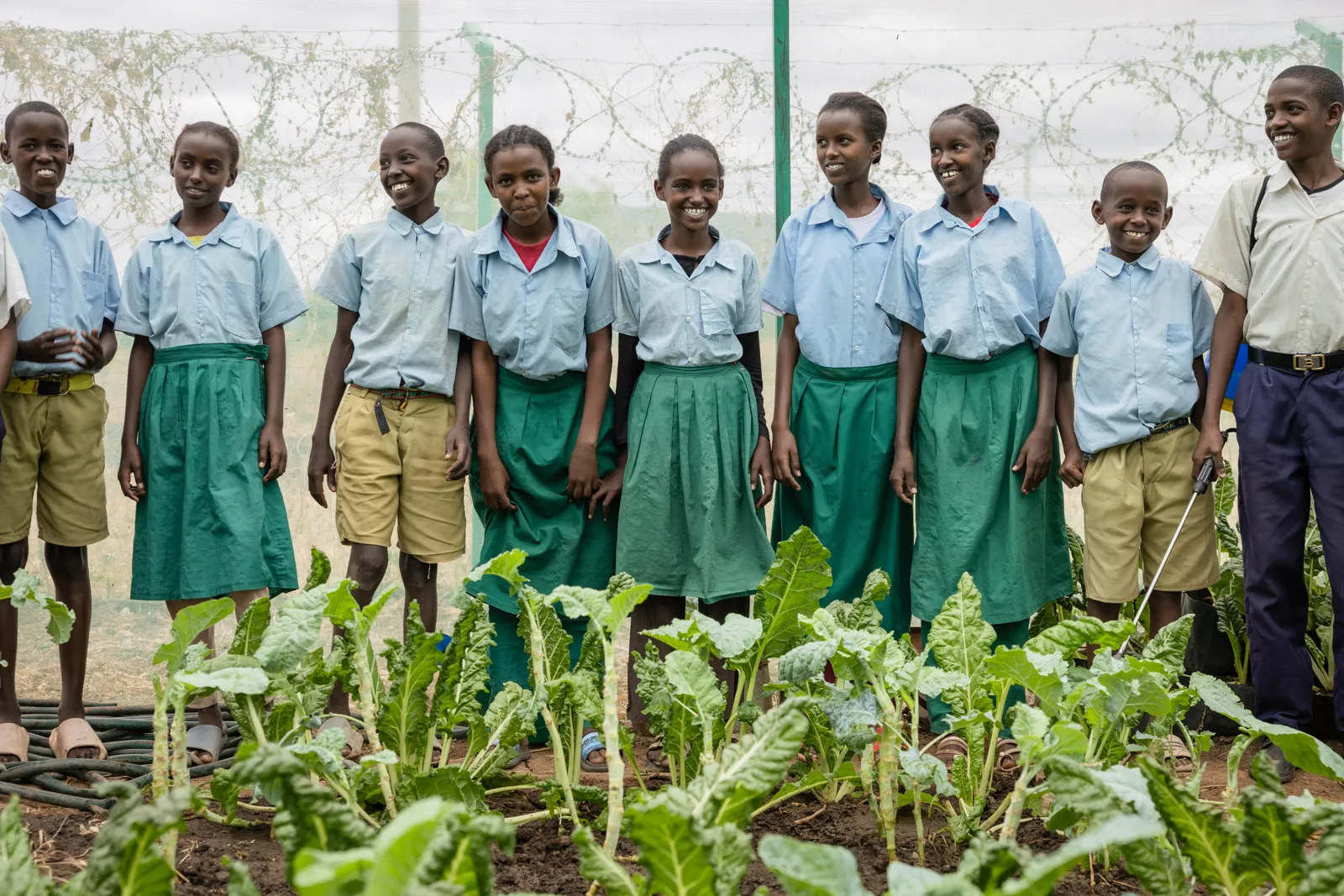
Despite the drought, everything is thriving at Golole Primary School in northern Kenya. In the school garden, both vegetables and hope for the future are being cultivated. Here, students learn about gardening—knowledge they can take home with them.
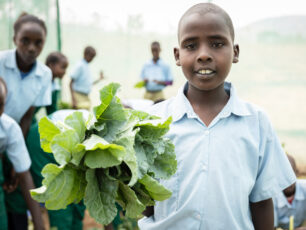
Eleven-year-old Guyo Haro Roba is in fifth grade at Golole Primary School. He enjoys spending time in the school garden. There, he learns how to plant and care for crops. He brings this knowledge home to share with his family.
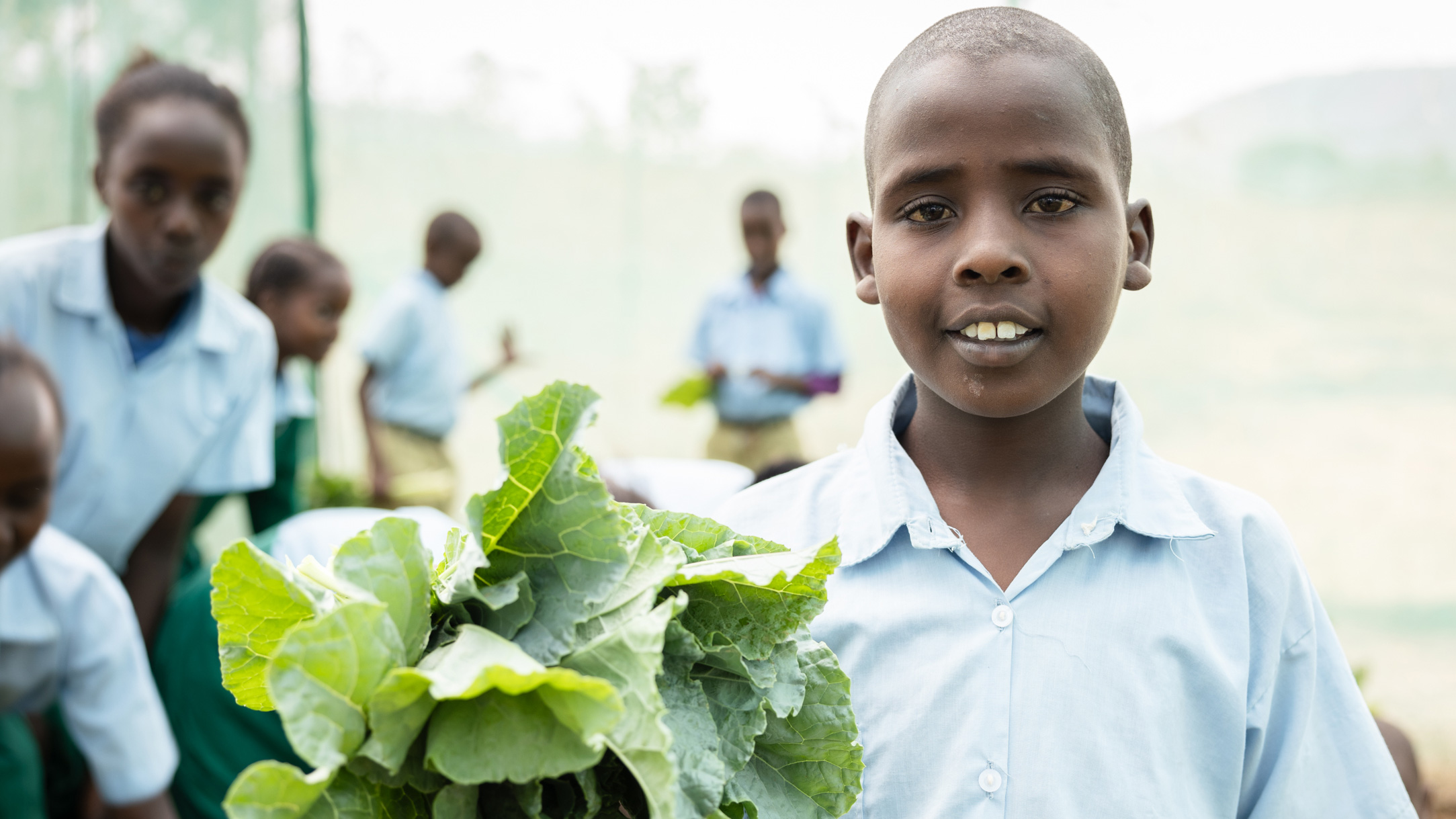
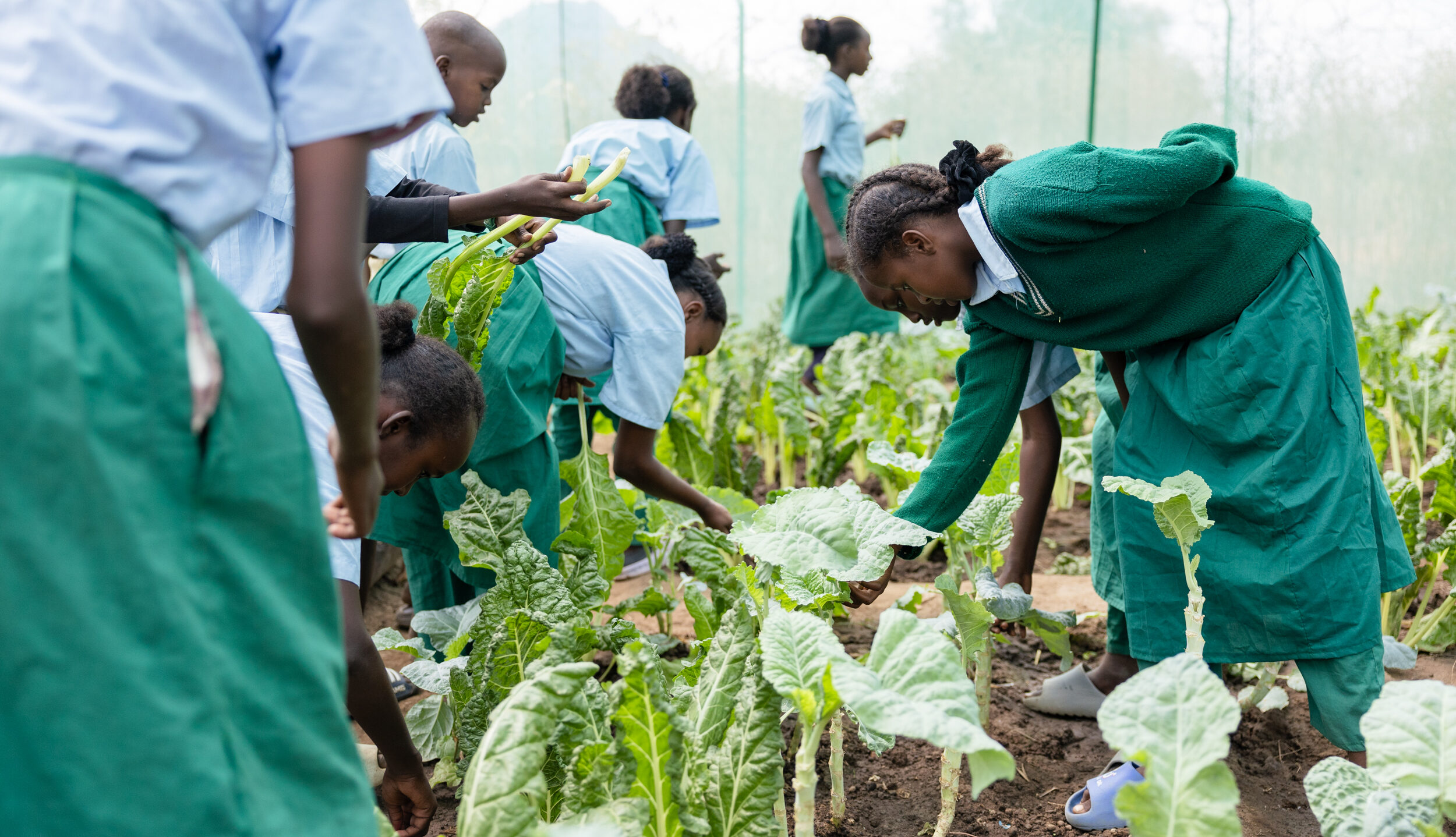
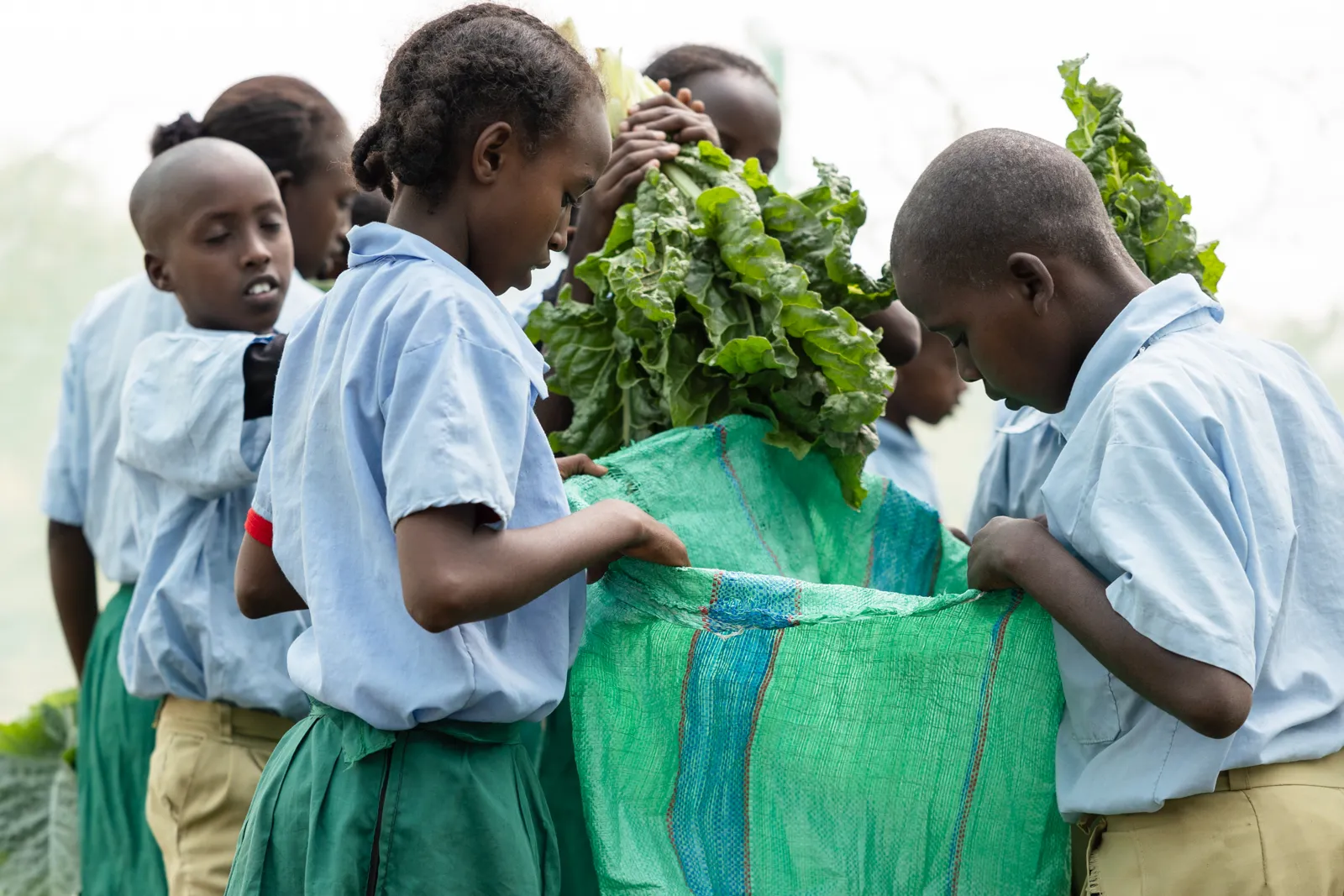
Once a week, the students harvest fresh vegetables. Guyo Haro Roba has just harvested sukuma. Photo: Annika Fransson Wetter
Once a week, the students harvest fresh vegetables. Guyo Haro Roba has just harvested sukuma. Photo: Annika Fransson Wetter
“I really enjoy spending time in the garden. I’ve learned how to grow different vegetables and have told my parents what I’ve learned,” he says.
Golole Primary School is located in the small village of Golole in northern Kenya, an area where many families depend on livestock for their livelihood. When the rains fail, both water and food become scarce. The drought causes the animals to die, and farming becomes a challenge. Yet the school has managed to create a place where students can see how vegetables can grow, even under difficult conditions.
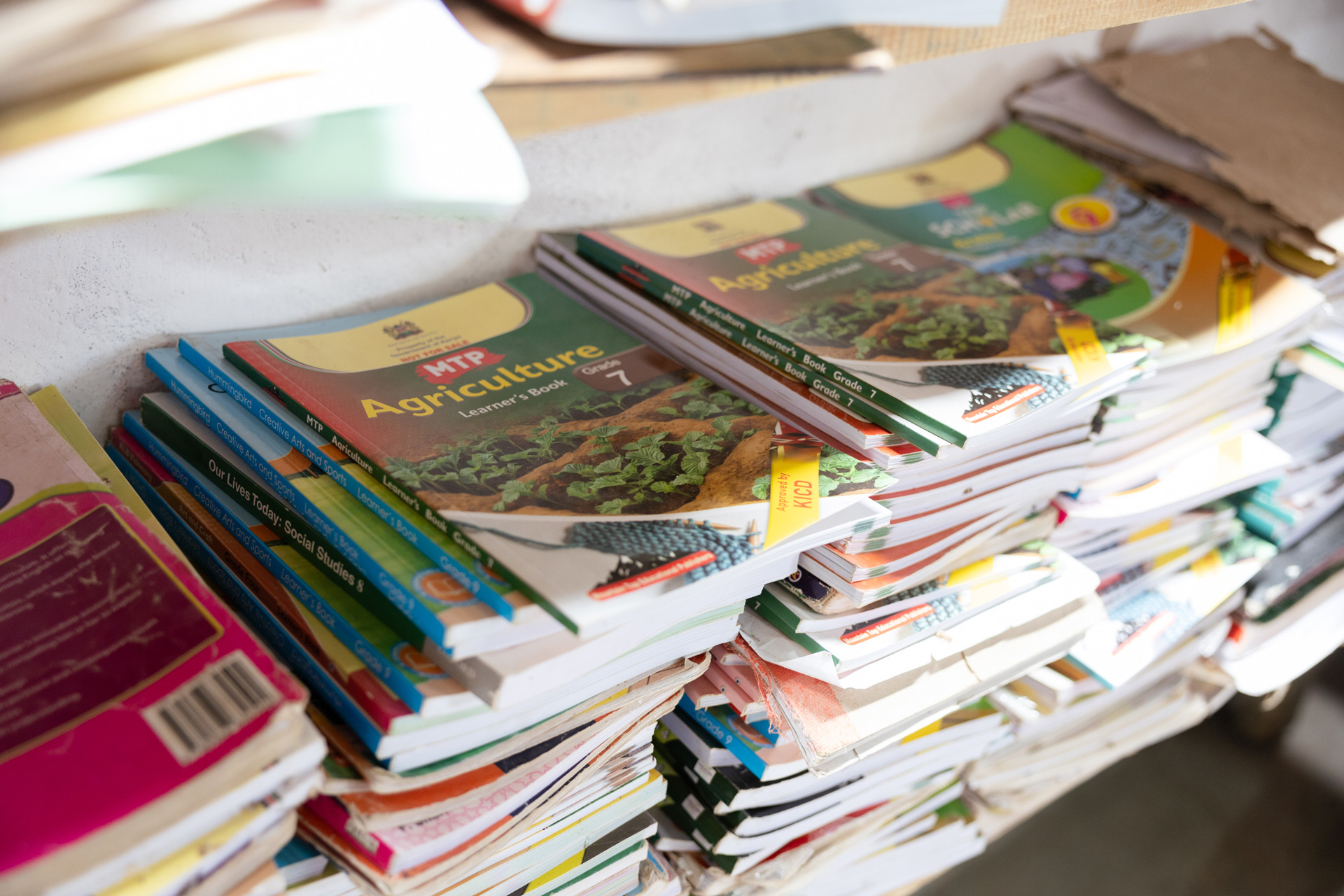
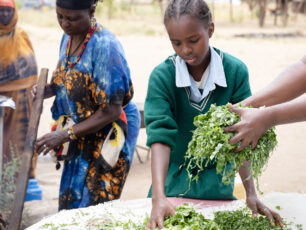
Students in grades 4 through 7 work together to tend the garden, dividing the tasks among themselves. Some pull weeds, while others water the plants or prepare the soil and plant new crops. Among other things, they grow spinach, cabbage, onions, and tomatoes here.
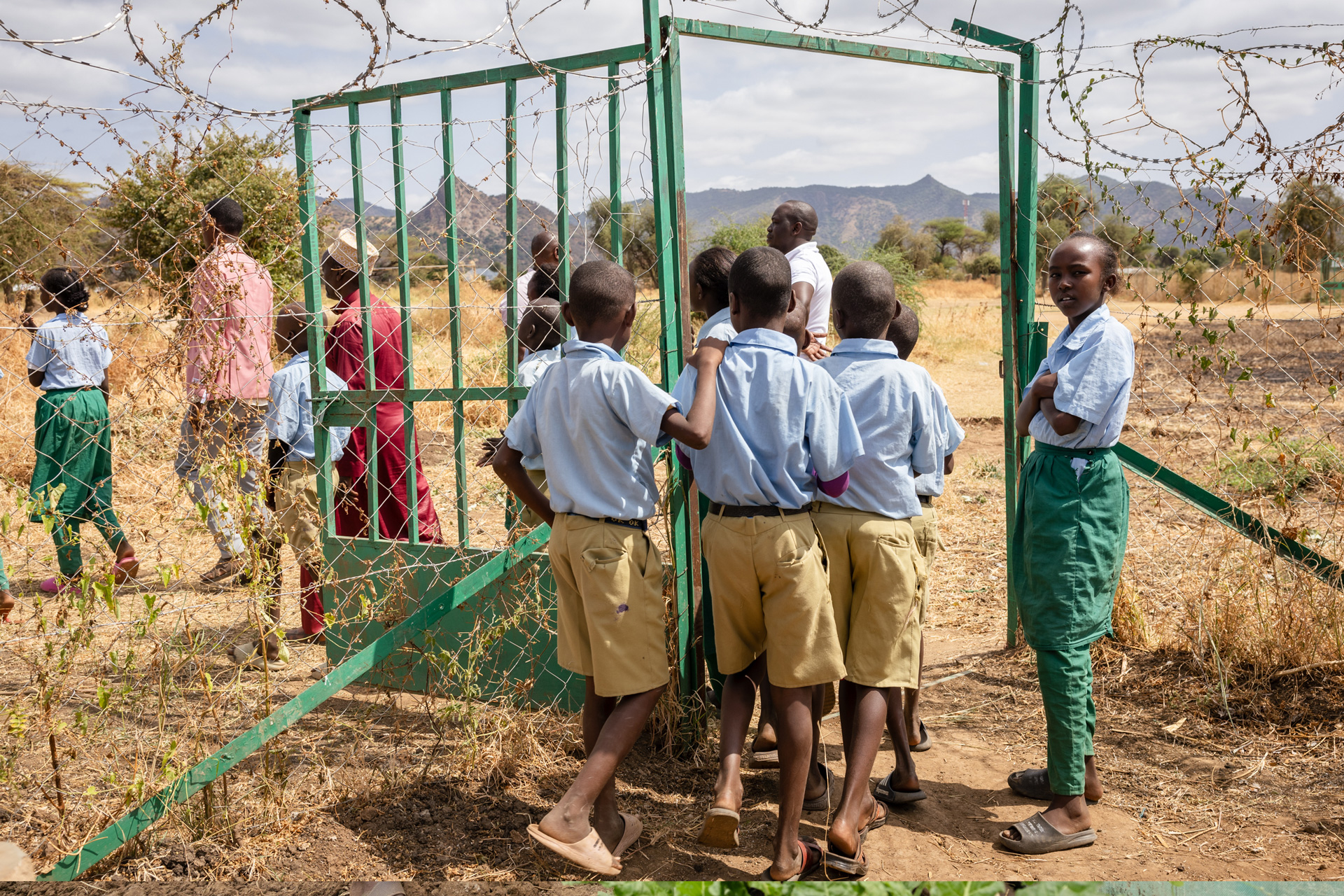
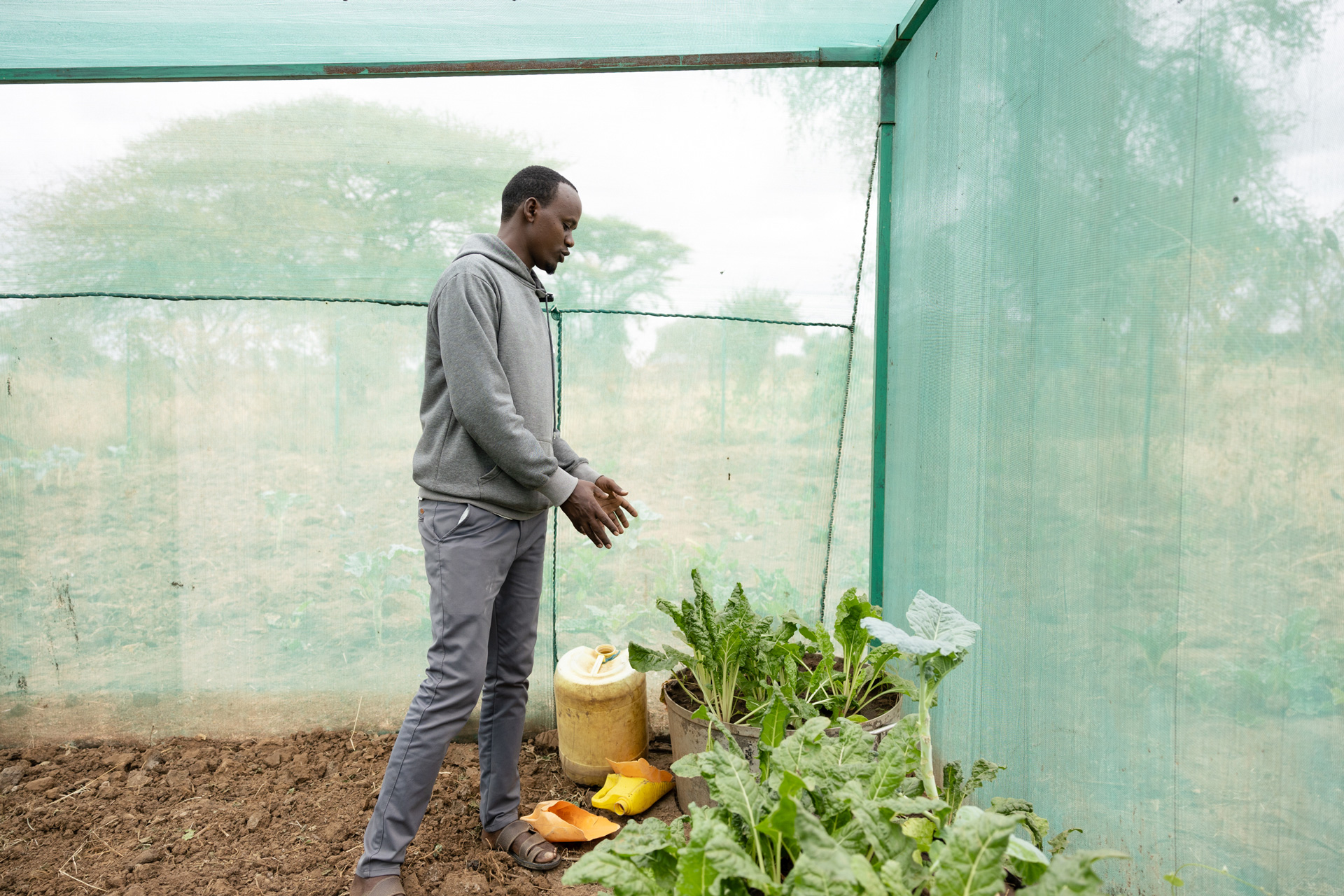

Joseph Dida is a teacher and the person in charge of the garden. He sees how the students are growing through this experience.
“The students really enjoy working in the garden because they get to be actively involved. I show them what to do, and then they get to try it themselves. They learn new skills and can use that knowledge at home or share it with others in their community,” he says.
The students really enjoy working in the garden because they get to be involved themselves
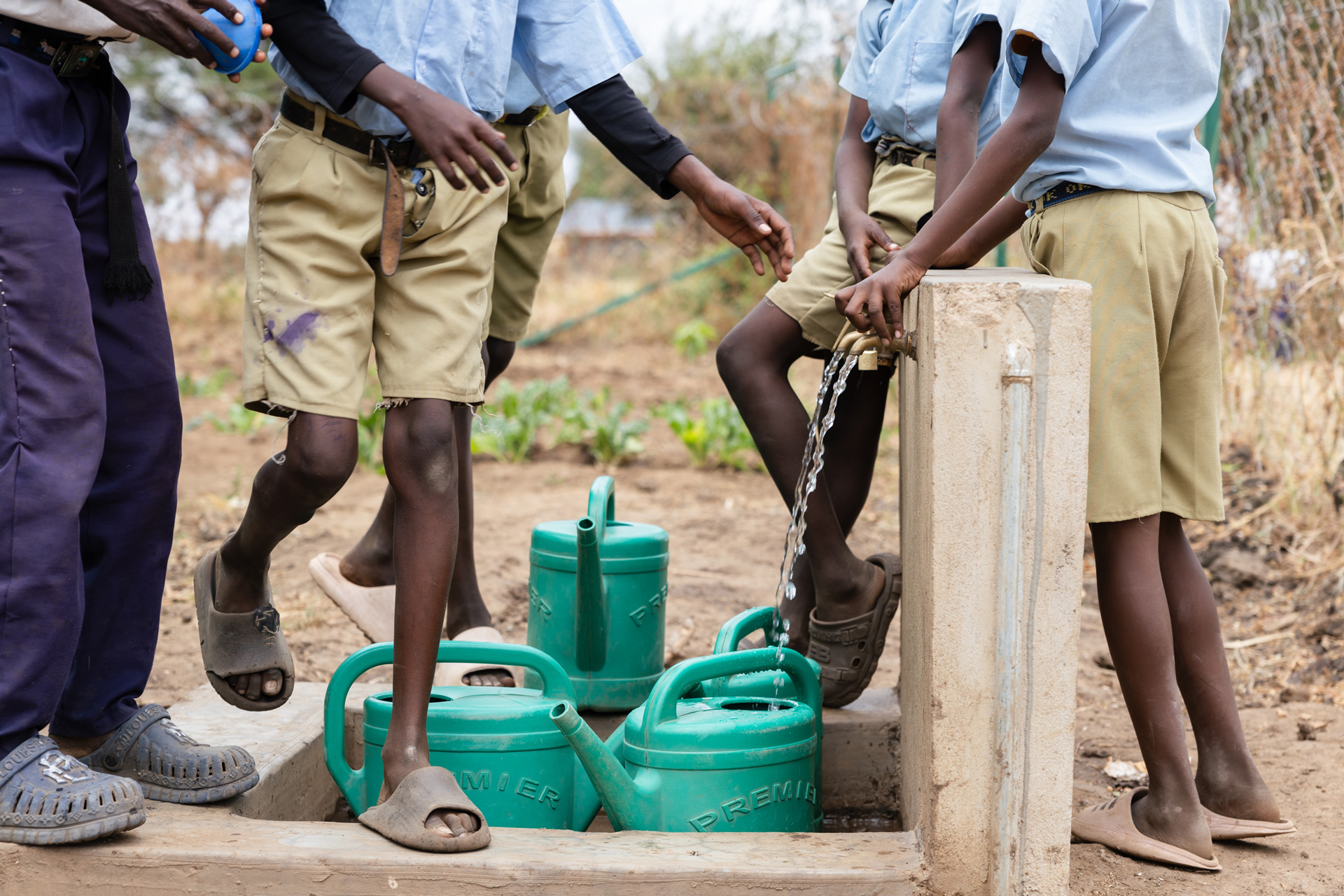

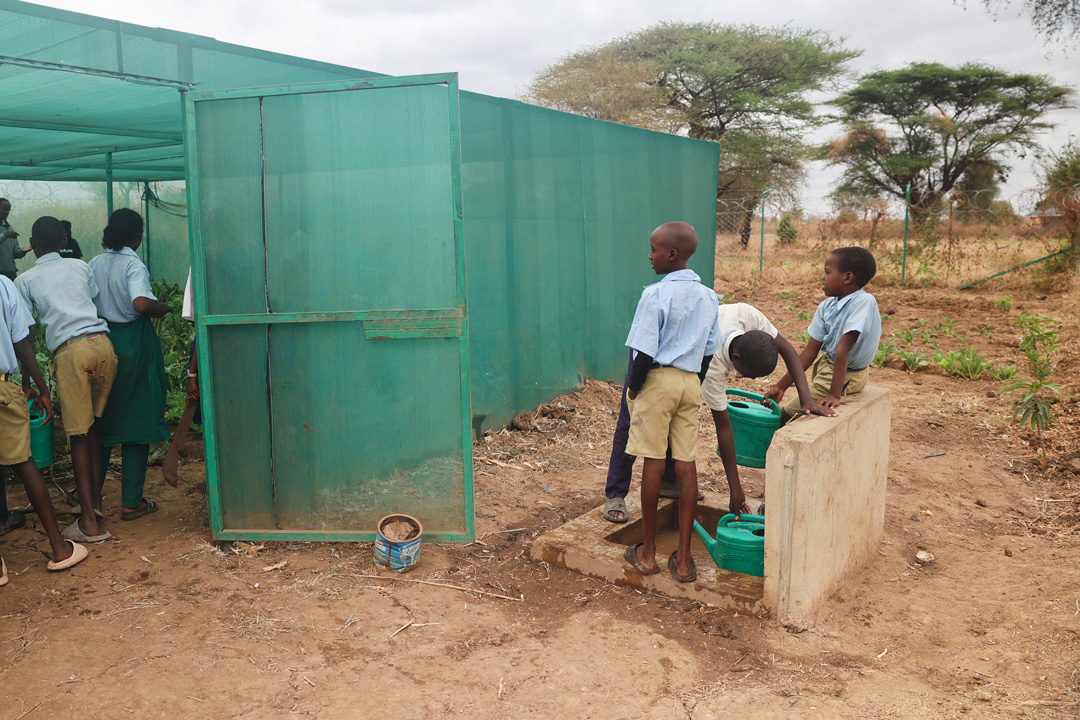
Access to water has been a major challenge. Previously, students had to bring water from home in jugs to water their gardens. The water varied in quality and was often insufficient. Thanks to support from Erikshjälpen, the school has received a water tank and water pipes leading to the garden. Now the students can easily water their vegetables, even during dry spells.
The vegetables also serve as a valuable addition to school meals. Meals consist mainly of corn, beans, and rice, but now students can also enjoy vegetables from the school’s own garden. At the same time, they learn why a varied diet is important.
Guyo enjoys eating the vegetables they've grown themselves, which are then prepared in the school kitchen.
"The food has changed and tastes good," he says.
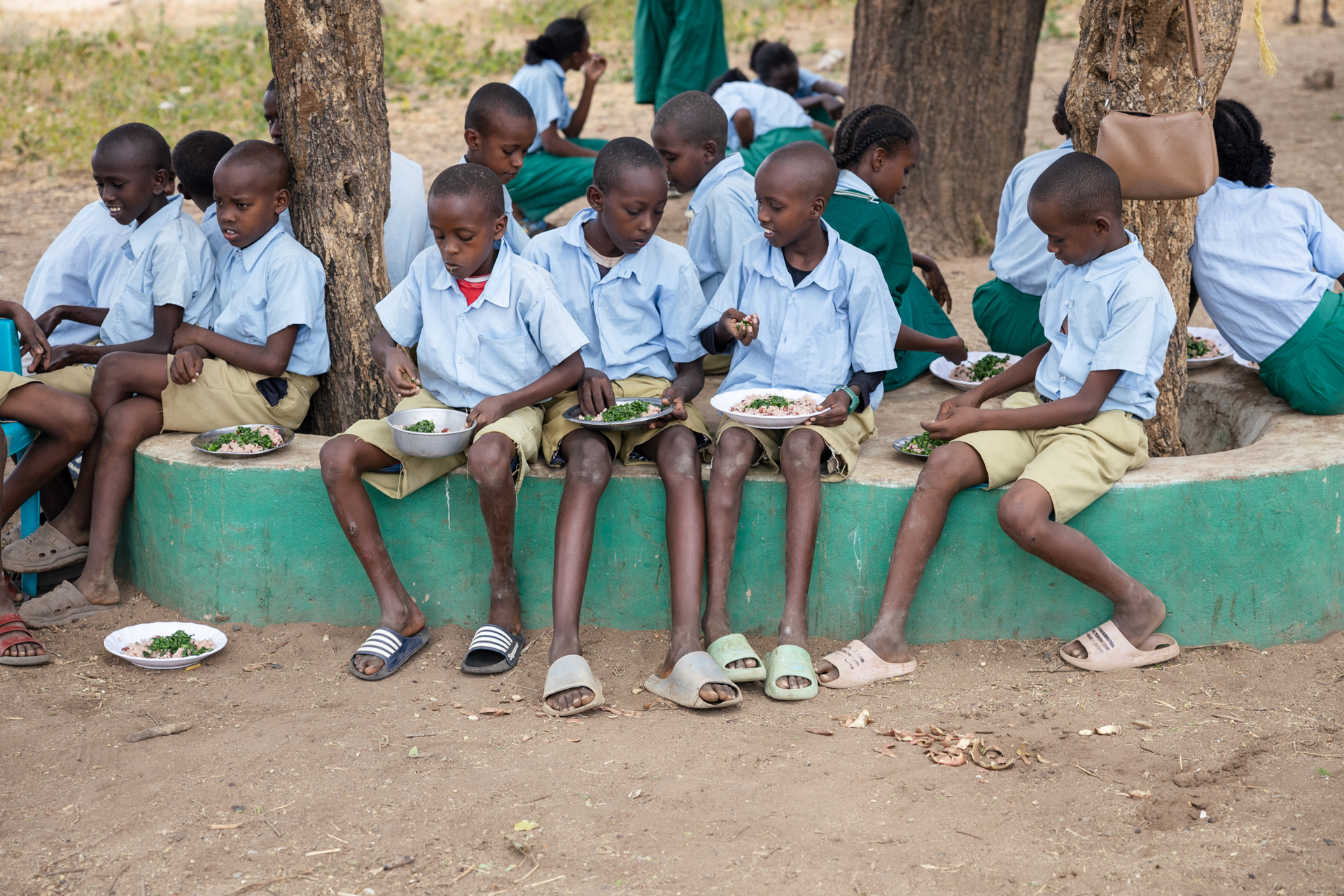
School lunch under the trees in the schoolyard at Golole Primary School in northern Kenya. Photo: Annika Fransson Wetter
School lunch under the trees in the schoolyard at Golole Primary School in northern Kenya. Photo: Annika Fransson Wetter
Now that we have the school garden, the food tastes better
For Guyo, the school garden is more than just a place where vegetables grow. Here, he gains knowledge that will stay with him at home and throughout his life, bringing him closer to his dream of becoming a teacher one day.
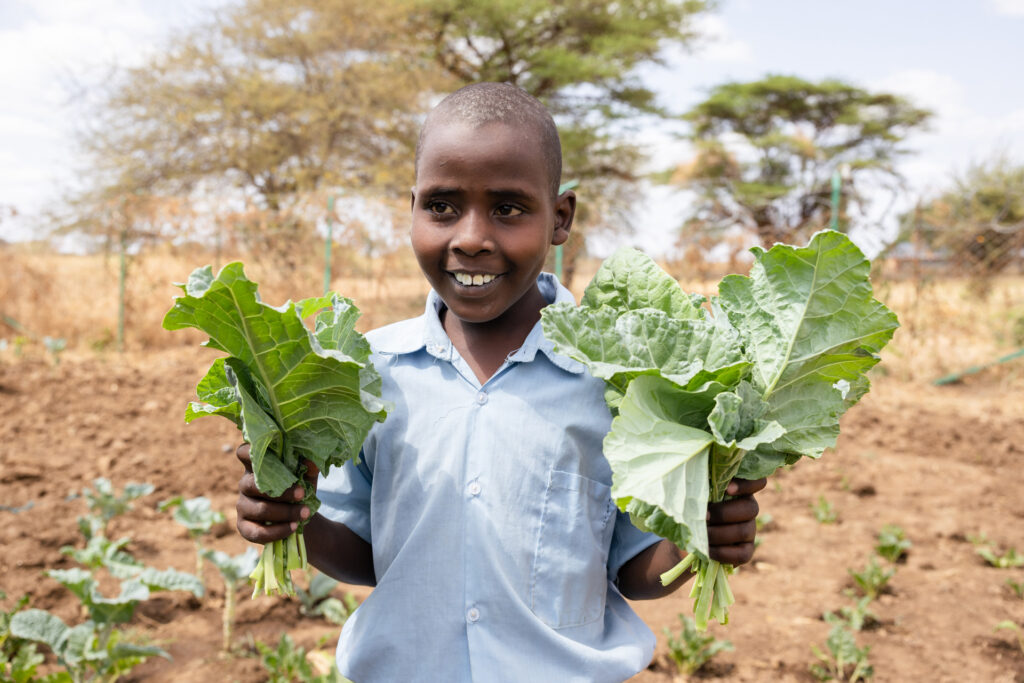
Guyo Haro Roba. Photo: Annika Fransson Wetter
Join us and contribute
Give a gift that satisfies hunger
Give a Christmas gift and help ensure that more children like Guyo have access to nutritious food. Give a Christmas gift that satisfies hunger.

Swisha a Christmas gift
900 92 83

Author: Martina Bohl
Published: 03 November 2026