Portable schools
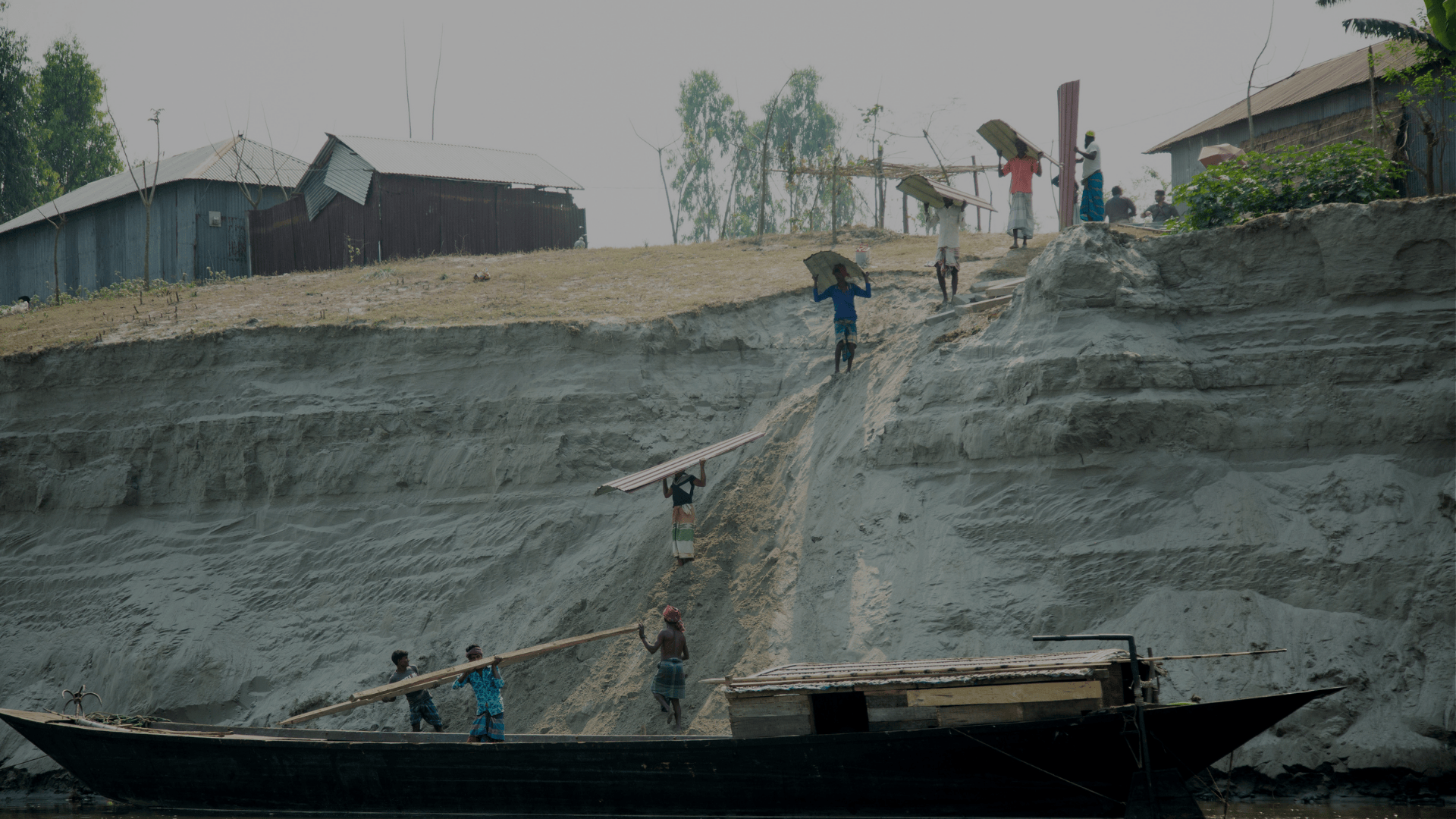
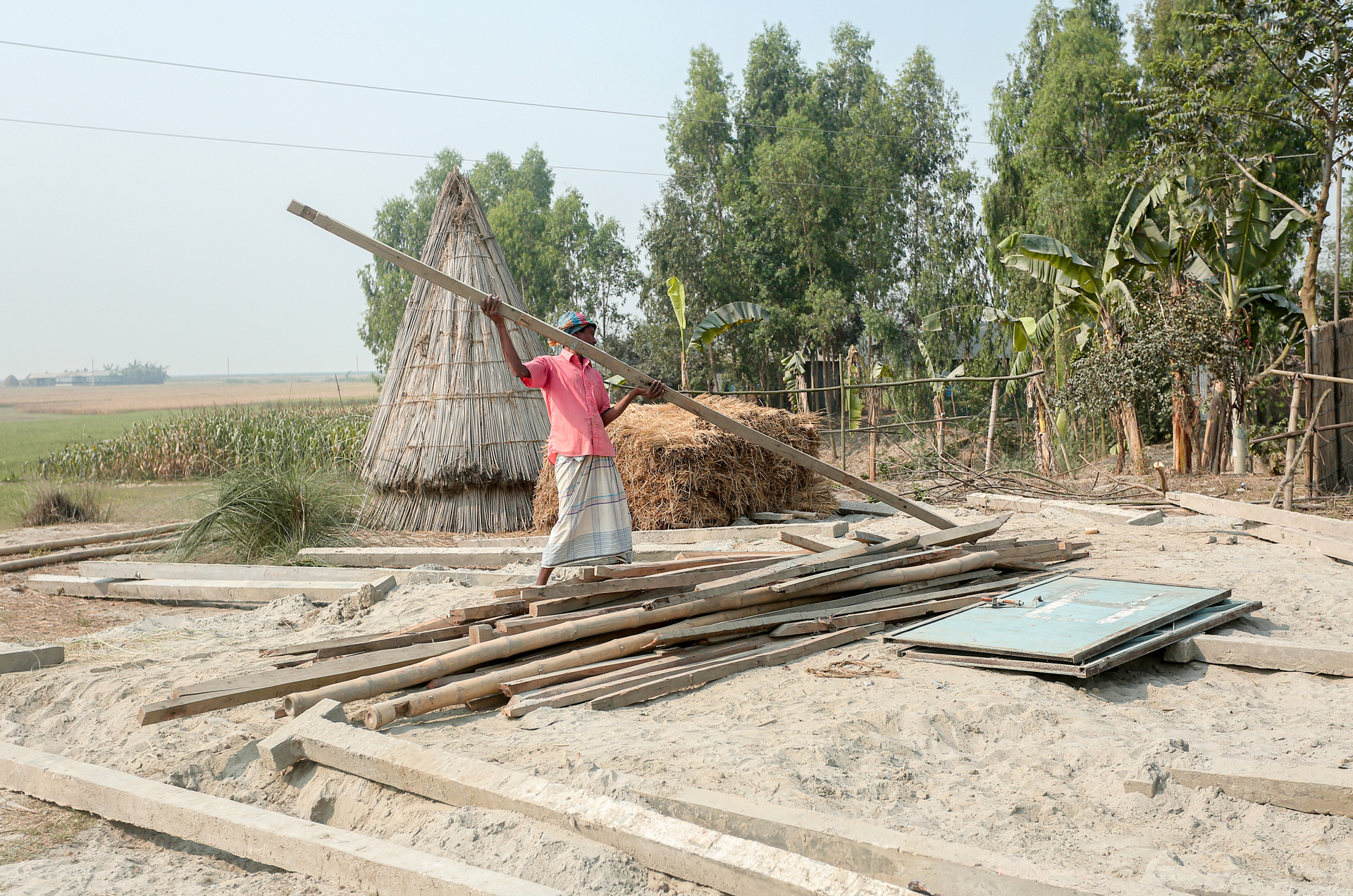
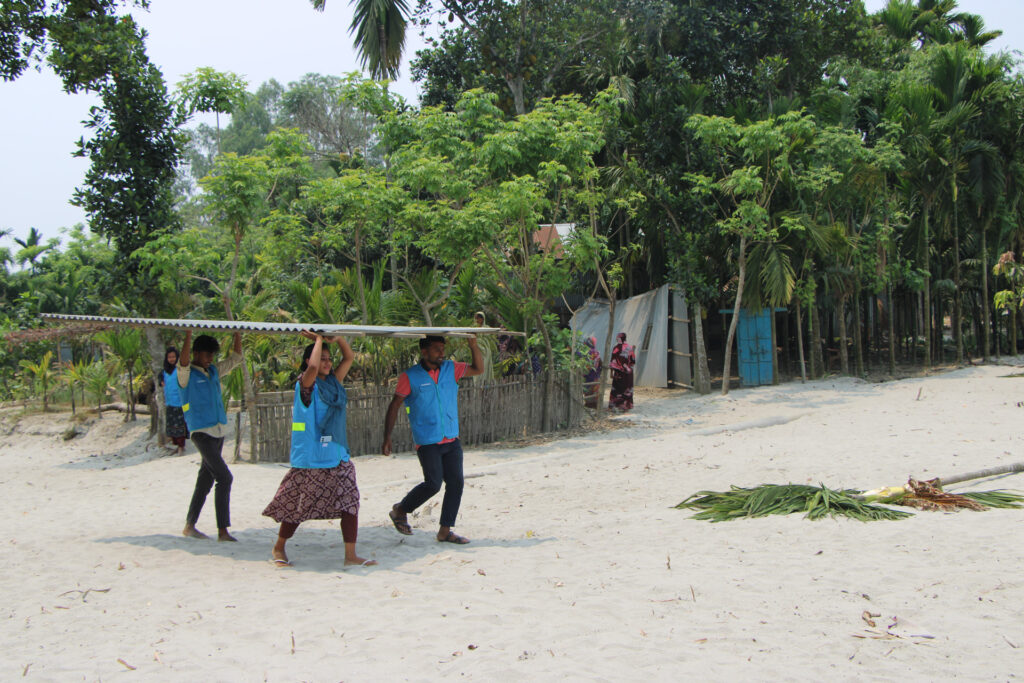
A portable school can be taken apart in just a couple of hours. It can then be moved and reassembled in a safer location. This is practical in a changing world where soil erosion and flooding are affecting children’s daily lives more and more often.
In northernBangladesh, in the Jamuna River delta, people live on sandbars. The islands in the river delta are constantly changing and vulnerable to recurring floods and other natural disasters. As a result, it has not been possible to establish infrastructure—such as electricity, roads, school buildings, and clinics—there. Access to education for children is far from guaranteed in this area.

School plays an important role in the fight against poverty
Going to school gives children self-esteem, knowledge, and hope for the future—factors that are crucial in the fight against poverty. Education gives children the opportunity to shape their own lives and futures. That is why it is important that all children have equal access to schooling. All children, regardless of gender, economic status, or geographic location, have the right to an education.
Consequences of Not Attending School
Girls at risk of being married off when not studying
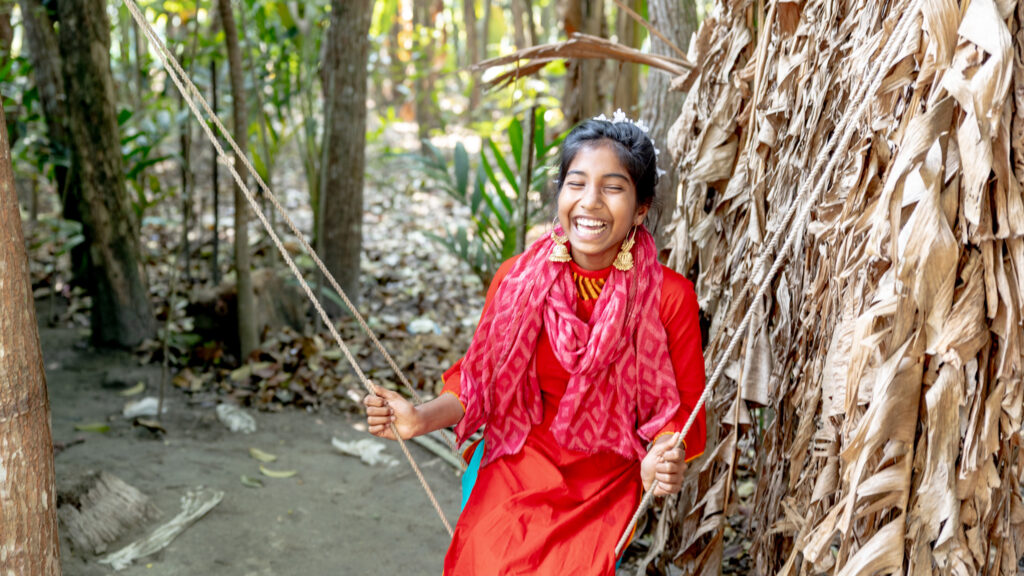
It is particularly difficult for girls. Instead of having the opportunity to continue their education, many risk being forced into marriage. If a girl in the family is married off, that’s one less mouth to feed. Other girls risk missing large parts of their education because the journey to school is long and dangerous, or because a lack of sanitation and access to proper hygiene during menstruation leads them to stay home rather than go to school.
Children's stories
"I want to stay in school - not get married"
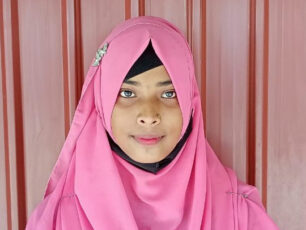
Hiramoni Mosammat is a ninth grader at Sannashir Char Secondary School, in Bangladesh. Here she tells us in her own words about when her family wanted to marry her off earlier this year.
"I want to stay in school - not get married"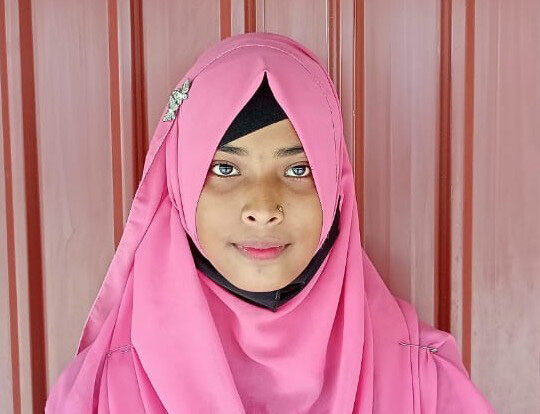
A solution to the problem
portable schools empower children
Erikshjälpen works together with the organization Friendship in Bangladesh to ensure that children can attend school despite the climate disasters that constantly threaten the country. “ portable ” schools is one of the initiatives that strengthens children’s rights to education, health, safety, and protection in northwestern and northern Bangladesh.
How to involve children in the change
portable schools - have proven to be a successful way to reach children living in the most inaccessible and climate-vulnerable areas. Investing in children's education on crisis and disaster preparedness and their rights has also proven to be a success factor. Through their new knowledge, children themselves become involved in changing not only their own future but also entire communities.
Give a gift to children. And the world they dream of.
This is enough money for
7000 Swedish kronor (SEK)
It costs 7,000 SEK to dismantle a school and set it up at a new location in Bangladesh.
300 Swedish kronor (SEK)
300, SEK s is enough to provide school supplies, hygiene products, and food for one child for one to two months in Bangladesh.
100 Swedish kronor (SEK)
100, SEK s is enough to cover school supplies and hygiene products for one child for one to two months in Bangladesh.
Here, we work with portable schools around the world
Children's stories
Published: 20 July 2026
 Listening