Young people feel that no one cares what they think
It takes more than just giving young people a formal seat at the table; we must also give them the tools and support to be able to participate, says Erikshjälpen's Secretary-General Mattias Ingeson and Erikshjälpen's Head of Sweden Birgitta Johansson.
This year marks the 35th anniversary of the the United Nations Convention on the Rights of the Child . Ever since the convention was adopted by the United Nations on November 20, 1989, it has been a global symbol for the protection and promotion of children’s rights. Sweden also enacted the the United Nations Convention on the Rights of the Child into law nearly four years ago, but we still need to ask ourselves: How far have we come in ensuring children’s rights in practice?
The gaps between our neighborhoods are growing at an accelerated pace, a trend that is clearly reflected in the educational achievements, economic conditions and well-being of young people. Socio-economic disparities are not only visible at the individual level, but also stigmatize entire neighbourhoods. Young people's chances of success are strongly linked to where in the country they grow up.
We can no longer turn a blind eye to the downward spiral. Inequalities in children's opportunities must be taken seriously. All young people, regardless of where they grow up, have the right to an equal chance of education and a good life. Political action is now needed to slow down this trend.
Sweden, along with other countries that have ratified the the United Nations Convention on the Rights of the Child, is reviewed every five years by the UN Committee on the Rights of the Child. This is an accountability of how well a country is fulfilling children’s rights. In its most recent review, the UN Committee on the Rights of the Child issued several observations regarding Sweden. Among other things, the Committee noted that many children do not feel their voices are being heard and that Swedish authorities do not take children’s opinions seriously.
Fine words and promises are no longer enough - our young people deserve real influence and participation.
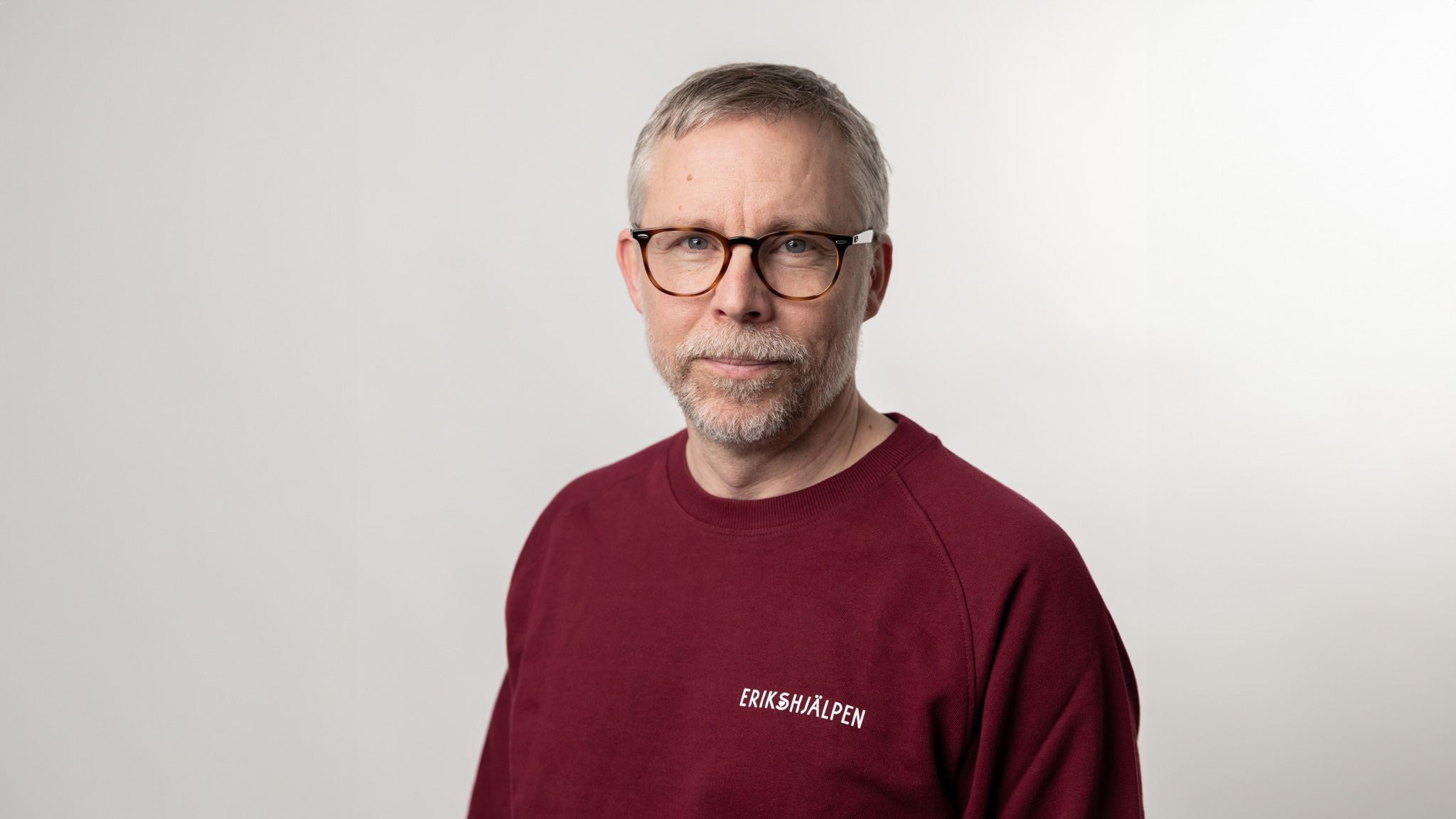
Mattias Ingeson Secretary General Erikshjälpen
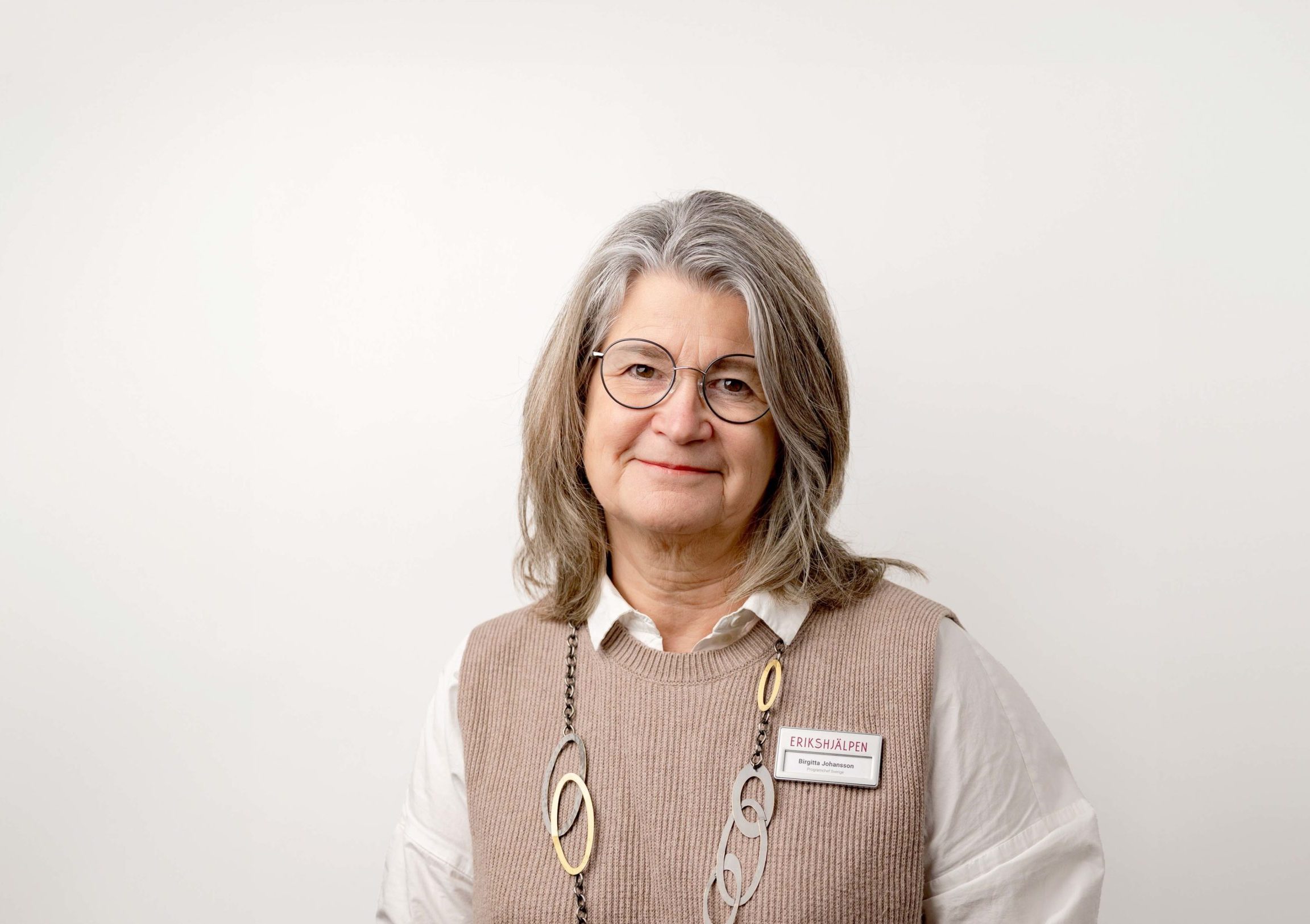
Birgitta Johansson Head of Erikshjälpen Sweden
Mattias Ingeson Secretary General Erikshjälpen
Birgitta Johansson Head of Erikshjälpen Sweden
A central aspect of the United Nations Convention on the Rights of the Child is precisely the right of children to be heard and to have their views taken into account in decisions that affect them. Sweden has made significant progress in involving children. Today, children and young people have the right to express their views on matters that affect them in both family and legal contexts.
However, there are still significant gaps in how children's views are taken into account in practice, particularly in situations related to migration and social services. Children's voices are sometimes not given equal weight, leading to their perspectives being overlooked in decision-making processes. This is a democratic problem and a loss for society as a whole. Children's views and experiences contribute to better decisions and solutions, for all of us.
We hear politicians talk about how they want to include young people in societal development, but it takes more than just giving young people a formal seat at the table; we also need to give them the tools and support to participate.
Many of the young people Erikshjälpen meets in its work with people in underprivileged neighborhoods feel like strangers in their own country. No one cares what they think. We believe this can be countered by empowering all children to participate in society, especially when it comes to issues that affect them. Allowing children and young people to own their issues, platforms and meeting places.
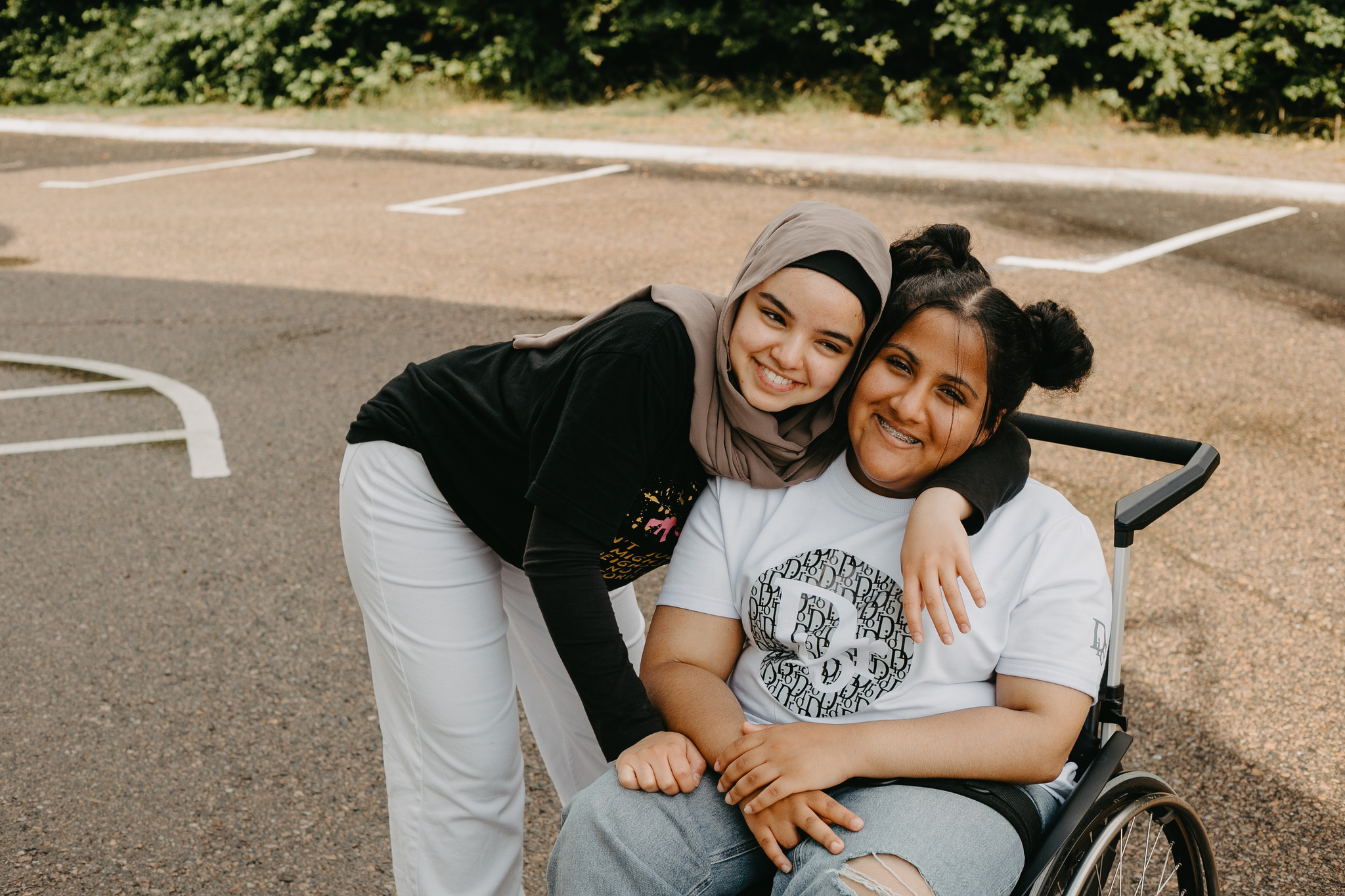
Minna and Fadek from Erikshjälpen Framtidsverkstad in Helsingborg.
Minna and Fadek from Erikshjälpen Framtidsverkstad in Helsingborg.
Children and parents need help to realize their potential and create the conditions to develop both themselves and their area.
These measures could make it a reality:
- Participation and Influence: Children and young people must be given the conditions and opportunities for platforms to exert influence and be genuinely involved. Municipalities and government agencies need to establish clear structures for issues that affect young people.
- Training: Politicians and officials should be provided with training on children's rights and in particular on children's right to participation and how to promote children's empowerment in a meaningful way.
- Child impact assessments: Child impact assessments should be a mandatory part of decision-making processes, to ensure that children's interests and rights are taken into account.
The UN Convention on the Rights of the Child is clear. All children, without exception, should have their rights fulfilled. This means the right to education, health, adequate living conditions, protection from violence and to grow up in conditions that allow them to develop and reach their full potential.
So now that the Convention on the Rights of the Child ( the United Nations Convention on the Rights of the Child ) is turning 35, let’s make sure that children’s rights aren’t just words on a piece of paper, but that they are implemented and apply to all children, no matter where they grow up in Sweden. Fine words and promises are no longer enough—our young people deserve real influence and participation.
Now we want to see concrete action from responsible politicians and officials: Give young people to influence the decisions that shape their future. We want to see it now! Sweden cannot lose another generation to exclusion. Let's work together to create an inclusive society where young people's voices are not only heard, but also taken seriously.
Author:
Mattias Ingeson, Secretary General of Erikshjälpen.
Birgitta Johansson, Head of Erikshjälpen Sweden.
Published: 27 November 2024
 Listening