Menstrual health - how Erikshjälpen works
During the month of May, Erikshjälpen is highlighting the rights of girls and the issue of Menstrual health. Anna Eliasson works as a program advisor at Erikshjälpen, focusing on health, safety and protection, and gender equality. Here she tells us more about Erikshjälpen's work in this area.
What is the situation of girls in the world today?
- Of course, there is no single answer to this question. If we take a closer look at gender equality work, for example, we can see that developments are moving in several directions at once. Over time, gender equality work has made progress. In many places, the level of education of girls and women has increased, as has their representation in leading positions. Maternal mortality has also fallen periodically.
Despite this, there are many negative trends and resistance to girls' and women's rights globally, which require major efforts to achieve the 2030 Agenda.
Today, there are many armed conflicts around the world. In parallel, people are increasingly affected by climate change. It is well known that this has a particular impact on girls and women as a group. They are also more affected by various forms of violence, which tend to increase in times of crisis and conflict. COVID-19 has also had a negative impact on gender equality, with increased gender-based violence and restrictions on sexual and reproductive health and rights. The impact of the pandemic is visible in our work, particularly in education, where girls are often overrepresented among those who have not returned after school closures.

Why is the issue of menstruation important to raise?
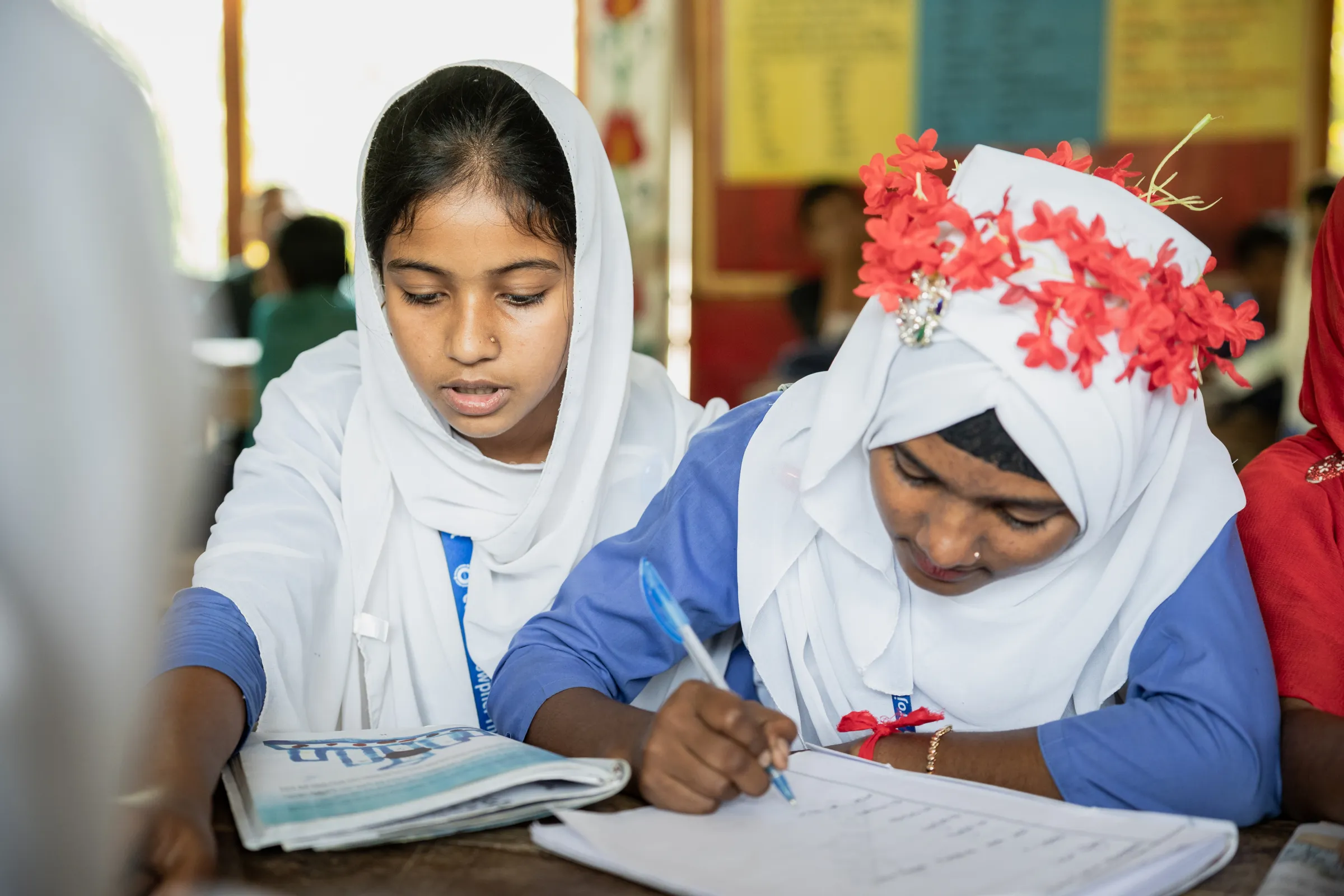
- Almost 2 billion people menstruate. At least a quarter of them lack the resources necessary for good Menstrual health. The consequences of this affect their whole lives. Menstruation is much more than a hygiene or health issue. Menstruation is an issue of gender equality and children's rights. As children enter their teenage years, we see how violations of certain rights increase exponentially. Especially for girls and young women, but also for LGBTI people. One of Erikshjälpen's priority areas is therefore sexual and reproductive health and rights (SRHR). These are rights that apply throughout life, including for children. The onset of puberty creates disproportionate differences between the sexes. Menstruation, which in itself is such a fundamental and natural process, is instead a major setback for millions of girls in a range of areas and rights. In turn, the perception that girls are ready for marriage leads to a dramatic increase in the risk of child marriage, female genital mutilation and other forms of gender-based violence. Lack of or inadequate maternal care is one of the leading causes of death or lifelong complications among teenage mothers, girls and young women. Girls' opportunities to go to school are rapidly being taken away from them. Continuing to defend girls' right to education is therefore not only a protective factor, but a fundamental right that will determine girls' future prospects.
Not only do we need to talk more about menstruation, to break the stigma and taboo, we also need to ensure access to both safe and hygienic environments. There are many examples of non-existent or unhygienic facilities, such as school toilets in Bangladesh. But there is also an increased risk of various forms of abuse. Menstrual health work therefore needs to be seen in a broader context with its links to other rights such as access to education and freedom from violence. In some societies, menstruation is an extremely sensitive issue. We need to be aware of how and if issues around menstruation can also open doors to talk about other controversial issues.
How is Erikshjälpen working on the issue?
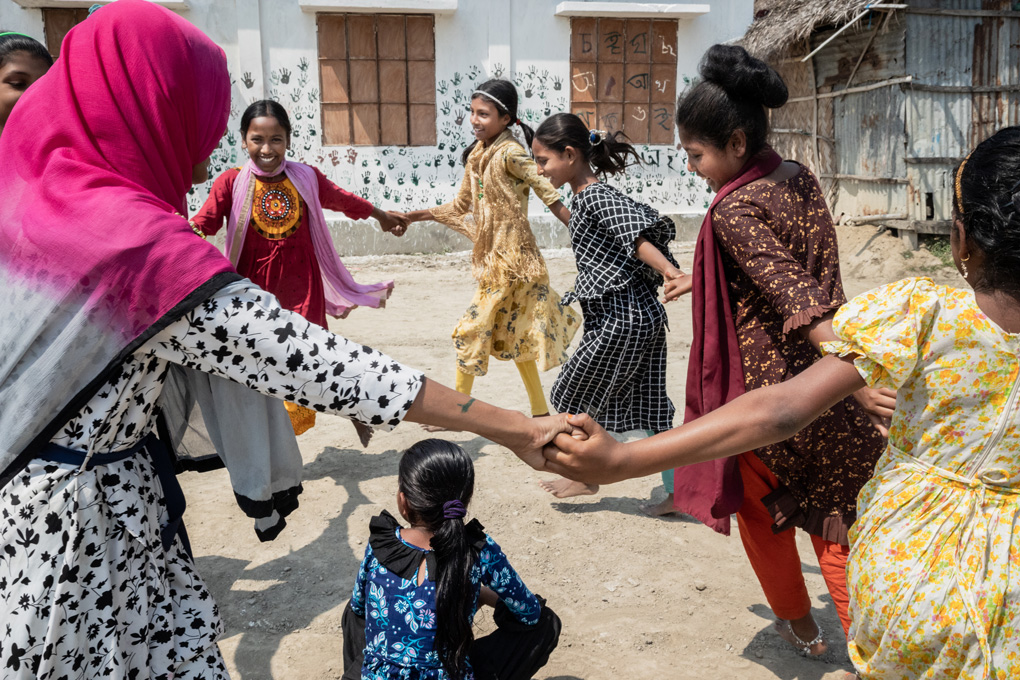
- Through Erikshjälpen's close cooperation with local partner organizations, which are part of the local community, we can contribute to change that lasts over time. For example, it can start with creating access to sanitation products.
In many interventions , girls learn to sew their own sanitary pads, which helps to ensure school attendance. Through clubs, discussion groups and secured access to sexuality education, not only girls, but also boys, teachers and parents, gain basic knowledge about menstruation and the conditions required for good Menstrual health. Working towards and together with local decision-makers and leaders increases the chances of long-term change. Religious leaders are often a particularly important group when it comes to behavior change. Even if there is legislation in place, cultural and religious traditions and norms can be deeply rooted and thus influence people's attitudes and behaviors.
We work on issues related to menstruation more or less in all our regions. In many cases, it is an integral part of broader work on the rights of children and especially girls. We aim to work in parallel on individual, social and practical components. The individual components to support girls and menstruating persons' self-esteem, knowledge and skills. The social components to promote communities and social norms free of stigma and discrimination, and the practical components to increase access to safe and appropriate facilities.

Anna Eliasson, Program Advisor Erikshjälpen
Anna Eliasson, Program Advisor Erikshjälpen
Read more about Erikshjälpen's work with Menstrual health
Published: 24 May 2024
 Listening