163
163 family activities and family gatherings with a total of 194 families.
Erikshjälpen's project Föräldrakraft has been running for a year now. During the start-up year, the project, which is financed by the Swedish Postcode Lottery, has grown in five locations around Sweden. And in just one year, Föräldrakraft achieved several set goals.
When Föräldrakraft started in the fall of 2025, the goal was clear: to strengthen parents in their important role and contribute to more children receiving equal upbringing conditions. Through family activities, parenting training, meeting places and community information, Erikshjälpen wants to create better conditions for parents to support, guide and be present in their children's lives.
The first year has been primarily about building up the business. And a lot has happened.
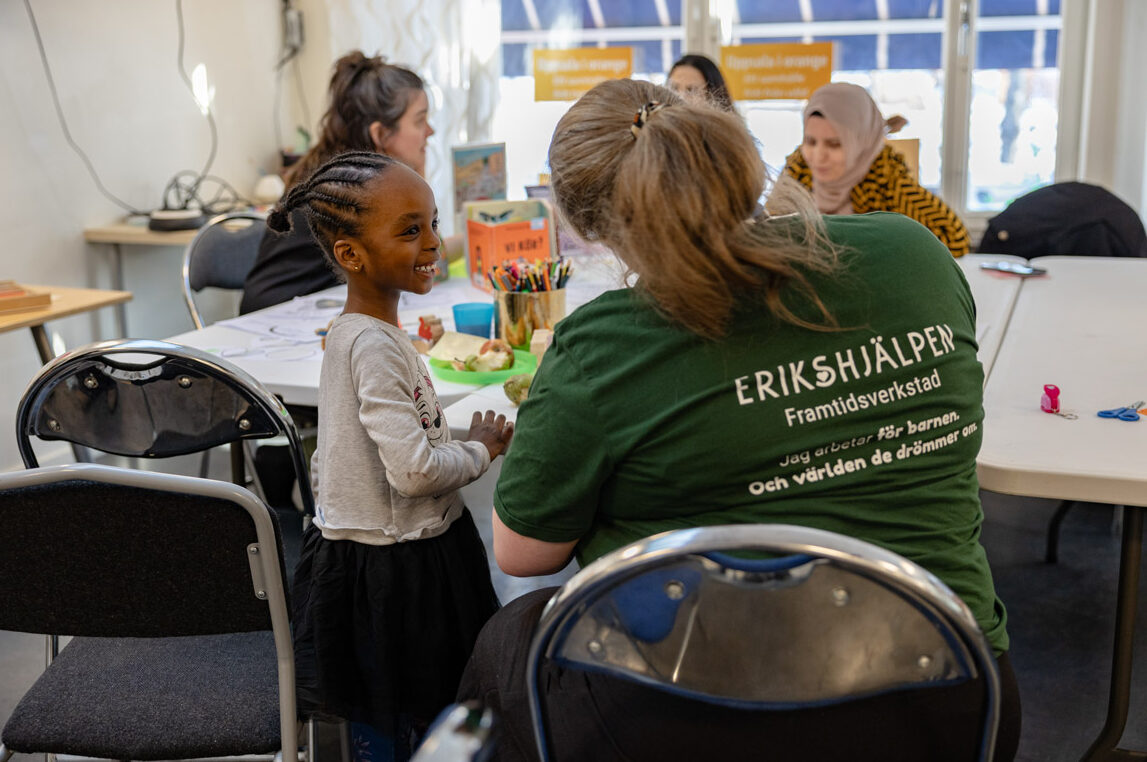

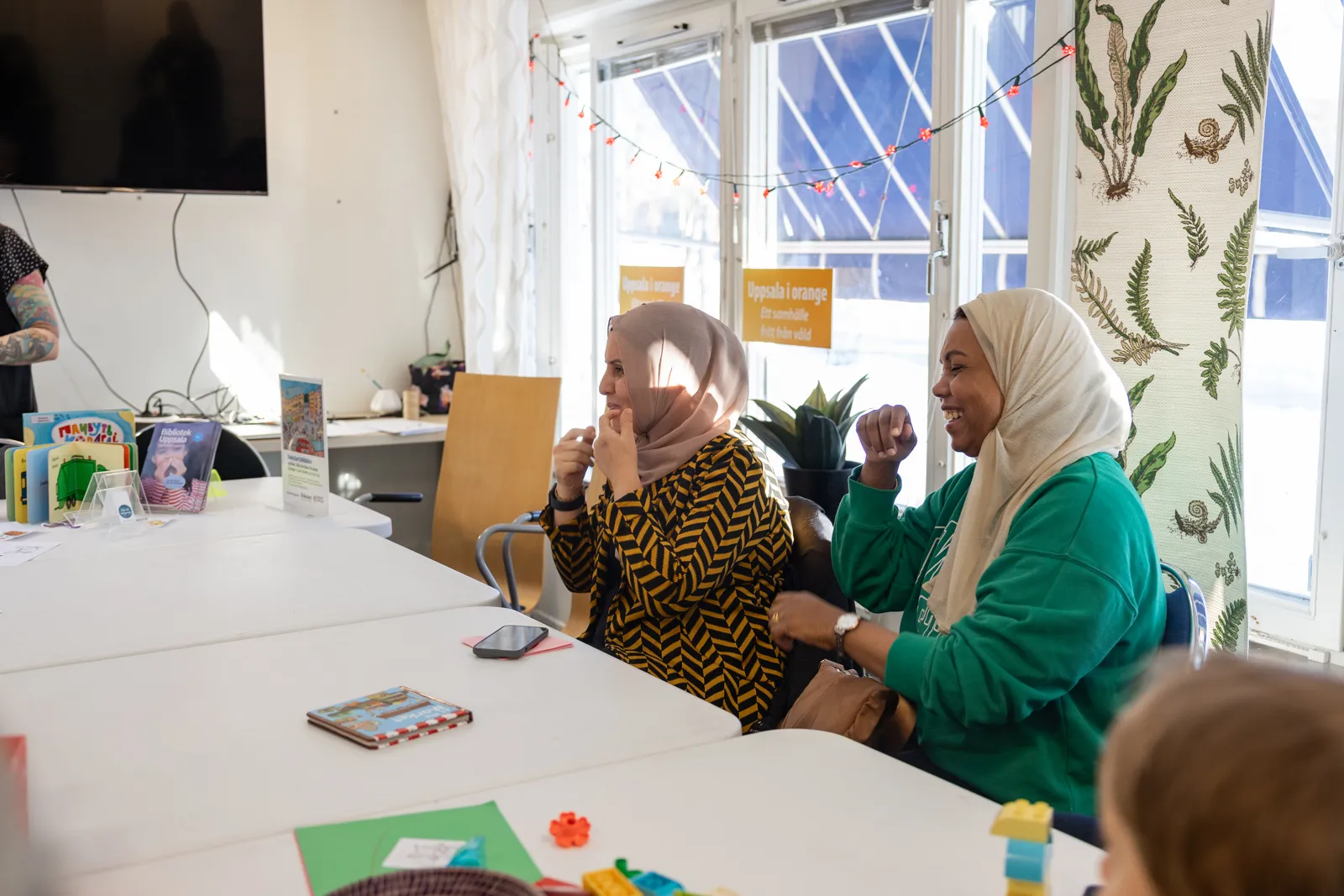
Föräldrakraft is currently available in five locations: Borlänge, Helsingborg , Linköping , Motala and Uppsala Each location has designed the operations according to local needs and conditions.
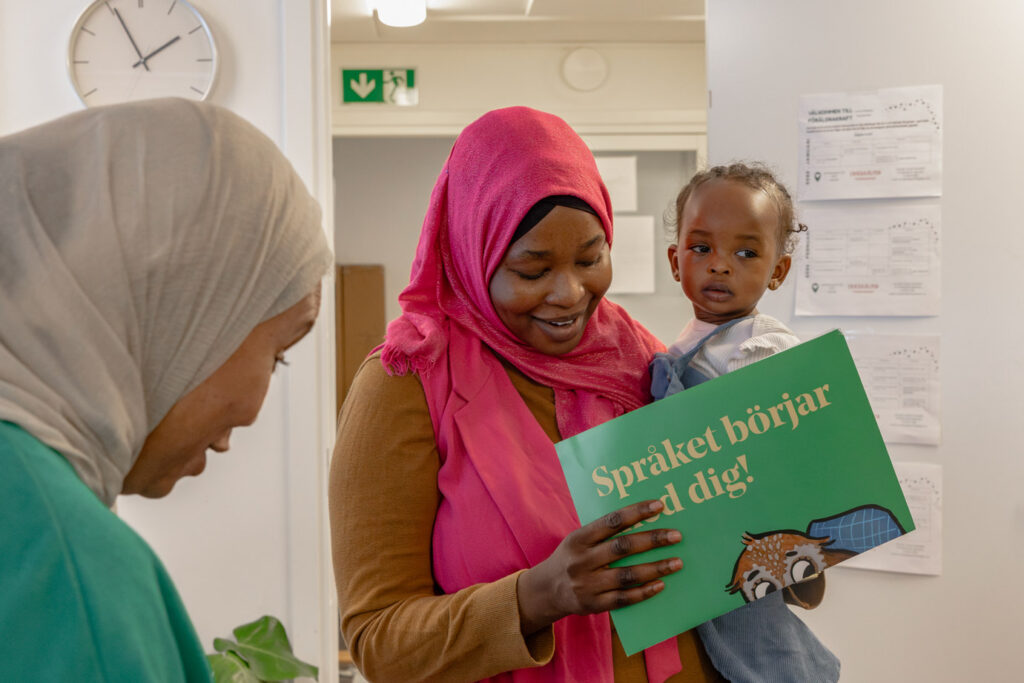
During the year, around 163 family activities and family meetings were held with a total of 194 families. 59 parents participated in parenting training, 293 took part in community information and five local meeting places were established. Erikshjälpen's target for parent-initiated activities was also exceeded. The target was three activities, but a total of 17 initiatives were carried out.
– Behind the numbers is everything from family days, excursions and reading activities to study circles, area groups and meetings with schools, social services and other community actors. In Linköping For example, Skäggetorp Family has grown significantly with recurring family meetings focusing on relationships, language and community, says Moa Lindgren, program coordinator at Erikshjälpen.

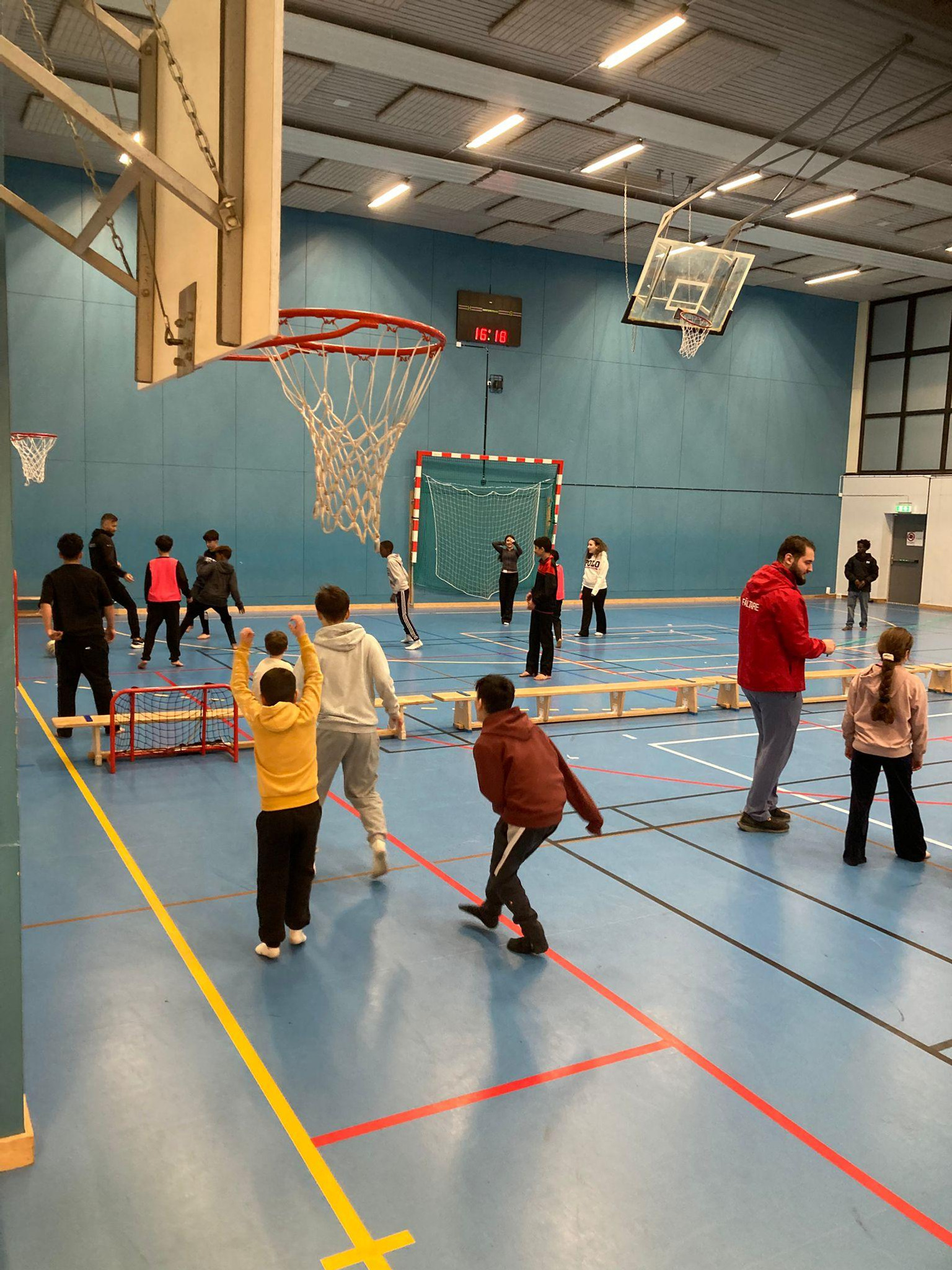
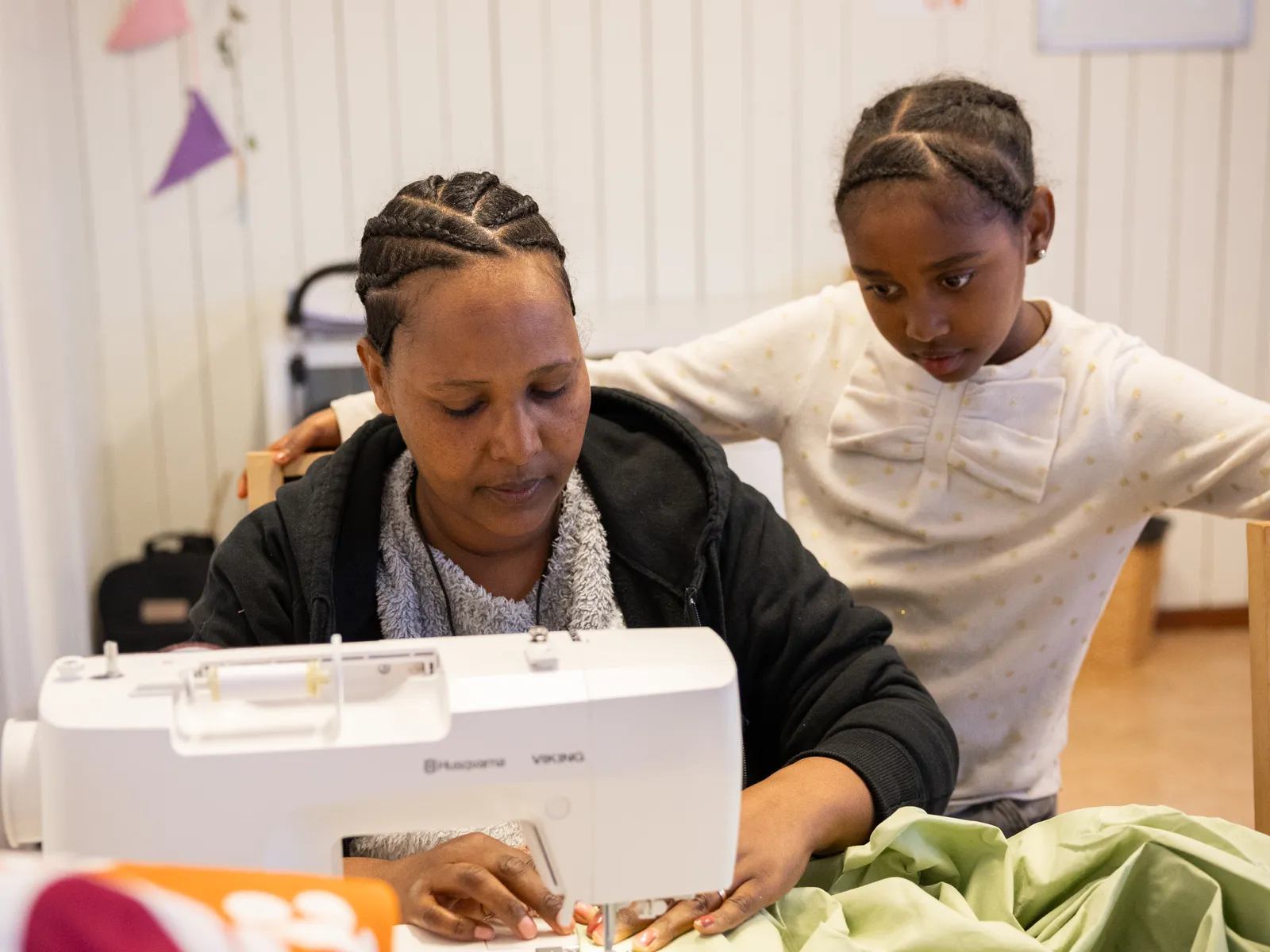
In all five locations, the meeting places have become more than just places to go. They have become contexts where parents can meet others, share experiences, ask questions and get support. Family activities have given parents and children the opportunity to strengthen their relationship through positive experiences.
In a survey in Uppsala two-thirds of the participants stated that they had met new friends through Föräldrakraft 89 percent stated that they had learned something new and the same number that they had received support in their parenting. All participants stated that they had had fun with their children.
“You are not alone. It is easier when you are not alone,” says a mother in Borlänge about the activity, which has become a context where she no longer feels alone with her questions. She also says that she now knows where to turn when she needs help.
In Helsingborg another mother describes how, as a new resident, she got in touch with other parents in the area via Föräldrakraft. Before Föräldrakraft she didn't know anyone in the area. In Motala participants say they have exchanged phone numbers and started participating in activities together even outside the project.
Another central part of Föräldrakraft is to give parents knowledge and concrete tools to manage everyday life. In the study circle Föräldrakraft Parents have had the opportunity to talk about relationships, communication, attachment, emotions, setting boundaries and their children's schooling, among other things. Participants describe that they have been given tools that can be used directly at home.
Community information has also become an important part of the project. Parents have been given the opportunity to ask questions about, for example, school, social services, the police, leisure activities and their rights as guardians.
– In several places, parents describe that the increased knowledge has made contact with the various functions of society less uncertain, says Moa Lindgren.
In Linköping a parent tells us that Föräldrakraft has given her a greater understanding of her mandate as a guardian. Today, she feels more secure in her contact with the school and in being involved in decisions regarding her child's schooling.
One of the most positive developments during the first year is that parents in several locations have started to take their own initiatives. Some have come up with ideas, been involved in planning, started groups or helped other parents find activities.
In Uppsala among other things, parents have been involved in developing a night walking group. In Motala parents have planned and implemented various activities together with young people and in Helsingborg parents have been involved in creating the Fantasirika family. In Linköping The commitment is visible in cooking and walking groups, among other things.
– It is still the activity coordinators who support most of the initiatives, but the direction is clear: in the long term, parents will have even greater opportunities to create activities, meeting places and networks themselves, says Moa Lindgren.
The first year has not been without challenges. The conditions are different in the five locations and experience shows that what works in one place does not always work in another. It takes time to build trust, especially when you want to reach parents who may not have previously had contact with activities such as Föräldrakraft .
– Language and knowledge of Swedish society can also affect the ability to participate. Therefore, local presence, personal contacts and long-term relationships have been crucial, says Moa Lindgren.
After a first year of establishment, Föräldrakraft now entering a new phase. During year two, parenting training will be scaled up, more community information meetings will be held and local meeting places will be further developed. A special focus will also be on strengthening the parents' ability to influence and shape the activities themselves.
Author: Martina Bohl
Erikshjälpen Framtidsverkstad
Föräldrakraft is a project within Erikshjälpen's Future Workshop which is funded by the Postcode Lottery . Föräldrakraft is currently located in five locations in Sweden. The aim is to empower parents so that they can support their children in the challenges they face at school and in life.
Published: 30 September 2026

 Listening