Erikshjälpen participated in discussions with children's rights advocates in the Swedish Parliament
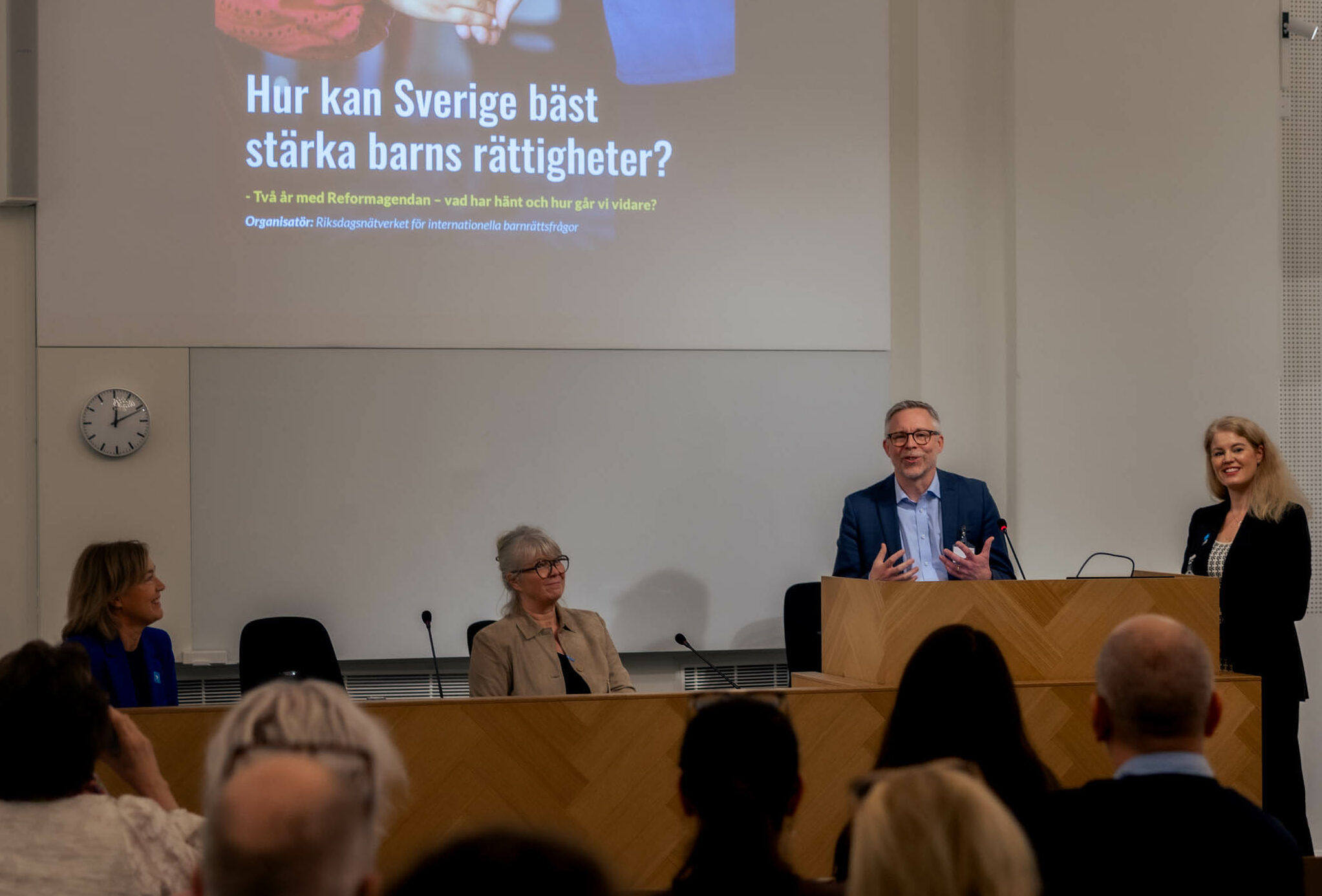
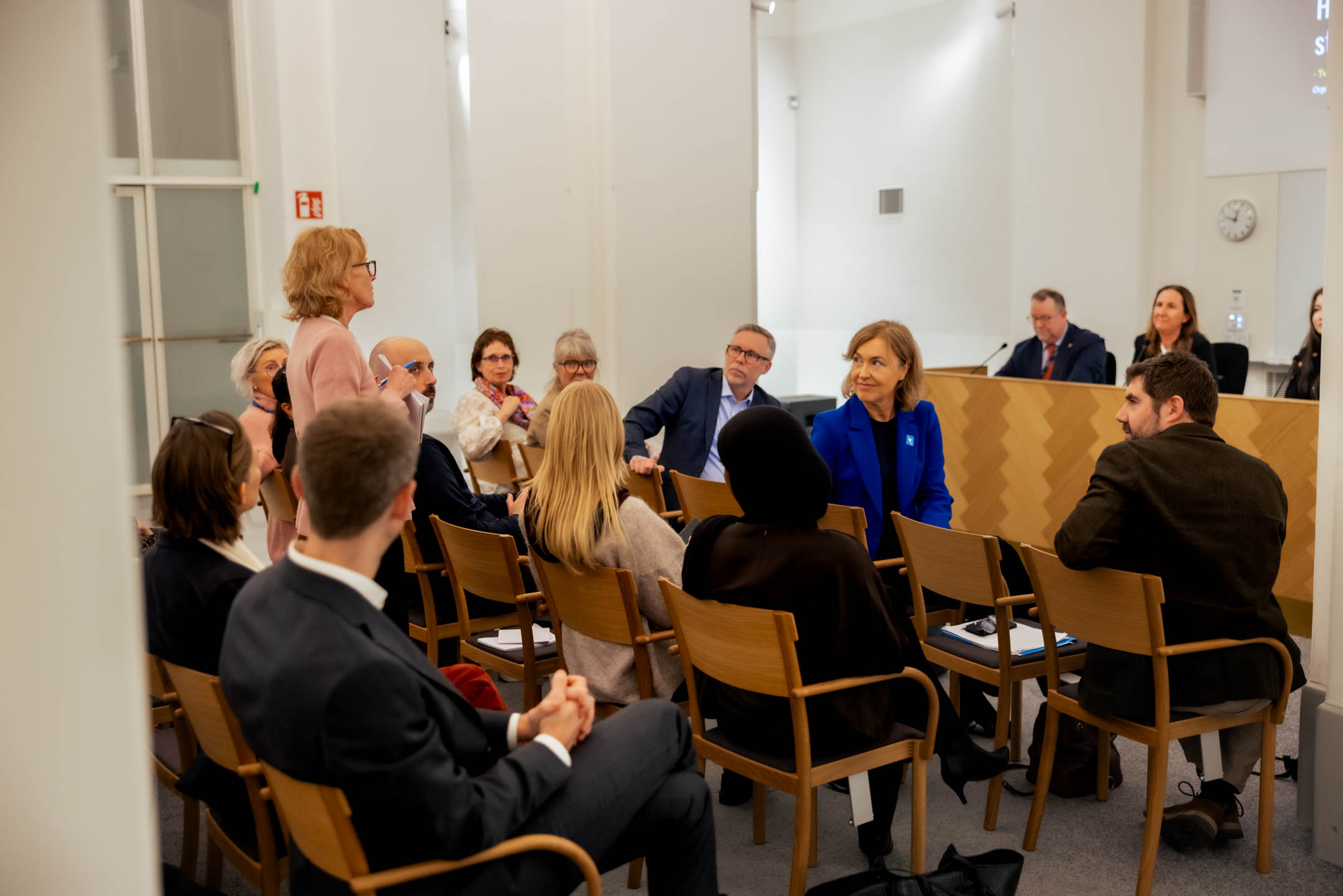
On Wednesday, December 10, a seminar was held in the Swedish Parliament on how Sweden can strengthen children's rights in a rapidly changing aid landscape. The roundtable discussion was organized by the Parliamentary Network for International Children's Rights Issues.
During the seminar on the theme "Two years of the reform agenda – what has happened and how do we move forward? Erikshjälpen's Secretary-General Ingeson highlighted the organization's work in Bangladesh. This is a long-term effort in which children themselves participate in disaster risk management, among other things. By showing how children can be active agents of change, Erikshjälpen wants to emphasize that investing in children leads to both safer societies and sustainable development.
When children are given the opportunity to influence their own everyday lives and local communities, lasting change is created.
©UNICEF/Anton Brunnberg
©UNICEF/Anton Brunnberg
©UNICEF/Anton Brunnberg
©UNICEF/Anton Brunnberg
Children are hardest hit – and should be the focus of aid efforts
Children are the ones most affected by war, climate crises, and growing inequality. At the same time, children's rights are being pushed back globally. During the seminar, it was emphasized that Sweden has long been a leading voice for children's rights—and that this role is now more important than ever.
The government's reform agenda contains clear statements on children's rights, but children's rights organizations emphasized the need for this to have a greater impact in both thematic and geographical aid strategies.
Important issues discussed
During the seminar, issues such as the following were discussed:
- The current state of children's rights globally
- How children's rights can be strengthened when aid is reformed
- The importance of international commitments and strong multilateral cooperation
- The link between children's rights and investments in education, gender equality, and climate action
- How child participation be ensured in practical social work
©UNICEF/Anton Brunnberg
©UNICEF/Anton Brunnberg
Unified voices for stronger Swedish leadership
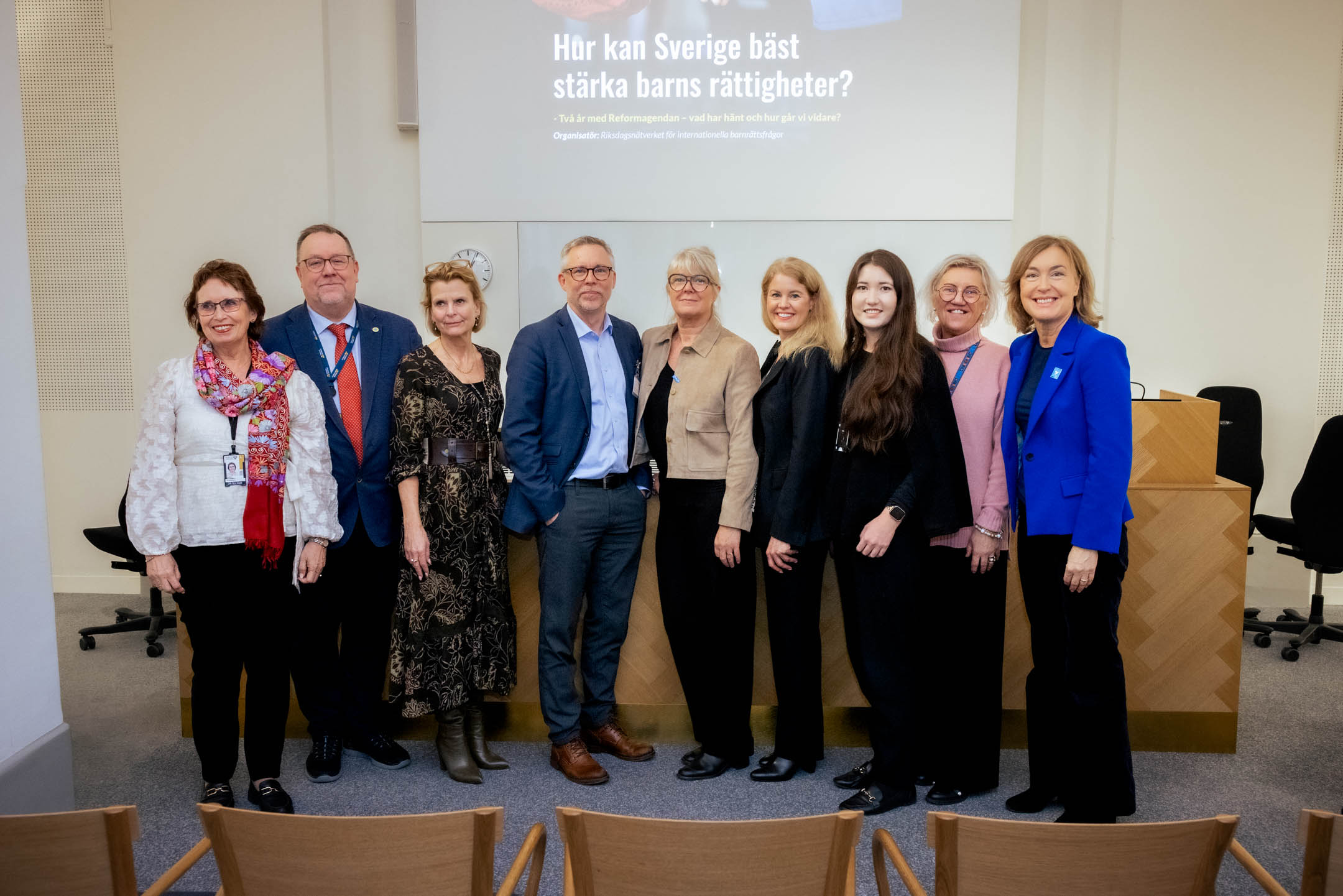
Participants included representatives from several parliamentary parties and children's rights organizations, including:
- Gudrun Brunegård (Christian Democrats)
- Olle Thorell (S)
- Åsa Regnér (Save the Children)
- Mattias Ingeson (Erikshjälpen)
- Monica Lorensson (Plan)
- Karin Strömstedt (UNICEF)
- Yasmine Ericsson (SD)
- Carina Ödebrink (S)
- Pernilla Baralt (UNICEF)
Putting children at the center was seen as one of the most long-term and powerful investments Sweden could make.
The discussion clearly showed that there is both a willingness and opportunities to strengthen children's rights in Swedish development cooperation. Putting children at the center was seen as one of the most long-term and powerful investments Sweden can make.
Lena Elf
Press officer
Published: 11 December 2025
 Listening