Erikshjälpen and the Postcode Lottery on International Girls' Day
Around the world, girls receive little or no education. That is why Erikshjälpen highlights the important work done in collaboration with the Postcode Lottery to improve girls' opportunities.
October 11 is International Day of the Girl Child. On this day, like all other days, Erikshjälpen wants to draw attention to the situation of girls in the world and emphasize the power of education as a tool for change. Today, more than 600 million girls receive little or no education. There are many reasons why girls around the world are forced to drop out of school, but poverty is often a root cause.
Girls are missing out on education
- For girls, it can also mean that they are married off very young, so that the family does not have to support them. The girl's value lies in being a virgin, and the younger she is, the more likely she is to be a virgin," says Marianne Stattin-Lundin, program advisor at Erikshjälpen.
Forcing girls to drop out of school may also be related to the environment in and around school. The route to school can be long and unsafe, with the risk of being subjected to various forms of abuse. Many girls also miss part of their schooling because they stay home during periods.
- "Menstruation is often a problem because sanitation at school is poor and girls feel uncomfortable, causing them to stay at home," says Marianne Stattin-Lundin.
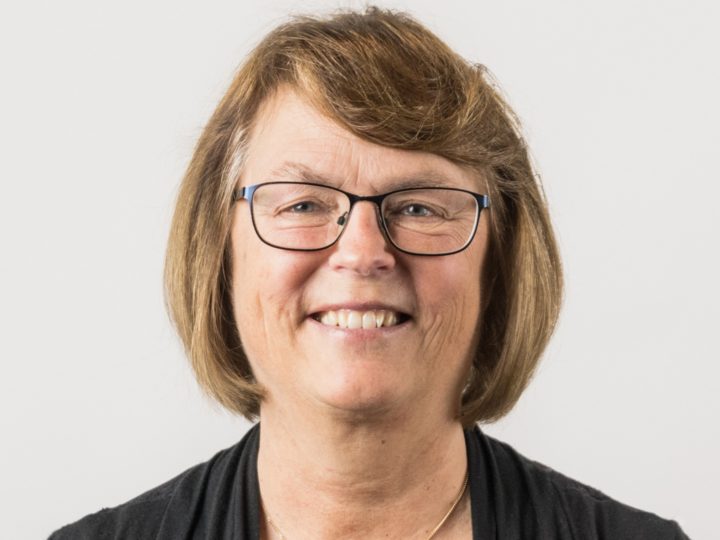
Marianne Stattin-Lundin
Poverty means not being able to afford school supplies or school uniforms. Parents also cannot 'afford' to spare the income their daughters contribute, for example by looking after younger siblings, taking care of the household when their parents are working, or the girls having other jobs
Keya is now back in school
Keya, a 14-year-old from Bangladesh, was forced to drop out of school when her father passed away. Instead of going to school, she had to take responsibility for the household and her younger siblings while their mother was at work. The school she attended was far away, the road to it was unsafe and once at the school, teachers used violence against students when they thought they were talking too much. Keya's dream has always been to become a doctor and now she dares to dream about it again.
With the support of the Postcode Lottery and Erikshjälpen's donors, a new school has been built that is just five minutes from Keya's home. The teachers there are supportive and Keya and her friends have the opportunity every day to continue to be curious and deepen their studies. At the school, the students are challenged to get involved in children's rights in various activities. The school has special separate toilets, precisely so that the girls feel safe at school even when they are menstruating. The girls have also been given access to sanitary pads.
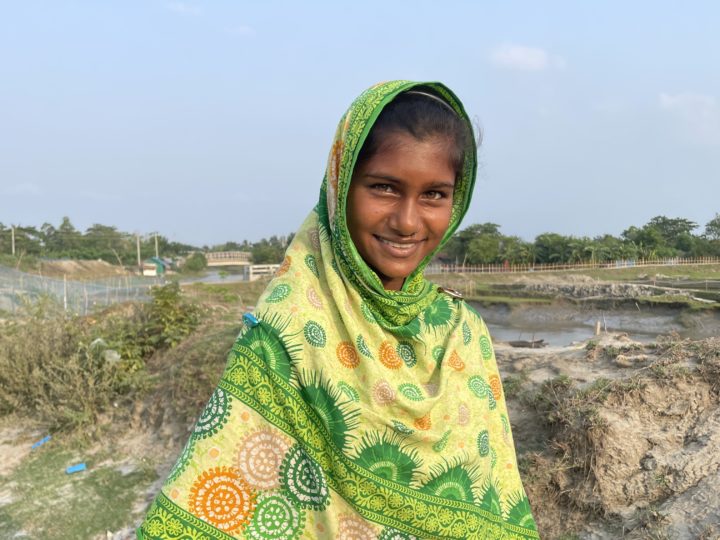
Keya, 14 years old
If it hadn't been for school, I would probably have been married off, had to work or stayed at home to help the family instead
Suraeya escaped being married off
According to the United Nations Educational, Scientific and Cultural Organization (UNESCO), one in five girls in the world is at risk of being married off. 17-year-old Suraeya, also from Bangladesh, escaped child marriage thanks to the knowledge and courage to stand up for her rights. Through the meetings at the children's center that Erikshjälpen supports, she has learned more about her rights. There, together with her friends, she has also learned and practiced how to raise their voices and express their opinions. There they have understood that they have the right to participate and influence their future.
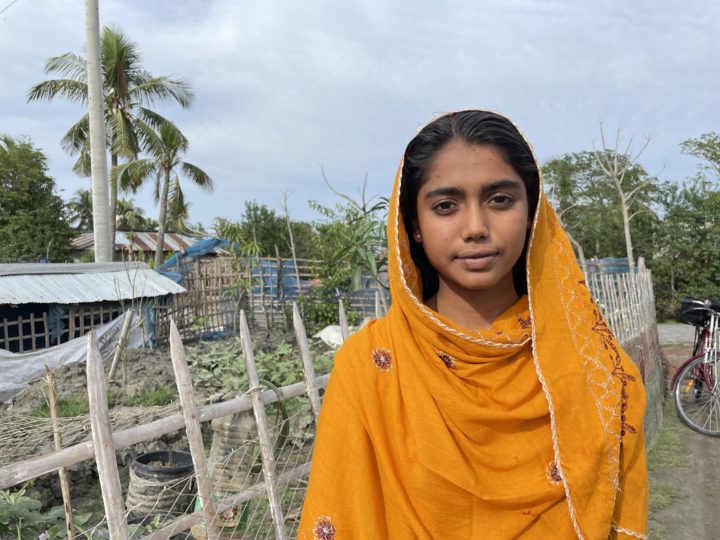
Suraeya, 17 years old
I almost got married off. My parents wanted it, but I didn't want it. I talked to my friends and got support from adults at the children's center. They took the initiative to stop it.

Supporting work for girls' rights
Suraeya was brave and had many people supporting her. Her sister, on the other hand, was married off at the age of 13. Now Suraeya has only one year left in the local school, her dream is to become a fashion designer.
You can support the work for girls' rights by making a donation. Contribute to Erikshjälpen's work here:
Give a gift to education and leisure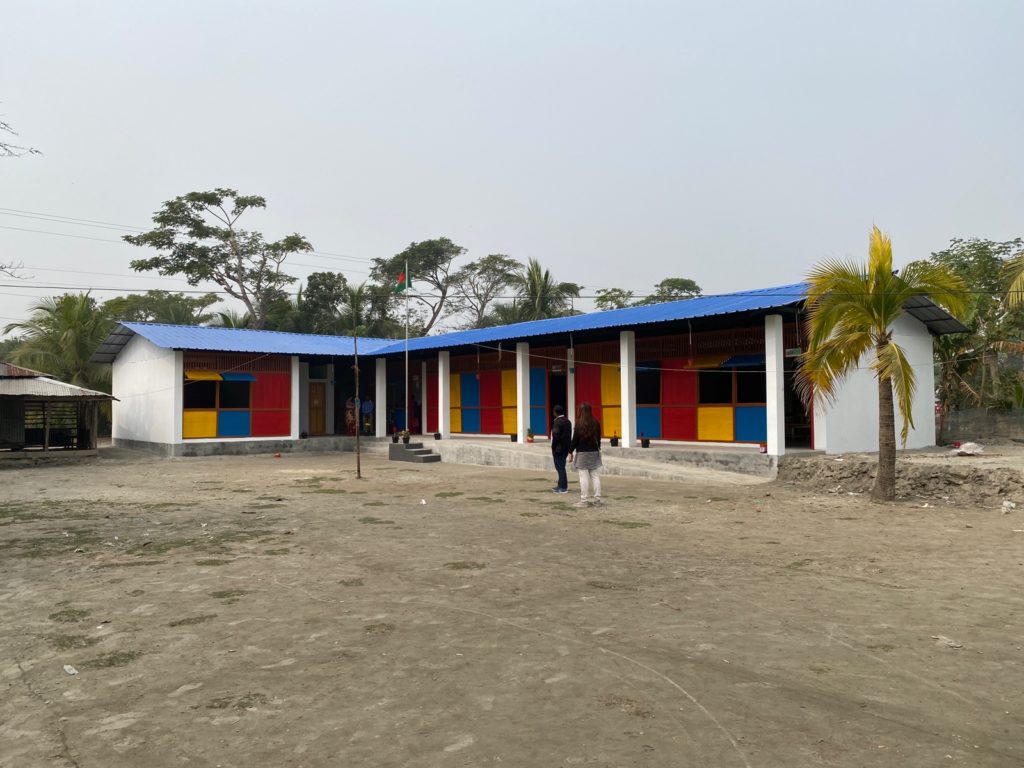
Postcode lottery initiative for girls' right to education
You can also read more about the situation of girls in the world and the Swedish Postcode Lottery's initiative for girls' right to education, of which Erikshjälpen is a part, here
We are in a global education crisis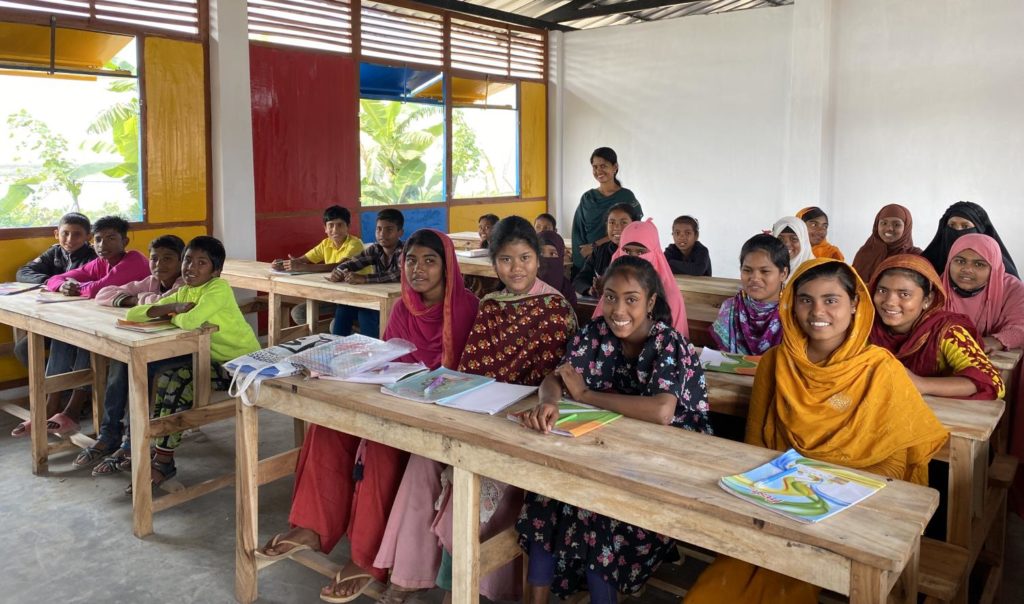
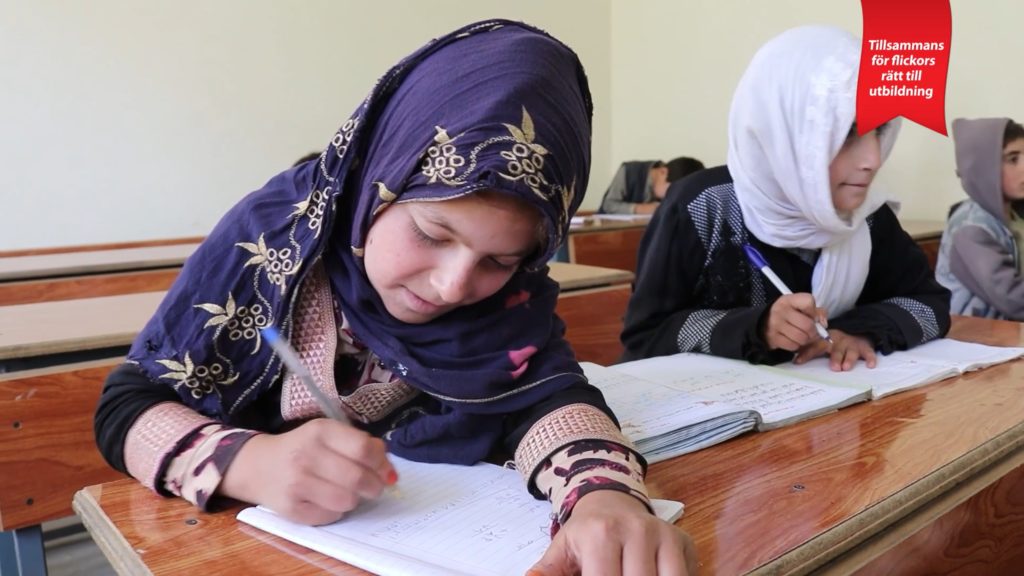
Thank you to those who support Erikshjälpen's work and to those who, through lottery purchases, help to improve the situation of girls. You are helping to ensure that children like Keya and Suraeya get an education and can dream of a better future.
Author: Frida Vingren
Published: 11 October 2023
 Listening