Don't pull the rug out from under second-hand non-profit operators
The issue of VAT on second-hand goods has once again been raised, both by the government and within the Swedish Trade Federation. Erikshjälpen Second Hand welcomes the discussions that will promote the circular transition, but also wants to bring the non-profit perspective into the debate. Abolishing VAT on second-hand goods does not mean leveling the playing field, but pulling the rug out from under non-profit actors.
In 2016, it was decided that non-profit second-hand shops would continue to be exempt from VAT on the basis of their public benefit activities. The non-profit organizations would, if we compete on equal terms with the commercial players, otherwise "risk suffering from deteriorating conditions with cutbacks as a result". This concern still exists today.
Recently, it was announced that the government is launching an investigation into whether it is possible to simplify the regulations for Corporate that sell second-hand goods and for Corporate that want to donate goods to charity. The Swedish Trade Federation comments on the news that there are no investigations into the VAT rate. "The double taxation that currently applies to second-hand goods sold by commercial Corporate is hampering further steps in the transition. We fundamentally agree with this statement and the double taxation is difficult to defend. However, for the sake of the environment, legislation that addresses the problem of overproduction and the ever-increasing sale of newly produced goods is needed in the first place. Perhaps it should be a little complicated for companies, not so that they choose to discard goods instead, but so that the consequences of overproduction are actually allowed to be both costly and tangible. It is an incentive to review their business idea. It is not circular to continue producing new products and then give away what has not been sold.
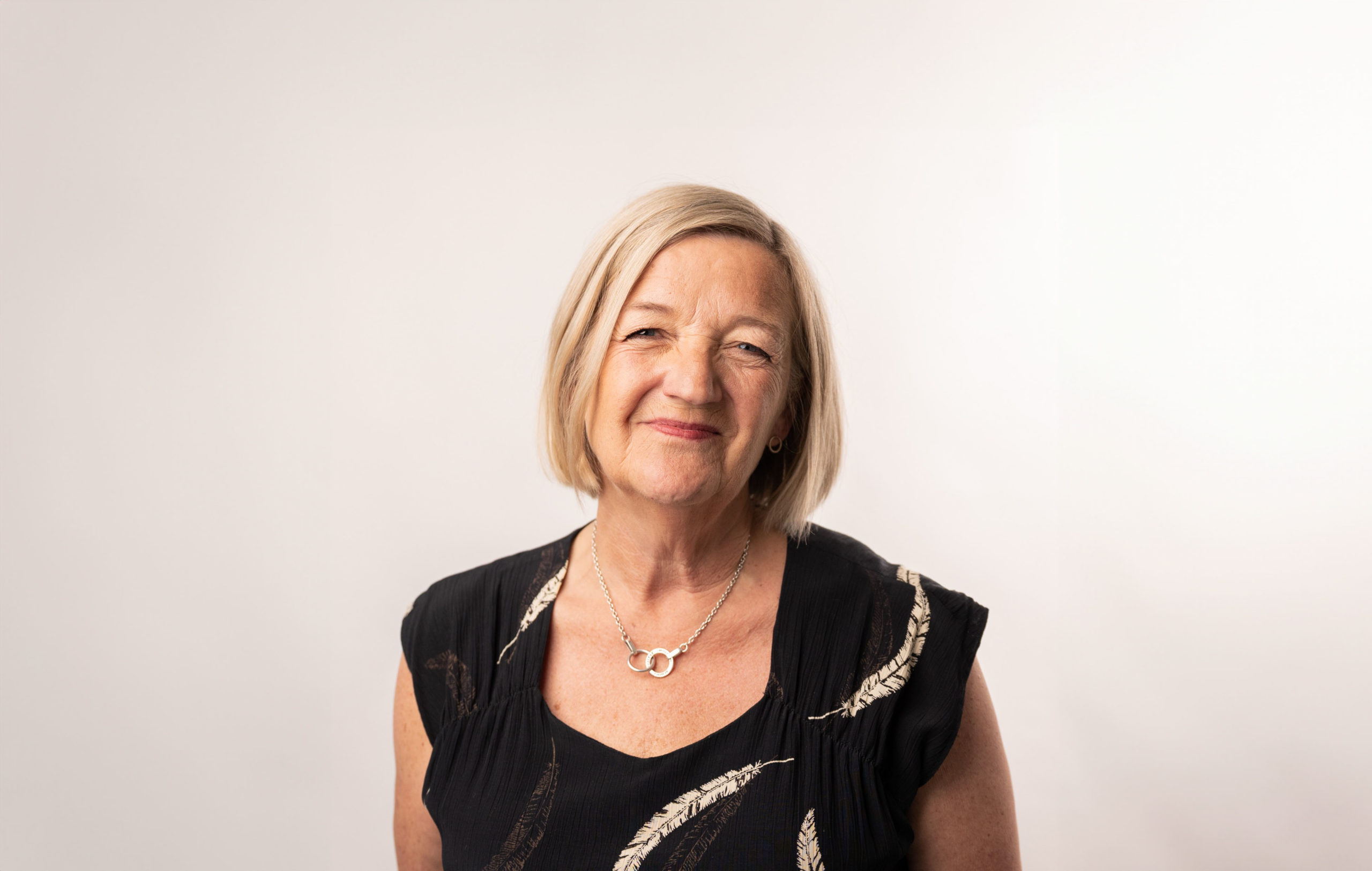
Anette Alm Gustafsson, Managing Director Erikshjälpen Second Hand
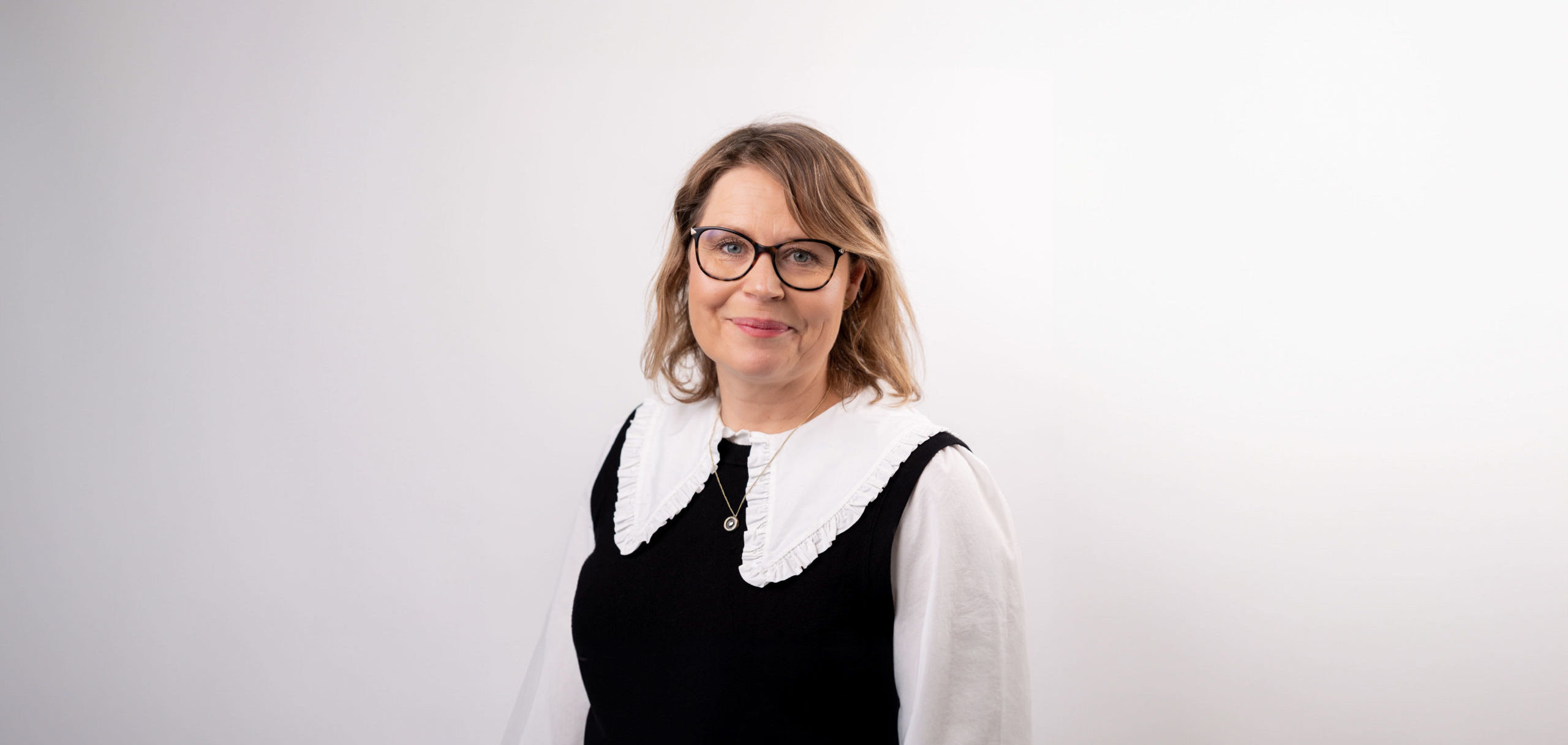
Cathrine Kylesten, Sustainability Manager Erikshjälpen Second Hand
Anette Alm Gustafsson, Managing Director Erikshjälpen Second Hand
Cathrine Kylesten, Sustainability Manager Erikshjälpen Second Hand
It is positive that the Swedish Trade Federation is pushing for better conditions for the entire second-hand industry. We welcome reduced VAT or VAT exemption for the sake of the environment and the transition. But it also raises concerns among us non-profit second-hand actors when our competitive advantages are to be erased. The second-hand market needs to grow and new consumption needs to decrease - but abolishing VAT completely for commercial second-hand shops would distort competition and affect non-profit second-hand shops, which are an important part of civil society.
The better the conditions for commercial players, the harder it will be for us non-profit forces to be heard through the noise. We are already competing against private companies with heavy investors and hefty marketing budgets behind them, where the profits go to the shareholders. With non-profit second hand, the profits go back to sustainable social development through extensive social work, in addition to the environmental benefits of recycling.
Today, non-profit second-hand shops enjoy competitive advantages precisely because we are non-profit;
- We run a social work for people far from the labor market
- We offer space for engagement and community through volunteering
- Our surplus is reinvested in the sustainable development of society, locally and globally.
A further question to consider is for whom is the simplified or reduced VAT intended? Other examples of changing tax rates to drive new behaviors, such as the one on repairs, show that reduced VAT has not led to lower prices for consumers. And thus not a change in consumer behavior. Reducing VAT on commercial second-hand goods would make it easier for businesses, but will it lead to more people actually shopping sustainably?
Non-profit second-hand cannot be compared with the commercial sector. As just one of Sweden's non-profit second-hand operators, we have around 4,000 employees, a large proportion of whom are trainees in work training or wage subsidy positions on their way to or back to a working life.
Whether VAT is simplified, reduced or abolished altogether will have a decisive impact on the competitiveness of non-profit actors in relation to the increasing number of commercial actors entering the reuse market.
We welcome discussions with both the Swedish Trade Federation and the government on how the circular transition can be promoted, while civil society is given continued opportunities to contribute to the benefits of society.
Author:
Annette Alm Gustafsson, Executive Director of Erikshjälpen Second Hand
Cathrine Kylesten, Sustainability Manager Erikshjälpen Second Hand
Published: 13 March 2024
 Listening