Disaster response after the earthquake in Myanmar
On March 28, Myanmar was hit by a strong earthquake. Över 7.5 million people are in urgent need of humanitarian assistance and the need for support from the outside world is great. Erikshjälpen acted quickly and startedthe a disasterntervention on the very same day.
The earthquake, which consisted of two tremors, mainly affected the regions around the city of Mandalay in central Myanmar. Over 2,000 people have died and more than 30,000 have been injured. In addition, around 3,000 people are estimated to be trapped under collapsed buildings.
- Many families have lost their homes and lack access to clean water. The situation is exacerbated by the humanitarian crisis in the country following years of internal conflict and refugee disasters. Although Erikshjälpen was quick to respond, there is still an urgent need for further assistance to address the crisis," says Rathy Chheng, Program Coordinator at Erikshjälpen's Regional offices in Southeast Asia.
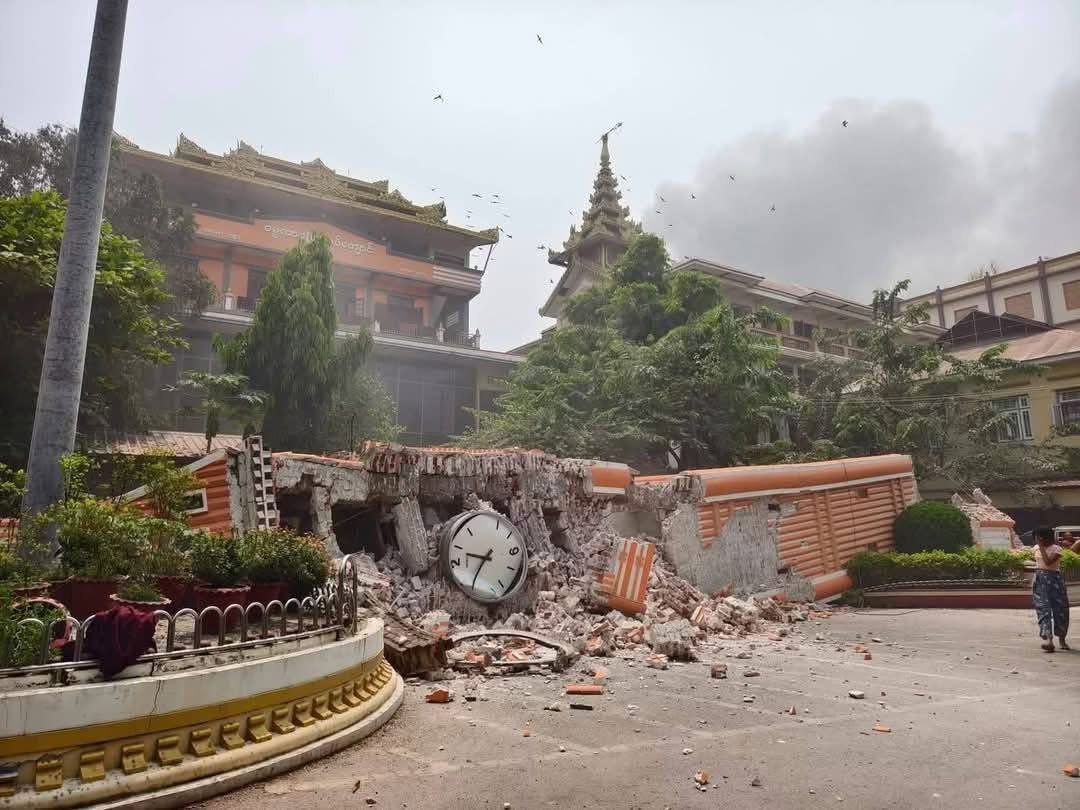
In addition to homes and schools, key infrastructure such as airports, highways and bridges have been completely destroyed in the affected regions. Damage to dams in Pyin Ma Nar resulted in severe flooding and a major fire in Mandalay destroyed 50 homes. In total, 7.6 million people in Myanmar are in need of urgent humanitarian assistance.
- Children and families are the hardest hit. Many are displaced and living in difficult conditions without adequate protection from weather and health hazards. Children can no longer go to school because schools have been destroyed and they lack a safe place to recover from traumatic experiences. The psychological strain is enormous and families are struggling every day to cope with loss, uncertainty and just trying to survive," said Rathy Chheng.
Children can no longer go to school because schools have been destroyed and they lack a safe place to recover from traumatic experiences.
The importance of long-term interventions
- Our efforts focus on on emergency shelter, food, clean water and medical care. We are also prioritizing the safety of affected children to protect them from exploitation and further trauma. In addition, long-term interventions are crucial to rebuild homes, schools and essential community infrastructure and thus giving hope back to affected families," says Rathy Chheng.
Erikshjälp's intervention in Myanmar focuses on:
Food and water - emergency food parcels and drinking water, focusing on vulnerable groups such as children, pregnant women and the elderly.
Shelter and materials - temporary housing, blankets, hygiene and household items.
Medical care - emergency care and treatment of injuries.
Safety and security - protection for women and children at risk of exploitation or violence.
Water and sanitation - access to clean water and toilets.
You can help by making a donation to the Erikshjälpen disaster fund.
Published: 03 April 2025
 Listening