Listening
 In Phnom Penh City in Cambodia, Erikshjälpen works together with the local Sunshine Cambodia Organization to strengthen children's rights and give them the opportunity to grow up in a world without violence.
Every child has the right to grow up in a world without violence. But in Cambodia, this is far from reality. In particularly vulnerable areas, it's not uncommon for everyday life to be marked by violence and abuse, both at home and in schools, and it's often adults - parents, older siblings or teachers - who use violence against children.
There are several reasons for what drives violence and therefore the problem must be addressed in as many ways. Together with our local partner Sunshine, Erikshjälpen works with targeted interventions that all, in different ways, aim to promote children's rights.
A large part of the work involves communicating knowledge about children's rights to all the adults around them. It is also about working with different social actors to strengthen children's safety in the public environment and to increase their opportunities to go to school. interventions that in the long term build children's self-confidence and give them a safer growing environment.
Much effort has been made over the years to promote children's rights in Cambodia, but there is still much work to be done. Especially when it comes to engaging and including the child's voice in decisions at different levels of society. Thanks to Erikshjälpen and Sunshine, girls and boys are supported in schools, youth centers and children's clubs to understand their rights - and to make their voices heard.
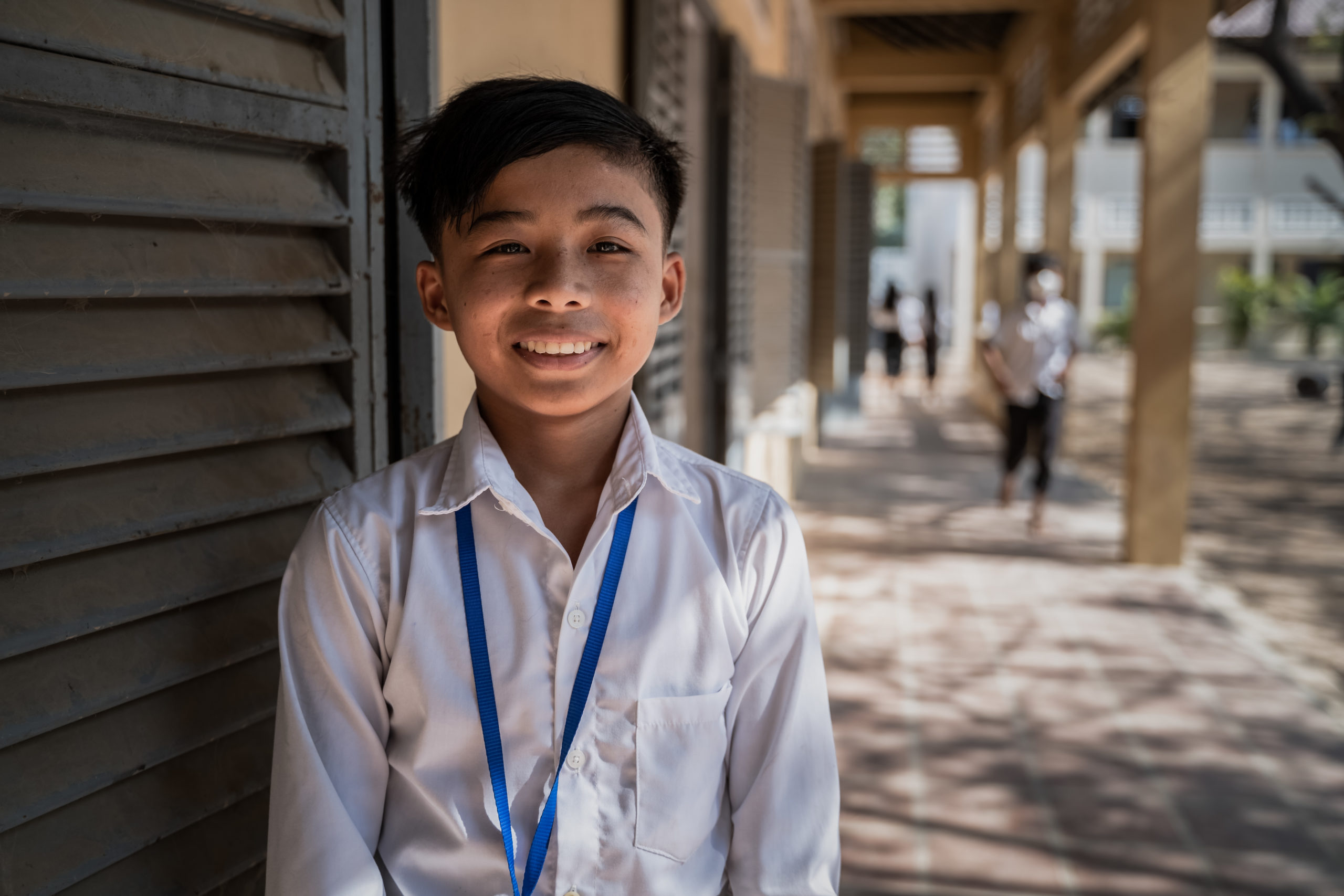
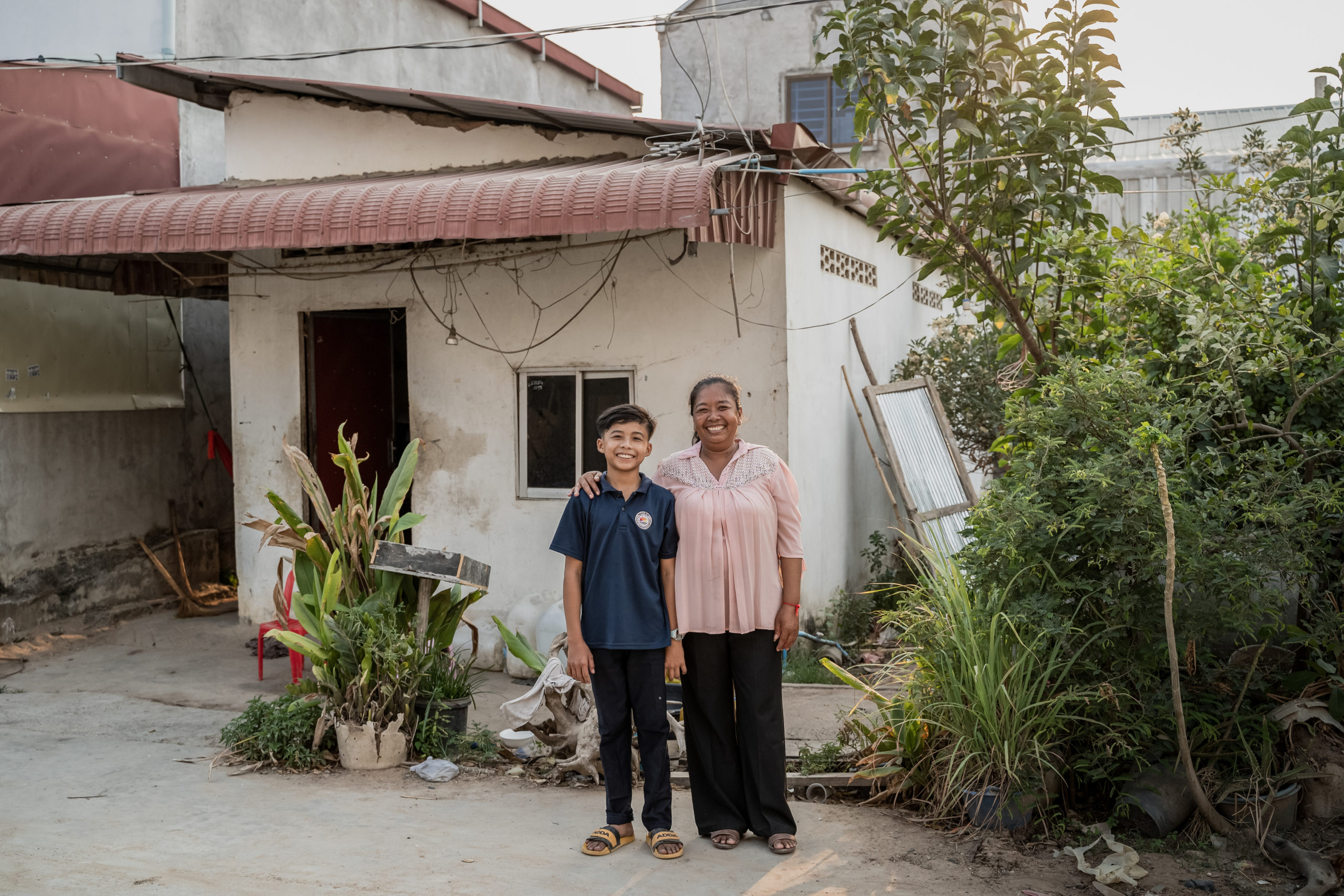
"Now I dare to tell my mom if I have any problems"
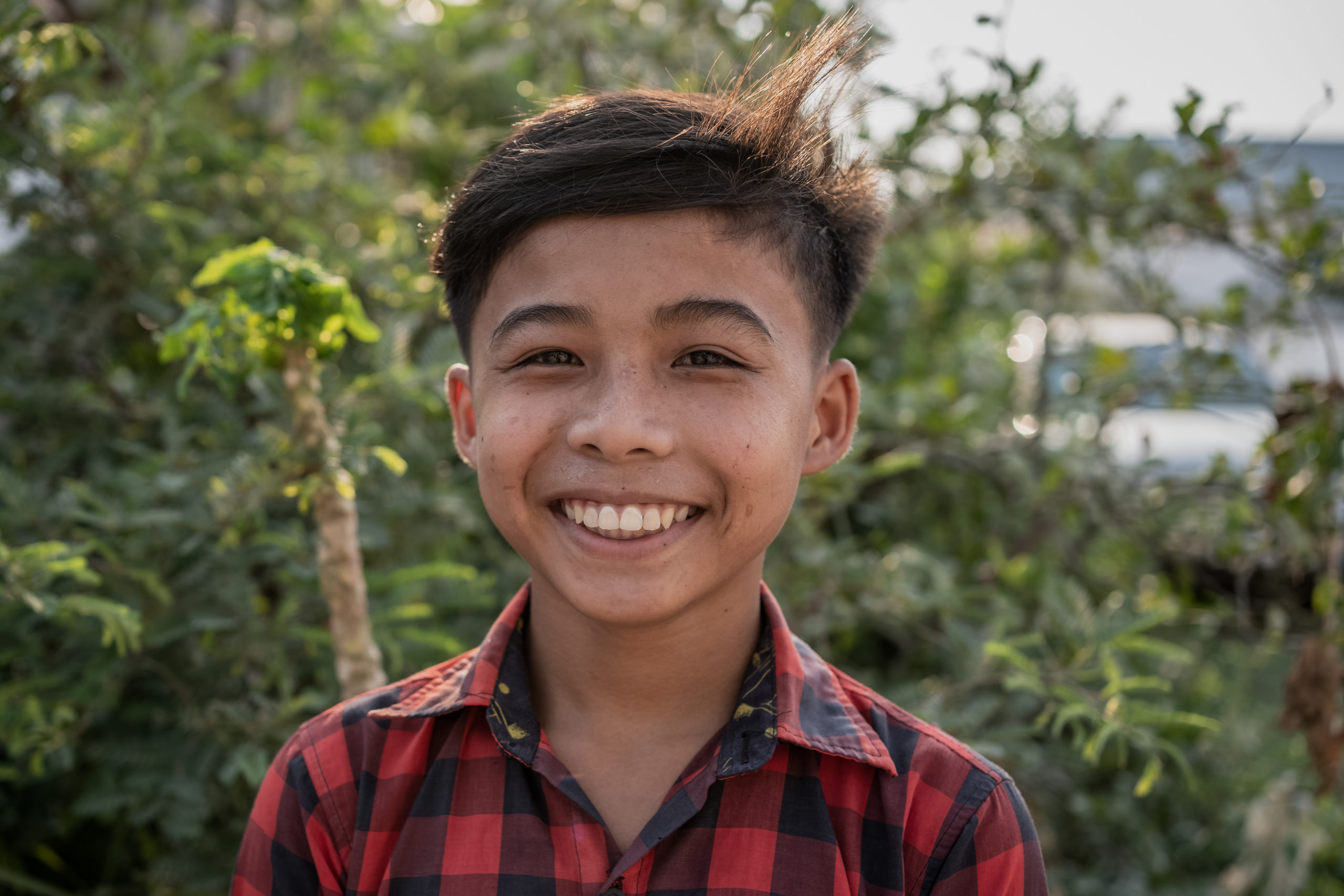
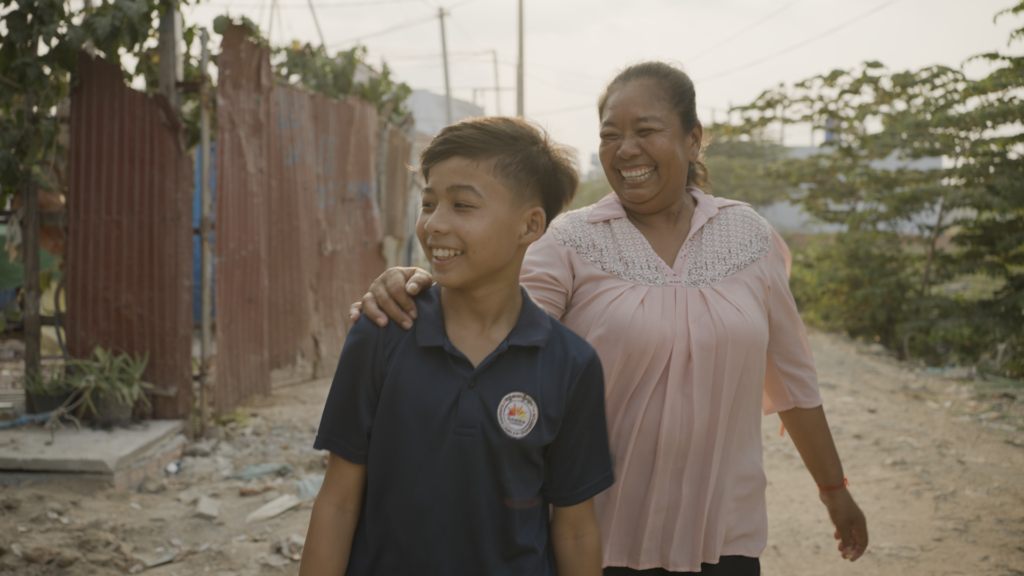
The beatings could come if he hadn't done his homework. Or if he was too tired to help at home. But now, 13-year-old Sereyvat and his mother have a warm relationship based on mutual respect between each other.
Sereyvat's childhood outside Phnom Penh City was long characterized by beatings and scolding. His mother Sokuntheary, who is widowed and infected with HIV, often took her bad temper out on her children, and Sereyvat would be beaten if he wasn't at school.
- Now she has stopped hitting and scolding me, instead she uses nice words and encourages me to do my homework," says Sereyvat.
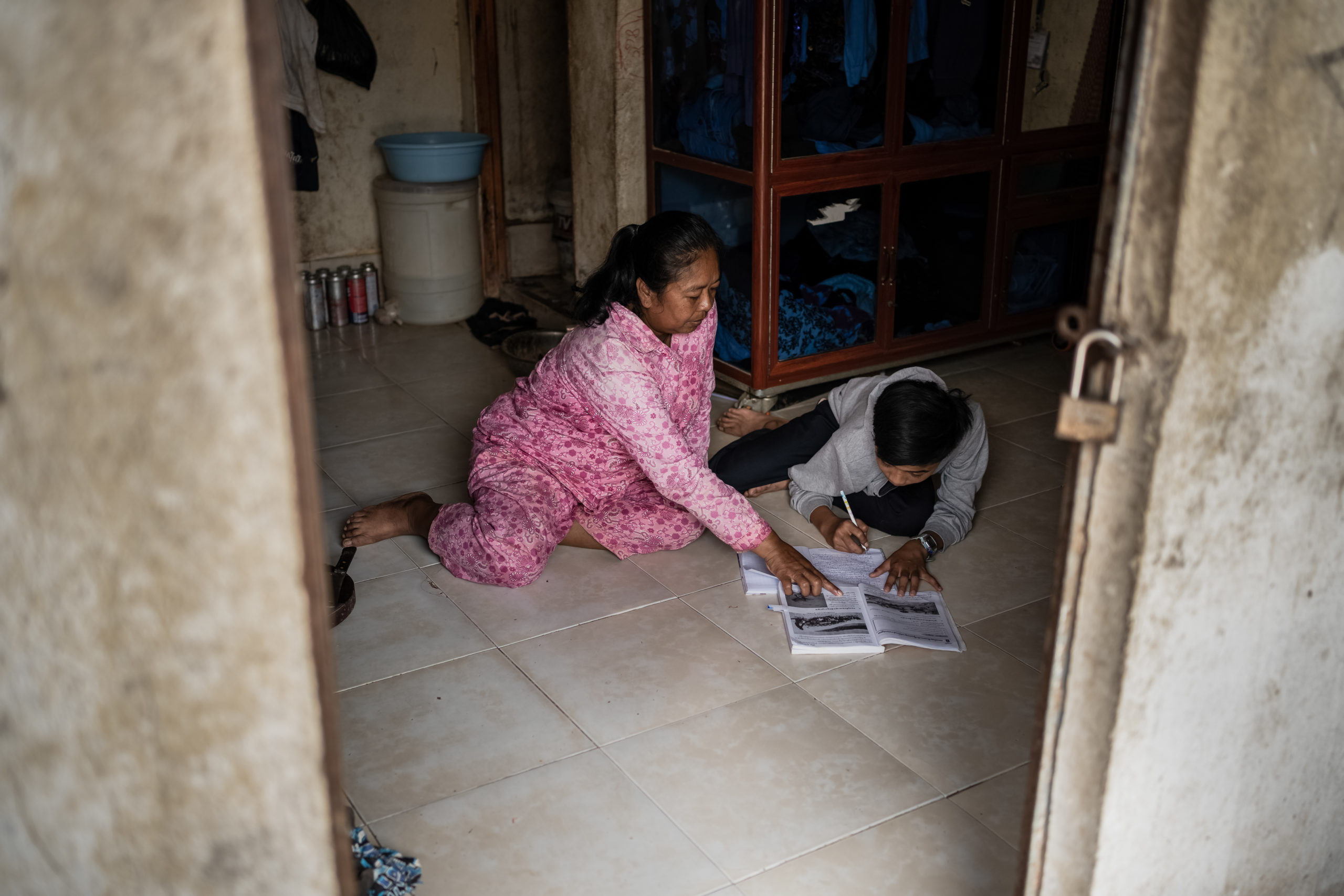
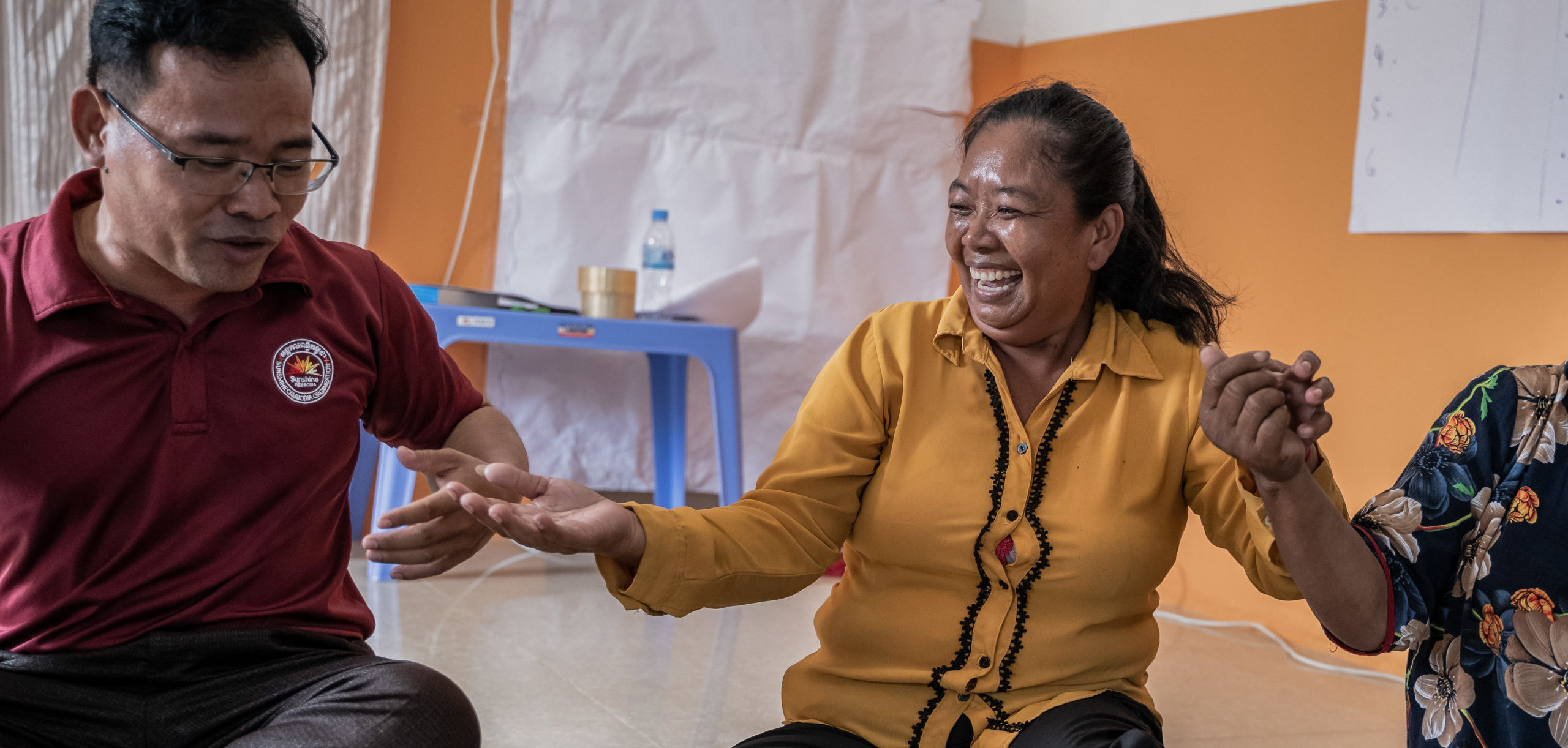
Since 2017, the family has participated in family support activities and parenting clubs run by Erikshjälpen's local partner Sunshine just outside Phnom Penh City. Here, Sokuntheary has not only received support in her role as a parent or start-up capital to run a small food business, but also knowledge about how her children are affected by a childhood characterized by violence. Something that has paid off.
- Now I dare to tell my mom about my problems and she helps me solve them. There is also a big difference in how I behave myself and I notice that I have become more patient. Before, I often used to fight with other children at school, but now I don't do that anymore," says Sereyvat.
The support of Sunshine and Erikshjälpen has also given Sereyvat the courage to tell his mother if she hits him again, and he now knows his right to grow up in a world without violence.
- My teachers motivate me to come to school regularly. Whenever I have any problem with other students, the principal tells me not to fight with them. He also encourages me to study and tells me to think about my mother who is trying to earn money for my education and future," he says.
Example of costs
- 82 SEK - Annual cost for a parent to participate in the parents' club.
- 124 SEK - Excursion for a child with the aim of strengthening the child's self-esteem.
- 3100 SEK - Start-up capital for small businesses.
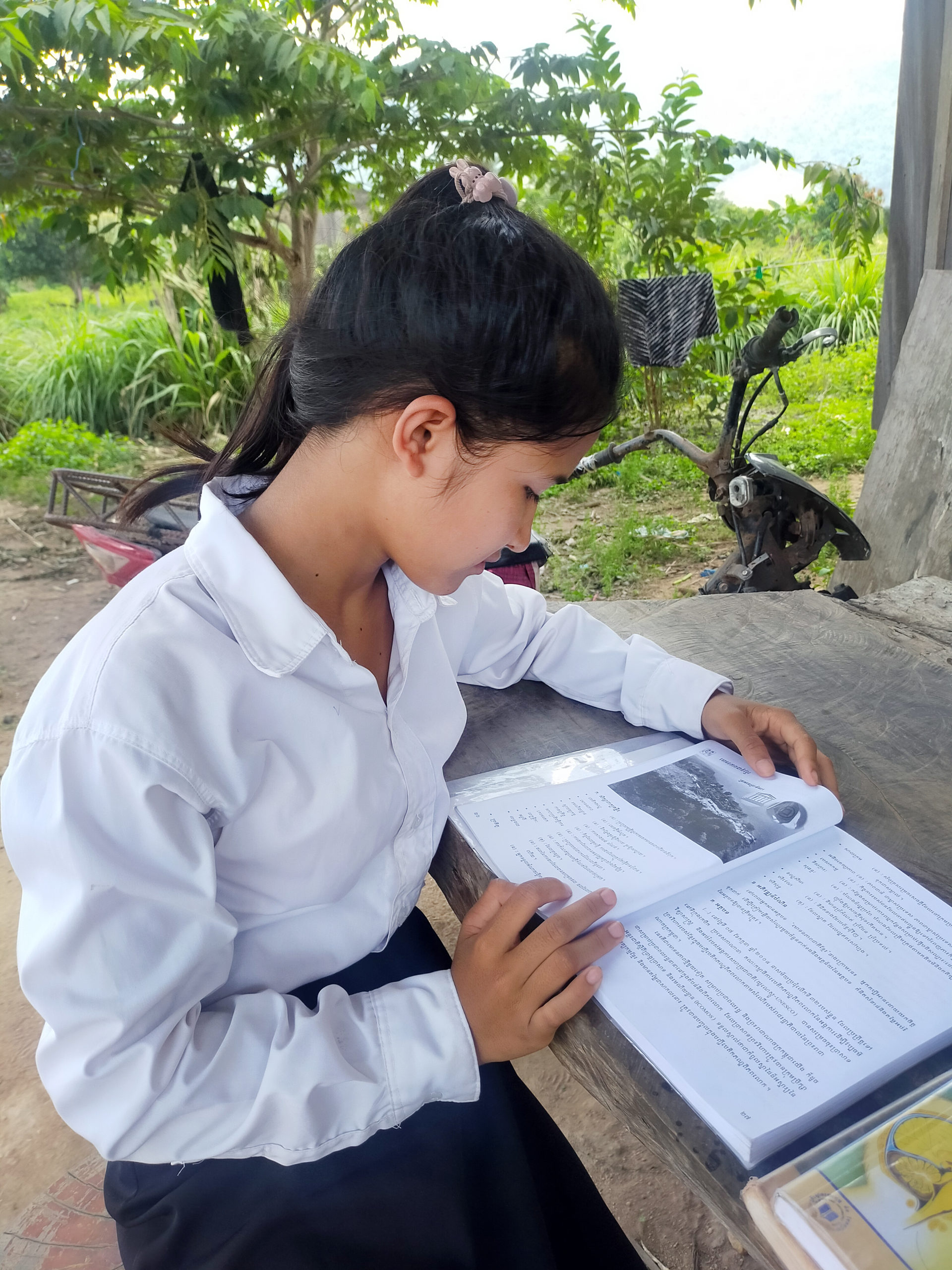
Before, 15-year-old Soeum didn't want to talk much about her period. She found it embarrassing and didn't really know what was happening in her body. Thanks to Erikshjälpen's work in Cambodia, she now has no problem asking for help - or going to school during her period.
School means everything to 15-year-old Soeum Sreynoch in the small village of Chrey Thom in north-western Cambodia. Here she gets to study her favorite subject biology, here she meets all her friends and here she meets her fantastic teachers every day. Her dream is to one day become a teacher herself and contribute to a safe upbringing for the local children.
But not all girls in Cambodia have the same opportunities as Soeum.
Especially in the remote villages of northwestern Cambodia, where knowledge of girls' personal hygiene is low, access to menstrual protection is poor, and schools often lack safe environments for students to maintain good Menstrual health.
All this means that many girls stay home from school - or at worst, drop out early.
- We were completely misinformed about menstruation before and there were many rumors spread among friends and the elderly in the village. That it hurts a lot, that it's dangerous and that it's shameful to talk about. But now we have been educated in school about personal hygiene and how the body works during menstruation," says Soeum.
We were completely misinformed about menstruation before and there were many rumors spread among friends and the elderly in the village. That it hurts a lot, that it's dangerous and that it's shameful to talk about. But now we have been educated in school about personal hygiene and how the body works during menstruation," says Soeum.
Here in northwestern Cambodia, Erikshjälpen is working with the local organization Hagar to increase knowledge about Menstrual health among the inhabitants of the small villages. The work has been very beneficial and has contributed to the replacement of old habits and traditions with new knowledge and greater openness about girls' personal hygiene.
- I want to see a change. This is a problem that hinders girls' access to education and safety," says Soeum.
The menstrual practices that used to exist in Soeum village were often painful and directly harmful to the girls. Like going down to the nearby river to wash and minimizing the pain with the cold water.
Now there is a completely different knowledge in the village about the importance of a good environment with access to clean water, soap and safe toilets. This ultimately means that more girls want to go to school even when they are menstruating.
- Sometimes I don't feel very well when my period comes at school. I can get stomach aches, have a bad mood and can be rude to my friends. But everything can also be just as normal. At least I've never had to stay home because of my period," says Soeum.
In residential areas where Erikshjälpen Framtidsverkstad is located, many children and young people feel that there is a negative image of their area and those who live there. They want to change that. The Future Workshops have become a platform where young people can make their voices heard. But also a place for their own interests and dreams.
Homework help is a popular activity organized by Erikshjälpen’s Framtidsverkstad in the Ekön neighborhood of Motala in collaboration with the soccer club Dribbla United. One of the people helping the children with their homework is 16-year-old Nassir Ali. Even though Nassir has never received help with his own homework, he is eager to provide that opportunity to the younger students in the area.
I see myself in the children
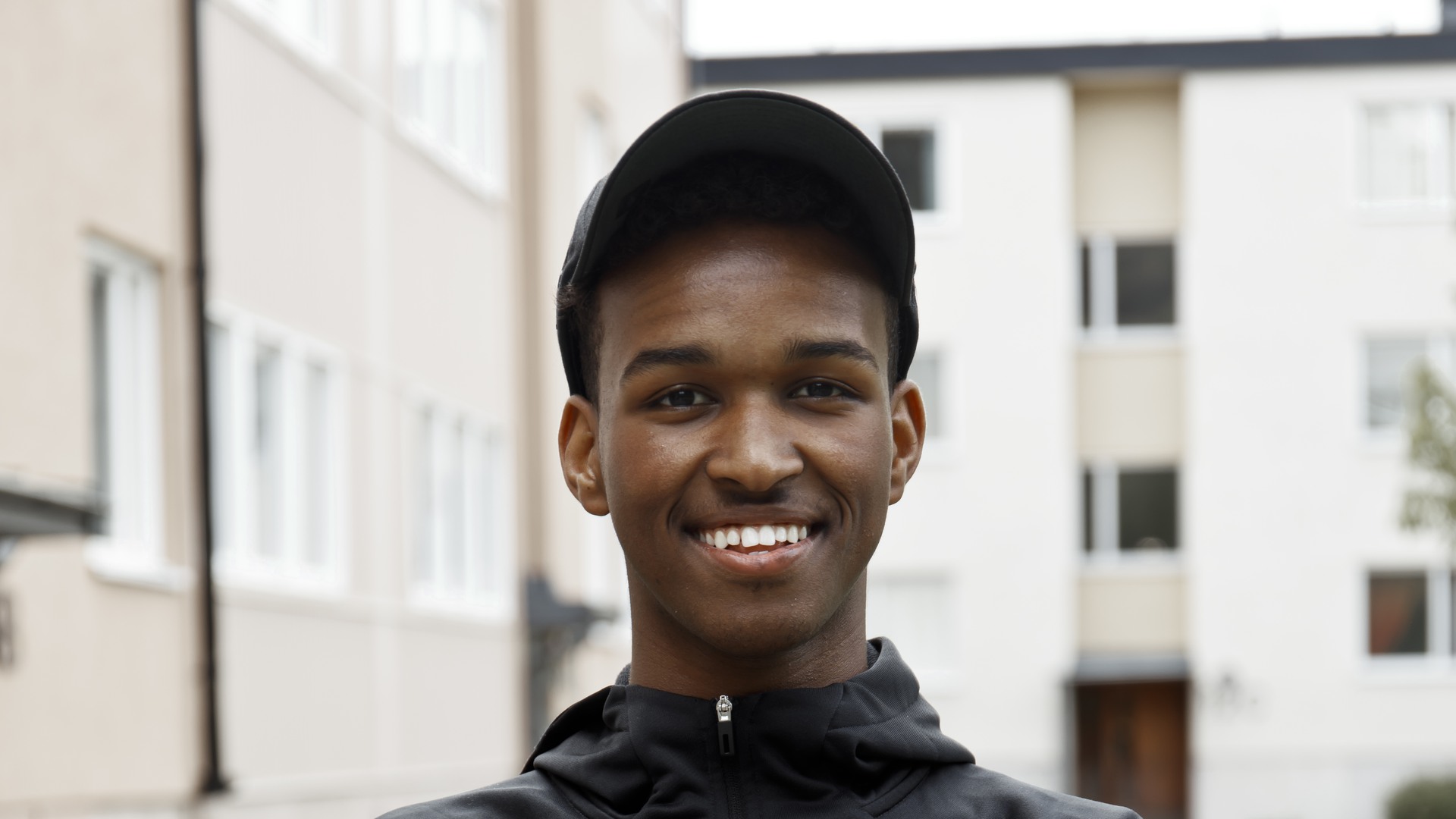
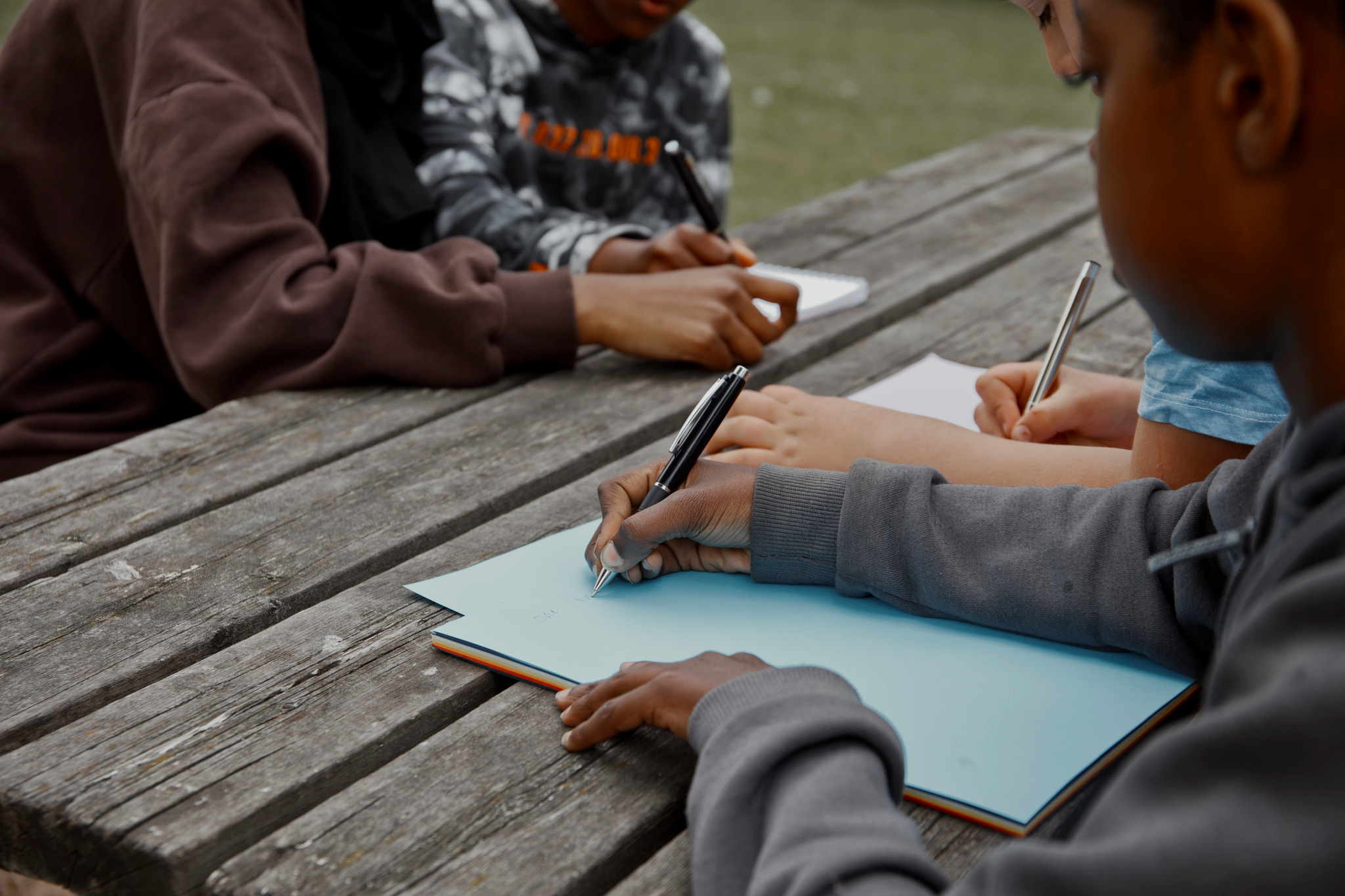
- I see myself in the children," he says. When the homework is done, the children have a coffee break to replenish their energy before the football training begins. For those who don't want to play football, other activities are organized.
Ekön is a multicultural neighborhood with a large number of children. It is also the only neighborhood in Motala that does not have a youth center. By offering children and young people free activities, homework help, and discussion groups, Framtidsverkstaden helps level the playing field for children growing up in Motala, while also providing more young people with meaningful leisure activities.
- "I wish Erikshjälpen's Future Workshop had existed when I was younger. Then I would have had something to do and it would have been easier for my mom, says Nassir.
In Erikshjälpen's Future Workshops, faith in the future and community are created. Children and young people are given a safe place to express themselves and develop. This allows the young people to realize their full potential, while reclaiming the narrative of their hometowns.
Gränby is located just north of downtown Uppsala. It is one of the areas described in the media as a “marginalized neighborhood.” While there are certainly social challenges in the area, Sudi Osman does not buy into the notion that Gränby is unsafe.
- A lot has changed for the better in Gränby since 2019. People have looked badly at our area, but those who live here are working to make it better. You shouldn't have to feel worried in Gränby," says Sudi.
The Future Workshop has become like my second home
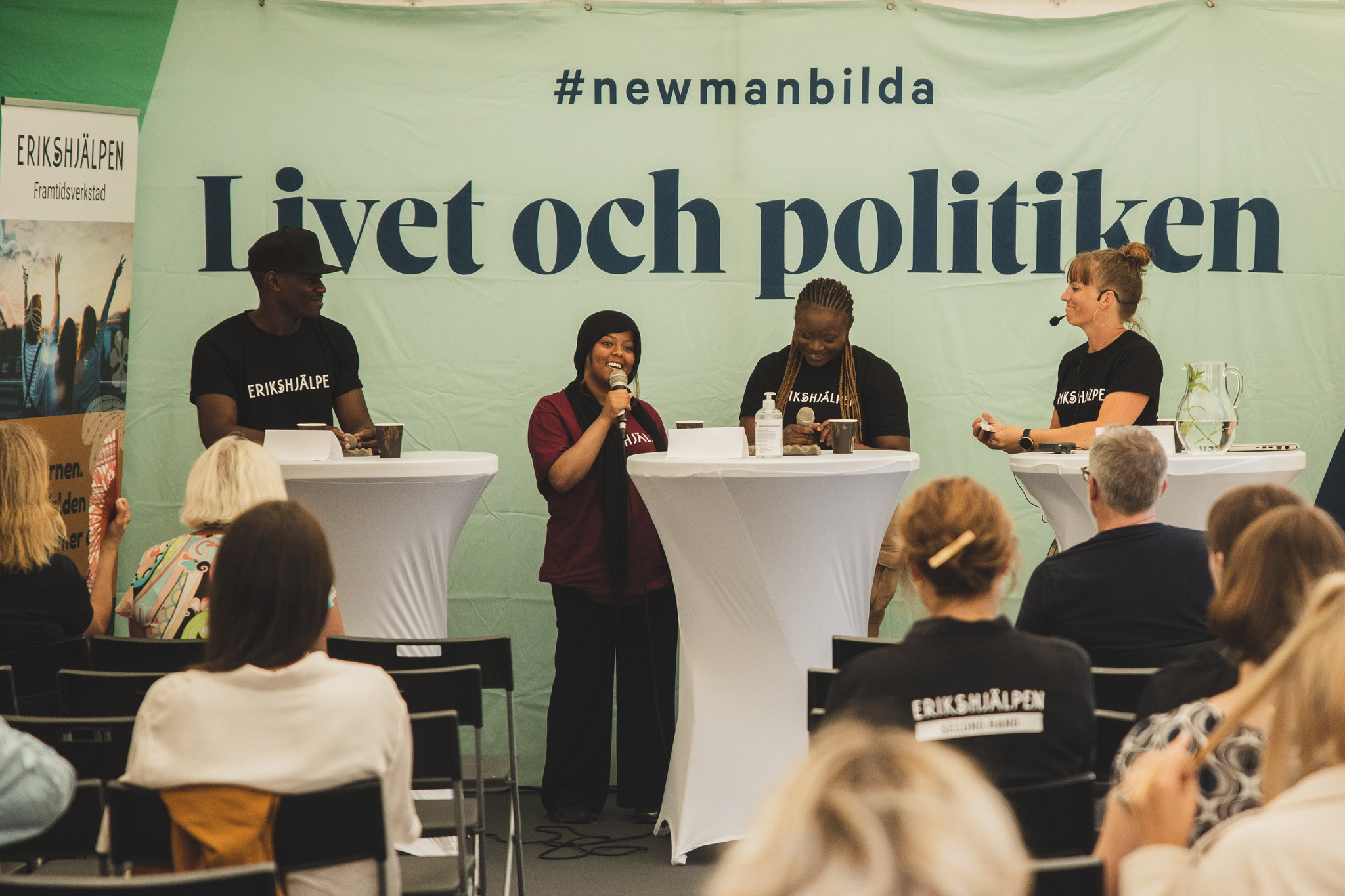
Sudi is now 17 years old and came into contact with Erikshjälpen's Future Workshop for the first time in the spring of 2022. She was offered to work in the Future Workshop during the sports holidays and at first thought it could be a good first job and some extra money in her wallet. But once there, she found a place that was more of a context than a job.
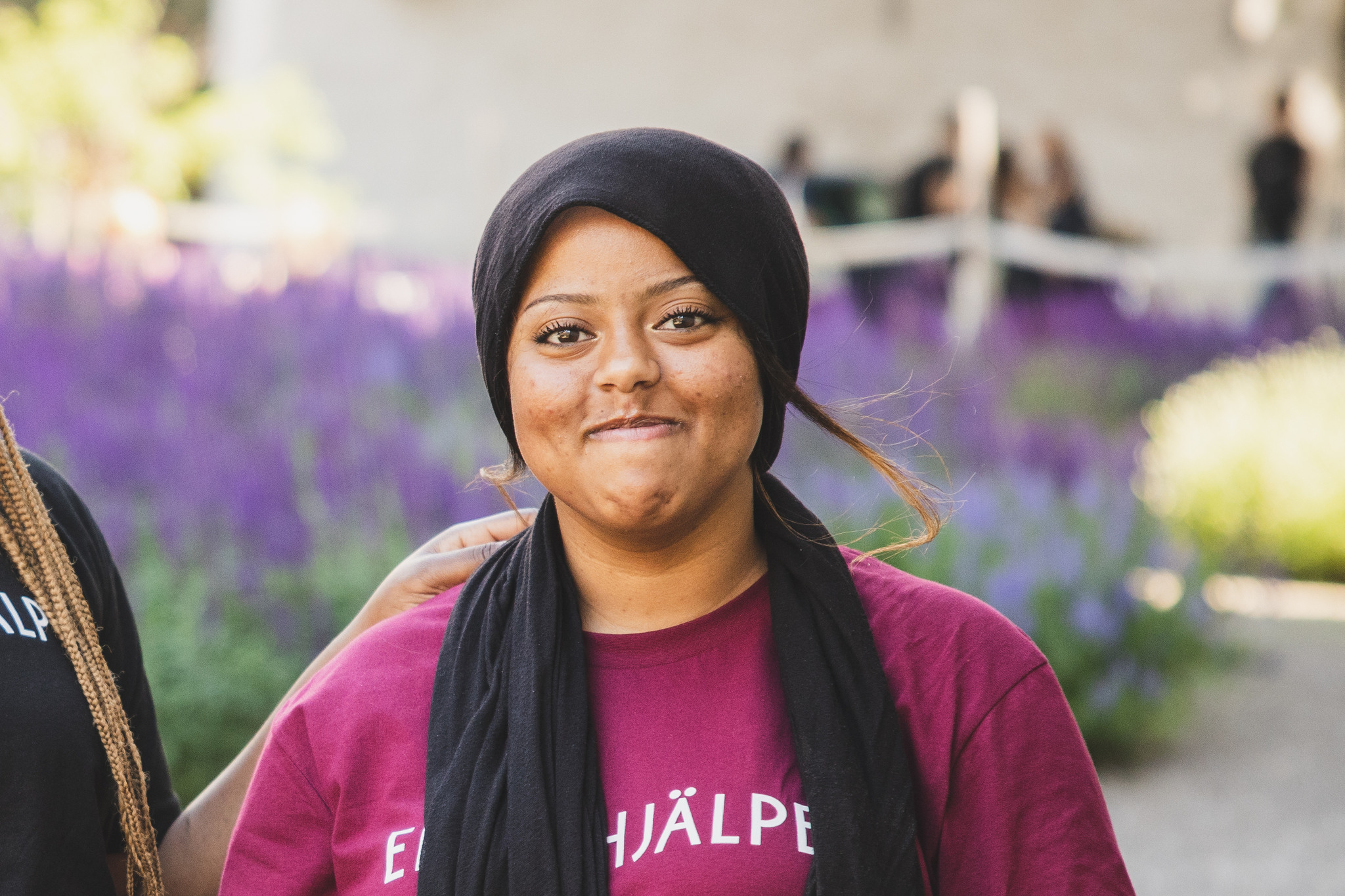
-"All of us who meet here become like friends. We can both have fun at activities together but also talk about important things. The Future Workshop has become like my second home," says Sudi.
When you talk to Sudi, you quickly realize that she is a girl with skin on her nose who is passionate about Gränby and the young people who live there. Her commitment and voice took her to Almedalen 2022 where she participated in a panel discussion on young people's growing up conditions in Sweden organized by Erikshjälpen.
Now Sudi can be recognized in Gränby as "You from the Future Workshop!" and it's a role she enjoys.
-"When young people see that I am making a difference, they understand that they can do it too! We all have important perspectives to contribute," says Sudi
We all have important perspectives to contribute
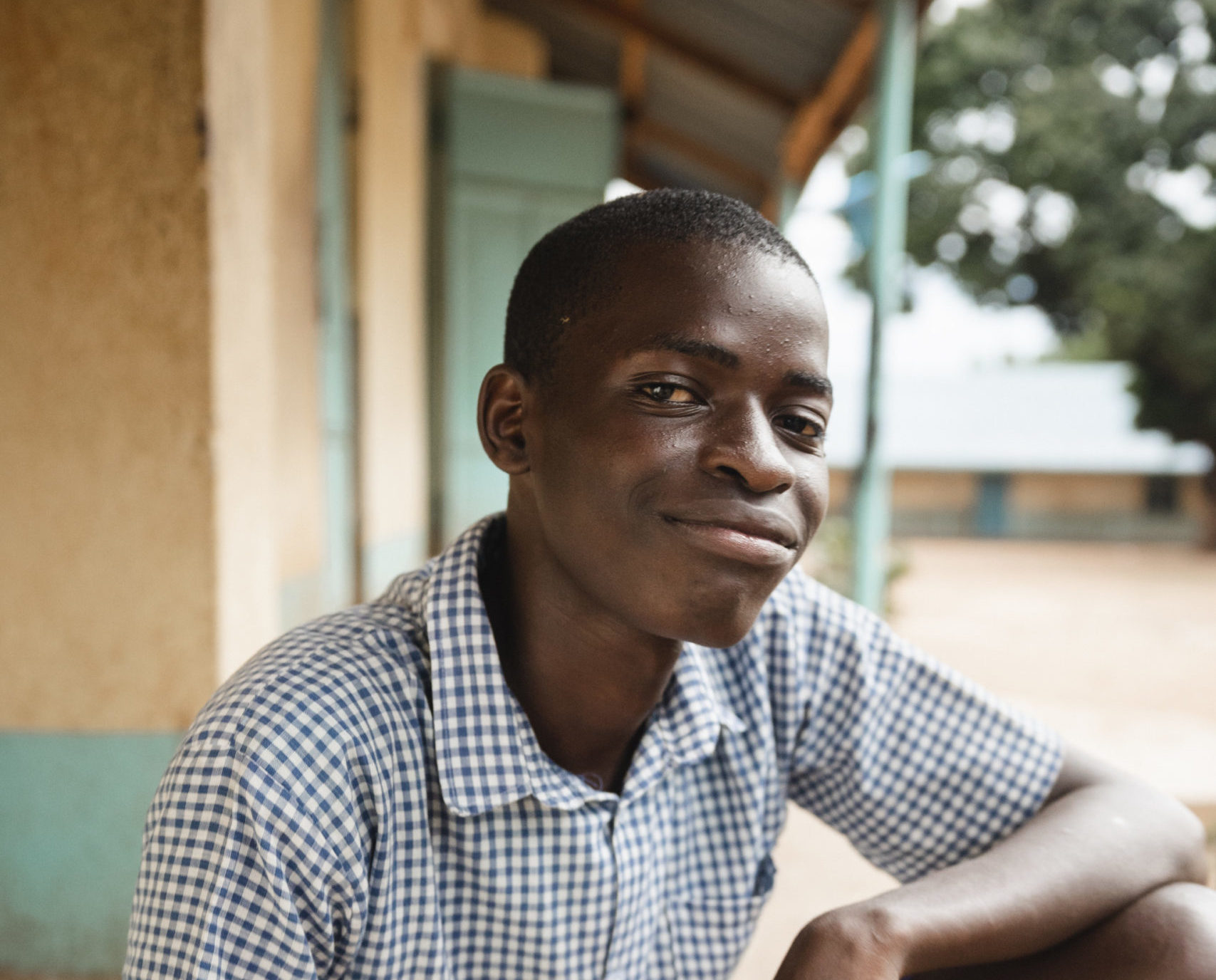
In Kenya, domestic violence is common, both at home and at school. Through Erikshjälpen's LifeSkills project, school children in Kisumu are given tools to tell if they have been subjected to abuse, something they have not dared to do before. Meet Lawrence who is one of these children.
He was helped through the Lifeskills project
Talking about violence and abuse is difficult. In Kenya, the culture of silence is strong and few people dare to talk about what they have experienced. Lawrence, who goes to school in Kisumu, lives with his uncle during the semesters. In the past, his relationship with his uncle was difficult, and he was often beaten when they did not understand each other.
Last year, Lawrence and his uncle joined the LifeSkills project together. Lawrence learned to stand up for himself and his rights, and his uncle was given tools to solve problems without using violence.
- "Before, I was uncomfortable talking to my uncle, I felt shy and worried," says Lawrence. "Now I can talk about my problems and he has become better at giving me advice and support.
Now I can tell him about my problems and he has become better at giving me advice and support.
For a more equal, fair and sustainable Kenya
ICS-SP (Investing in children and their societies - Strengthening Families, Protecting children.) runs LifeSkills together with Erikshjälpen. In order for children to feel good, both at home and at school, they work not only with families, but also with teachers and authorities.
With the support of adults who motivate them to invest in their education and make wise life decisions, the children of Kisumu can build a better future and contribute to a more equal, just and sustainable Kenya.
Support children's right to a violence-free childhood
By supporting our work, more children like Lawrence in Kisumu can have a safe childhood. Thanks to the work of Lifeskills, we can create change and a better and safer future for children in Kenya. You can help by Give a Gift for Child Safety and Protection.
Together, we can help more children grow up in a society free from violence. Thank you for your support.