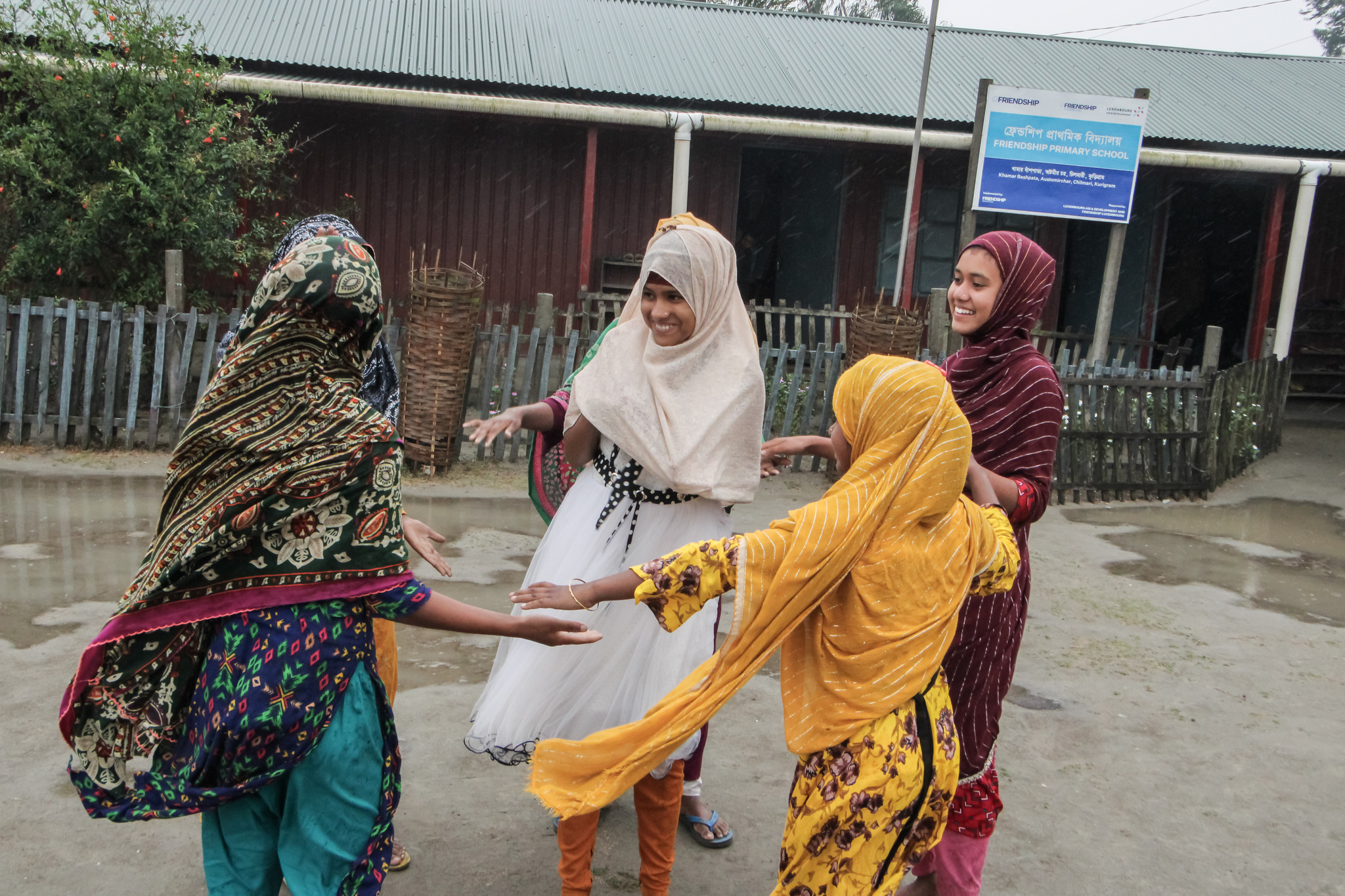
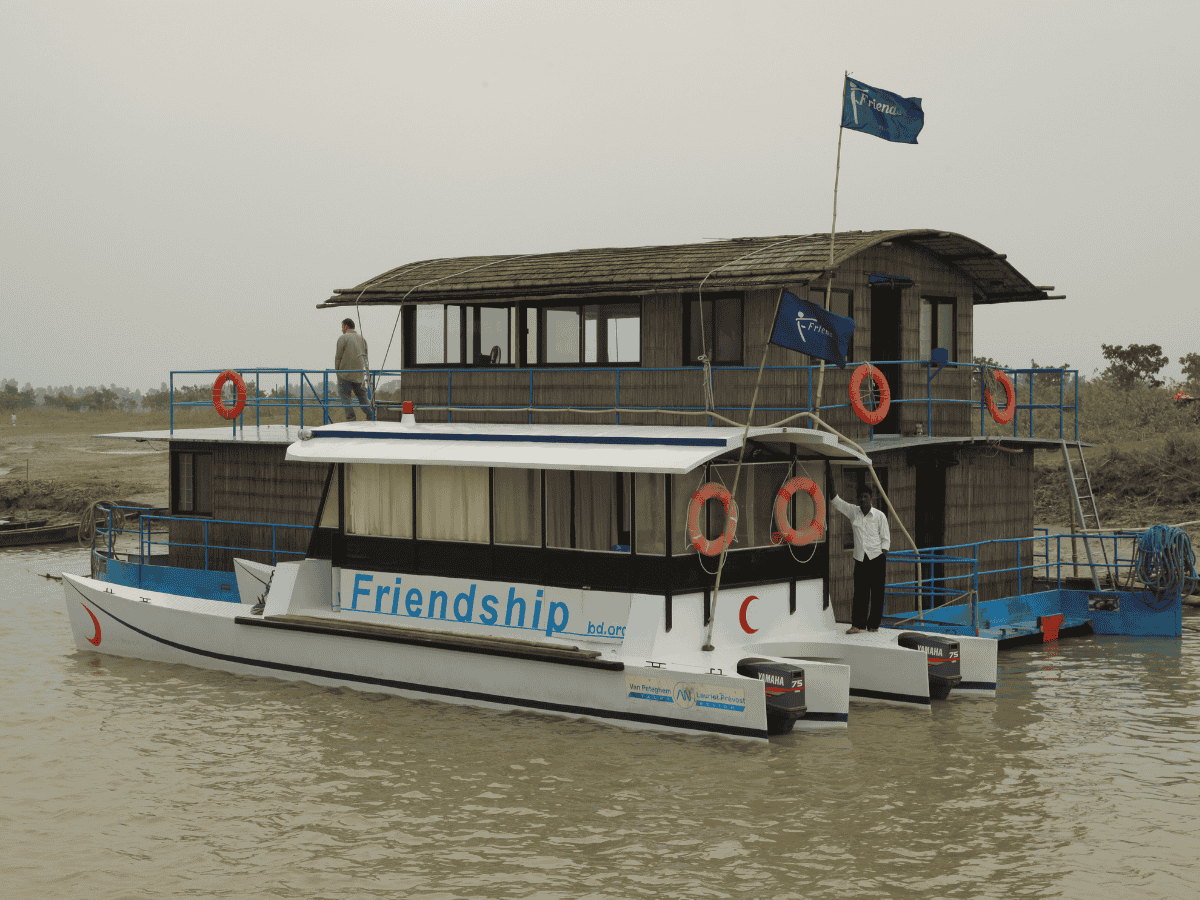
Erikshjälpen's partner organization in Bangladesh, Friendship, has been named the winner of the prestigious Earthshot Prize 2025 in the Fix Our Climate category. The prize was awarded on November 5 in Rio de Janeiro and celebrates the most innovative solutions to save our planet.
The Earthshot Prize was established in 2020 by Prince William and the Earthshot Foundation with the aim of finding, highlighting and scaling up the most effective solutions to our planet's biggest challenges.
Often referred to as the 'Nobel Prize of the environmental world', the prize is awarded to projects that can make a real difference to climate, nature and society. The fact that Friendship is now a winner shows that their work is making a real difference on a global scale.
Climate adaptation that saves lives
Friendship works in some of the world's most vulnerable areas along Bangladesh's rivers and coastal areas, where climate change is already dramatically affecting people's lives. The organization develops local and long-term solutions that make communities more resilient to floods, erosion and cyclones.
Among Friendship's interventions are:
- portable schools - modular schools that can be dismantled and moved when the land is flooded.
- Replanting mangrove forests to protect the coast from erosion and storms.
- Elevated housing, schools and health centers that can withstand rising water levels.
- Floating hospitals and mobile clinics that reach people in remote areas.
- Education, health and livelihood support for millions of people every year.
Erikshjälpen is on the journey
Erikshjälpen is a proud partner of Friendship and supports their projects through our Regional offices in Bangladesh. Together we work to strengthen local communities and protect children's rights.
With the Earthshot Award comes international attention and new resources that will allow Friendship to scale up its climate solutions and reach even more people. Erikshjälpen will continue to be a close partner in this work - and together we will continue to fight for a just and sustainable future.
Clearkta forgiveraise children. Through Erikshjälpen’s project F"Parental Strength," they adults come together in a safe community and grow as parents. Every week, families gather in the SkäggetorpLinköping to share their daily lives, joys, and experiences.
The large room in the activity center Kulturhuset Agora in Skäggetorp is filled with laughter, music and movement. Children and parents drum together with joy and enthusiasm. When the music stops, one of the participants says:
- We needed this! The stress disappears. It's so nice to just be who you are.
After the djembe drumming, the evening continues with the children relaxing as stories are read to them, while the adults gather for a moment of conversation. Several parents say it feels good not to be alone.
They say it's the first time they've talked openly with other adults about what it's like at home and what it's like to be a parent.
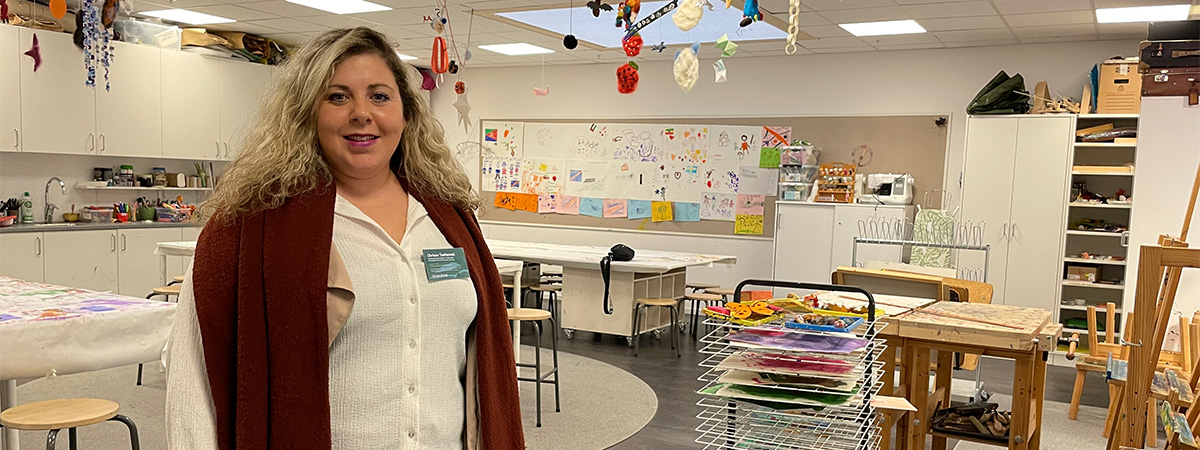
Chrysanthi Tsafantaki.
Chrysanthi Tsafantaki.
What is Föräldrakraft?
Föräldrakraft is a new project within Erikshjälpen Framtidsverkstad, which is currently active in six locations in Sweden. Earlier this fall, Erikshjälpen received 11.3 million Swedish kronor (SEK) from the Postcode Lottery to launch and run the project for four years.
The aim is to empower parents to support their children in the challenges they face at school and in life. During parent meetings, participants exchange experiences, but also learn more about how society works and how they can support their children.
- Parents are the most important people in children's lives. We want to give them the strength and courage to grow," says Chrysanthi, also known as Chrissa. "There are many parent-strengthening interventions in the municipality, but we feel that far too few take advantage of them.
Skäggetorp Family - children and adults create together
Many parents in Skäggetorp are foreign-born and have lived in Sweden for different lengths of time. Being a parent in a new country can be a big challenge - you need to learn a new language, a new culture and understand the rules of society.
- "Many people want so much but need support and safe meeting places to dare to be involved," says Chrissa.
In the “Skäggetorp Family” activity at Linköping , families get to create something together. At the first meeting, they were asked to introduce themselves. The children took the initiative and were eager to share, while some of the parents stood in the background.
- The children often have a better command of the Swedish language, but when we encouraged the parents to dare to participate, it became a nice moment for everyone, says Chrissa. "It's important to find a balance where both children and adults are given space.
"Here I can speak Swedish and meet other mothers"
Ruun is from Somalia and has lived in Sweden for five years. She participates in Skäggetorp Family with her children Geedi and Madhi.
- I wanted my children to make friends - and me too. Here I can meet other parents, but also speak Swedish and listen to others speak," says Ruun.
Geedi and Madhi are involved in several of Erikshjälpen Framtidsverkstad's activities such as homework and various leisure activities. Ruun is often with them, but always feels safe even when the children are at the Future Workshop themselves.
I think you should trust your children. Trust creates a good relationship.
Towards the future
The goal of “ Föräldrakraft ” is for more parents to feel secure, engaged, and involved—both at home and in the community. During the project period, “ Erikshjälpen Framtidsverkstad ” will establish meeting places and platforms for children and parents, and the plan is for this work to become an important part of Erikshjälpen’s regular operations in the future.
In Skäggetorp, there is a strong desire to work together. Many different stakeholders are working toward the same goal—to support families and foster a sense of security in the area. The community has confirmed that “ Föräldrakraft ” is truly needed, and there is a high level of commitment.
- "As parents grow, children grow too," says Chrissa. "We believe that when each family member takes responsibility for their role, there is a balance - children can be children, focus on school and grow at their own pace.
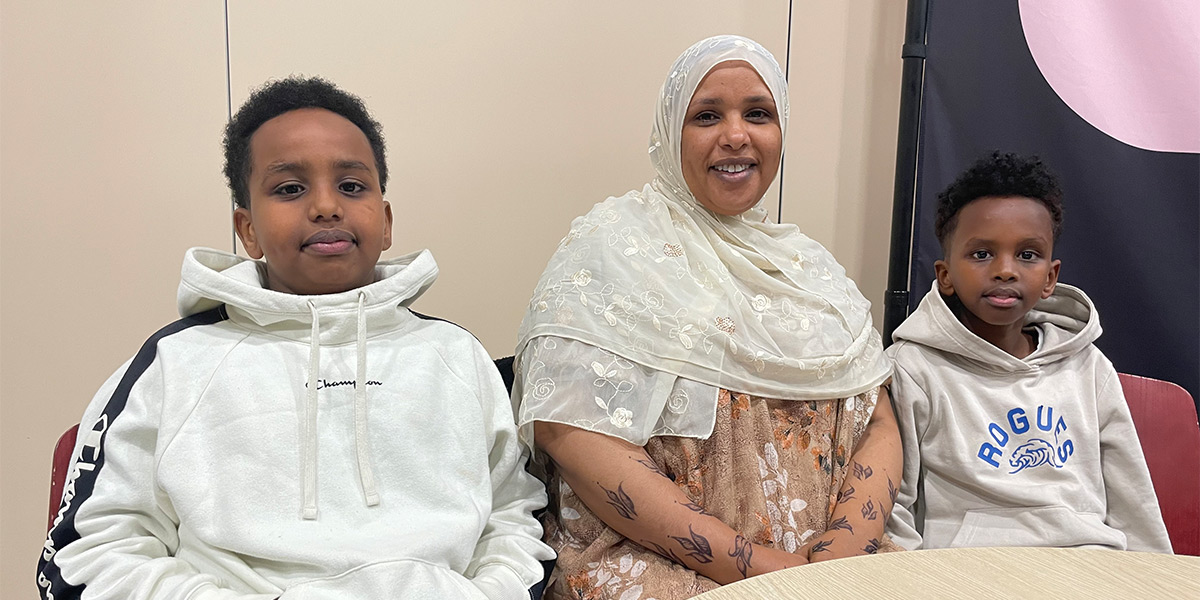
Ruun with her children Geedi and Madhi.
Ruun with her children Geedi and Madhi.
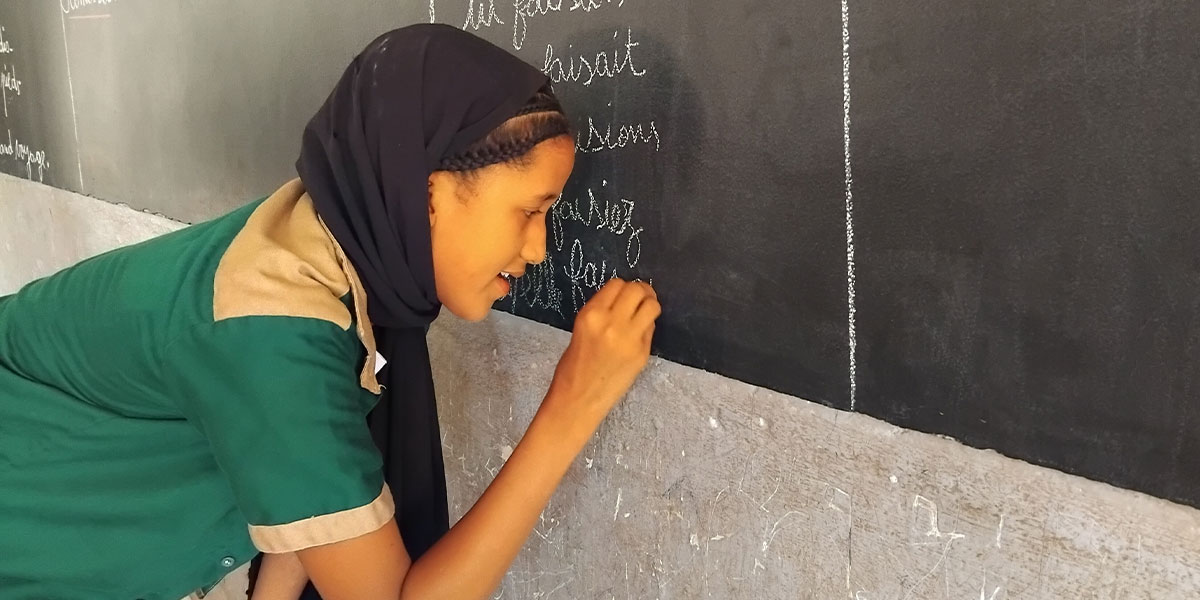
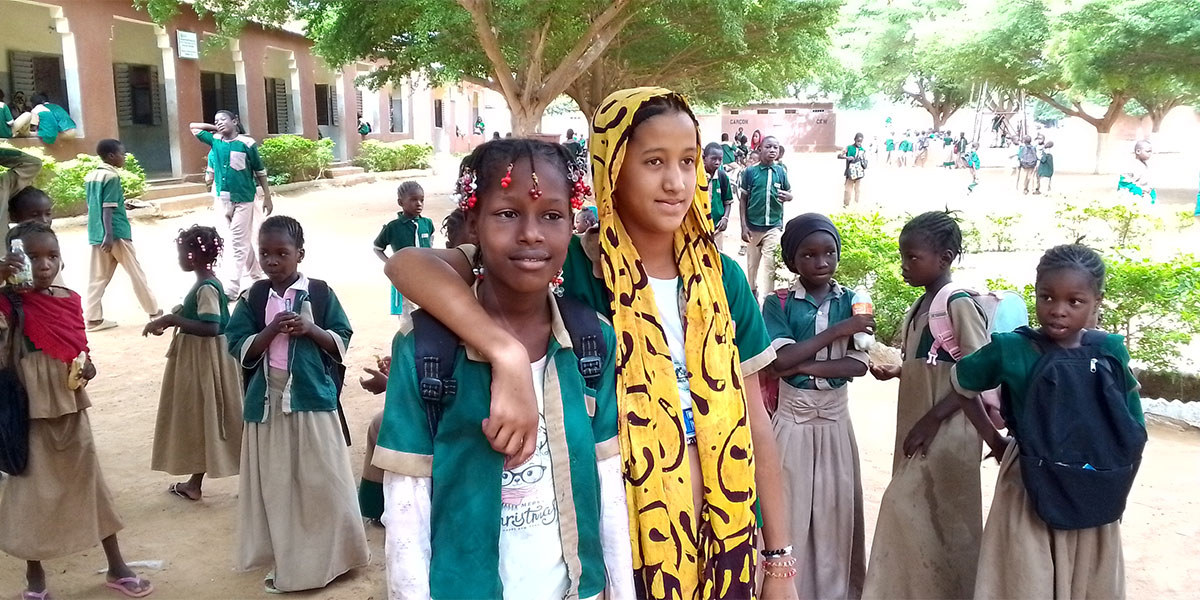
12-year-old Fatoumata had to build a new life in a refugee camp far from home. Her dream is to one day return home and work as a midwife.
- We had to leave everything. Our village, our school and our home. It happened so fast and I didn't get any of my things. No clothes, no toys, not even my birth certificate," says Fatoumata.
In Mali, the security crisis since 2012 has affected the lives of thousands of children. Fatoumata is one of them. When her school closed after terrorist attacks, her family chose to leave their home village in the hope of finding a safer life.
When my school closed, I was very sad. I could no longer go to my school at home or see my classmates.
Life in the refugee camp
Fatoumata lives with her family in Ségou, in a refugee camp located in western Mali. Growing up in a refugee camp is tough.
- The whole family sleeps together in a small room. There is no place to be alone," says Fatoumata.
The lack of food means that many people can never eat enough. People are crowded into small spaces and the lack of sanitation and clean water means that diseases spread easily. Many feel very unwell and the risk of abuse is high.
Difficult to start a new school
In the midst of the unrest, Fatoumata was able to go back to school, but the first years at her new school were also particularly tough. At school, Fatoumata was bullied by other children. This made it difficult to focus on her school work.
- They teased me about my looks and called me names. I was always alone and I had no friends," she says.
When Erikshjälpen started a children's rights club at Fatoumata's school, things changed. In the club, the children learned more about inclusion and the right to education, health and safety. And Fatoumata has finally found new friends and regained her motivation for school work.
- The school works well. My classmates are nice to me now, even though I was excluded at the beginning.
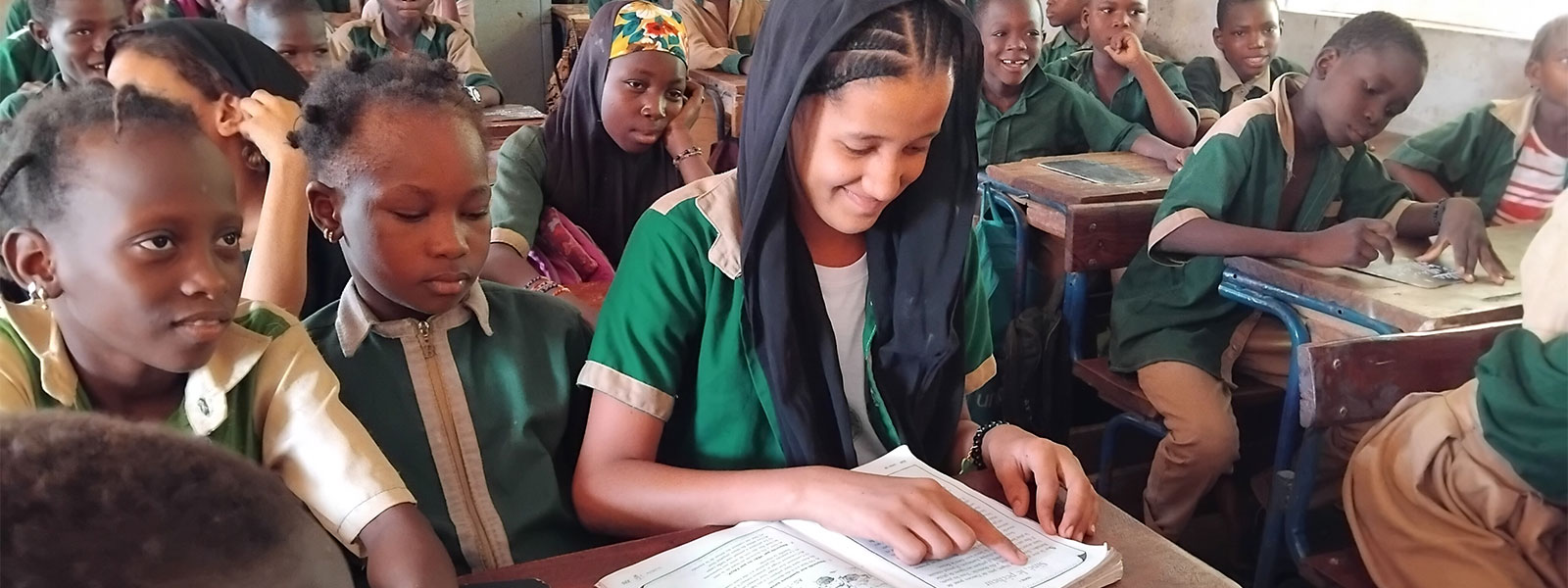
Fatoumata, 12, attends school in Bagadadji Sud in western Mali.
Fatoumata, 12, attends school in Bagadadji Sud in western Mali.
The dream of a better future
Fatoumata is one of many children in Mali growing up with fear, hunger and insecurity. But thanks to the opportunity to stay in school, she has hope for a better future.
- It was difficult at the beginning but school work is going well now, which makes me happy. At the same time, I'm still afraid of many things... Afraid of being attacked by armed men and of being assaulted.
Although Fatoumata still fears the violence around her, she has a dream: to return to her village when peace comes and work as a midwife.
I want to become a midwife. After school, I want to return home and help moms through a safe pregnancy and birth.
In Mali, more than 400,000 people are currently displaced within the country, many of them under the age of 18. They are fleeing because of unrest and hunger.
In 2024, more than 1,700 schools were closed due to the threat of terrorist attacks. This means that 520,000 children have lost their education and a safe place to be.
In the regions of Ségou, San and Koulikoro, Erikshjälpen works to strengthen children's rights by enabling education for refugee children. Here, children get access to, among other things:
- Temporary schools in refugee areas.
- Teaching via radio and digital media.
- Intensive training programs (Speed Schools).
- child rights clubs that strengthen community and self-esteem.

Supporting children's right to education
Help give more children the chance to go to school and dream of a bright future. Support our work for children's right to education and leisure.
Give a gift to children's right to education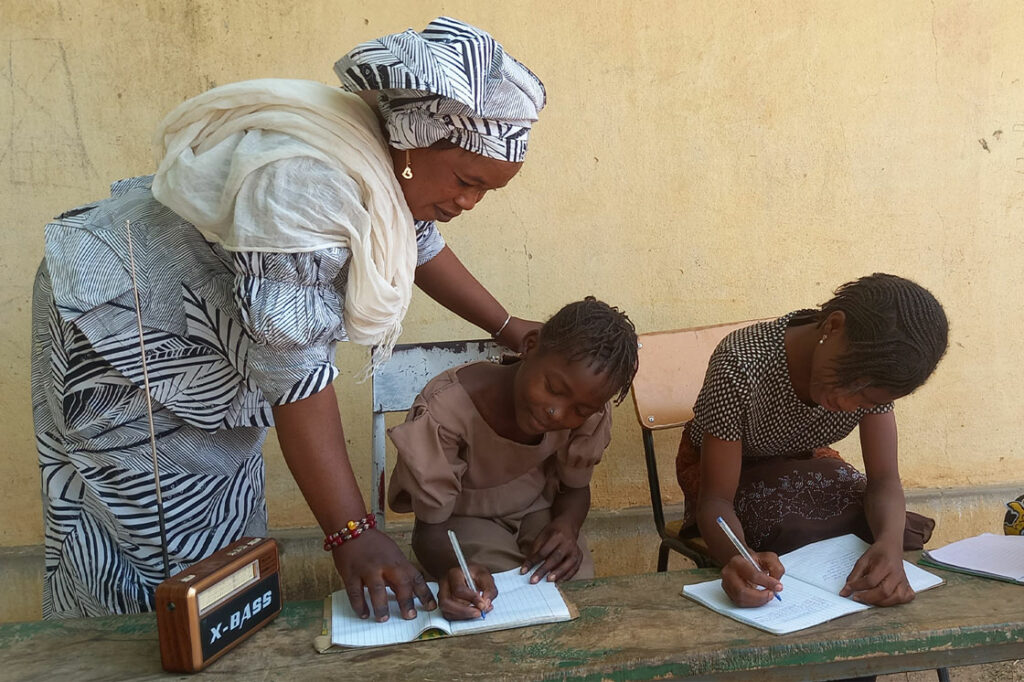
When climate change puts children's safety, education and future at stake, politicians need to take responsibility. That is why Erikshjälpen supports the 89% campaign. For us, the climate crisis is not just an environmental issue. It is a child rights crisis.
89% demand change
A 2024 study of over 130,000 citizens in 125 countries found that 89% believe their governments are doing too little to address the climate crisis. A crisis that means life on this planet will never be the same again.
The research behind the 89% campaign is based on real voices - individuals asking their elected officials to do more. But 11-year-old Mim Akter, who lives in one of Bangladesh's most climate-affected areas, was not asked. Yet Mim belongs to the group that has contributed least to her precarious existence. Emissions from the global north determined Mim's fate long before she was born.
Climate crisis threatens children's rights
For many people, climate change has already changed their daily lives. One of them is Mim Akter, who lives with her parents and five siblings on a sand island in the Brahmaputra River in Bangladesh.
The sand islands are inaccessible, constantly changing and subject to recurrent floods and cyclones. Landslides and soil erosion make it difficult to build permanent infrastructure.
When storms hit, they sweep away homes and school buildings, wiping out children's access to safety and education. Both child marriage and child labor are common in Bangladesh, particularly affecting children who can no longer get to school.
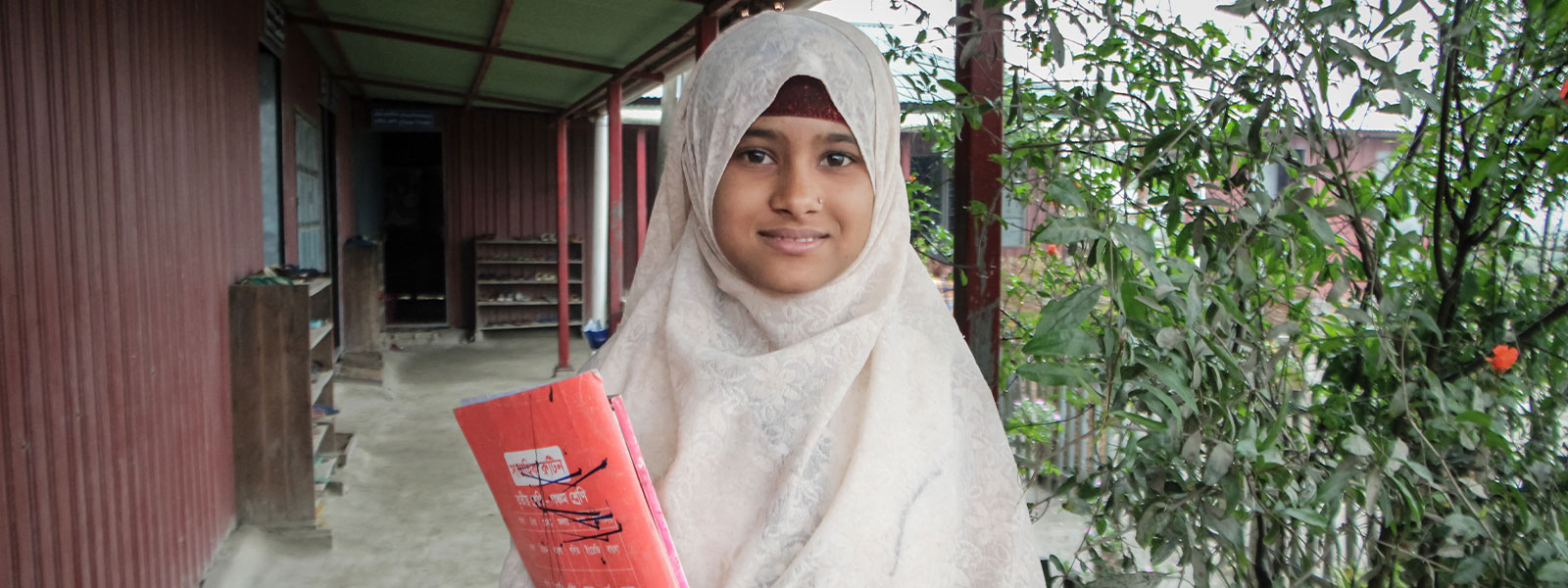
Mim Akter outside her school.
Mim Akter outside her school.
Our choices affect children's future
As a child rights organisation with a non-profit second-hand chain, we are constantly working to extend the life of things and save the earth's resources. How we produce, consume and conduct climate policy is a child rights issue. For every kilogram of carbon dioxide emissions, the possibility of a safe and secure future for the world's children is affected.
The surplus from our stores goes to the work for children's rights and to reduce the injustices created by the climate crisis.In Bangladesh, Erikshjälpen collaborates with the local organization Friendship to enable children to go to school despite the climate disasters that constantly threaten the country. Together we have established schools that can be moved, they can be dismantled when the flood comes and rebuilt in a new and safe place. Children are also being trained in disaster preparedness and their rights. In this way, they are involved in changing not only their own future, but that of entire communities.
Your circular purchases give hope for the future of the climate and contribute to preparedness and adaptation in places where it is already vital. Consumers are leading the way today - by making sustainable choices, challenging the norms of neo-consumerism and shopping in a circular way. Choices that in small ways make a big difference, for the planet and for Mim and her classmates.
Politicians, show that you are on the side of children
The climate crisis is a children's rights crisis and by addressing one, we can counteract the other. Make your voice heard to show that we are a strong majority, for the climate, and for every child. Children's right to a secure future cannot rest on individual initiatives - it requires political leadership. That's why we are committed to the 89% campaign and call on this and future governments: take responsibility, act now and show that you are on the side of children on climate.
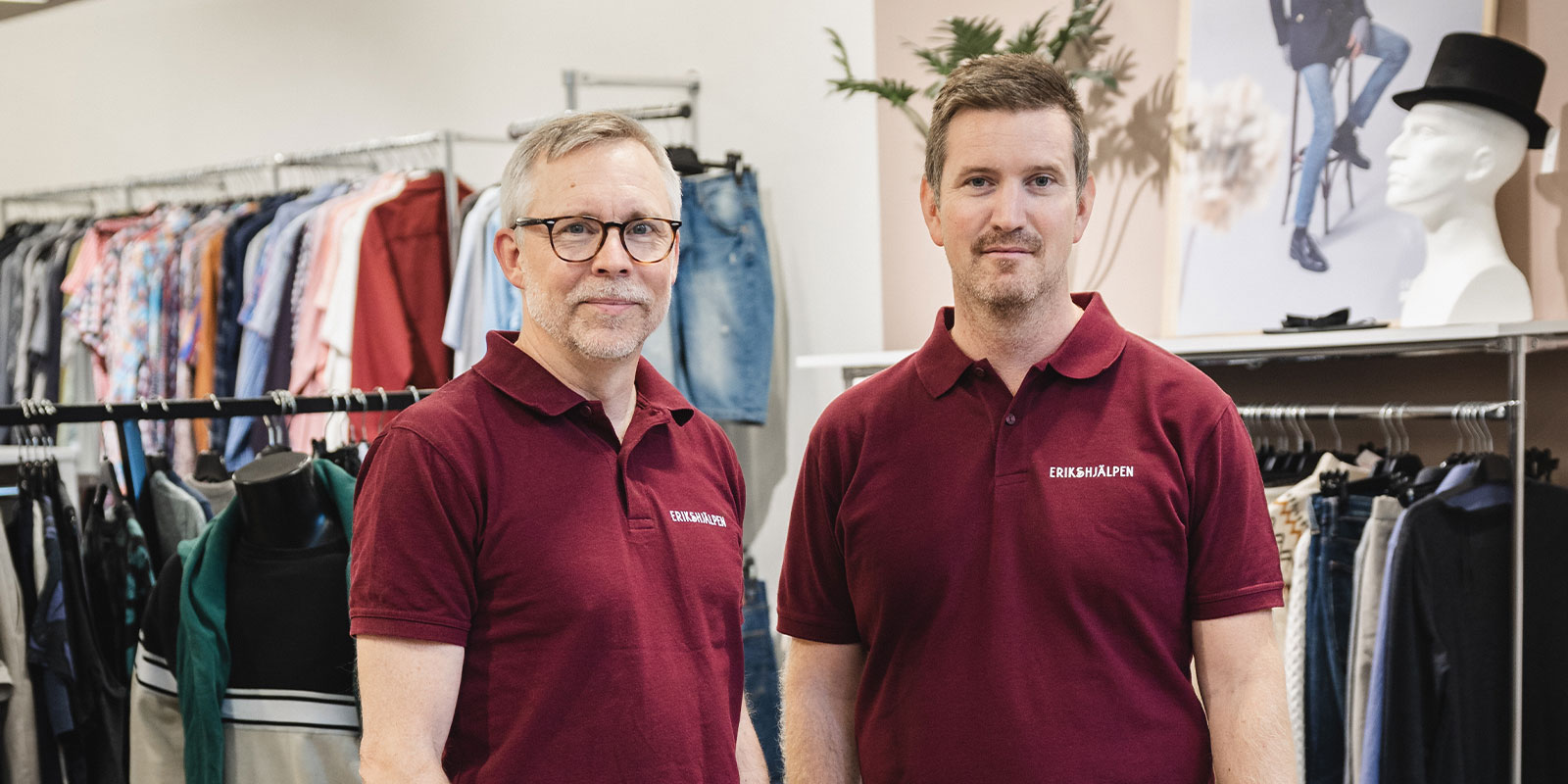
Mattias Ingeson and Jerker Sandell.
Mattias Ingeson and Jerker Sandell.
Author:
Jerker Sandell, Executive Director of Erikshjälpen Second Hand
Mattias Ingeson, Secretary-General of the children's rights organization Erikshjälpen
Erikshjälpen is opening soon its seventh Future Workshop—this time in LinehedHalmstad. The goal is to strengthen the rights of children and young people and contribute to positive development in the area, together with local stakeholders.
The work to support children and youth is intended to be carried out in close collaboration with municipal services, local housing providers, and the local “ Erikshjälpen Second Hand ” store in Halmstad. We are now beginning the process of recruiting two program coordinators and one labor market coordinator to run the program.
- Their first task will be to build relationships with various actors and residents in the Linehed area. This is to find out how Erikshjälpen Framtidsverkstad can best meet the needs of the area and complement other interventions, says Jonatan Saldner, acting program manager at Erikshjälpen's Sweden department.
The aim is for the Future Workshop to open before the end of the year.
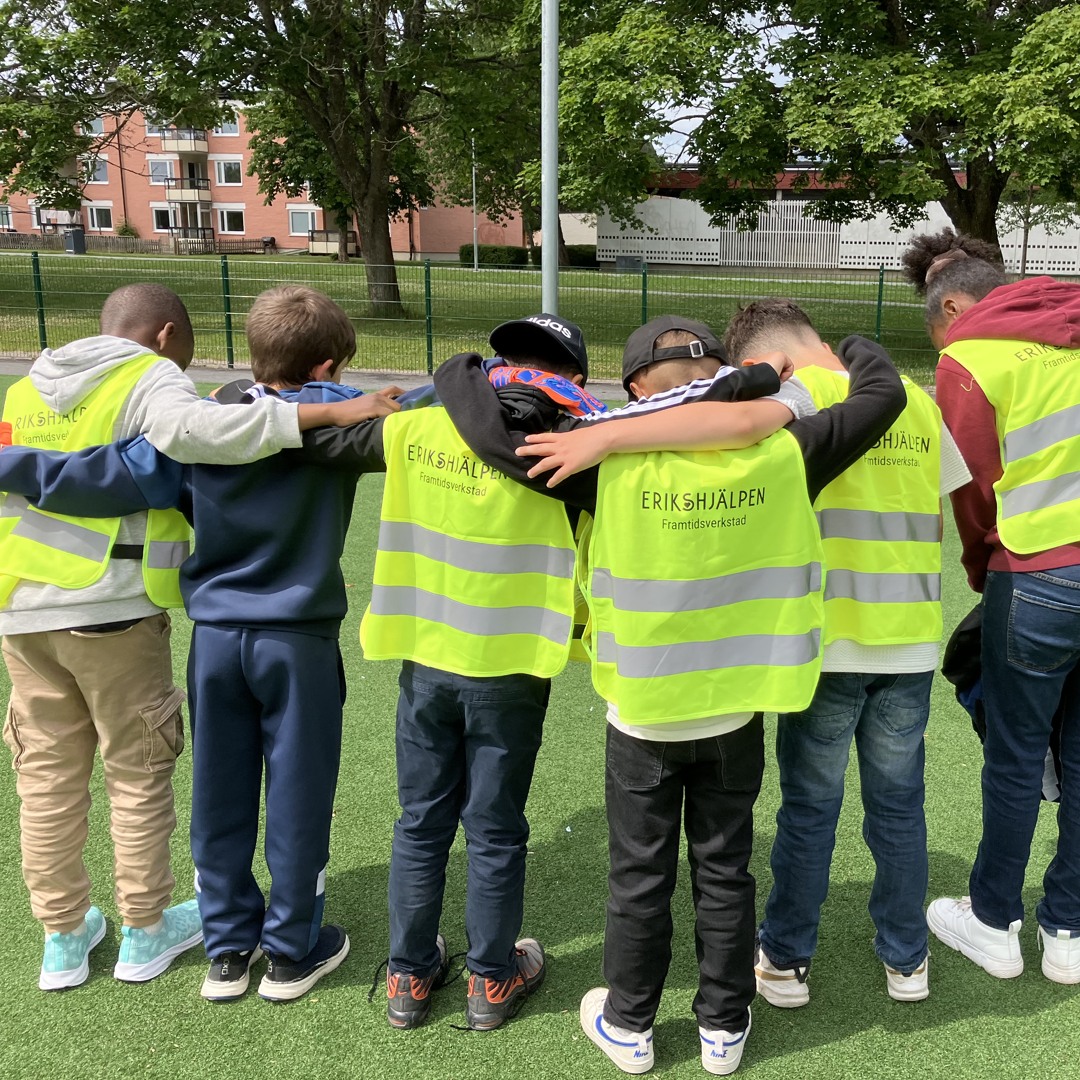
Erikshjälpen Framtidsverkstad is currently located in six cities in Sweden. The new location in Halmstad will be the seventh.
Erikshjälpen Framtidsverkstad is currently located in six cities in Sweden. The new location in Halmstad will be the seventh.
A long-term investment
Erikshjälpen has long been in discussions with the Ljungbergska Foundation regarding closer cooperation. That support is now making it possible to launch the initiative at Halmstad .
“When children are given the opportunity to influence their daily lives, it is not only their future that grows, but that of society as a whole. We are convinced that Erikshjälpen, in close collaboration with the municipality, the business community, and other existing stakeholders, will be a valuable addition to the effort to bring about long-term, sustainable change for children and young people in Halmstad,” the Ljungbergska Foundation writes in a statement.
Focus on children's rights
The work in the Future Workshops is always based on children's rights. In the activities, it is the children themselves who will decide what activities they want and what issues are important for them to pursue. This gives them the power to change their neighborhood, build self-confidence and eventually follow their dreams.
Search for any of the positions at Erikshjälpen Framtidsverkstad Halmstad
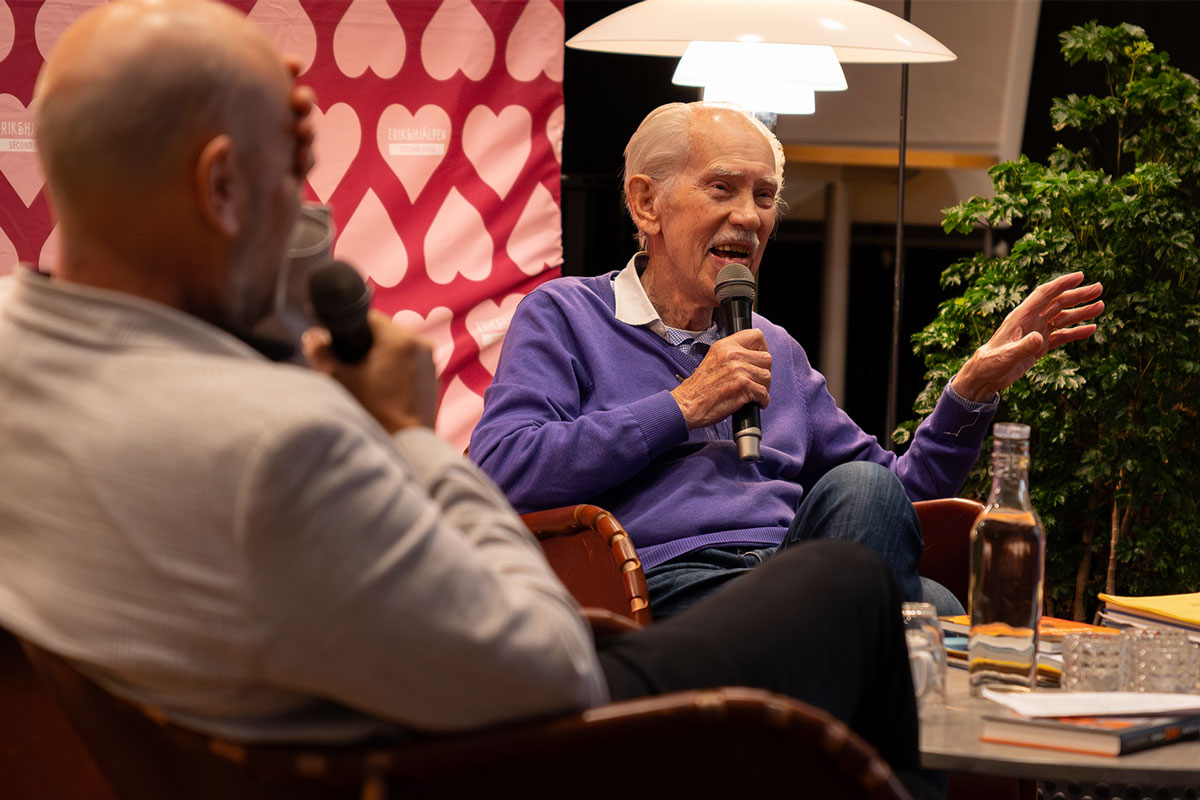
Roland Nelsson, who was the leader of Erikshjälpen for many years, passed away on Sunday August 24 after a short illness. In a joint eulogy, the current and former Secretary-General share their thoughts and memories of him.
Memorial words by Erikshjälpens Secretary-General
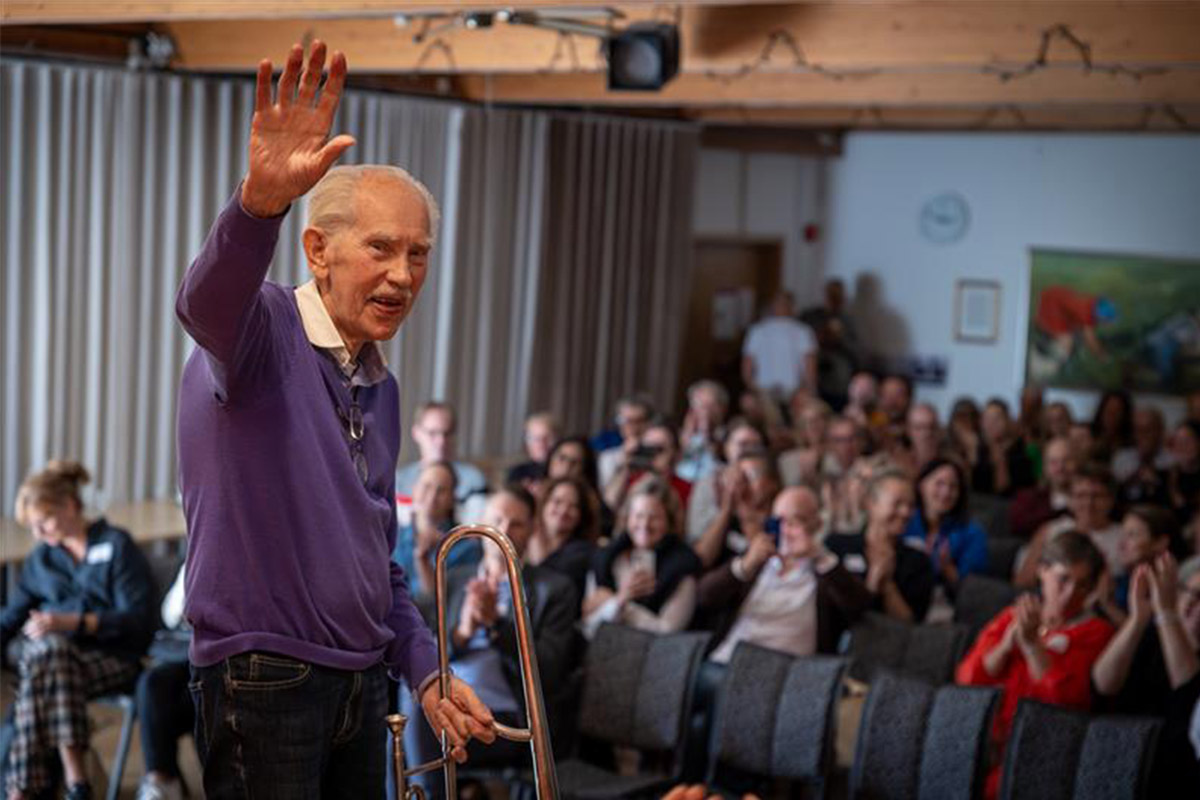
After a short illness, Roland Nelsson has passed away. It is with great gratitude that we remember his life and work. He was Erikshjälpen's director¹, our predecessor, between 1983 and 1998. During this period, the organization was strongly influenced by his creativity, boldness and fearless willingness to try new ways.
It was under Roland Nelsson's leadership that Erikshjälpen Second Hand took shape. An idea that today has developed into a nationwide network of shops that finance aid work, create community, integration and sustainability. He was also one of the initiators of the Scandinavian Medical Bank, which enables hundreds of Nordic doctors to work voluntarily in hospitals and clinics around the world where knowledge and interventions are needed. Through these initiatives, Roland left a mark that is still bearing fruit today, changing the lives of countless children and families around the world.
Roland has always been a colorful personality, marked by a clear calling to serve God and help the most vulnerable. He liked to take over the room with his valve trombone, his ringing laughter and his subtle stories. These stories could be about statesmen and potentates he met, but just as often about vulnerable children and women who touched him deeply. Roland was a preacher at heart, a popular speaker and a popular leader. He thrived on cross-purposes when opinions were divided and the scales of debate rose high. After his time at Erikshjälpen, he was the organization's ambassador and inspiration for the rest of his life. He was interviewed at staff gatherings, spoke in churches and thrift stores. He encouraged and admonished in a good mix.
Roland was deeply attached to his wife Gudrun, or Guggan as she came to be known. He was also enormously proud of his children Camilla and Putte, and later his grandchildren, who often featured prominently in his stories.
Roland Nelsson leaves behind a rich legacy, a life characterized by faith, commitment and joy. For many, he is the very essence of Erikshjälpen. His importance for the organization and for children around the world cannot be overestimated. Many of us remember with great gratitude a friend, leader and inspirer. He has left a deep mark - in the wider world and in the hearts of individuals.
Authors: Lars Anderås, Bengt Swerlander, Daniel Grahn, former Secretary-General
Mattias Ingeson, Secretary-General of Erikshjälpen
The title Secretary-General used to be called Director of Erikshjälpen. In the eulogy both titles are used.
Almedals Week 2025 is underway, and Erikshjälpen is there! This year, our seminar is led by young people from the Skäggetorp neighborhood in Linköping. The young people planned the content themselves and are participating as experts alongside Children’s Ombudsman Juno Blom.
The impact of housing segregation and exclusion on young people is an ongoing issue. Everyone agrees that we need to do more and reverse the trend, but are we doing enough to engage young people themselves in the solution?
Young people from Erikshjälpen Framtidsverkstad have prepared both content and message for our upcoming seminar in Almedalen. The young people are speakers, panelists and have had an active role in the planning, not only as "inspiration", but as expertise to challenge the image of the suburbs.
Adults need to listen to what young people want and not just make decisions over our heads.
Young people working together for solutions to societal problems
Before the seminar, the young people participated in workshops where they discussed the challenges they see in society, based on their everyday lives and experiences. They also shared their solutions and what they would like to send to politicians and decision-makers.
We give young people a platform at Almedalen
We see youth participation as a natural part of our work for children's rights. Erikshjälpen Framtidsverkstad exists to give children and young people the opportunity to create positive change for themselves and others based on needs, interests and dreams. Through leisure activities, study support and training in leadership and children's rights, young people are given the opportunity to develop their voice and to influence.
The seminar in Almedalen is a clear example of how “ the United Nations Convention on the Rights of the Child ” is becoming a reality—young people are given both a voice and the power to make a difference.
- "We want young people to feel that their experiences and opinions matter," says Jonatan Saldner, Head of Erikshjälpen Sweden. "Only then can we really talk about participation and sustainable community development.
Listening to children is not just nice, it's an obligation.
Seminar: We do what you talk about - how young people's drive creates change
Time:Wednesday 25/6 at 11.00-11.45
Location:Hamnplan, place 209 - Barnrättstorget in Almedalen
Lena Elf
Press officer
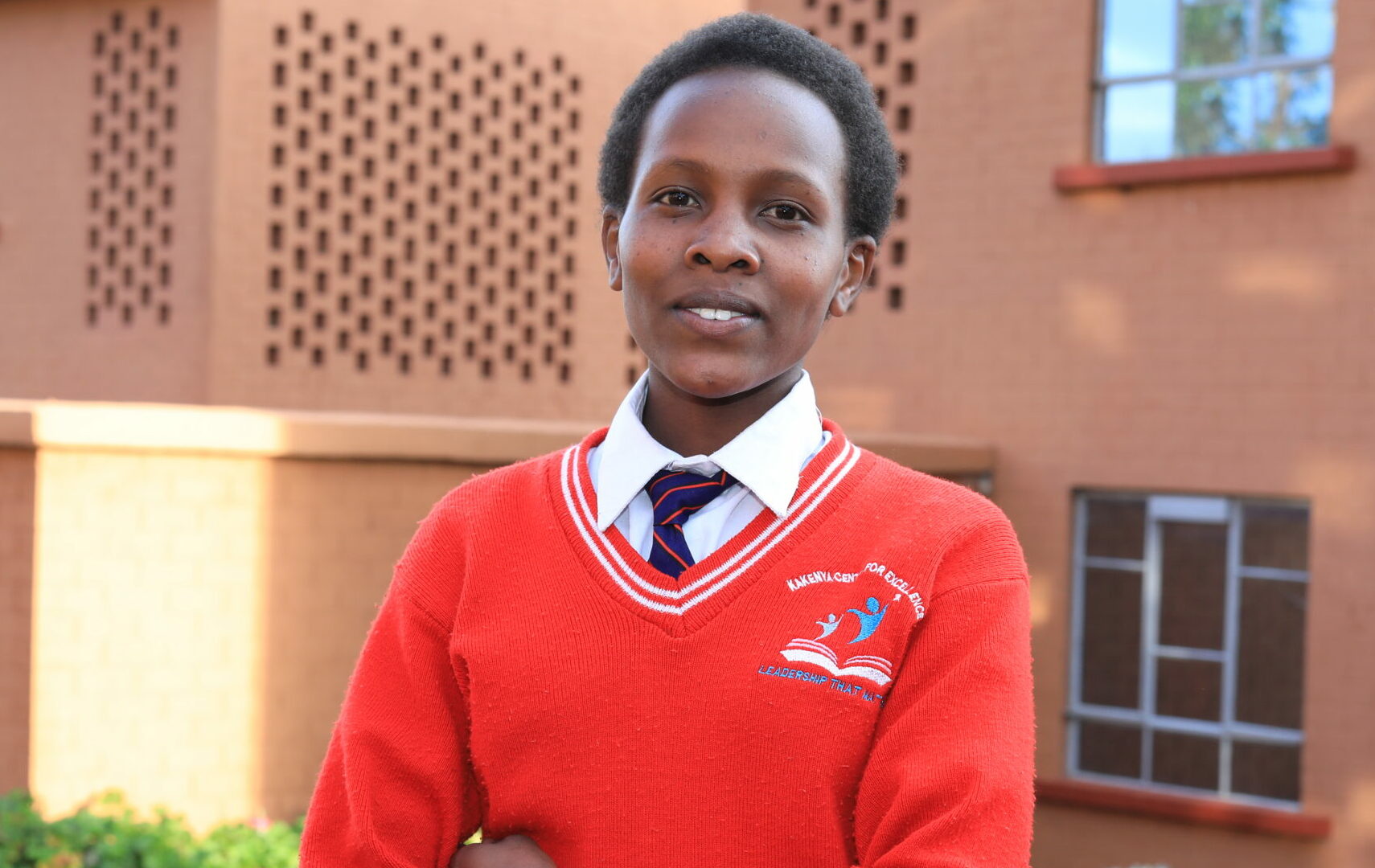
Nancy Mbiti is the 18-year-old in Western Kenya who is calling for sanitary pads to be free for all girls and women in Kenya. She is one of several brave girls at her school who have started to speak out against an unequal society.
For us in Sweden, it may not be seen as a big problem. But for girls and women in Kenya - especially in rural and poorer areas - access to sanitary protection is not a given. And even if it is available, it is not certain that everyone can afford it.
Nancy talks about girls her own age who have been forced to use rags or other textiles as sanitary pads because they can't afford to buy pads at the store. Sure, sometimes sanitary pads are distributed at school, but the distribution is often unfair and can end up in the wrong hands.
Nancy Mbiti is passionate about girls' rights. Photo: Kakenya's Dream
Nancy Mbiti is passionate about girls' rights. Photo: Kakenya's Dream
- We want politicians, especially those in Parliament, to pass a law that provides free access to sanitary protection across the country. If it's free, it's not worthwhile for teachers, for example, to get hold of pads and then resell them. It would also mean that no more girls would have to sell sex to afford sanitary pads and that the number of teenage pregnancies would decreasesays Nancy.
We cannot be silent. Menstruation is a natural part of life and something we must dare to talk about openly.
Writing opinion pieces to influence
When Nancy was in fourth grade, she came into contact with Erikshjälpens work in Kenya and was able to continue going to school thanks to ourcollaboration with the local organization Kakenya's Dream. Last year she graduated from high school and now she dreams of getting into university and studying to become a teacher. Another dream is that the view of menstruation in society to change.
- Free sanitary pads should be available in all health centers so women and girls can pick up pads whenever they want. This should be be as normal as having condom machines everywhere," she says.
Every month, Nancy meets girls of the same age who are struggling to get hold of sanitary towelsand she realizes that it's a topic that no one really wants to talk about. Something she wants to change. So she tries to talk about Menstrual health with her classmates and write op-eds in local newspapers to bring about change.
- We cannot cannot be silent. People are a natural part of of life and something that we must dare to talk openly about. It is our right to have access to menstrual protection andand should not depend on whether you can afford it or not.
Consequence of menses
In May, Erikshjälpen draws attention to Menstrual health and girls' right to health and hope for the future. You can join us and make a difference!
Read more about Erikshjälpen's work for men's health.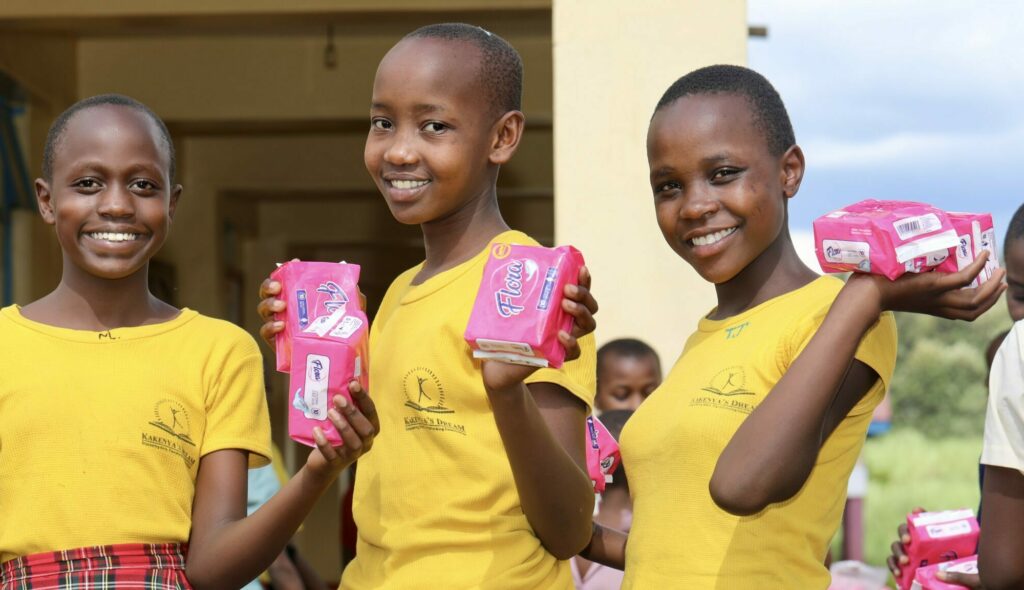
Svante Wendal is going to ski slalom and for every meter of altitude he manages, money is raised for children living on the streets in Uganda. In the past, Svante has raised over 20,000 Swedish kronor (SEK) for Erikshjälpen when he swam for children in Ukraine!
Svante will complete the challenge in Sälen on Tuesday of week 16. Several people have chosen to sponsor Svante's fundraising where they promise a certain amount for each meter of altitude that he manages to complete during Tuesday on the slopes. Svante's father Markus is helping him with the administrative side of things.
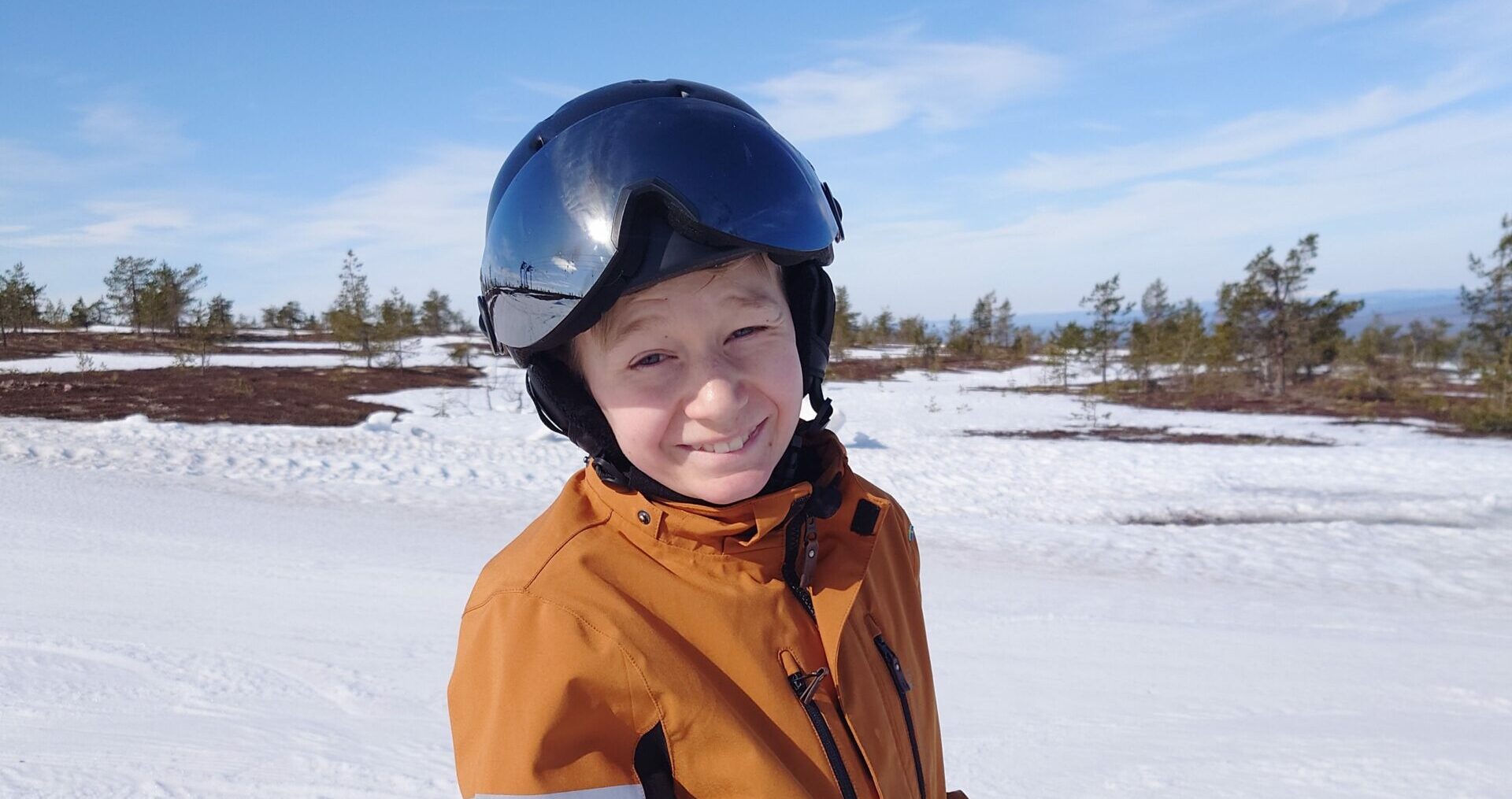
Svante Wendal from Bodafors is raising money for children in Uganda through a slalom challenge. Photo: Markus Wendal
Svante Wendal from Bodafors is raising money for children in Uganda through a slalom challenge. Photo: Markus Wendal
Svante wants to donate the money collected to Erikshjälpen's work for children living on the streets in Uganda. The work is to support children to get away from life on the street and be reunited with their families.
Svante's father Markus explains on Facebook how you can support Svante's fundraising by becoming a sponsor of the challenge. If you want to support Svante with a single sum, you can swish to 900 92 83 and mark your payment with "Svante".
 Listening