163
163 family activities and family gatherings with a total of 194 families.
Erikshjälpen's project Föräldrakraft has been running for a year now. During the start-up year, the project, which is financed by the Swedish Postcode Lottery, has grown in five locations around Sweden. And in just one year, Föräldrakraft achieved several set goals.
When Föräldrakraft started in the fall of 2025, the goal was clear: to strengthen parents in their important role and contribute to more children receiving equal upbringing conditions. Through family activities, parenting training, meeting places and community information, Erikshjälpen wants to create better conditions for parents to support, guide and be present in their children's lives.
The first year has been primarily about building up the business. And a lot has happened.
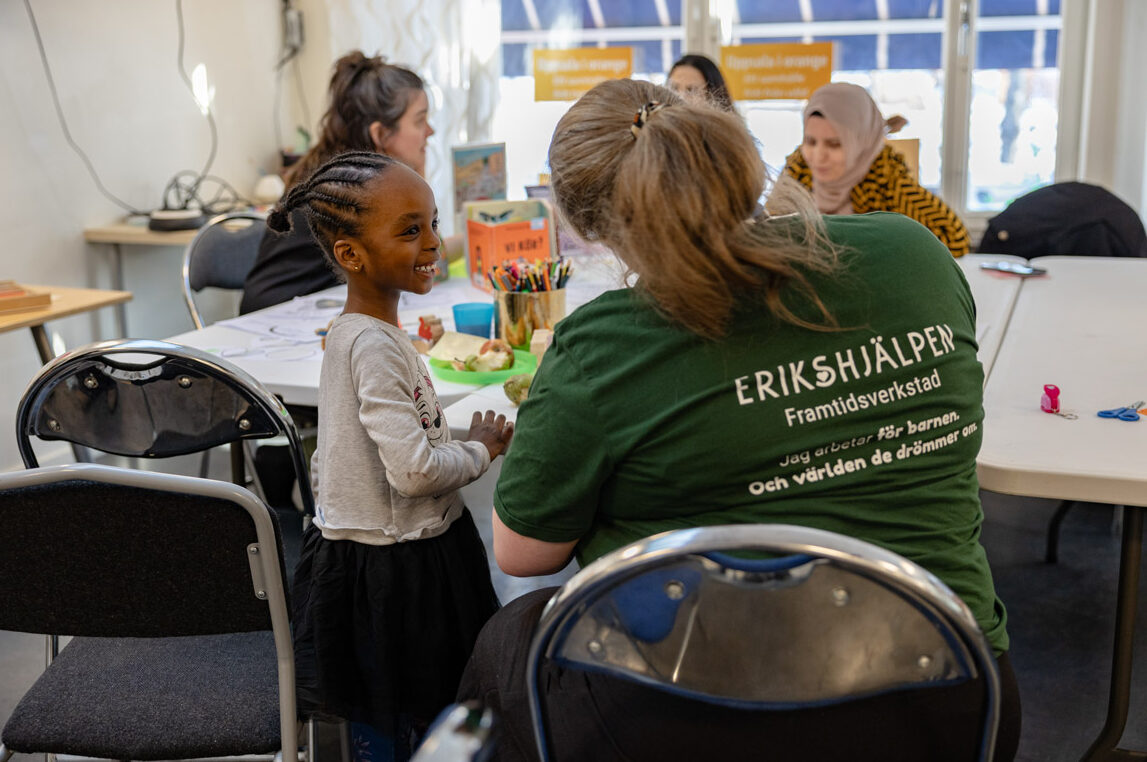

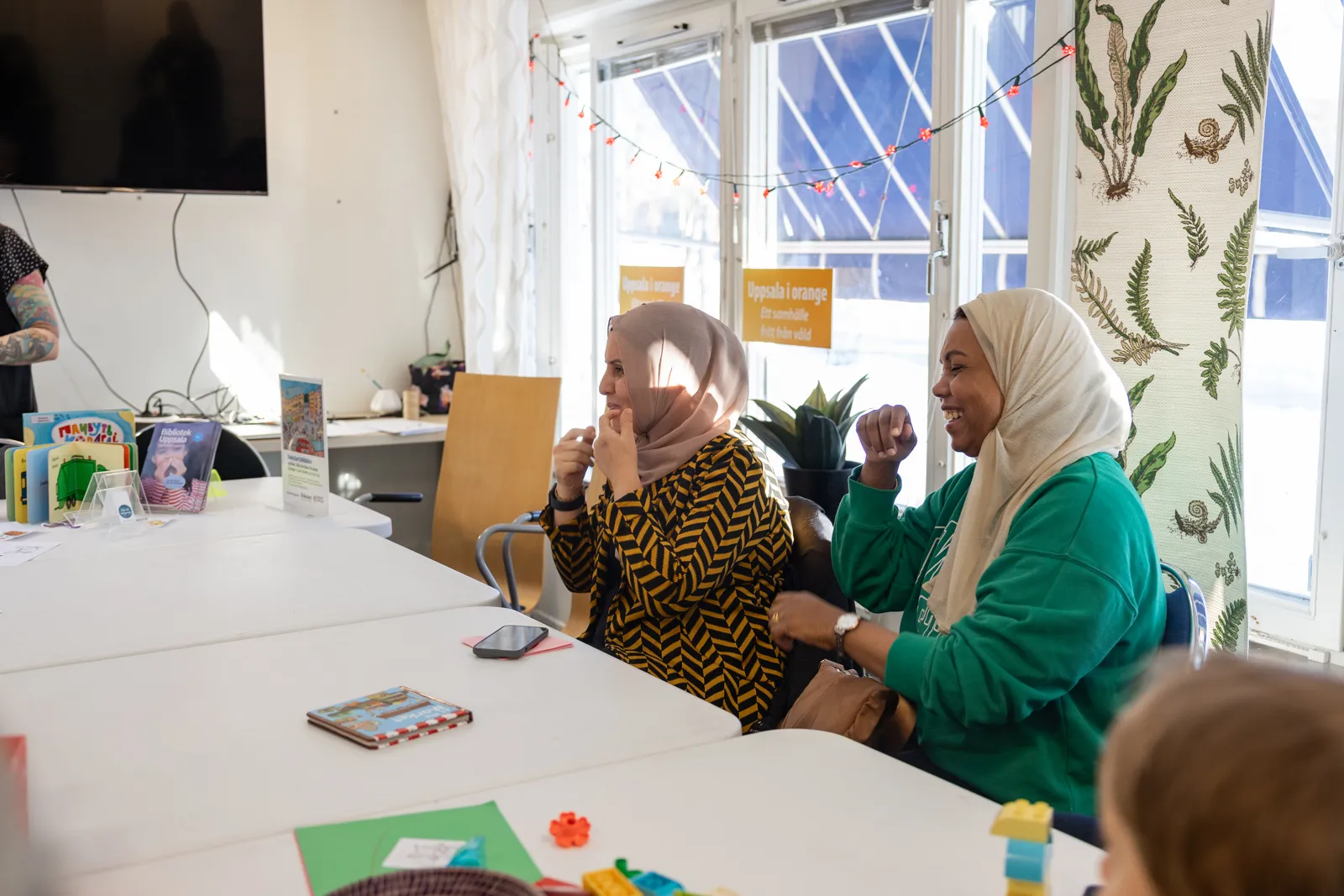
Föräldrakraft is currently available in five locations: Borlänge, Helsingborg , Linköping , Motala and Uppsala Each location has designed the operations according to local needs and conditions.
During the year, around 163 family activities and family meetings were held with a total of 194 families. 59 parents participated in parenting training, 293 took part in community information and five local meeting places were established. Erikshjälpen's target for parent-initiated activities was also exceeded. The target was three activities, but a total of 17 initiatives were carried out.
– Behind the numbers is everything from family days, excursions and reading activities to study circles, area groups and meetings with schools, social services and other community actors. In Linköping For example, Skäggetorp Family has grown significantly with recurring family meetings focusing on relationships, language and community, says Moa Lindgren, program coordinator at Erikshjälpen.

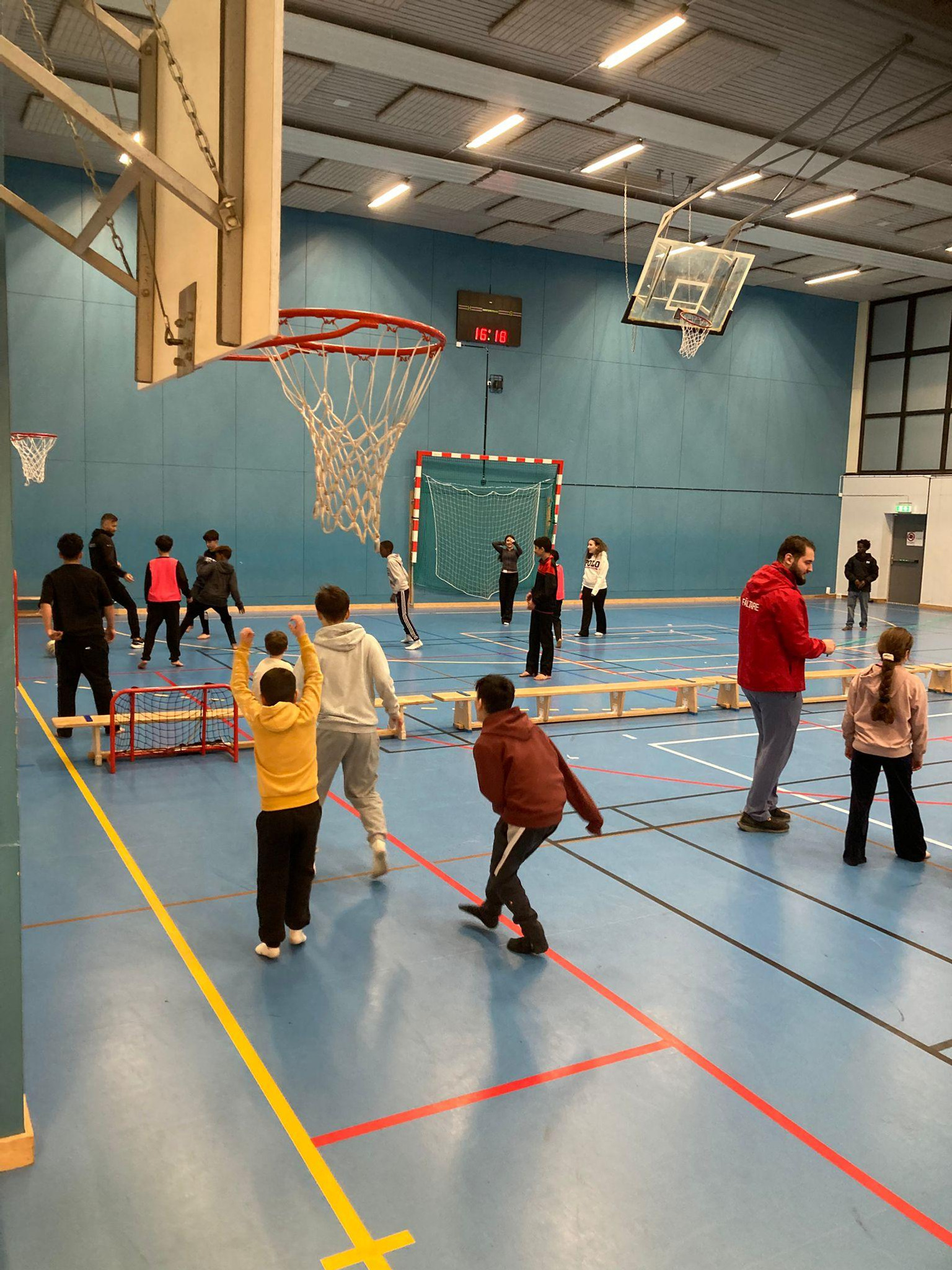
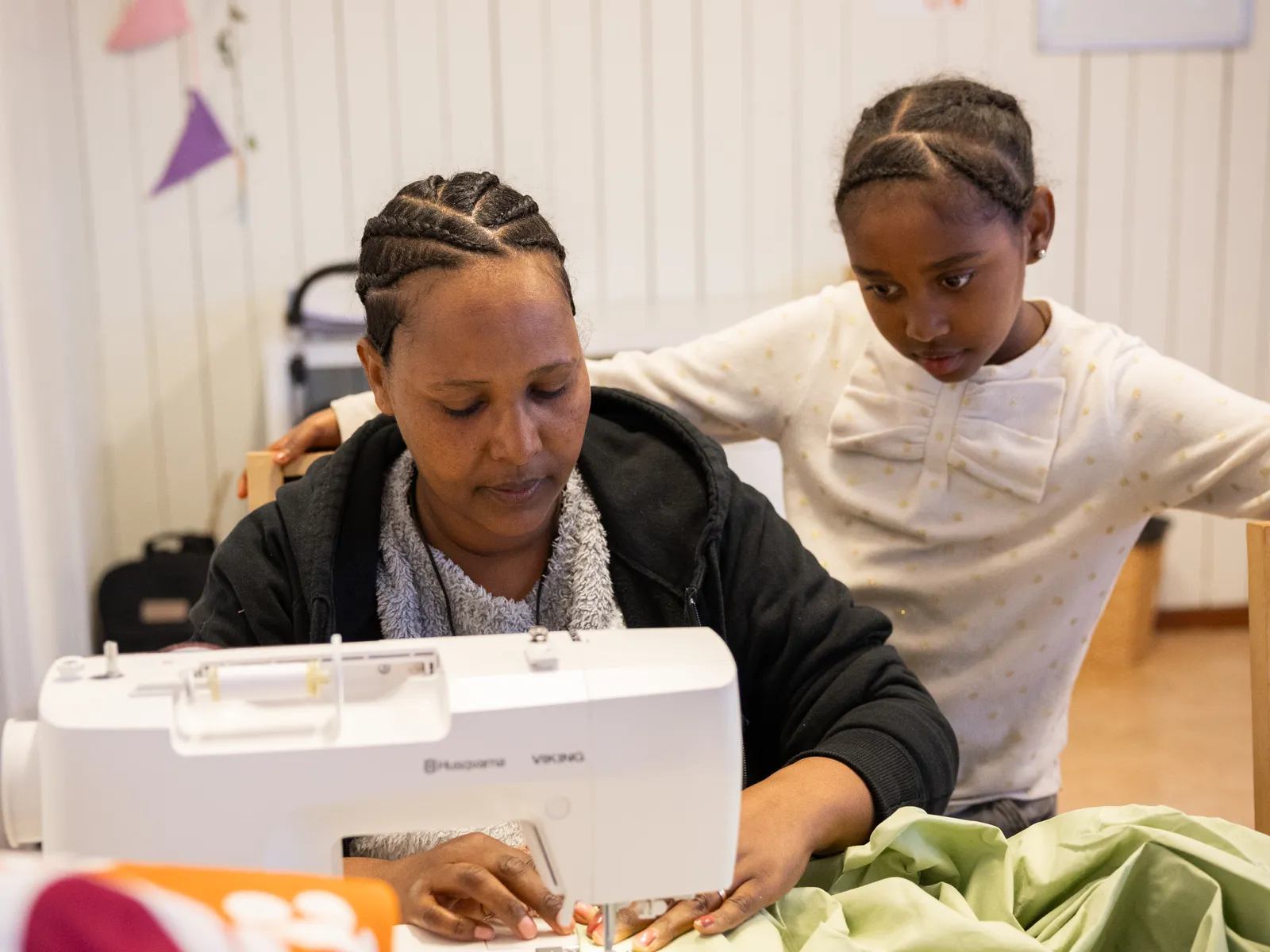
In all five locations, the meeting places have become more than just places to go. They have become contexts where parents can meet others, share experiences, ask questions and get support. Family activities have given parents and children the opportunity to strengthen their relationship through positive experiences.
In a survey in Uppsala two-thirds of the participants stated that they had met new friends through Föräldrakraft 89 percent stated that they had learned something new and the same number that they had received support in their parenting. All participants stated that they had had fun with their children.
“You are not alone. It is easier when you are not alone,” says a mother in Borlänge about the activity, which has become a context where she no longer feels alone with her questions. She also says that she now knows where to turn when she needs help.
In Helsingborg another mother describes how, as a new resident, she got in touch with other parents in the area via Föräldrakraft. Before Föräldrakraft she didn't know anyone in the area. In Motala participants say they have exchanged phone numbers and started participating in activities together even outside the project.
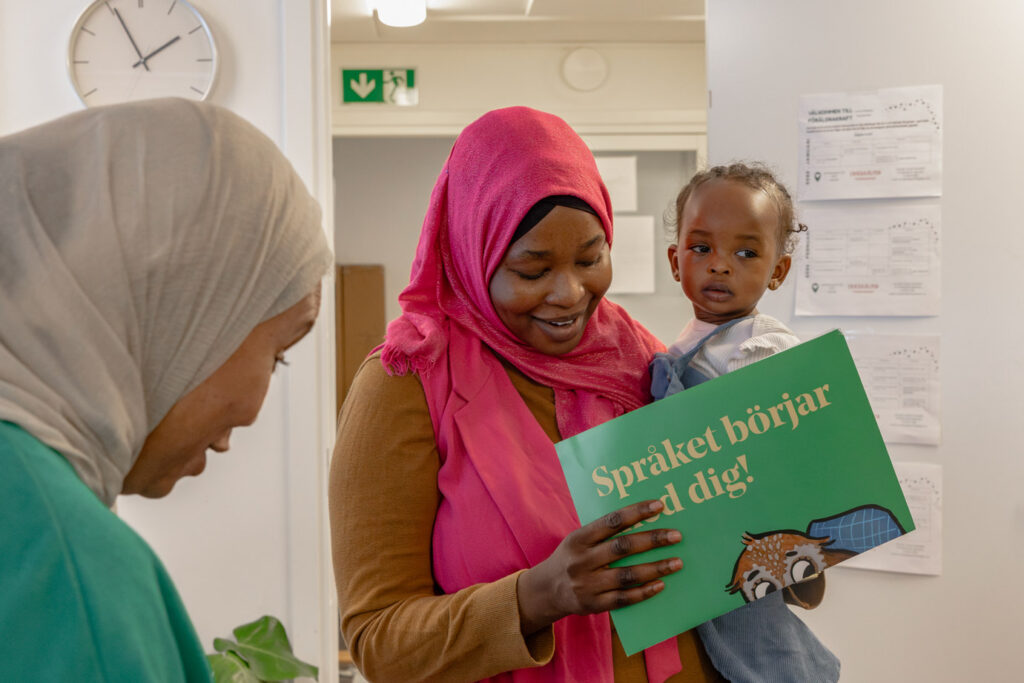
Another central part of Föräldrakraft is to give parents knowledge and concrete tools to manage everyday life. In the study circle Föräldrakraft Parents have had the opportunity to talk about relationships, communication, attachment, emotions, setting boundaries and their children's schooling, among other things. Participants describe that they have been given tools that can be used directly at home.
Community information has also become an important part of the project. Parents have been given the opportunity to ask questions about, for example, school, social services, the police, leisure activities and their rights as guardians.
– In several places, parents describe that the increased knowledge has made contact with the various functions of society less uncertain, says Moa Lindgren.
In Linköping a parent tells us that Föräldrakraft has given her a greater understanding of her mandate as a guardian. Today, she feels more secure in her contact with the school and in being involved in decisions regarding her child's schooling.
One of the most positive developments during the first year is that parents in several locations have started to take their own initiatives. Some have come up with ideas, been involved in planning, started groups or helped other parents find activities.
In Uppsala among other things, parents have been involved in developing a night walking group. In Motala parents have planned and implemented various activities together with young people and in Helsingborg parents have been involved in creating the Fantasirika family. In Linköping The commitment is visible in cooking and walking groups, among other things.
– It is still the activity coordinators who support most of the initiatives, but the direction is clear: in the long term, parents will have even greater opportunities to create activities, meeting places and networks themselves, says Moa Lindgren.
The first year has not been without challenges. The conditions are different in the five locations and experience shows that what works in one place does not always work in another. It takes time to build trust, especially when you want to reach parents who may not have previously had contact with activities such as Föräldrakraft .
– Language and knowledge of Swedish society can also affect the ability to participate. Therefore, local presence, personal contacts and long-term relationships have been crucial, says Moa Lindgren.
After a first year of establishment, Föräldrakraft now entering a new phase. During year two, parenting training will be scaled up, more community information meetings will be held and local meeting places will be further developed. A special focus will also be on strengthening the parents' ability to influence and shape the activities themselves.
Author: Martina Bohl
Erikshjälpen Framtidsverkstad
Föräldrakraft is a project within Erikshjälpen's Future Workshop which is funded by the Postcode Lottery . Föräldrakraft is currently located in five locations in Sweden. The aim is to empower parents so that they can support their children in the challenges they face at school and in life.
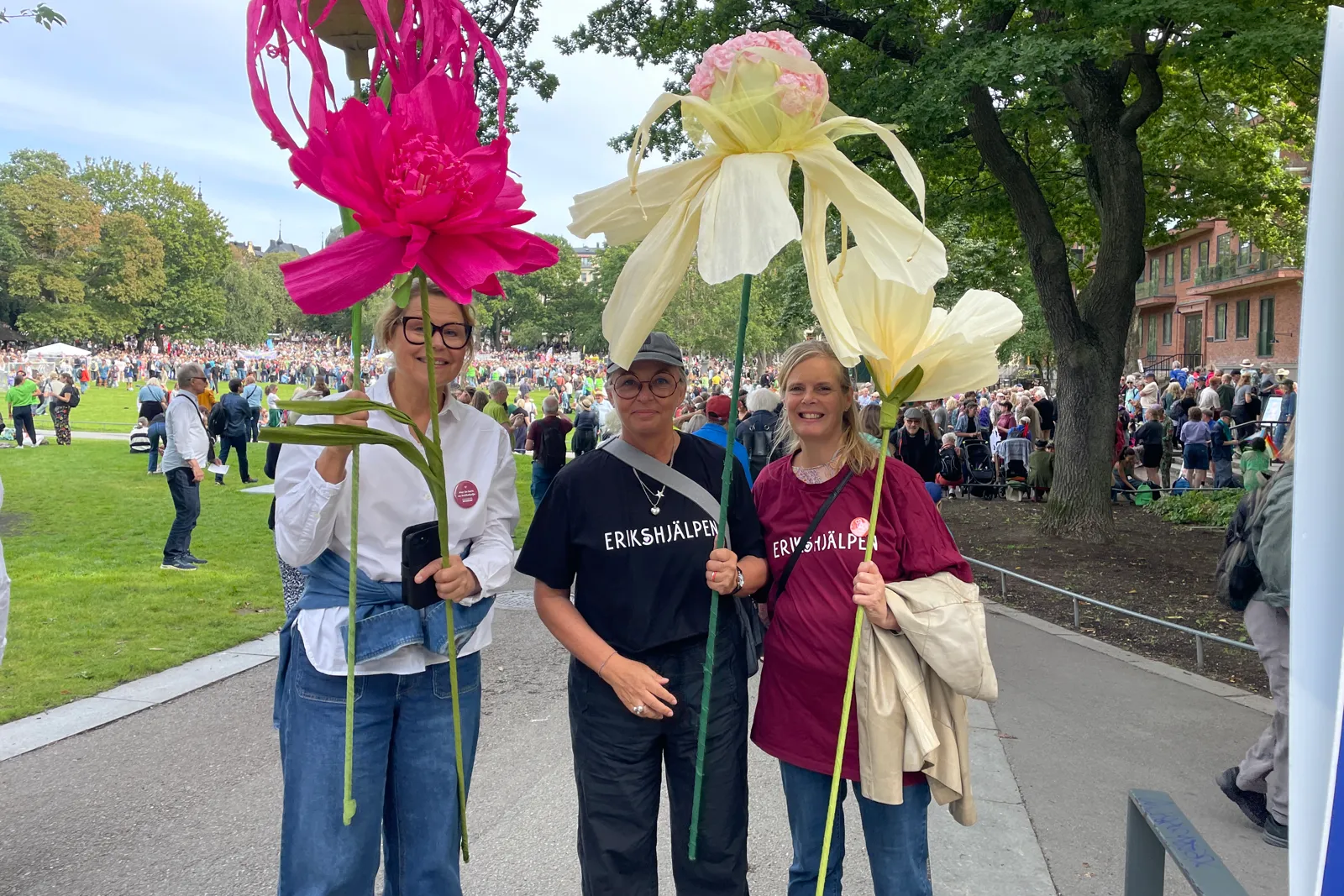
On August 23, 2026, Erikshjälpen participated in the Great Climate Demonstration in Stockholm. Together with over 280 organisations and 50,000 people, we showed that there are many of us who want to see a powerful climate transition.
The demonstration was nonpartisan and brought together the Swedish Society for Nature Conservation ( organisations ) and people from across the country. It was organized by the Swedish Society for Nature Conservation, and the purpose of the demonstration was to send a clear message to society and politicians that there is broad consensus on the climate issue. Participants gathered in Vasaparken and then marched through Stockholm to the final destination, Gustav Adolfs torg. The streets of Stockholm were filled with signs, music, and people who wanted to show that many of us are ready to make the transition now for a sustainable future.
“The level of engagement we’re seeing today shows that people want to leave a sustainable world for the next generation. Now we need bold decisions that will, among other things, reduce overconsumption and accelerate the transition to a circular economy,” says Cathrine Kylesten, Head of Sustainability at Erikshjälpen Second Hand.


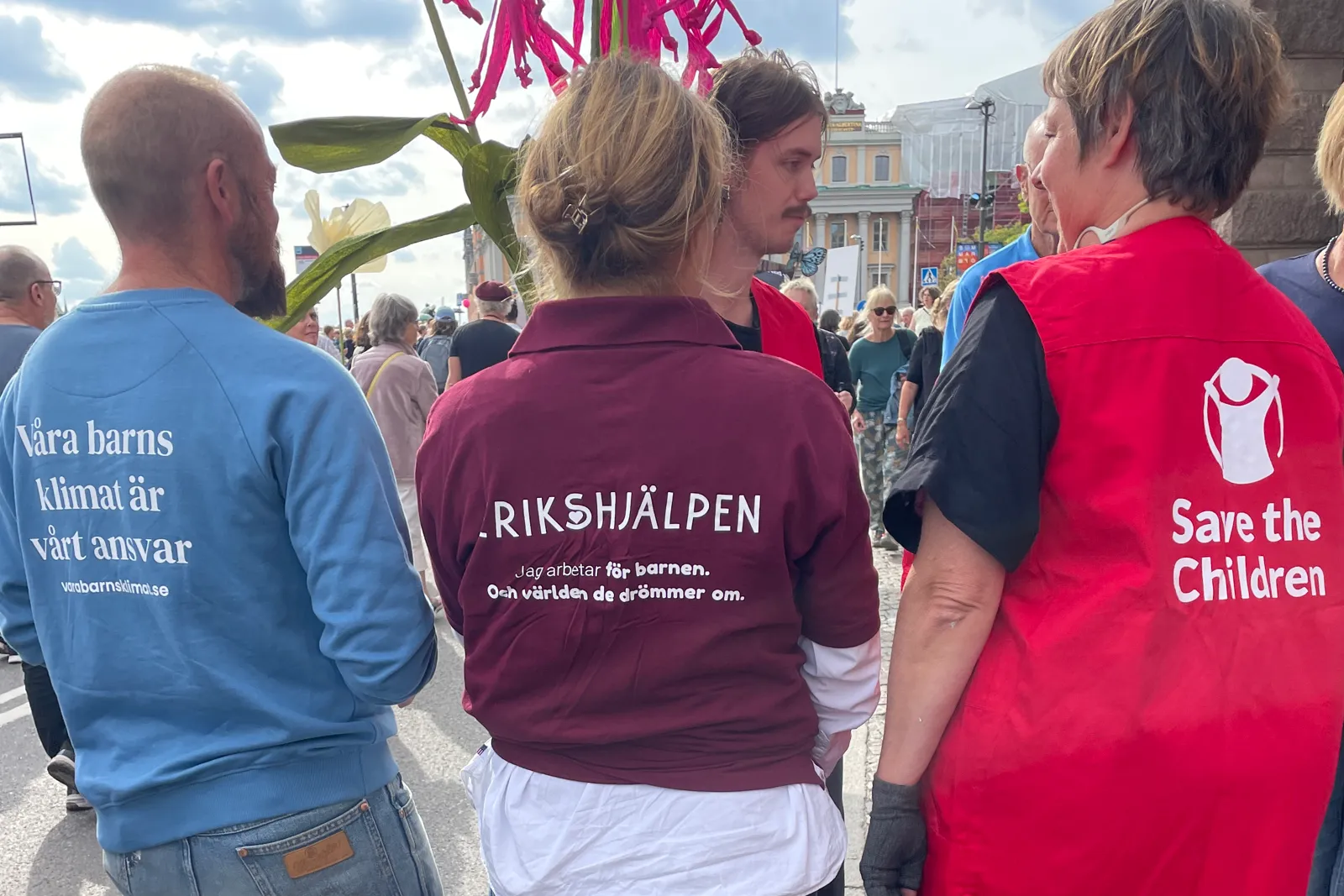
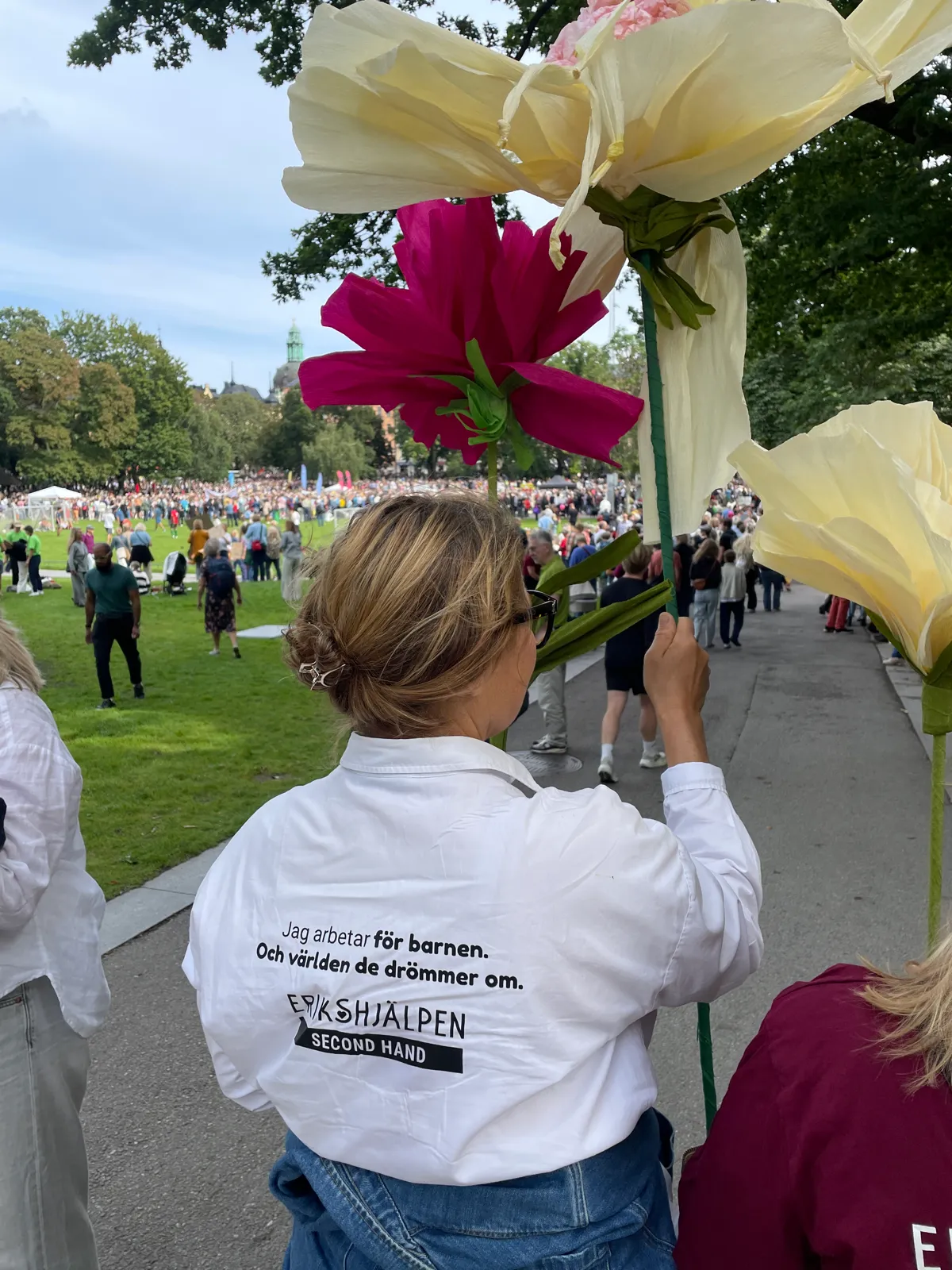
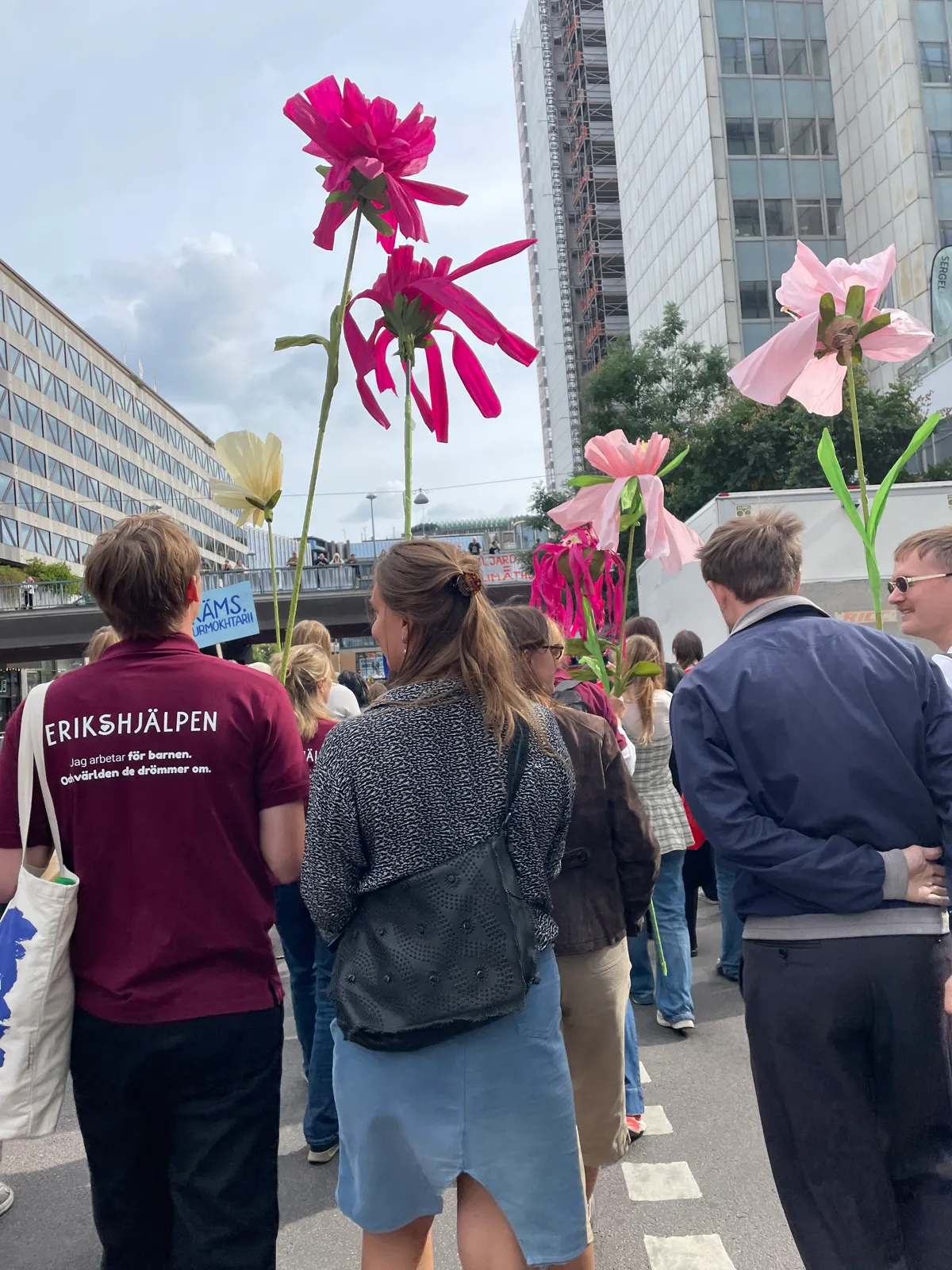
For Erikshjälpen, the climate crisis is not just an environmental issue. It is a children’s rights crisis. The climate issue is about the future of children and young people, both in Sweden and around the world.
“The climate situation is serious. Children are already being hit the hardest, and it is their future that is at stake. But this demonstration shows that there are many of us who want to see a bold climate transition. For the children!” says Helena Lind, Director of Communications and Fundraising at Erikshjälpen.
What is the most important preventive measure to stop children from being recruited into criminal gangs? We asked members of the Riksdag from every party this question ahead of the September election. Here are the parties’ proposed measures and Erikshjälpen’s analysis of the responses.
Several of the parties emphasize early- interventions s in the environments surrounding children, particularly in schools, social services, and the family. Others highlight the need to crack down hard on criminal gangs and their ability to recruit new members.

Martina Johansson
Trauma screening is the single most important measure. By this we mean that all children, starting when they begin attending the child health center (BVC) and continuing through school age, are asked questions and followed up with to identify domestic violence. interventions can be implemented immediately so that no child has to grow up experiencing any form of violence. Many children and young people who are later recruited into criminal circles have experienced violence during their upbringing.

Christian Carlsson
Secure families lay the foundation for a secure society. The most important measure is to pursue policies that strengthen families. This includes lowering taxes and providing increased financial support to families with children across the country. It also means ensuring children have more time at home with their parents, as well as with other adults in preschool, school, and community organizations, and by expanding the country’s parenting centers, parenting education programs, and parenting support programs.

Joar Forssell
Focus on early intervention in schools. More special education teachers, stronger student health services, and closer cooperation between schools, social services, and the police. Children who are falling behind, have high absenteeism, or show other warning signs should be identified immediately. In this regard, the new Social Services Act provides better conditions for more preventive and knowledge-based work.

Ulrika Westerlund
Implement a long-term, government-led Funding of crime prevention efforts. Invest more in schools, social services, healthcare, child and adolescent mental health services (BUP), after-school programs, and civil society. Introduce a coordinated national model in which the police, schools, preschools, social services, and civil society identify at-risk children, involve their families, and monitor the children over time. Ensure rapid interventions and long-term Monitoring.

Noria Manouchi
In addition to tripling the penalty for anyone who recruits children into criminal networks, new legislation will be introduced at the turn of the year. It is called “Mellantvång” and is intended to bridge the gap between voluntary interventions and compulsory measures under the Care of Young Persons Act (LVU). The new law gives social services the right to impose specific conditions on at-risk children and their parents. These may include requirements that the child attend school, remain drug-free, or that the parents participate in parenting support programs—even without their consent.

Teresa Carvalho
Adopt the principle of allocating one krona to preventive efforts for every extra krona allocated to the judicial system. Index state grants to municipalities and regions. Implement a reform of elementary schools with smaller classes and more qualified teachers. Launch a program for at-risk families and strengthen collaboration between social services, preschools, and schools. Provide support for municipalities’ crime prevention efforts. Break down segregation, strengthen civil society, and give young people in vulnerable areas access to safe recreational activities and trained leaders.

Adam Marttinen
We have already toughened the penalties for those who recruit children and made it easier for the police to use covert investigative techniques to catch recruiters. In the next legislative term, we want to introduce special legislation targeting gang criminals, make it illegal to be a member of a gang, and revoke the citizenship of gang criminals who hold dual citizenship. We will strike at both the gangs’ finances and their capabilities, and we will impose particularly severe penalties on those who attempt to recruit young people.

Maj Karlsson
Build a network of early- interventions s around children—at school, in social services, and during their free time—before problems have a chance to escalate. Prioritize a significant strengthening of schools, student health services, social services, and meaningful leisure activities, especially in areas where children are at risk of being recruited. Children should receive support quickly; families should be met with help rather than threats; and social services must be given the time and resources to engage in outreach and relationship-building.
There is broad consensus on the importance of preventive efforts, but significantly greater differences regarding where the focus should lie —in schools and social services, within the family, on the early detection of risk factors, or on “ interventions ” efforts directed specifically at criminal gangs.
With the exception of the Sweden Democrats, whose policy “ interventions ” focuses exclusively on direct action against criminal gangs, all parties emphasize preventive measures. The Social Democrats, the Green Party, and the Liberals want to see increased collaboration between schools and social services. The Green Party also mentions the police and civil society, while the Liberals include the police but not civil society. A safe after-school environment is important to the Christian Democrats, the Left Party, and the Social Democrats. The Center Party emphasizes the early detection of domestic violence.
Erikshjälpen views it as positive that nearly all political parties are highlighting the need for preventive measures. For us, it is essential that society take early, long-term, and coordinated action . Children should not have to wait until their problems have grown too big or until they are already on the verge of becoming involved in criminal activity to receive support.
Children need supportive adults around them, a school where all children have the opportunity to succeed, social services with the resources to intervene early, and meaningful after-school activities where children can develop and feel a sense of belonging. At the same time, society must take action when criminal adults attempt to recruit children.
The parties' responses paint a clear picture of what's on the political agenda. Now those words need to be turned into action.
Erikshjälpen wants to see long-term investments in preventive efforts, clearly defined responsibilities among societal actors, and early- interventions s that reach children and families before problems become serious. Children’s access to support should not depend on which municipality they live in or how early society manages to identify their needs.
At a later date, we will follow up on the parties’ responses. At that time, we want to be able to see which of the proposed measures have been implemented as decisions, allocated resources, and launched initiatives—and which ones remain pending.
Author: Lena Elf
Through “ Erikshjälpen Framtidsverkstad ,” we create spaces where children, young people, and parents receive support to grow, make their voices heard, and actively participate in shaping their neighborhoods. The goal is to level the playing field for children growing up in unequal circumstances and to foster hope for the future.
The work is carried out together with the children and their parents, in collaboration with municipalities, the business community, and other civil society actors. The initiatives may include academic support and homework assistance, after-school activities, leadership training, and discussion groups.
Erikshjälpen Framtidsverkstad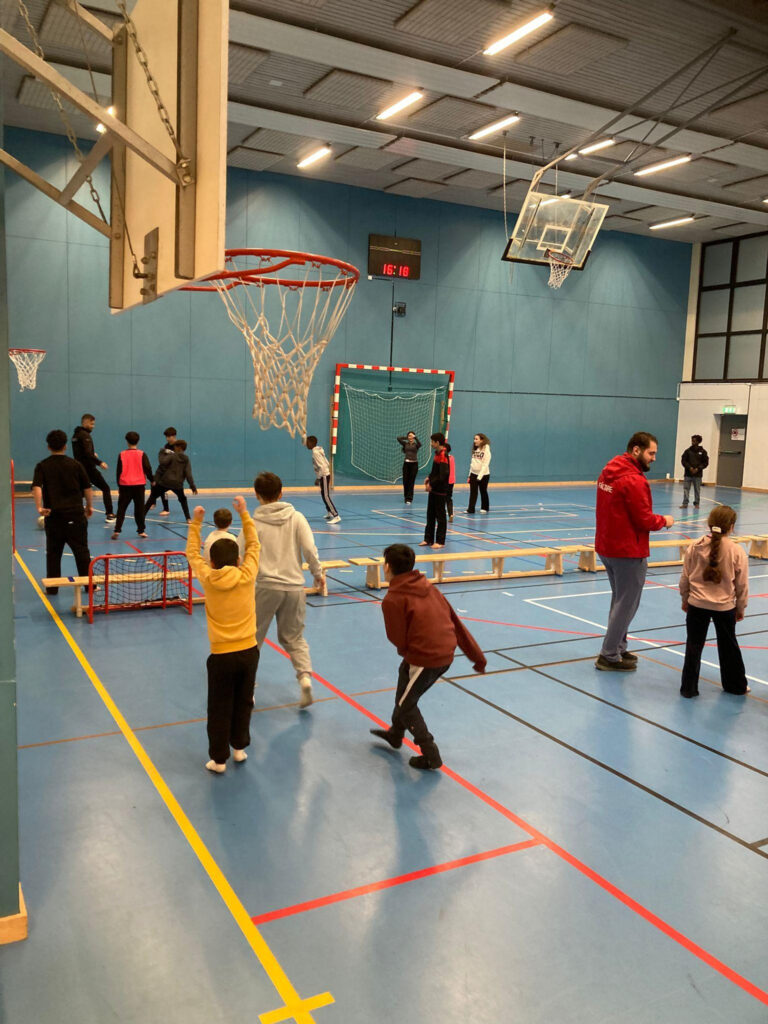
On August 13, 2026, the Swedish Parliament passed a bill to temporarily lower the age of criminal responsibility to 14 for particularly serious crimes. For Erikshjälpen, this decision is a cause for great concern.
This issue is about more than just criminal law. It concerns our views on children, responsibility, and society’s role when children go astray. Children have enjoyed special protection within the legal system, based on an understanding of their development, maturity, and ability to understand the consequences of their actions.
Sweden has long been a pioneer in the field of children’s rights. When Sweden ratified the the United Nations Convention on the Rights of the Child , we endorsed the principle that children’s rights should be strengthened over time, not weakened. The decision to lower the age of criminal responsibility represents a clear departure from that principle.
Erikshjälpen shares the deep concern that many people feel about the fact that increasingly younger children are becoming involved in serious crime. Children who commit particularly serious crimes cause great suffering for victims, their families, and local communities. Society must be able to take strong action when children pose a danger to others.
But as the problems grow, we need to hold fast to what we know about child development, children’s rights, and the importance of preventive measures. The Council on Legislation, the UN Committee on the Rights of the Child, the Children’s Ombudsman, the Institute for Human Rights, researchers, and large segments of civil society have advised against or strongly criticized the proposal. What many of these voices have in common is not that they underestimate the seriousness of the problem, but that they question whether lowering the age of criminal responsibility is the right answer.
Research and experience show that preventive efforts, early interventions, safe upbringings, and strong safety nets are more effective at reducing crime and recidivism than repressive measures targeting children. We also know that such interventions are more sustainable and resource-efficient than measures that are implemented only after problems have already escalated.
Ultimately, it comes down to what kind of society we want to be. A society that responds to children in crisis with more criminal justice measures, or a society that responds to them with the support, protection, and rehabilitation that give them the opportunity to leave a life of crime behind.
Erikshjälpen continues to advocate for putting children’s rights at the center and for society to invest in the preventive interventions that we know make a difference.
Author: Jonatan Saldner
Leah is a five-year-old girl from Uganda. She is one of many children who have been forced to live on the streets, subjected to trafficking, and exploited by criminal adults. She has gone through experiences that no child should ever have to endure.
Leah’s parents abandoned her when she was only a couple of years old. She then grew up with her grandmother in extremely poor conditions. Eventually, things got so bad that Leah was forced to beg on the streets. Leah was then taken, along with other children, to the capital, Kampala. There, they were forced to beg under accountability adults who exploited them.
The trip to Kampala was chaotic. The children told a social worker from one of Erikshjälpen’s partner organizations that they were forced to hide in paper bags and sacks. They were squeezed under the bus seats and told to be completely silent and hold their breath so they wouldn’t be discovered during police checks.
In Kampala, Leah and the other children were then forced to collect between 20,000 and 50,000 Ugandan shillings per day. 50,000 shillings is roughly 150 Swedish kronor (SEK) which covers a family’s food needs in Uganda for a couple of days. If the children failed to meet the quota, they were punished. They were denied food and beaten. And this went on for several months.
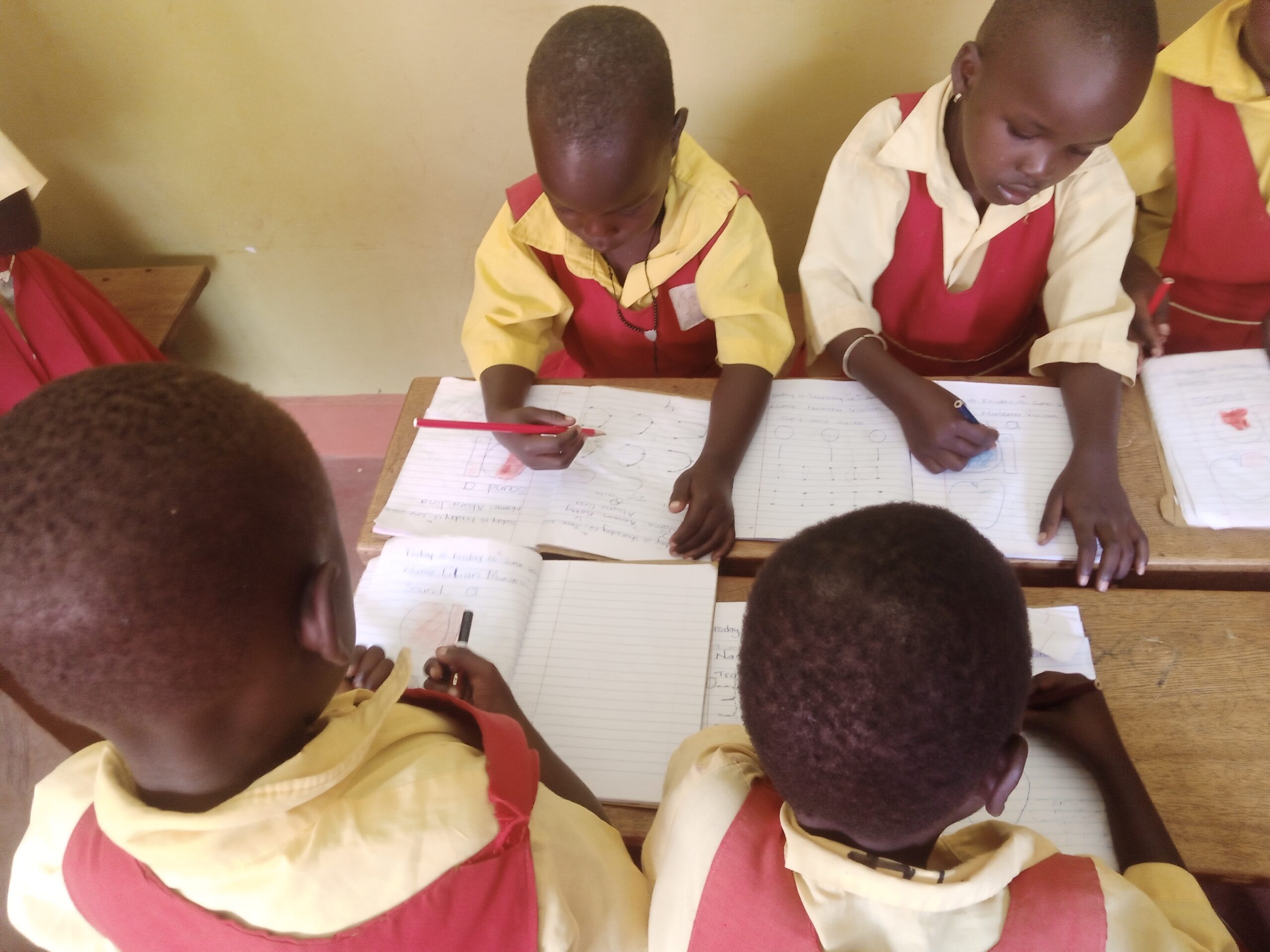
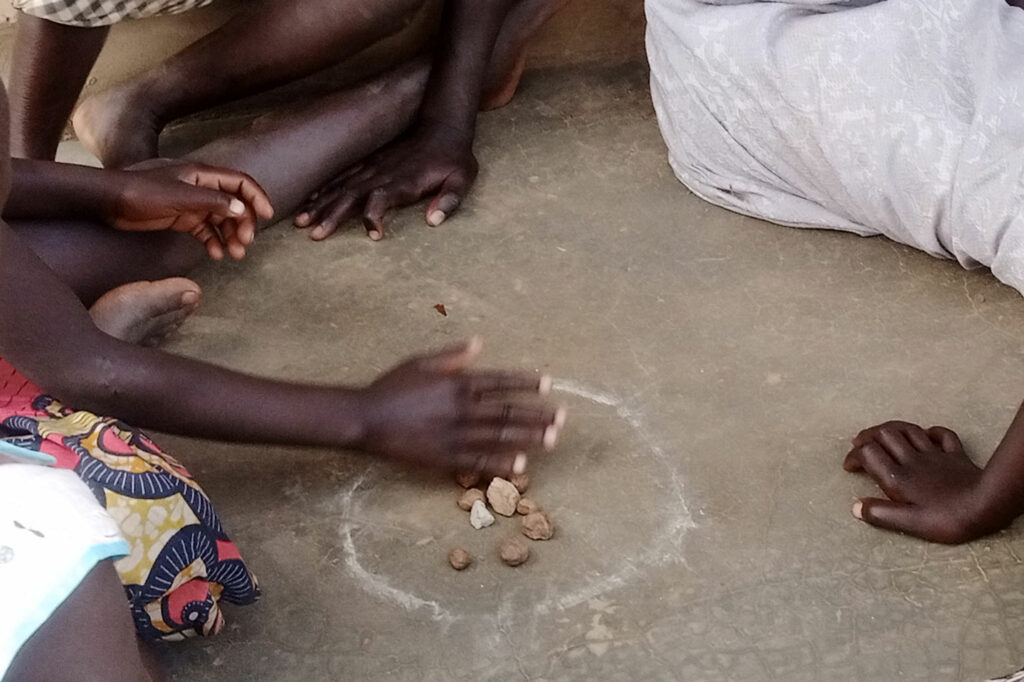
Leah was identified by staff members from one of Erikshjälpen’s partner organizations. They rescued her and took her to a temporary rehabilitation center. There, she received shelter, medical care, support, and psychosocial assistance. Her situation was assessed, and a plan was developed to give her the opportunity to return home. Today, she is attending school and has returned to Napak.
Leah is far from alone in having gone through this. As many as 15,000 children are living on the streets in Uganda. Erikshjälpen has many years of experience in reaching out to these children and offering them rehabilitation, family tracing, and reintegration. But it also involves supporting parents, creating networks, and building capacity to empower people and government agencies to take responsibility. And this work is yielding results—not only when children are rescued from life on the streets, but also when parents, police officers, community leaders, and government officials who previously lacked knowledge about children’s rights are now joining us in the fight to stop trafficking.
In 2025, 711 girls in Kampala and Mbale who had been living on the streets due to poverty were able to return to school thanks to Erikshjälpen’s interventions.
Would you like to help give more children a safer future? Become Monthly Donor or make a donation to Safety and Protection.
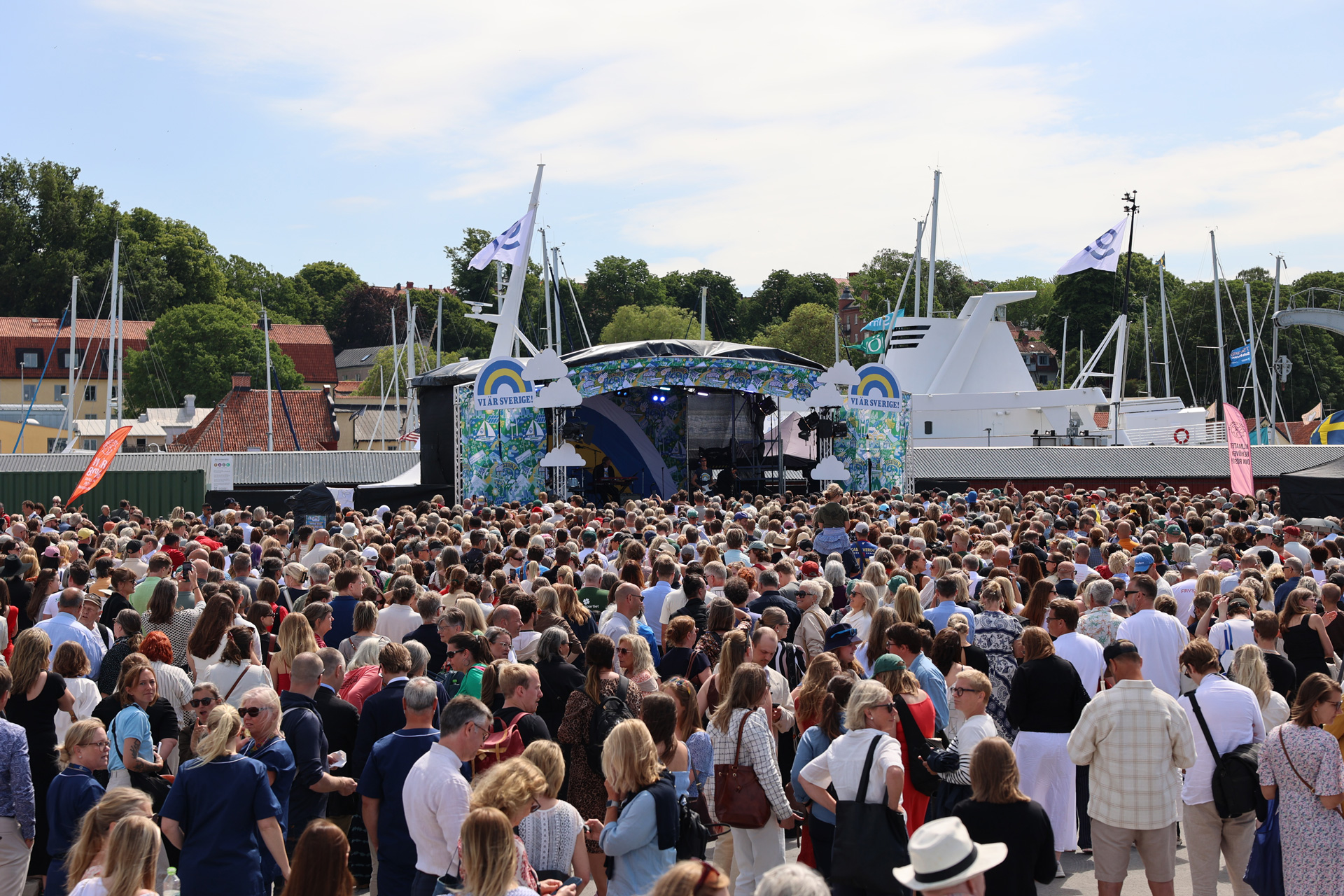
During Almedalen Week 2026, Erikshjälpen met with politicians, government agencies, Corporate other organisations discuss children’s rights, climate change, and sustainable development.
Among other things, Erikshjälpen highlighted how climate change affects children’s right to safety, health, education, and a secure future.
Erikshjälpen Second Hand also Erikshjälpen Second Hand the importance of not losing sight of the children’s rights perspective in climate work. A sustainable transition is not just about systems and business models, but also about children’s lives here and now and their right to a sustainable future. Discussions on textiles, circular economy sustainable resource use showed that more stakeholders are now moving from words to action and that collaboration is crucial to driving the transition forward.
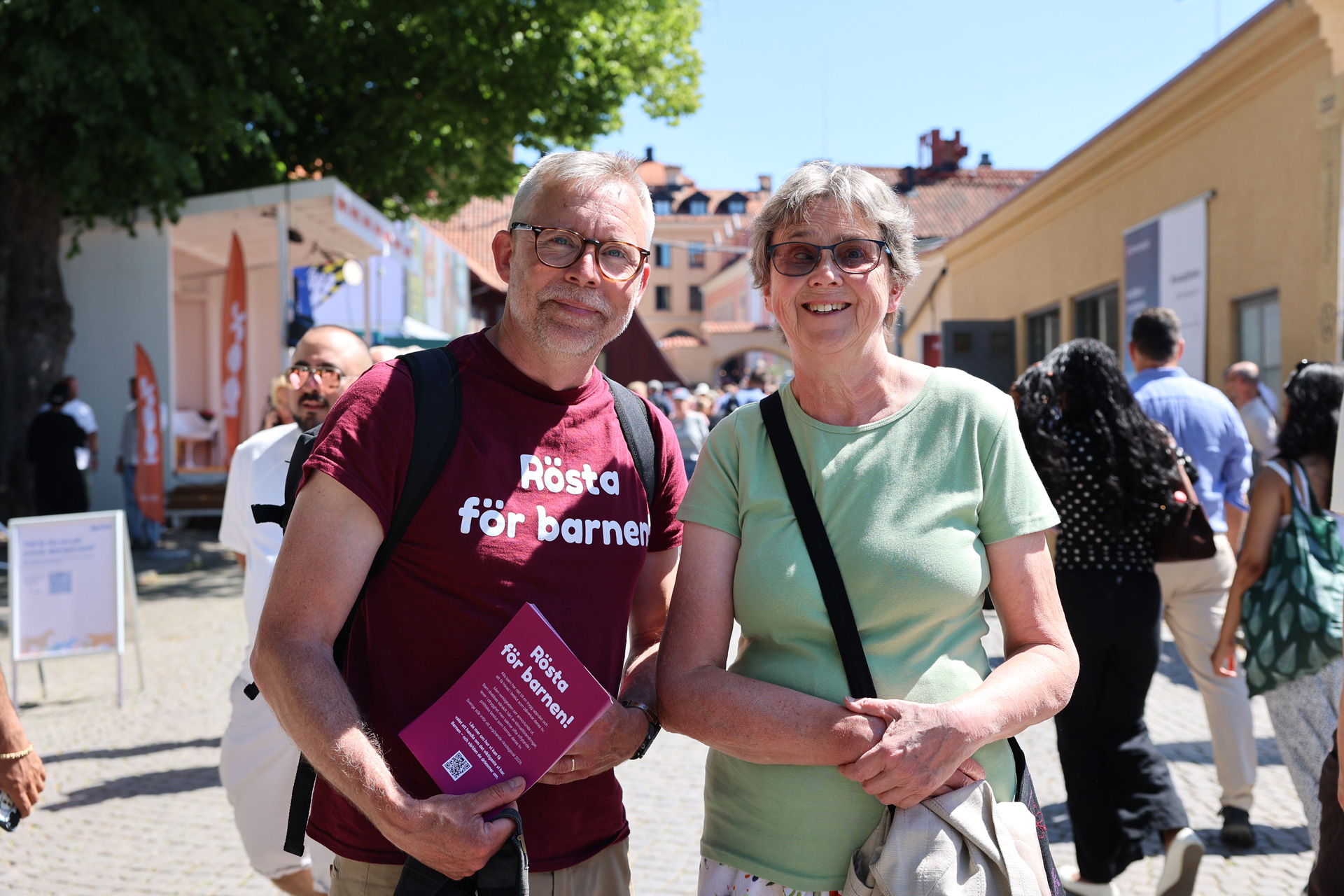
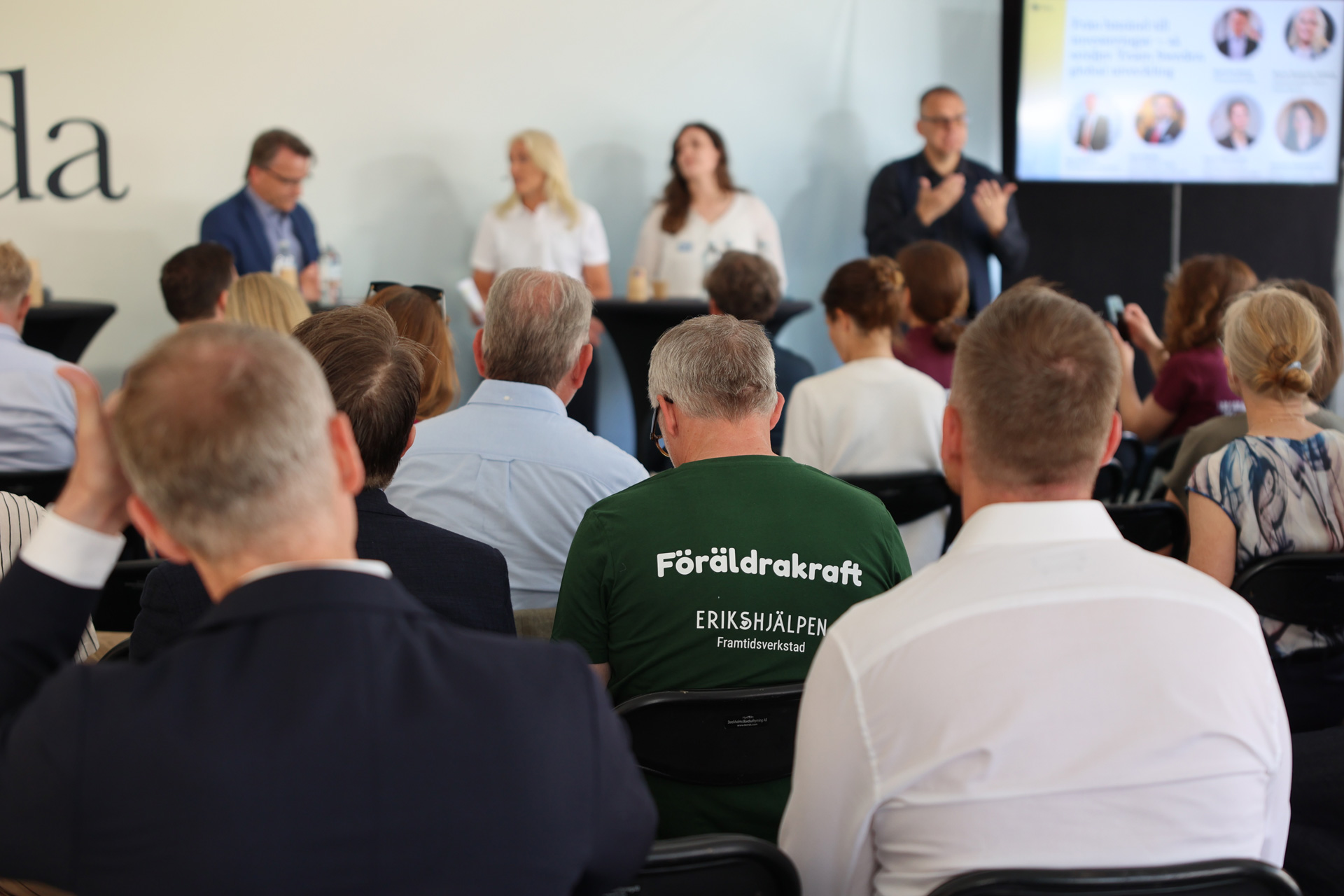
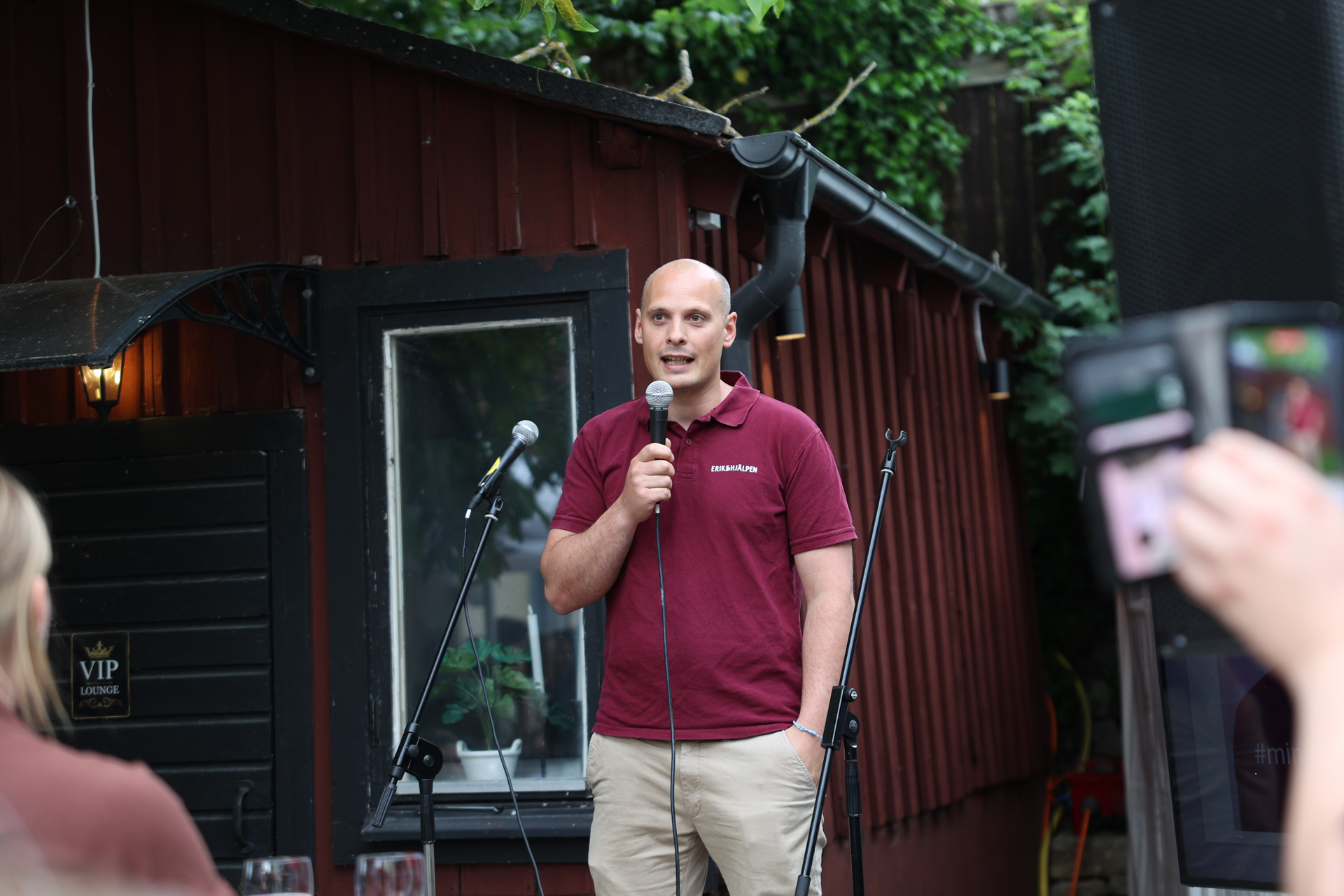
In the Erikshjälpen seminar "What should we do with parents? - Trust, support and the way forward for parents in Sweden", Sarah Campbell from Erikshjälpen's project Föräldrakraft participated, among others. The project, which is run with support from the Postcode Lottery , works to strengthen parents in their important role and create better conditions for children to grow up in safety. During the conversation, it was discussed how society can better strengthen parents and prevent children from ending up in crime or long-term exclusion.
The fact that Almedalen brings together politics, business, and civil society in one place is precisely what makes this week so valuable. Through seminars and panel discussions, Erikshjälpen highlighted the importance of including children’s perspectives in decisions regarding both climate and social development. The discussions in Visby have concluded, but the work for children’s rights continues.
“We talk, share ideas, and inspire each other, and that often leads to new, exciting collaborations,” says Mattias Ingeson. “This week, we’re working hard to create the best conditions for our work for the rest of the year.”
Author: Lena Elf
Education, safe school environments, and the opportunity to shape their own future are some of the issues that matter most to young people ahead of this fall’s election. This is according to a survey conducted earlier this spring by Erikshjälpen among 30 young people participating in its “Future Workshops.”
Nearly half of young people have little or no confidence that politicians are doing what is best for them. Only 10 percent say they have a great deal of confidence in politicians.
The survey results show that young people are unsure whether politicians want to prioritize their needs. They also indicate that young people want to get involved in both social issues and matters that directly affect their own daily lives. They want to have a say.
“Politicians should answer our questions directly instead of talking over our heads,” says one of the young people.
The majority of respondents are between 13 and 17 years old (90 percent). When they describe what is most important for their well-being, the importance of school comes up time and again. They also link education to the ability to take control of their own lives—to having good opportunities to make a difference and feeling that they can shape their own future.
“I think the most important things for children and young people to feel good and safe are a good education, a supportive family, and financial stability.”
Feeling safe both at school and in one’s local community is another clear theme. Several young people express concerns about crime, gang violence, and a lack of safety in public spaces. But safety also takes the form of good relationships, support from adults, and meaningful leisure activities.

Climate change is an issue that resonates with people, but levels of concern vary. One-third (33 percent) say they are somewhat concerned about climate change, while an equal number are neutral on the issue. The results show that climate change is important to many young people, but that issues such as education, security, and future opportunities are perceived as more pressing in their daily lives.
When asked what politicians should talk about more, many people mention immigration and integration. Several call for discussions on how people from different backgrounds can live together in society, as well as on how deportations are carried out in Sweden.
“Young people are calling for less polarization on issues related to integration, crime, and social cohesion. It’s important that their perspectives are given a voice in the election debate,” says Jonatan Saldner.
Author: Lena Elf
Erikshjälpen was founded by a child with a strong desire to help other children. That is why our young donors are especially important to us. This year marks the Sponsor anniversary of our “Young Sponsor program—something we want to recognize and celebrate.
Erikshjälpen launched Sponsor Young Sponsor in 2006 to enable young people to make monthly contributions to support children’s rights around the world. Much has changed over the past 20 years, but teenagers and young adults in Sweden still have a strong desire to stand up for children’s rights.
Of the teenagers and young adults who became Young Sponsors in the first year, 85 are still involved today—20 years later. They remained Young Sponsors until they turned 30 and then transitioned to becoming Monthly Donor. This speaks to the power of getting involved and contributing early on, and how an initial commitment can grow into long-term support.


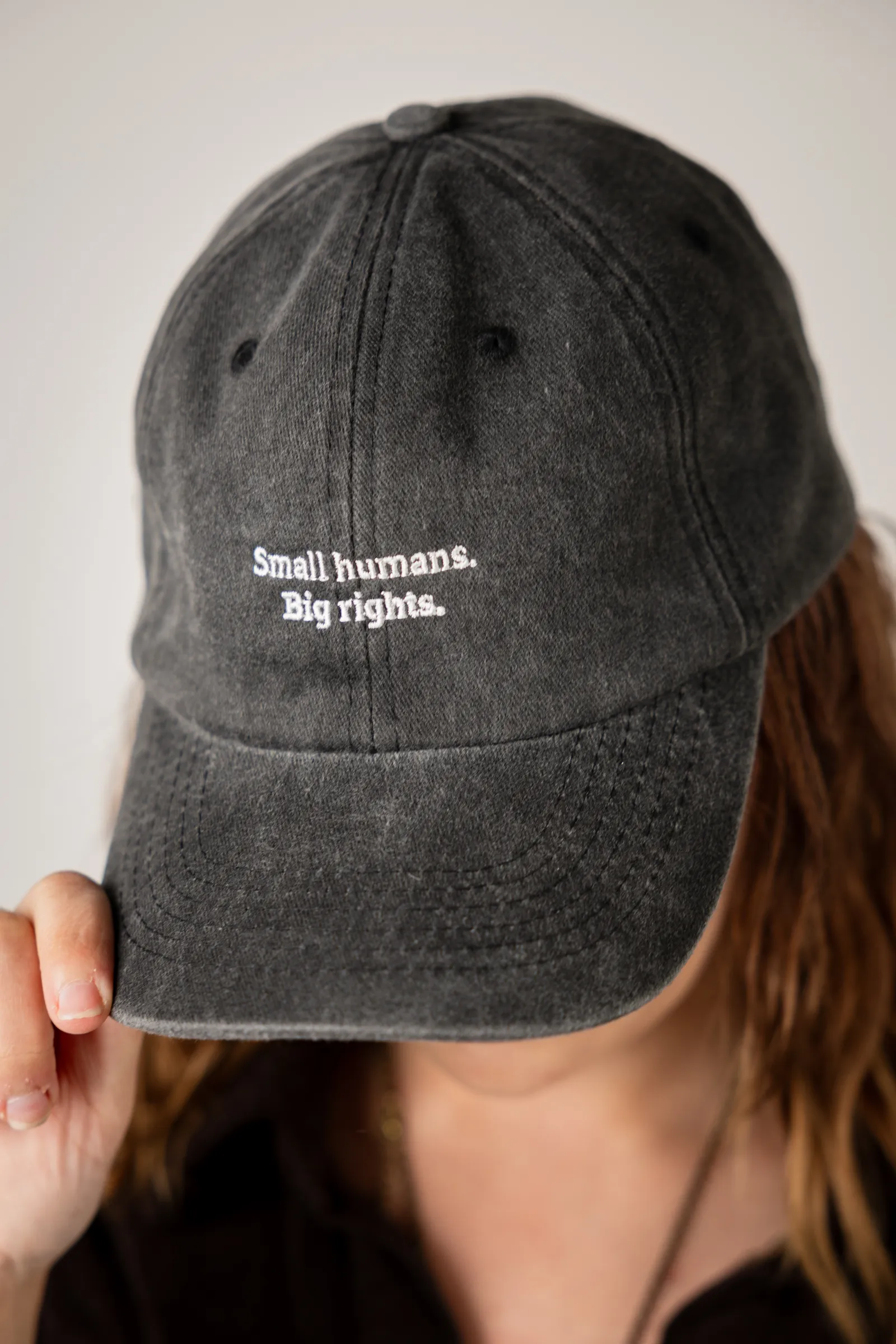
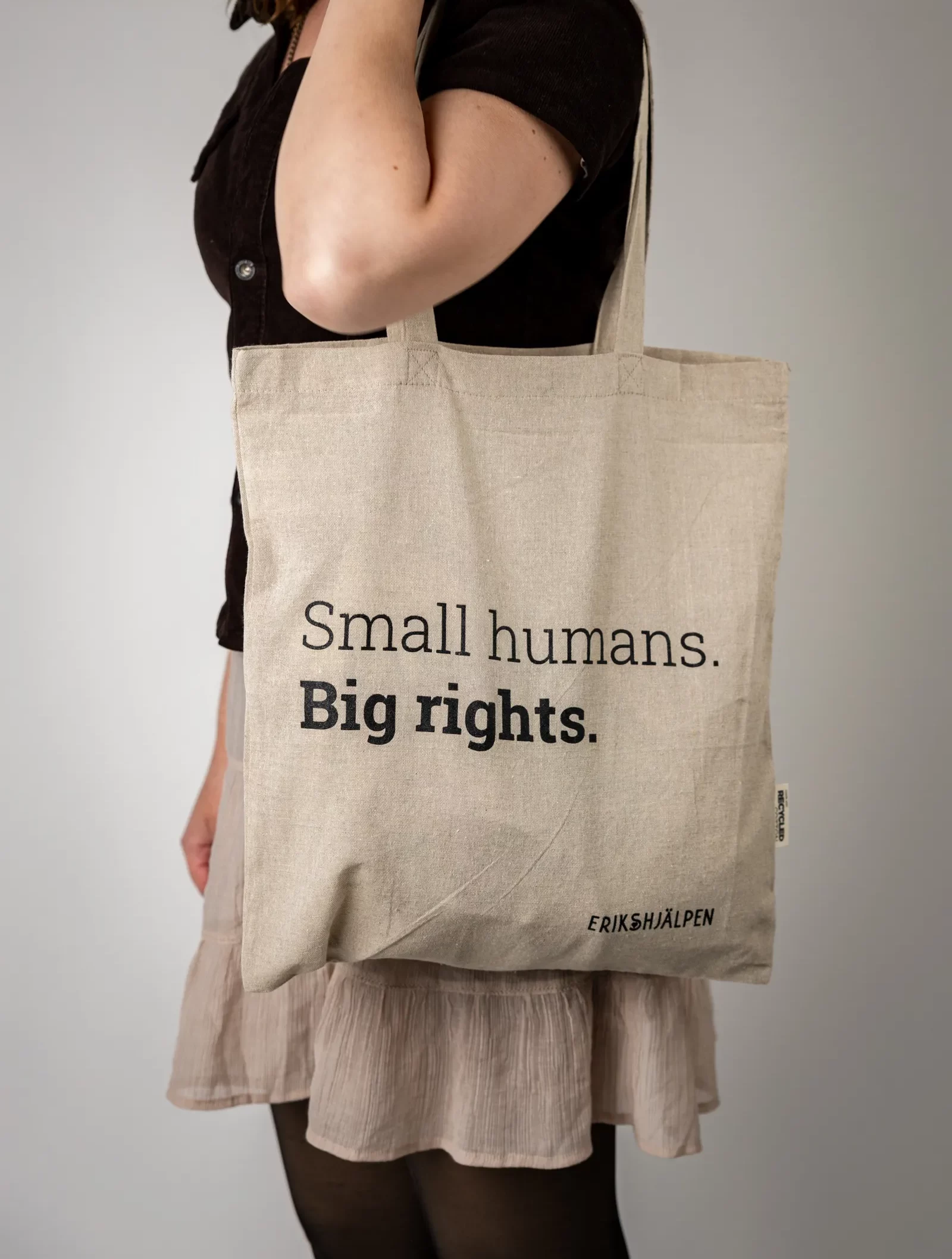
As part of our 20th-anniversary celebration, Erikshjälpen Ungagerad is offering Erikshjälpen Ungagerad to anyone who becomes Sponsor Young Sponsor the summer of 2026. You can choose between a cap and a tote bag. Are you already Sponsor Young Sponsor? Visit one of our booths this summer and increase your monthly donation by at least 50 Swedish kronor (SEK) and you’ll also get to take home the anniversary merchandise. Please note that the offer to receive merchandise upon increasing your donation is only valid in person at our events. Hope to see you there!
New Homes Week – Mullsjö, June 13–21
The Torp Conference – Kumla, June 15–21
ReTro – Vetlanda, June 23–28
Gullbranna Festival – Halmstad, July 2–5
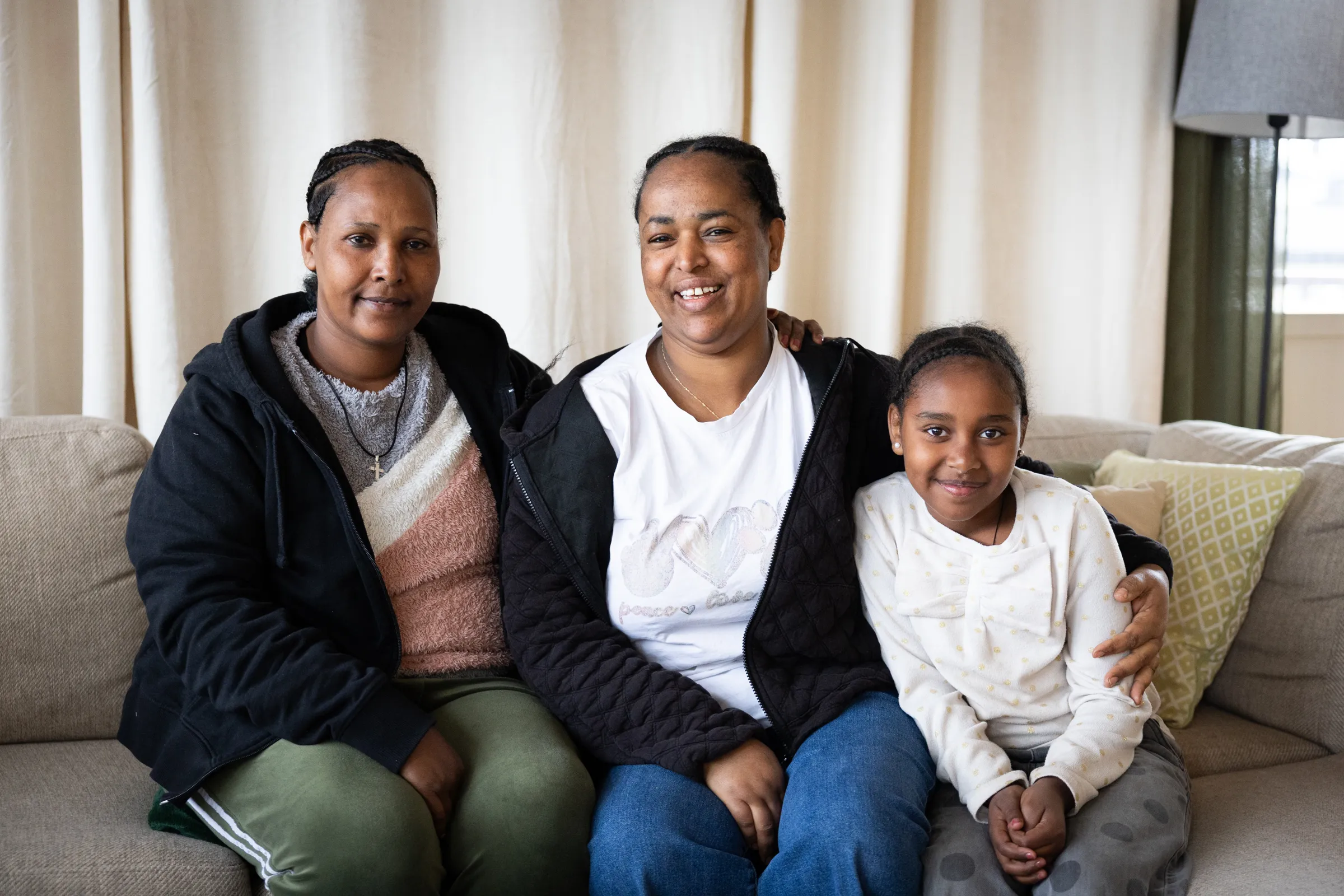
A sense of security and community is important for finding one’s place in a new country. Mtslal Kflom and Yirgalem Gebremikael from Eritrea know this well. Through “ Erikshjälpen Framtidsverkstad ” (The Little House) at Motala and Föräldrakraft , they have formed new relationships, strengthened their parenting, and found a place to grow together.
Mtslal has lived with her family in Motala since 2013 and works in a school kitchen. Her early days in Sweden were challenging. She was alone with her four children while her husband remained in Eritrea. Mtslal spoke neither Swedish nor English and had no social network.
“In Eritrea, all the parents stick together,” she says. “There, family, neighbors, and friends naturally pitch in to help with the children. In Sweden, the responsibility felt more isolating.”
Today, Mtslal lives with her husband in Motala , and she feels more secure as a parent in Sweden. She says that parenting is always difficult, but that it becomes especially challenging as the children get older and there are more questions about school, homework, and discipline. While it hasn’t always been easy, her years in Sweden have given her new experiences and knowledge. Above all, she appreciates that children here have rights and the opportunity to attend school regardless of their family’s financial situation.
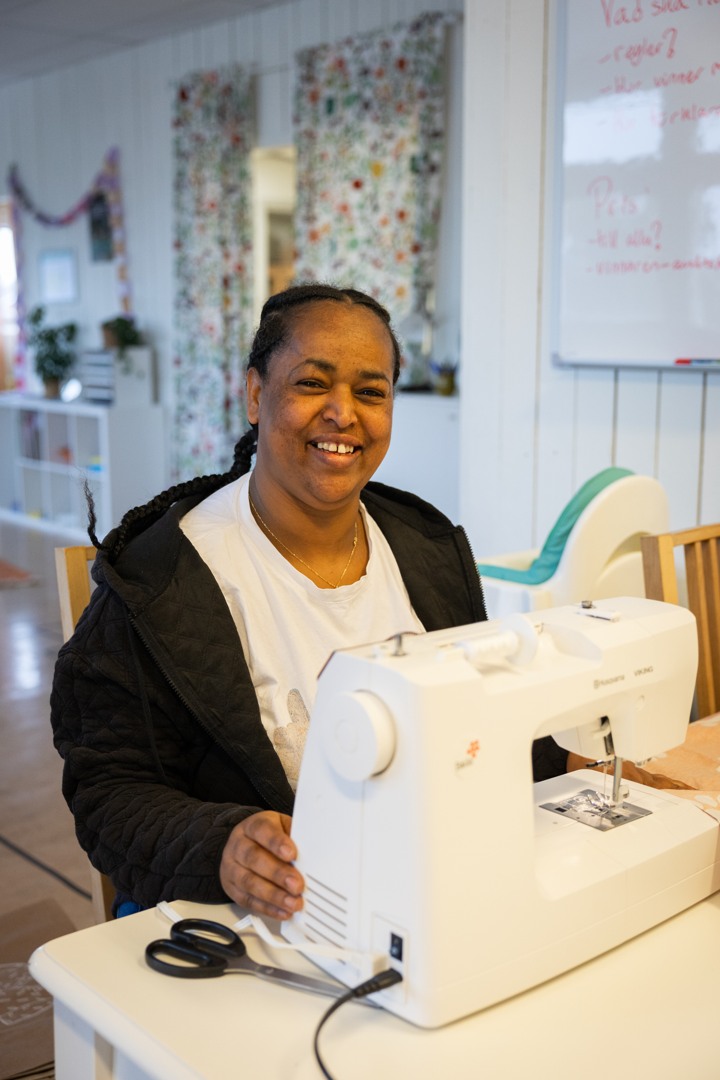
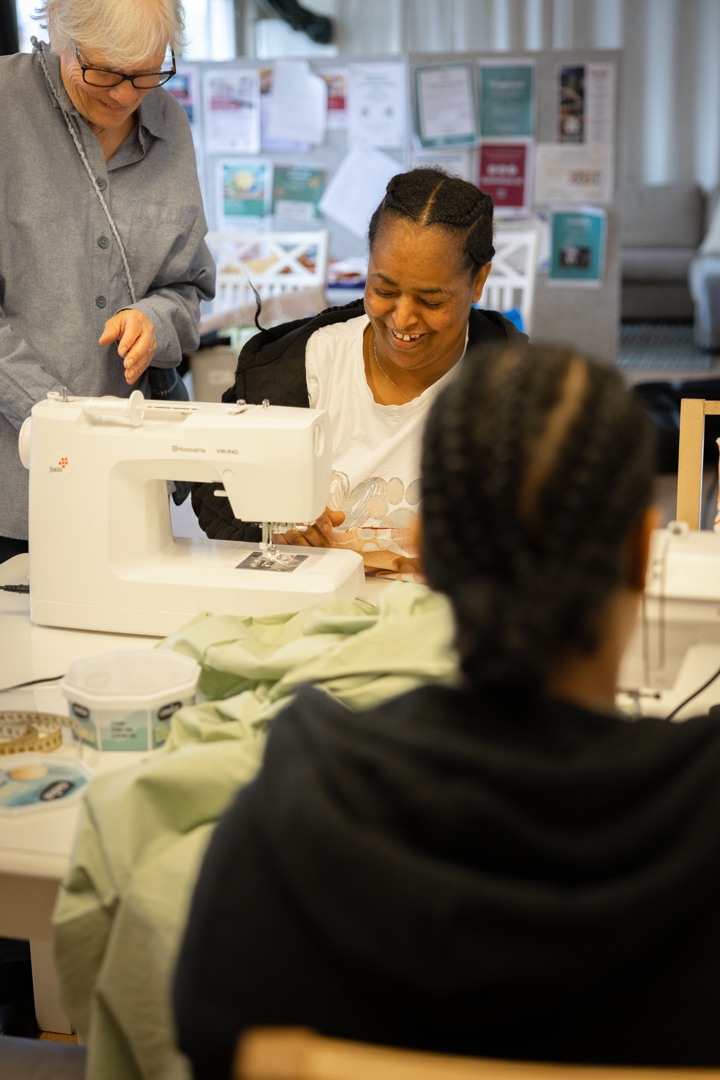
Yirgalem has lived in Sweden for nine years, first in Stockholm , and then Motala. She works at a preschool. At home in her apartment in the Eken neighborhood, she has her family, but she emphasizes how important the sense of community with other parents is. Through Föräldrakraft , she has had the opportunity to share experiences and build new relationships. For Yirgalem, participating in the program has also led to new friendships. She and a few other participants come from the same small village in Eritrea, but it wasn’t until they arrived in Sweden that they got to know one another.
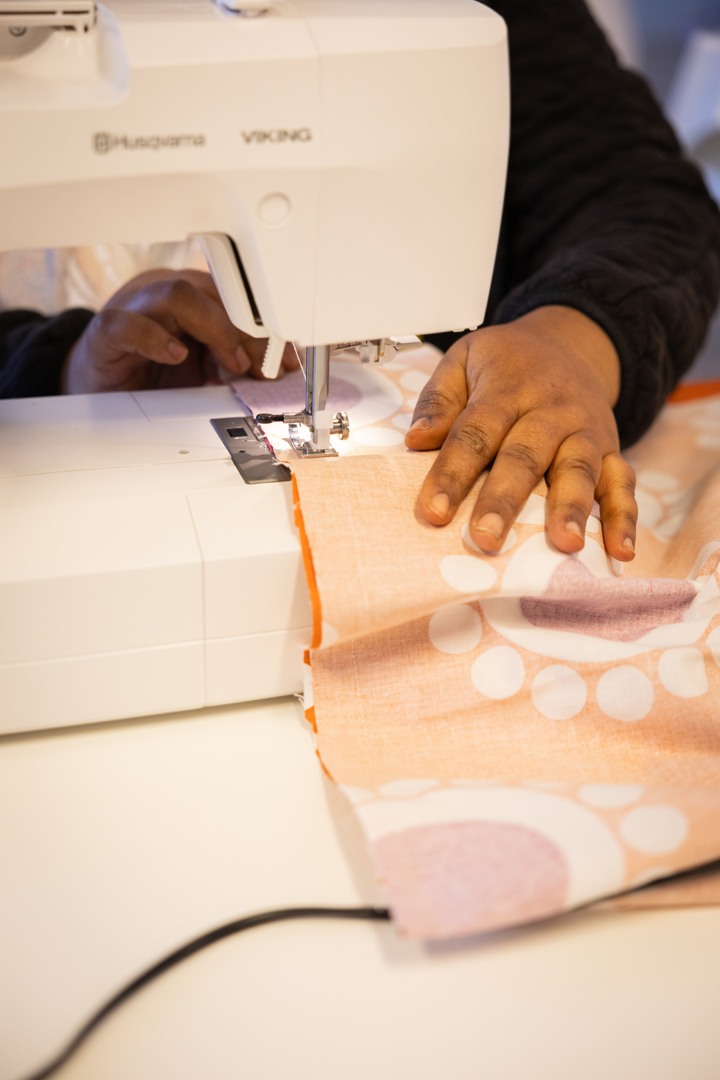
Yirgalem and Mtslal got in touch with Föräldrakraft through other organizations. What first drew them in was the chance to meet others, but the get-togethers have come to mean so much more. In particular, the sewing class and group activities like taco nights and other food exchanges have become moments they look forward to.
“When parents feel more confident in their role, it also has a positive impact on their children. Many have also expressed how helpful it is to have people they can ask for advice and information about, for example, Swedish society,” says Helena Hennings, business developer for “ Föräldrakraft ” at Motala.
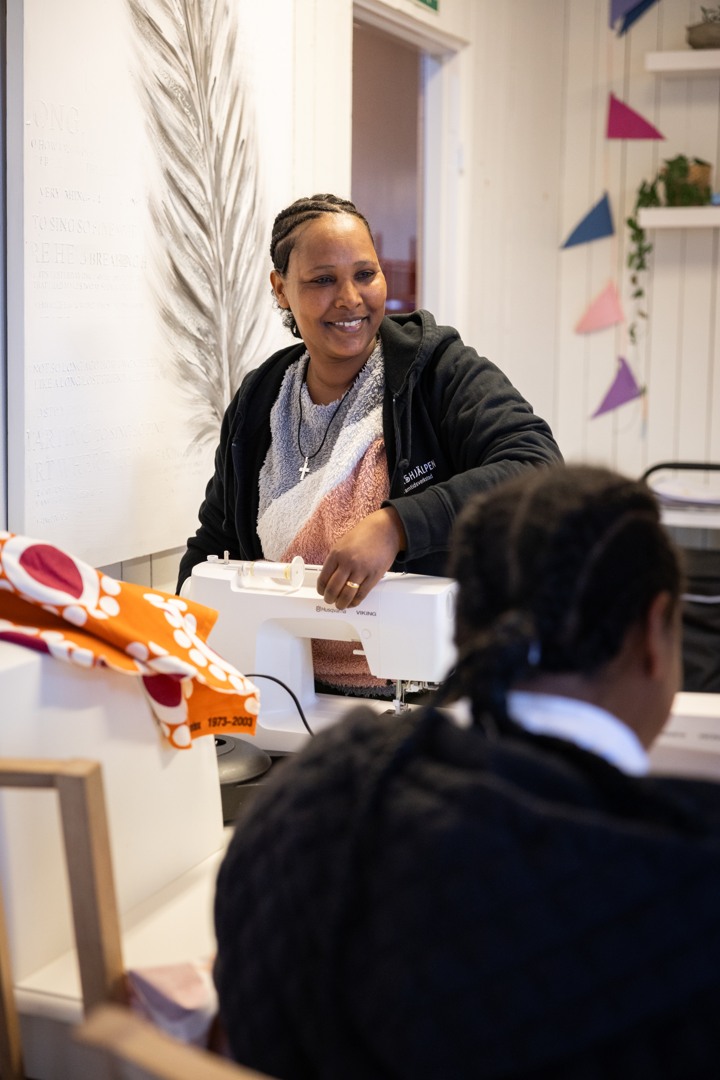

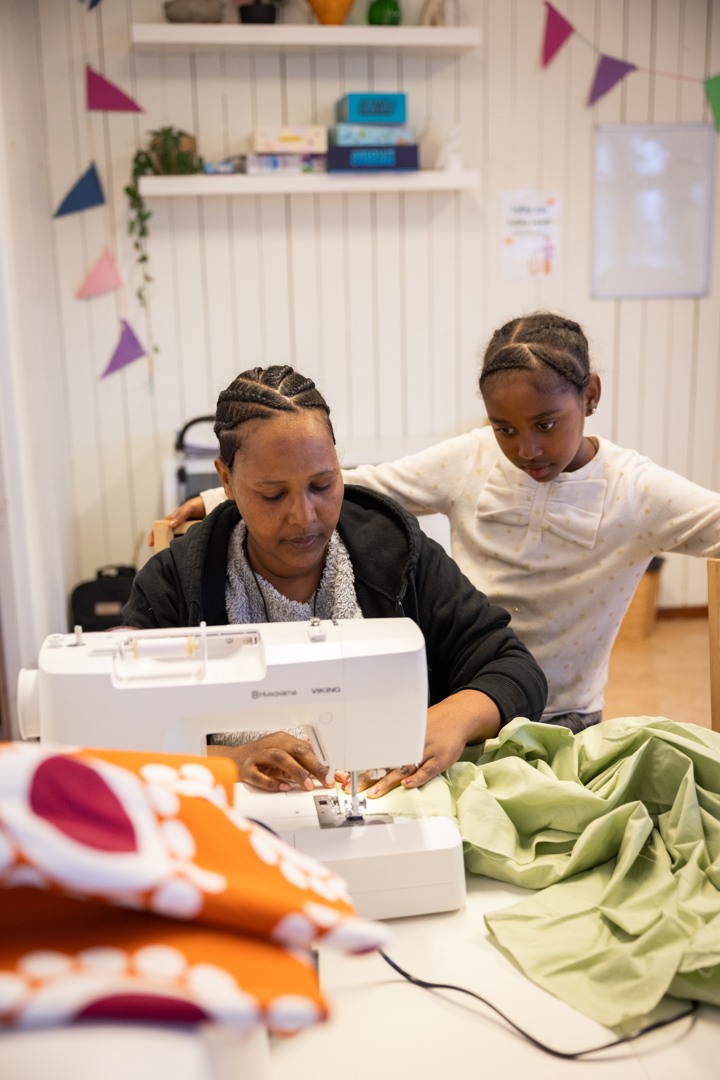
The activities also help strengthen family bonds, and for Yirgalem, they have prompted her to reflect on her own health.
“It’s also made me think about how I’m doing myself,” says Yirgalem. “How I can take care of myself and feel good so that I have the energy to be the parent I want to be.”
Both Mtslal and Yirgalem have high hopes for their children. They hope their children will find a good path in life and avoid falling into bad company and feeling unsafe. And for other parents who are thinking about joining “ Föräldrakraft ,” the message is clear: Just come! Here you’ll find support and a sense of community.
Föräldrakraft is a project within Erikshjälpen's Future Workshop which is funded by the Postcode Lottery . Föräldrakraft is currently available in seven locations in Sweden. The aim is to empower parents so that they can support their children in the challenges they face at school and in life.
Author: Lena Elf
In the space of two years, M’Po went from being a 13-year-old schoolgirl to being married off and pregnant. She was devastated. But when she was allowed to return to school, it felt like she had been given a second chance at life.
– My parents couldn't afford to pay for school.
This is how 16-year-old M’Po Amanvi begins her story. She is sitting in the shade under a mango tree, breastfeeding her six-month-old son, Samuel. They live in northern Benin, in a small village between the larger cities of Parakou and N’Dali. Here, the houses are the same cement-colored hue as the dry earth, and even though it is only early morning, the sun is already high in the sky. M’Po explains that she was 13 years old when her parents could no longer afford the 25 West African francs—about 40 cents—that school lunch cost each day.
– I was so sad when I saw all my friends going to school every day. So my mom thought it would be best for me to get married so I could move out of the house. But I didn’t like that; I wanted to keep learning and find my own path.
Instead of being able to go to school with her friends, M’po was married off to a man from another village.
In rural Benin, arranged child marriages are common; sometimes families even exchange daughters with one another. In the vast majority of cases, the underlying problem is poverty—and in every case, this means that the girls can no longer attend school.
It is difficult to say exactly how many girls are affected. But in N’Dali and Pèrèrè alone—municipalities with around 100,000 residents—Erikshjälpen has ensured that 300 children have had the chance to return to school since 2024.

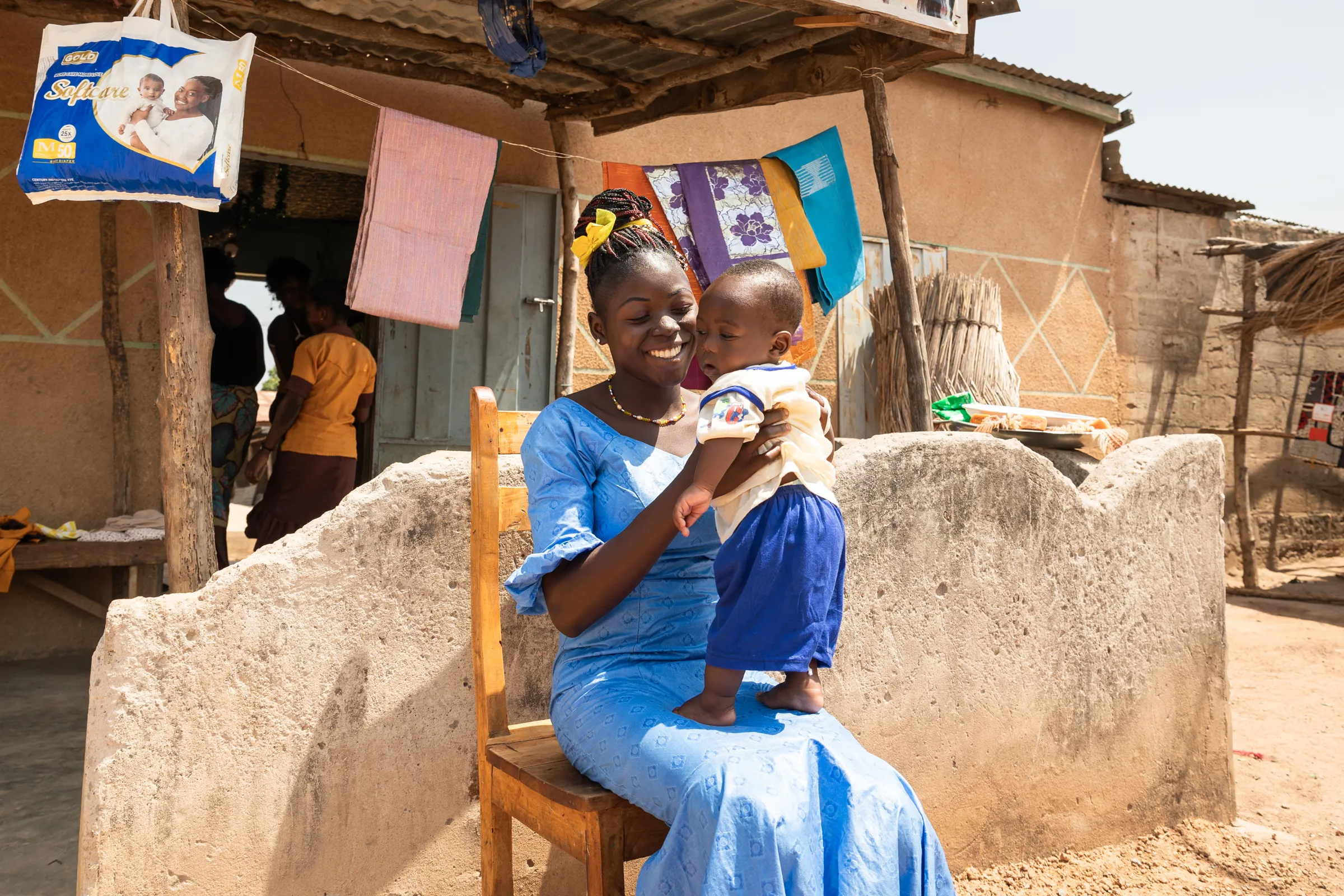
Through an initiative we call Kingdom of Apprentice, older children can train for a trade and then gain hands-on experience through an apprenticeship. For a girl who has been married off, this is crucial, as it breaks her dependence on her husband and gives her the financial independence she needs. For M’Po, it was like getting her life back.
– I was overjoyed when I got a second chance at life. Now I’m learning a skill that will allow me to earn a living in the future.
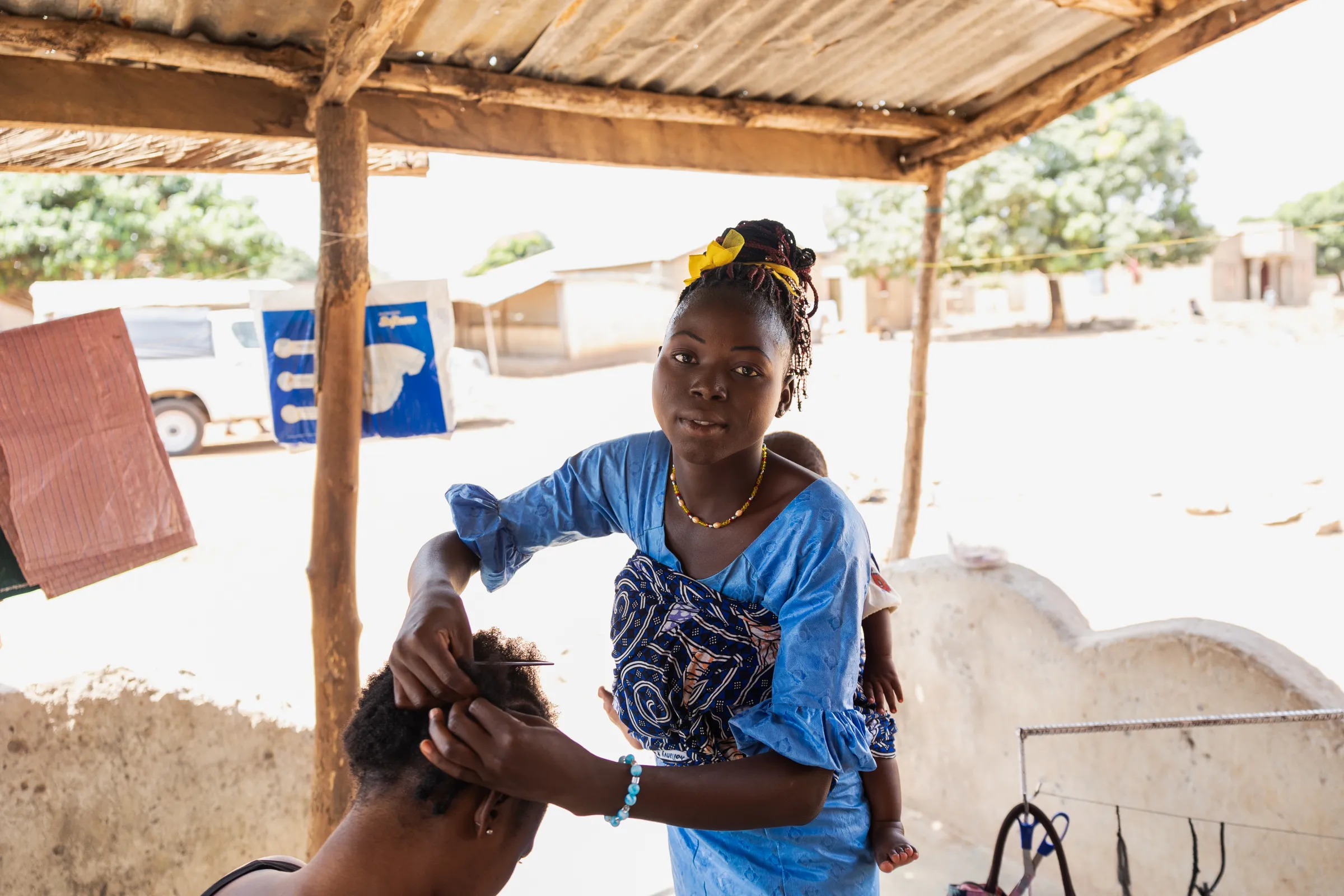
M’po has found new hope. Every morning, she takes a short walk from her home to a small house across from the big mango tree. At the entrance hangs a canvas with sun-faded pictures of hair models and false nails. Inside the salon, it’s cool, and by the time the first customer of the day arrives, M’po has already finished cleaning.
"Maybe," she says, "I can do a client's hair extensions on my own. But if it gets too difficult, I sit next to my supervisor to learn how to do it." On her back, wrapped in a colorful shawl, little Samuel hangs with his legs kicking along his mother's back.
– Thanks to this program, I now see more opportunities in life. The future feels wide open, and I’ve started dreaming again. I want to be able to provide for my son so he can make his own choices in life.


 Listening