Global goals take care of the planet
 Listening
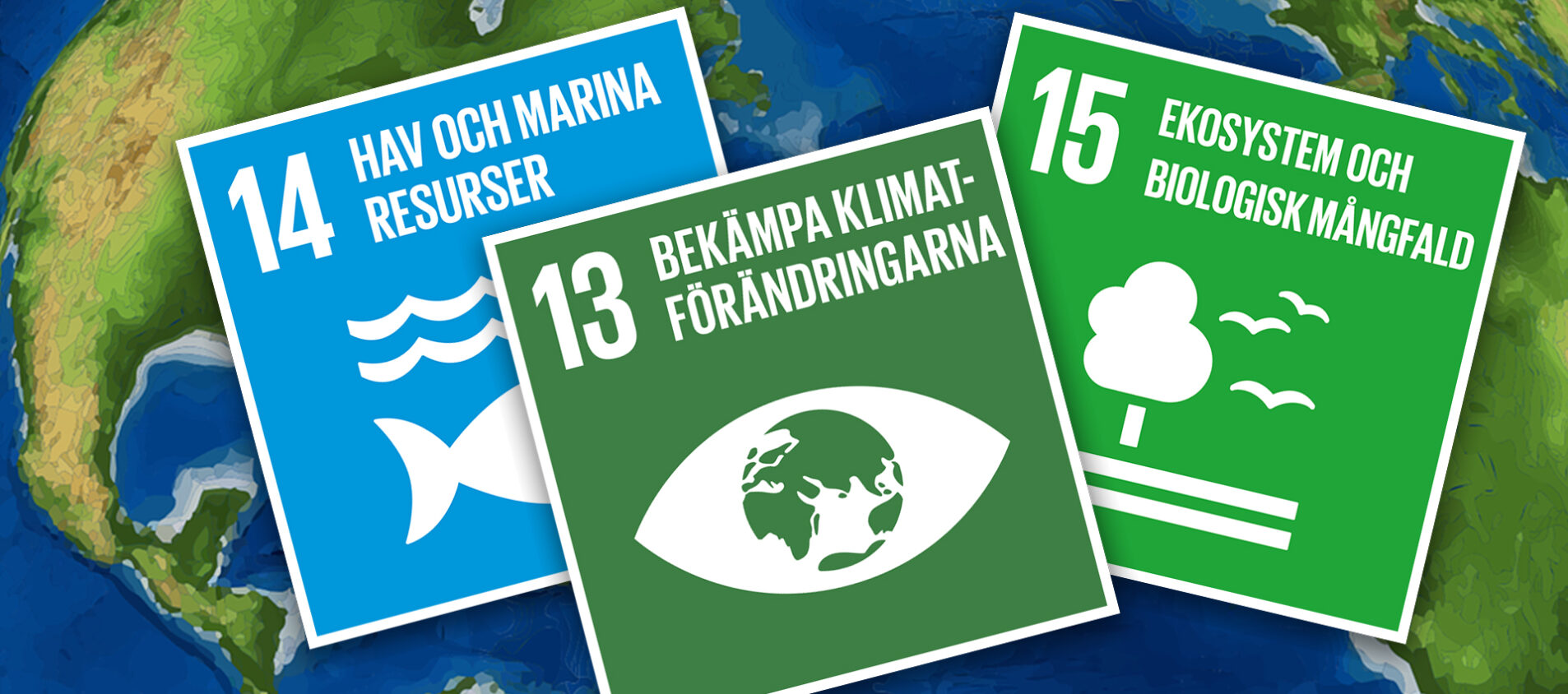
 Here you can read about the three global goals that are most focused on the environment. These are: Combating climate change, Oceans and marine resources, and Ecosystems and biodiversity. Other goals, such as those on water, sustainable consumption and energy, are also clearly about the environment. Below, you can read more about what each goal linked to the environment is about.
Fighting climate change
No one can fight climate change alone. Countries need to take major action on climate in their policies, while society needs to adapt and plan for climate disasters.
The importance of awareness and adaptation
It is important that people know how to take care of the planet and are empowered to do so. This is necessary both to reduce climate change impacts and to live with the changes that have already occurred. However, things are not going well for climate action, as the Earth continues to warm. Despite this, there is hope, and Rafiki shares with children the situation and the progress being made.
Ecosystems on land
On land and in lakes, there are important ecosystems that need to be protected. Preserving species of animals, plants and micro-organisms is crucial to maintaining biodiversity. Many species are at risk of disappearing, and it is important to use forests wisely and prevent desertification. Everyone can contribute to preserving nature for the future.
Protection of the oceans
Caring for the oceans and marine resources is crucial for the planet's ecosystems. Pollution such as toxins and plastics threaten the oceans, and sustainable fisheries, clean seas and protected coastal areas are important milestones to protect these environments.
Sub-targets for ecosystems
- Caring for ecosystems on land and in freshwater.
- Protect forests and ensure sustainable forest management.
- Protect biodiversity and natural habitats.
Global health affects children's rights
Children's rights are affected by how we care for the Earth. When nature is destroyed, children's right to life and development is threatened in many ways. Climate change can lead to storms, floods and droughts, which have a negative impact on schools, children's health and families' finances. Sometimes families are forced to move because of environmental changes, making it more difficult to provide safety and protection for children. Another example is overfishing, which can affect families living from fishing.
To ensure children's right to life and development, the Earth must be developed in a way that is good for both people and the environment, now and in the future.
Different amounts of clean water for everyone
Access to clean water varies depending on where you live and your economic circumstances. The amount of clean water available also depends on the local nature and climate.
Clean water and sanitation
Access to clean water is a human right and a prerequisite for life and development, according to the Convention on the Rights of the Child. In the SDGs, the right to clean water is goal number 6. Although 7 out of 10 people have access to clean water, 785 million people still lack it.
By focusing on these important aspects and integrating them into our actions, we can all contribute to caring for the planet and ensuring a sustainable future for generations to come.
Not everyone has a toilet
The clean water target also includes sanitation and hygiene, i.e. access to toilets and washing facilities. One in three people in the world do not have access to a toilet and around three billion people cannot wash with soap and water at home.
More people have clean water
The world is working together to ensure more people have access to clean water and sanitation, even though most of those who lack it live in poor countries. Every year, more people gain access to clean water and sanitation, which is a matter of justice.
Some intermediate targets for water:
- Sewers must be safe and treatment must be improved. It's not just about treating dishwater, but also the chemicals and debris that go down the drain.
- Protecting water sources and using water efficiently. Working together to manage the Earth's water resources.
- International cooperation is needed to help with water and sanitation in poor countries.
This text was originally published on January 1, 2021.
Published: 04 May 2023