Elias dreams of a future where all children can go to school
 Listening
When the rain doesn't come and there isn't enough food, 11-year-old Elias is affected both at home and at school. Hunger makes it hard for him to concentrate, and he loses the energy to play. But thanks to her newfound knowledge of farming, his mother, Mary, has more ways to provide food for the family.
Elias Wario Dida lives with his parents, two brothers, and three sisters in a pink and green house in the village of Golole, in northern Kenya. He is in fifth grade, and in his free time he enjoys playing with his friends and siblings. At home, he helps take care of the family’s animals and crops.

Mom Mary Dida gives Elias Wario Dida a " hug." Photo: Annika Fransson Wetter

Elias is standing in the doorway of his family's home in Golole, in the Marsabit region of northern Kenya. Photo: Annika Fransson Wetter.
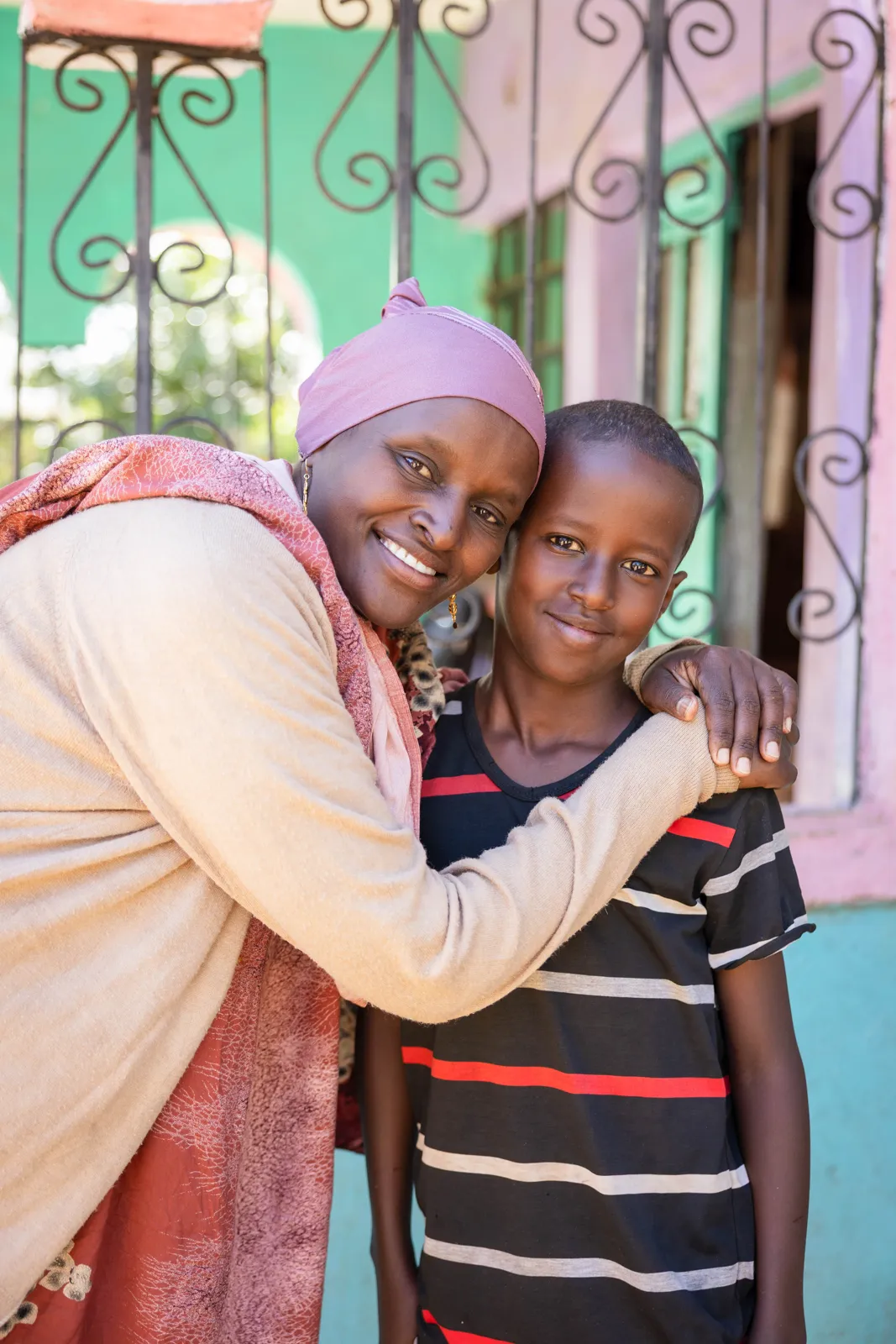
Mom Mary Dida gives Elias Wario Dida a " hug." Photo: Annika Fransson Wetter
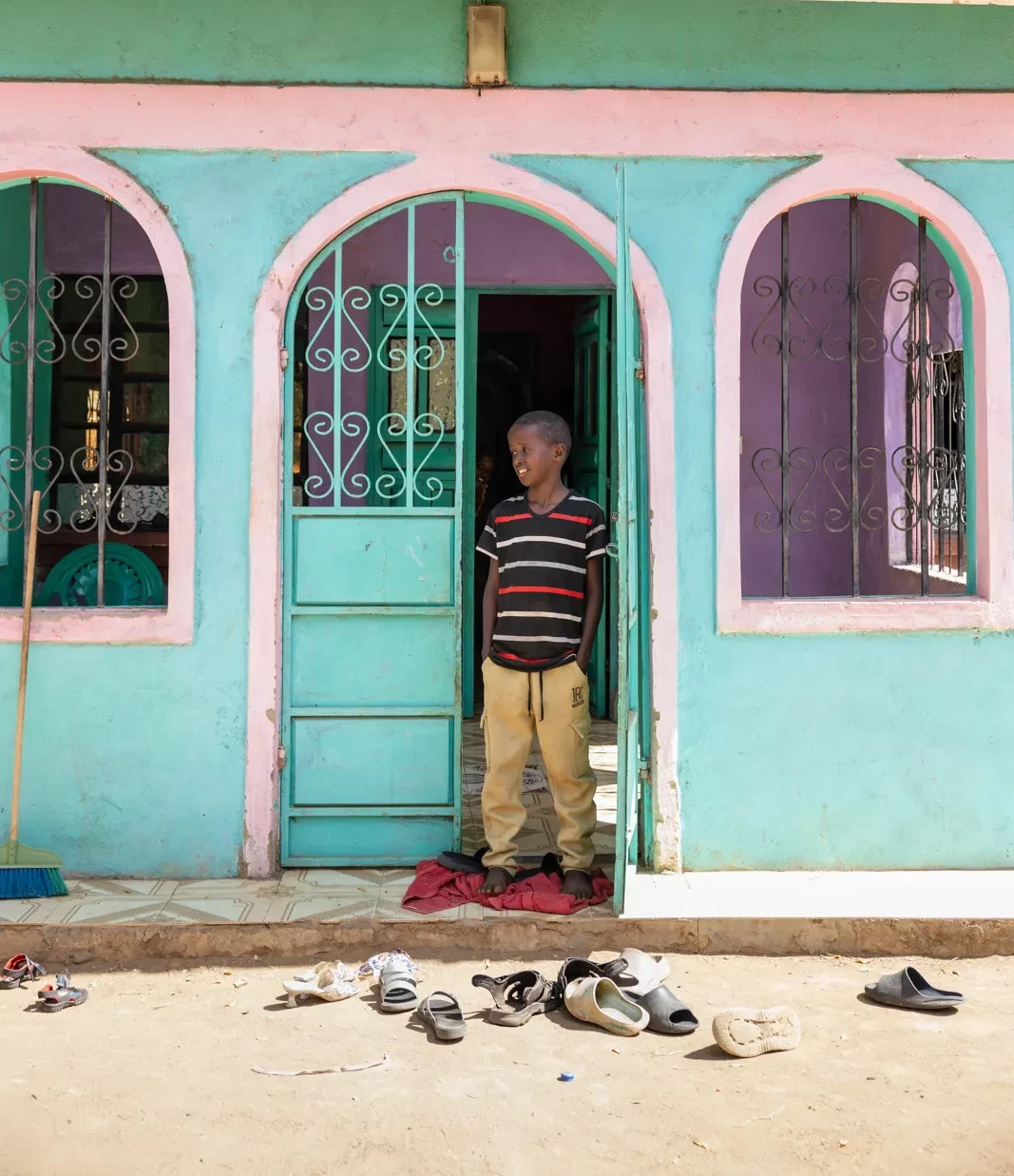
Elias is standing in the doorway of his family's home in Golole, in the Marsabit region of northern Kenya. Photo: Annika Fransson Wetter.
The family has goats, camels, cows, sheep, and chickens. When the rains come, they grow corn and beans, which end up on the table. The farm also has a small vegetable garden where they grow tomatoes, chili peppers, and bananas, among other things. But during the dry season, there isn’t always enough food.
“Sometimes that means we don’t get any dinner. In the morning, I feel hungry,” says Elias.
Hunger affects his entire school day. It’s hard for him to pay attention to the teacher, and sometimes he feels dizzy. During recess, he doesn’t always have the energy to play, either.
“We’re feeling down. No one is smiling or laughing. Not even the little kids are happy,” says Elias.
We feel down. No one is smiling or laughing. Not even the little kids are happy.

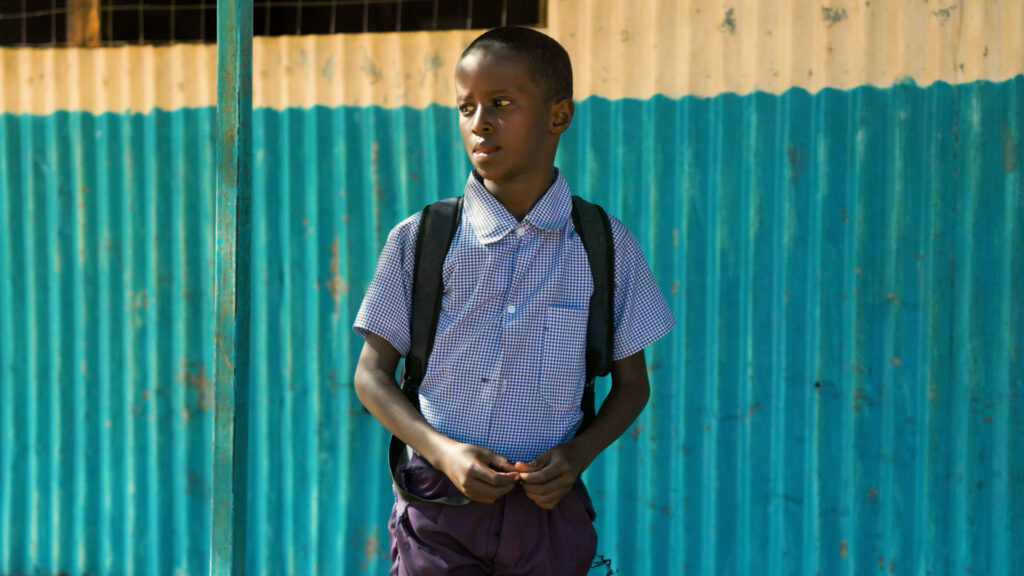
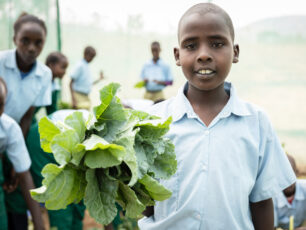
Elias outside Mwangaza Academy School. Photo: Annika Fransson Wetter

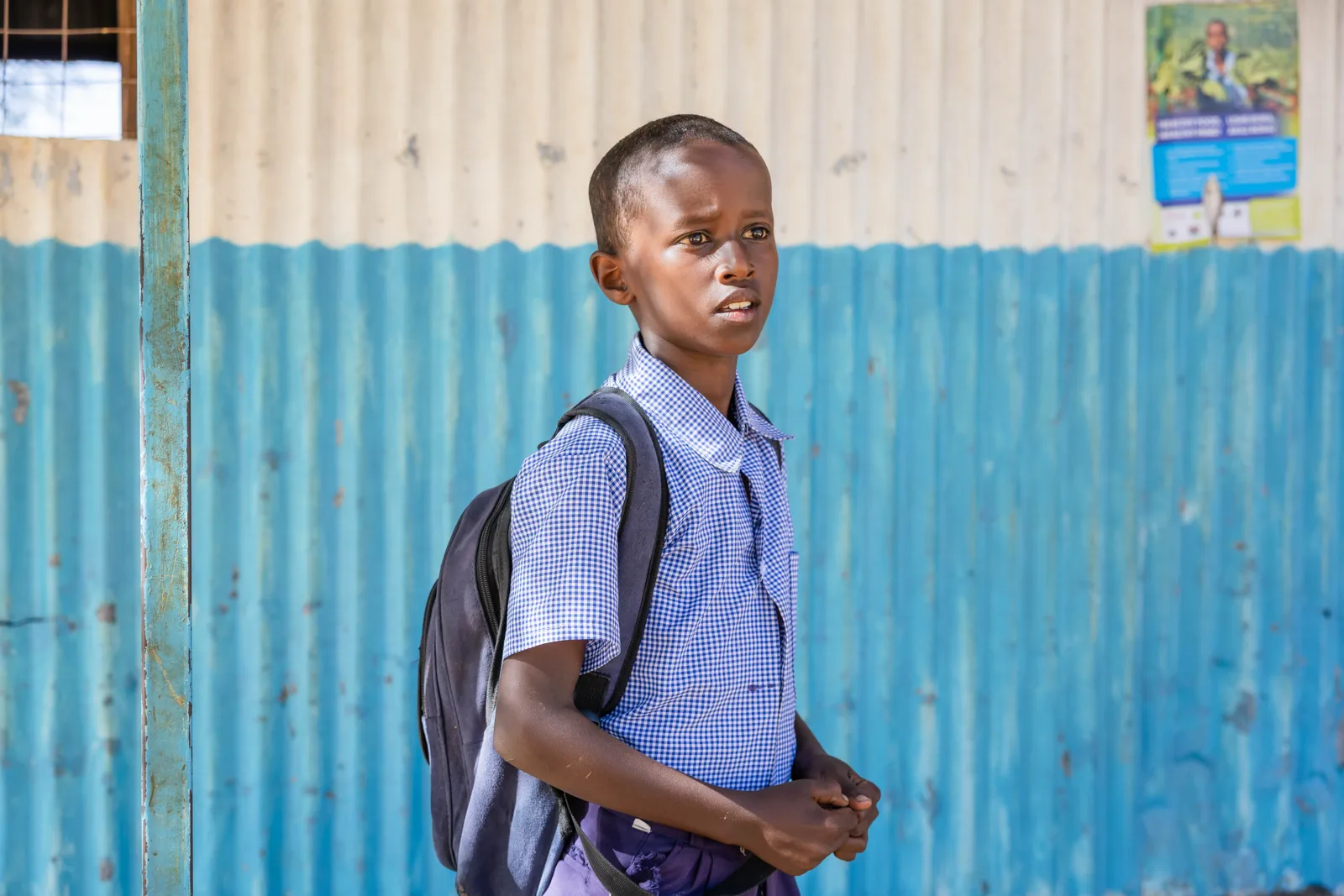
Elias on his way to class today at Mwangaza Academy School. Photo: Annika Fransson Wetter
Elias outside Mwangaza Academy School. Photo: Annika Fransson Wetter
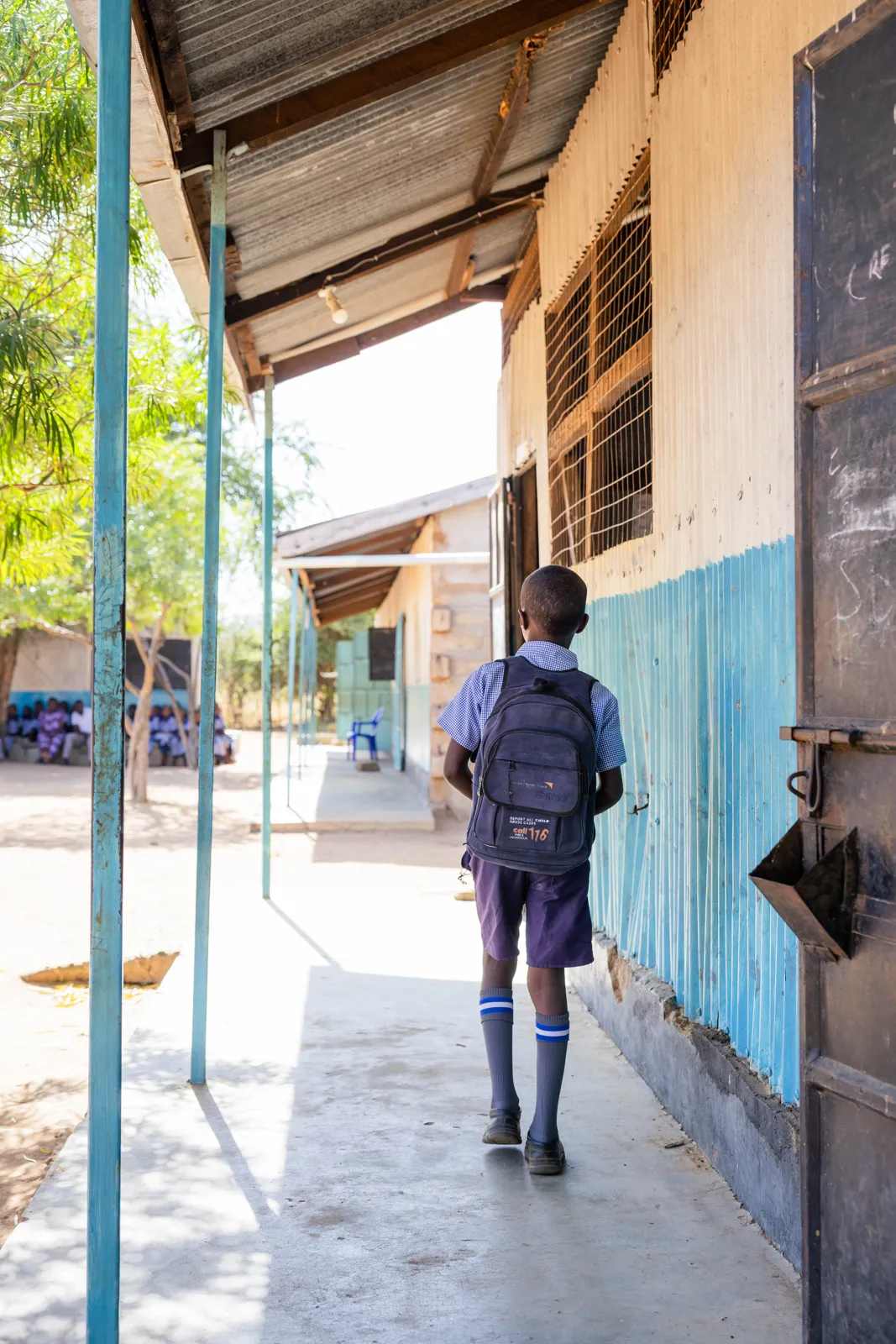
Elias on his way to class today at Mwangaza Academy School. Photo: Annika Fransson Wetter
When the rain doesn't come, water also becomes scarce. The family gets up early to fetch water, but there are many people to share what little there is. Sometimes there isn't enough for people, animals, and crops.

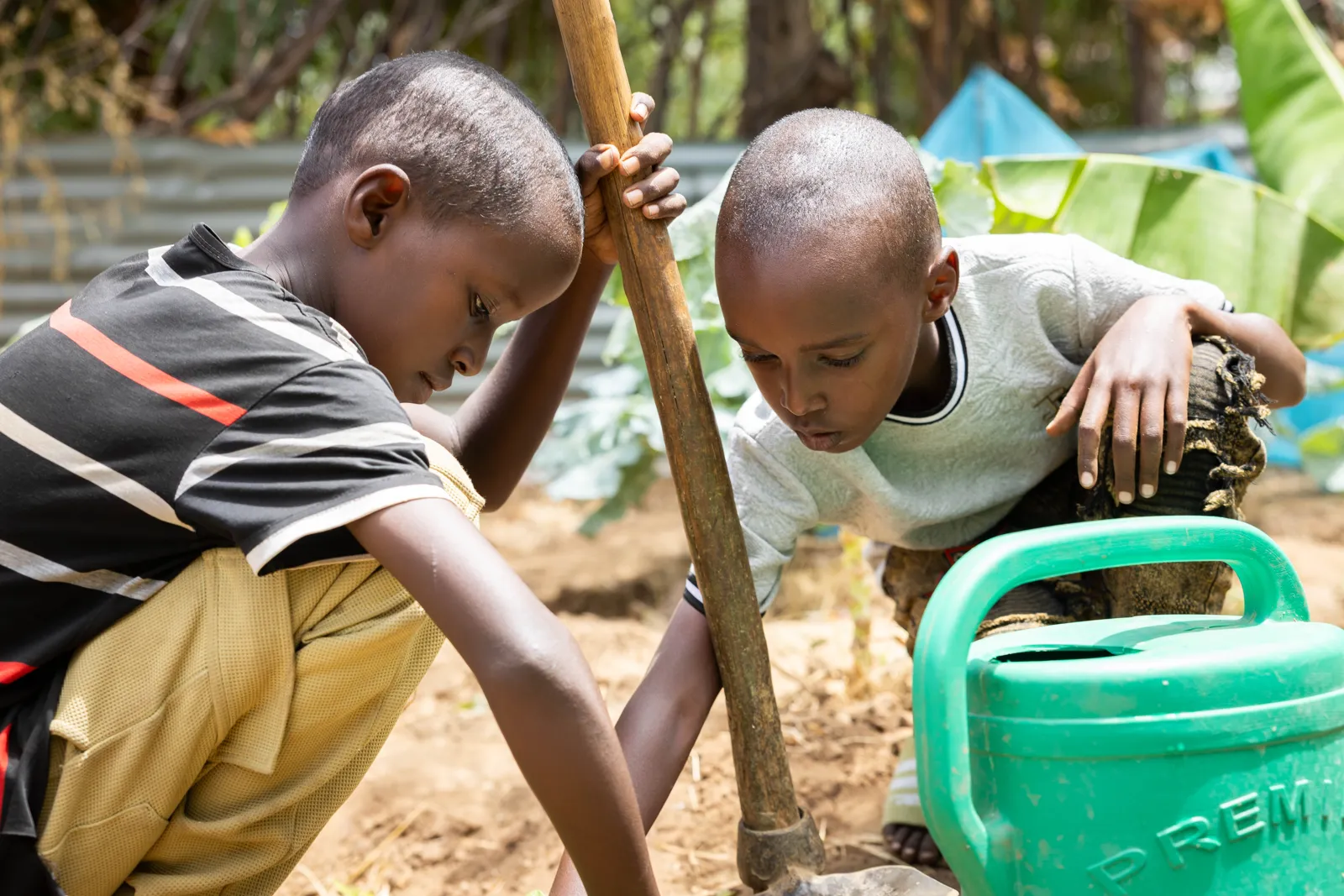
Elias Wario Dida and his cousin Samuel Jaldeza are loosening the soil in the Dida family’s garden so that water can reach the roots more easily. Photo: Annika Fransson Wetter

Elias is milking one of the family's goats. It is his responsibility to take care of and milk the goats. Photo: Annika Fransson Wetter
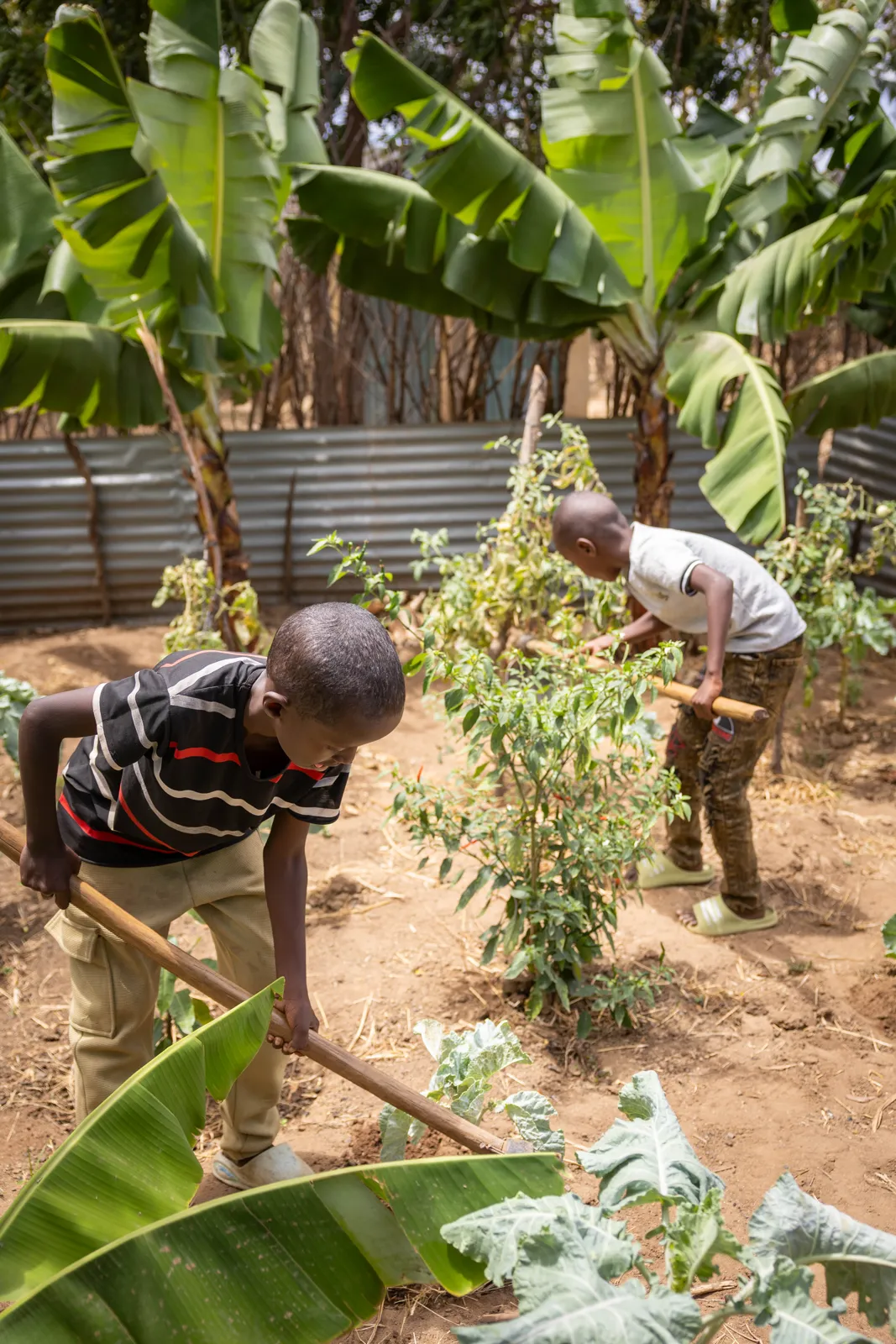
Elias Wario Dida and his cousin Samuel Jaldeza are loosening the soil in the Dida family’s garden so that water can reach the roots more easily. Photo: Annika Fransson Wetter
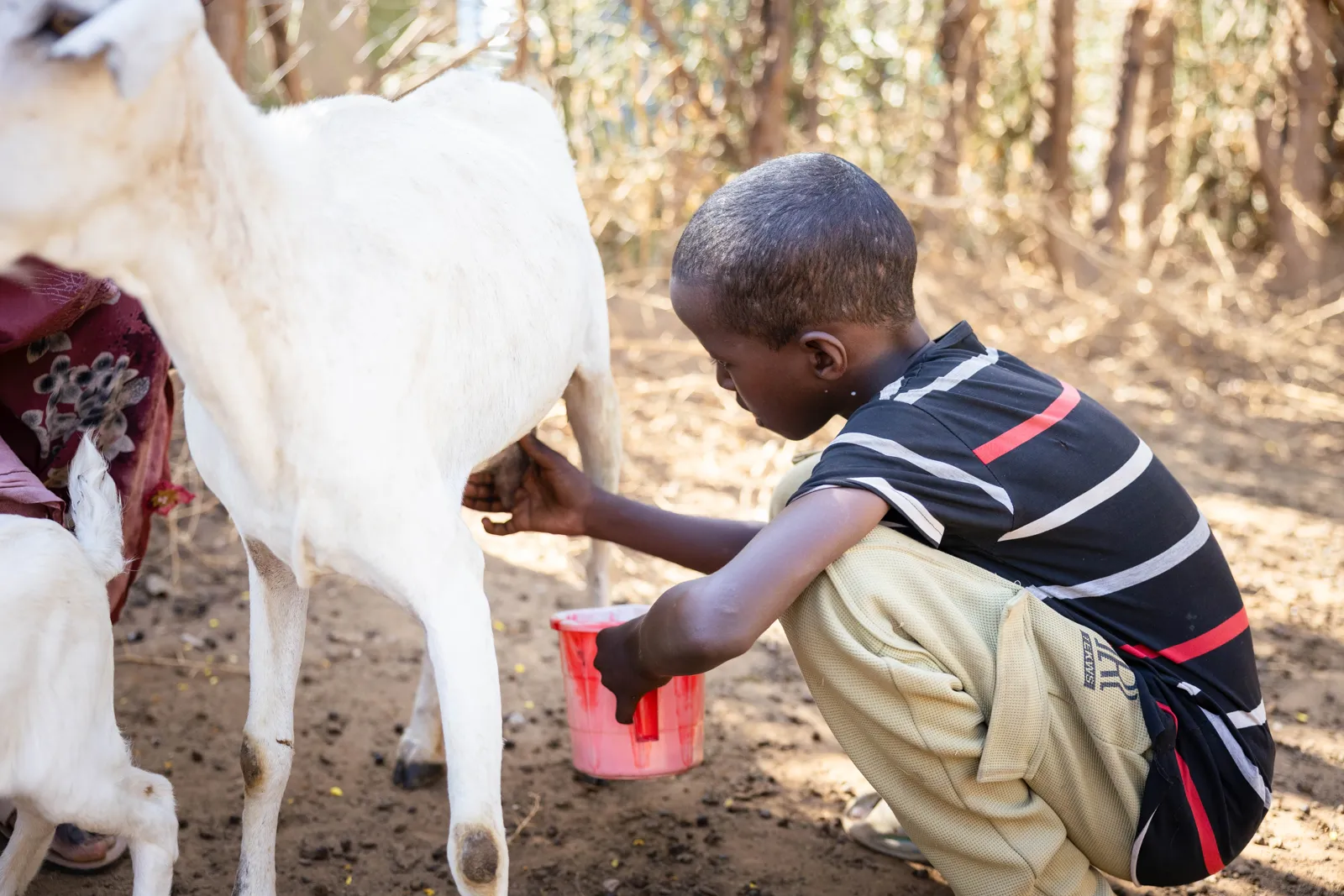
Elias is milking one of the family's goats. It is his responsibility to take care of and milk the goats. Photo: Annika Fransson Wetter
Elias's mother, Mary Diba, has lived in the village for twenty years, and her days are filled with work. She prepares breakfast, helps the children get ready for school, takes care of the animals, works in her store, and fetches water for the home and the garden.
Thanks to support from Erikshjälpen, Mary has gained new knowledge about farming and how families can prepare for the dry seasons.
“It’s always been dry here, but I didn’t know how to farm before. Through the training programs, I’ve learned a lot, and now I farm so I can provide food for my family,” Mary says.
Through these training programs, I've learned a lot, and now I grow crops so I can provide food for my family

Mary Dida is harvesting sukuma in her family's garden. Sukuma is a common variety of cabbage in Kenya. Photo: Annika Fransson Wetter

Mary Dida is preparing today's dinner. Photo: Annika Fransson Wetter
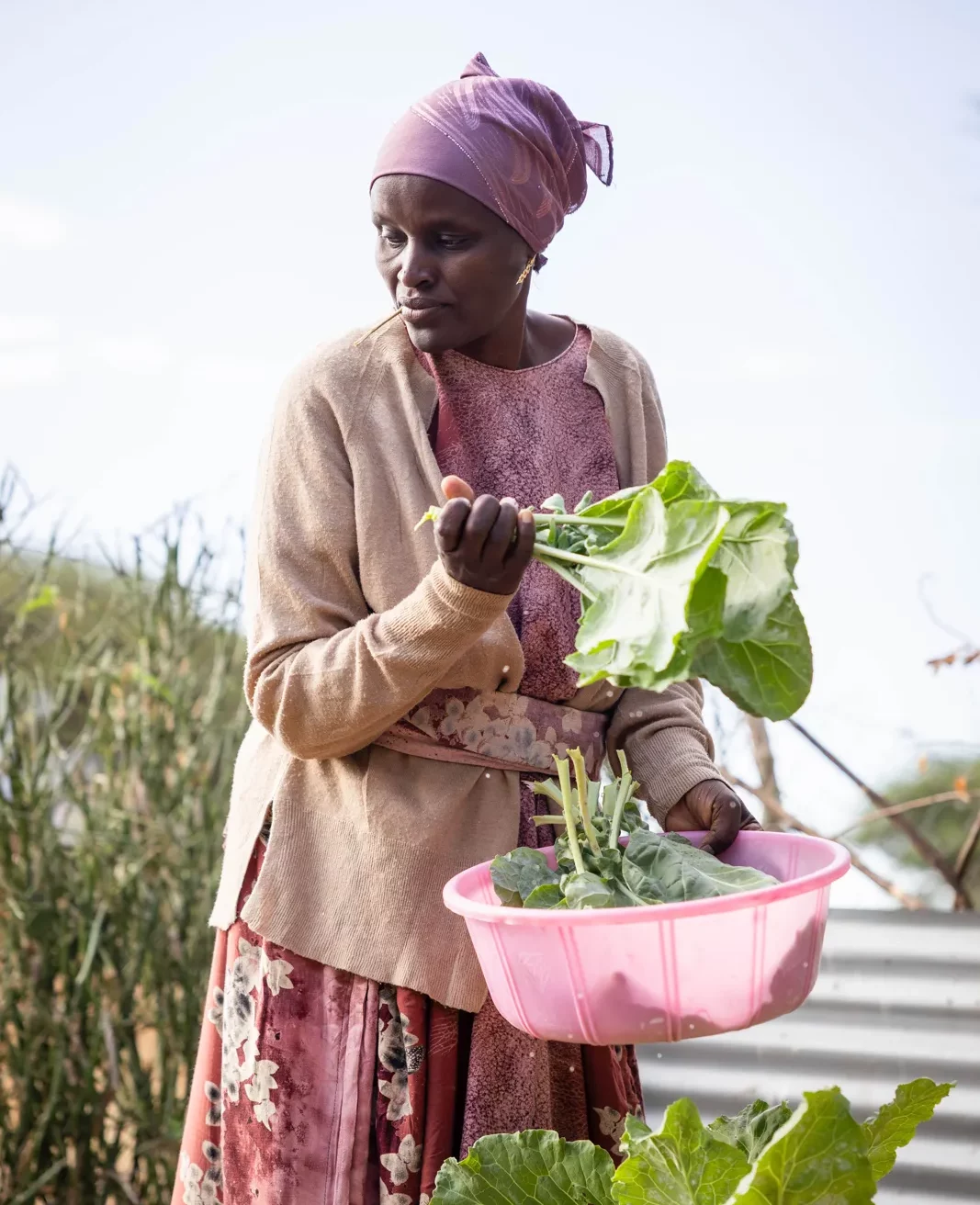
Mary Dida is harvesting sukuma in her family's garden. Sukuma is a common variety of cabbage in Kenya. Photo: Annika Fransson Wetter
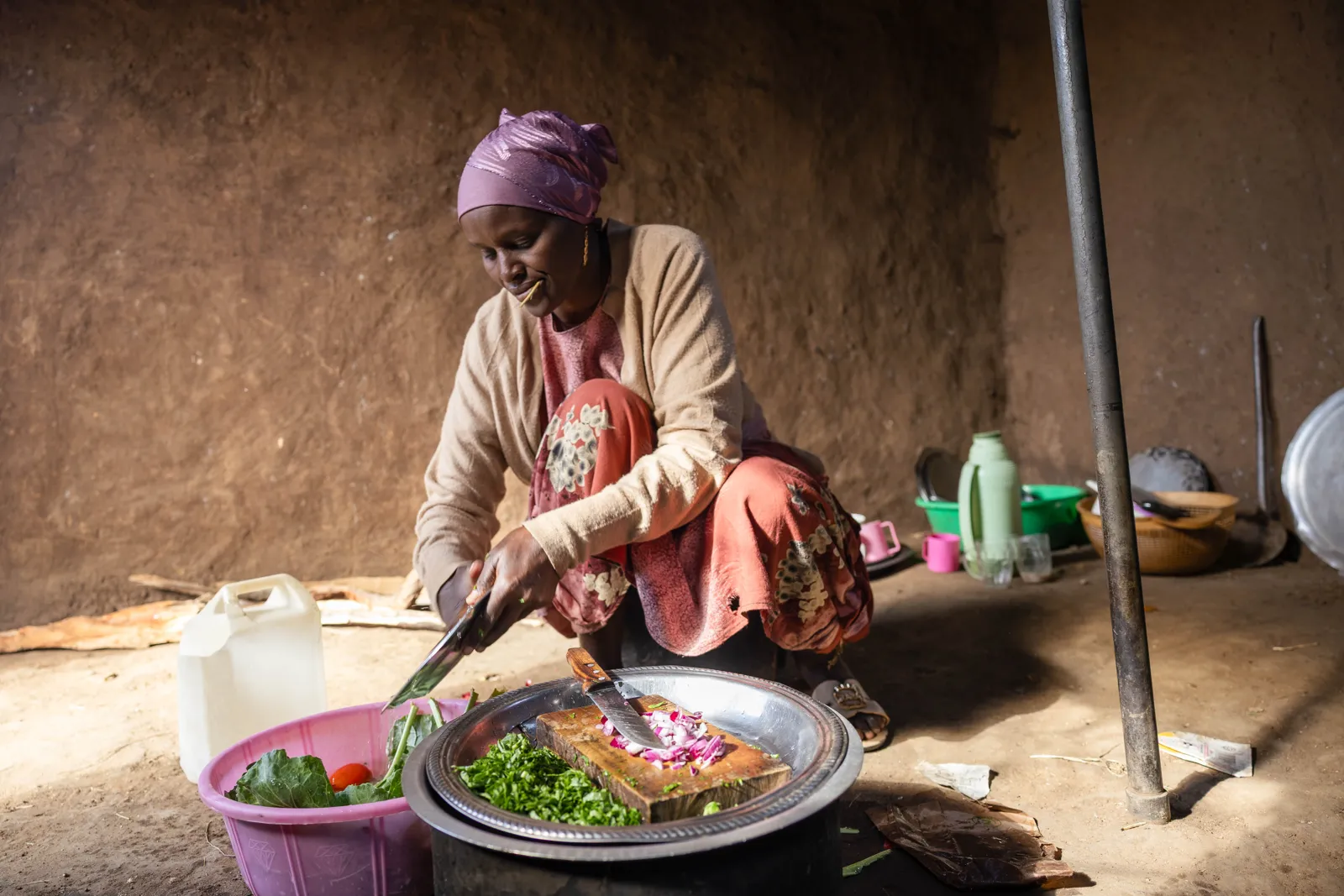
Mary Dida is preparing today's dinner. Photo: Annika Fransson Wetter
This knowledge gives Mary new opportunities to provide for her family, even when the rain doesn’t come. Now she dreams of expanding her garden with lemon and mango trees and more vegetables. She wants not only to be able to feed her family, but also to have the chance to share with others in the village.
For Elias, the future is about something else. He wants more children to have the opportunity to go to school and learn new things.
“When I grow up, I want to be a teacher. I want to make sure everyone has the chance to learn and gain knowledge. I also want to help children who aren’t in school to start going,” says Elias.


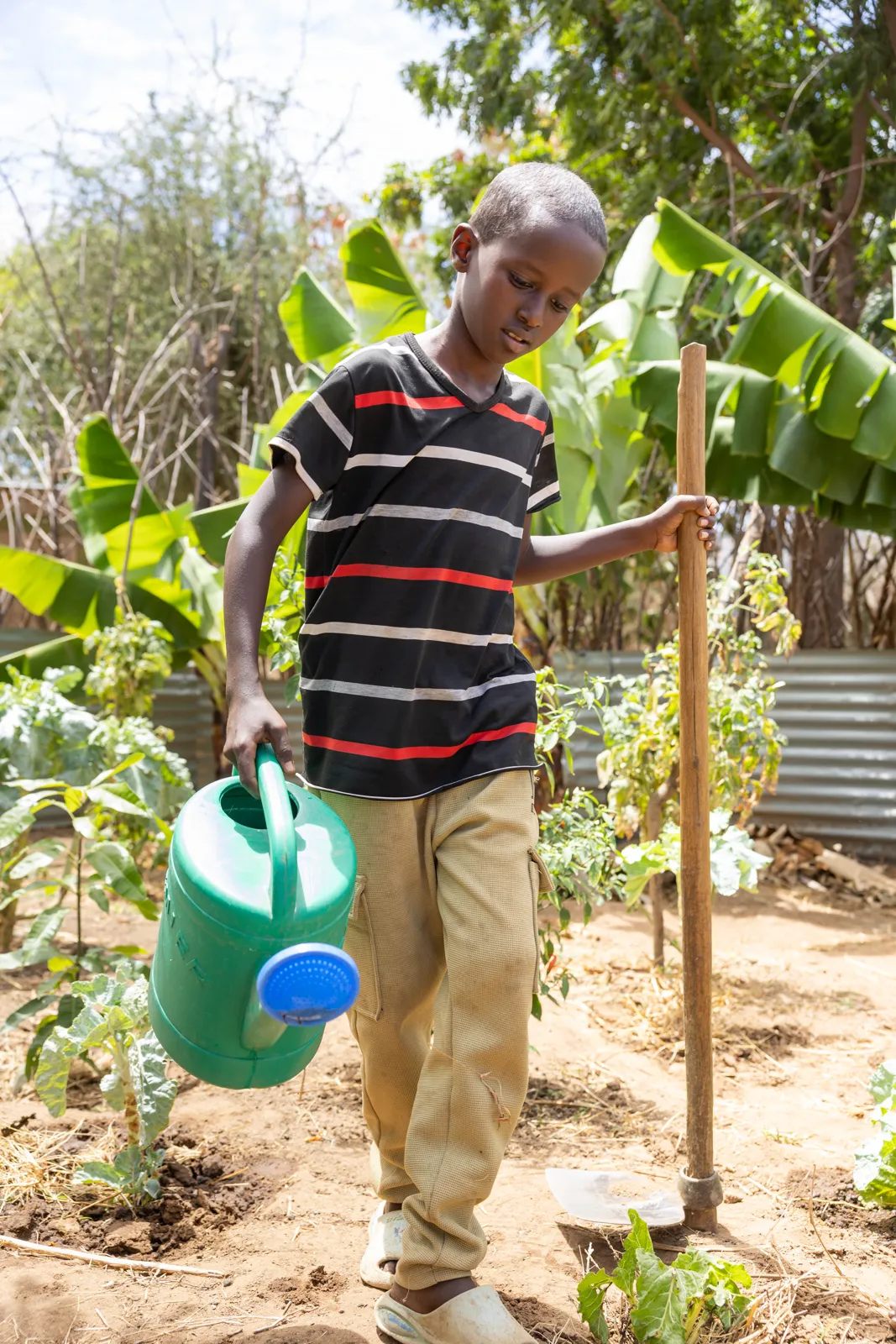
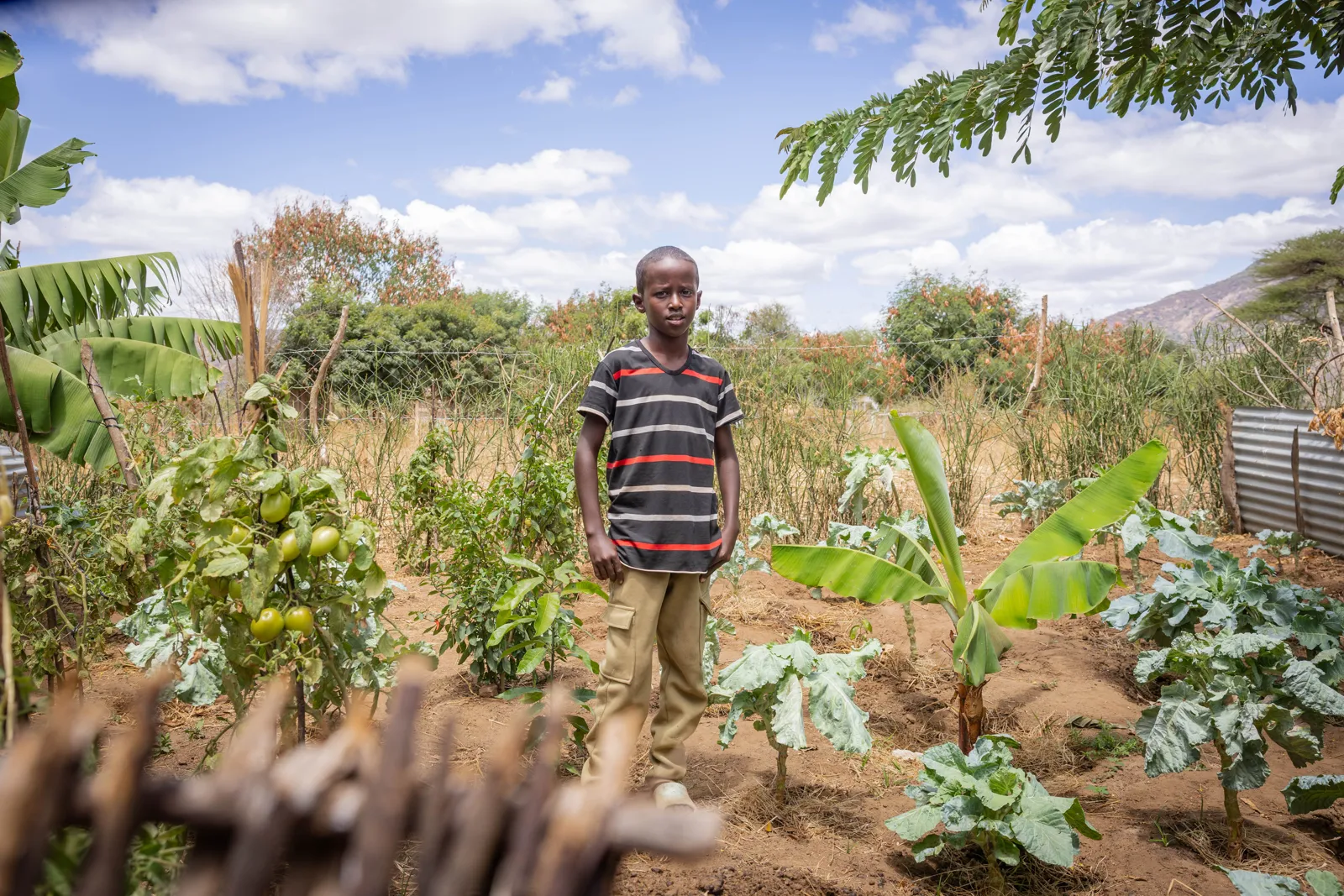
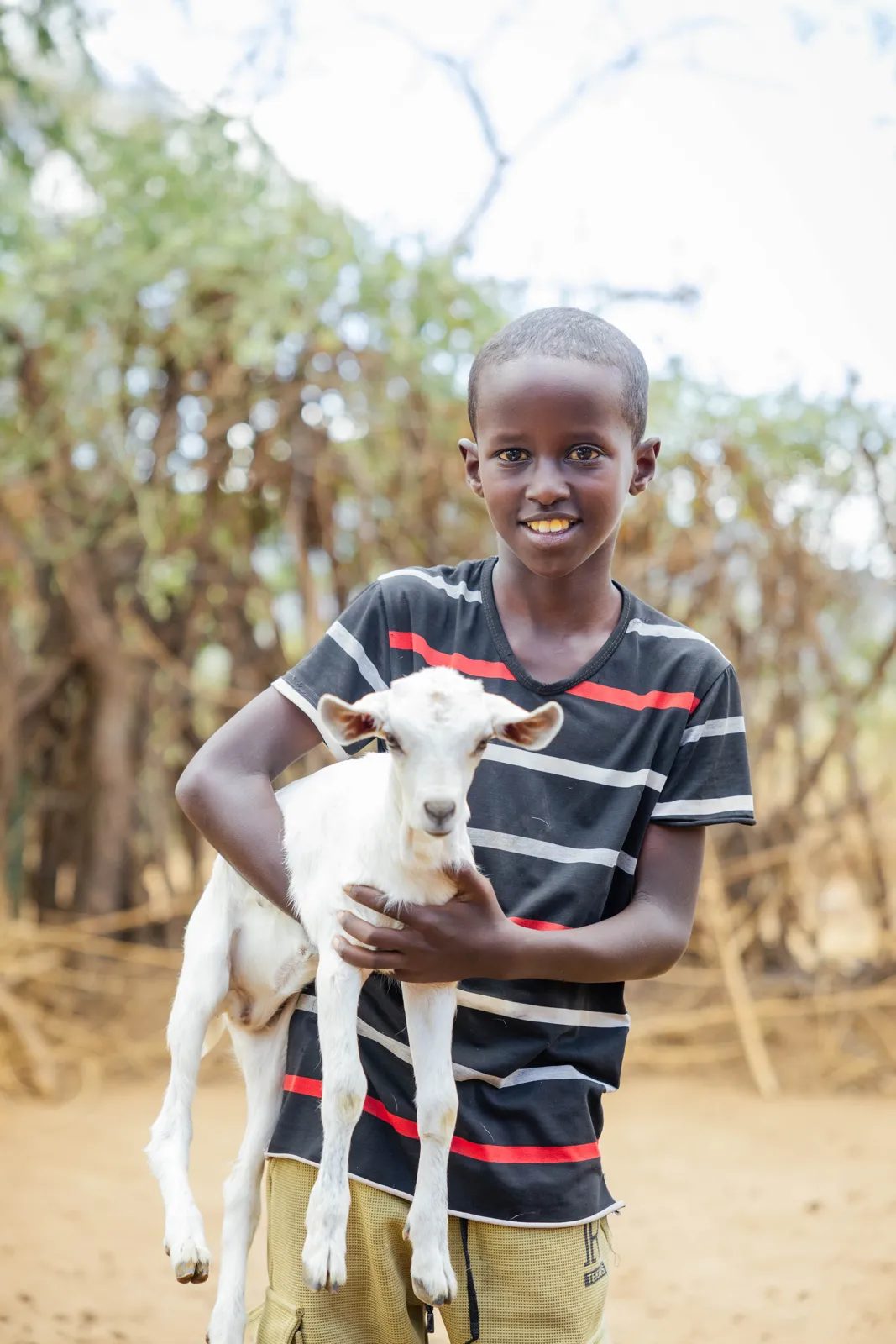
When I grow up, I want to be a teacher. I want to make sure that everyone has the opportunity to learn and gain knowledge.
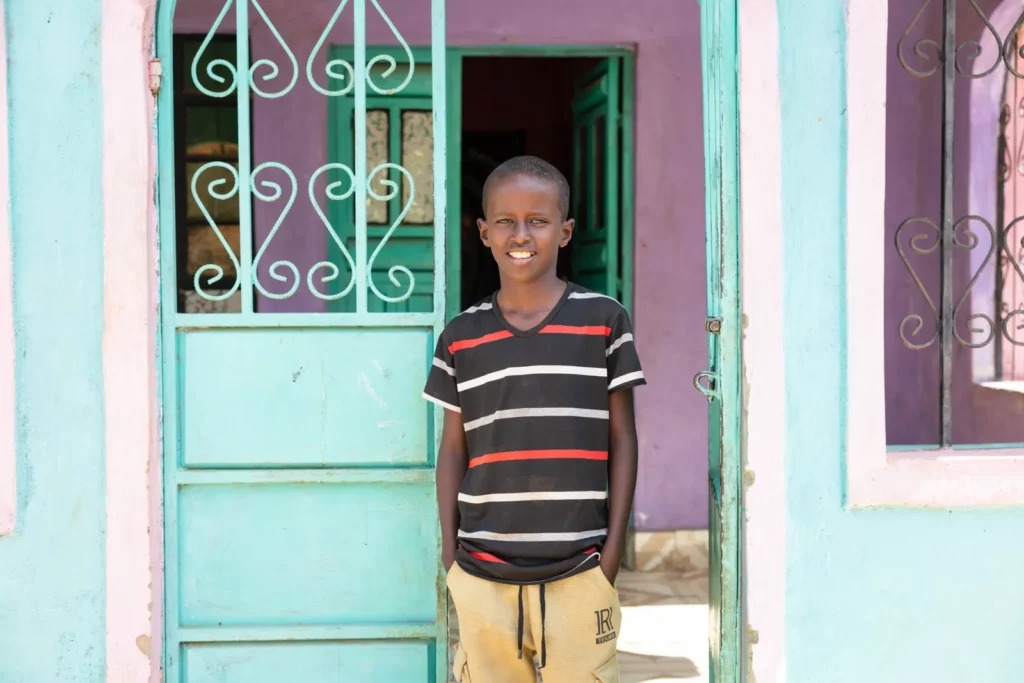
Elias Wario Dida. Photo: Annika Fransson Wetter
Join us and contribute
Give a gift that satisfies hunger
Give a Christmas gift and help ensure that more children like Elias have access to nutritious food. Give a Christmas gift that satisfies hunger.

Swisha a Christmas gift
900 92 83

Author: Martina Bohl
Published: 03 November 2026