Suwari's entrepreneurship provides children with nutritious food
Mommy Suwari wants toe to do something on her own to to change the situation for herself and her children. With the support of Erikshjälpen, she was able to open a small kiosk that not only provides the family with income - it also puts food on the table.
It is in the small village of Korr with just over 4,000 inhabitants that 38-year-old Suwari Eisimlukhumulhaw lives with her eight children. She is involved in the local community through several different initiatives that Erikshjälpen supports and has, among other things, taken a course on entrepreneurship and personal finance.
- We were taught how to save and invest, and I decided to put aside 100 Kenyan shillings (about 10 Swedish kronor (SEK)) every week. I have since used that money to open a small kiosk," she says.
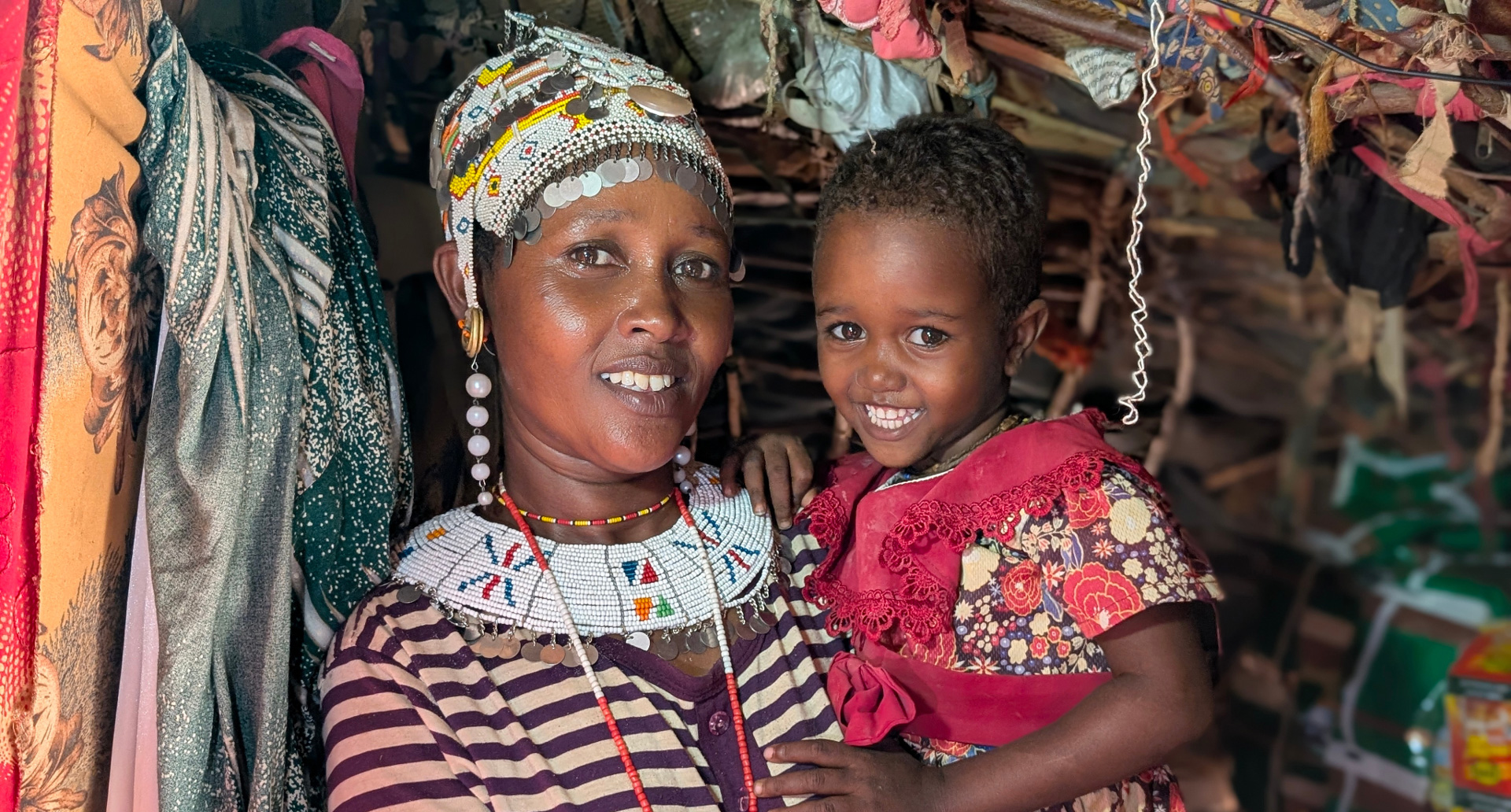
Photo: Teddy Alwala
Photo: Teddy Alwala
I decided to put aside 100 Kenyan shillings every week. I have since used that money to open a small kiosk," she says.
The vast majority of people in northern Kenya make a living from livestock or agriculture and are used to droughts striking every year. But due to climate change, droughts have become longer and there is no time for recovery. Livestock die, crops fail and incomes are lost.
Right now, the food shortage is so severe that one in five children in northern Kenya - one in three children in some areas - is at risk of acute malnutrition. Erikshjälpen's work on the ground is long-term and aims to enable families to maintain their income or find new livelihood opportunities.
Through the support of Erikshjälpen - and a lot of entrepreneurship - Suwari has found a way to both support the family and put food on the table.
- We used to have to walk six kilometers to buy soap or sugar, but now people call my kiosk the wholesaler of the whole village," Suwari says, laughing.
We used to have to walk six kilometers to buy soap or sugar, but now people call my kiosk the village wholesaler.
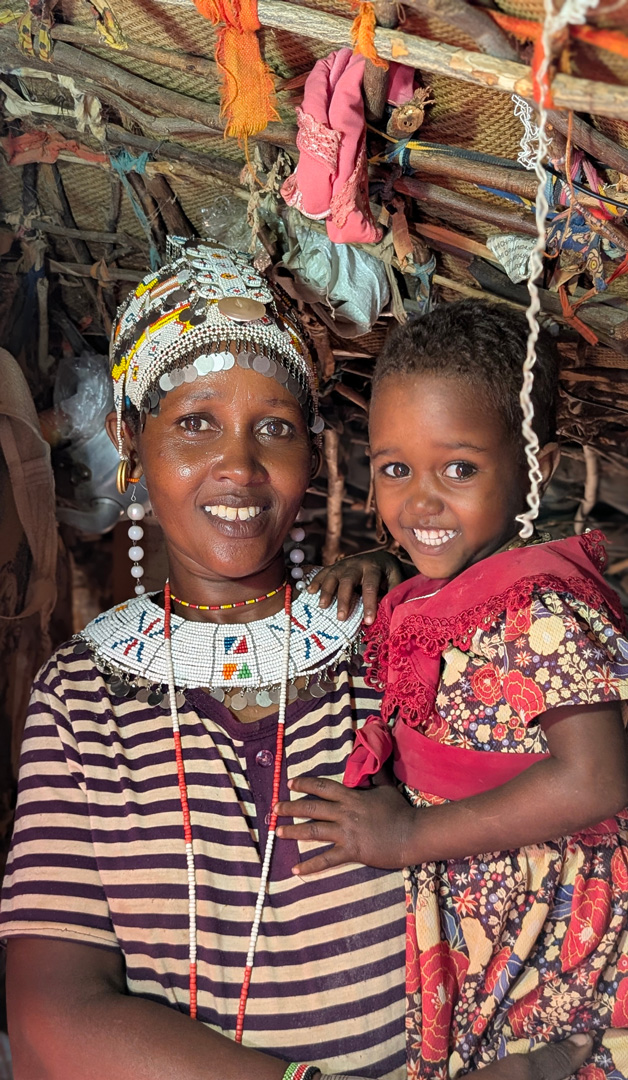
Daughter Gladies is happy in her mother Suwari's arms. Photo: Teddy Alwala
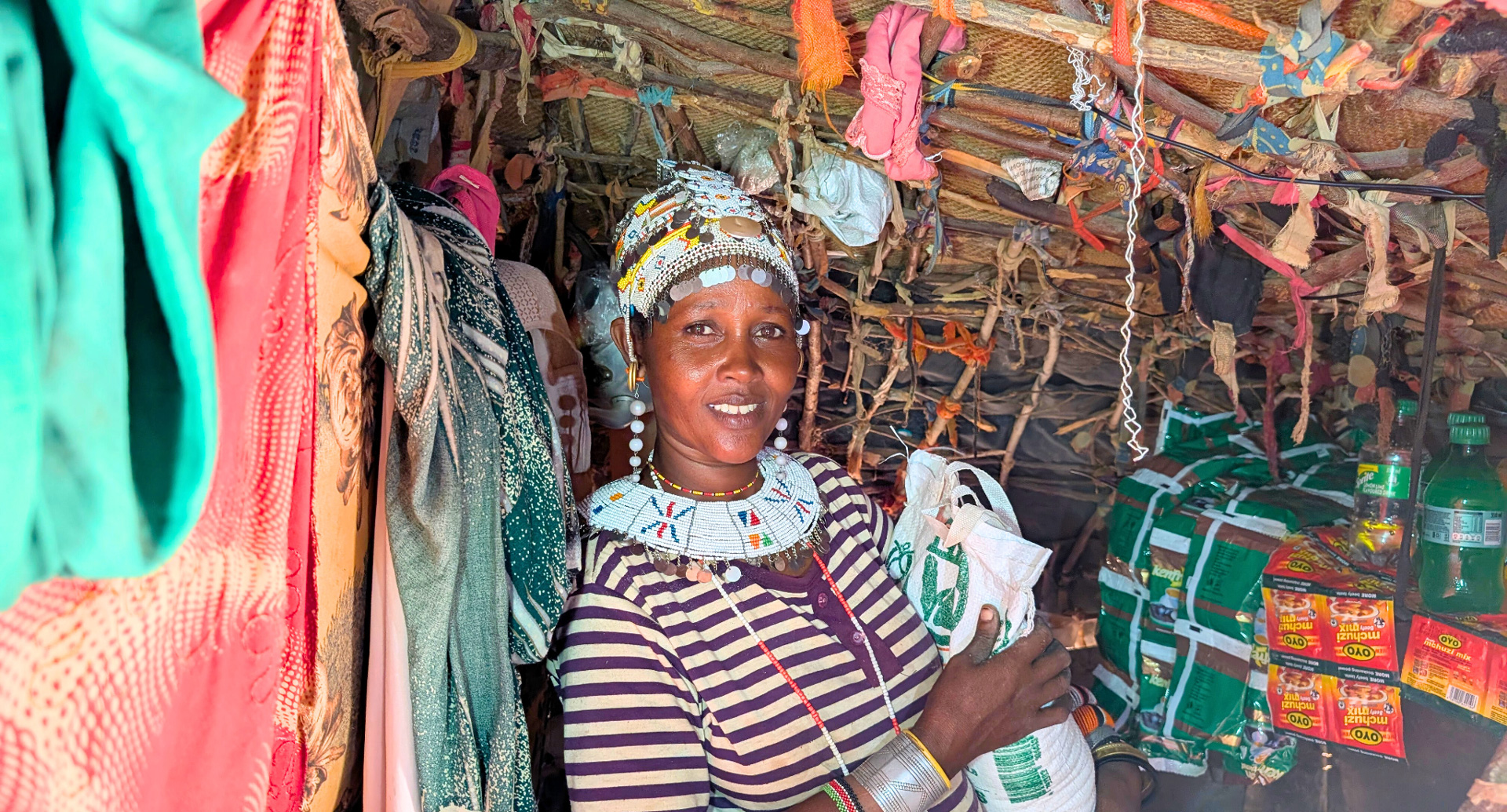
Suwari's kiosk in Korr, Kenya. Photo: Teddy Alwala
Daughter Gladies is happy in her mother Suwari's arms. Photo: Teddy Alwala
Suwari's kiosk in Korr, Kenya. Photo: Teddy Alwala
Thanks to the income from the kiosk, Suwari is now able to provide her eight children with a balanced and nutritious diet every day.
- It is clear that the health of the children has improved. I have talked to other women in the village and told them about the trainings so they can make the same journey I have made.
Author: Johan Larsson
Here is the village where Suwari's kiosk is located
Give a Christmas gift that feeds the hungry
Published: 14 November 2025
 Listening