Erikshjälpen asks children and young people about lowering the age of criminal responsibility
The government has proposed lowering the age of criminal responsibility from fifteen to thirteen. We asked children and young people about the new bill, and the message was clear: "We need support, not prison."
Talking to children about issues that affect their lives and futures is a central part of Erikshjälpen's work. When we asked children and young people from Erikshjälpen Framtidsverkstad about lowering the age of criminal responsibility, they shared a variety of thoughts and experiences.
"If they lower the age to thirteen, they'll just send twelve-year-olds instead. A thirteen-year-old doesn't shoot someone because he wants to, but because he's forced to. He's thirteen years old—what else can he do?" says a seventeen-year-old.
The young people described the subject as uncertain and difficult to talk about. But despite differing opinions, there was one thing everyone agreed on: solutions must be put in place long before a crime is committed.
Find these children before they commit crimes instead.
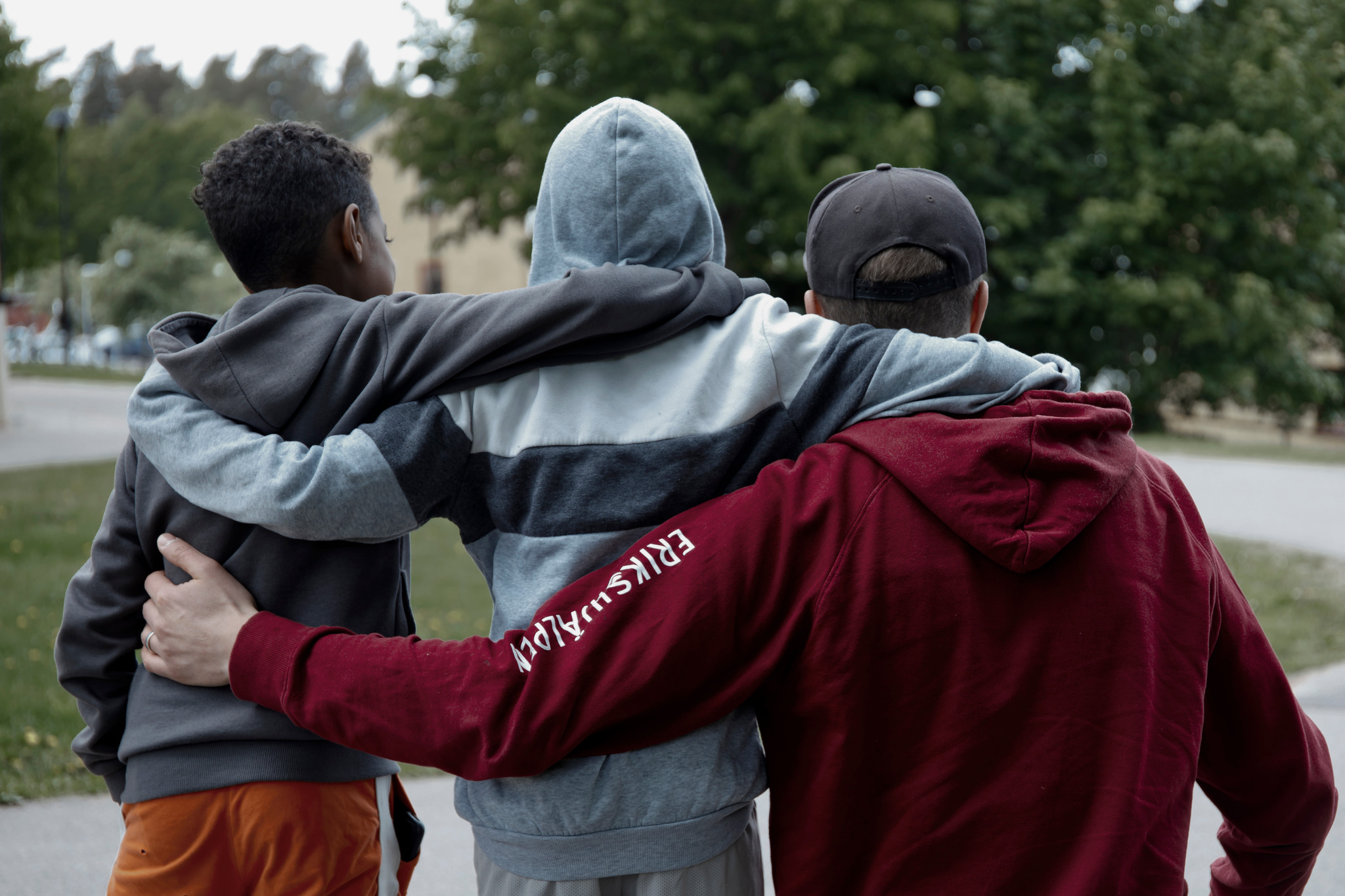
Young people's proposals to stop gang recruitment
During the discussions, the young people highlighted important measures to prevent children from becoming involved in crime:
- More preventive interventions recreation centers and meaningful activities that all children have the opportunity to participate in.
- Secure relationships with adults and the police – without trust, children do not dare to seek help or talk about threats and pressure.
- Support at school and at home – more adults who are present, attentive, and engaged in children's everyday lives.
The young people emphasized that harsh punishments should be directed at adults and older criminals who exploit children to commit crimes—not at the children themselves.
If he has been threatened, he should not be imprisoned, but should receive psychological help.
Erikshjälpen supports young people
Erikshjälpen rejects the government's proposal to lower the age of criminal responsibility. Like young people, we believe that the proposal does not address the underlying causes of child crime. Instead, it risks causing more children to reoffend and new children to be recruited.
"Real security for young people and society is created through early and long-term interventions, strong relationships, and contexts where children are supported in choosing paths other than crime," says Mattias Ingeson, Secretary-General Erikshjälpen.
Published: 18 December 2025
 Listening