Shornali often saw other children playing outside while she sat alone indoors. Her limited mobility in her legs made it difficult for her to join in. Now she takes part in adapted activities at the renovated children’s center together with her new friends.
Now I know I'm not in the way. I'm just as important as everyone else. And I have dreams, too.
Shornali is twelve years old and lives in the village of Pargobindopur Abashon in Rampal, southern Bangladesh. She lives with her parents and her sister, who is two years younger. Shornali has lived her entire life with limited mobility in her legs, which makes it difficult for her to walk. There are no roads in the village and few buildings adapted for accessibility, so for a long time her world was limited to two places: school and home.
But when the Shopner Chowa Children’s Center was renovated, everything changed. The center is a place where children can play, get help with their homework, and participate in workshops. When the building and its surroundings were adapted to improve accessibility, Shornali’s world became a bigger place.
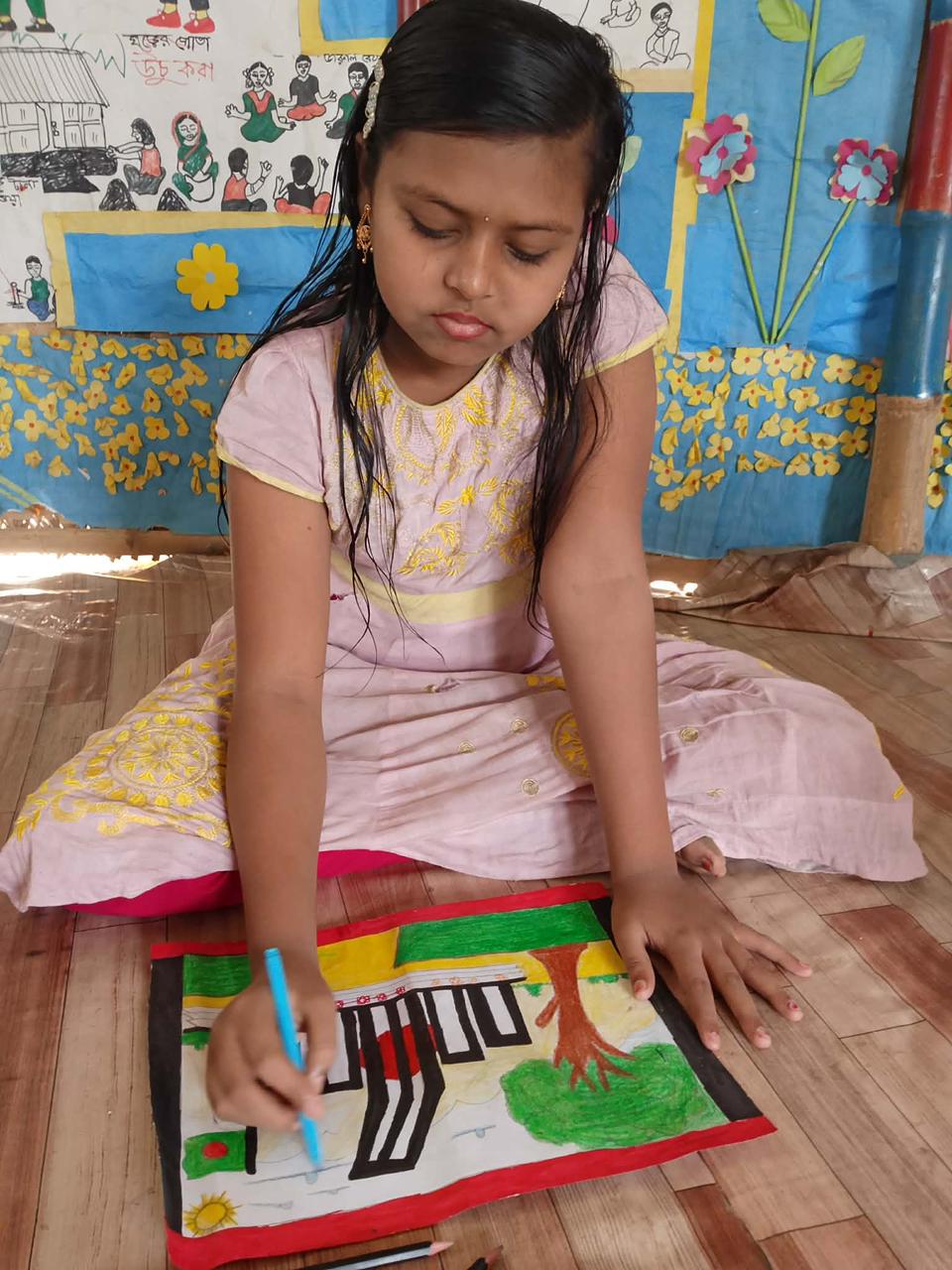
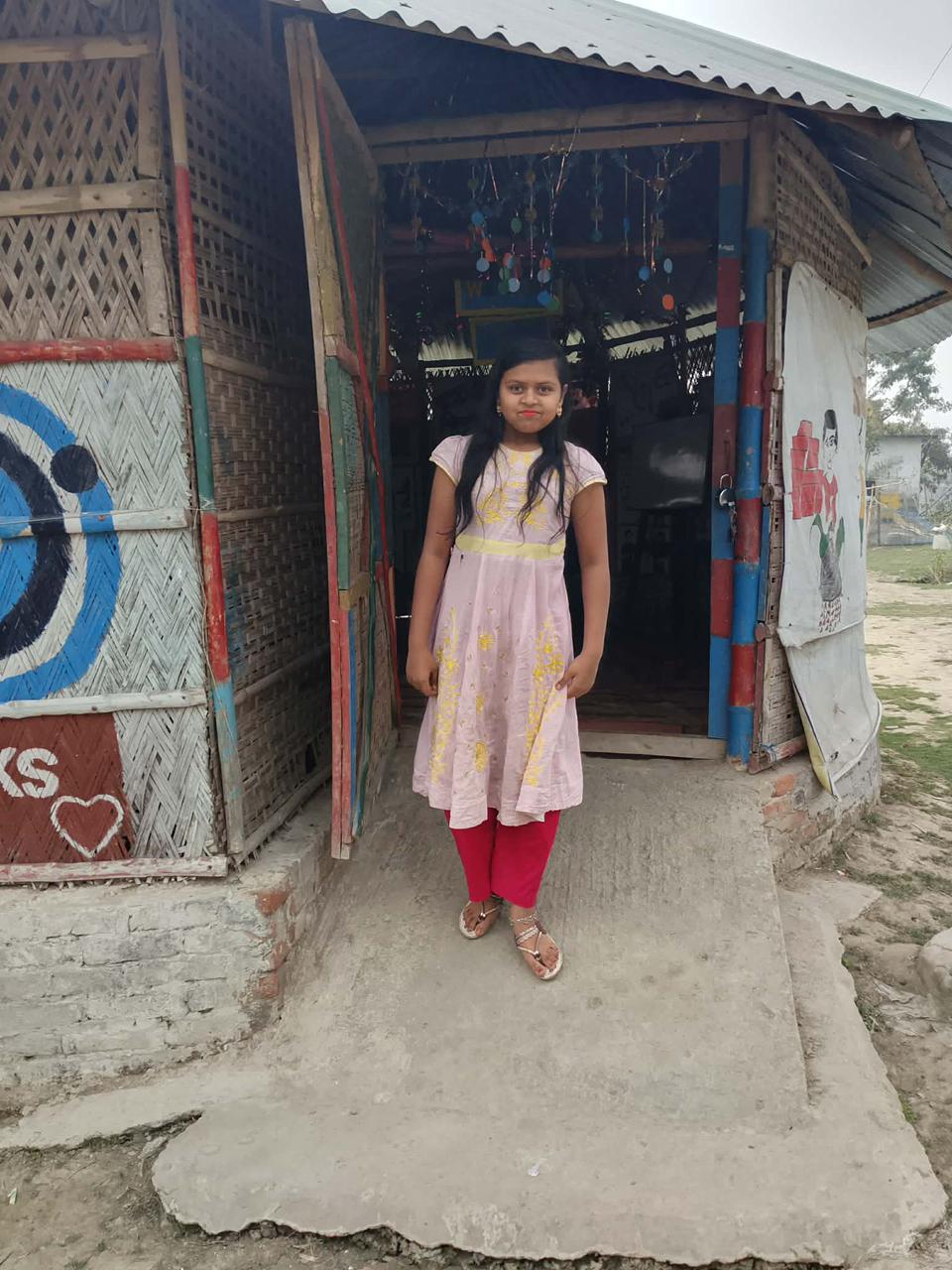
Shornali, twelve years old.
Shornali, twelve years old.
A lonely everyday life
Before Shornali started going to the children’s center, she rarely joined in games with the neighborhood children. The games were often physically demanding, and the other children didn’t know how to include her.
“The kids in my village used to play different games after school. I’d watch them through the window or from the garden. Those games weren’t for me. I couldn’t run like them. I couldn’t jump like them,” says Shornali.
The evenings were the worst. When the sun went down and she could hear the laughter of other children outside, she felt especially lonely.
“It felt like the world was moving, but I was standing still. But my sister was always with me. She was my only friend. Without her, I don’t know what I would have done on all those lonely evenings,” saysShornali.
A ramp changed everything
Shornali says that the renovation of the children’s center gave her something she had long been missing—freedom.
– I have a hard time walking up stairs. When they built a ramp to the children’s center, it completely changed my life.
When the center installed a ramp, the entrance became accessible, and children with mobility difficulties were able to enter on their own for the first time. This simple change removed a major barrier and gave the children both independence and greater self-confidence. Now Shornali could visit the center regularly and meet other children, and her life began to change.
For the first time, I was able to walk in all by myself. I felt free.
A place where all children can participate
Together with local partner organizations, Erikshjälpen works to promote accessibility and inclusion. At the children’s center, children learn more about inclusion through conversations and play. Many children also share what they’ve learned with their parents and neighbors, helping to spread the message further.
“We’ve learned about children’s rights. Now I know I’m not in the way. I’m just as important as everyone else. And I have dreams, too,” says Shornali.
Indoor games and adapted outdoor activities ensure that all children can participate.
“I love playing carrom and Ludo. I’ve even tried to learn chess,” Shornali says proudly.
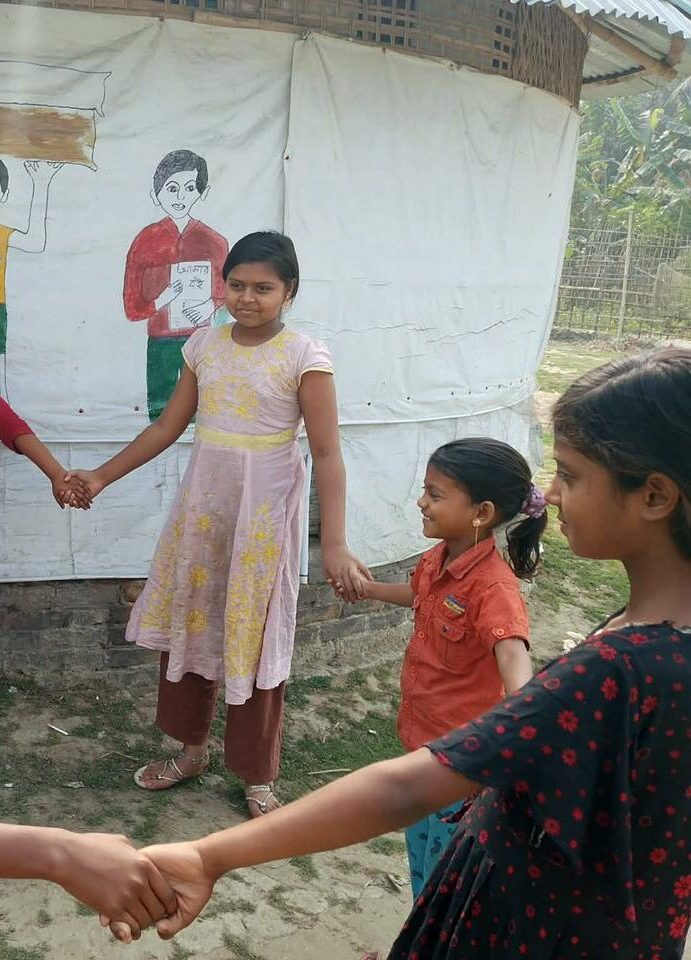
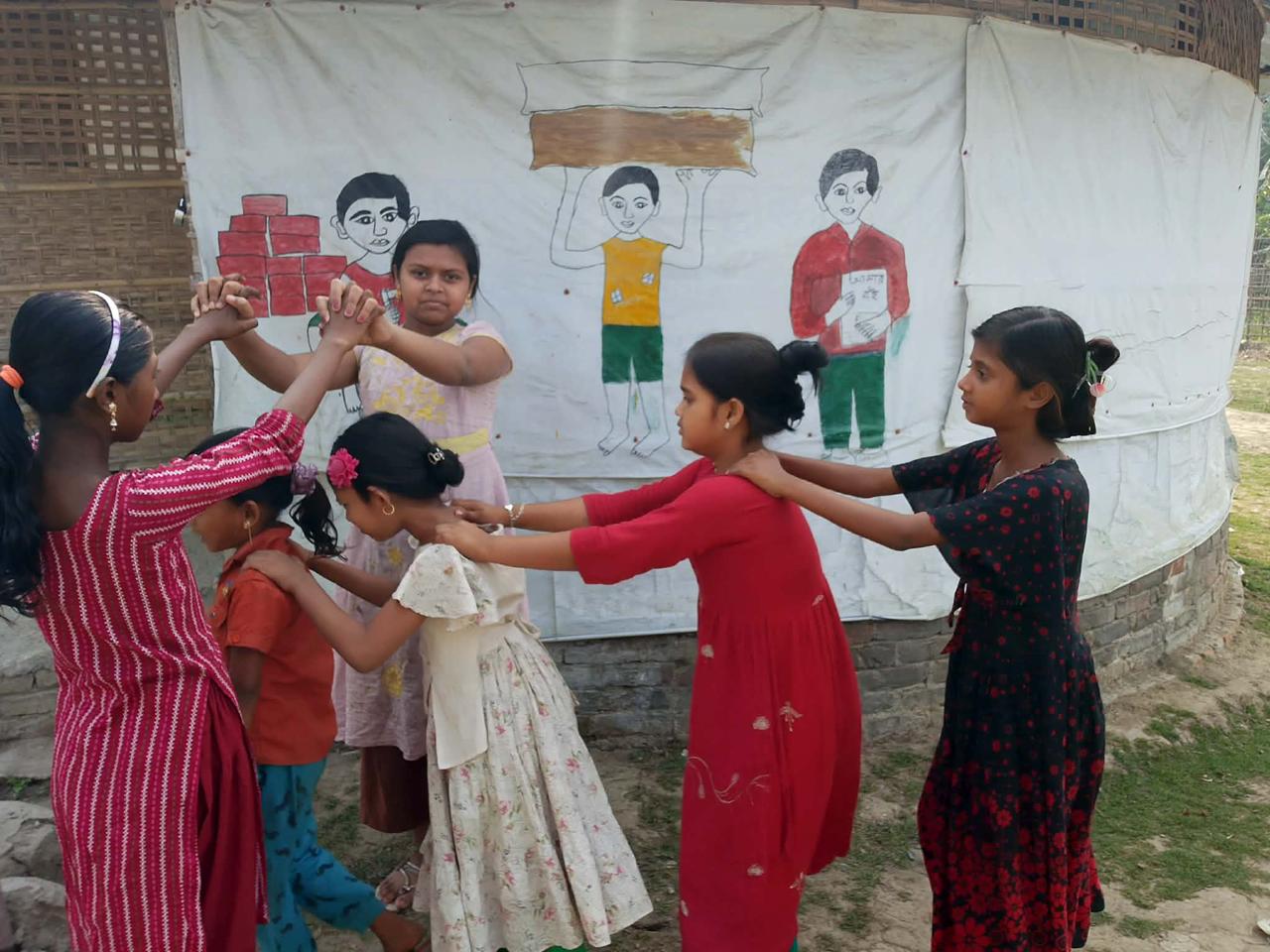
Shornali is playing with her friends outside the children's center.
Shornali is playing with her friends outside the children's center.
“The best part is my new friends”
In the past, Shornali used to feel shy and uncomfortable when talking to her classmates at school because of her disability. She was afraid that the other children would think she was different. But now that she can participate in activities and games, she has made many new friends and her self-confidence has grown.
“The best thing about the center is my 36 friends. They understand me and support me. With them, I don’t feel different,” says Shornali.
Now my evenings aren't lonely anymore. They're the best part of my day.
Pargobindopur Abashon is a government-run settlement consisting of small houses built on a hill. The residents moved here due to river erosion and flooding.
Children with disabilities in villages like these often face both physical and social barriers. Roads and buildings are rarely accessible, and awareness of disabilities is low.
Together with local partner organizations, Erikshjälpen works to change attitudes, improve accessibility, and create a more inclusive environment.
Thirteen-year-old Timofyj has been forced to leave his home twice because of the war in Ukraine. Each time, he has had to start from scratch. He loses contact with his friends, and his childhood is replaced by responsibility.
For Timofy, everything changed when Russia invaded eastern Ukraine in 2014 and his family was forced to leave their home in Donetsk. He was young, but remembers the sudden upheaval when his family fled to Myrnohrad, a town further away from the fighting.
After the move, Timofy's father died in an accident. He was left behind with his mother, little brother, and a lot of responsibility.
"I didn't really understand what I was supposed to do. I just listened to my mother, listened to the news, and tried to follow all the rules that were in place because of the war," says Timofyj.
I just listened to my mother, listened to the news, and tried to follow all the rules that were in place because of the war.
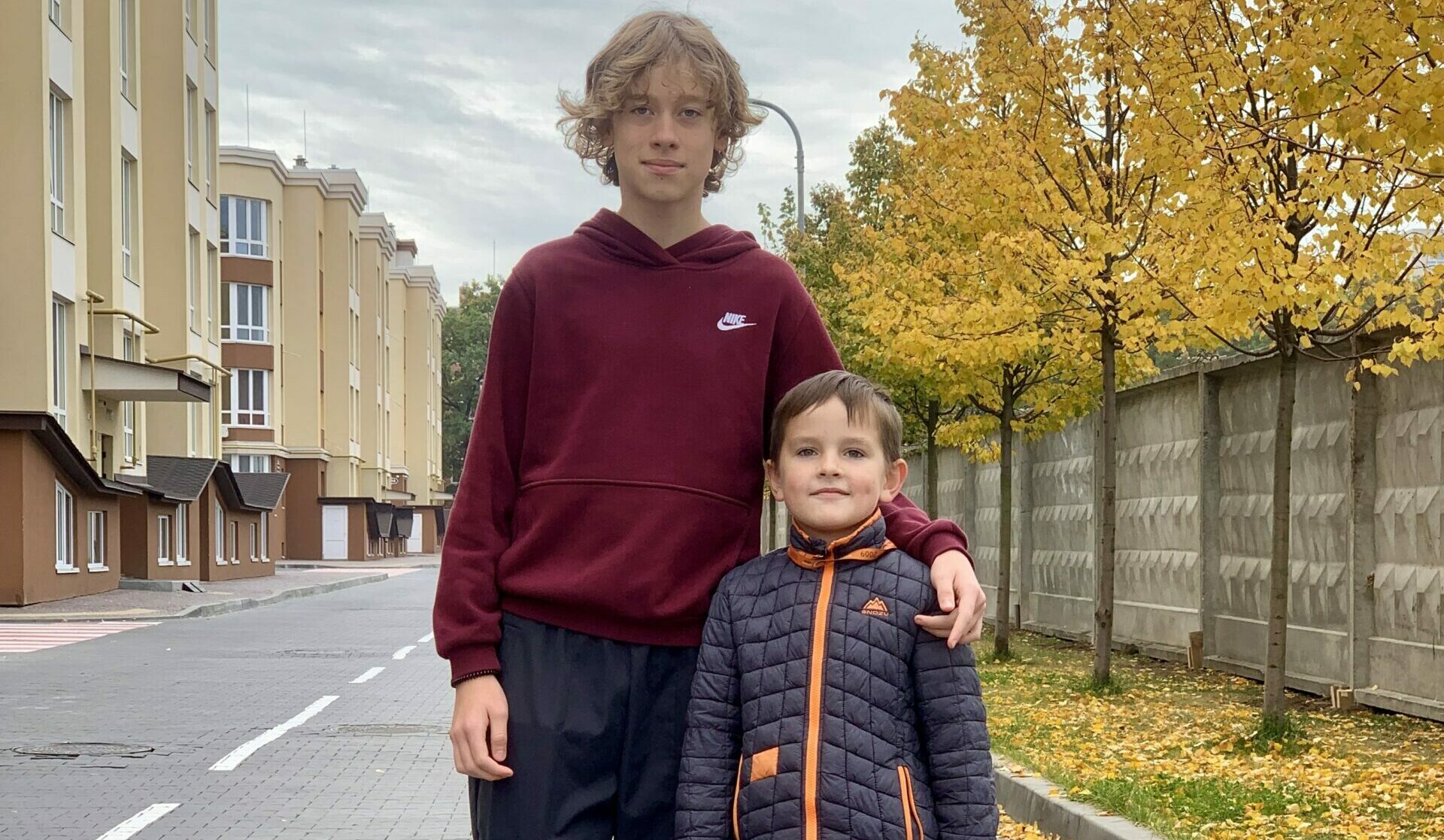
Timofy and his little brother.
Timofy and his little brother.
Forced into a new everyday life
When Russia launched its large-scale invasion in 2022, Myrnohrad, the family's new home, ended up close to the front line. A shell hit the house where they lived and they were forced to flee again. Timofyj had to quickly leave school and all his friends behind.
"The war has caused me to lose touch with my friends. I hardly talk to those I don't go to school with anymore. Some of them I don't even remember," says Timofyj.
Today, he lives with his mother and younger brother in the Kiev region and is trying to rebuild a secure everyday life.
The war has caused me to lose contact with my friends.
Childhood was exchanged for responsibility
His father's death and the escape from Donetsk meant that Timofyj had to take on a greater role at home at an early age.
"I take care of my little brother and help out with whatever I can. I'm kind of my mom's right-hand man," says Timofyj.
In the midst of his new everyday life, he still tries to live like a normal teenager with school, friends, and free time.
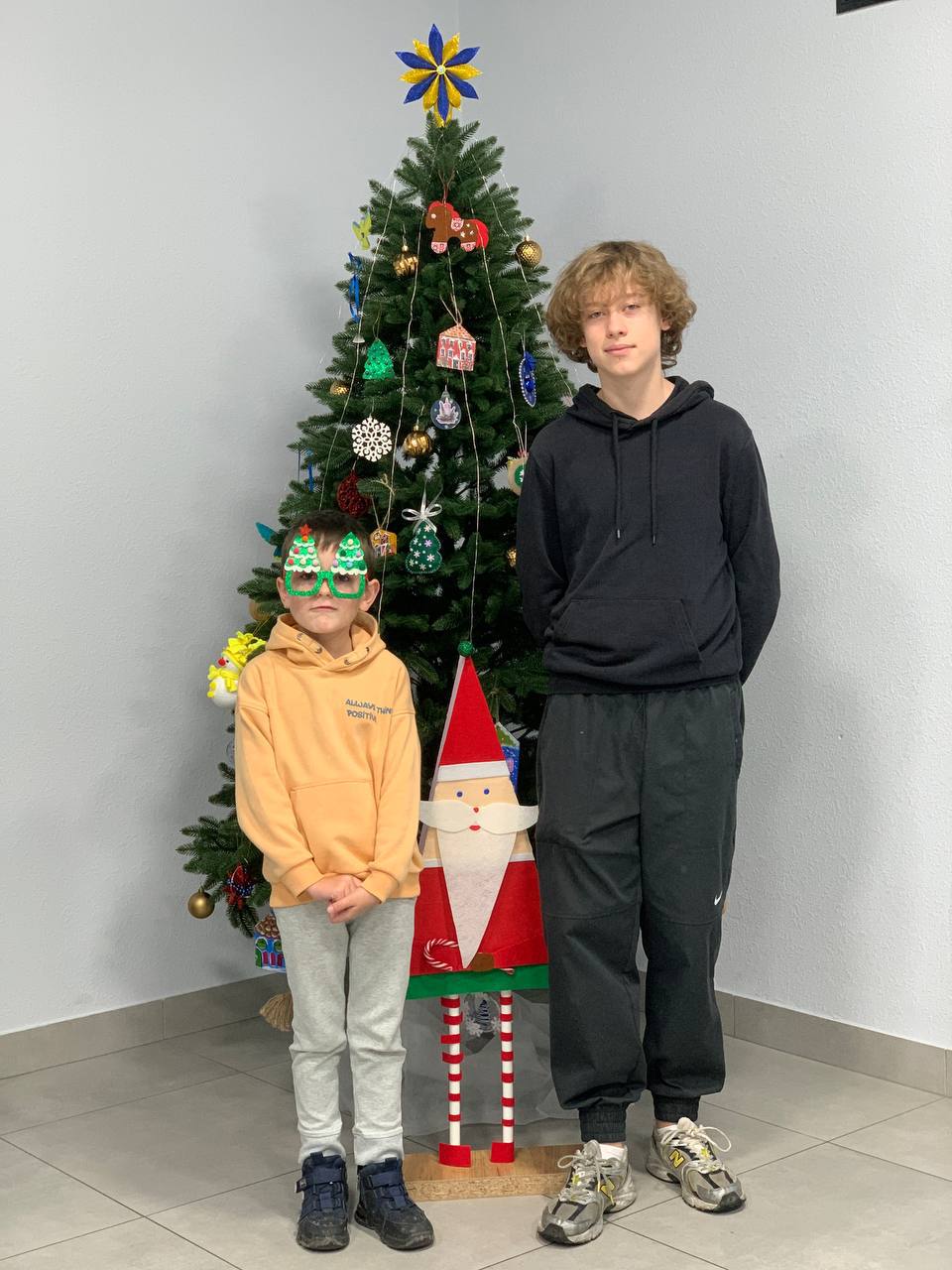
Timofyj with his little brother.
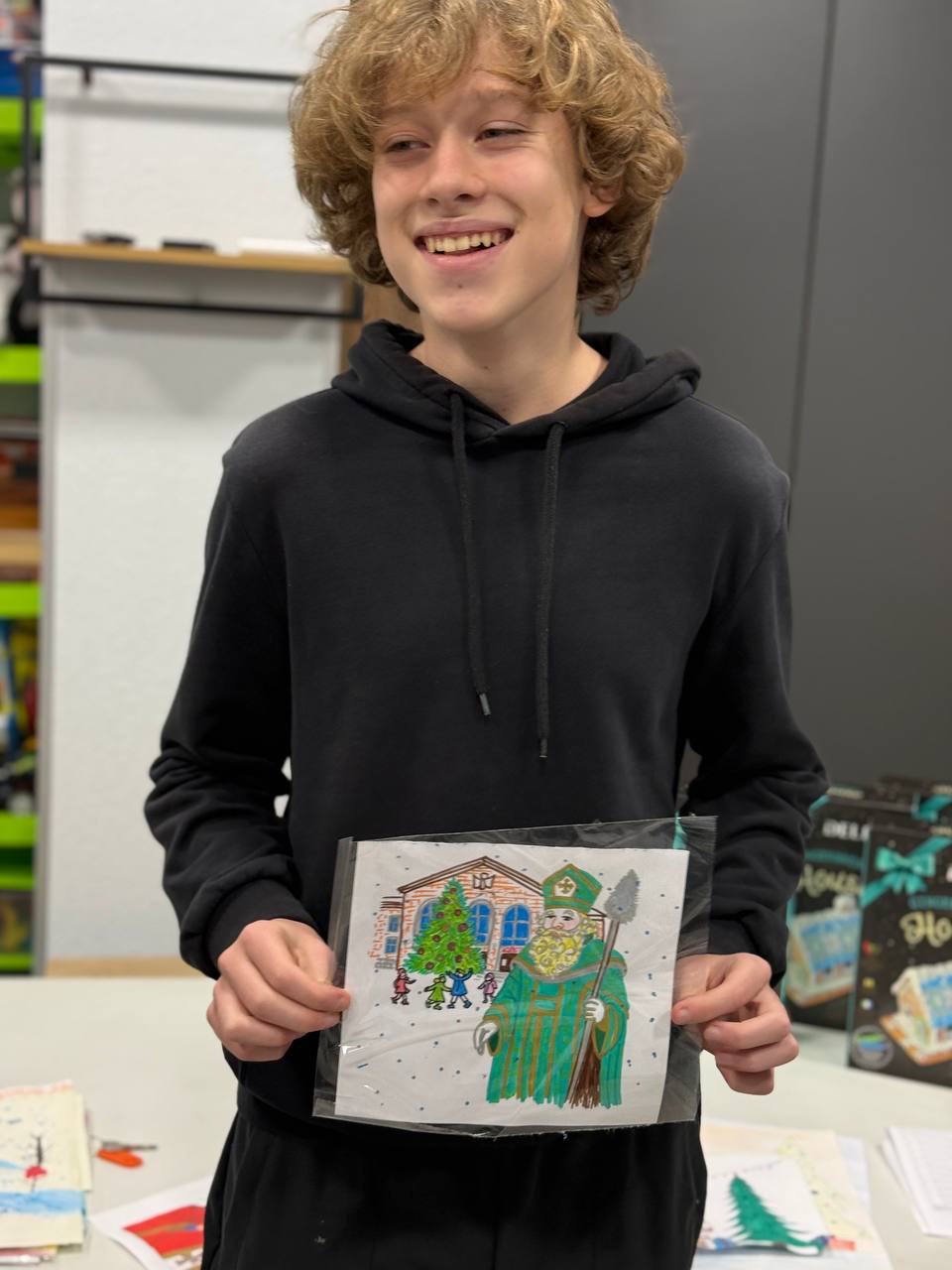
Timofyj in one of the child-friendly family hubs.
Timofyj with his little brother.
Timofyj in one of the child-friendly family hubs.
A chance to think about something other than the war
Together with the local organization WCU, Erikshjälpen works to give children the opportunity to escape the war for a while and just be children.
In child-friendly family hubs, children can socialize with friends, engage in creative activities, and receive support from psychologists to process what they have experienced. All activities are organized in shelters so that they can continue even during air raid alerts.
Here, Timofyj can momentarily let go of all the responsibilities that war brings and just be himself: a teenager.
"My brother and I really like it. It's fun and exciting, and it's cool to get to do something interesting," says Timofyj.
Timofy's thoughts on the future
Even though Timofyj finds it difficult to imagine life after the war, he still has dreams.
– I want to understand more about IT, about different codes, and earn money from it. But I don't know yet what you have to do to achieve that.
Many children fleeing Ukraine
In 2025, the war in Ukraine intensified and spread to more areas. Since June 2025, approximately 150,000 people have been evacuated from the front lines. More than 16,500 of them are children.
Today, there are around 3.8 million internally displaced persons in Ukraine. Many lack electricity, water, and heating in their homes. The large-scale invasion has not only caused damage and death, it has also forced thousands of children to take on adult responsibilities far too early.
"You have to be persistent and fight for what you believe in," says 12-year-old Svante. He has organized several fundraising campaigns. By selling paintings, swimming, and skiing, he has raised nearly 30,000 Swedish kronor (SEK) support children's rights.
When Svante was ten years old, he decided to make a difference for children in war-torn Ukraine. Svante swam a total of 1,600 meters at his local swimming pool, and for every meter he swam, people in his community made a donation to Erikshjälpen. Through his fundraiser , he fundraiser a total of 19,000 Swedish kronor (SEK) the children.
If everyone does the same thing, we can make a lot of money.
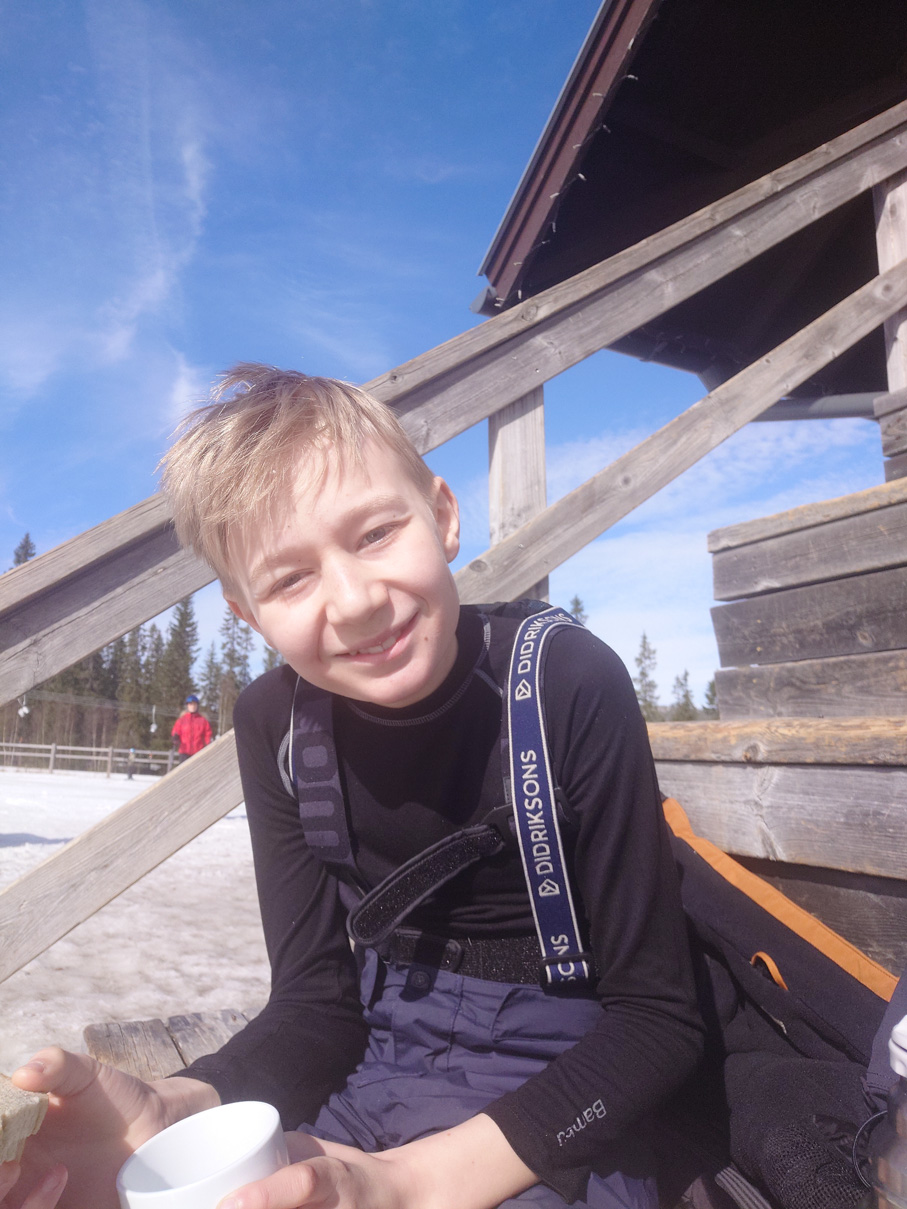
Svante (2025). Photo: Private.
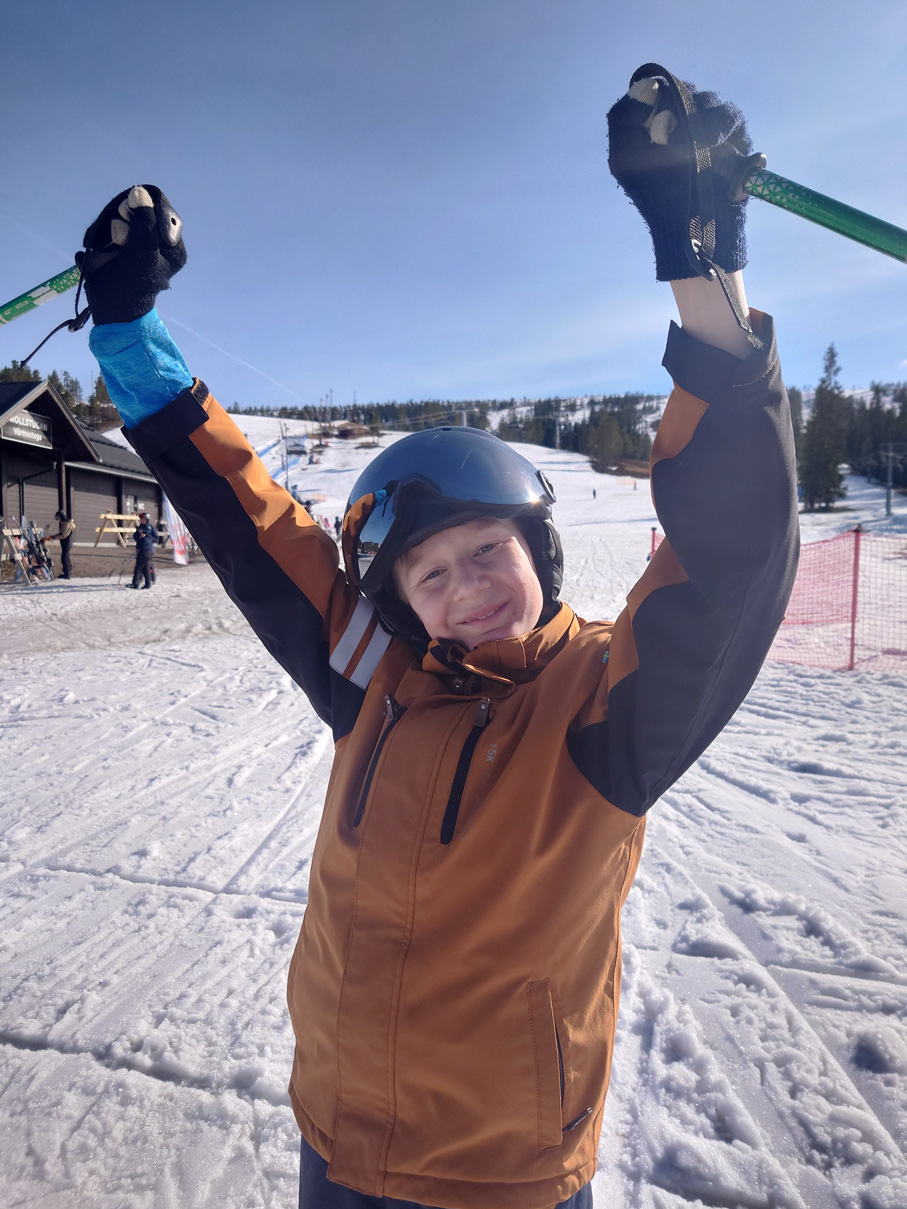
Svante (2025). Photo: Private.
Svante (2025). Photo: Private.
Svante (2025). Photo: Private.
Svante's idea behind the fundraiser was that many of us live privileged lives, while others do not. By getting people to donate—for example, for him to swim—they can continue their normal lives while helping others.
"If everyone does the same thing, we can raise a lot of money. Not everyone wants to give anything, but you have to start somewhere," says Svante.
Afterwards, I felt really good and proud of what I had done.
The so-called “Easter Swim” isn’t the only fundraiser Svante has fundraiser. When he was 7 years old, he sold paintings, and he has also skied to raise money for children in Uganda. On that occasion, he raised over 10,000 Swedish kronor (SEK).
"I noticed that if I did physical activities, I could get people to donate. And the greater the effort I made, the more money I raised," says Svante. Afterwards, I felt really good and proud of what I had done.
Svante’s tip for a successful fundraiser to set a date well in advance so there’s time to spread the word and find sponsors who are willing to participate. Make use of social media and be clear about where the money is going.
"You have to be persistent and fight for it," says Svante. "And explain what everything is going towards so that they don't think you're keeping it for yourself. I know that Erikshjälpen makes sure that the money goes to the right things, to the children."
You have to be stubborn and fight,
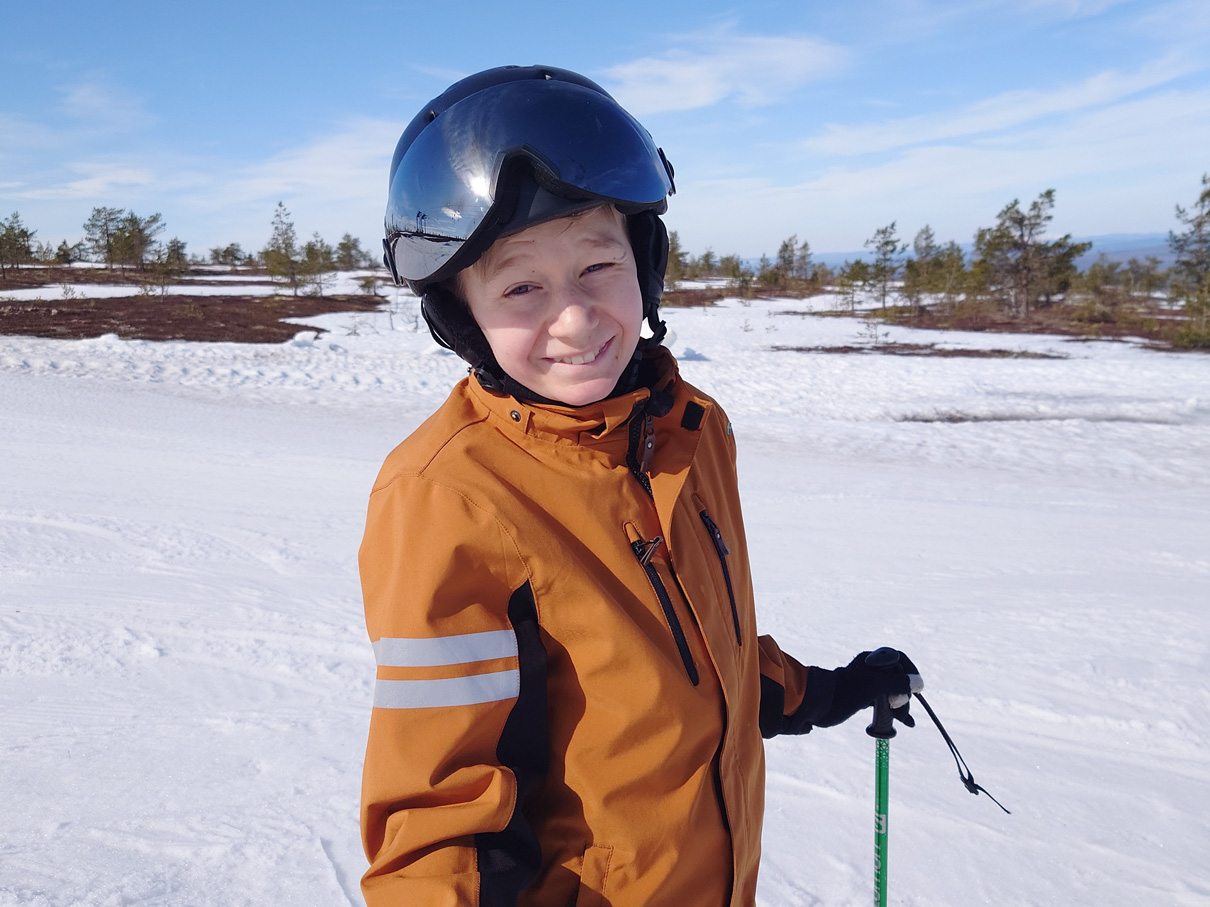
Svante (2025). Photo: Private.
Svante (2025). Photo: Private.
Author: Lena Elf
Every autumn, Grevhagsskolan school in Eksjö raises money for Erikshjälpen's work for children around the world.
The students offer various services, such as raking leaves or baking. They also organize a Christmas market with homemade cookies, apple glogg, and rice wreaths.
"It's fun to be involved in making sure that children have a better life," says Carmen Kindberg, a student at Grevhagsskolan. All children deserve to go to school and have a good home.
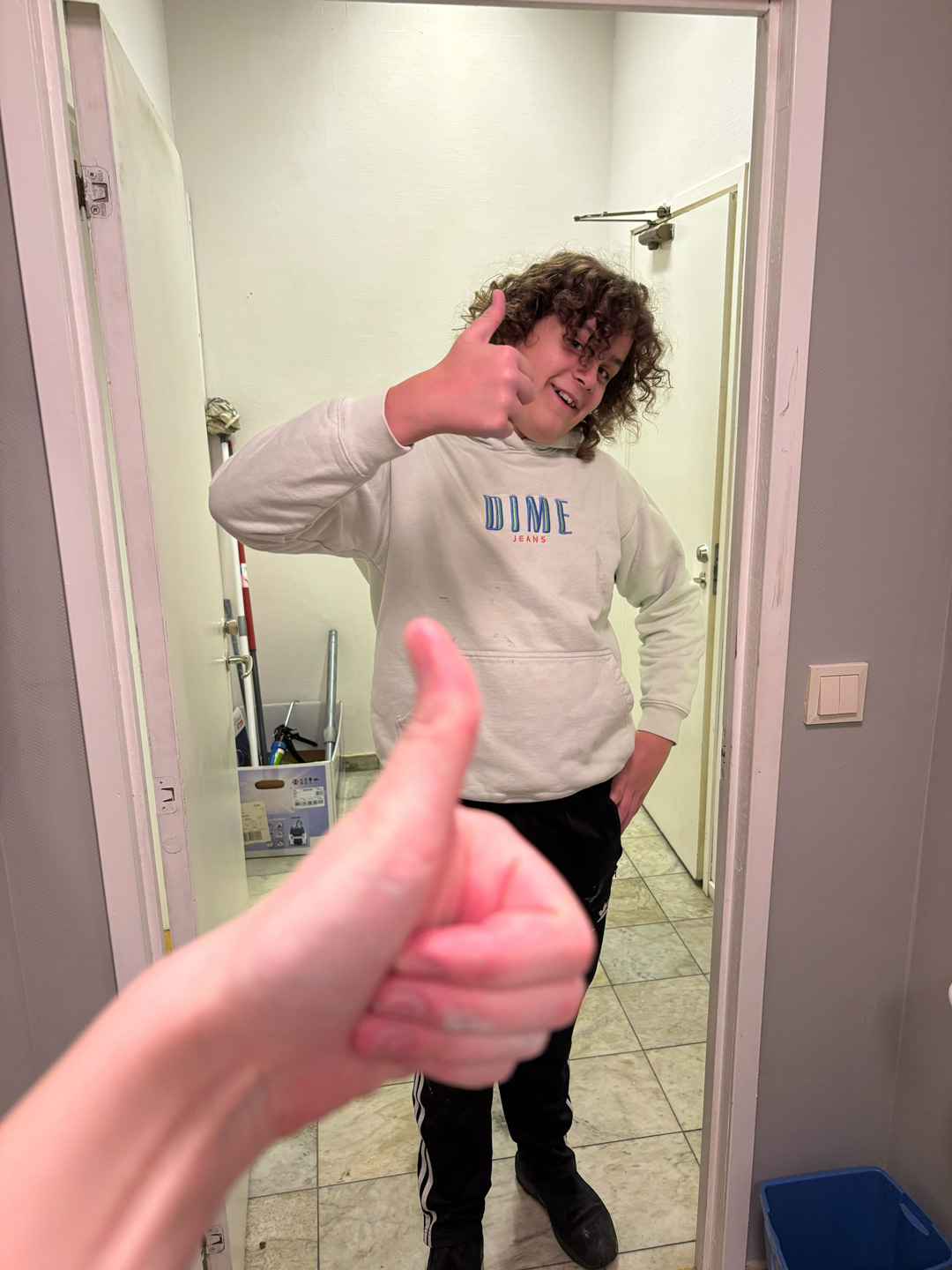
Samuel, 12 years old. Photo: Private

Carmen Kindberg. Photo: Private
Samuel, 12 years old. Photo: Private
Carmen Kindberg. Photo: Private
It's fun to be involved and help make things better for the children.
The children at Grevhagsskolan do day's work at home or in their neighborhood. They help rake leaves, bake, clean, or cook dinner for the family. For the younger students in preschool through third grade, a Christmas market is organized, with homemade cookies, the school's own apple glogg, and rice wreaths. Everything is made during the children's free time. The courtyard is decorated with market stalls and lighting, and all proceeds from the sale go to help children in Bangladesh.
"It was fun to clean my aunt's house and paint, but it also feels good to help other children," says Samuel, 12, who did two days of work during this year's fundraising.
This year's fundraising Grevhagsskolan went well. In total, the children raised 25,852 Swedish kronor (SEK) children in Bangladesh. This is an increase from last year, which raised 20,970 SEK Ukraine.
I think you should help in any way you can; every little bit counts.
"I think you should help in whatever way you can; every little bit counts," says Rafaela, 12. It felt good to know that the money was going to children who are struggling.
Grevhagsskolan has long worked to increase students' understanding of how other children live, and the fundraiser is a way to put these values into practice. The children at Grevhagsskolan hope that more schools and children will start their own fundraisers to make a difference.
"Be brave and talk to your teacher or principal," Rafaela urges. It will lead to something good, and you will be helping other children.
Author: Lena Elf
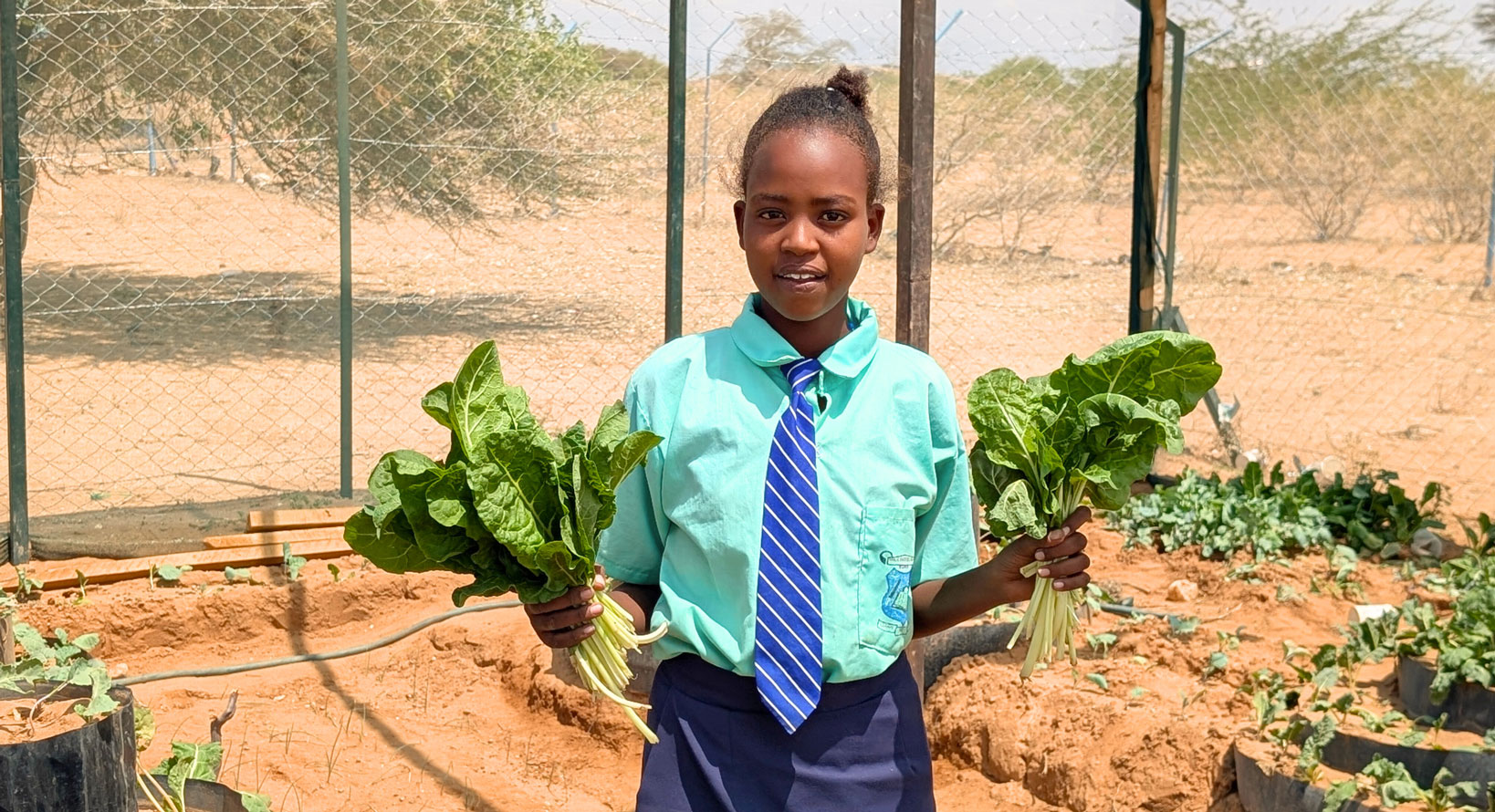
Twelve-year-old Sabina had never seen cabbage or onions growing in the dry landscape where she grew up in northern Kenya. Now vegetables are sprouting in the school garden, and with them Sabina's hopes for the future are growing.
Sabina breaks into a smile as she recounts the first time spinach was served at school.
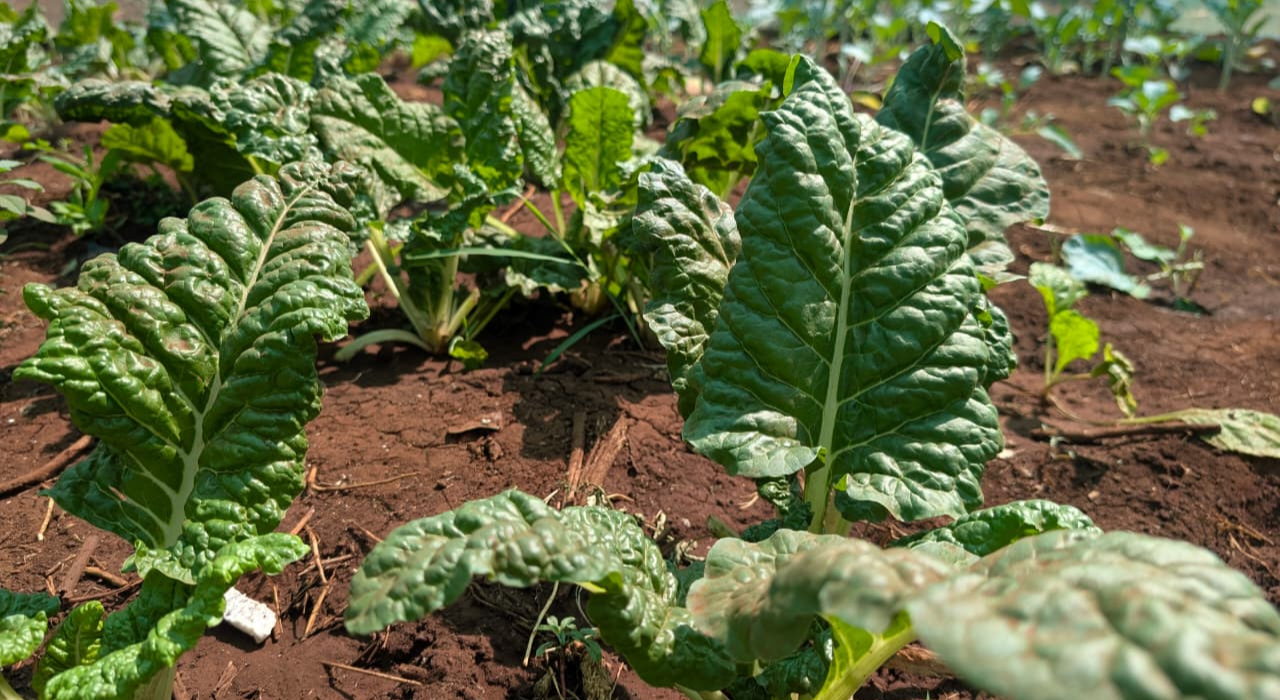
When my classmates and I saw that vegetables were being grown in the school garden, we were completely amazed. I had never seen cabbage or onions growing in this area before, and it was the first time I had eaten spinach at school.
Climate change makes farming more difficult
Eating vegetables is not a given for children in the remote village of Korr in northern Kenya. Climate change is clearly noticeable here, and the annual dry seasons are becoming longer. It is becoming more difficult to grow crops, and the lack of water is also causing livestock to die of dehydration. The food shortage is serious. In some parts of the country, one in three children may never reach the age of five.
Against all odds, the school garden is growing
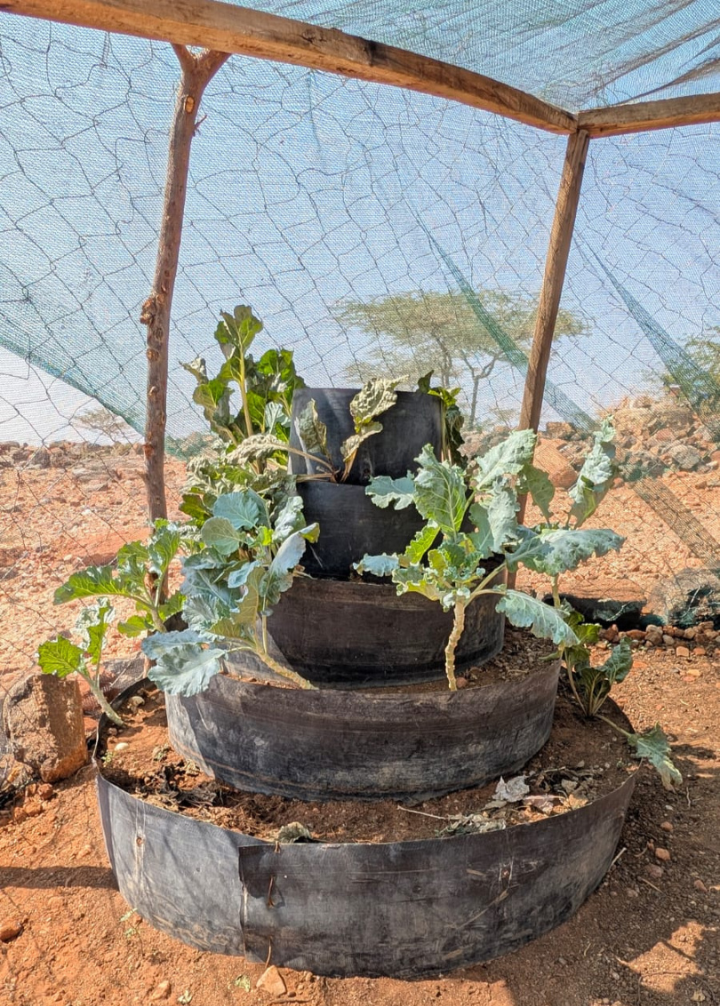
But in the middle of this arid landscape, a school garden is now thriving at Amalio Primary School in Korr. As part of Erikshjälpen's long-term work in northern Kenya, students are learning about nutrition. They are also learning about cultivation techniques that make it possible to grow crops despite the drought. The vegetables they grow are then used in school lunches, providing the children with important nutrients.
"At school, we've learned about vegetables that are full of vitamins. And now I can see them growing!" says Sabina.
At school, we learned about vegetables that are full of vitamins. And now I can see them growing!
The school garden gives hope for the future
For Sabina, the school garden has become more than just a school garden. It has become a place where vegetables are grown for school lunches and hope for the future is cultivated.
– Now I know that vegetables help us to be strong and healthy.
Now she dreams of one day working as a teacher and teaching sustainable farming to children and young people – and in many ways, that dream has already taken off.
"I want to start growing things at home, even though it's very dry. But I'm going to show my mom how to grow cabbage in a bag without using so much water," says Sabina.
When I grow up, I want to be a teacher and teach children and young people about sustainable farming.
The government has proposed lowering the age of criminal responsibility from fifteen to thirteen. We asked children and young people about the new bill, and the message was clear: "We need support, not prison."
Talking to children about issues that affect their lives and futures is a central part of Erikshjälpen's work. When we asked children and young people from Erikshjälpen Framtidsverkstad about lowering the age of criminal responsibility, they shared a variety of thoughts and experiences.
"If they lower the age to thirteen, they'll just send twelve-year-olds instead. A thirteen-year-old doesn't shoot someone because he wants to, but because he's forced to. He's thirteen years old—what else can he do?" says a seventeen-year-old.
The young people described the subject as uncertain and difficult to talk about. But despite differing opinions, there was one thing everyone agreed on: solutions must be put in place long before a crime is committed.
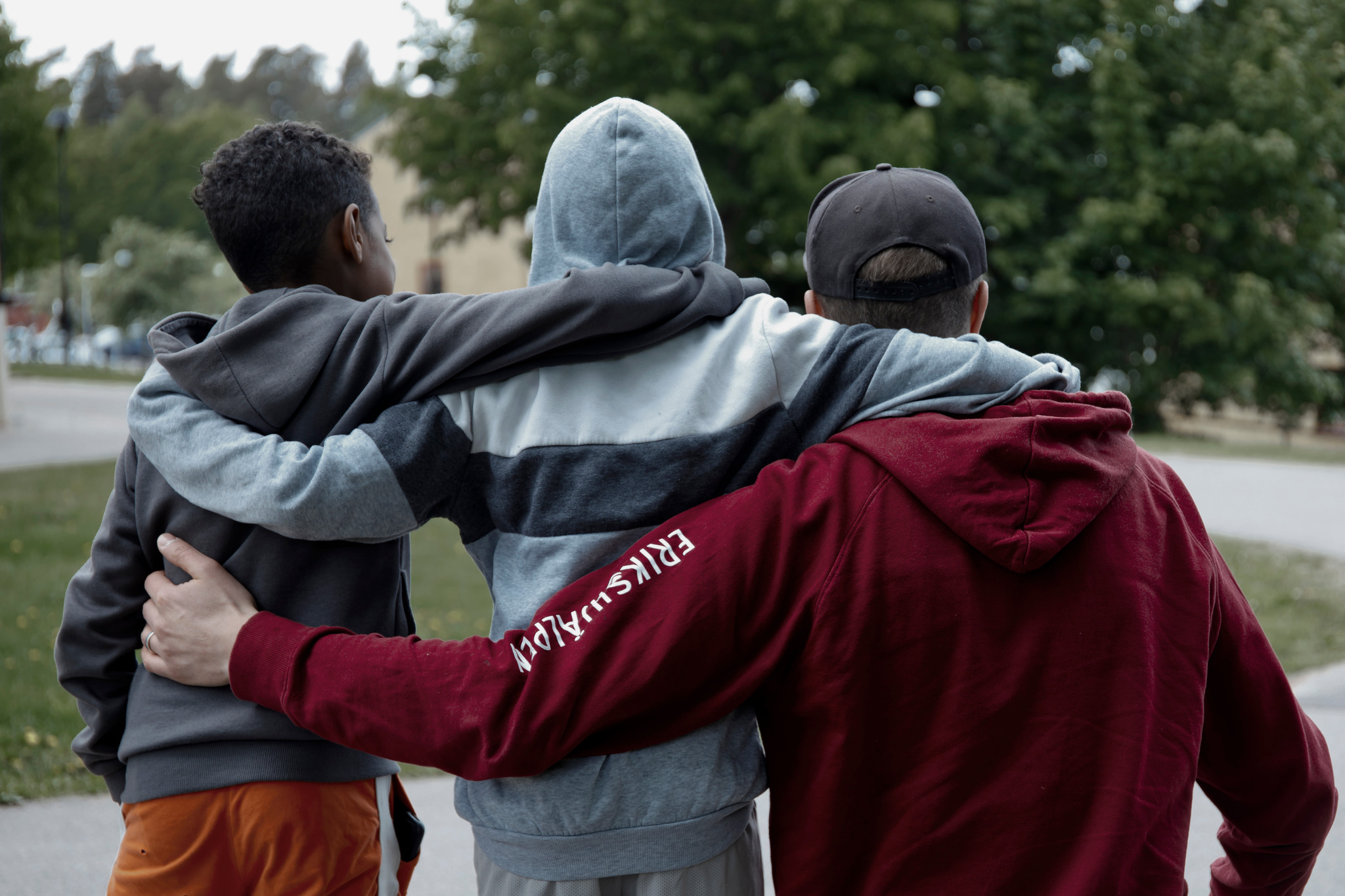
Find these children before they commit crimes instead.
Young people's proposals to stop gang recruitment
During the discussions, the young people highlighted important measures to prevent children from becoming involved in crime:
- More preventive interventions recreation centers and meaningful activities that all children have the opportunity to participate in.
- Secure relationships with adults and the police – without trust, children do not dare to seek help or talk about threats and pressure.
- Support at school and at home – more adults who are present, attentive, and engaged in children's everyday lives.
The young people emphasized that harsh punishments should be directed at adults and older criminals who exploit children to commit crimes—not at the children themselves.
If he has been threatened, he should not be imprisoned, but should receive psychological help.
Erikshjälpen supports young people
Erikshjälpen rejects the government's proposal to lower the age of criminal responsibility. Like young people, we believe that the proposal does not address the underlying causes of child crime. Instead, it risks causing more children to reoffend and new children to be recruited.
"Real security for young people and society is created through early and long-term interventions, strong relationships, and contexts where children are supported in choosing paths other than crime," says Mattias Ingeson, Secretary-General Erikshjälpen.
"Before, we used to go to bed hungry and my mom couldn't buy us school books. But now we can afford both books and school uniforms," says eight-year-old Epakan Esekon.
The drought in northern Kenya is the worst in over 40 years. In Turkana district, one in three children is at risk of acute malnutrition. Epakan lives here with her parents and three siblings in the small village of Ngikwatex. Her family is used to droughts every year and has adapted their lives to the weather. But in recent years, climate change has made the dry spells longer and the consequences worse. Livestock die, crops fail and families go without food. Sometimes for days at a time.
Before, we used to go to bed hungry and mom couldn't buy us school books.
Aloe vera cultivation was the solution
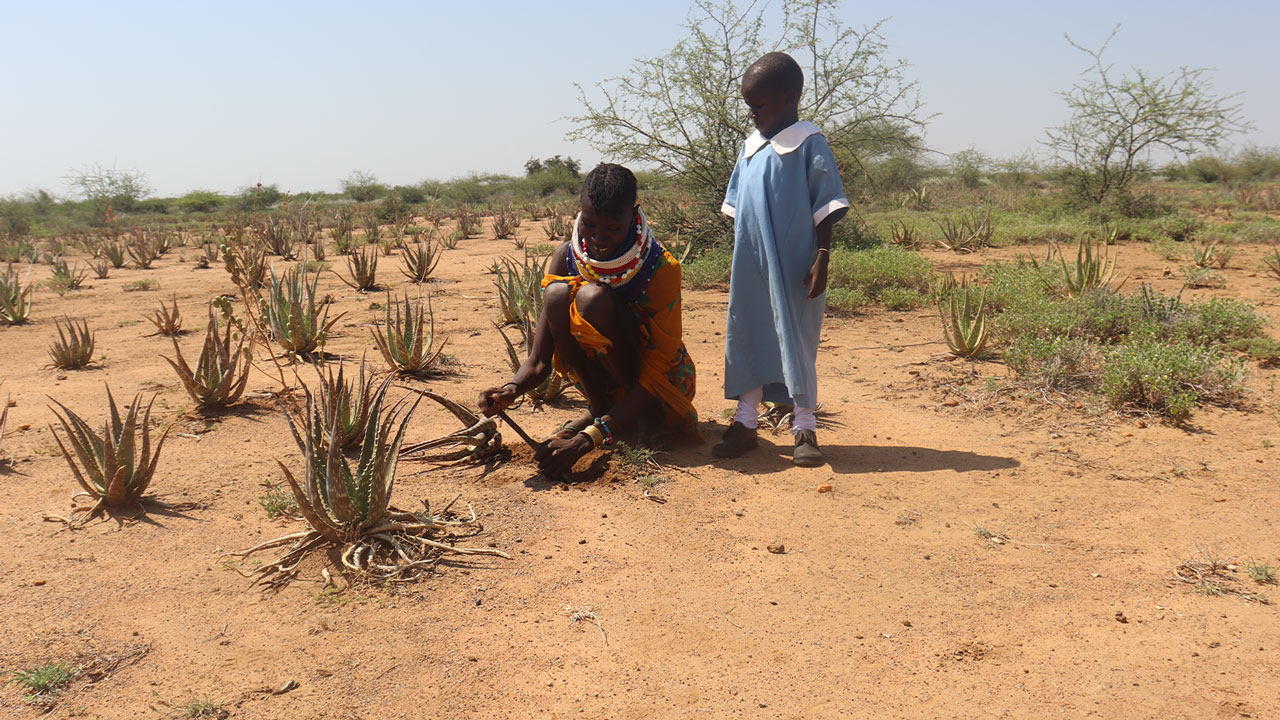
But amidst the cracked ground, something green has started to grow. For Epakan and her family, it was aloe vera that turned their lives around. When the family was at its worst, mother Aweet received support and training from Erikshjälpen that enabled her to start growing in the dry landscape. She learned which cultivation techniques work best, how to prepare the sap from the leaves and what it takes to sell successfully in the local market.
- I have been given many good tools to cope with all the challenges when the drought comes. Now I can feed my family two meals a day and the children can continue going to school," says Aweet.
Growing aloe vera may seem like a small change. But for Epakan it is actually life-changing. The money isn't just for food - now her mother Aweet can afford to send her children to school. And for the start of the school year, Epakan has been given a school uniform, shoes, socks and exercise books.
Now we can afford to buy food every day and our lives have improved!
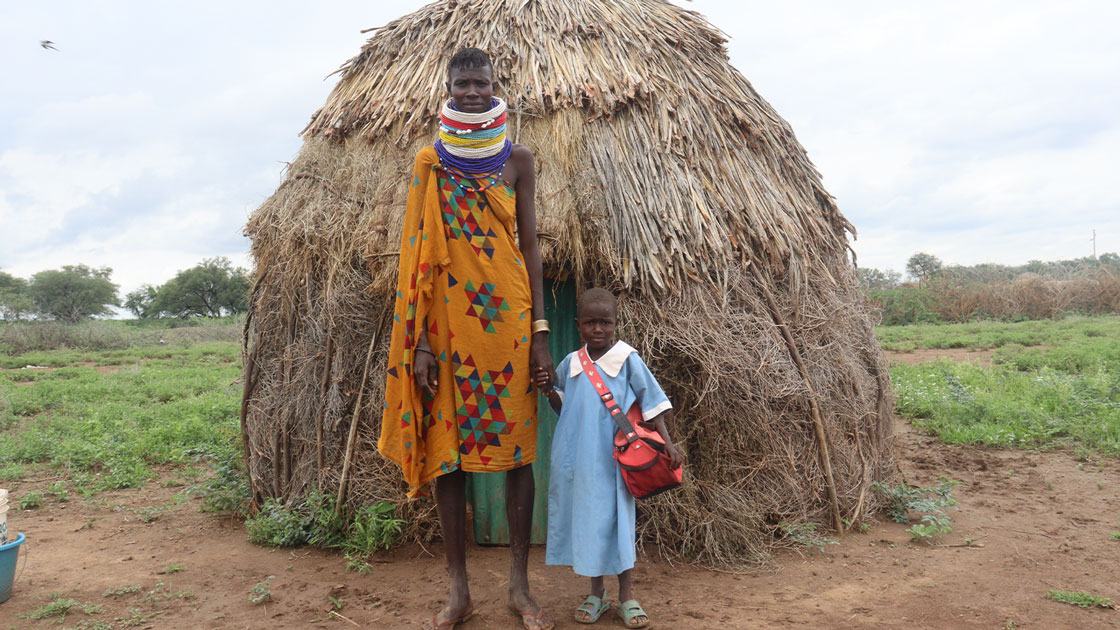
Epakan and mom Aweet on their way to school.
Epakan and mom Aweet on their way to school.
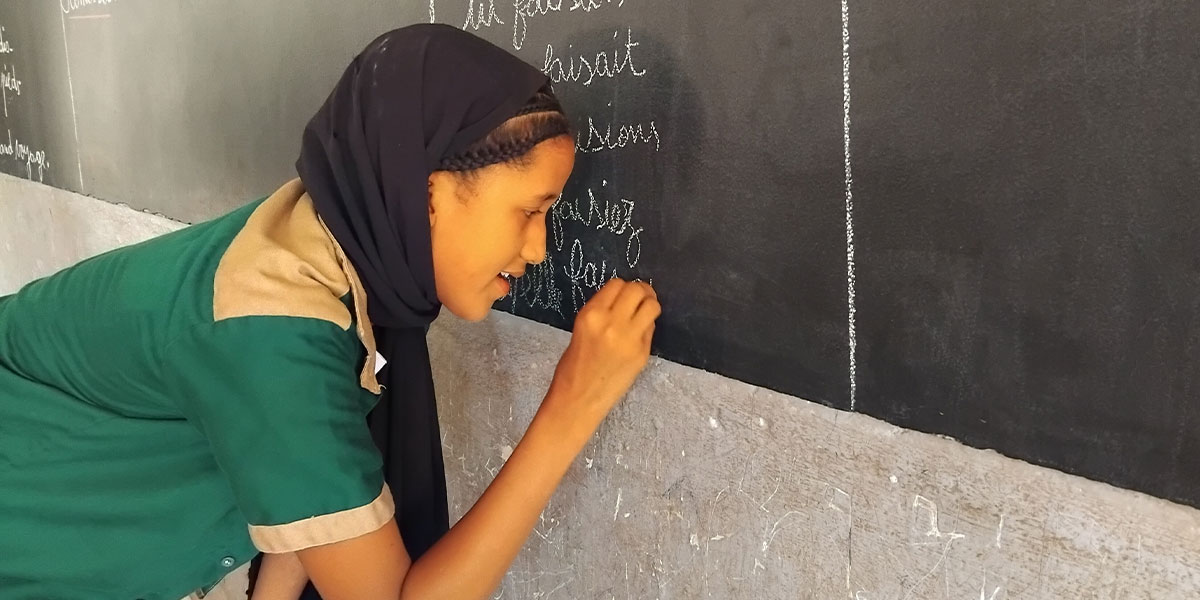
12-year-old Fatoumata had to build a new life in a refugee camp far from home. Her dream is to one day return home and work as a midwife.
- We had to leave everything. Our village, our school and our home. It happened so fast and I didn't get any of my things. No clothes, no toys, not even my birth certificate," says Fatoumata.
In Mali, the security crisis since 2012 has affected the lives of thousands of children. Fatoumata is one of them. When her school closed after terrorist attacks, her family chose to leave their home village in the hope of finding a safer life.
When my school closed, I was very sad. I could no longer go to my school at home or see my classmates.
Life in the refugee camp
Fatoumata lives with her family in Ségou, in a refugee camp located in western Mali. Growing up in a refugee camp is tough.
- The whole family sleeps together in a small room. There is no place to be alone," says Fatoumata.
The lack of food means that many people can never eat enough. People are crowded into small spaces and the lack of sanitation and clean water means that diseases spread easily. Many feel very unwell and the risk of abuse is high.
Difficult to start a new school
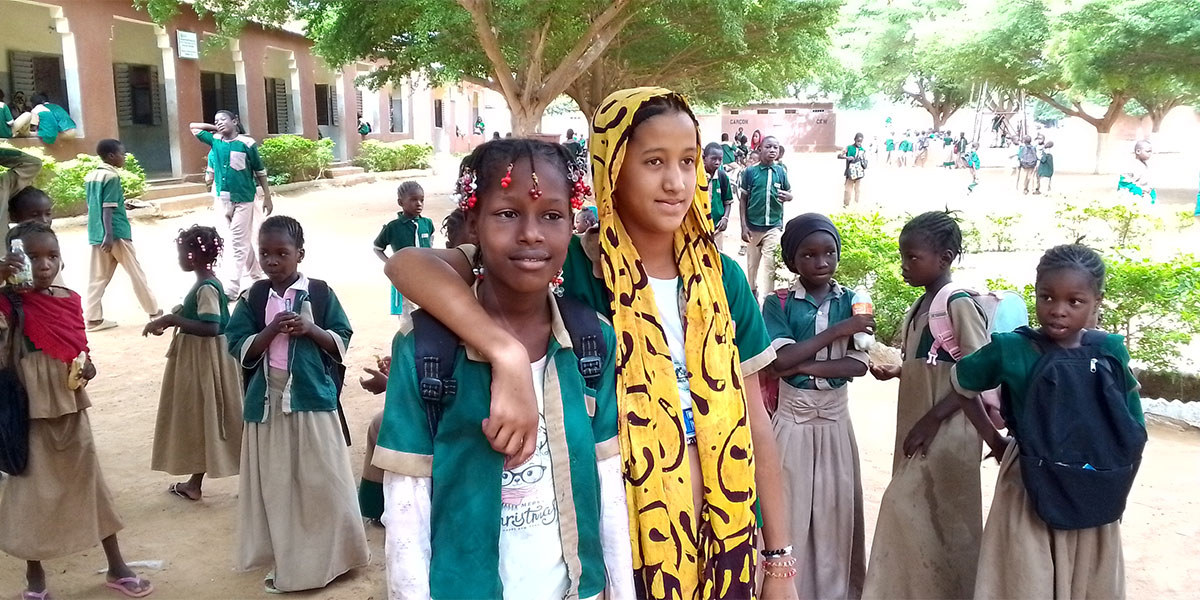
In the midst of the unrest, Fatoumata was able to go back to school, but the first years at her new school were also particularly tough. At school, Fatoumata was bullied by other children. This made it difficult to focus on her school work.
- They teased me about my looks and called me names. I was always alone and I had no friends," she says.
When Erikshjälpen started a children's rights club at Fatoumata's school, things changed. In the club, the children learned more about inclusion and the right to education, health and safety. And Fatoumata has finally found new friends and regained her motivation for school work.
- The school works well. My classmates are nice to me now, even though I was excluded at the beginning.
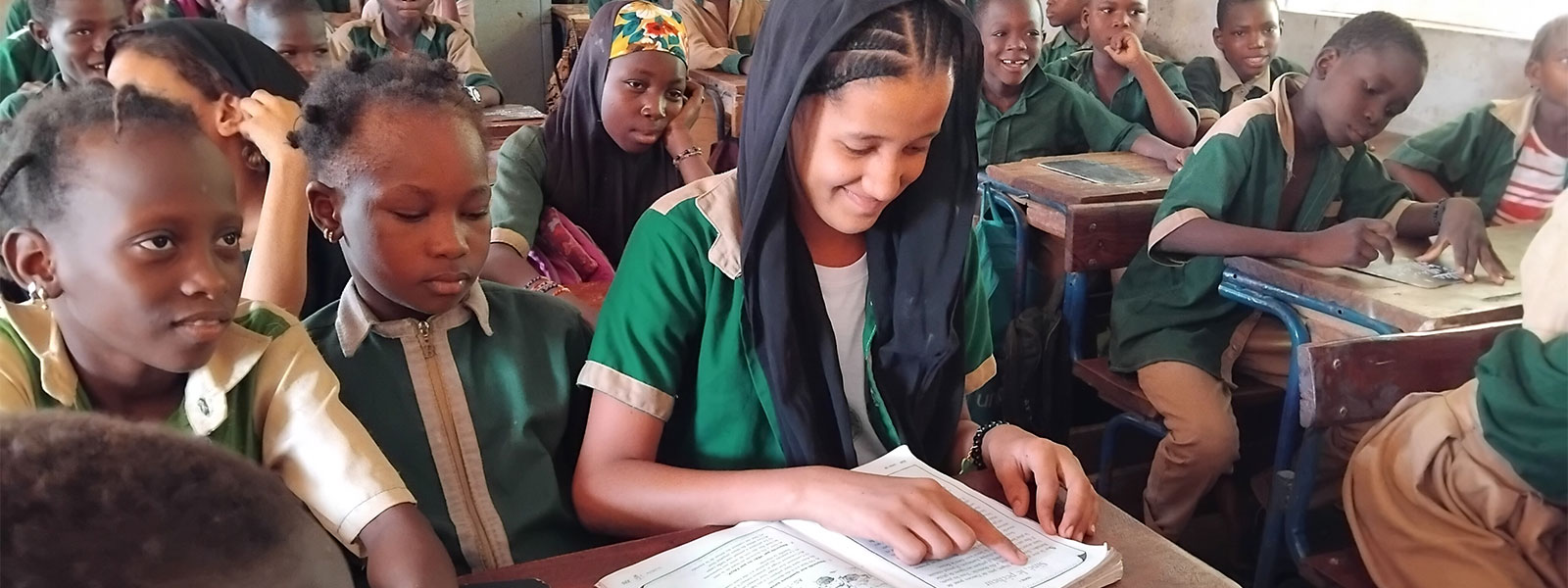
Fatoumata, 12 years old, goes to school in Bagadadji Sud in western Mali.
Fatoumata, 12 years old, goes to school in Bagadadji Sud in western Mali.
The dream of a better future
Fatoumata is one of many children in Mali growing up with fear, hunger and insecurity. But thanks to the opportunity to stay in school, she has hope for a better future.
- It was difficult at the beginning but school work is going well now, which makes me happy. At the same time, I'm still afraid of many things... Afraid of being attacked by armed men and of being assaulted.
Although Fatoumata still fears the violence around her, she has a dream: to return to her village when peace comes and work as a midwife.
I want to become a midwife. After school, I want to return home and help moms through a safe pregnancy and birth.
In Mali, more than 400,000 people are currently displaced within the country, many of them under the age of 18. They are fleeing because of unrest and hunger.
In 2024, more than 1,700 schools were closed due to the threat of terrorist attacks. This means that 520,000 children have lost their education and a safe place to be.
In the regions of Ségou, San and Koulikoro, Erikshjälpen works to strengthen children's rights by enabling education for refugee children. Here, children get access to, among other things:
- Temporary schools in refugee areas.
- Teaching via radio and digital media.
- Intensive training programs (Speed Schools).
- child rights clubs that strengthen community and self-esteem.

Supporting children's right to education
Help give more children the chance to go to school and dream of a bright future. Support our work for children's right to education and leisure.
Give a gift to children's right to education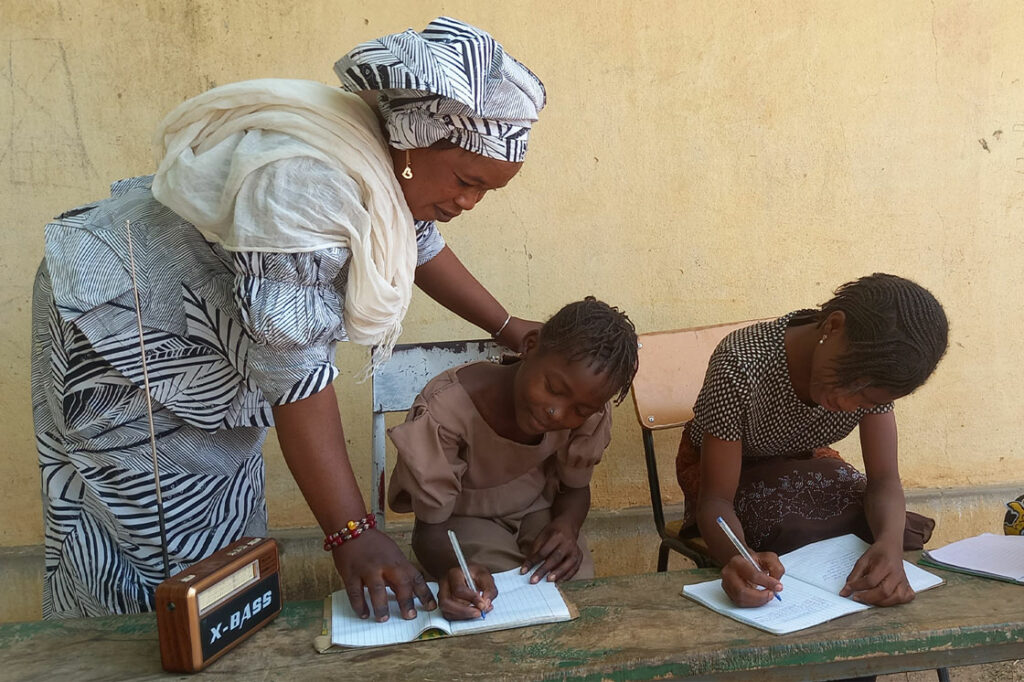
Nancy Mbiti is the 18-year-old in Western Kenya who is calling for sanitary pads to be free for all girls and women in Kenya. She is one of several brave girls at her school who have started to speak out against an unequal society.
For us in Sweden, it may not be seen as a big problem. But for girls and women in Kenya - especially in rural and poorer areas - access to sanitary protection is not a given. And even if it is available, it is not certain that everyone can afford it.
Nancy talks about girls her own age who have been forced to use rags or other textiles as sanitary pads because they can't afford to buy pads at the store. Sure, sometimes sanitary pads are distributed at school, but the distribution is often unfair and can end up in the wrong hands.
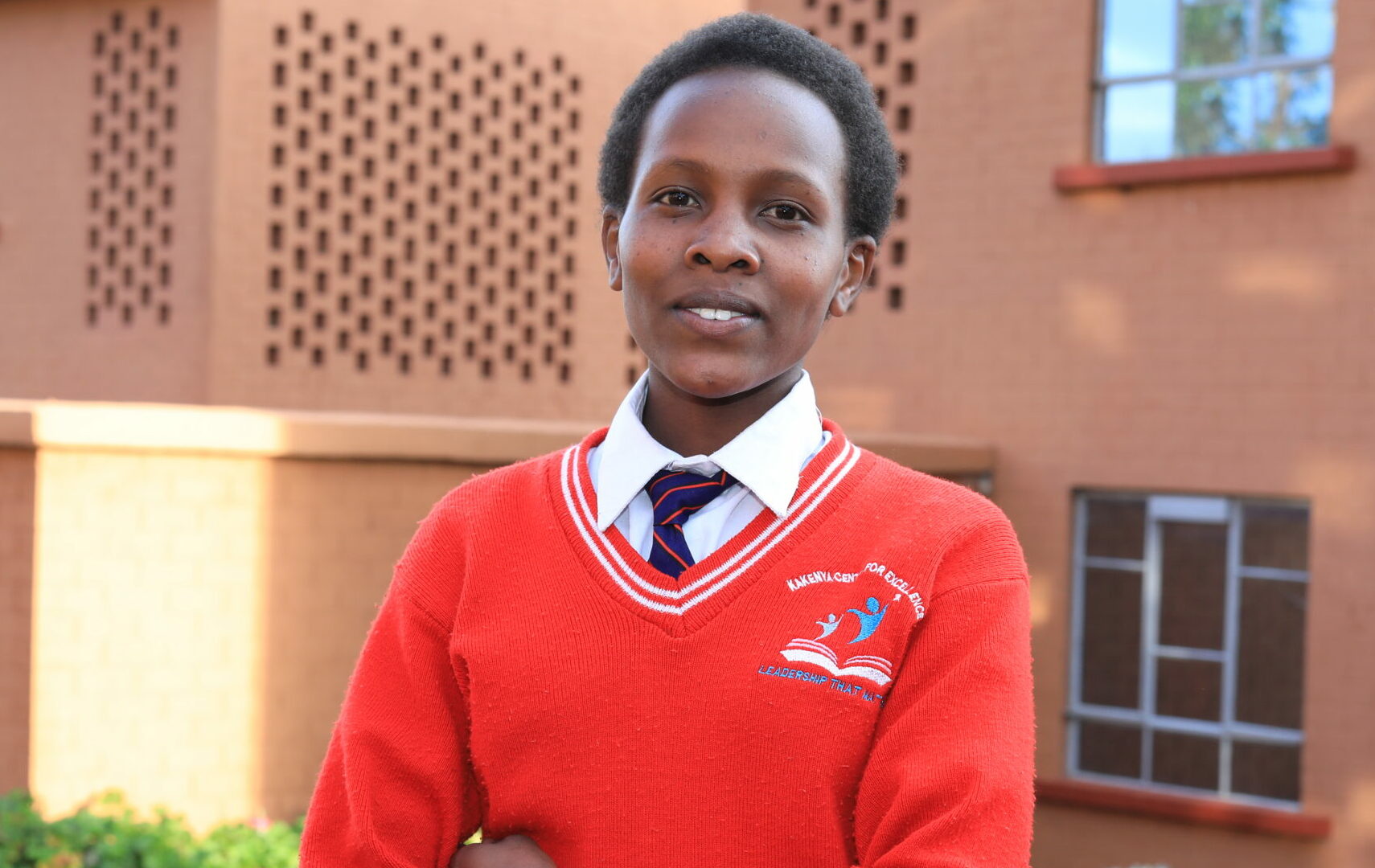
Nancy Mbiti is passionate about girls' rights. Photo: Kakenya's Dream
Nancy Mbiti is passionate about girls' rights. Photo: Kakenya's Dream
- We want politicians, especially those in Parliament, to pass a law that provides free access to sanitary protection across the country. If it's free, it's not worthwhile for teachers, for example, to get hold of pads and then resell them. It would also mean that no more girls would have to sell sex to afford sanitary pads and that the number of teenage pregnancies would decreasesays Nancy.
We cannot be silent. Menstruation is a natural part of life and something we must dare to talk about openly.
Writing opinion pieces to influence
When Nancy was in fourth grade, she came into contact with Erikshjälpens work in Kenya and was able to continue going to school thanks to ourcollaboration with the local organization Kakenya's Dream. Last year she graduated from high school and now she dreams of getting into university and studying to become a teacher. Another dream is that the view of menstruation in society to change.
- Free sanitary pads should be available in all health centers so women and girls can pick up pads whenever they want. This should be be as normal as having condom machines everywhere," she says.
Every month, Nancy meets girls of the same age who are struggling to get hold of sanitary towelsand she realizes that it's a topic that no one really wants to talk about. Something she wants to change. So she tries to talk about Menstrual health with her classmates and write op-eds in local newspapers to bring about change.
- We cannot cannot be silent. People are a natural part of of life and something that we must dare to talk openly about. It is our right to have access to menstrual protection andand should not depend on whether you can afford it or not.
Consequence of menses
In May, Erikshjälpen draws attention to Menstrual health and girls' right to health and hope for the future. You can join us and make a difference!
Read more about Erikshjälpen's work for men's health.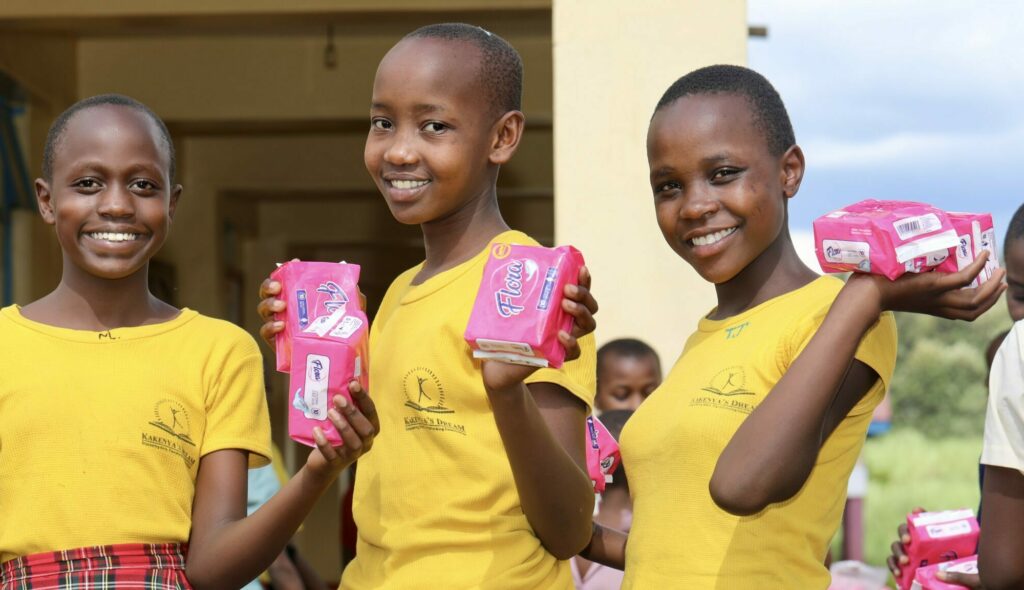
To go to school. Not to be married off. To have the opportunity to dream and to dare to believe that the best is in the future. It is the right of every child.
Today, there are 250 million children around the world who cannot go to school. Jannatul Ferdus, 11, is one of the children at the Pakkhali Education Center, an education center supported by Erikshjälp's donors. We are in southern Bangladesh, out in the countryside where the landscape is constantly changing and children's access to education is limited.
In the area of the Pakkhali Education Center in southern Bangladesh, there are around 500 families. Many of the children come here to receive remedial education and participate in various activities. There is also a parent group attached to the center. Few children here continue their studies beyond grade 5, but at the center they are supported to cope with school and prepare for further studies. Last year, eight children were helped to progress to secondary school.
Currently, 33 students are enrolled at Pakkhali Education Center, of which 22 are girls, grades 2-5.
- We get extra lessons and help with homework. But we also get to dance and sing and have fun together," says Jannatul with a smile.
We get extra tuition and help with homework.
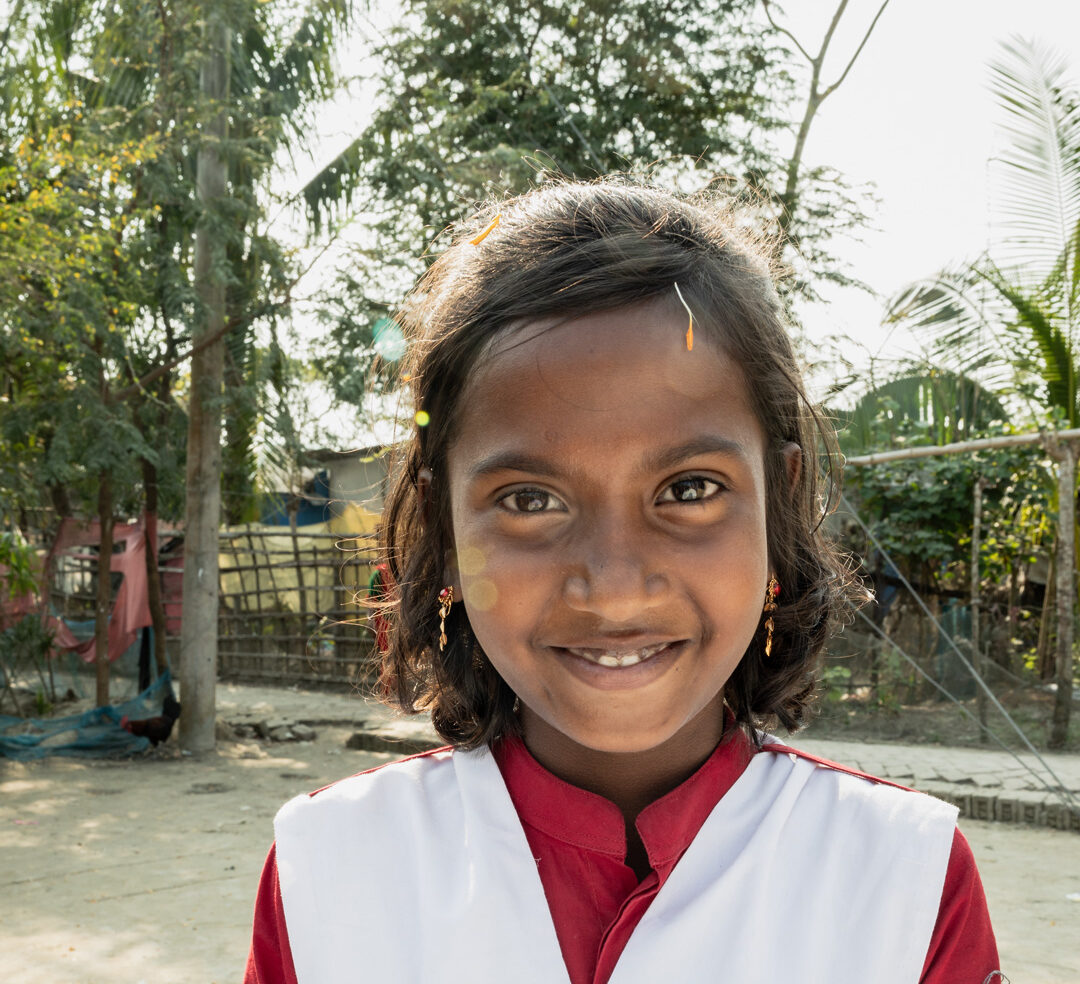
Jannatul Ferdus, 11, attends school at the Pakkhali Education Center in southern Bangladesh.
Jannatul Ferdus, 11, attends school at the Pakkhali Education Center in southern Bangladesh.
Poverty, poor roads, long distances to school, low levels of parental education and marriage are some of the reasons why many children do not attend school for many years. Families cannot afford to send their children to school. Instead, girls risk being married off and boys are forced to work. Many children have parents who did not go to school themselves and therefore do not receive much support with schoolwork from home. This is why the center is so important! Several children have been helped to apply for scholarships that enable them to continue studying despite their family's financial situation.
- Here we get the opportunity to prepare ourselves and we get help to pass school so that we can continue our studies," says Jannatul. She continues:
- We have different study circles and support each other. We also celebrate and recognize each other when things go well.
Inside the center, there are safe adults who support the children. Outside, the children grow vegetables, fruit and flowers. Together they have started a small fund, through which they help each other when someone in the group is having a particularly tough time financially.
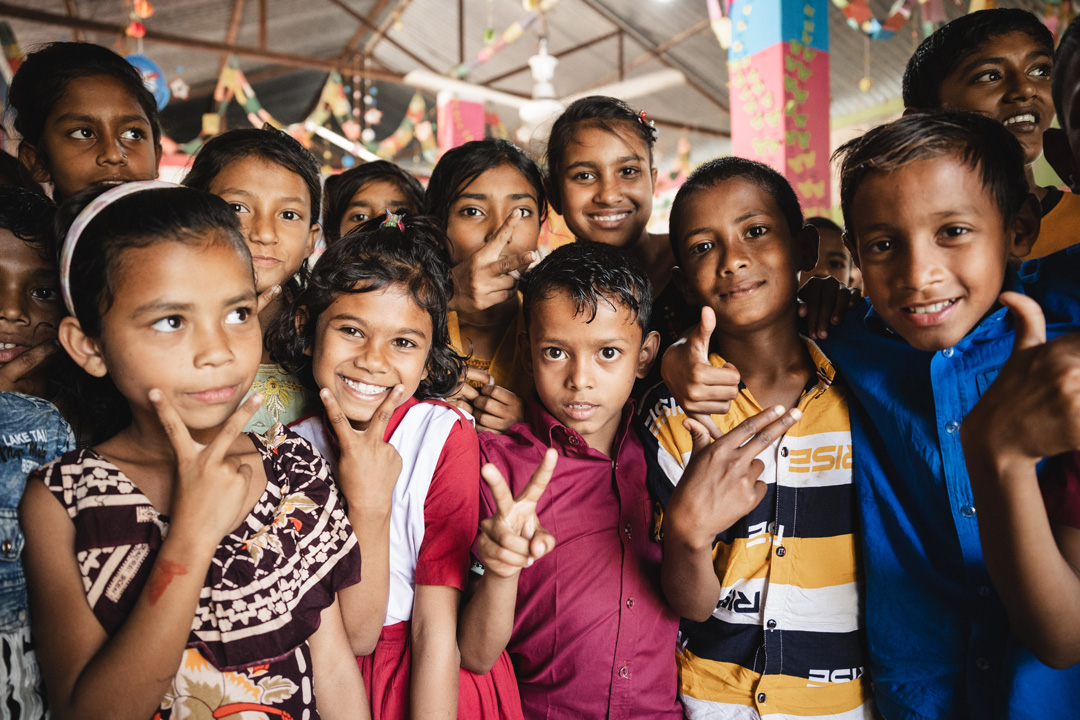
Pakkhali Education Center has 33 students enrolled, 22 of whom are girls in grades 2-5.
Pakkhali Education Center has 33 students enrolled, 22 of whom are girls in grades 2-5.
Disaster preparedness, sustainability and equipping children to adapt to climate change is one of the objectives of the activity. Giving children a better understanding of their rights and being involved in influencing their local village is another. Giving children meaningful leisure time and the opportunity to succeed in their studies is a third. And the benefits are enormous. The children shine when they talk about what the center means to them, this is their context.
- We take care of each other and the center together, it's fun to be part of it, says Jannatul and her friends next to her nod eagerly.
Together with our local partner, Erikshjälpen supports several interventions in Bangladesh, to fulfill children's right to go to school, ensure that they feel good and feel safe.
Support our work for children's right to education
Thanks to you, more children can go to school and dream of a bright future.
Give a gift to children's right to education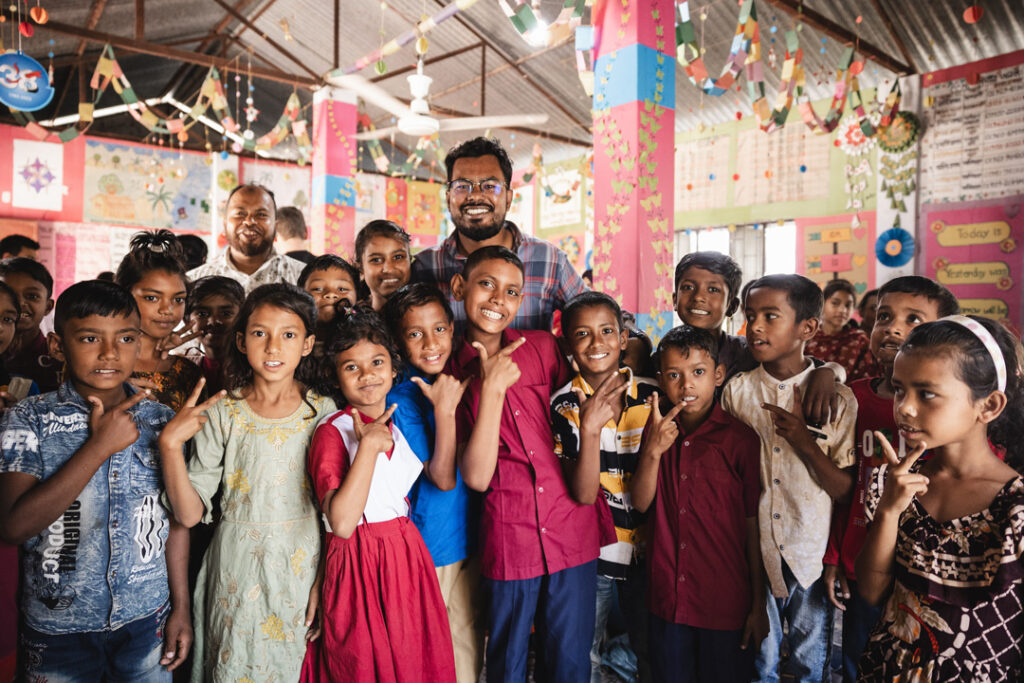
 Listening