Erikshjälpen Framtidsverkstad has been awarded the prize for Child Rights Project of the Year 2024 by the company JP Infonet. Erikshjälpen received the newly established award on February 7, 2024 during the Children's Convention Day conference.
During the 2024 edition of the Children's Convention Day conference, the information and knowledge company JP Infonet awarded the Children's Rights Project of the Year prize for the first time. With this award, the company wants to recognize a project that has contributed with particular value and development in the proactive work for children's rights. Children's Ombudsman Elisabeth Dahlin presented the diploma with a prize of SEK 25,000.
- We have chosen to give the award to Erikshjälpen Framtidsverkstad for their rights-based and long-term work with child participation. The project has produced good results that we think are well worth spreading further, says Helena Reinius, project manager at JP Infonet.
We have chosen to give the award to Erikshjälpen Framtidsverkstad for their rights-based and long-term work with child participation.
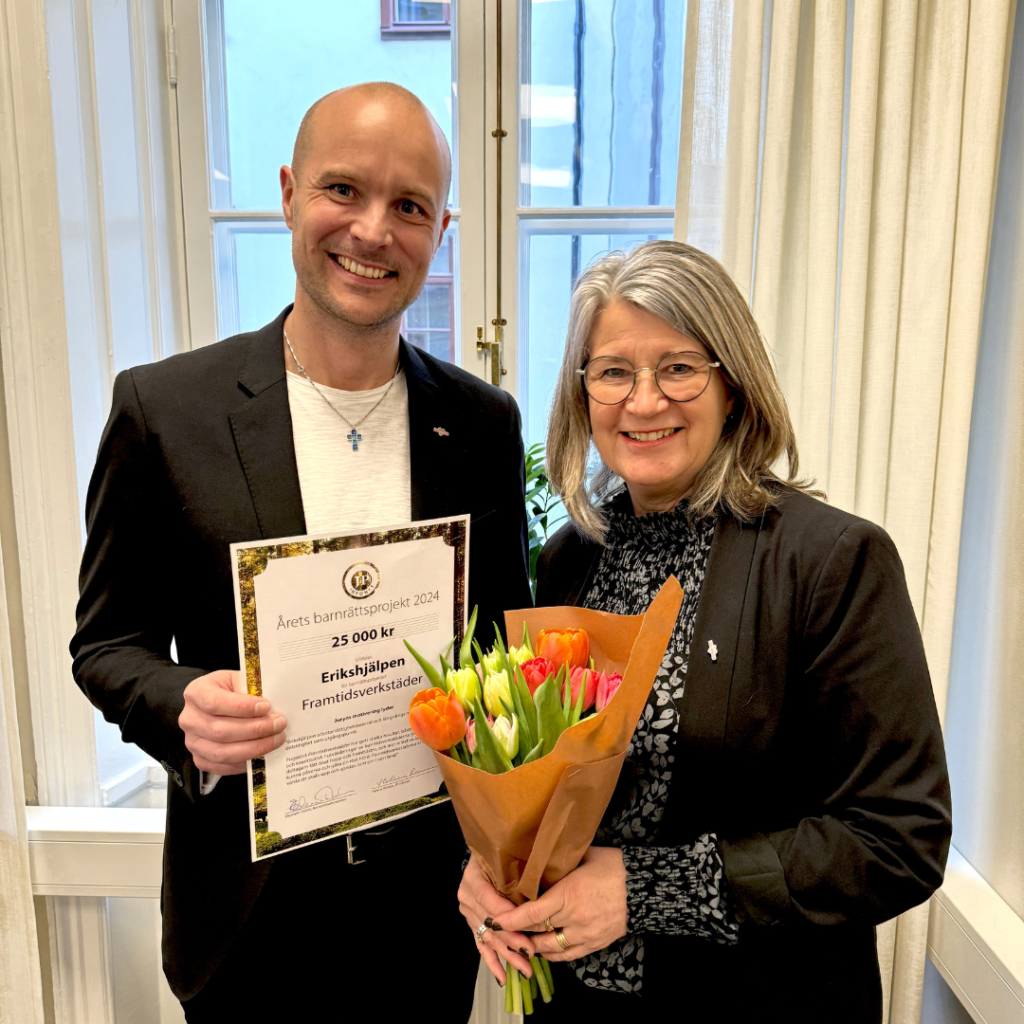
Håkan Giselsson and Birgitta Johansson
Håkan Giselsson works as a unit manager at Erikshjälpen Framtidsverkstad, tells how it was to receive the award.
- The award is a fantastic recognition of our staff at the local Future Workshops. Together with children and parents, they are driving real change and helping to create hope and confidence in the future.
Birgitta Johansson is the head of Erikshjälpen's Sweden department and she was also there to receive the award.
- We are so proud and happy about this award, which means a lot to make our business visible.
Jury's motivation
Erikshjälpen works in a rights-based and long-term manner with child participation as a starting point. Future workshops have produced strong results, both qualitatively and quantitatively. Evaluations of the Future Workshops highlight that participants have increased hope and faith in the future, and not least a feeling of being able to influence and make their voice heard. The Future Workshops are well worth scaling up and spreading around our country.
On February 1, 2024 Mattias Ingeson took office as Secretary General of Erikshjälpen. In a time of conflict and economic turmoil, he wants to create a stronger image of what the organization does in Sweden and the world.
-"Sometimes you get the feeling that the good forces only investigate, research and talk while those who cause chaos in the world get things done," says Mattias Ingeson. Erikshjälpen wants to influence and spread knowledge about children's rights but at the same time be a "doer", working every day to make a real difference in people's lives.
A common thread in Mattias Ingeson's career is his commitment to society. His law studies were never motivated by the dream of big law firms, but by commitment and a desire to help others.
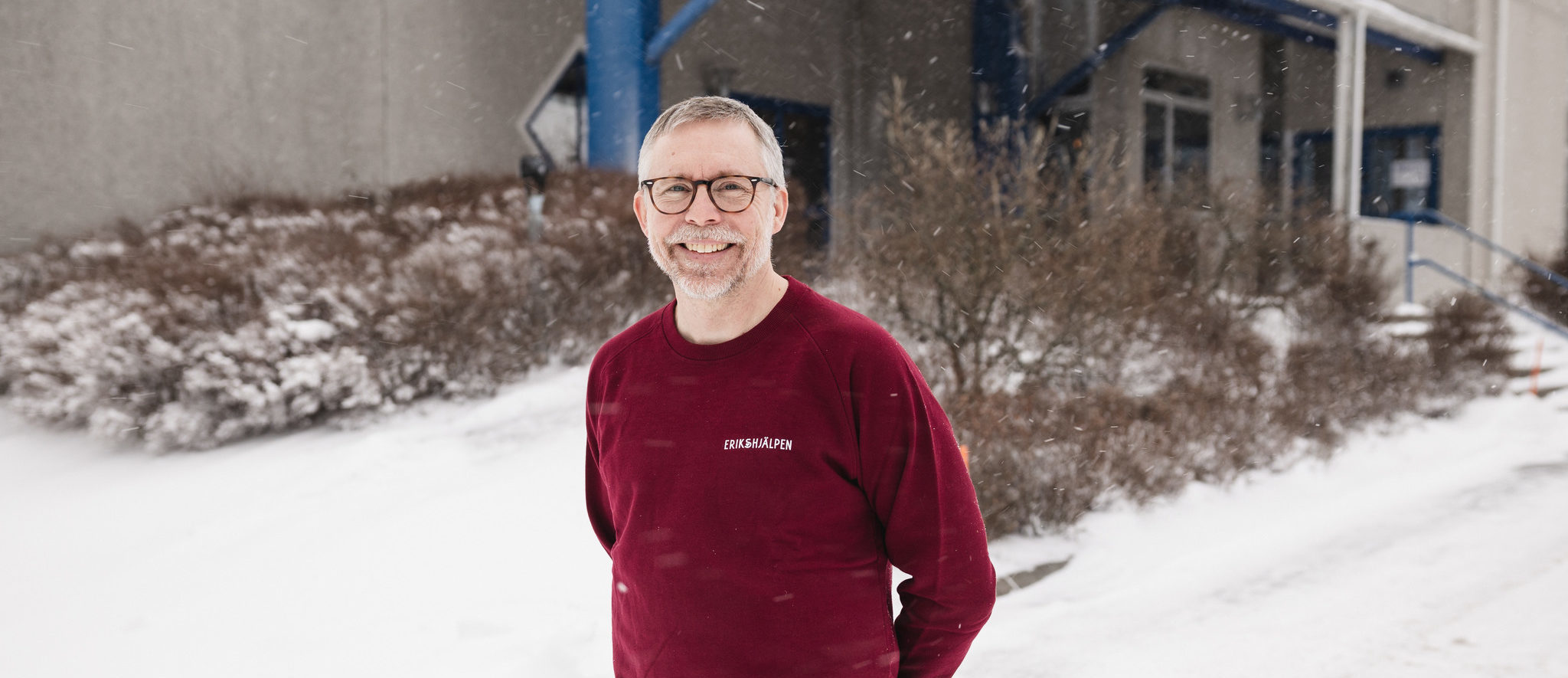
Mattias has a background in Erikshjälpen
When Erikshjälpen was looking for a new international director in 2007, Mattias didn't know much about the organization, other than that it was the only one of its kind in the region working with international child rights.
He came into contact with Erikshjälpen at just the right time. The organization wanted to scale up its Sida cooperation and was looking for someone with experience in organizational strategy.
Mattias was given the job of international director, but his position was changed at the very first management meeting. A new Secretary-General was to be appointed and with his skills and experience, it was natural for Mattias to become the boss's right-hand man.
Mattias' first time at Erikshjälpen lasted 12 years, then it was time for new challenges. As regional manager at Bilda, he was given the opportunity to be the sole leader and take the main responsibility. But after five years at Bilda, the offer came that felt so obvious to say yes to.
-I have never really let go of Erikshjälpen. It's been five years since the last time, which is long enough to come back with renewed vigor, but short enough for me to know what I'm coming back to.
Inherited her social commitment from her mother
Mattias Ingeson has always been interested in the identity of an organization. How Erikshjälpen has been formed and become what it is. The story of the founder Erik appeals to him, and he recognizes the drive and social commitment in his own life. Not least from his childhood with a mother who always stood by the children.
-"I definitely got a lot of my commitment from her," says Mattias. "In my new role, I can contribute with my social commitment and my drive in children's rights issues.
Men are bad at second-hand shopping
Living climate friendly
Mattias' commitment is not just about children's rights. Recycling is also important to him and there is more than one garment from Erikshjälpen Second Hand hanging in the closet in Russnäs.
"I want to live in a climate-friendly way, but it's also about the search, the treasure hunt. In general, men are not good at second-hand shopping and I'm happy to lead the way. I wear something second-hand every day, whether for work or leisure.
A varied life
Mattias Ingeson is originally from Linköping, but for the past 20 years, the family has lived in his wife Karin’s hometown of Russnäs, just outside Eksjö. Life in the countryside and in a small community suits him, but it’s just as important to him to be where things are happening.
-I like to have a fixed point in my life that is quiet and restful, but I still like to live in the heat of the moment.
Spring is almost here, with its light and hopefulness. But much about the future looks anything but bright. Mattias Ingeson is taking over as leader of Erikshjälpen at a difficult time, and he is aware of this.
-"I'm not intimidated, but instead motivated by finding ways forward," says Mattias. There is a kind of problem-solving spirit within Erikshjälpen that I have great faith in and look forward to being a part of.
Facts about Erikshjälpen's new Secretary-General
Name: Mattias Ingeson
Born: March 8, 1974
Lives in: Russnäs, Eksjö
Family: His wife Karin and their children Axel, 19, Gustav, 17, and Märta, 14.
Interests: Outdoor activities, sports, and athletics; has been a soccer coach for many years.
Favorite food: Lasagna
 Listening
 This is a response to an opinion piece published in JP.
In Staffan Eklöf's (SD) and Ida Kors' (SD) opinion piece in JP on January 17, the Sweden Democrats write that the fears of introducing safety zones are exaggerated and that the risks are not proportionate to the potential gains. "The possibility of saving a child from being recruited into criminal networks outweighs the risk that a child may experience mistrust."
SD also believes that it is the politicians who have fed foreign-born people the idea that they are discriminated against. They cite an example from Erikshjälpen Framtidsverkstad , where young people feel that everyone dislikes people who live in the suburbs.
That is not the case, of course, but we cannot question the experience of young people. The fact that those subjected to suspicion and searches experience a lack of trust and confidence in the police and society is not a risk but already a reality. Several studies show that discrimination, stigmatization and racism are a fact of life in our society, factors that also deeply concern the UN Committee on the Rights of the Child.
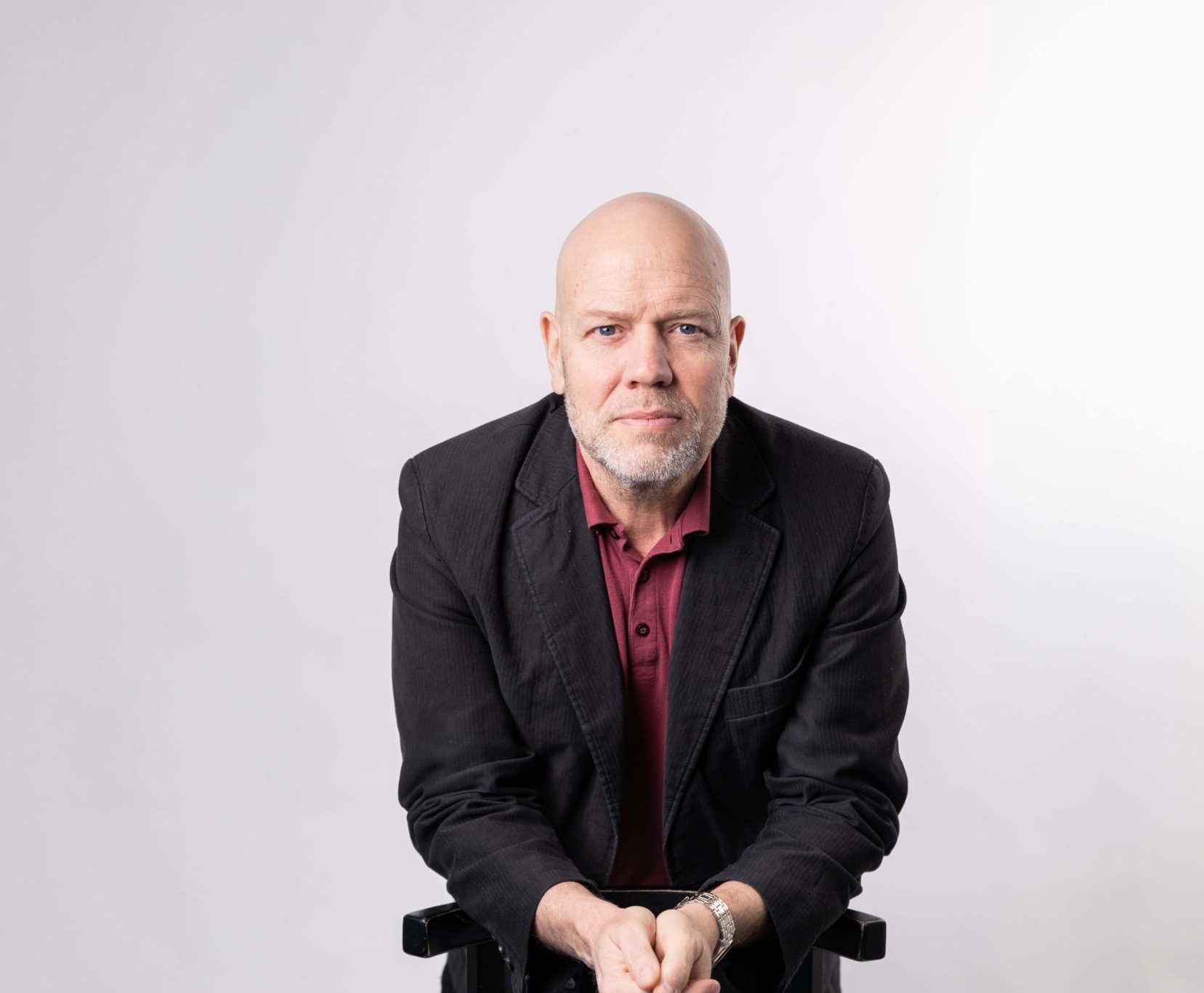
Daniel Grahn, Secretary General Erikshjälpen
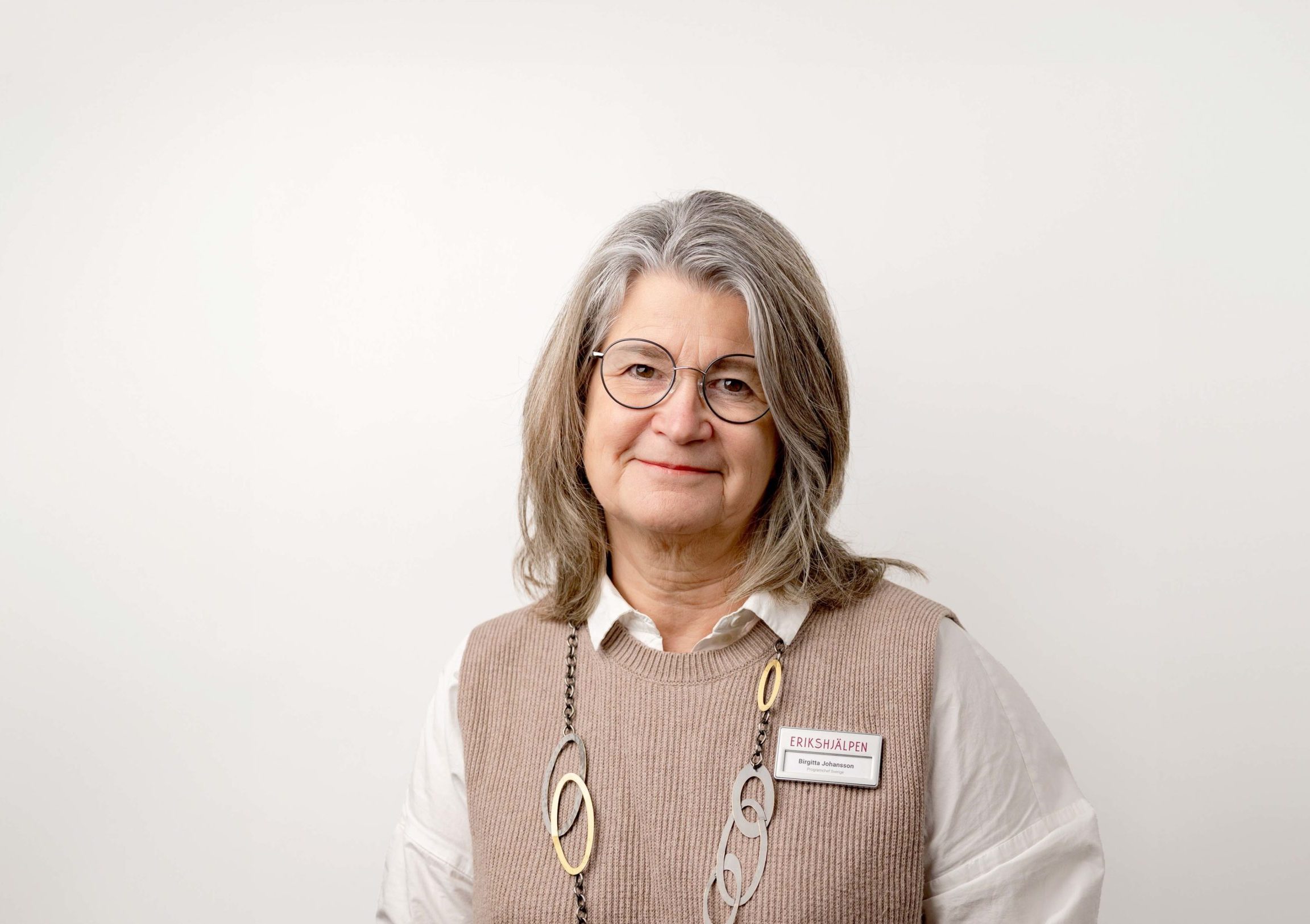
Birgitta Johansson, Head of Erikshjälpen Sweden
Daniel Grahn, Secretary General Erikshjälpen
Birgitta Johansson, Head of Erikshjälpen Sweden
Link to public society
Erikshjälpen Framtidsverkstad meets children, young people and parents in several of Sweden's underprivileged areas. We listen and make their voices visible and want to be a link to public society, which many lack confidence in. We often meet children and young people who have lost faith in themselves and their opportunities.
Violence and crime must be stopped, while we need to build trust in our society. Tougher measures are not enough. Children are both victims and perpetrators, according to Police Commissioner Karin Götblad in her Winter Chat, and describes how children end up in a predicament from which there is no escape. She also points out that collaboration between authorities and an inclusive civil society is necessary. "Society needs to be better at understanding the vulnerability of young people.
Same rights
the United Nations Convention on the Rights of the Child is clear: All children have the same rights, no matter where they live. That is not the case today, and as recently as last year, Sweden was criticized by the UN Committee on the Rights of the Child for failing to eliminate disparities and discrimination based on place of residence.
Erikshjälpen Framtidsverkstad wants to contribute to the realization of every person's potential. This is done by supporting children, young people and parents to be agents of change, both in their lives and in their neighborhood.
It also helps to break the isolation that otherwise risks being passed on. It is not about dressing capable people in "victim's clothing", but encouraging and supporting them to believe in their abilities to influence their future.
This is what a 15-year-old participant in one of Erikshjälpen's Future Workshops says:
"Before, nobody cared about us or our future, not even ourselves. With the Future Workshop, we are not only changing the view of our neighborhood, we are also changing ourselves as people."
People should not be so easily offended, say Staffan Eklöf and Ida Kors. But feeling offended is a personal experience, and it's not something that anyone else can decide if you are. The feeling can only be changed through positive experiences.
Safety zones counterproductive
Special safety zones are a short-term intervention that risks being counterproductive and reinforcing already negative circles. Reinforcing the image that many people already have of these areas, but also how the children living there see themselves. There is no doubt that all forms of crime and violence must be tackled and criminals prosecuted, but this means that everyone should be equal before the law, regardless of their address. We must not forget that most people living in deprived areas are ordinary people, who want to live and have a good life with a job, a home and a family.
Author:
Daniel Grahn, Secretary General of Erikshjälpen.
Birgitta Johansson, Head of Erikshjälpen Sweden.
Right now, a terrible humanitarian disaster is unfolding in Gaza, affecting children and others, and it will mark the Middle East and the world for many years to come.
The situation is unbearable.
Daniel Grahn, Secretary-General of Erikshjälpen.
Daniel Grahn, Secretary-General of Erikshjälpen.
- The situation is unbearable, it is terrible that the hope for peace and reconciliation in the region may have been shattered for several generations to come," says Daniel Grahn, Secretary-General of Erikshjälpen.
In conflict, children are particularly vulnerable and war is the ultimate violation of children's rights. Yet it is increasingly common for schools, hospitals and residential buildings to be targeted by warring countries. A strategy that goes against all humanitarian law and human dignity.
- "There is nothing as diabolical as attacking children, using them as shields or weapons," says Daniel Grahn.
Recently, the death toll in Gaza exceeded 25,000, mostly civilians and a third of them children. Those who survive bombs and ground battles risk dying instead from disease, starvation and dehydration, unless humanitarian aid arrives in time.
There is nothing as devilish as attacking children.
Erikshjälpen does not have its own staff on the ground or carry out any direct work in the region, but we are following developments closely.
- The war that affects innocent children on both sides is completely indefensible. We condemn every single child abuse, regardless of which side of the border it takes place.
Erikshjälpen calls on all parties involved in the conflict to respect international humanitarian law and put children's rights first. In our role, we appeal to the Swedish government to do everything in its power to reach a lasting ceasefire.
Violence against children in Gaza and Israel must stop!
Contribute to the relief effort in Gaza
Erikshjälpen does not assist with humanitarian interventions in Gaza, but we encourage you to contribute to the following organisations that do important work on the ground:
Give a gift to those affected in Gaza, diakonia.se
Humanitarian crisis in Gaza, imsweden.se
Children in Gaza and Israel must be protected, raddabarnen.se
Urgent need for aid in Gaza, rodakorset.se
Caption: Staff from Individual Humanitarian Aid's (IM) partner organization Palestinian Medical Relief Society (PMRS). Photo: PMRS.
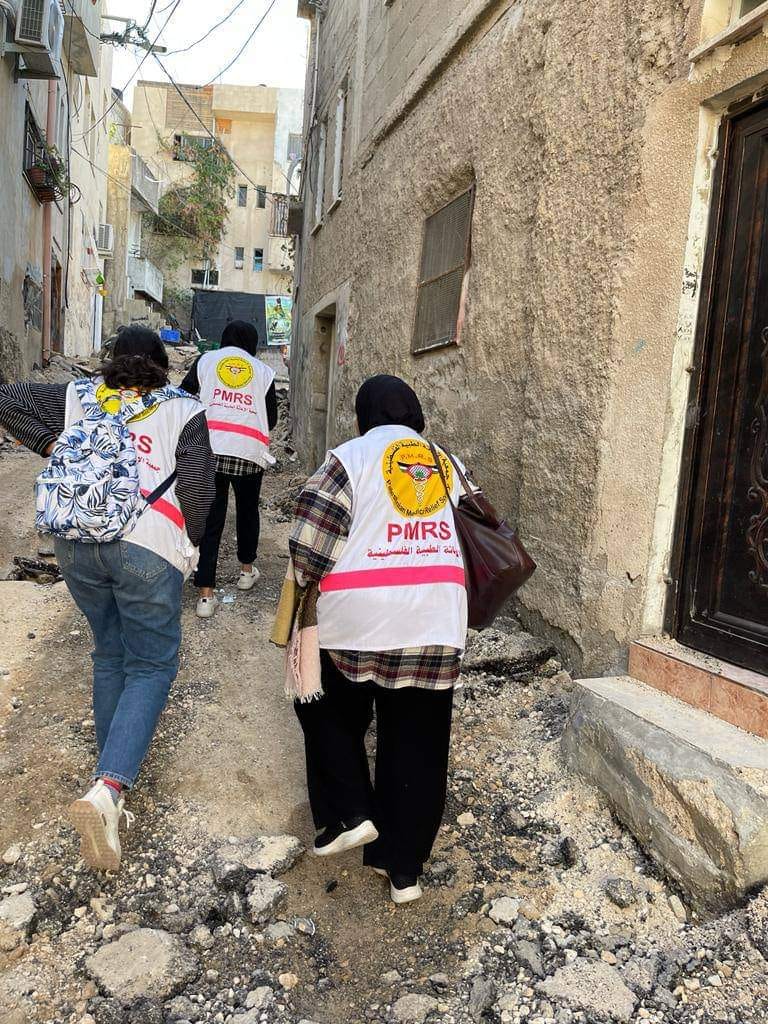
Photos with medical staff are from Individual Humanitarian Aid's (IM) partner organization Palestinian Medical Relief Society (PMRS).
Author: Daniel Grahn
Before Christmas, the Government and the Sweden Democrats presented their reform agenda for Swedish aid. There is much in the reform agenda that raises concerns for the countries that need the most support.
There are some positive elements in the government's new aid policy, but above all there are many concerns.
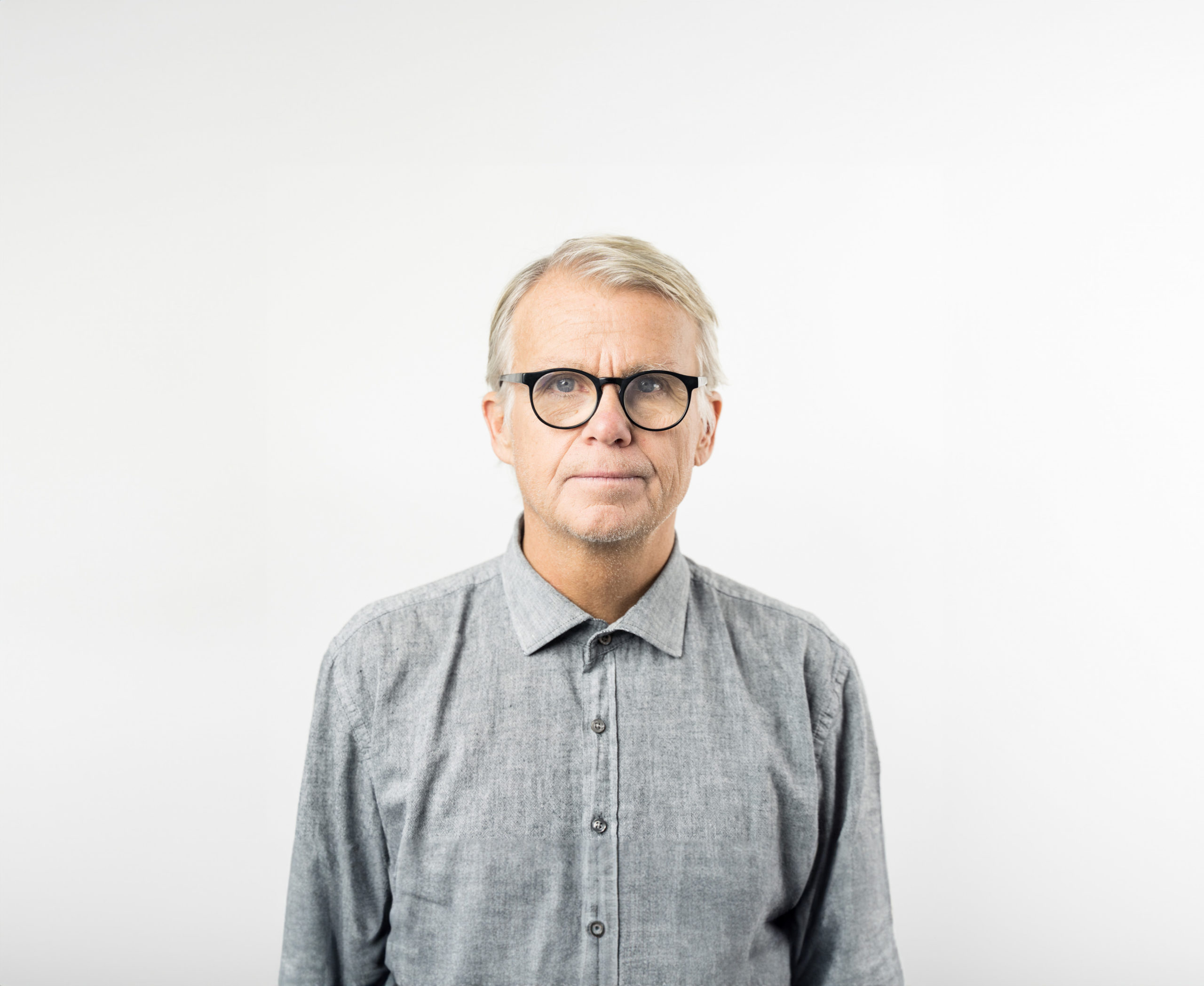
Anders Malmstigen, International Director at Erikshjälpen.
Anders Malmstigen, International Director at Erikshjälpen.
Concerns about the link between trade and aid
- "There are some positive elements in the government's new aid policy, but above all there is much that raises concern. One example is the clear link between trade and aid, which now leads to turning its back on some of the countries that need the most support," says Anders Malmstigen, International Director of Erikshjälpen.
"Aid for a new era - Freedom, empowerment and sustainable growth" is the name of the government's reform agenda that will determine the direction of Sweden's future global development work.
When the government's aid reform agenda was released in early December, Erikshjälpen eagerly awaited the letter of regulation to Sida to see what specific consequences the new reform agenda would have. The regulation letter with directives for Sida's activities came the following week and is largely in line with the changes contained in the reform agenda.
Aid policy has shifted focus from poverty reduction to promoting trade and development.
- "It is clear that the focus of aid policy has shifted from poverty reduction to primarily promoting trade and development," says Anders Malmstigen.
The concern about the link between trade and aid is that Sweden's aid policy is moving away from conflict-affected countries where poverty is increasing. This applies, for example, to Burkina Faso, Mali and South Sudan, countries where Erikshjälpen is active and where needs have increased.
The government's directive to Sida for 2024 now confirms that aid to these three countries in Africa, together with Cambodia in Asia, is being phased out within the framework of ongoing regional support. In the four countries that are being phased out, Erikshjälpen has interventions together with local partner organisations.
- The letter confirmed the concern that Sweden's aid no longer focuses primarily on people living in poverty and oppression. "Now our work and that of other civil society organizations becomes even more important. We can't just sit back and watch Swedish interests dictate who gets aid," says Anders Malmstigen.
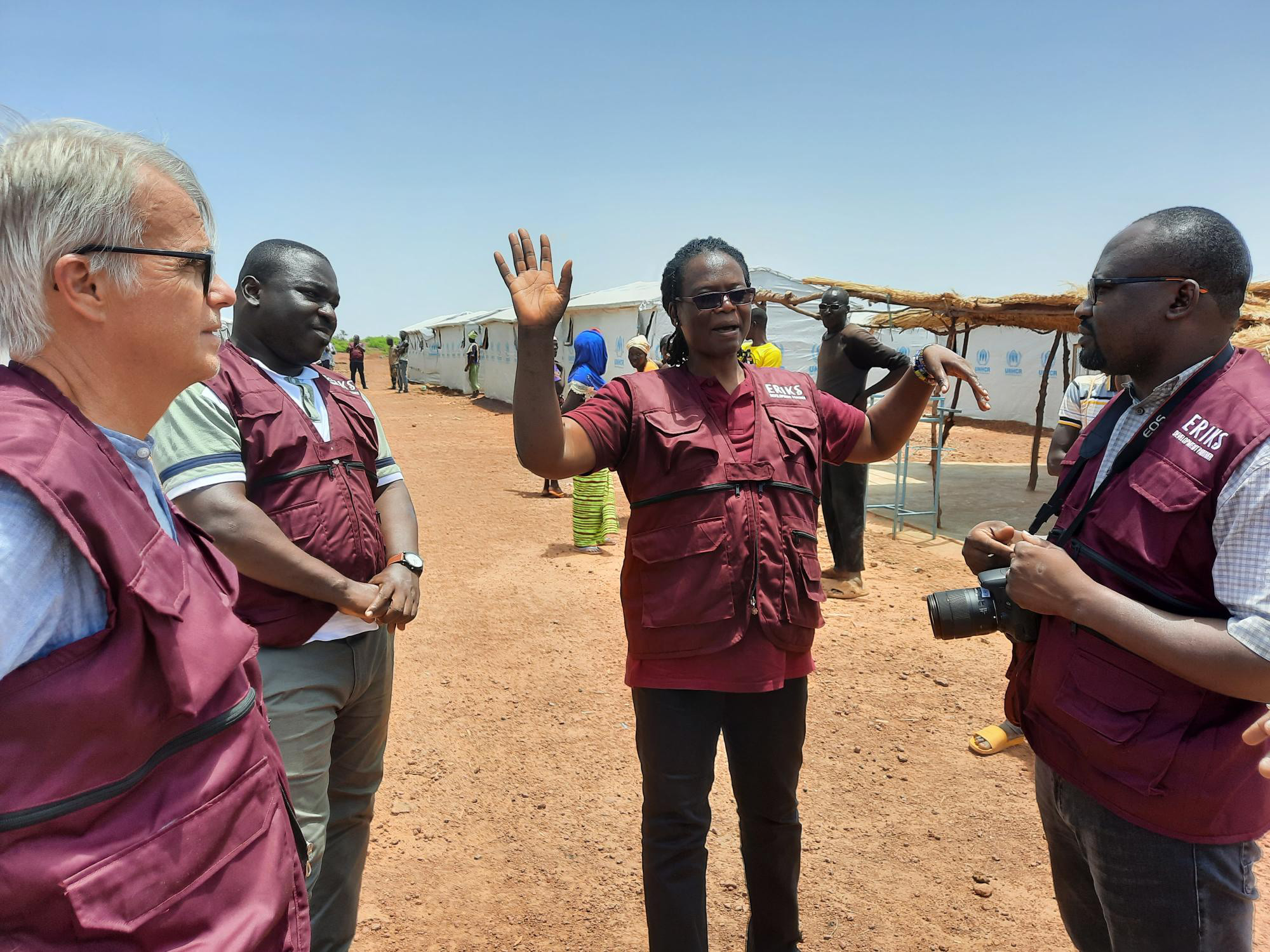
Anders Malmstigen together with Erikshjälpen's employees in Burkina Faso.
Anders Malmstigen together with Erikshjälpen's employees in Burkina Faso.
Now our work and that of other civil society organizations becomes even more important.
Analysis of the reform agenda and appropriation directions
Concord Sweden is an umbrella platform that brings together 82 aid organizations in civil society. In its analysis of aid policy and the appropriation letter to Sida, Concord highlights a few points in particular:
- The general condition that the funds may only be used in accordance with the OECD/DAC guidelines for what can be classified as aid is not included in the appropriation directions.
- The appropriation line for communication and information activities in Sweden is removed completely.
- There will be the same low allocation for aid through Swedish popular movement organizations (CIVSAM allocation) as last year.
During the year, Erikshjälpen worked with the Concord Sweden network to develop recommendations for what the government's aid reforms should look like for sustainable global development. An important piece of the puzzle has been to ensure that the promise of increased Funding to civil society can be kept.
The reform agenda indicates that future cooperation with civil society organizations is a priority, but there are no clear strategies.
- Now it is just a matter of ensuring that this is put into practice. "Even though the aid provided through Swedish NGOs has increased proportionally, we are still seeing a decrease in actual money. This is because the total volume of aid has decreased," says Anders Malmstigen.
The reform agenda is positive
In the government's reform agenda for aid, Erikshjälpen welcomes the fact that children are highlighted as a priority group with their own specific rights and that the rights and freedoms of girls are given a prominent position. Sexual and reproductive health and rights, SRHR, and working against, for example, genital mutilation are also on the agenda, which bodes well for the future. But it is now important that children's rights are made visible in future strategies in order to have a proper impact.
Analysis of the aid reform agenda, concord.se.
Analysis of appropriation directions to Sida, concord.se.
Read Anders Malmstigen's opinion piece on the subject in Dagen, Sweden phases out aid to particularly vulnerable countries, Dagen.se.
Author: Lena Elf.
Erikshjälpen was on site during Musikhjälpen 2023 in “ Växjö ,” where Anne Wachira was one of the guests in the glass booth at Kärlekens torg. In line with this year’s theme—“No one should have to die of hunger”—Anne spoke about Erikshjälpen’s work in northeastern Kenya.
People are already living on the margins and now the drought has escalated the situation.
Food is a human right, but despite this, millions of people around the world die every day as a result of malnutrition. Erikshjälpen has been working with the food shortage in Marsabit for many years in various projects, including together with the local organization "Food for the Hungry". The efforts include both countering acute malnutrition but also creating better resilience to the increasingly frequent droughts.
- Marsabit and surrounding regions have always been affected by drought, but in recent times there has been no chance of recovery between droughts, pushing the area into acute food shortages. "Nearly a fifth of children in Marsabit are at risk of dying from malnutrition," says Anne Wachira.
Almost a fifth of children are at risk of dying from malnutrition.
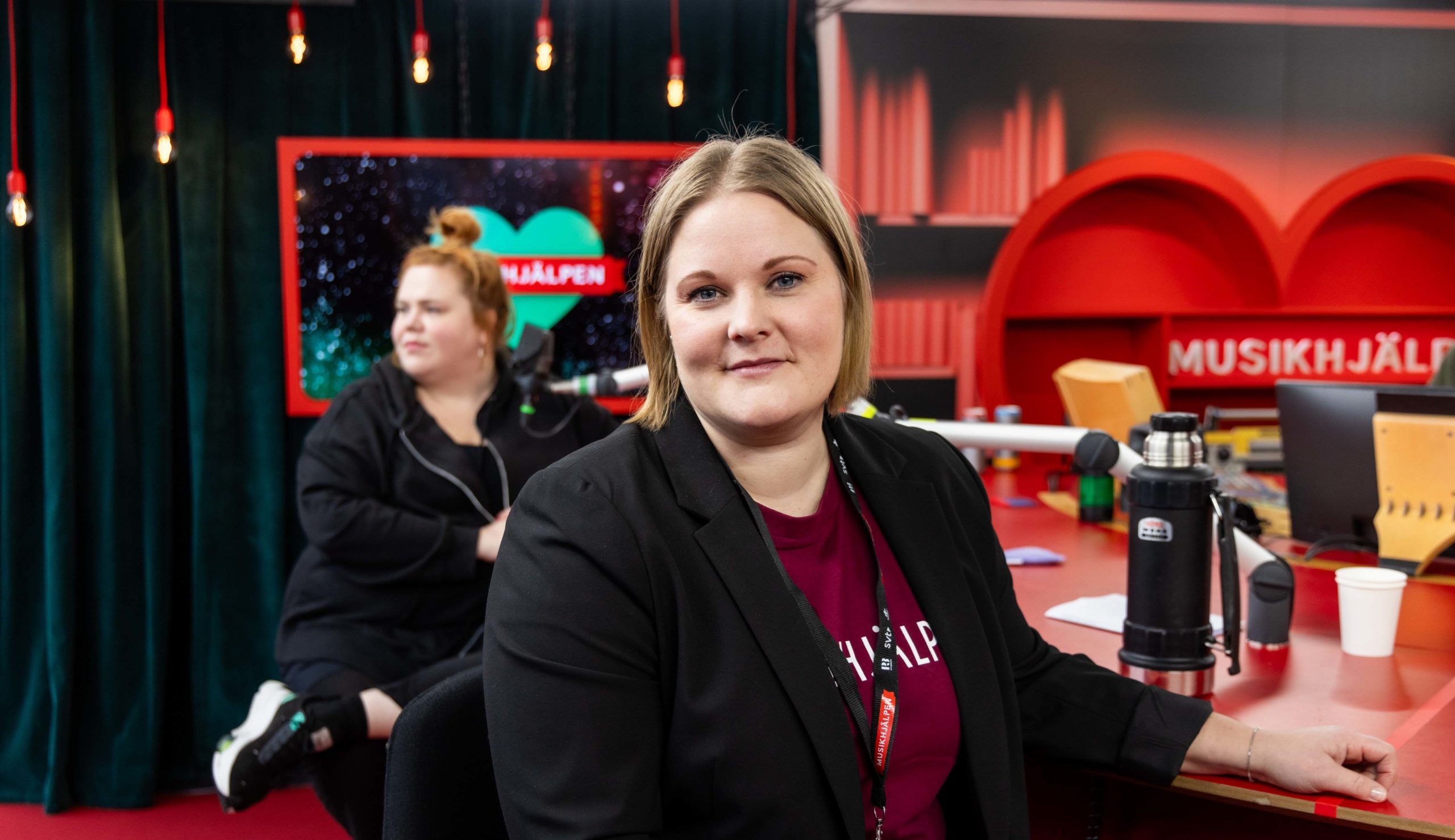
Anne Wachira.
Anne Wachira.
Anne Wachira brought a thermos filled with a Kenyan gruel for presenters Linnea Wikblad and Sofia Dalén to taste. A common meal in Kenya, but unfortunately something that most families in Marsabit cannot afford.
When asked how Erikshjälpen is working specifically to counteract the effects of the drought and food shortages in Marsabit, Anne said that both emergency humanitarian aid and more long-term work are taking place.
- In addition to providing the most urgent aid in the form of food and water, we are also working to create a more stable food supply for families by having more sources of income than livestock farming and supporting them in growing things that can withstand drought better, more climate-adapted, said Anne Wachira.
Watch Erikshjälpen's participation in the glass cage via the link: Musikhjälpen - Tuesday, December 12, SVT Play.
Read more about Erikshjälpen's work in Africa
Nearly 118 million girls around the world are not in school. In a joint opinion piece, Erikshjälpen and seven other organisations draw attention to girls' right to education.
Read the opinion piece in Global Bar Magazine here: Debate: Invest in girls' education and double the results.
Education for girls is a safeguard against both child marriage and child labor. Efforts to strengthen girls' rights are important and beneficial for girls and their families, for entire communities and for global development.
Together with seven others organisations Erikshjälpen participates in a collaborative project that is financed by the Postcode Lottery and coordinated by the Postcode Foundation. The collaborative project involves several different projects being implemented in different parts of the world to give girls access to education.
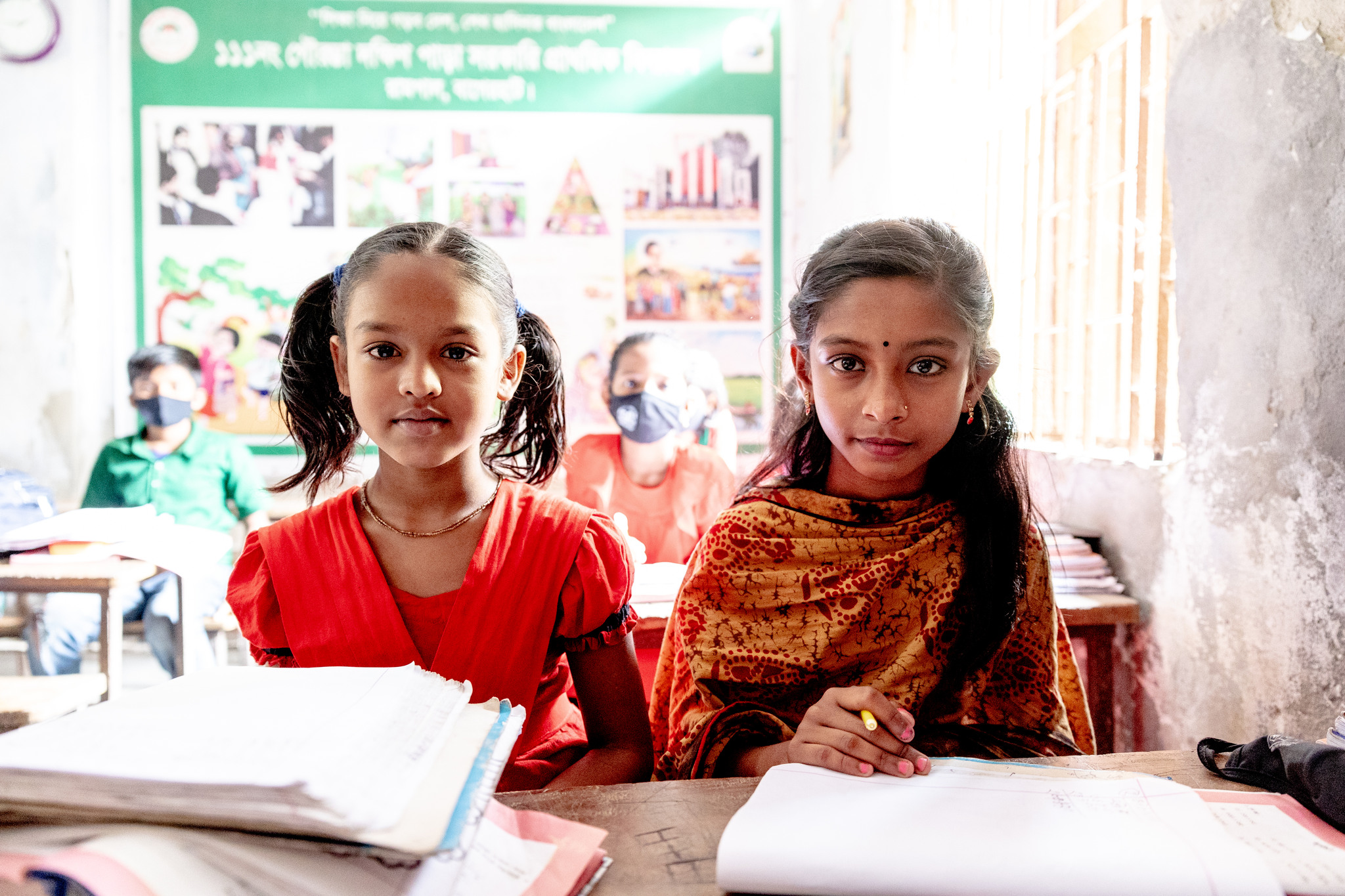
Allowing girls to study reduces the risk of child marriage and abandonment.
Allowing girls to study reduces the risk of child marriage and abandonment.
On November 20, the Day of the Convention on the Rights of the Child, Erikshjälpen, together with the University of Jönköping and the County Administrative Board of Jönköping , organized a conference on children’s rights.
Erikshjälpen offered a packed day with different perspectives on children's rights.
It was an intense afternoon for the approximately 300 people in the audience in the auditorium at the University of Jönköping . The theme of the day was children’s right to safe and equal conditions for growing up, and the event featured several interesting discussions about what Sweden needs to do better to implement the UN’s recommendations regarding children.
Sweden's Children's Ombudsman Elisabeth Dahlin talked about how unequal conditions for growing up are a breeding ground for exclusion. The UN Committee on the Rights of the Child has made recommendations to Sweden on education, a safe childhood, and children's right to life and health. The recommendations show that there is still much to be done in Sweden.
- Society's ability to recognize and act to protect children who are victims of violence or abuse must be strengthened. When parents fail to care, society has a duty to help and protect the child," says Elisabeth Dahlin.
When parents fail to provide care, society has a duty to help and protect the child.
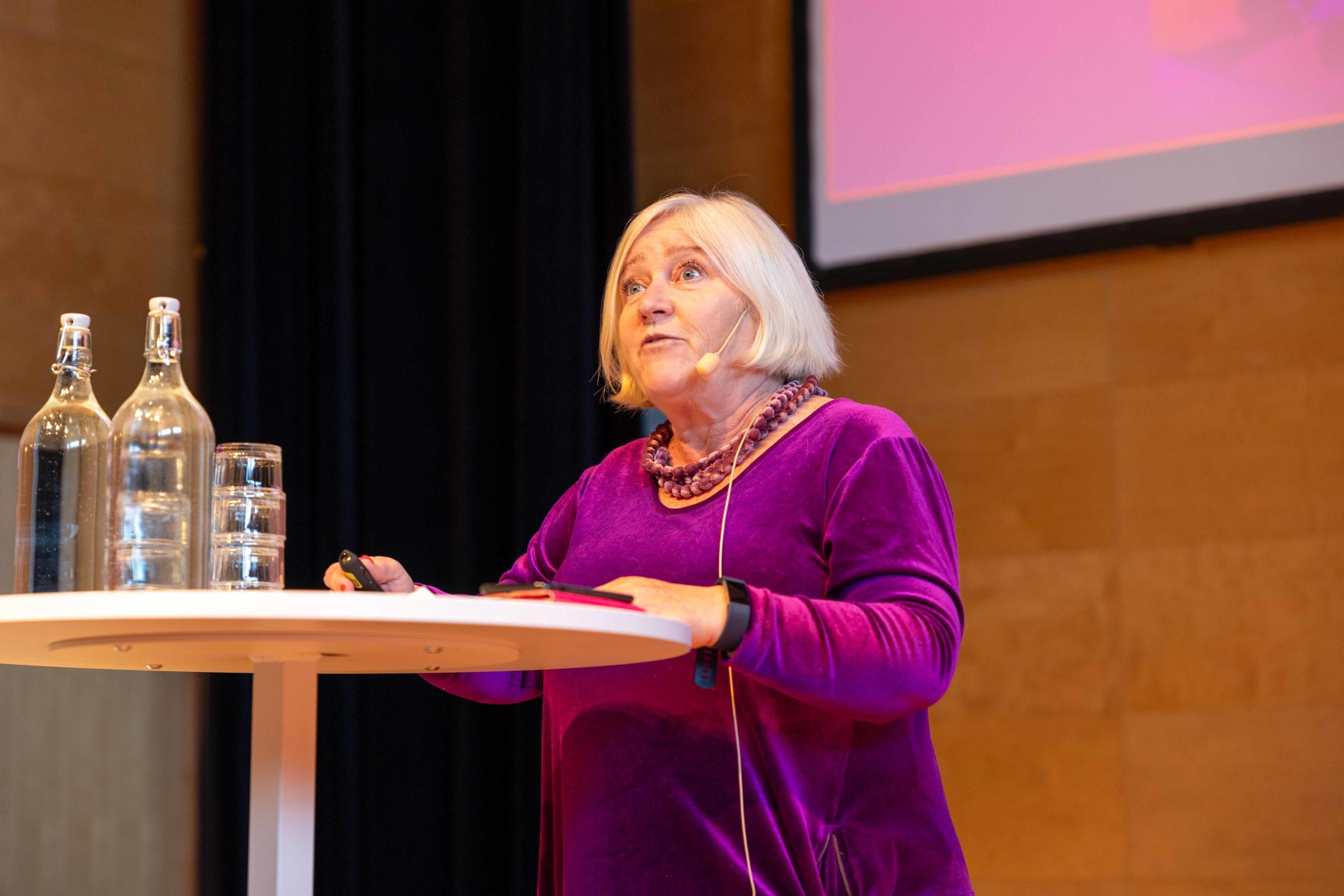
Elisabeth Dahlin, Swedish Ombudsman for Children.
Elisabeth Dahlin, Swedish Ombudsman for Children.
Research and working for change
During the children’s rights conference, participants also learned about research being conducted on how children can reach their full potential in times of budget cuts. Frida Lygnegård, a child development researcher at the University of Jönköping , prompted the audience to reflect on our views of children and how those views influence our actions.
In her presentation, children’s rights consultant and author Åsa Ekman elaborated on some of the recommendations of the UN Committee on the Rights of the Child and provided examples of how we can work to better implement the United Nations Convention on the Rights of the Child here in Sweden.
- We all need to work for a change and I want to highlight what we need to get better at to strengthen children's rights," says Åsa Ekman.
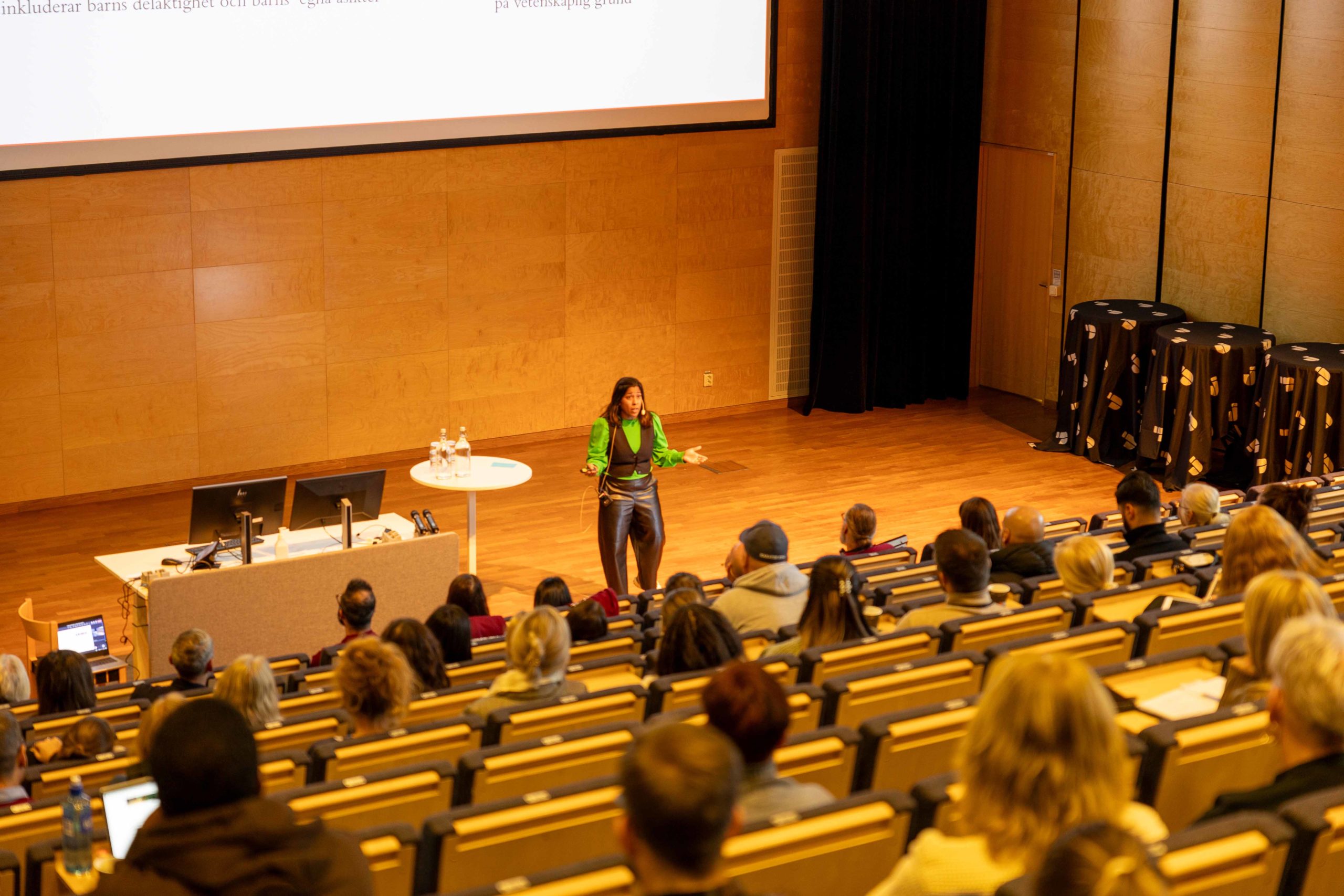
Frida Lygnegård, child researcher.
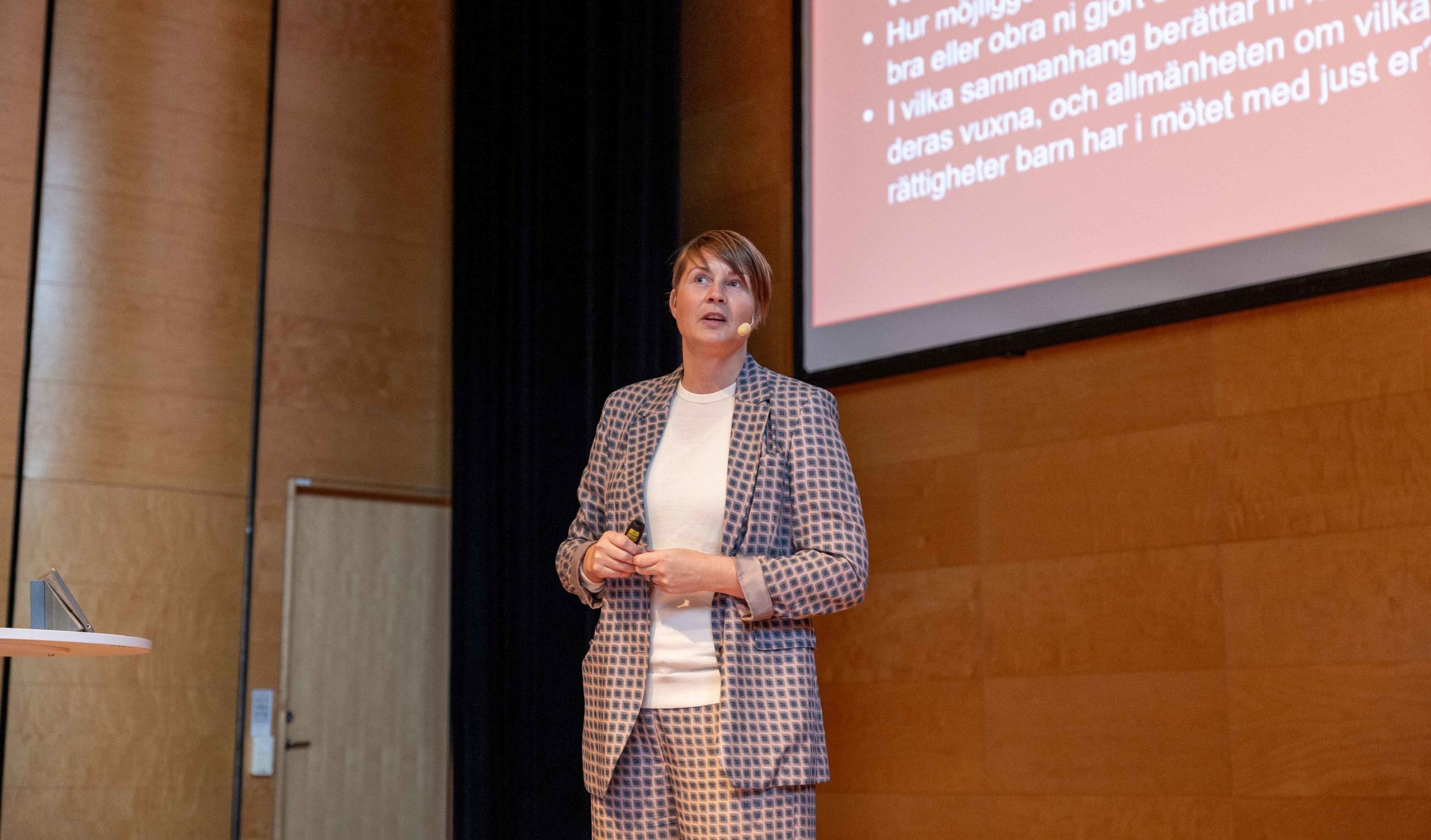
Åsa Ekman, child rights consultant and author.
Frida Lygnegård, child researcher.
Åsa Ekman, child rights consultant and author.
We all need to work for a change and I want to highlight what we need to do better to strengthen children's rights.
"What no one can know about dad"
During the conference, the question of what it is like to grow up with a family member deprived of liberty was also raised. Here, too, there were interesting discussions with representatives from Vårsol Samtalscenter, the Rescue Mission and actors Aja Rodas and Mats Jäderlund, who showed us glimpses of the theater performance "What no one can know about dad". The play depicted what it is like to grow up with a family member deprived of liberty and has been shown in schools around Sweden.
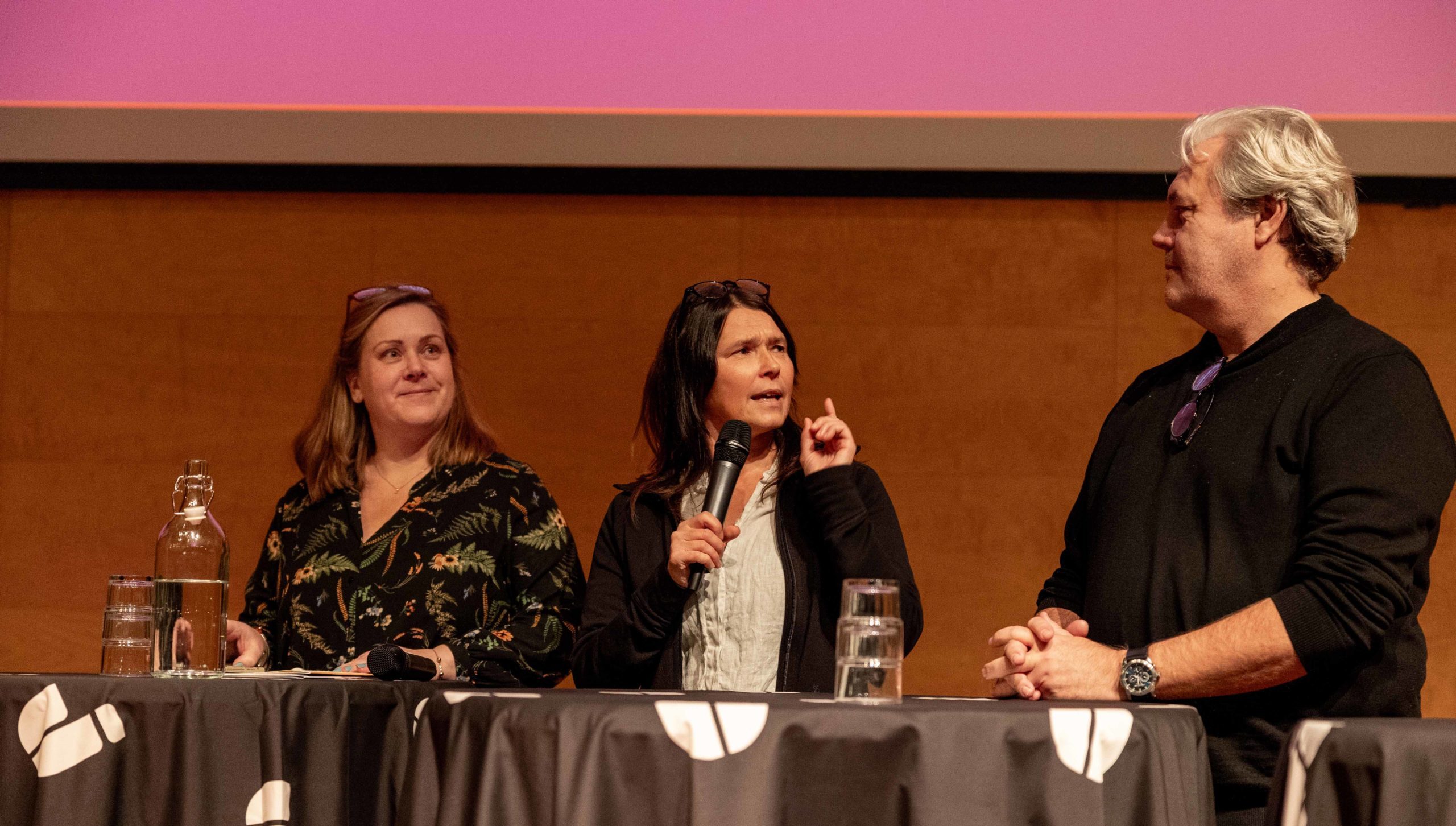
From left: Emma, Rescue Mission, Aja Rodas, actor and Mats Jäderlund, actor.
From left: Emma, Rescue Mission, Aja Rodas, actor and Mats Jäderlund, actor.
The moderator during the children's rights conference was Erikshjälpen's Secretary-General Daniel Grahn.
- I think it was a fantastic day with many topical and important presentations, but it is clear that we have a long way to go before we can take children's rights for granted. My hope is that Erikshjälpen can continue to be a rallying point for all good forces that want to do good for children.
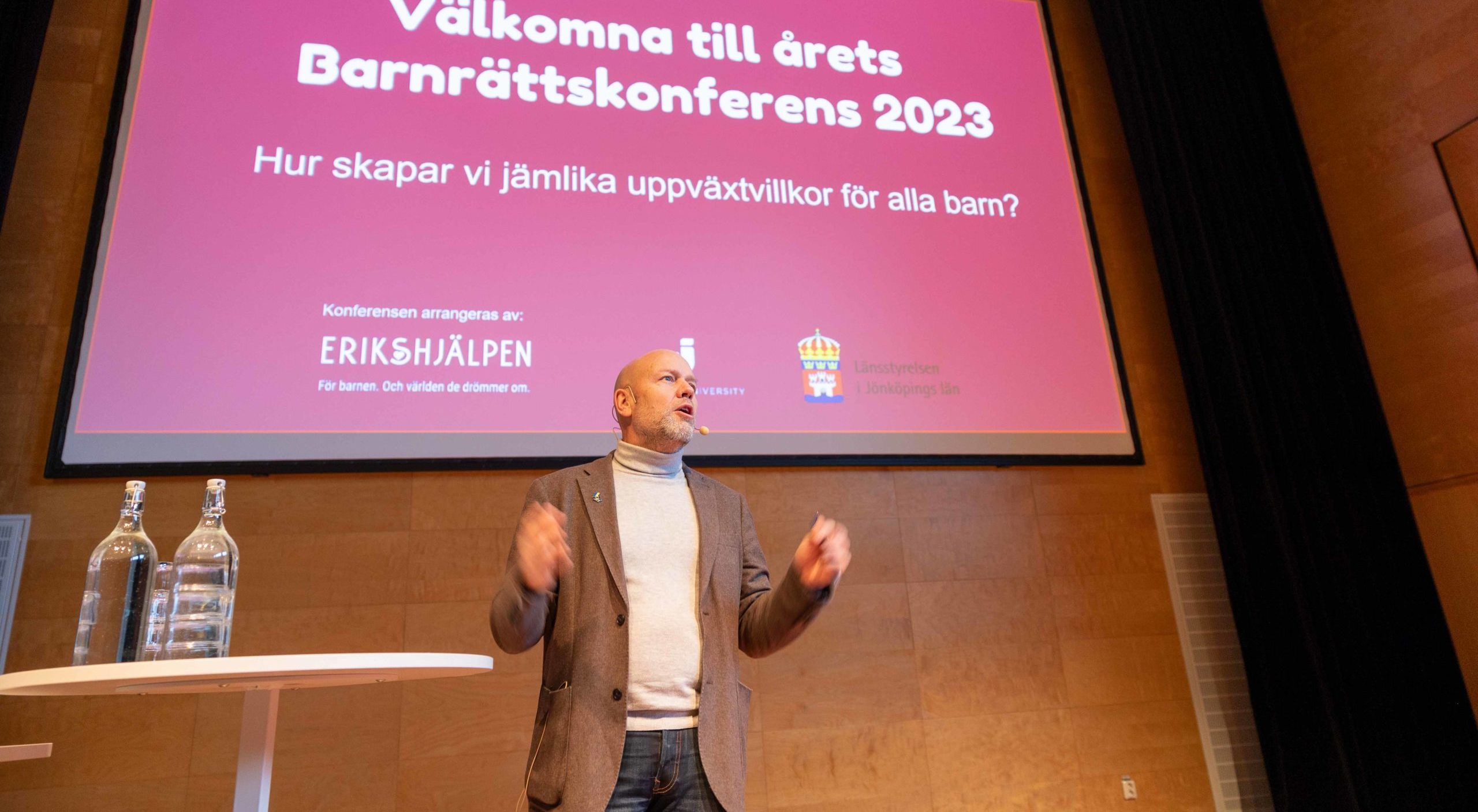
Daniel Grahn, Secretary-General of Erikshjälpen, moderated the conference.
Daniel Grahn, Secretary-General of Erikshjälpen, moderated the conference.
Alice, 13, fled Ukraine with only the bare essentials in a backpack. Alice and more than 43 million other children around the world are today fleeing war and unrest.
When Russia invaded Ukraine, Alice's life went from safety to danger in a matter of hours. She saw her home and her entire childhood town destroyed in a few days of intense fighting.
Now I only have a cell phone
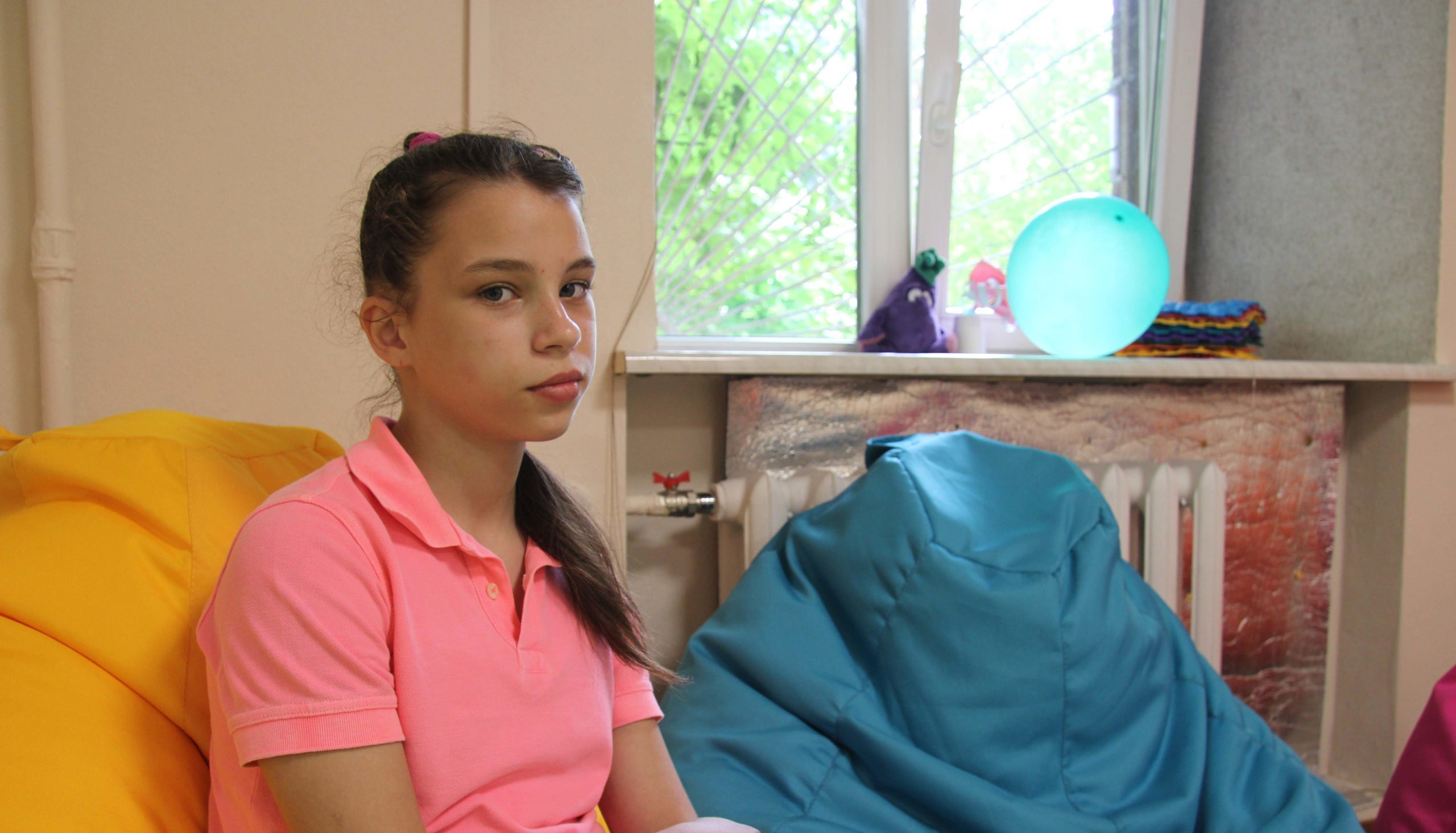
Alice, 13, fled the war in Ukraine.
Alice, 13, fled the war in Ukraine.
Alice is 13 years old and comes from the town of Hostomel, located a few miles northwest of the Ukrainian capital Kiev. Hostomel was subjected to air strikes, shelling and heavy ground fighting that left homes, schools and shops in ruins. Even running water, electricity and heating disappeared. All that was left was destruction and fear.
- Our house was damaged. All the windows were destroyed and almost everything we owned is gone. Now I only have a cell phone, but it's hard to do schoolwork on it," she says.
After nine days in a shelter, Alice, her older brother and their mother managed to escape the city. Alice only had a backpack with the bare essentials. A pillow, an extra pair of shoes and a cell phone charger.
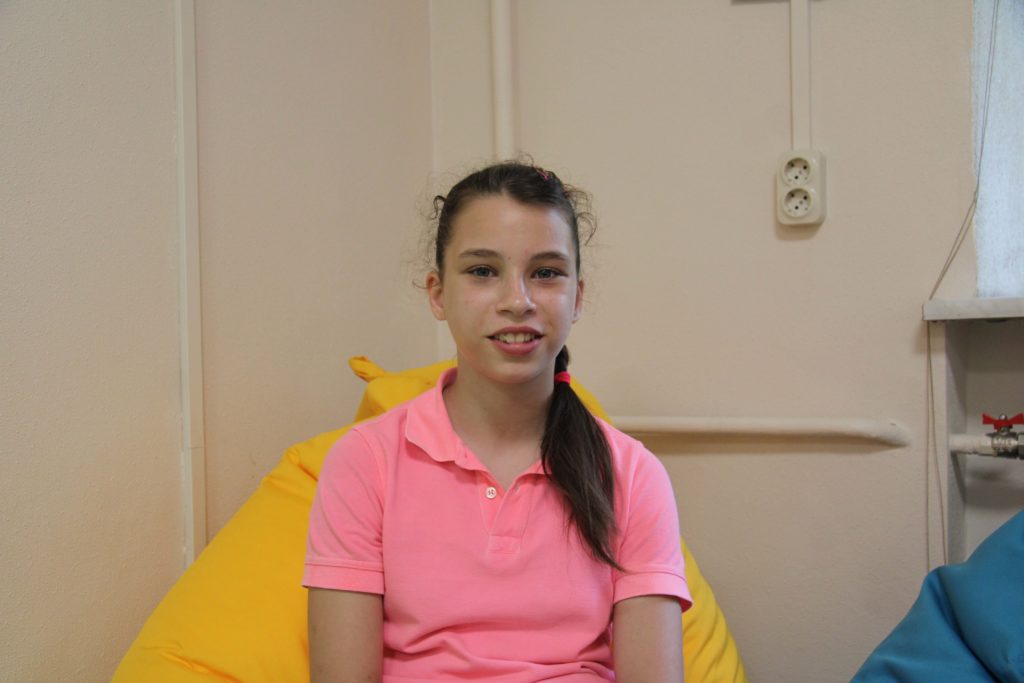
Give your Christmas gift to Alice and other refugee children!
Alice, her brother and their friends have been helped by participating in psychosocial activities, but the anxiety is still there.

Give a Christmas gift
900 92 83

Mattias Ingeson will be entrusted with leading Erikshjälpen forward. Mattias was previously Deputy Secretary-General at Erikshjälpen between 2007 and 2019.
Although it may sound cliché, it actually feels like 'coming home'.
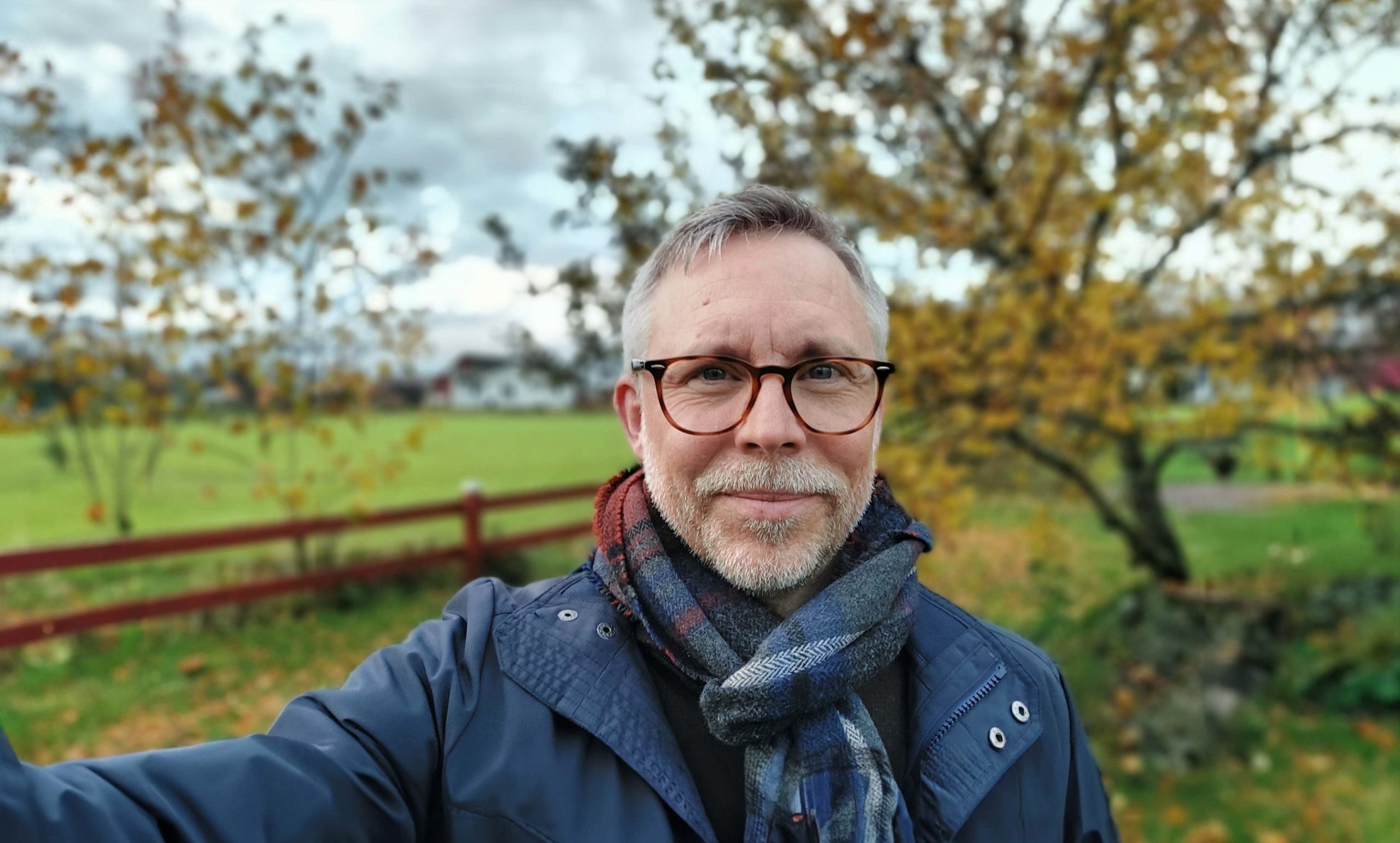
Mattias Ingeson, new Secretary-General of Erikshjälpen.
Mattias Ingeson, new Secretary-General of Erikshjälpen.
- Although it may sound cliché, it actually feels like 'coming home'. There is something special about a child rights organisation founded by a child. It doesn't matter if it's a child in rural Kenya or in the suburbs of Sweden. Everyone should have a chance at a good life.
It was with great pleasure that Erikshjälpen's board today presented its new Secretary-General.
- With his long experience from civil society and with an eye for innovation, we believe that Mattias will be the leader who will take Erikshjälpen into the future, says Chairman of the Board Anna Lönn Lundbäck. Mattias has a wide network of contacts, a sharp pen and a warm manner. He is an experienced leader, who with his legal expertise and experience of public contexts will help Erikshjälpen to become an even more important social actor.
With his long experience from civil society and with an eye for innovation, we believe that Mattias will be the leader who takes Erikshjälpen into the future.

Anna Lönn Lundbäck, Chairman of the Board of Erikshjälpen.
Anna Lönn Lundbäck, Chairman of the Board of Erikshjälpen.
Last summer, Erikshjälpen announced that its current Secretary-General Daniel Grahn will step down at the end of the year after serving in the position since taking office in 2015. He will be succeeded by Mattias Ingeson, former regional director at the educational association Bilda. After completing his law studies at Uppsala , Mattias worked for several years as a unit manager at the Swedish Social Insurance Agency. During the following 12 years as deputy Secretary-General at Erikshjälpen, he was also responsible for the organization’s development.
- It makes me feel more secure in my new role. I am confident in the structure and the mission, but I also feel great respect for everything that has happened in the five years I have been away, but also curiosity.
Mattias will take up his post as Secretary-General on 1 February 2024.
(Daniel Grahn remains in service until the end of January)
The facts
Name: Mattias Ingeson
Age: 49
Family: Wife Karin and three children: Axel, 19, Gustav, 17, and Märta, 14
Lives in: Russnäs, between Eksjö and Vetlanda, but originally from Linköping.
Current: New Secretary-General for Erikshjälpen