Enterprising women create their own future
Livestock die. Crops fail. And families are left without income. The drought in northern Kenya is the worst in over 40 years. But there is hope. With support from Erikshjälpen, a group of women have started their own Corporate to put food on the table for their children.
- We are no longer thinking small!
Her name is Sallo Bagaja and she is the chairperson of the local self-help group in the village of Kalacha in northern Kenya. The group consists of energetic women who, with support from Erikshjälpen, have managed to find a unique market niche with great opportunities - conference and event services.
Her colleague Fatuma Chukulis Abdi explains:
- We noticed that many people had difficulty finding tents and chairs during the peak wedding season. That's when we realized there was a gap to fill.
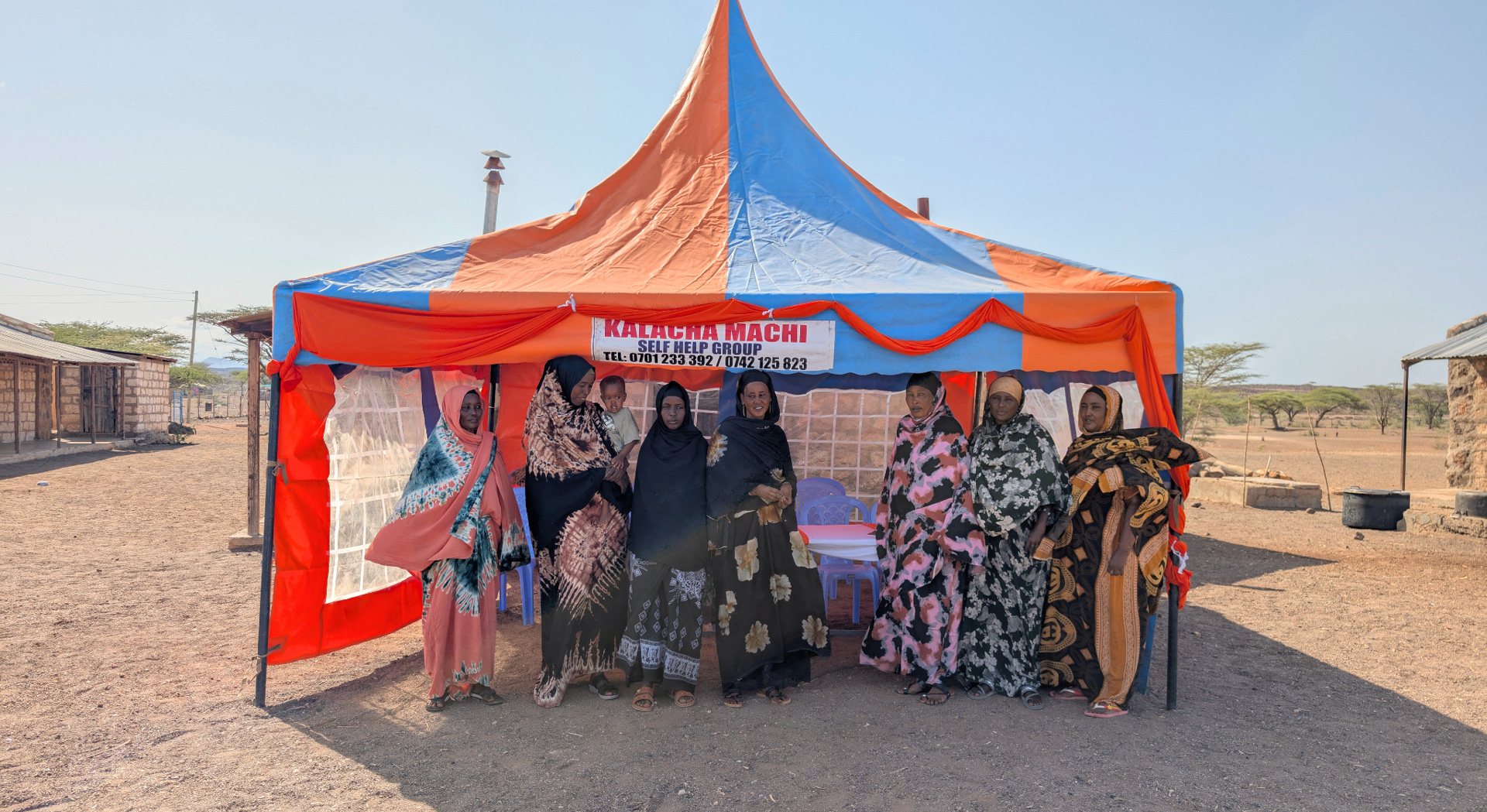
The women of the self-help group Machi are aiming high and want to become the largest conference and event service company in Kalacha. For Swedish kronor (SEK) 5 000, a self-help group can get support and tools to start or scale up a small Corporate. Photo: Teddy Alwala
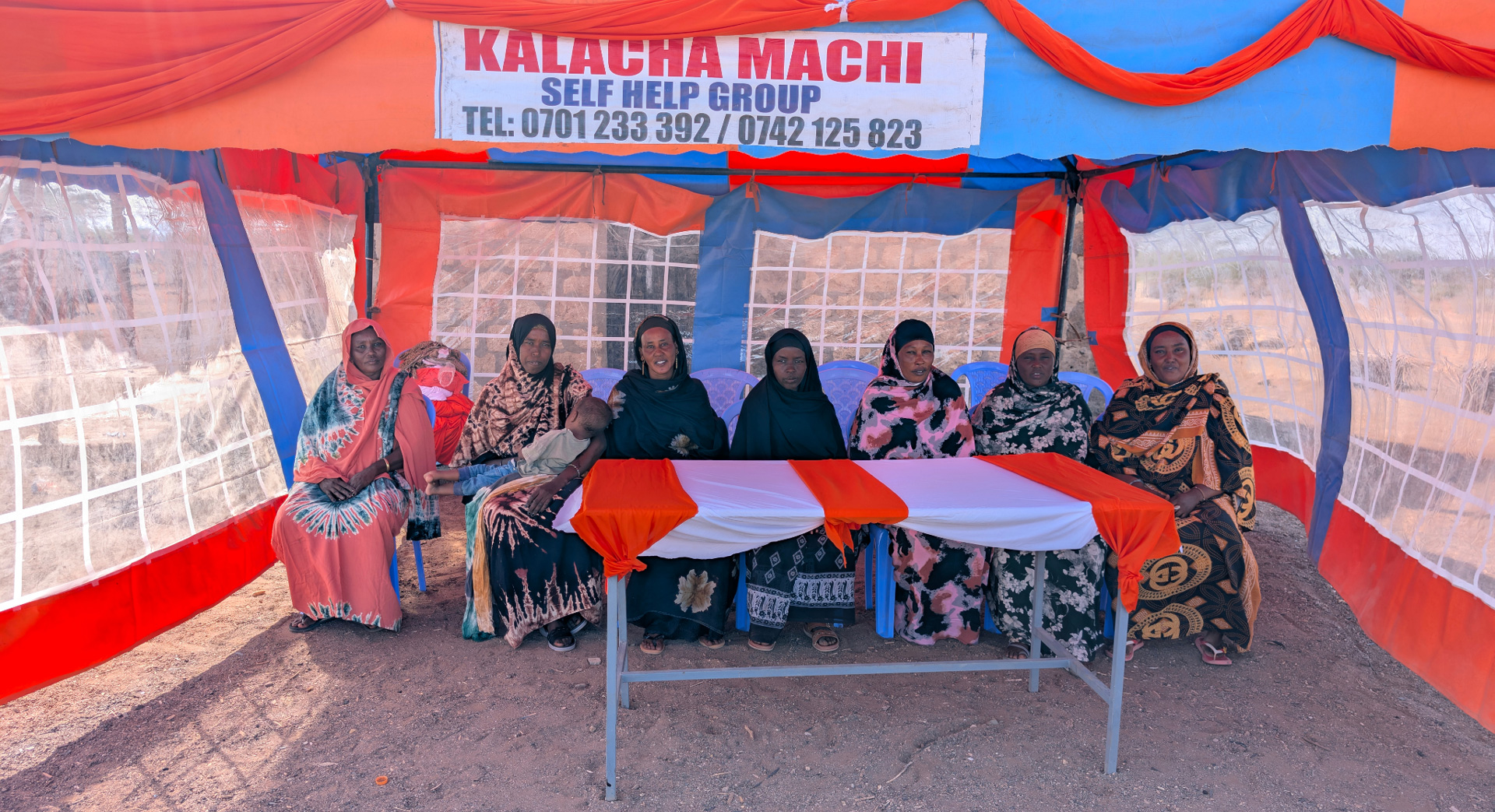
The women of Kalacha, with support from Erikshjälpen, attended an entrepreneurship course and learned everything they needed to know about pricing, returns and customer relations. After the course, they invested in a medium-sized tent with 25 seats and were able to start earning money from local weddings and conferences relatively quickly. Photo: Teddy Alwala
The women of the self-help group Machi are aiming high and want to become the largest conference and event service company in Kalacha. For Swedish kronor (SEK) 5 000, a self-help group can get support and tools to start or scale up a small Corporate. Photo: Teddy Alwala
The women of Kalacha, with support from Erikshjälpen, attended an entrepreneurship course and learned everything they needed to know about pricing, returns and customer relations. After the course, they invested in a medium-sized tent with 25 seats and were able to start earning money from local weddings and conferences relatively quickly. Photo: Teddy Alwala
We noticed that many people had difficulty finding tents and chairs during the peak wedding season. That's when we realized there was a gap to fill.
Kalacha is a small village of a few thousand inhabitants, located in the district of Marsabit, where half a million people live. Most of them make their living by herding or farming and are used to droughts every year. However, due to climate change, droughts have become longer and more intense.
When drought strikes, livestock die and farming becomes impossible. Right now, the food shortage in Marsabit is so severe that one in five children suffers from acute malnutrition. Erikshjälpen works long-term in northern Kenya and an important part of the work is to create conditions for women in particular to be able to support their families.
The women of Kalacha, with support from Erikshjälpen, attended an entrepreneurship course and learned everything they needed to know about pricing, returns and customer relations. After the course, they invested in a medium-sized tent with 25 seats and were able to start earning money from local weddings and conferences relatively quickly.
We all work for each other and our children don't lack anything they need. They get enough food and grow as they should.
Now they manage everything on their own. From bookings and transportation to reinvesting the money earned. The goal is high and the women plan to expand the business by buying a bigger tent and more chairs.
- Our goal is to become the largest in all of Kalacha. We can organize big meetings, holiday celebrations, weddings and even training camps. We all work for each other and our children don't lack anything they need. They get enough food and grow as they should," says Sallo.
Author: Johan Larsson
Here is the village of Kalacha where the company is located
Give a Christmas gift that satisfies hunger
Published: 31 July 2026
 Listening