Our history
 Listening
 Our story begins in Ruda, Småland, in 1946, when Erik Nilsson, a teenager suffering from hemophilia, began sending letters and gifts to other sick children. This marked the beginning of Erikshjälpen, which continues to fight for children's rights to this day.
Erikshjälpen is a child rights organisation that was started by a child – for children. In 2026, we are celebrating Erikshjälpen's 80th anniversary.
Encouraging other children who are sick
The history of Erikshjälpen begins in Ruda, Småland, in the mid-1940s. Erik Nilsson, the son of a shoemaker is seriously ill with hemophilia and spendsspends much of his childhood in hospital. His life is marked by illness, hospital environments, exclusion, and bullying. Despite this, he has hope and a strong drive to do good for others.
Erik is well cared for by the staff during his hospital stays. He is particularly well cared for by the physiotherapist Kaj, who usually brings him little surprises and makes him feel happy and safe.As a teenager, Erik begins sending letters and gifts to other children who are ill. The most important thing for him is that the letters give other children encouragement and hope. He gets the addresses by listening to the radio program Barnens Brevlåda (Children's Mailbox) with Sven Jerring, the biggest celebrity of the time.
The activity for sick children is created
Erik invested time, money, and love into what was beginning to grow into an organization. The starting point for Erikshjälpen was formed in 1946, when Erik was only 17 years old. Despite serious illness and limited resources, he managed, with Småland stubbornness and entrepreneurial spirit, to create an organization that made a difference for children in Sweden.
In the mid-1950s, Erik met his future wife Ulla, and they married in 1958. In the book Farbror Erik – I kärlekens tjänst (Uncle Erik – In the Service of Love), Ulla recounts how the people around Erik did not believe he would amount to anything. No job, no family, no purpose, no value. He was even offered a place in the local retirement home. But Erik refuses to give up. He does not see life as hopeless. He saw that everyone has value, including him.
During the 1950s, Erik's heart continues to burn with a desire to help, encourage, and give hope. And he does so—through positive and comforting letters and gifts.
Through his participation in Sven Jerring's New Year's program in 1951, Erik becomes known throughout the country as "Uncle Erik." The relief effort receives considerable media attention, and both private individuals Corporate to donate more money and gifts.
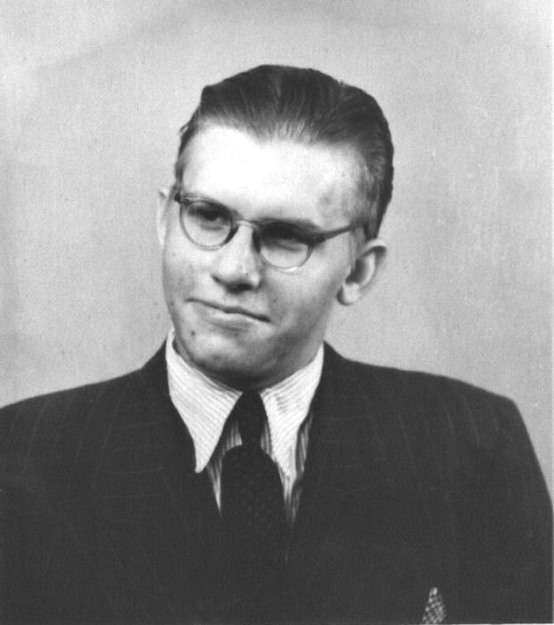
Erik Nilsson was only 17 years old when he established his work with sick children in 1946.
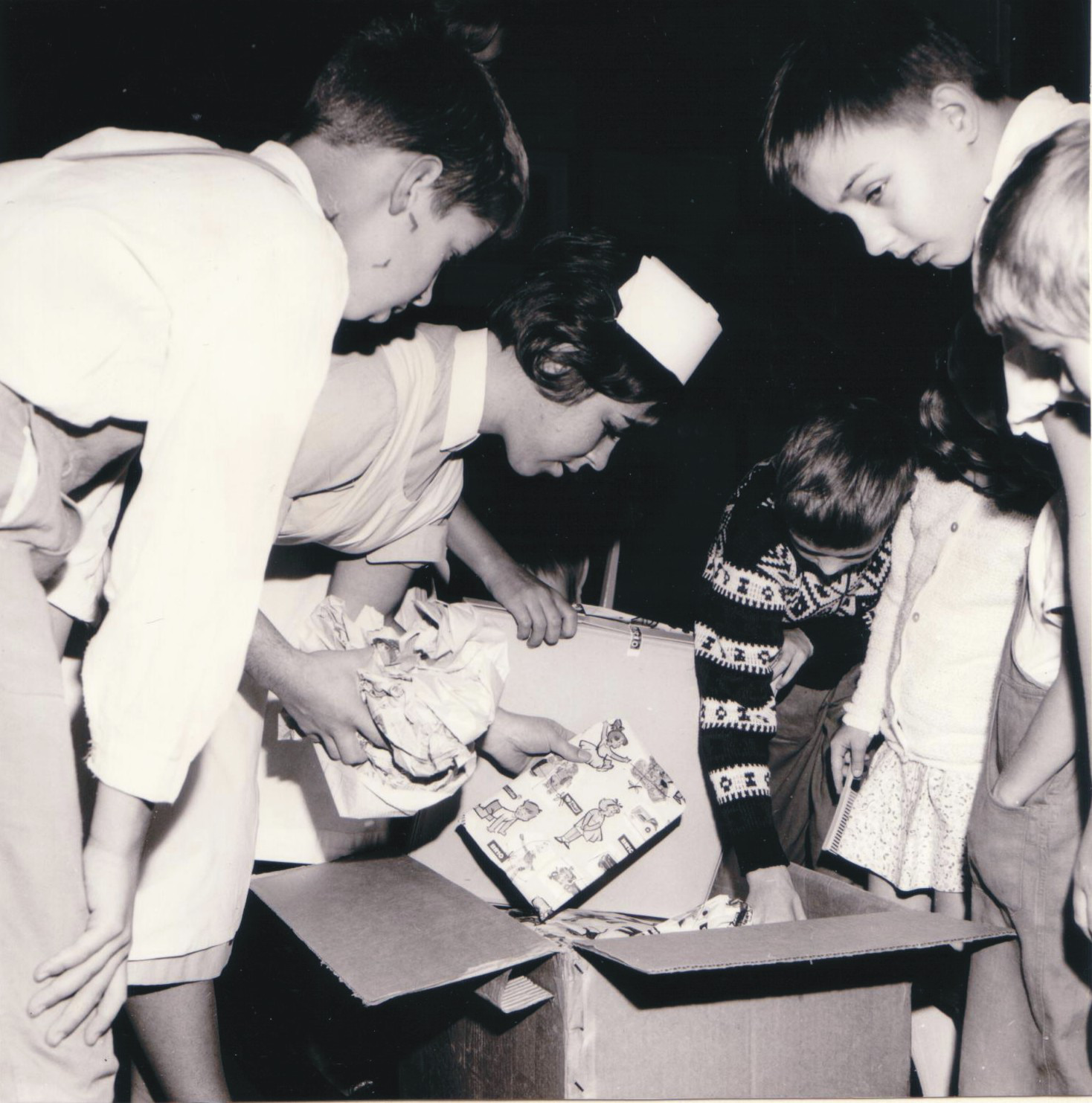
Erik Nilsson was only 17 years old when he established his work with sick children in 1946.
Business is evolving and becoming international
The years following Erik and Ulla's marriage are intense. The business continues to grow and, in the late 1950s, even becomes international through contributions to missionaries in places such as Pakistan and Berlin. Throughout this time, Ulla stands by Erik's side. Even when he is ill and forced to stay in hospital for periods of time.
Erik dies and Ulla takes over
Erik Nilsson dies over the Easter weekend in 1966, aged just 37. He suffers a stroke as a result of hemophilia and after a few days in hospital his body can no longer cope. Ulla is determined that the work for sick children should continue and she plays a crucial role in the continued development of the organization. It was Ulla Nilsson who started the Uncle Erik's Help Foundation in 1967.
Instead of being discouraged by his own limitations, he saw the anxiety and distress of other children. His heart burned to help, encourage and give hope.
The business grows every year, and in 1982, a partnership is established with Sida (the Swedish International Development Cooperation Agency).
New sister organizations were established in the 1990s
New sister organizations were established in the 1990s. The sister organizations became of great importance to the organization’s operations. In 1990, the first “ Erikshjälpen Second Hand ” stores opened in Mölndal and Vetlanda. Many more were added over the years, some operated directly by the organization, others in collaboration with local partners.
Skandinaviska Läkarbanken (Scandinavian Medical Bank) is formed, with close ties to Erikshjälpen. The new organization provides medical expertise where it is most needed. In 2001 , the Human Bridge foundation is also formed , in collaboration with Läkarmissionen, to provide medical equipment in the form of material aid to hospitals in countries that need it.
Development to become one of Sweden's largest child rights organizations
Over the years, Erikshjälpen has grown and become a collaborative organization with a large network, many partners, and countless collaborations. Its finances are based on donations from individual donors, Corporate, foundations, and institutions. Volunteers at the second-hand stores make significant interventions add to surplus organization's surplus. Erikshjälpen also receives grants from Sida, Radiohjälpen, and the Postcode Lottery.
Today, Erikshjälpen is one of Sweden's largest children's rights organizations with extensive and wide-ranging activities that strengthen children's rights both in Sweden and around the world. But it all started in that boy's room in Småland in the 1940s. Thanks to Erik's courage to make his dreams come true.
Erikshjälpen has been around for 80 years
Even today, 80 years later, Erik's spirit lives on at Erikshjälpen. The organization itself is a living example of a child's own power and ability to participate in and change their world. But it is also through child participation continue to work for children. And the world they dream of.
Important years in the history of Erikshjälpen
1929
Erik Nilsson is born in a shoemaking village in the village of Ruda in Småland. He suffers from hemophilia and spends a lot of time in hospital. I his severe condition, he findsr Erik still strength in helping others and startingr already at a young age to sending greetings and gifts to other sick children.
1946
Erik's relief work formedis thanks to a strong drive to do good for others. Through the radio program Children's Mailbox he gets contact details to other children and becomes good friends with the host Sven Jerring. Erik starts to be called Uncle Erik, after Sven Jerring mistakes Erik for an older man.
1951
Erik intervieweds on the radio by Sven Jerring. Gifts beginr people from all over the country hear about Erik's work and the business grows.is bigger.
1962
The organization's activities took on an international scope, with aid work in Pakistan, the former Yugoslavia, and Brazil.
1966
Erik dies from his illness and bli only 37 years old. The work that he startedt tis by his wife Ulla Nilsson.
1967
The Uncle Erik Relief Foundation foundationas.
1982
Cooperation with Sida (Swedish International Development Cooperation Agency) begins.
1990
Erikshjälpens första second hand-butiker öppnas i Vetlanda och Mölndal. Butiksverksamheten startar som en ideell förening för att samla in pengar till de sociala och humanitära insatserna i Stiftelsen Erikshjälpen. Än i dag är Erikshjälpen och Erikshjälpen Second Hand två separata aktörer rent juridiskt, men delar samma varumärke och vision.
In the same year, Skandinaviska Läkarbanken (Scandinavian Medical Bank) was also formed, which developed close ties with Erikshjälpen. Skandinaviska Läkarbanken provides Swedish doctors and specialist nurses as volunteers to partner hospitals, mainly in African countries.
2001
Human Bridge took its current form after the business took off in 1999. Over the years, Human Bridge has developed into a modern sustainability company that has become one of the largest textile collectors in Sweden. Clothes that are collected go to aid shipments, but some textiles are also resold and the proceeds are used for various types of aid transports.
2010
In the 2010s, ther Erikshjälpen began to profile itself as a child rights organisation, both in Sweden and internationally.
2019
Erikshjälpen is launching its first Erikshjälpen Framtidsverkstad, in Helsingborg. The concept involves using Erikshjälpen Second Hand’s local stores as a base for social work in nearby residential areas.
2023
Ulla Nilsson passes away at the age of 91, after a lifetime of service to others.
Now time
To this day, Erikshjälpen works to combat poverty and vulnerability by realizing children's rights. With a particular focus on children's right to safety and protection, health, education, and leisure. We believe in child participation children's own ability to get involved and change their situation. Since its inception, Erikshjälpen has been staffed, financed, and developed by committed people who want to serve in the name of love.
Published: 09 September 2026