Shut down the Santa factory and focus on a sustainable Christmas
Last year, Erikshjälpen Second Hand launched the "Vanliga veckan" concept. A counter-reaction to Black Friday/week/month, which is supposed to drive consumption before the Christmas holidays. During Vanliga veckan , we questioned norms and common thoughts about consumption, as a way to get more people to open their eyes to circular shopping.
We're now in the middle of this year's retail campaign, and our counter-concept is more important than ever. To make second hand the normal way to consume. Because we still wonder how new production can be the norm, when we now know so much better? For many people, it is still unthinkable to buy goods that someone else has used before. Even though it feels luxurious to sleep in a hotel bed with sheets that many others have slept in, or to eat in a restaurant where the fork has seen the inside of an infinite number of mouths.
Christmas is a time when our consumption really reaches its peak for the year. And these days, even the holidays seem to be all about fast trends. Isn't that strange? One year Christmas will be blue, the next year it will be beige, the third year it will be green and the next year it will be red again. We buy new decorations, ornaments, clothes, presents and food as if there were no tomorrow.
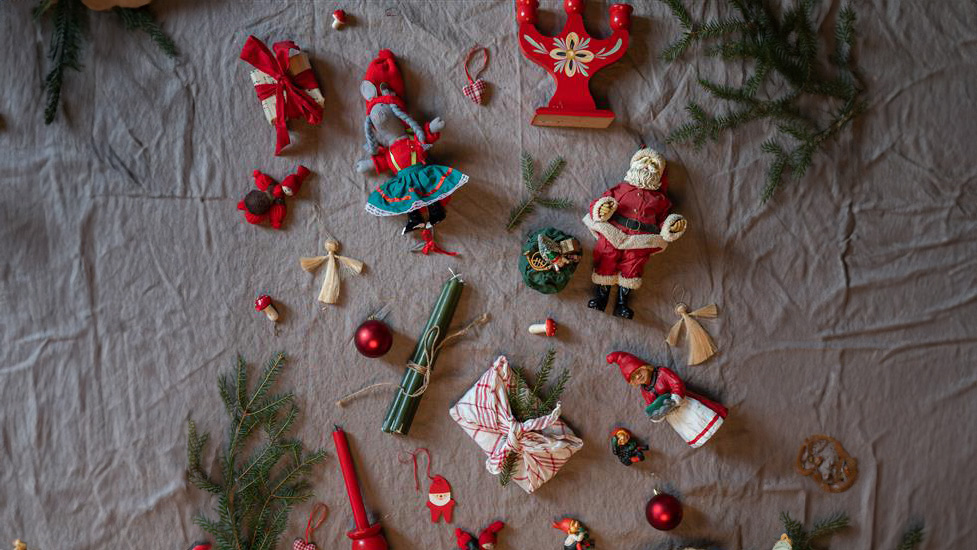
Christmas, which could otherwise be such a clear example of what circularity can offer. If we stop buying new and instead reuse Christmas decorations and dresses, we can give our children those shimmering memories of Christmas. A sense of security and nostalgia, built up by having the same Santa in the same place and the same baubles hanging on the tree year after year.
Sometimes it seems that Christmas is mostly about getting a new star to hang in the window, a unique styling of the Christmas tree, an elf door with countless accessories, Christmas calendars with tea, make-up, toys or wine. But haven't we got our priorities wrong somewhere? Aren't the best memories of Christmas our traditions? The ones that remain unchanged year after year?
Of course, there are times when it makes sense to consume something new. But then you have to make the right choice. Buying cheap goods may seem easy and economical, but in the long run it is an expensive and unsustainable choice. Poorer quality products break down faster and need to be replaced more often.
Long-lasting products are more than just a personal investment - they are building blocks of a circular system. They retain their value and live on through the second-hand market, where they can be refurbished, repaired and used again and again. A cheap product that quickly ends up in landfill doesn't have that opportunity. The purchase choices we make today directly determine whether our things can live on in a circular cycle.
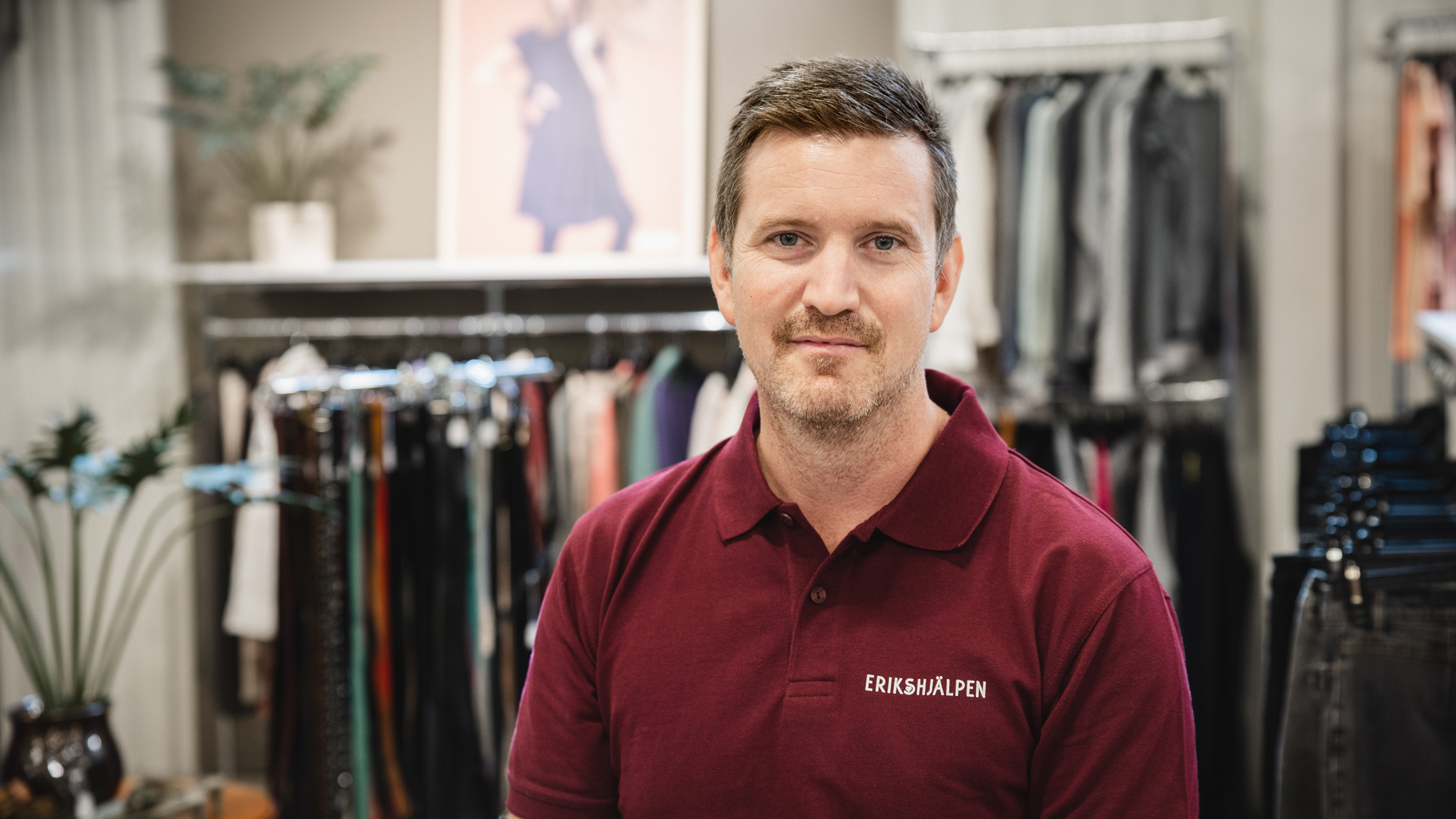
Jerker Sandell Managing Director Erikshjälpen Second Hand
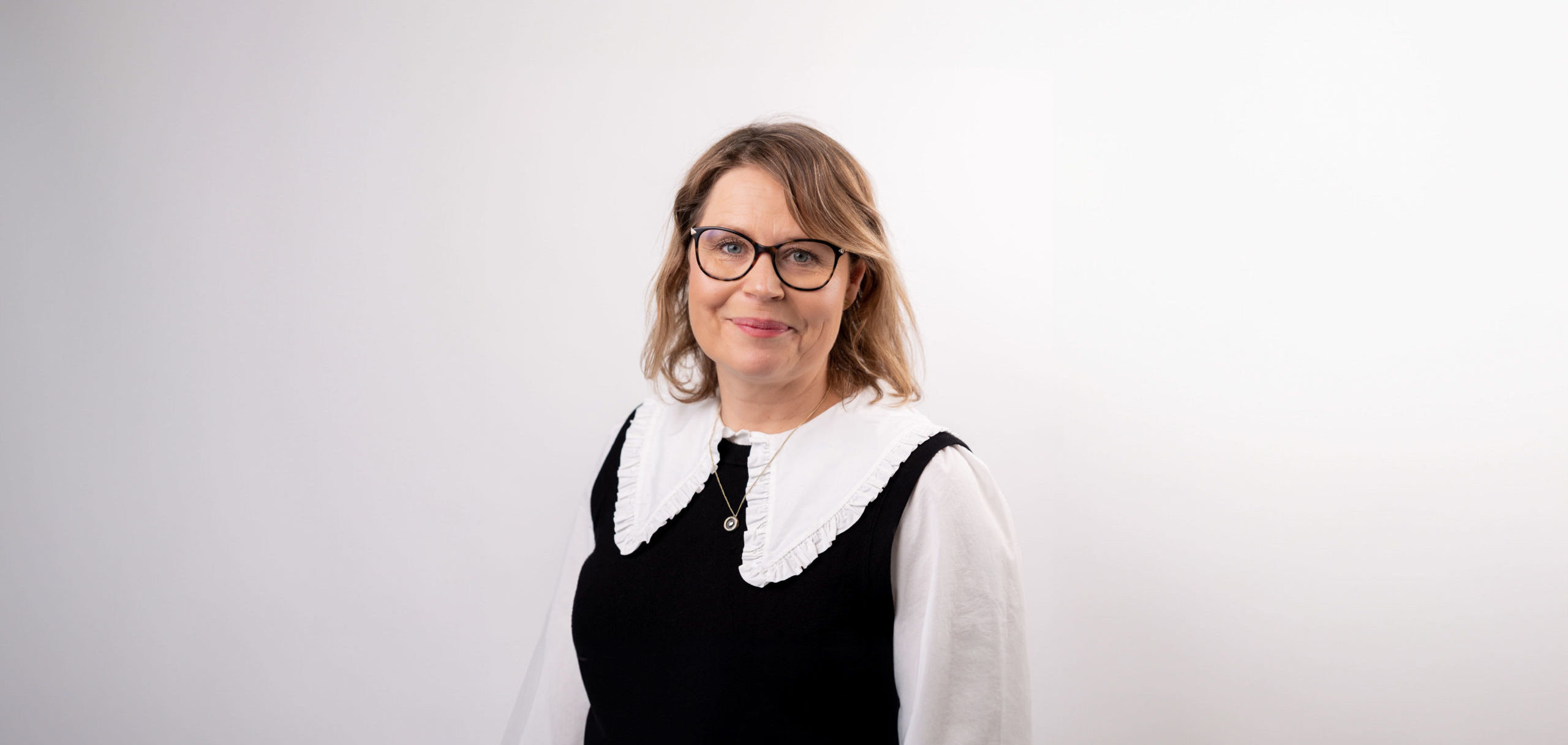
Cathrine Kylesten Sustainability Manager Erikshjälpen Second Hand
Jerker Sandell Managing Director Erikshjälpen Second Hand
Cathrine Kylesten Sustainability Manager Erikshjälpen Second Hand
There will always be new consumption, but we need to look beyond it and choose products that can last. By buying fewer but better things, we are laying the foundations for a sustainable economy that can take us into the future. We are creating a market where quality products are given new life, and where second-hand becomes as attractive and accessible as buying new. And when there's a need to replenish the Christmas decoration box, we know that there's no need to produce another Santa. When you choose decorations and gifts from non-profit second-hand, you also make Christmas better for all children.
A concrete action that reduces pressure on the environment and climate, so that future generations can be better off. So let this Christmas be circular, both for the children around you and for those further away.
Author:
Jerker Sandell, Executive Director of Erikshjälpen Second Hand
Cathrine Kylesten, Sustainability Manager for Erikshjälpen Second Hand
Published: 25 November 2024
 Listening