Record EU aid in 2022 based on inflated figures
EU aid reached its highest level ever in 2022, mainly as a result of support to Ukraine. But the erosion of aid also reached new record levels. More than a fifth of EU aid does not meet the basic criteria to be defined as aid. This is according to the AidWatch report produced by CONCORD Europe every year.
From Africa to Ukraine
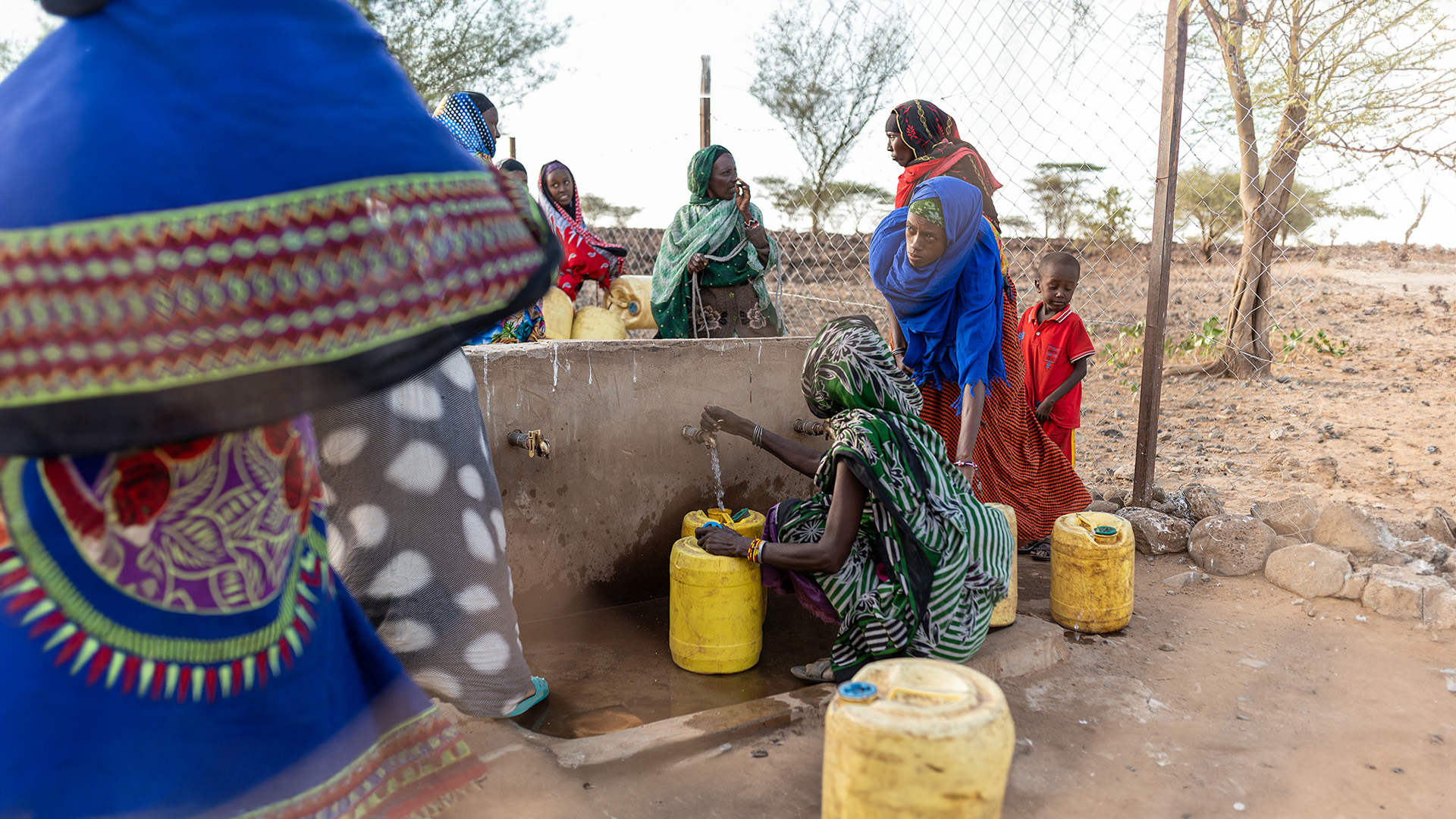
EU aid increased to 0.59% of gross national income (GNI) in 2022, compared to 0.48% in 2021. Support to Ukraine and the neighbourhood accounted for almost all of the increase in EU and Member State aid. At the same time, aid to sub-Saharan Africa decreased by as much as 7.8% in 2022, home to the majority of the least developed countries as defined by the UN, and many of the people most affected by the impacts of climate change, war and conflict, growing debt burdens and threats to food security.
Many children and young people we meet in countries such as Burkina Faso and South Sudan are currently being let down by policymakers who do not stand up for children’s rights, according to the United Nations Convention on the Rights of the Child. This applies to policymakers in both those countries and in Europe.
Only three countries, Luxembourg, Sweden and Germany, reached the commitment to spend at least 0.7% of GNI on aid. Denmark fell below 0.7% for the first time in four decades.
- At Erikshjälpen, we are fully focused on using our scarce resources to fight poverty and contribute to the Global Goals. The least we can expect in the critical global situation right now is that our decision-makers in Sweden and the EU use the aid so that the most vulnerable are reached first and receive the most, says Daniel Grahn.
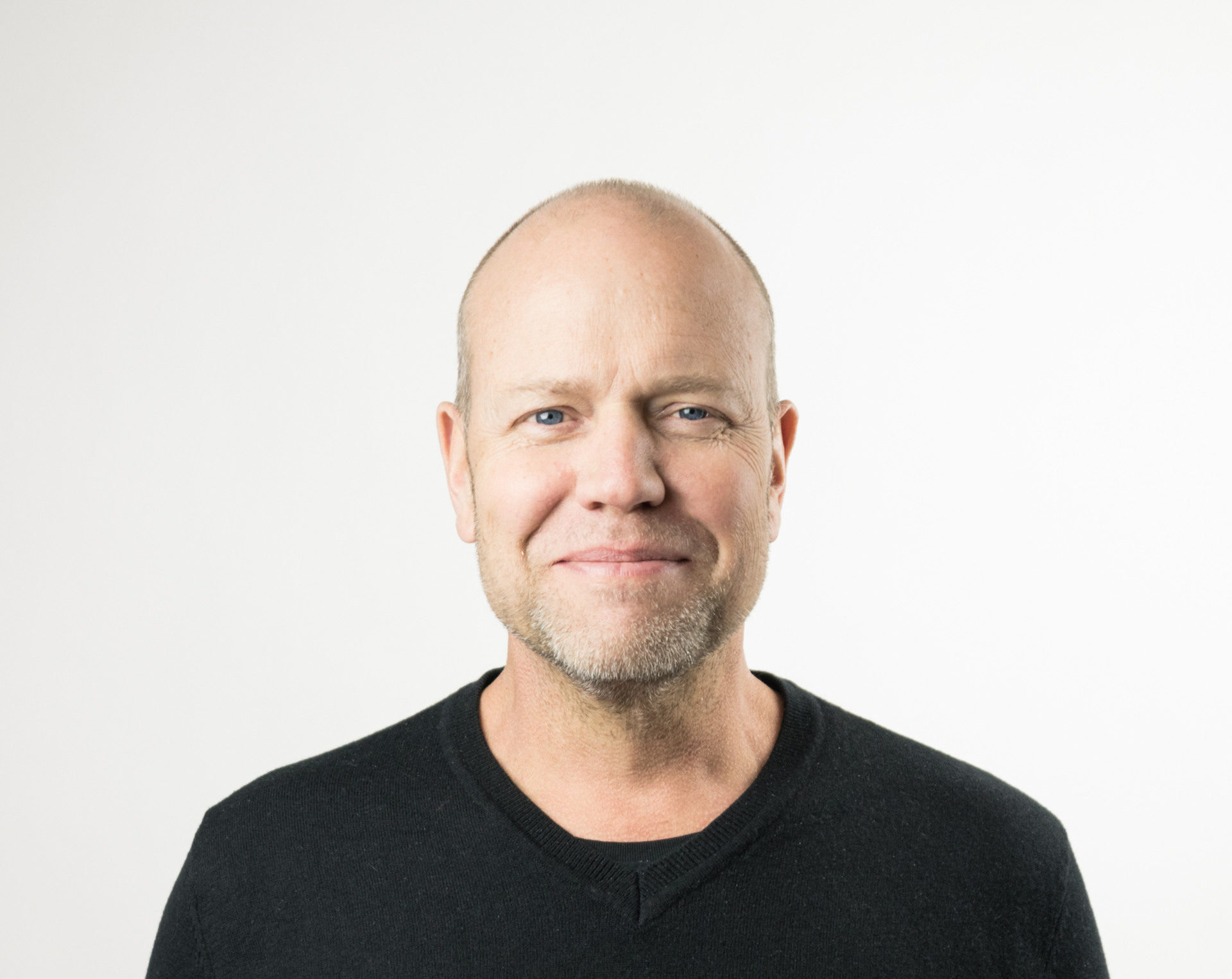
Daniel Grahn, Secretary-General Erikshjälpen.
Daniel Grahn, Secretary-General Erikshjälpen.
Eroding aid
As much as one in five aid dollars, as much as €20 billion, is reported as aid but does not meet the criteria. The money does not focus on the people in poverty and oppression it is intended for.
- We work with 3.5 million farmers in 20 countries. Often women. They are struggling against droughts, torrential rains, floods and growing hunger in an economic crisis that has shocked prices of seeds, grains and fuel. "There is a fundamental injustice in how they are affected by climate change, war and inequalities that they did not cause," said Anna Tibblin, Secretary-General of We Effect.
Most of the erosion is due to the use of aid funds to cover domestic refugee costs. This has led to some EU Member States giving as much as half, and in some cases even more, of their aid to themselves in 2022. In total, domestic refugee costs amount to €13.9 billion. Another contributing factor is that Member States overstate how much of their lending is aid by as much as €1.7 billion.
At the halfway point, we are further away from several of the Global Goals than when we started. We need to reverse this trend quickly! Both the pandemic and the support to Ukraine show that we can when we want to. EU decision-makers must be able to see the world beyond Europe.
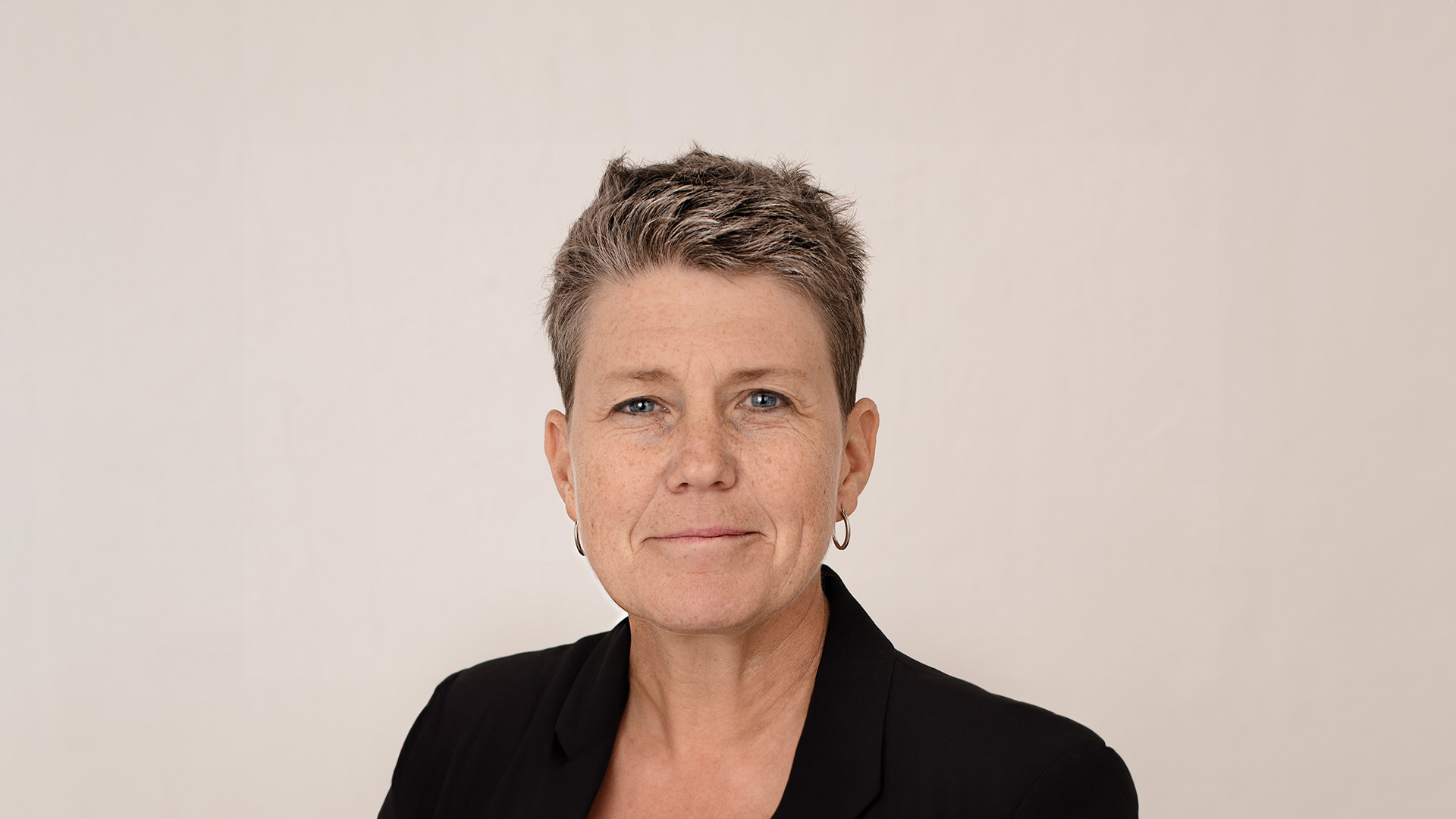
Anna Tibblin, Secretary-General We Effect.
Anna Tibblin, Secretary-General We Effect.
Sweden
In Sweden, 3.9 billion Swedish kronor (SEK) ended up being used to cover domestic refugee costs, after a year of numerous and sudden budget changes. As the Migration Agency's forecasts turned out to be exaggerated, Swedish kronor (SEK) 2.1 billion was not used. The government, neither the current nor the previous one, has not returned the money to aid activities anyway.
It is offensive that Sweden is unable to take in people fleeing the horrors of war in Ukraine without taking the money from vulnerable groups in Africa, Asia and Latin America.
While EU aid is increasing overall, Sweden's aid is decreasing to 0.9% of GNI, and the decline is expected to continue in the coming years.
Read more about Sweden's expected reduction in aid, "Only the Greens and the Left stand by the 1% target".
- It was also appalling to see how much the work was made more difficult for our members and their partners because this and previous governments handled the transfer of money between Sida's and the Migration Agency's budgets so badly. A more stable and long-term system is needed for this," said Anna Stenvinkel, Secretary-General of ForumCIv.
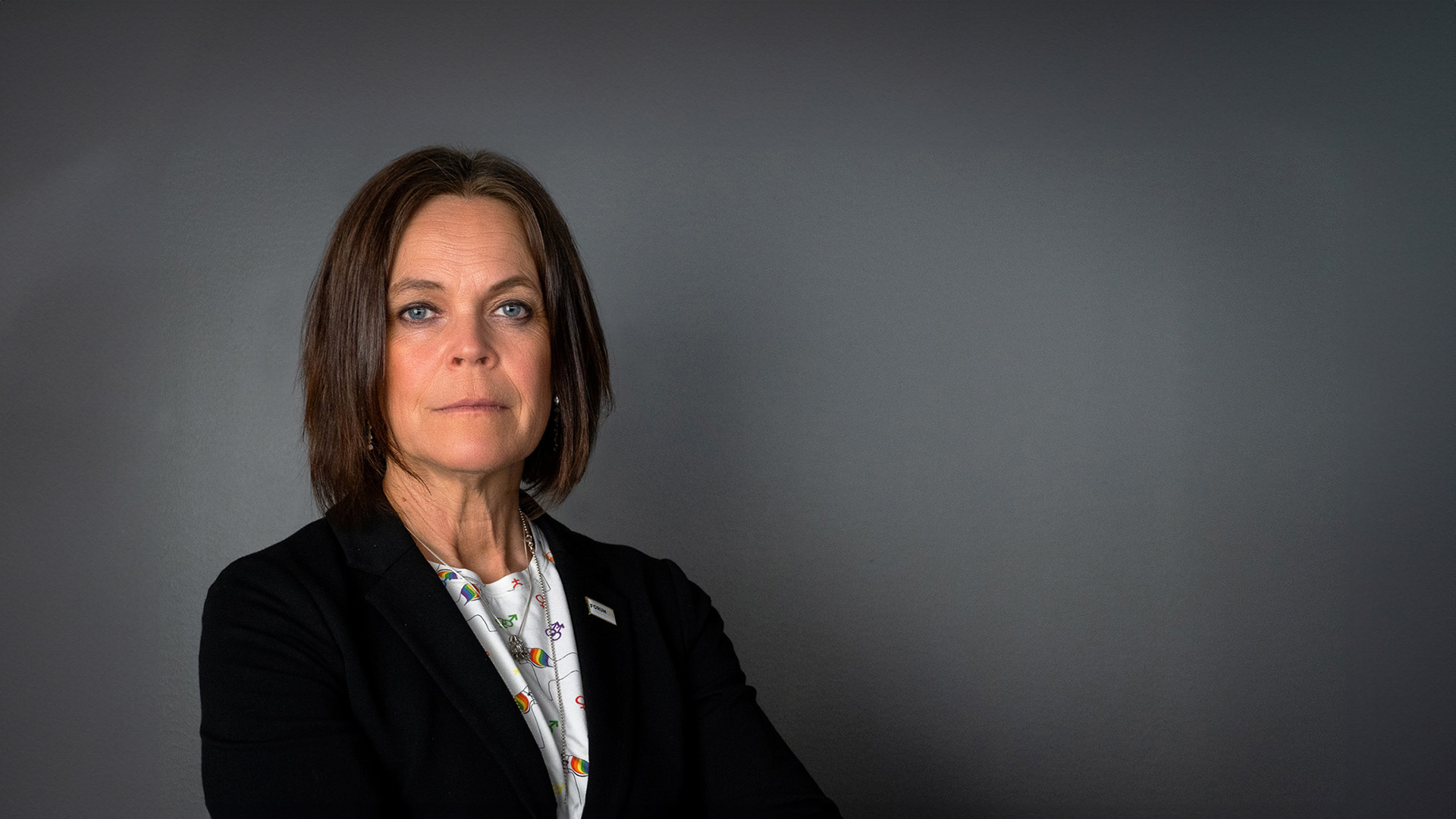
Anna Stenvinkel, Secretary-General ForumCIv.
Anna Stenvinkel, Secretary-General ForumCIv.
Facts of the Aidwatch report
The AidWatch report is produced annually by the European platform for sustainable development and international cooperation, CONCORD Europe. CONCORD Sweden is one of 26 national platforms within CONCORD Europe.
CONCORD Sweden has coordinated the work on the recommendations to the Swedish government on the Sweden side of the report. Here is a short version of them:
- Ensure that all aid policy proposals are clearly linked to the Parliament-bound overall objective of aid, to a rights-based approach and the perspective of poor people, and uphold the international principles for effective development cooperation and the OECD DAC rules.
- Keep the focus of aid on the least developed countries, where the needs are greatest and the possibility to mobilize other financial resources is least, and ensure that the country focus process is well thought out and transparent with clear criteria.
- Increase budget transparency, both in terms of the level of aid to GNI, and to address the recurrent over-budgeting of domestic refugee costs from aid.
- Deliver on the promise of increased financial support for civil society, women's and girls' rights, democracy and human rights defenders.
Find out more about CONCORD Europe.
Link to the full report: Aidwatch 2023
Author: Lena Elf
Published: 20 October 2023
 Listening