Five-year-old Leah was rescued from human trafficking
Leah is a five-year-old girl from Uganda. She is one of many children who have been forced to live on the streets, subjected to trafficking, and exploited by criminal adults. She has gone through experiences that no child should ever have to endure.
Leah’s parents abandoned her when she was only a couple of years old. She then grew up with her grandmother in extremely poor conditions. Eventually, things got so bad that Leah was forced to beg on the streets. Leah was then taken, along with other children, to the capital, Kampala. There, they were forced to beg under accountability adults who exploited them.
They hid the children in paper bags and sacks so the police wouldn't find them.
The children were subjected to violence and threats
The trip to Kampala was chaotic. The children told a social worker from one of Erikshjälpen’s partner organizations that they were forced to hide in paper bags and sacks. They were squeezed under the bus seats and told to be completely silent and hold their breath so they wouldn’t be discovered during police checks.
In Kampala, Leah and the other children were then forced to collect between 20,000 and 50,000 Ugandan shillings per day. 50,000 shillings is roughly 150 Swedish kronor (SEK) which covers a family’s food needs in Uganda for a couple of days. If the children failed to meet the quota, they were punished. They were denied food and beaten. And this went on for several months.
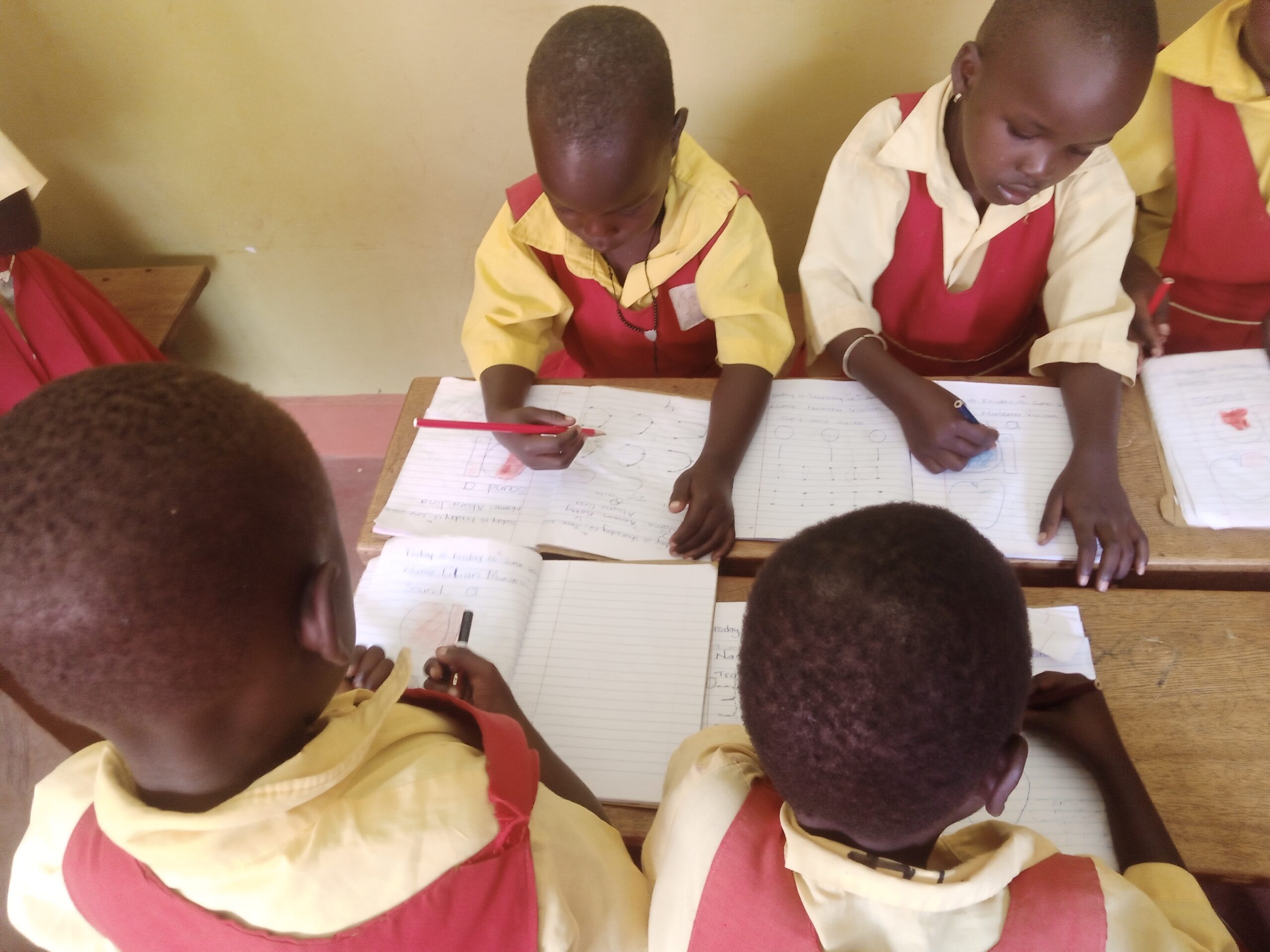
Leah with her classmates Photo: Dwelling Places
Leah with her classmates Photo: Dwelling Places
Leah was rescued and was able to return home
Leah was identified by staff members from one of Erikshjälpen’s partner organizations. They rescued her and took her to a temporary rehabilitation center. There, she received shelter, medical care, support, and psychosocial assistance. Her situation was assessed, and a plan was developed to give her the opportunity to return home. Today, she is attending school and has returned to Napak.
I'm happy to be able to go to school and learn new things.
Many children still live on the streets
Leah is far from alone in having gone through this. As many as 15,000 children are living on the streets in Uganda. Erikshjälpen has many years of experience in reaching out to these children and offering them rehabilitation, family tracing, and reintegration. But it also involves supporting parents, creating networks, and building capacity to empower people and government agencies to take responsibility. And this work is yielding results—not only when children are rescued from life on the streets, but also when parents, police officers, community leaders, and government officials who previously lacked knowledge about children’s rights are now joining us in the fight to stop trafficking.
Your support makes a difference
In 2025, 711 girls in Kampala and Mbale who had been living on the streets due to poverty were able to return to school thanks to Erikshjälpen’s interventions.
Would you like to help give more children a safer future? Become Monthly Donor or make a donation to Safety and Protection.
Published: 01 July 2026
 Listening