All children have the same rights - regardless of their address
 Listening
 This is a response to an opinion piece published in JP.
In Staffan Eklöf's (SD) and Ida Kors' (SD) opinion piece in JP on January 17, the Sweden Democrats write that the fears of introducing safety zones are exaggerated and that the risks are not proportionate to the potential gains. "The possibility of saving a child from being recruited into criminal networks outweighs the risk that a child may experience mistrust."
SD also believes that it is the politicians who have fed foreign-born people the idea that they are discriminated against. They cite an example from Erikshjälpen Framtidsverkstad , where young people feel that everyone dislikes people who live in the suburbs.
That is not the case, of course, but we cannot question the experience of young people. The fact that those subjected to suspicion and searches experience a lack of trust and confidence in the police and society is not a risk but already a reality. Several studies show that discrimination, stigmatization and racism are a fact of life in our society, factors that also deeply concern the UN Committee on the Rights of the Child.
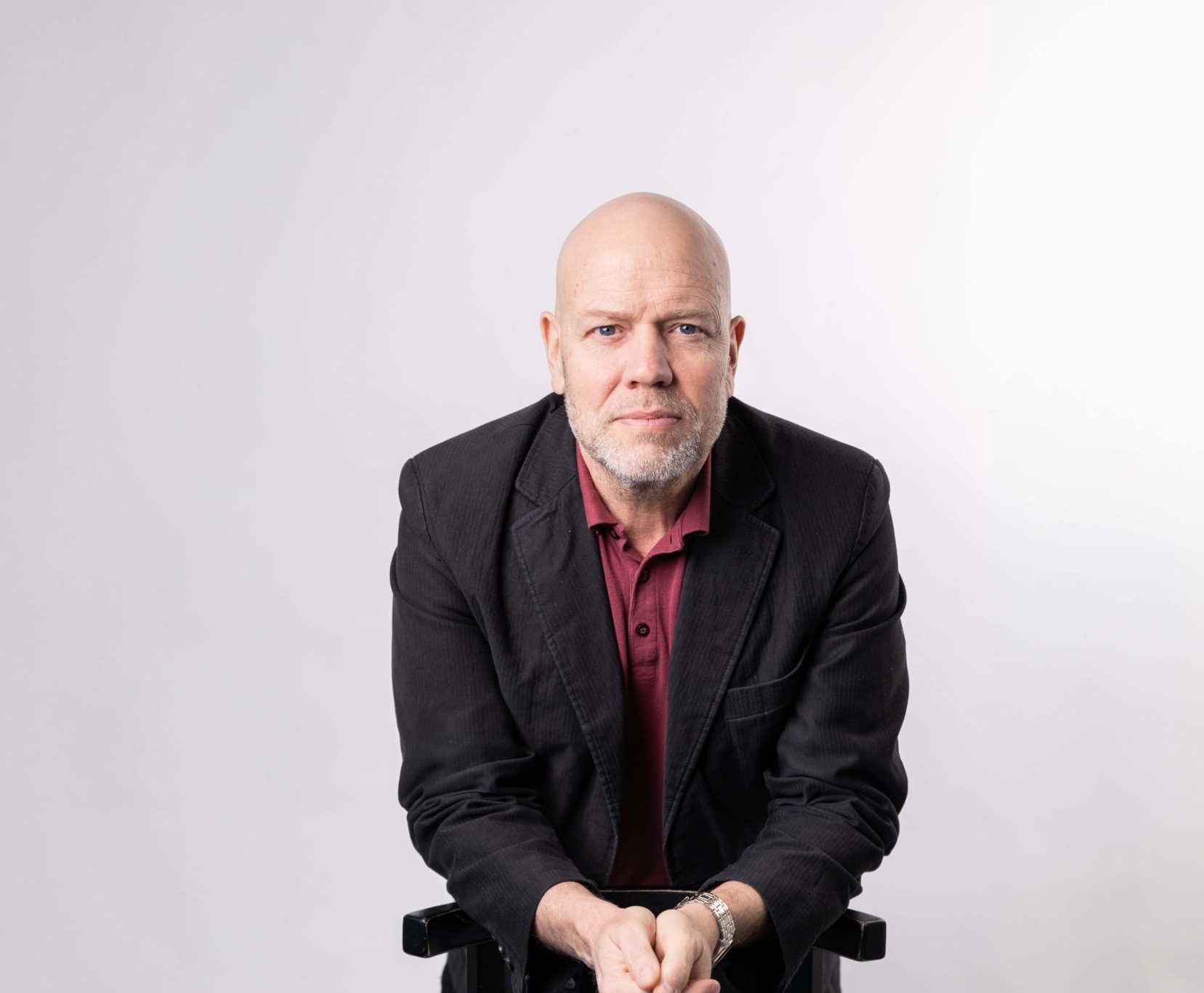
Daniel Grahn, Secretary General Erikshjälpen
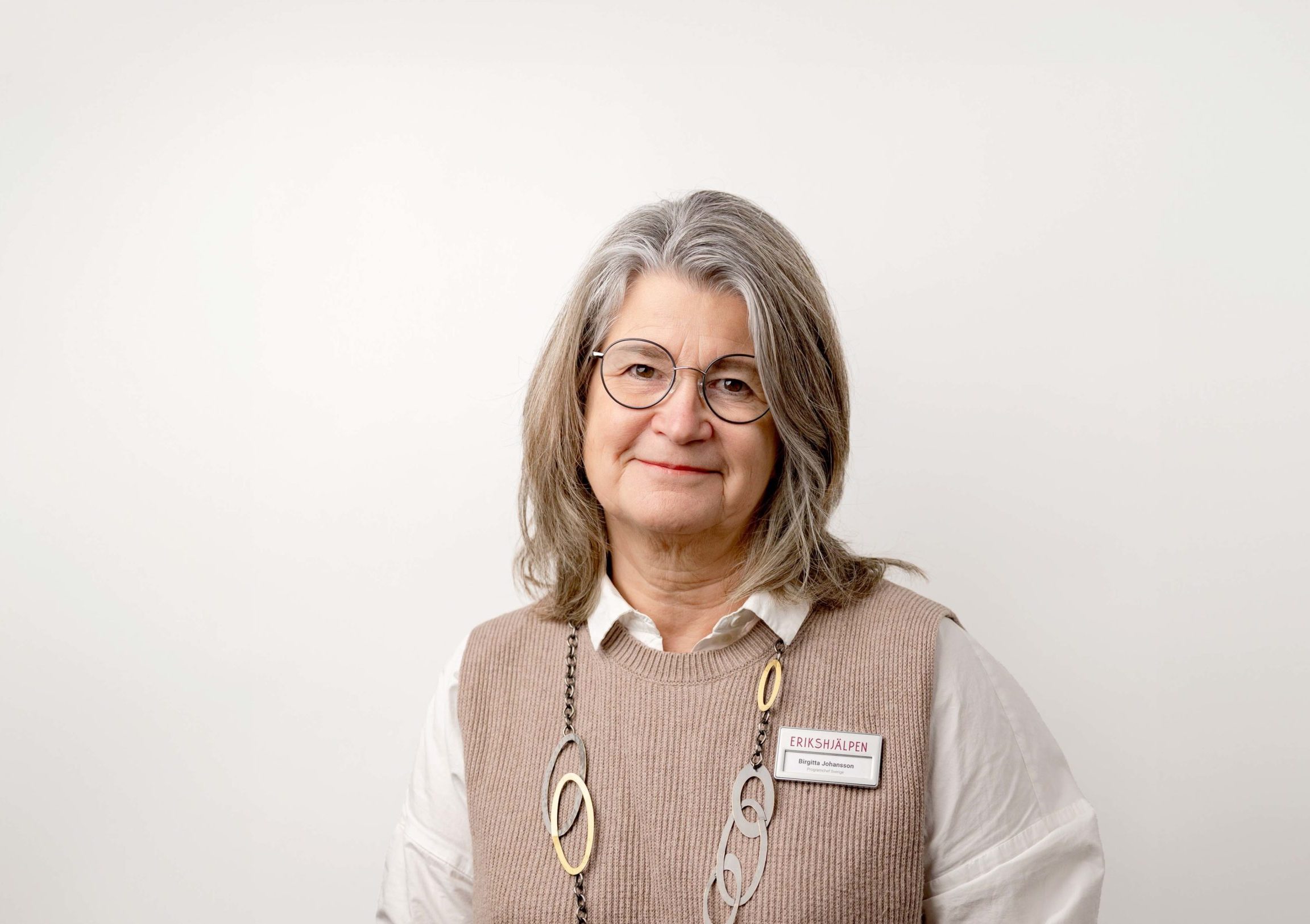
Birgitta Johansson, Head of Erikshjälpen Sweden
Daniel Grahn, Secretary General Erikshjälpen
Birgitta Johansson, Head of Erikshjälpen Sweden
Link to public society
Erikshjälpen Framtidsverkstad meets children, young people and parents in several of Sweden's underprivileged areas. We listen and make their voices visible and want to be a link to public society, which many lack confidence in. We often meet children and young people who have lost faith in themselves and their opportunities.
Violence and crime must be stopped, while we need to build trust in our society. Tougher measures are not enough. Children are both victims and perpetrators, according to Police Commissioner Karin Götblad in her Winter Chat, and describes how children end up in a predicament from which there is no escape. She also points out that collaboration between authorities and an inclusive civil society is necessary. "Society needs to be better at understanding the vulnerability of young people.
Same rights
the United Nations Convention on the Rights of the Child is clear: All children have the same rights, no matter where they live. That is not the case today, and as recently as last year, Sweden was criticized by the UN Committee on the Rights of the Child for failing to eliminate disparities and discrimination based on place of residence.
Erikshjälpen Framtidsverkstad wants to contribute to the realization of every person's potential. This is done by supporting children, young people and parents to be agents of change, both in their lives and in their neighborhood.
It also helps to break the isolation that otherwise risks being passed on. It is not about dressing capable people in "victim's clothing", but encouraging and supporting them to believe in their abilities to influence their future.
This is what a 15-year-old participant in one of Erikshjälpen's Future Workshops says:
"Before, nobody cared about us or our future, not even ourselves. With the Future Workshop, we are not only changing the view of our neighborhood, we are also changing ourselves as people."
People should not be so easily offended, say Staffan Eklöf and Ida Kors. But feeling offended is a personal experience, and it's not something that anyone else can decide if you are. The feeling can only be changed through positive experiences.
Safety zones counterproductive
Special safety zones are a short-term intervention that risks being counterproductive and reinforcing already negative circles. Reinforcing the image that many people already have of these areas, but also how the children living there see themselves. There is no doubt that all forms of crime and violence must be tackled and criminals prosecuted, but this means that everyone should be equal before the law, regardless of their address. We must not forget that most people living in deprived areas are ordinary people, who want to live and have a good life with a job, a home and a family.
Author:
Daniel Grahn, Secretary General of Erikshjälpen.
Birgitta Johansson, Head of Erikshjälpen Sweden.
Published: 29 January 2024