EU aid reached its highest level ever in 2022, mainly as a result of support to Ukraine. But the erosion of aid also reached new record levels. More than a fifth of EU aid does not meet the basic criteria to be defined as aid. This is according to the AidWatch report produced by CONCORD Europe every year.

From Africa to Ukraine

EU aid increased to 0.59% of gross national income (GNI) in 2022, compared to 0.48% in 2021. Support to Ukraine and the neighbourhood accounted for almost all of the increase in EU and Member State aid. At the same time, aid to sub-Saharan Africa decreased by as much as 7.8% in 2022, home to the majority of the least developed countries as defined by the UN, and many of the people most affected by the impacts of climate change, war and conflict, growing debt burdens and threats to food security.

Many children and young people we meet in countries like Burkina Faso and South Sudan are being let down by decision-makers who do not stand up for children's rights under the Convention on the Rights of the Child. This applies to decision-makers both in those countries and in Europe.
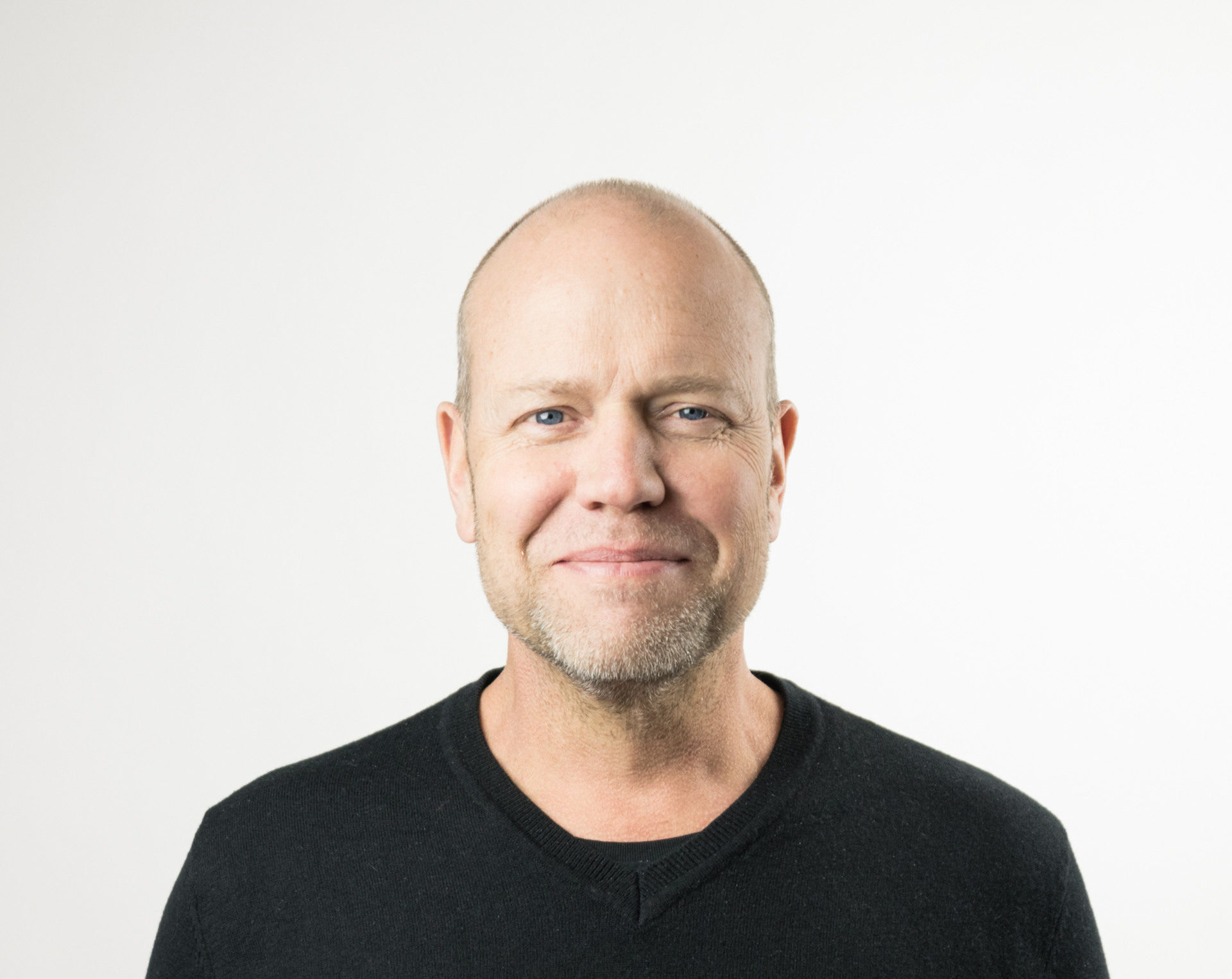
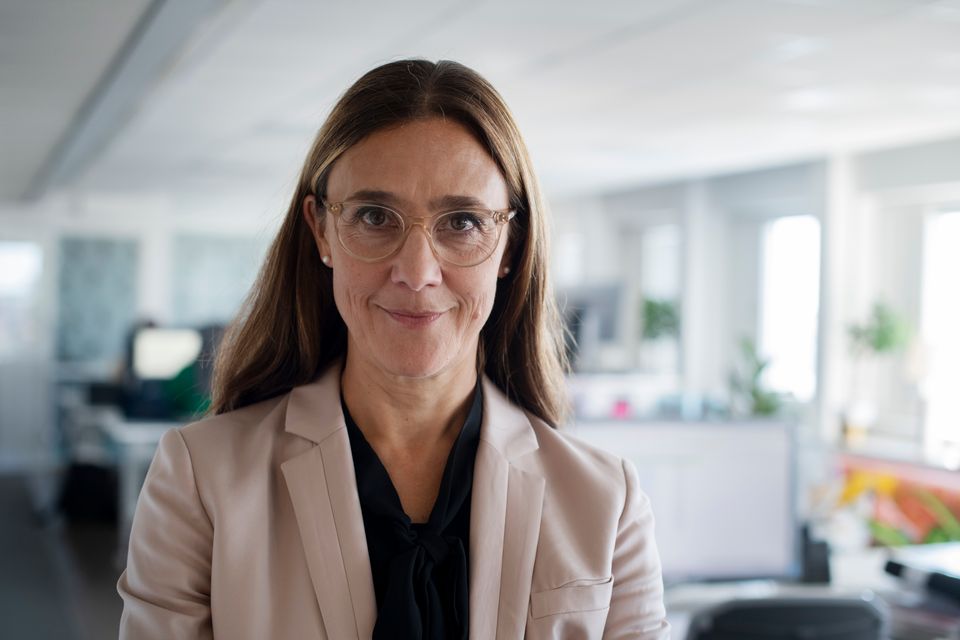
Daniel Grahn, Secretary-General Erikshjälpen.

Only three countries, Luxembourg, Sweden and Germany, reached the commitment to spend at least 0.7% of GNI on aid. Denmark fell below 0.7% for the first time in four decades.

- At Erikshjälpen, we are fully focused on using our scarce resources to fight poverty and contribute to the Global Goals. The least we can expect in the critical global situation right now is that our decision-makers in Sweden and the EU use the aid so that the most vulnerable are reached first and receive the most, says Daniel Grahn.

Daniel Grahn, Secretary-General Erikshjälpen.
Daniel Grahn.
Daniel Grahn, Secretary-General Erikshjälpen.

Eroding aid

As much as one in five aid dollars, as much as €20 billion, is reported as aid but does not meet the criteria. The money does not focus on the people in poverty and oppression it is intended for.

- We work with 3.5 million farmers in 20 countries. Often women. They are struggling against droughts, torrential rains, floods and growing hunger in an economic crisis that has shocked prices of seeds, grains and fuel. "There is a fundamental injustice in how they are affected by climate change, war and inequalities that they did not cause," said Anna Tibblin, Secretary-General of We Effect.

Most of the erosion is due to the use of aid funds to cover domestic refugee costs. This has led to some EU Member States giving as much as half, and in some cases even more, of their aid to themselves in 2022. In total, domestic refugee costs amount to €13.9 billion. Another contributing factor is that Member States overstate how much of their lending is aid by as much as €1.7 billion.

At the halfway point, we are further away from several of the Global Goals than when we started. We need to reverse this trend quickly! Both the pandemic and the support to Ukraine show that we can when we want to. EU decision-makers must be able to see the world beyond Europe.
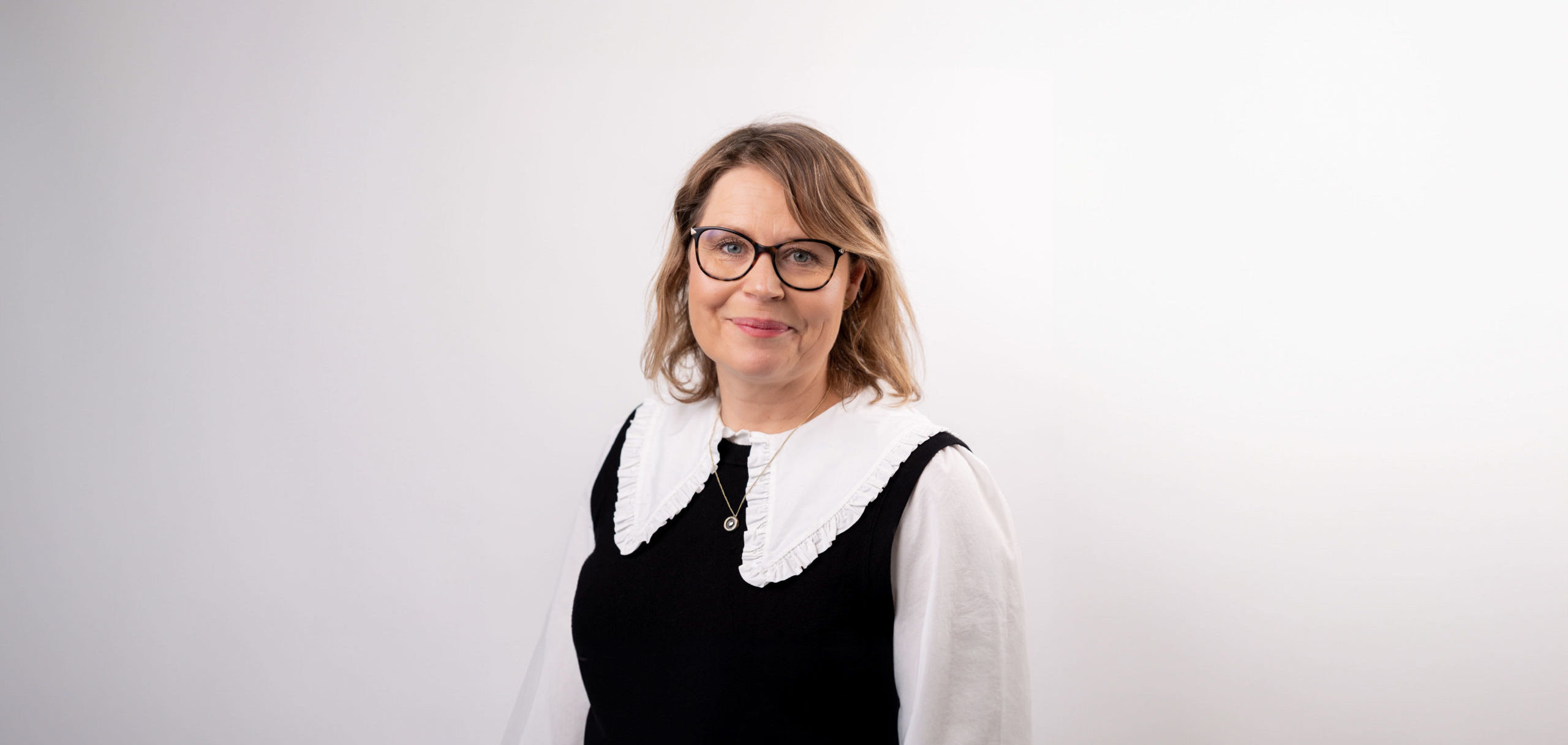
Anna Tibblin, Secretary-General We Effect.
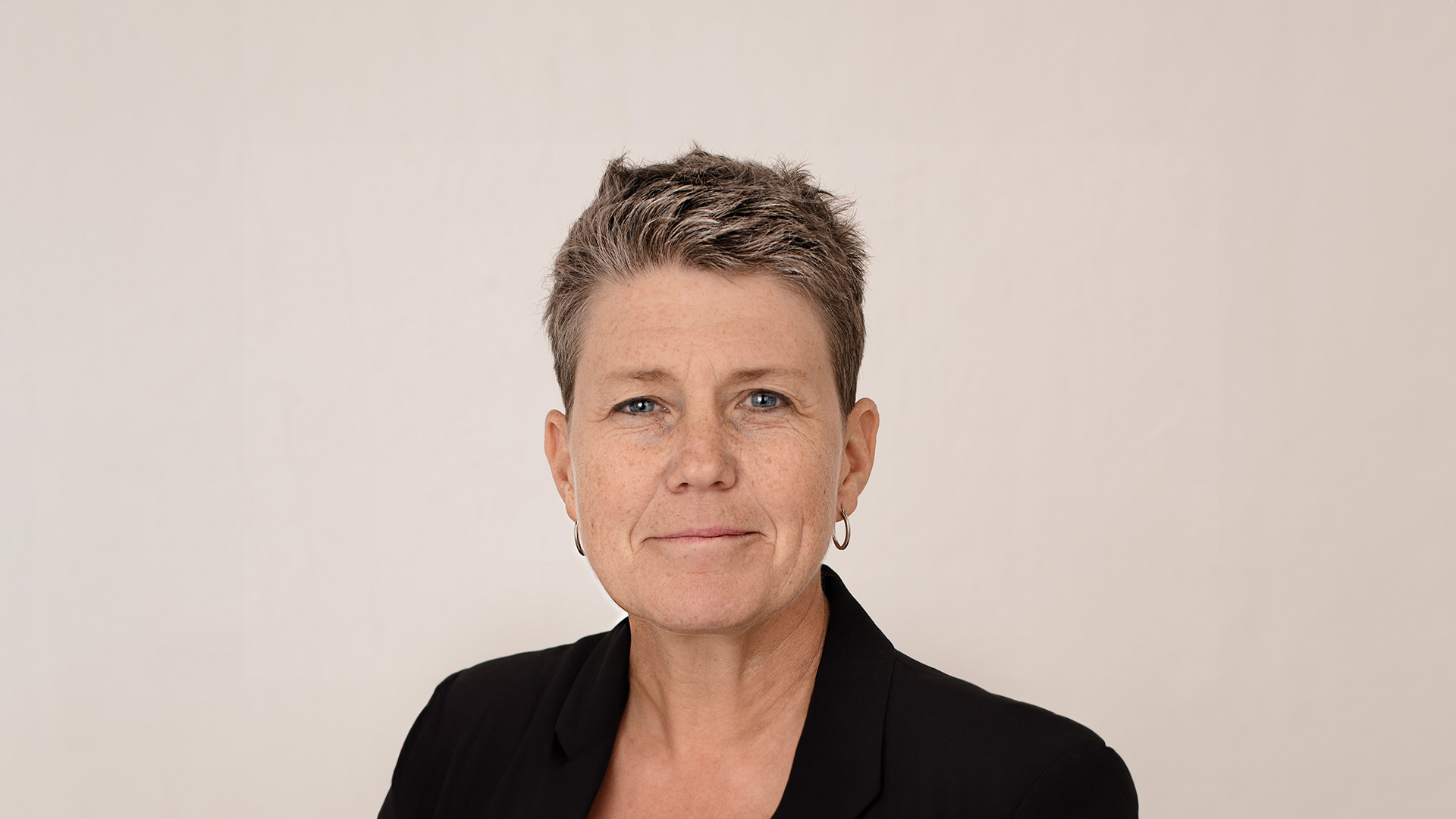
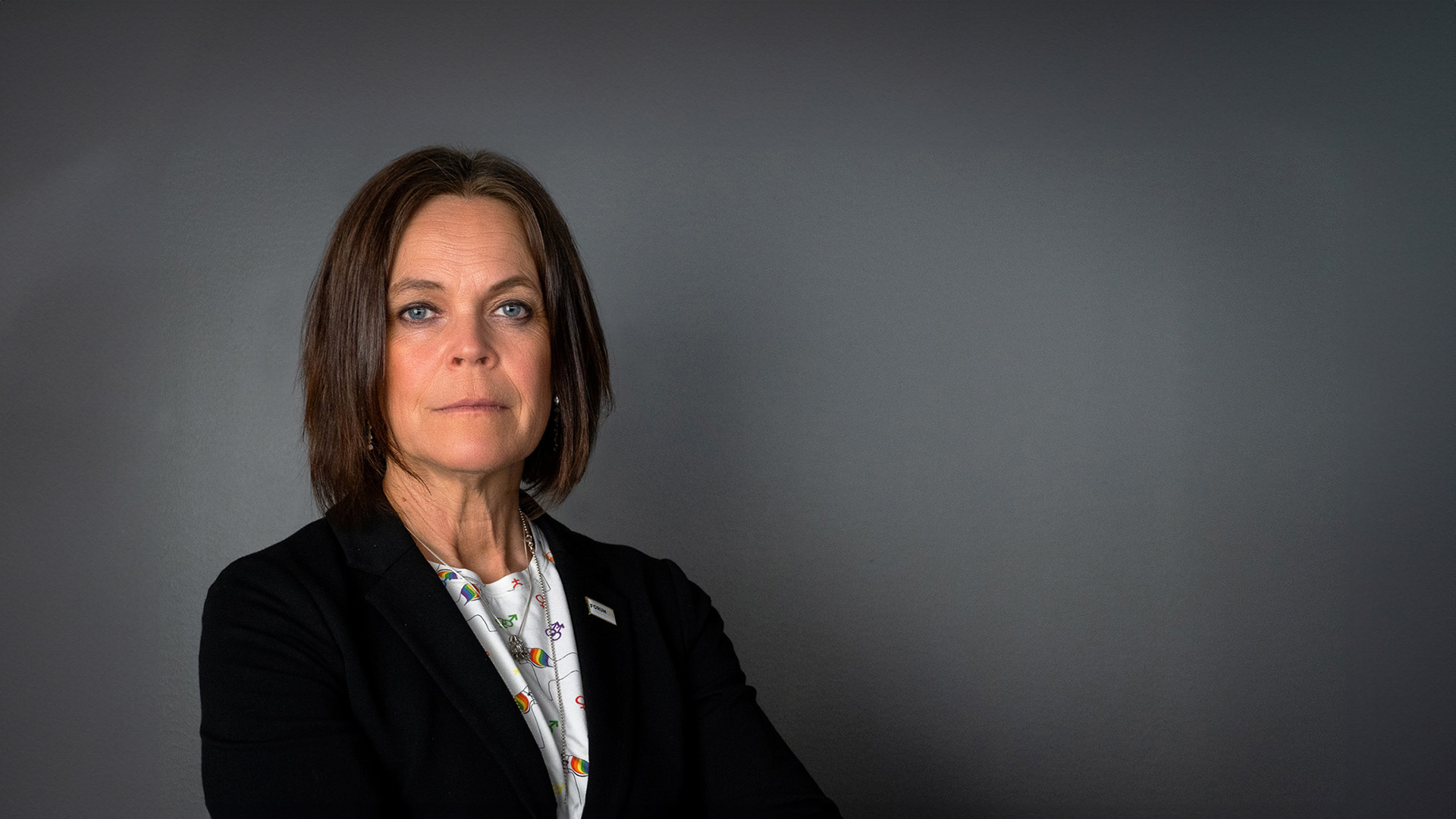
Anna Tibblin, Secretary-General ForumCiv.
Anna Tibblin, Secretary-General We Effect.

Sweden

In Sweden, 3.9 billion Swedish kronor (SEK) ended up being used to cover domestic refugee costs, after a year of numerous and sudden budget changes. As the Migration Agency's forecasts turned out to be exaggerated, Swedish kronor (SEK) 2.1 billion was not used. The government, neither the current nor the previous one, has not returned the money to aid activities anyway.

It is offensive that Sweden is unable to take in people fleeing the horrors of war in Ukraine without taking the money from vulnerable groups in Africa, Asia and Latin America.
Anna Stenvinkel, Secretary-General ForumCIv.

While EU aid is increasing overall, Sweden's aid is decreasing to 0.9% of GNI, and the decline is expected to continue in the coming years.

Read more about Sweden's expected reduction in aid, "Only the Greens and the Left stand by the 1% target".

- It was also appalling to see how much the work was made more difficult for our members and their partners because this and previous governments handled the transfer of money between Sida's and the Migration Agency's budgets so badly. A more stable and long-term system is needed for this," said Anna Stenvinkel, Secretary-General of ForumCIv.

Anna Stenvinkel, Secretary-General ForumCIv.
Anna Stenvinkel, Secretary-General We Effect.
Anna Stenvinkel, Secretary-General ForumCIv.

Facts of the Aidwatch report

The AidWatch report is produced annually by the European platform for sustainable development and international cooperation, CONCORD Europe. CONCORD Sweden is one of 26 national platforms within CONCORD Europe.

CONCORD Sweden has coordinated the work on the recommendations to the Swedish government on the Sweden side of the report. Here is a short version of them:

  • Ensure that all aid policy proposals are clearly linked to the Parliament-bound overall objective of aid, to a rights-based approach and the perspective of poor people, and uphold the international principles for effective development cooperation and the OECD DAC rules.
  • Keep the focus of aid on the least developed countries, where the needs are greatest and the possibility to mobilize other financial resources is least, and ensure that the country focus process is well thought out and transparent with clear criteria.
  • Increase budget transparency, both in terms of the level of aid to GNI, and to address the recurrent over-budgeting of domestic refugee costs from aid.
  • Deliver on the promise of increased financial support for civil society, women's and girls' rights, democracy and human rights defenders.

Find out more about CONCORD Europe.

Link to the full report: Aidwatch 2023

Author: Lena Elf

In a joint opinion piece, Erikshjälpen and the World Childhood Foundation write about new reports confirming the risks of growing up in orphanages.

The harmful effects of orphanages have long been known. Children in institutions are at greatly increased risk of violence and abuse, and they often carry trauma and attachment problems with them throughout their lives. These children are also at increased risk of criminality, substance abuse and mental health problems. Orphanages are simply not a safe place for children.

Up to 90% of children in institutions around the world have a parent alive. Often, it is poverty or other social traumas that lead to children being placed in orphanages. More and more countries are now choosing to close down orphanages and invest in support services so that children can grow up in families. Despite this, the idea that orphanages are good for vulnerable children persists. Donations from Sweden and other countries continue to flow in, when the needs are actually quite different.

Paula Guillet de Monthoux.
Paula Guillet de Monthoux, Childhoood
Daniel Grahn.
Daniel Grahn, Erikshjälpen
Paula Guillet de Monthoux.
Paula Guillet de Monthoux, Childhoood
Daniel Grahn.
Daniel Grahn, Erikshjälpen

Erikshjälpen, together with the World Childhood Foundation, works to spread knowledge and create debate about how children are affected by growing up in orphanages and encourage a commitment to more sustainable alternatives.

Read our debate article in Aftonbladet here: Stop Donate money to orphanages, Swedes

This week, the Ugandan President approved one of the world's strictest LGBTI laws - where, among other things, "aggravated homosexuality" can lead to the death penalty. Erikshjälpen strongly opposes the new law as it violates human rights and complicates our work in the country.

Uganda has long had strict anti-gay laws. In 2014, Ugandan President Yoweri Museveni signed a controversial law aimed at banning homosexuality. The law imposes severe penalties for same-sex relationships and 'homosexual acts', including life imprisonment for repeated offenses. Now the laws are being tightened further - meaning that a person's sexuality in the country can lead to the death penalty. The new laws also target bisexual, transgender and queer people.
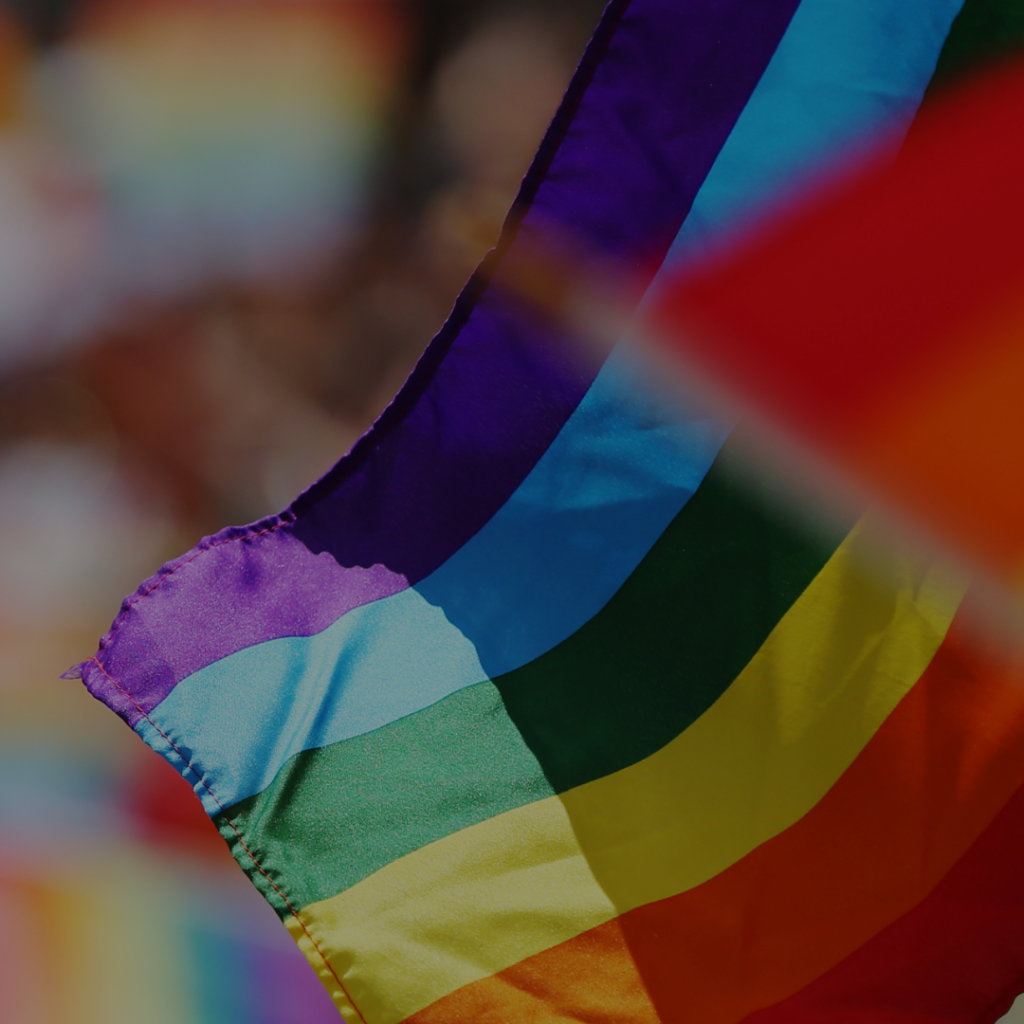
A rainbow-colored LGBTQ flag waves in the wind.

A question of human rights

Erikshjälpen has several interventions in Uganda, where we work together with local partner organisations to ensure that children's rights are met. Our work is based on the UN Convention on the Rights of the Child, which emphasizes the equal and unique value of all individuals, regardless of gender, age, ethnicity, sexual orientation, beliefs or religion.

Punishing people because of their sexuality jeopardizes their fundamental freedoms and rights. The laws also create a climate of fear and hatred, leading to stigmatization, persecution and violence - where people are forced to live in secret or flee the country to avoid harassment and discrimination.

We strongly oppose the new law. Not only does it violate everyone's right to their sexuality, it's a violation of human rights - and it makes our vital work for the children of Uganda more difficult. And the world they dream of.

Pay with Swish by scanning the QR code

QR code Erikshjälpen
Do this:
  1. Open the Swish app.
  2. Press "Scan" and point the camera over the QR code.
  3. Confirm and sign the payment with mobile BankID.