On Saturday, October 5, all daily cash registers from Erikshjälpen Second Hand's stores will go to Radiohjälpen's fundraising campaign "Världens Barn". The project that we highlight in this year's campaign is about how portable schools in Bangladesh ensure that children can continue to go to school despite poverty and climate disasters.
Erikshjälpen is contributing to the Världens Barn campaign for the 27th year and has been involved since the start. Last year, the second-hand shops sold for an unimaginable 3,703,294 Swedish kronor (SEK). In addition to donating the daily takings, many of Erikshjälpen Second Hand's 52 shops draw attention to Världens Barn through various activities.
-"In our stores there is always a great commitment to children," says Jerker Sandell, Executive Director of Erikshjälpen Second Hand. "The Världens Barn campaign gives us the opportunity to do even more for children around the world.
The World's Children campaign gives us the opportunity to do even more for children around the world.
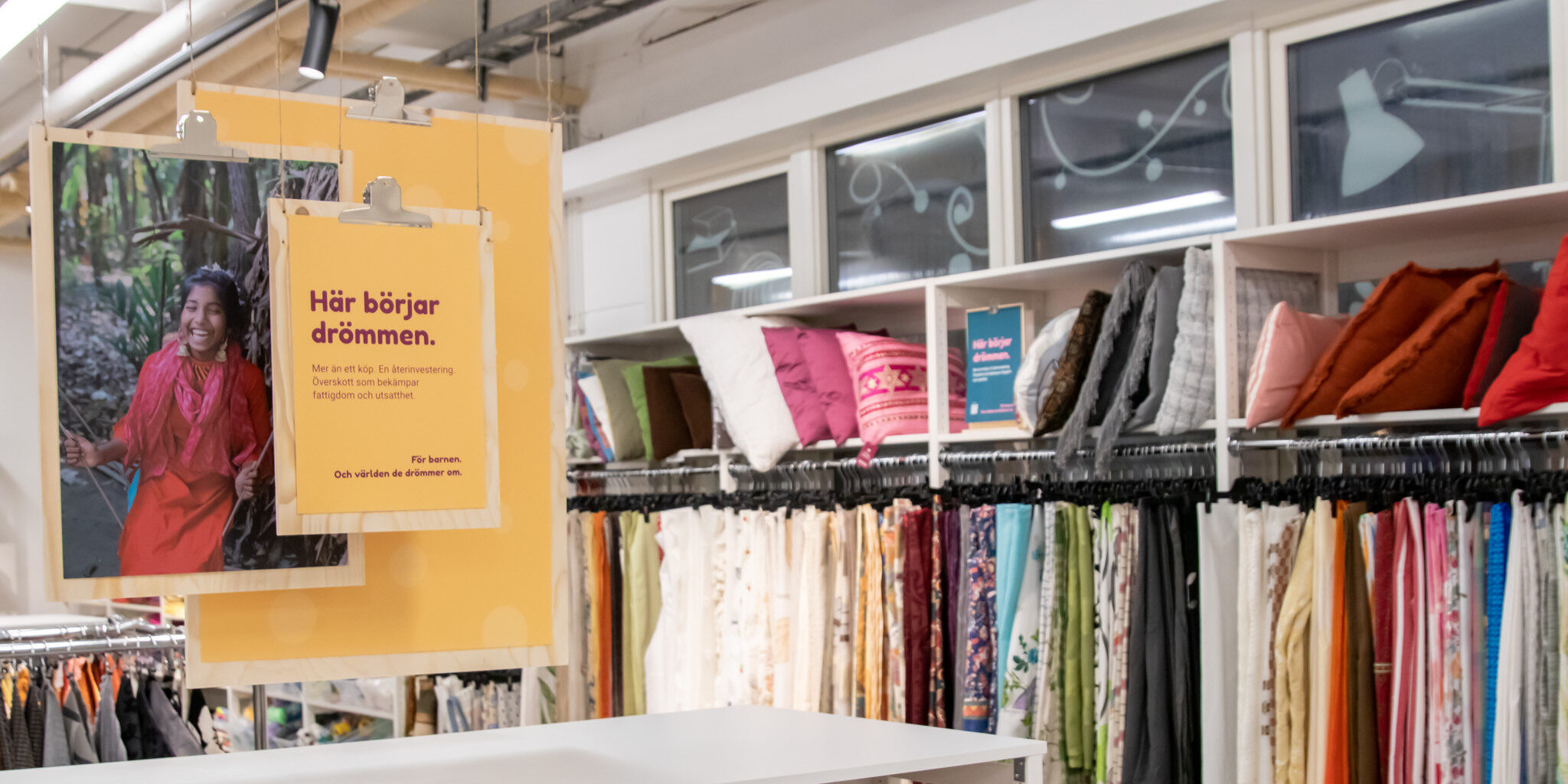
Children of the World
Världens Barn, Sweden's largest fundraising campaign for children's right to health, school and security, is carried out in a unique collaboration with Swedish Television, Swedish Radio P4, Erikshjälpen and 13 other aid organizations. Every year, Radiohjälpen grants funds to around thirty projects in as many countries. All organisations involved in the campaign highlight a special project each year.
- Around the world, many millions of children live in insecurity due to war and disasters. Our knowledge, willingness and ability to help them affects the future development more than anything else and defines who we are, says Mattias Ingeson, Erikshjälpen's Secretary-General and Chairman of the Board of the Swedish National Fund for Children.
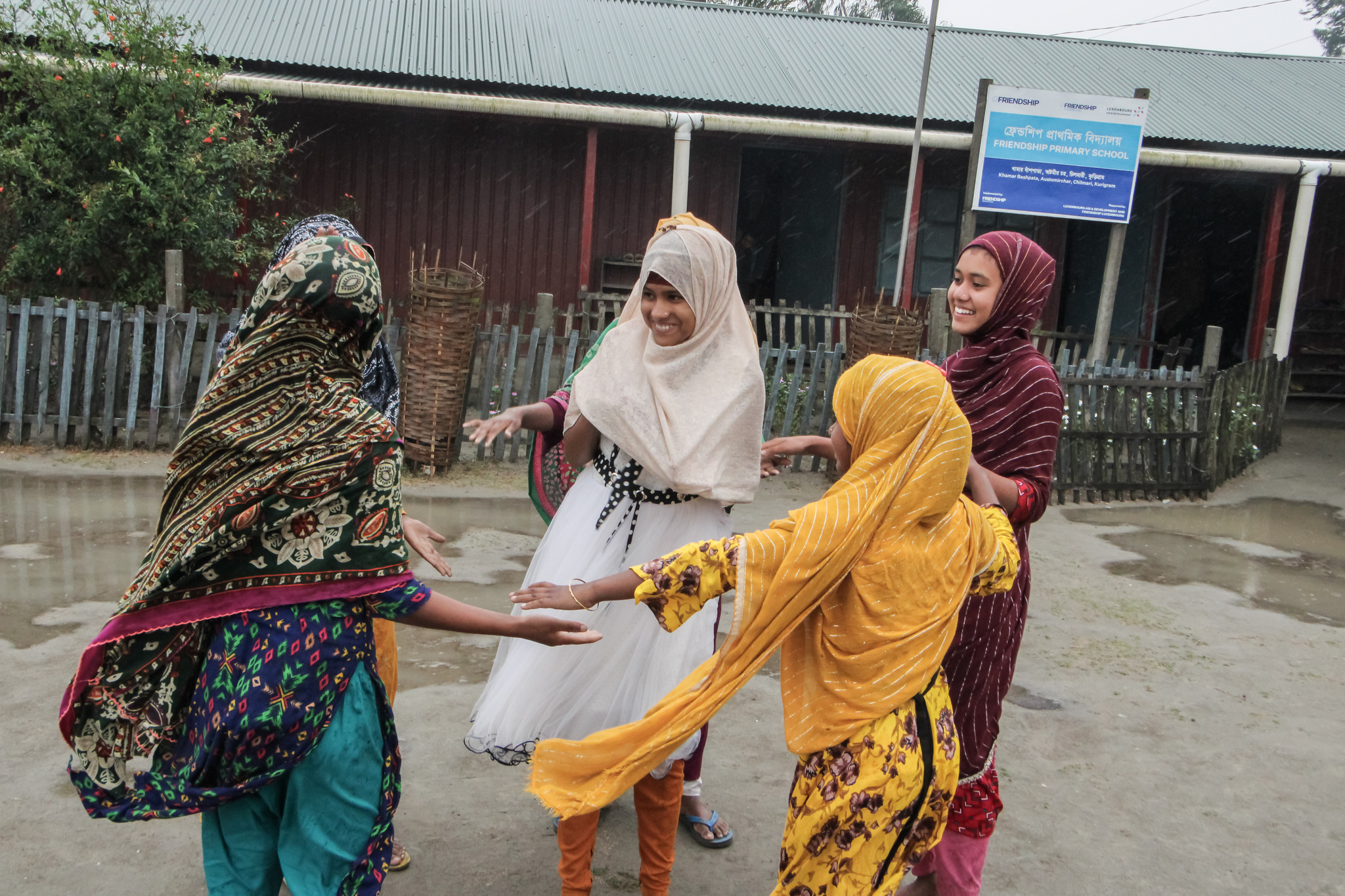
Mim and her friends are playing in the schoolyard.
Mim and her friends are playing in the schoolyard.
Erikshjälp's focus this year - portable schools
Mim, her parents and five siblings live on one of the many sand islands in the Brahmaputra river delta in Bangladesh. Floods, cyclones and other natural disasters strike the area several times a year, causing great devastation. Landslides and soil erosion make it difficult to build roads and schools. But thanks to the portable school, which Erikshjälpen has established together with its local partner Friendship, children in the area have the opportunity to go to school. Mim and her friends have learned about their rights and how to build up preparedness to cope with natural disasters.
Shop for the world's children
Visit one of our second-hand shops on Saturday, October 5 and shop for the children of the world.
On August 12, 2024, Jerker Sandell took over as the new Executive Director of Erikshjälpen Second Hand. One of Jerker's tasks will be to introduce circular consumption to new customer groups.
Interest in second hand is growing
As head of Erikshjälpen Second Hand , Jerker will be responsible for 51 stores around the country. Erikshjälpen Second Hand is also a business that wants and needs to grow, thanks to the increasing commitment to sustainable consumption.
- Interest in second-hand has grown enormously in the last five years alone. We have broadened our customer group and many younger people have found their way to our stores. Now we will work to ensure that even more people discover how Erikshjälpen not only does good for the wallet and the climate, but also contributes to interventions for children around the world.
Now we will work to ensure that even more people discover how Erikshjälpen not only does good for the wallet and the climate, but also contributes to interventions for children around the world.
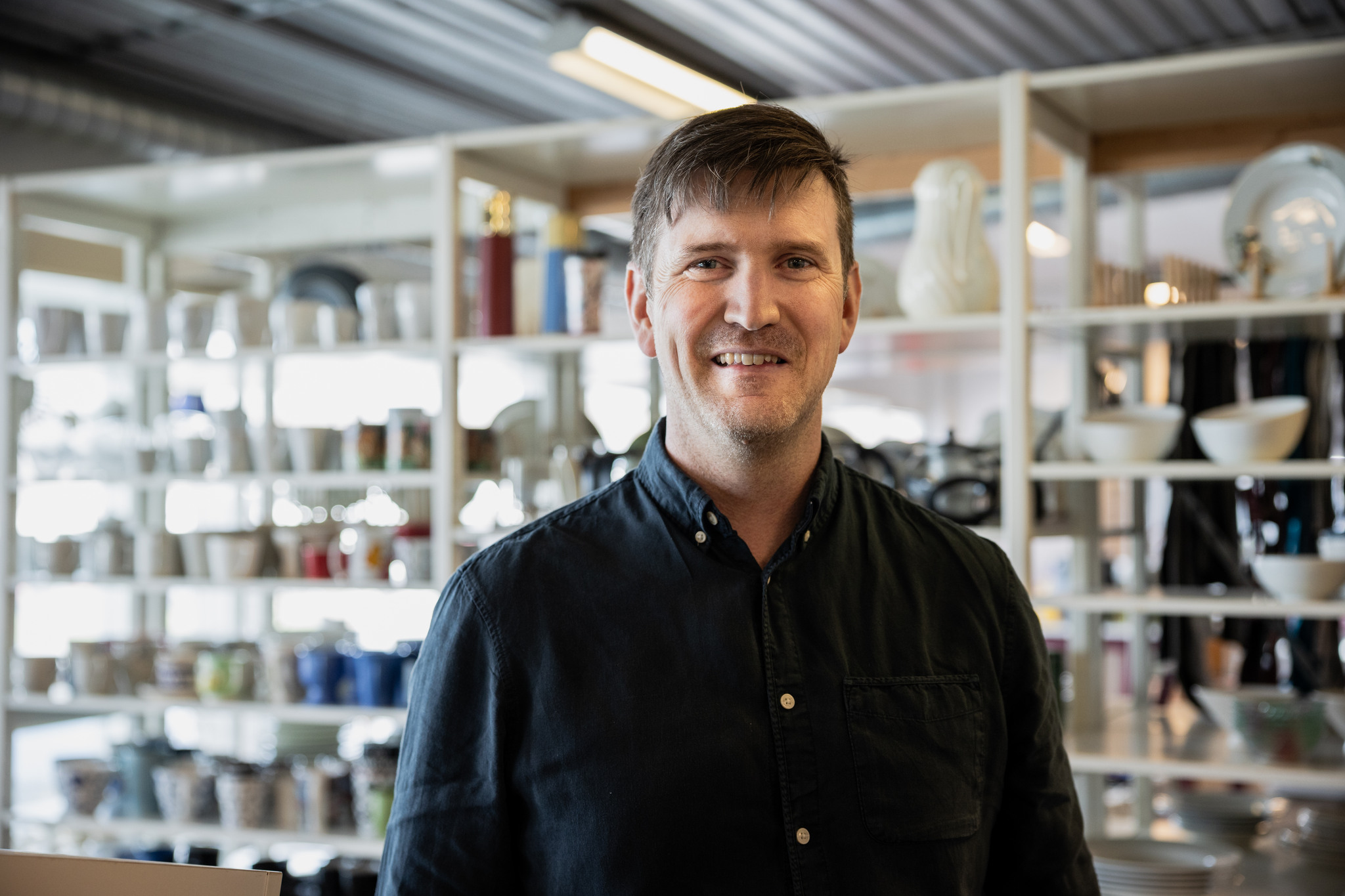
Jerker Sandell, Executive Director Erikshjälpen Second Hand
Jerker Sandell, Executive Director Erikshjälpen Second Hand
Focus in the fall
This autumn, Jerker's priority is to get to know his new organization. He emphasizes the importance of getting all employees on board in reaching out to new markets.
- I want to get to know the people who in different ways have a task in our stores and hubs and take part in their story and knowledge. I also look forward to meeting our customers and hearing their thoughts about Erikshjälpen Second Hand.
I look forward to meeting our customers and hearing their thoughts about Erikshjälpen Second Hand.
Between May 29 and June 1, Järvaveckan takes place in Solna in Stockholm. Erikshjälpen Second Hand is on site and premieres the new concept "Pop up on the road". With the help of mobile stores, we can now get out and meettnew customer groups.
The concept "secondhand.se by Erikshjälpen" has been taken to a new level. With the help of temporary shops at short events, so-called "Pop up on the road", more Swedes can discover second hand.
- We are doing this initiative to get closer to our customers and get more consumers to become circulators, says Cathrine Kylesten, Sustainability Manager at Erikshjälpen Second Hand.
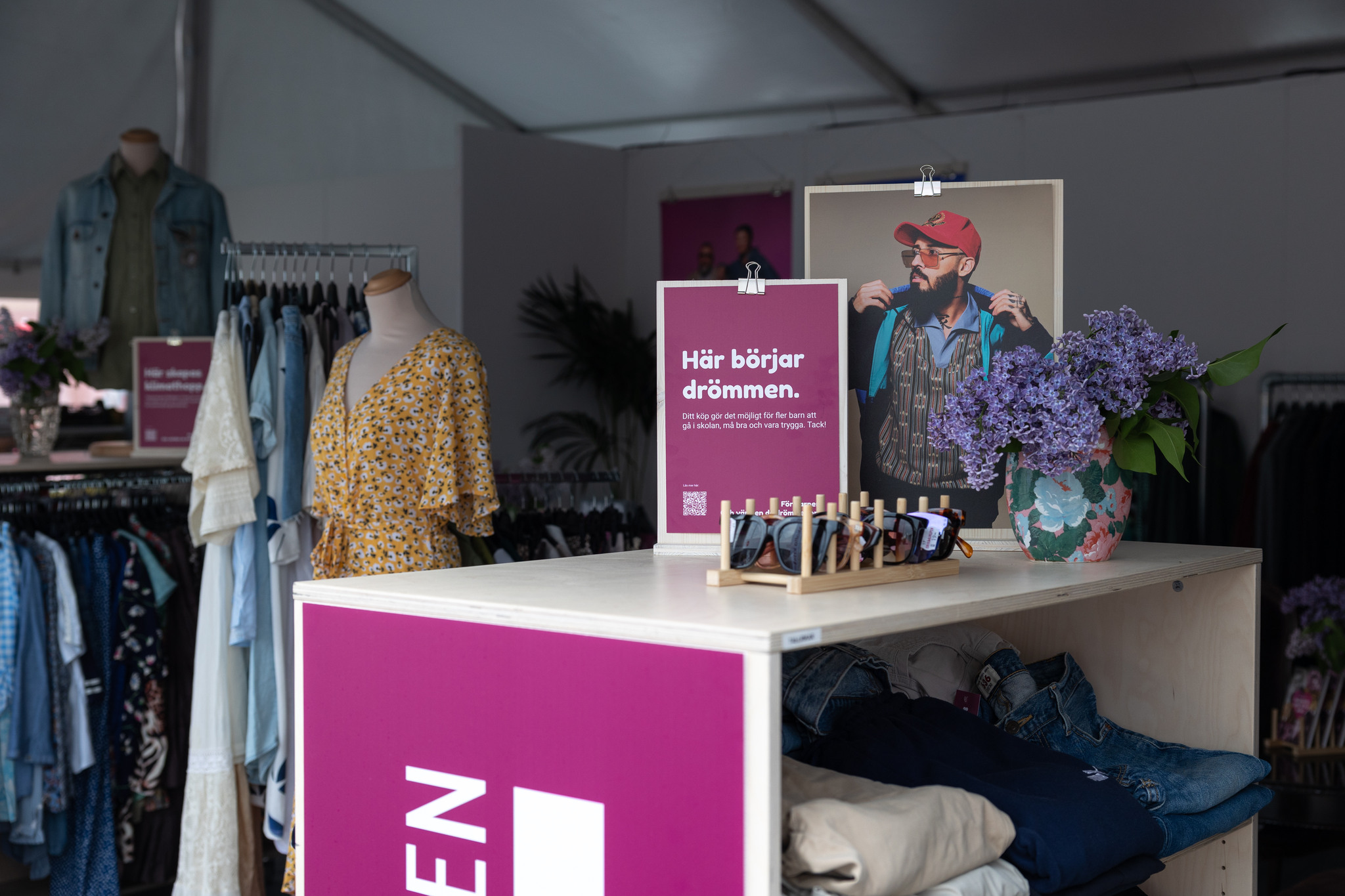
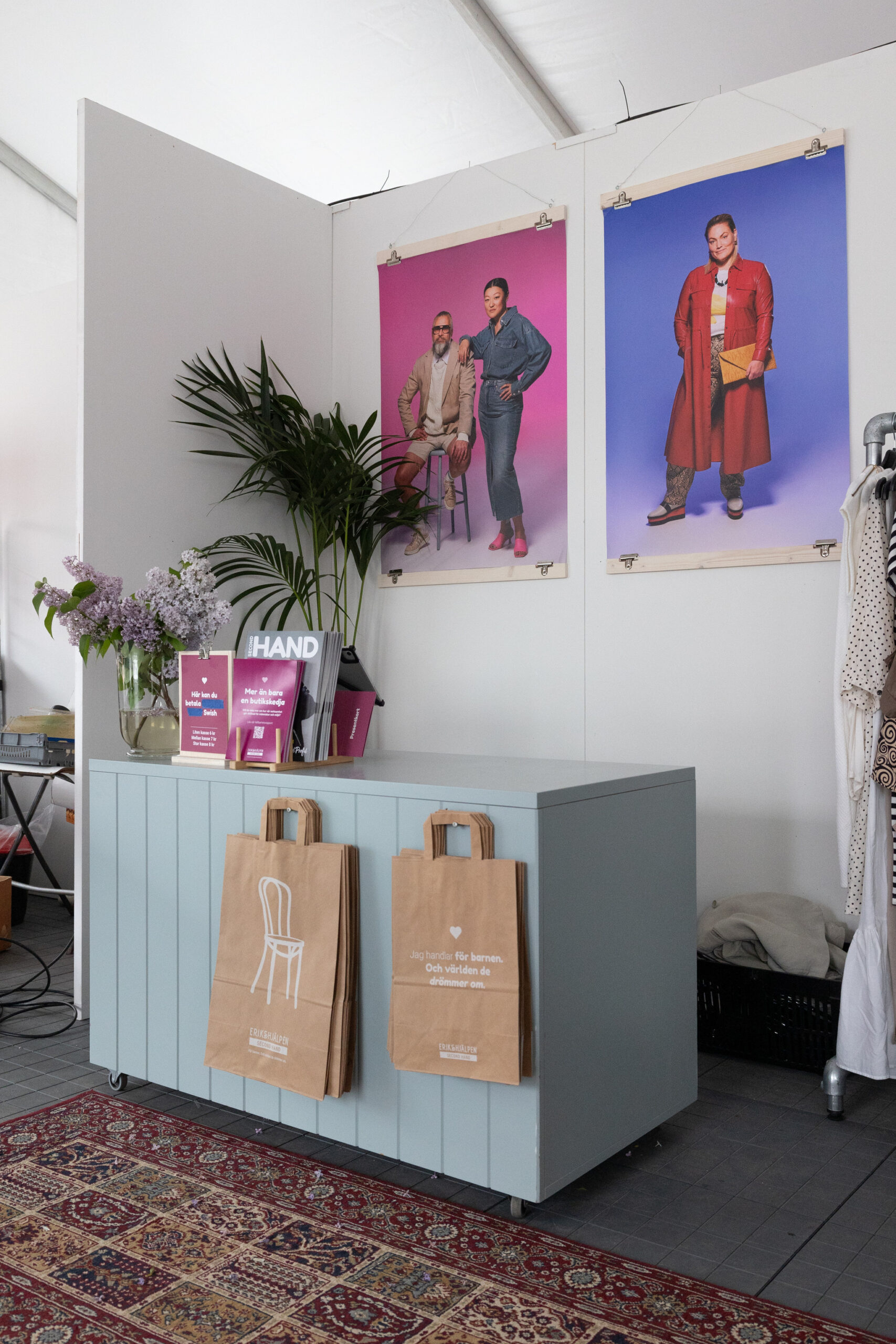
Erikshjälpen Second Hand at Järvaveckan
The fact that Erikshjälpen Second Hand this year chooses to be present during Järvaveckan is not only about reaching a new market, but it is also about participating in the political conversation.
- In addition to spreading the joy and benefits of circular shopping, we hope to show the added value of non-profit second hand, in the form of social work and a surplus that goes to interventions for children's rights, says Cathrine Kylesten.
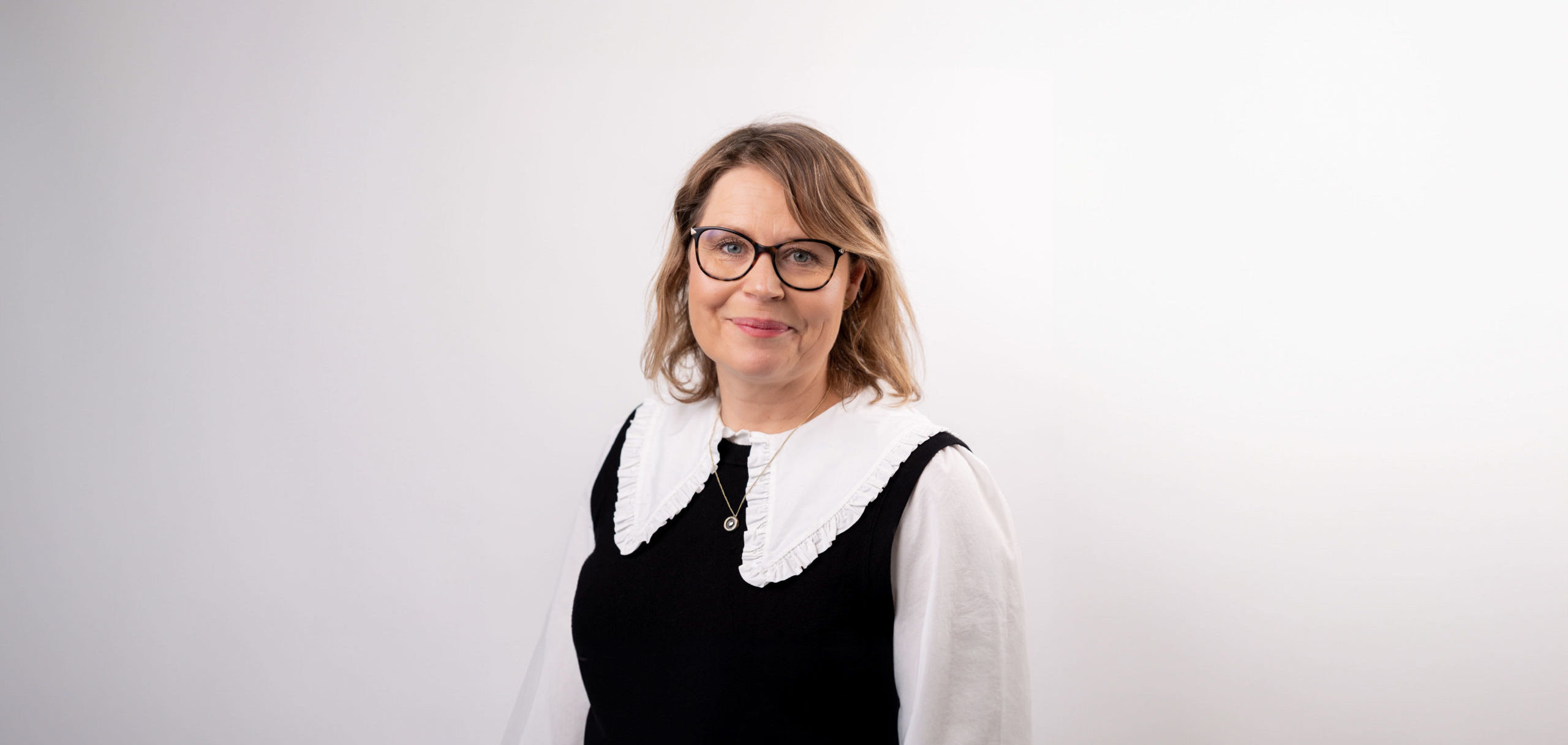
Cathrine Kylesten, Sustainability Manager at Erikshjälpen Second Hand
Cathrine Kylesten, Sustainability Manager at Erikshjälpen Second Hand
The range of the pop-up shop
During Järvaveckan, the shops in Vårby and Häggvik are responsible for the range in the pop-up shop. Visitors will be able to buy everything from a stylish jacket, summer dresses and sunglasses to a hand-picked selection for home and household.
- Our pop-up shop shows how easy and fun it can be to shop second hand and at the same time contribute to a sustainable future," says Cathrine Kylesten.
Sometimes Erikshjälpen gets the question, "What happens to the goods that cannot be sold in Erikshjälpen Second Hands stores?". The answer is that there are regular shipments from our stores to the organization Friend to friend in Estonia. In their stores, the goods get another chance to be of use and joy to someone else.
friend to friend, or Sobral Sobrale as they are called in Estonian, is just like Erikshjälpen is a broad-based organization. Through social work focused on areas in Estonia where the state's social safety net is not sufficient, they want to give children and families a safeare life and better living conditions.
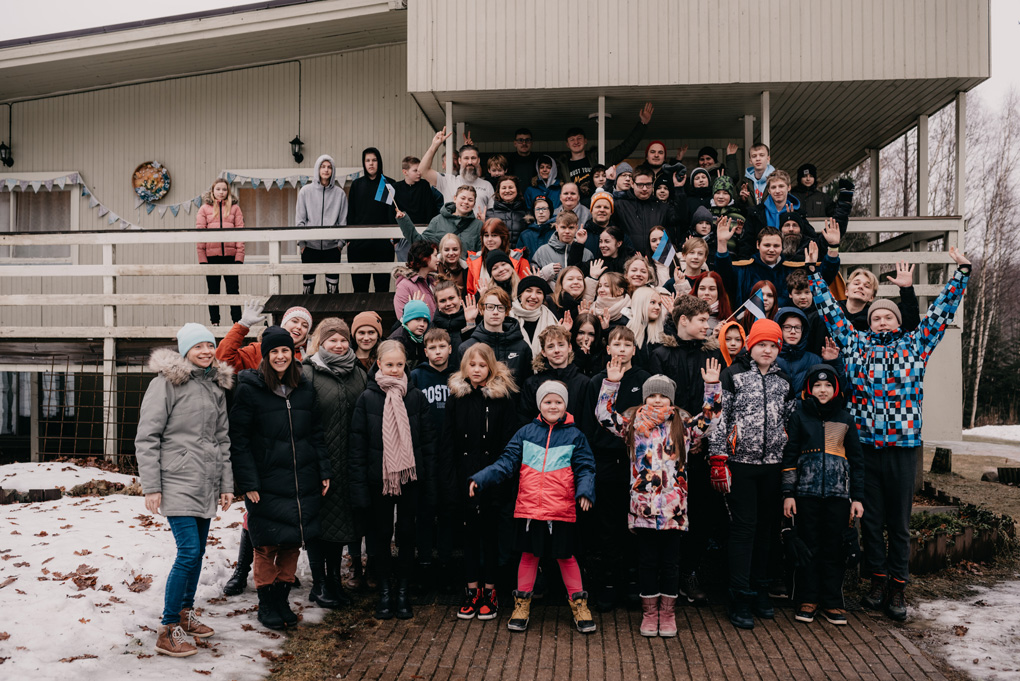
Today we are one of the most famous second-hand chains in Estonia
The head office is located in Tarttu, but Friend to friends activities are scattered in different parts of Estonia. The activities range from humanitarian emergency assistance, to summer camps ffor children or support for single parents. The main purpose of the second-hand activities is to raise money for the work for the children and then plays organization's 15 stores play an important role.
- "We have been working with Erikshjälpen Second Hand since 2007," says Henri Lehtsaar, Executive Director of Friend to Friend. Our stores have also created jobs for over 100 people. Today, we are one of the best-known second-hand chains in Estonia and we have a well-established cooperation with both churches and authorities.
The story of Erikshjälpen's relationship with Friend to Friend in Estonia began in a small way. It was a store manager in Sweden who had a contact in the organization. They started the cooperation by sending what they could not sell in their store, but which was in great need on the other side of the Baltic Sea.
- "It's a 20-year partnership that started at the grassroots level and then grew organically," says Henri Lehtsaar. "Our organisations share the same values and goals on how we can best help people in Estonia.
Initially, it was only a few stores, but now 36 of Erikshjälpen Second Hand's stores in Sweden donate goods to Friend to Friend. In 2023, 322 containers were sent across the Baltic Sea with a total of 17,994 cubic meters of goods from Erikshjälpen's stores. Sales revenue from goods sent from Sweden amounted to just over 26 million Swedish Swedish kronor (SEK) last year.
- There is a container at each store where goods are continuously loaded. When the container is full, it is sent off to Estonia," says Martin Borgvall, Logistics Manager at Erikshjälpen Second Hand. "Friend to friend sends feedback on what they need and we also have general guidelines on what types of goods do not sell in Estonia.
Once there, the goods are distributed to the various shops, depending on what they want and need. Friend to friend has stores in Estonia's major cities, such as Tarttu and Tallinn, but has otherwise chosen to establish itself in communities where the social benefits are greatest.
- "It's not about places where you expect the biggest revenues," says Martin Borgvall. "Instead, it's where we know that people need to buy second-hand goods to cope with their everyday lives, for example in Narva on the border with Russia.
Many people need second-hand goods to cope with everyday life.
Of course, there are goods that cannot be sold in Estonia either, but only a small part of what Erikshjälpen sends is discarded. The goods that the customers of Sobralt Sobrale discard are sent to, for example, churches or other organisations.

Jonathan Egerbo, Martin Borgvall & Stina Ljungqvist
Jonathan Egerbo, Martin Borgvall & Stina Ljungqvist
In 2023, Martin Borgvall and some colleagues from Erikshjälpen Second Hand visited Erikshjälpen Second Hand Friend to Friend to see for themselves how the goods were handled. They were pleasantly surprised when it turned out that in principle everything is taken care of in a good way.
- It was good to see that we don't have to worry about things turning up in the wrong place. Now we can focus on building on our already good relationships, and see how we can even better adjust our shipments to suit the Estonian market.
The facts
Friend to friend is the largest second-hand chain with social activities in Estonia. The organization has 16 stores and runs various projects to support children and their families.
Examples of projects in 2023
- Legal advice
- Emergency assistance
- Group sessions for single mothers
- Caring trains - camps for 197 children organized twice a year
- School packages for 472 children
- Christmas packages for 816 children
- Support for a children's room in Narva with weekly activities for 75 children.
Author
Lena Elf, Press officer Erikshjälpen
In Sweden Overshoot Day, Sunday, April 21, we Swedes have used up our annual budget of the Earth's natural resources. If everyone on the planet lived like us, there would be nothing left after today.
It certainly doesn't sit well with the oft-quoted Brundtland Commission definition of sustainable development;
"Sustainable development is development that meets the needs of the present without compromising the ability of future generations to meet their own needs".
Since the UN report was published, we have been repeating this sentence like a mantra, but not much has improved when it comes to our consumption levels. Quite the opposite, in fact. Material consumption in Sweden is as high as 25 tons per person per year, or 70 kg per day. In 2020, the mass of man-made materials was found to have exceeded the mass of all living things on the planet. The fact that we are facing a planetary crisis is a fact.
The fact that Sweden's Over Shoot Day falls earlier and earlier in the year shows that the transition to a circular economy is not happening fast enough. The question is, what do we need to do to speed up the process? There is often talk of a generation gap in the climate debate, but when it comes to consumer advocacy , studies show that gender is a more crucial factor. Men and women generally have different views on climate change, their own consumption and how they contribute to emissions. And they contribute differently to climate emissions through their consumption and lifestyle choices.
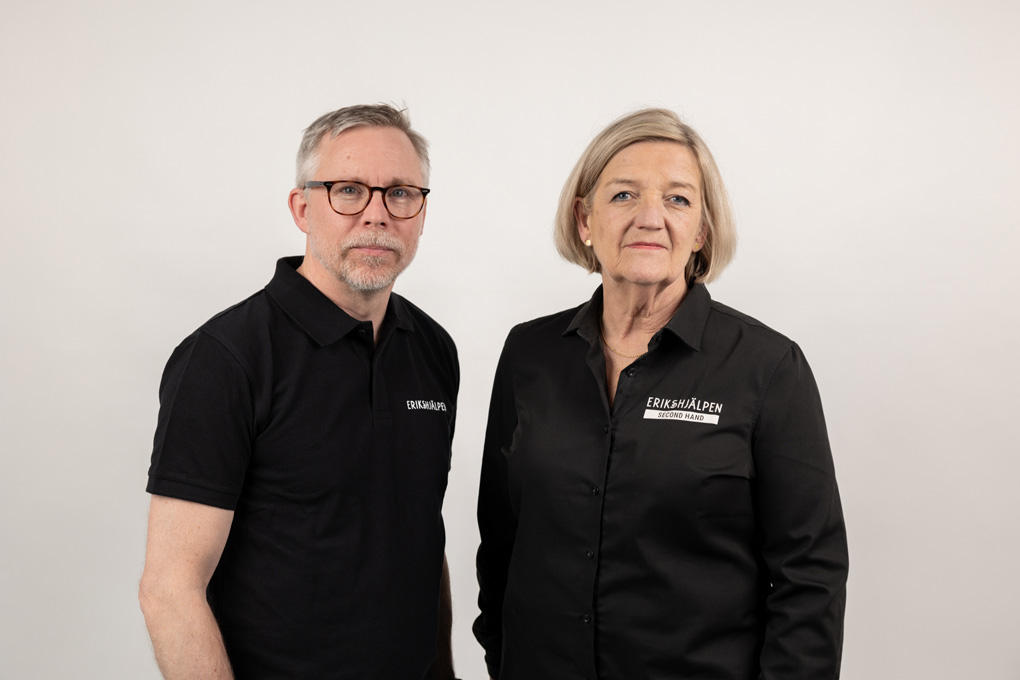
Mattias Ingeson Secretary General of Erikshjälpen & Anette Alm Gustafsson Managing Director of Erikshjälpen Second Hand
Mattias Ingeson Secretary General of Erikshjälpen & Anette Alm Gustafsson Managing Director of Erikshjälpen Second Hand
Unfortunately, surveys show that men still do very little second-hand shopping. According to a report by Tise (digital marketplace for second-hand clothing) Svenskarnas hållbara köpvanor, almost twice as many women as men shop on the second-hand market. 27% of women are equally satisfied with buying second-hand as new, compared to 14% of men. Almost twice as many women (40%) as men (24%) plan to choose second-hand products over new ones in the coming quarter, according to Prisjakt's Consumer Compass 2024 report.
The fact that so few men shop circularly is often said to be due to the supply. A supply that is created by women who donate to second hand. To create a reuse market that appeals to more men, more men also need to donate to second hand. We also see an overwhelming majority of women who are ambassadors and inspirers of circular consumption. Far too few men have taken on the mantle of sustainability in social media.
If we get the men as circulators and inspirers, we can move Sweden's Over Shoot Day forward in the future. Not just for the sake of the planet and future generations. We need to do it in solidarity with those countries that today lack the means to meet their basic needs. High-consumption countries like Sweden need to reduce their ecological footprint so that other countries have the opportunity to increase theirs, in a way that keeps us within the planet's limits.
But now is the time. As individuals, we need to make changes to ensure a sustainable future for all. It starts with ourselves, with our daily choices. By reducing our consumption, choosing sustainable options and inspiring others to do the same, we can make a real difference to our planet.
To postpone Sweden's Overshoot Day, we need:
- Consume less and, at the risk of generalizing, consume according to traditional male shopping behaviour. Somewhat reluctantly, carefully selected, higher quality goods, and more rarely.
- Consume like women - circularly. Because it is only when we reduce the amount of new consumption and at the same time switch to circular consumption that we can achieve the goal, i.e. the level of consumption that our planet can sustain.
Author:
Mattias Ingeson, Secretary General Erikshjälpen
Anette Alm Gustafsson, Managing Director Erikshjälpen Second Hand
Saturday, April 27, is ERIK's day at Erikshjälpen Second Hand. Thisan opportunity to honor the memory of founder Erik Nilsson, but also an important fundraising day for ErikshHelp’s children's rights work. By shopping at one of our stores on this day, you’re helping to ensure that children have a safe upbringing.
I Kenya Erikshjälpen operates Erikshjälpen through its partnerorganization Investing in Children and their Societies (ICS). ICS is a local non-profit organization that works to create awareness and raise public opinion on children's rights. ICS aims to empower children and their families for a safe everyday life both at home and at school.
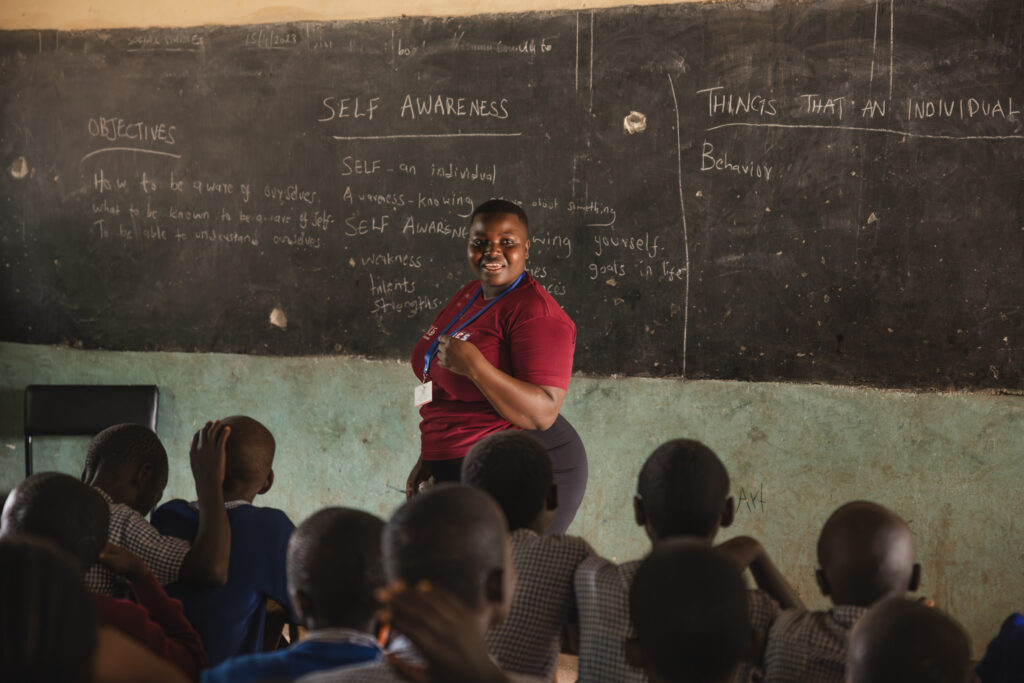
In Kenya, violence is a common way to solve problems and children are at high risk ofof being abused in their daily lives. Susan Odiambo is 11 years old and in sixth grade at Kodiaga Prison Primary School i Kisumu. In the past, Susan has kept difficult experiences to herself. Talking to any adult has only made the situation worse and the culture of silence when it comes to violence against children is strong. But gith the ICS project Life Skills Susan and her parents have learnedt to talk to each other about difficult things. Susan can turn to her parents or her teacher if she has a problem.
- Adults are not aware that hitting children is forbidden in Kenya, says Lillian Onyango, program coordinator for LifeSkills-project in Kisumu. The use of violence as a method of parenting is common, both at school and at home. Our task is not only to inform guardians and teachers that they are committing a crime if they hit a child, but also to empower children and give them the tools to stand up for their rights.
Adults are not aware that it is illegal to hit children in Kenya.
The aim of Life Skills is to work with children, parents, teachers and authorities to ensure that children feel safe, improve social skills and increase motivation to study.
A safe life is the basis for being able to benefit from a good education and Erikshjälpen works in large parts of the world with children's right to a safe everyday life.
ERIK's day
On this year's Eriksdag, the entire daily cash from Erikshjälpen Second Hand's stores will go to Erikshjälpen's interventions for children's safety and protection.
Help stop violence against children. By shopping in our stores on Saturday, April 27, you are helping to ensure that all children have a safe childhood.
This summer, Anette Alm Gustafsson will leave her position as Executive Director of Erikshjälpen Second Hand. Her successor will be Jerker Sandell, who most recently comes from a managerposition at IKEA..
Jerker started 2008 as an hourly employee in the restaurant at furniture giant and climbed over the years to his current position as chief financial officer of the IKEA Jönköping market area, which includes the county and the surrounding area.
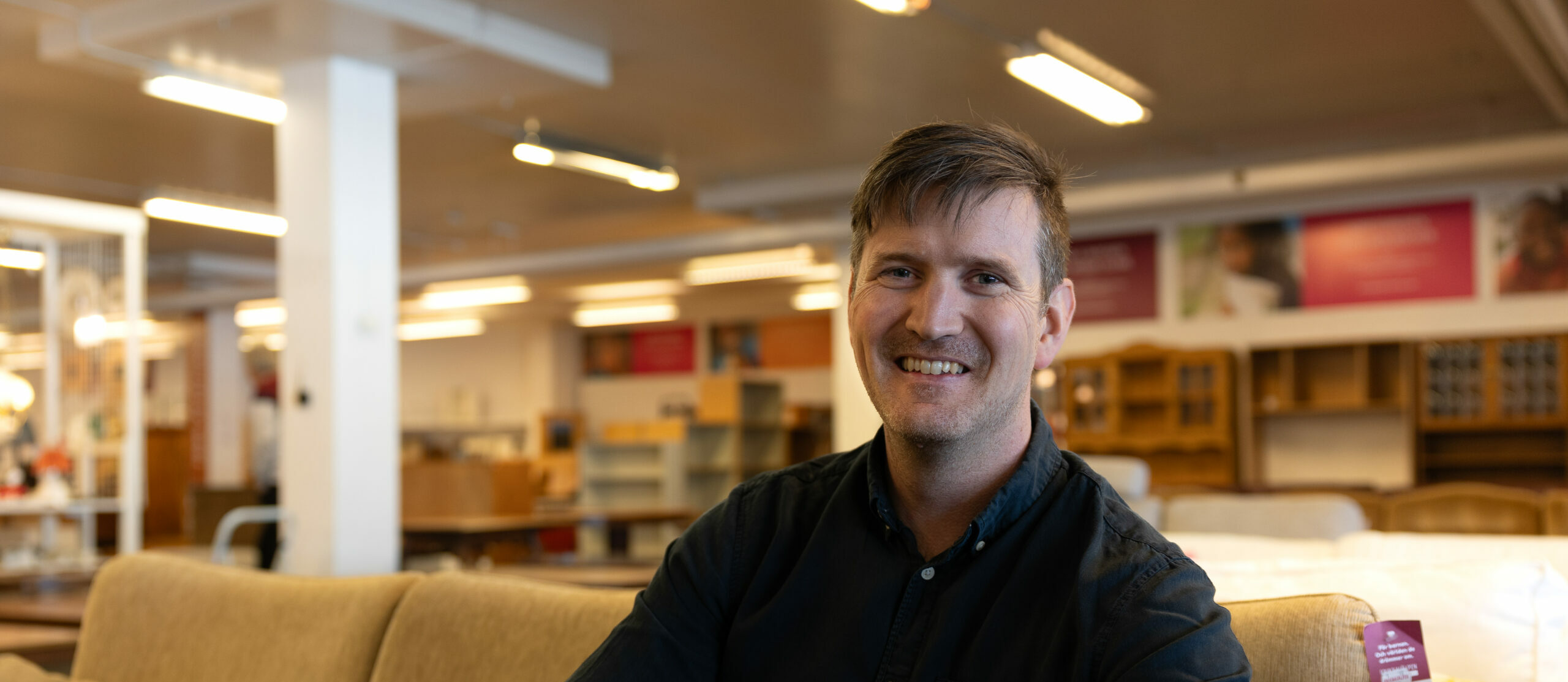
Jerker Sandell is Erikshjälpen Second Hand's new Executive Director
Jerker Sandell is Erikshjälpen Second Hand's new Executive Director
- I have a passion for seeing both people and results grow, says Jerker. By being open to development I believe that we can achieve real growth in the business. Now I look forward to being a voice for creating real change. Making circular consumption a natural behaviorebehavior of more consumers.
The father of three Jerker lives in Habo, north of Jönköping. In his spare timeone much of his life revolves around family, friends and training, and for a few years now he spends he spends winter half-yeart leading the the boys' team i the local floorball cluba. Jerker slikes to spend time out in the woods and the countrysidein summer on the running track and in winter on the ski slopes. He is also also volunteered as treasurer in Habo Equmenia children and youth association.
Mattias Ingeson, Secretary-General of Erikshjälpen and Chairman of Erikshjälpen Second Hand is very pleased with recruitment.
- Jerker is an experienced manager and leader with extensive experience in sales and development of store concepts. At the same time, he is deeply rooted in the values that support Erikshjälpen and will be able to handle the challenges of leading and developing an organization that is both non-profit and commercial. We look forward to welcoming Jerker into Erikshjälpen's management.
On April April 8, the County Governor of Jönköping Brittis Benzler and the Second Deputy Speaker of the Riksdag, Julia Kronlid, visited Erikshjälpen's head office in Huskvarna and Erikshjälpen Second Hand in Jönköping. The visit was part of a larger county tour organized by the County Administrative Board in Jönköping.
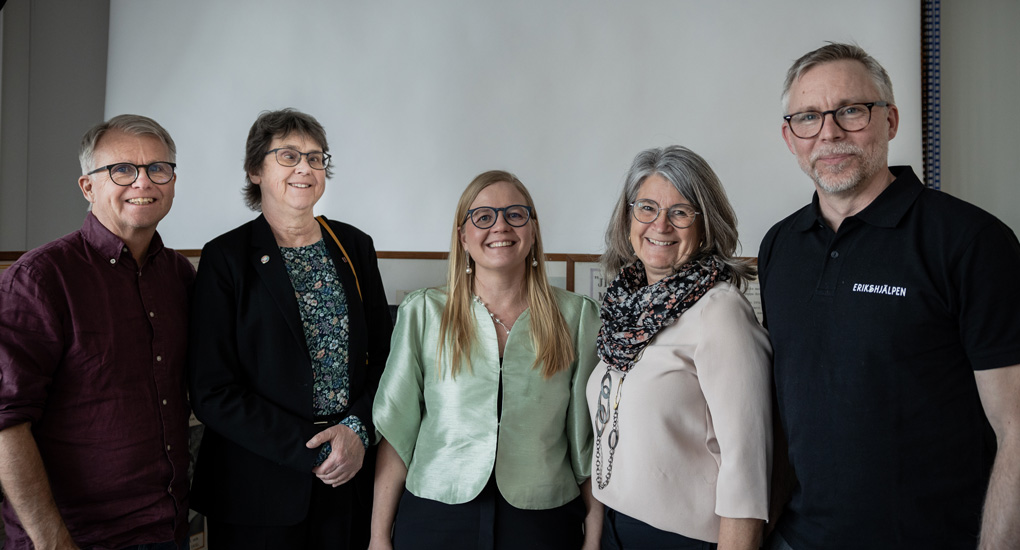
Anders Malmstigen, Brittis Benzler, Julia Kronlid, Birgitta Johansson and Mattias Ingeson
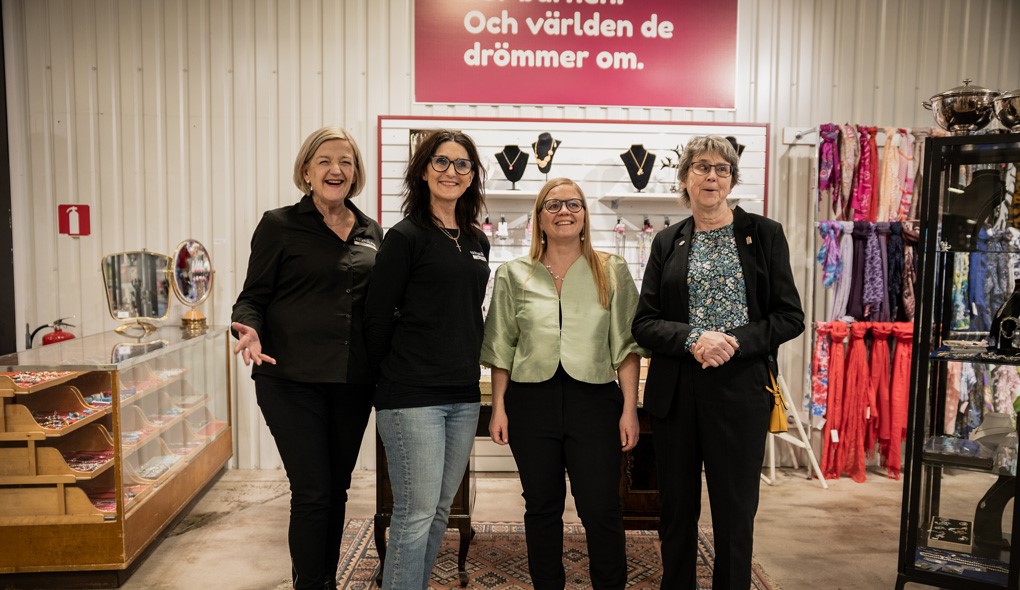
Anette Alm Gustavsson, Caroline Pehrs, Julia Kronlid and Brittis Benzler
Anders Malmstigen, Brittis Benzler, Julia Kronlid, Birgitta Johansson and Mattias Ingeson
Anette Alm Gustavsson, Caroline Pehrs, Julia Kronlid and Brittis Benzler
Headquarters in Huskvarna
The visit to the headquarters in Huskvarna began with Secretary-General Mattias Ingeson talking about the history of the organization and the work for children's rights in Sweden and the world. Julia Kronlid's wishes were among other things to know more about our work in Ukraine, and how it has been affected by the recession and other global crises. Anders Malmstigen, International Director and Birgitta Johansson, Head of Sweden gave an in-depth view of our interventions.
Erikshjälpen took up aid organizations' concerns about the government's new strategy for development cooperation with civil society, Civsamand Julia Kronlid promised to take the issue on board. She said said respect for the fact that Swedish civil society organizationsr have a lot of knowledge about how aid works best and hopes for continued good cooperation.
Tour of the second-hand shop
One of the Second Deputy Speaker's wishes for the day was to visit Erikshjälpen Second Hand. Managing Director Anette Alm Gustafsson and Store Manager Caroline Pehrs welcomed us to the Jönköping store. Both Brittis Benzler and Julia Kronlid showed great interest during the tour and were impressed both by how the store is structured and how Erikshjälpen Second Hand Hand works with social and environmental sustainability.
The day ended with dinner at the county residence in Jönköping.
The issue of VAT on second-hand goods has once again been raised, both by the government and within the Swedish Trade Federation. Erikshjälpen Second Hand welcomes the discussions that will promote the circular transition, but also wants to bring the non-profit perspective into the debate. Abolishing VAT on second-hand goods does not mean leveling the playing field, but pulling the rug out from under non-profit actors.
In 2016, it was decided that non-profit second-hand shops would continue to be exempt from VAT on the basis of their public benefit activities. The non-profit organizations would, if we compete on equal terms with the commercial players, otherwise "risk suffering from deteriorating conditions with cutbacks as a result". This concern still exists today.
Recently, it was announced that the government is launching an investigation into whether it is possible to simplify the regulations for Corporate that sell second-hand goods and for Corporate that want to donate goods to charity. The Swedish Trade Federation comments on the news that there are no investigations into the VAT rate. "The double taxation that currently applies to second-hand goods sold by commercial Corporate is hampering further steps in the transition. We fundamentally agree with this statement and the double taxation is difficult to defend. However, for the sake of the environment, legislation that addresses the problem of overproduction and the ever-increasing sale of newly produced goods is needed in the first place. Perhaps it should be a little complicated for companies, not so that they choose to discard goods instead, but so that the consequences of overproduction are actually allowed to be both costly and tangible. It is an incentive to review their business idea. It is not circular to continue producing new products and then give away what has not been sold.
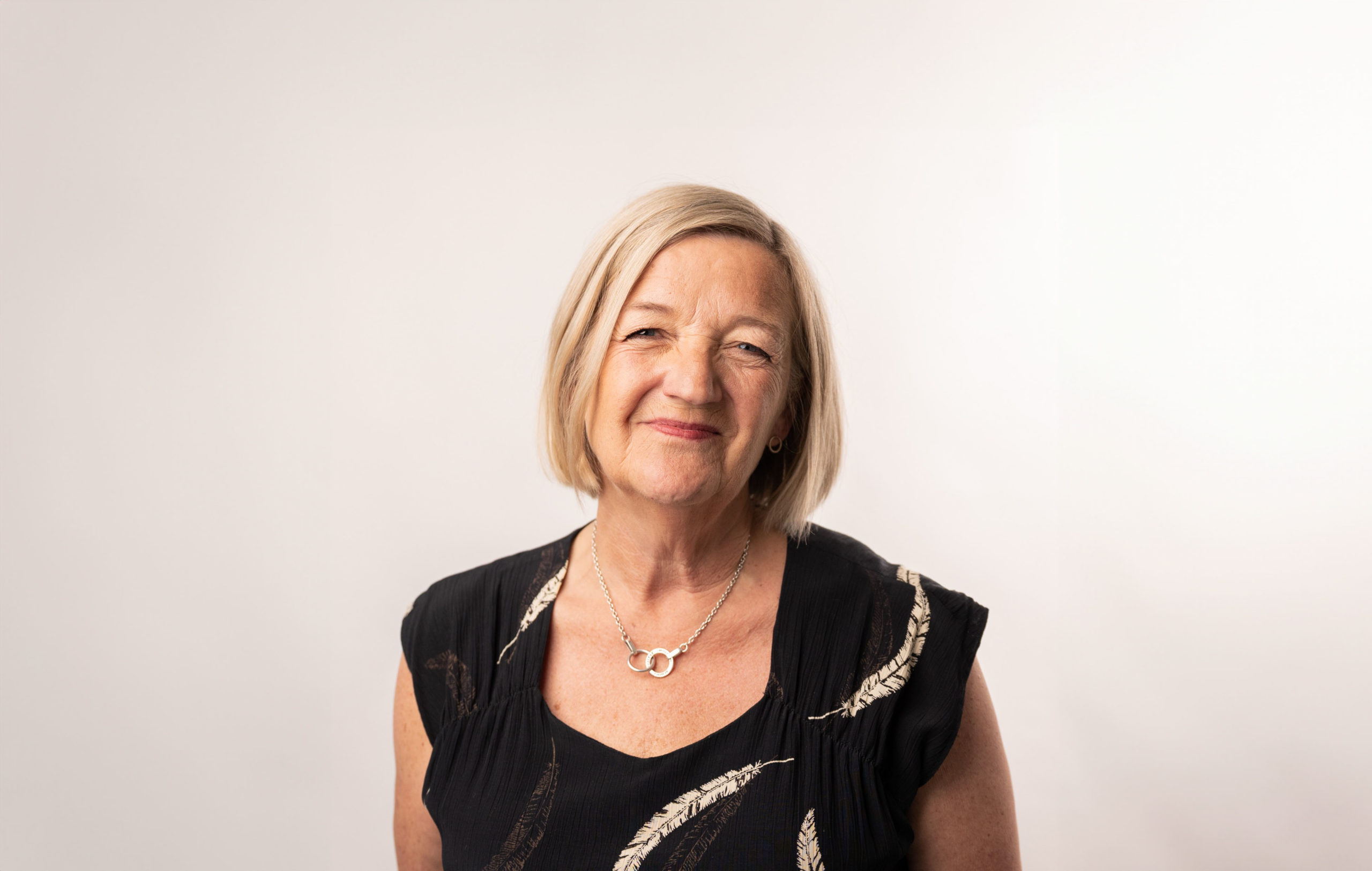
Anette Alm Gustafsson, Managing Director Erikshjälpen Second Hand
Cathrine Kylesten, Sustainability Manager Erikshjälpen Second Hand
Anette Alm Gustafsson, Managing Director Erikshjälpen Second Hand
Cathrine Kylesten, Sustainability Manager Erikshjälpen Second Hand
It is positive that the Swedish Trade Federation is pushing for better conditions for the entire second-hand industry. We welcome reduced VAT or VAT exemption for the sake of the environment and the transition. But it also raises concerns among us non-profit second-hand actors when our competitive advantages are to be erased. The second-hand market needs to grow and new consumption needs to decrease - but abolishing VAT completely for commercial second-hand shops would distort competition and affect non-profit second-hand shops, which are an important part of civil society.
The better the conditions for commercial players, the harder it will be for us non-profit forces to be heard through the noise. We are already competing against private companies with heavy investors and hefty marketing budgets behind them, where the profits go to the shareholders. With non-profit second hand, the profits go back to sustainable social development through extensive social work, in addition to the environmental benefits of recycling.
Today, non-profit second-hand shops enjoy competitive advantages precisely because we are non-profit;
- We run a social work for people far from the labor market
- We offer space for engagement and community through volunteering
- Our surplus is reinvested in the sustainable development of society, locally and globally.
A further question to consider is for whom is the simplified or reduced VAT intended? Other examples of changing tax rates to drive new behaviors, such as the one on repairs, show that reduced VAT has not led to lower prices for consumers. And thus not a change in consumer behavior. Reducing VAT on commercial second-hand goods would make it easier for businesses, but will it lead to more people actually shopping sustainably?
Non-profit second-hand cannot be compared with the commercial sector. As just one of Sweden's non-profit second-hand operators, we have around 4,000 employees, a large proportion of whom are trainees in work training or wage subsidy positions on their way to or back to a working life.
Whether VAT is simplified, reduced or abolished altogether will have a decisive impact on the competitiveness of non-profit actors in relation to the increasing number of commercial actors entering the reuse market.
We welcome discussions with both the Swedish Trade Federation and the government on how the circular transition can be promoted, while civil society is given continued opportunities to contribute to the benefits of society.
Author:
Annette Alm Gustafsson, Executive Director of Erikshjälpen Second Hand
Cathrine Kylesten, Sustainability Manager Erikshjälpen Second Hand
Sara Wimmercranz is not only a mother of four, she is also one of Sweden's most powerful businesswomen, fashioner and influencers. Now she has she been named Sweden's Second Hand Profile 2024 by Erikshjälpen Second Hand.
On March 6, TV4 Nyhetsmorgon revealed that Sara Wimmercranz has been named Sweden's Second Hand Profile 2024.
- "This award is a confirmation that second hand has really taken off. Style has nothing to do with new production, style is a personal expression, which should have as low emissions as possible, says Sara.
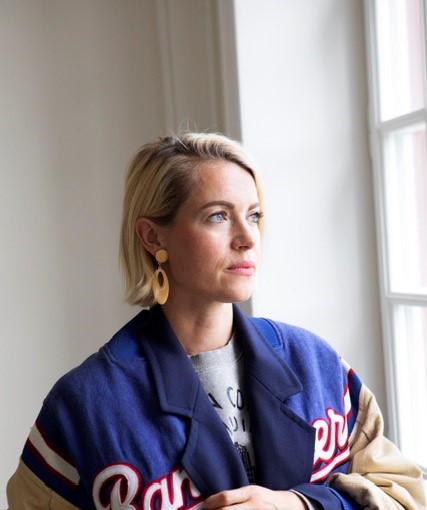
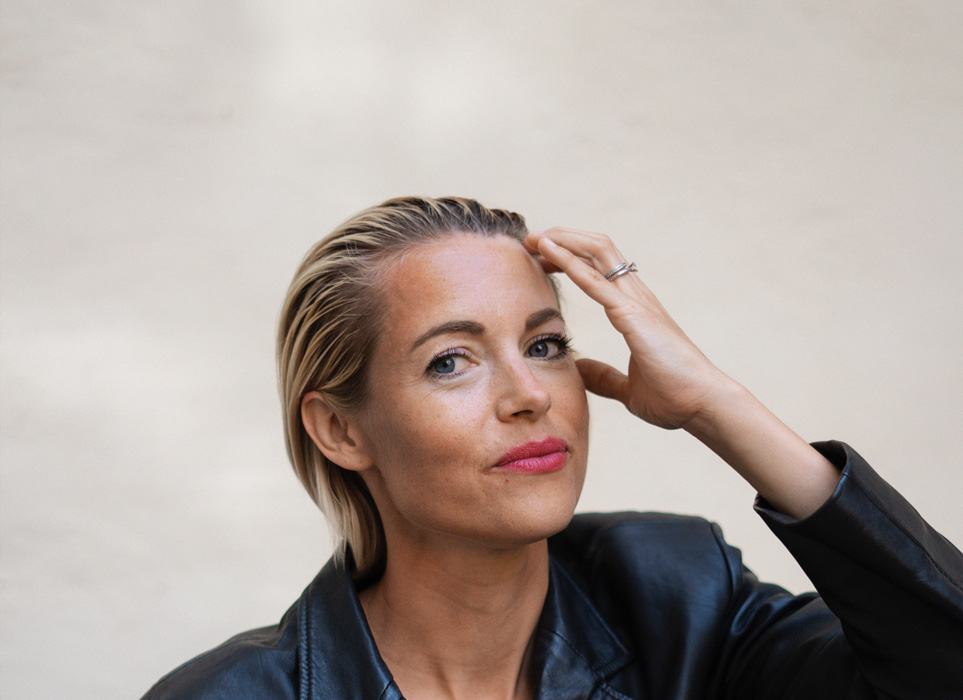
Sara Wimmercranz is one of Sweden's most powerful tech-investors. Many people recognize her from SVT's production Draknästet where she participates as one of the investors in the jury panel. Sustainability has always been important to Sara. For anyoneot years ago she chose she to completely stop buying newly produced fashion.
How Sara became Sweden's Second Hand Profile 2024
The Swedish Second Hand Profile award is presented by Erikshjälpen Second Hand every year. Sara Wimmercranz was one of three finalists nominated this year.
- "We are so happy to be able to give Sara this award. She takes a stand and really shows that second hand belongs in every room, from the living room to the boardroom, says Anette Alm Gustafsson, Executive Director of Erikshjälpen Second Hand.
In 2022, Sara made a New Year's resolution to only borrow, buy second-hand or traceable fashion. On her social media, she is now influencing more people to shop second hand.
- What at first felt like a limitation quickly became a creativity and freedom to choose my own unique style, and for the first time I became interested in fashion for real. Now I can't believe I listened to all the platitudes that both fast fashion and luxury brands try to fool us with. You can't become yourself through consumption, forget it!
You can't become yourself through consumption, forget it!
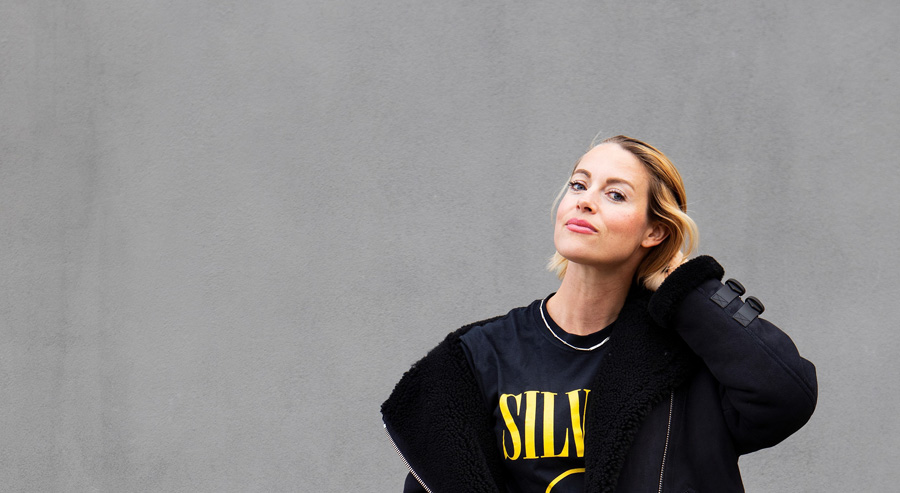
Erikshjälpen's motivation for the award
Sara Wimmercranz is the norm breaker who clearly shows that change needs to, and can, happen at all levels, and in all arenas. When she made a New Year's resolution in 2022 to only borrow, buy second-hand or traceable fashion, it was the start of a journey that has engaged and created ripples. Today, Sara Wimmercranz is not only a well-known investor and Sweden's most powerful businesswoman, but also, to her great surprise, a fashion profile and influencer. With a mix of humor and seriousness, she reaches out through the noise and inspires many to turn around their unsustainable buying habits. Sara shows in a simple and relatable way the added value of changing and that second hand is for everyone, regardless of wallet, social status or style. Sara brings sustainability into the mainstream and out to the masses as she breaks norms in circles where second-hand has previously been taboo. With great credibility and authenticity, she has become a given voice in the debate on sustainable consumption and a worthy winner of the Sweden’s Second Hand Profile 2024 award.
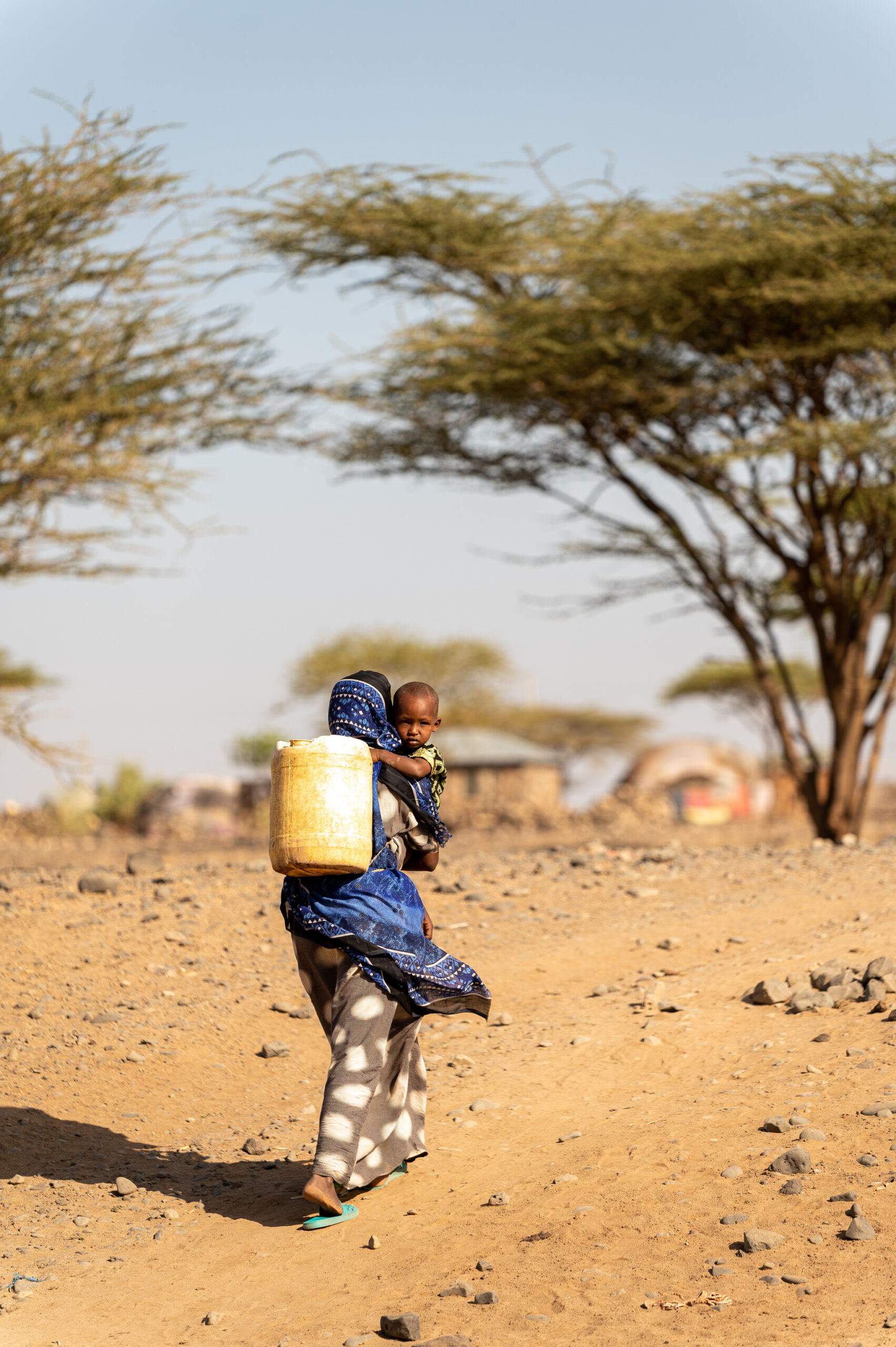
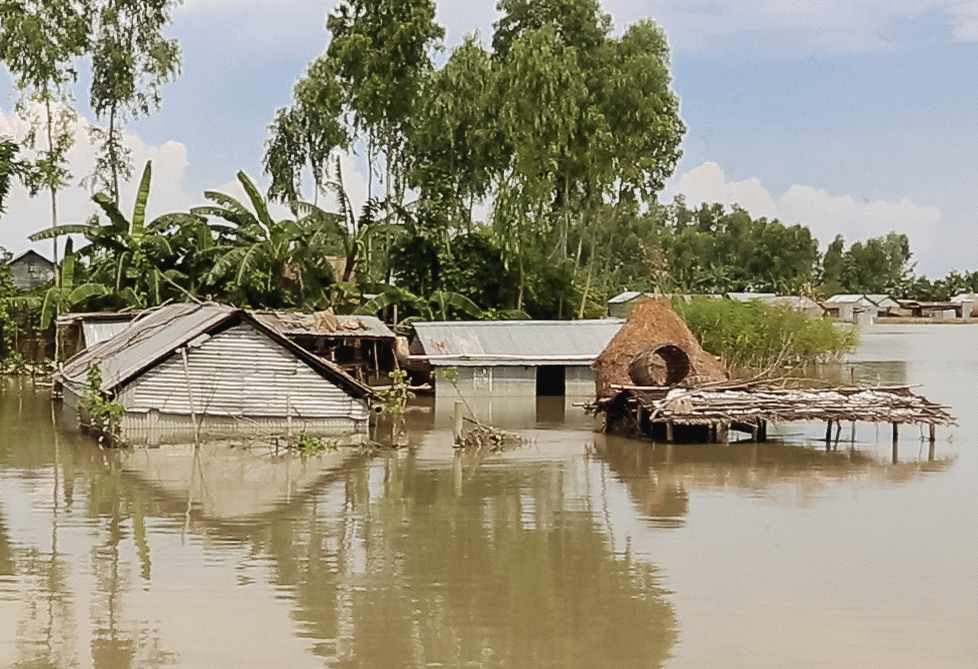
Money to help children in climate-affected areas
As the winner of Sweden's Second Hand Profile 2024, Sara will have the opportunity to award one of Erikshjälpen's projects for children's rights 25,000 Swedish kronor (SEK). Sara Wimmercranz has chosen to donate the 25,000 kronor to Erikshjälpen's interventions to help children in countries affected by climate change.
- Erikshjälpen has several very important projects in areas affected by drought and flooding due to climate change. "Climate and the environment is truly the issue of our time and I hope to inspire more people to get involved. Not least politicians, as legislation is crucial in this work," says Sara Wimmercranz.
About the Second Hand Profile of the Year award
Every year, Erikshjälpen Second Hand awards the Swedish Second Hand Profile to someone who, through their commitment, contributes to an increased interest in second hand and its possibilities. It can be about innovative ideas, creative solutions or smart environmental work through reuse.
The recipient of the Sweden's Second Hand Profile award receives a diploma and a statuette, as well as the right to award one of Erikshjälpen's projects for children's rights equivalent to 25,000 Swedish kronor (SEK).
 Listening