On March 28, Myanmar was hit by a strong earthquake. Över 7.5 million people are in urgent need of humanitarian assistance and the need for support from the outside world is great. Erikshjälpen acted quickly and startedthe a disasterntervention on the very same day.
The earthquake, which consisted of two tremors, mainly affected the regions around the city of Mandalay in central Myanmar. Over 2,000 people have died and more than 30,000 have been injured. In addition, around 3,000 people are estimated to be trapped under collapsed buildings.
- Many families have lost their homes and lack access to clean water. The situation is exacerbated by the humanitarian crisis in the country following years of internal conflict and refugee disasters. Although Erikshjälpen was quick to respond, there is still an urgent need for further assistance to address the crisis," says Rathy Chheng, Program Coordinator at Erikshjälpen's Regional offices in Southeast Asia.
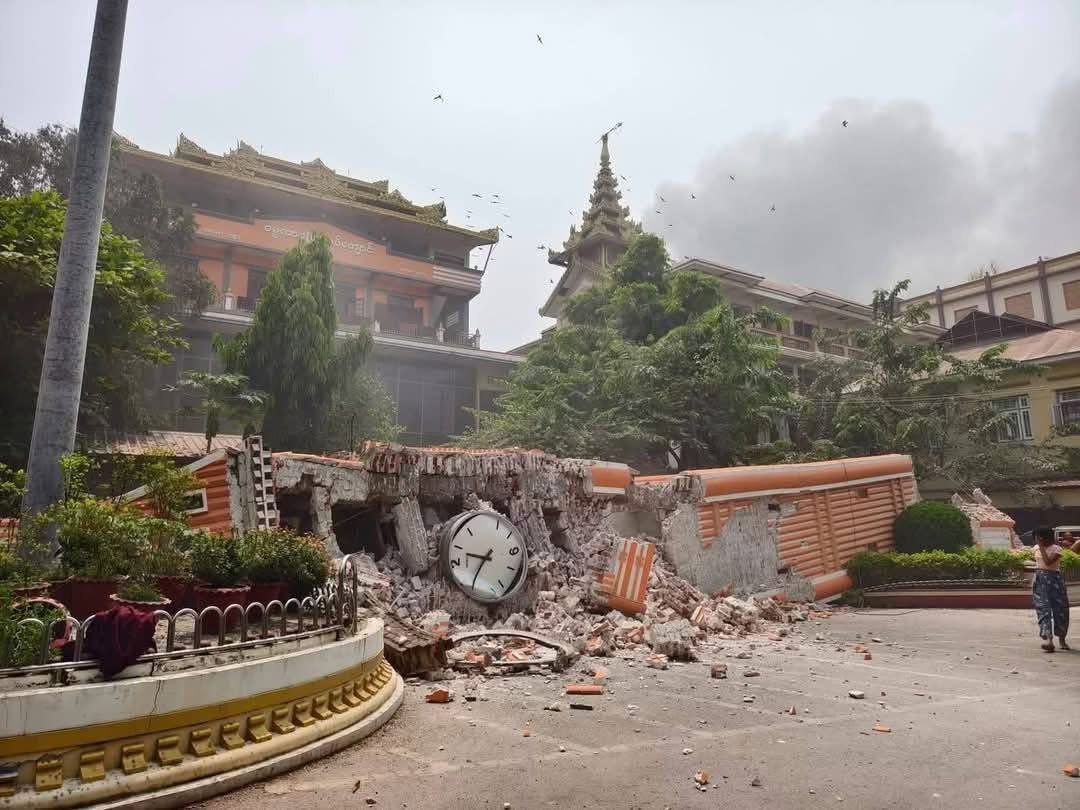
In addition to homes and schools, key infrastructure such as airports, highways and bridges have been completely destroyed in the affected regions. Damage to dams in Pyin Ma Nar resulted in severe flooding and a major fire in Mandalay destroyed 50 homes. In total, 7.6 million people in Myanmar are in need of urgent humanitarian assistance.
- Children and families are the hardest hit. Many are displaced and living in difficult conditions without adequate protection from weather and health hazards. Children can no longer go to school because schools have been destroyed and they lack a safe place to recover from traumatic experiences. The psychological strain is enormous and families are struggling every day to cope with loss, uncertainty and just trying to survive," said Rathy Chheng.
Children can no longer go to school because schools have been destroyed and they lack a safe place to recover from traumatic experiences.
The importance of long-term interventions
- Our efforts focus on on emergency shelter, food, clean water and medical care. We are also prioritizing the safety of affected children to protect them from exploitation and further trauma. In addition, long-term interventions are crucial to rebuild homes, schools and essential community infrastructure and thus giving hope back to affected families," says Rathy Chheng.
Erikshjälp's intervention in Myanmar focuses on:
Food and water - emergency food parcels and drinking water, focusing on vulnerable groups such as children, pregnant women and the elderly.
Shelter and materials - temporary housing, blankets, hygiene and household items.
Medical care - emergency care and treatment of injuries.
Safety and security - protection for women and children at risk of exploitation or violence.
Water and sanitation - access to clean water and toilets.
You can help by making a donation to the Erikshjälpen disaster fund.
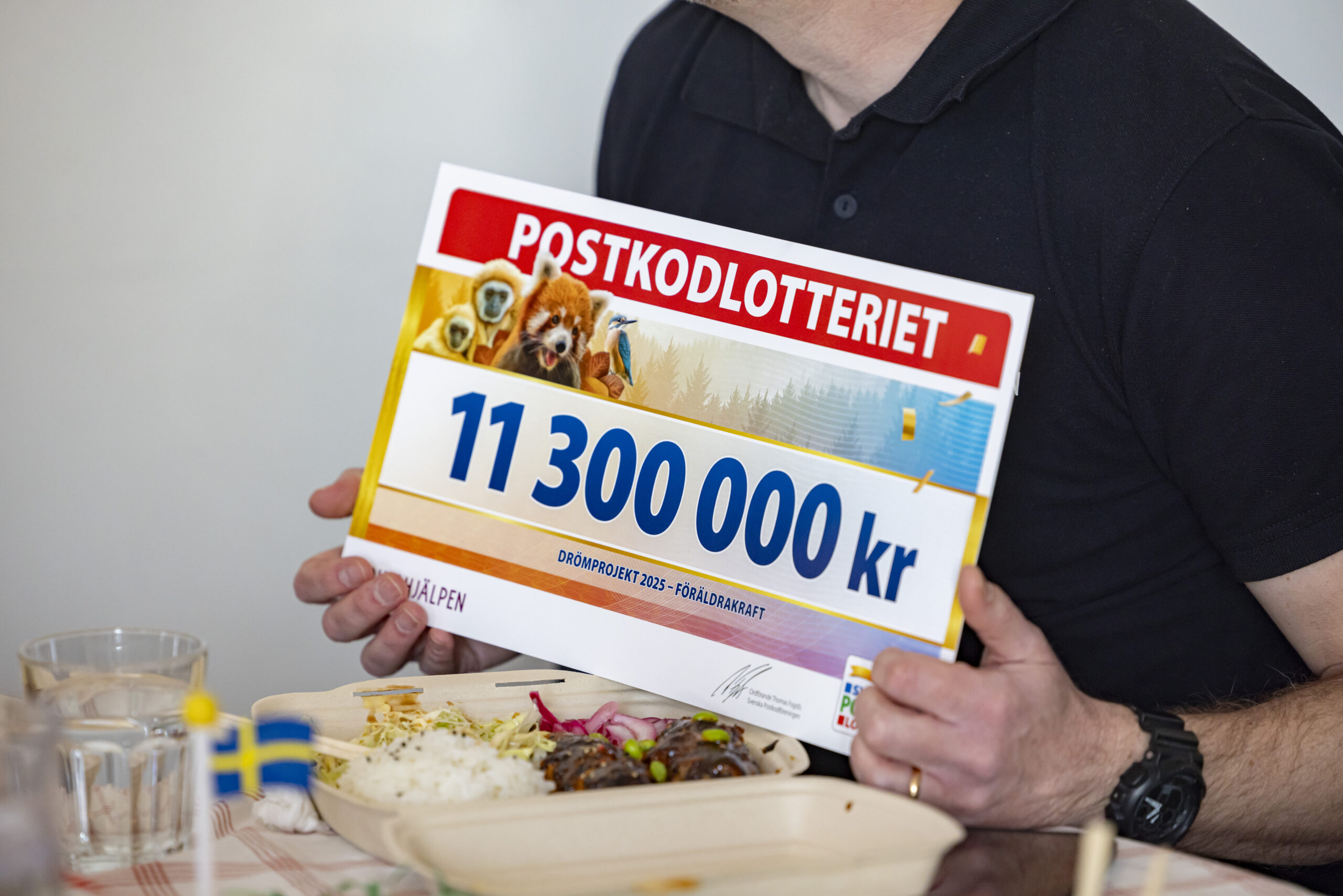
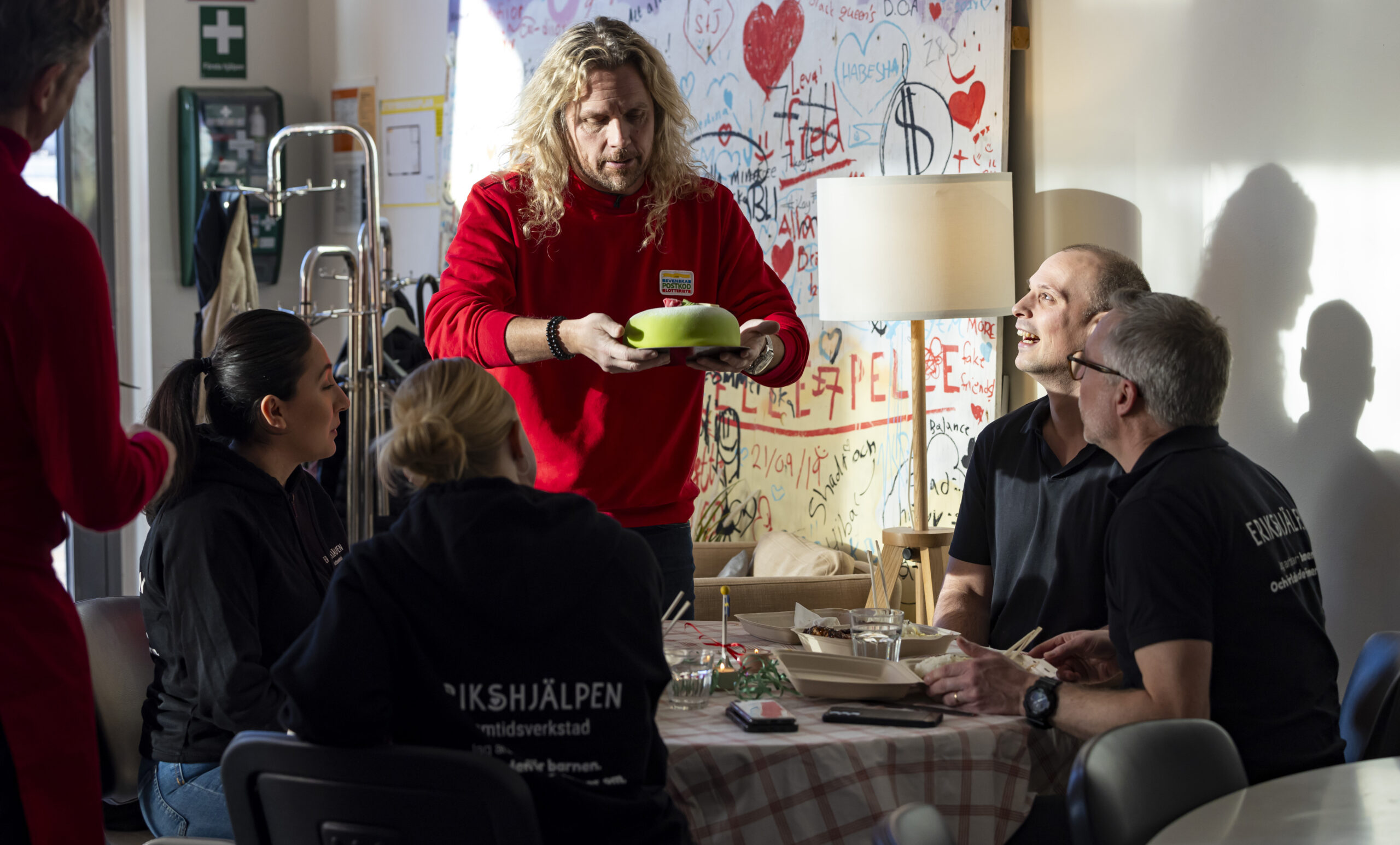
Social exclusion among young people growing up in difficult socioeconomic conditions is one of Sweden’s greatest societal challenges. Erikshjälpen has now been awarded 11.3 million from the Swedish National Council for Health and Welfare ( the Postcode Lottery ) to bring the dream project “ Föräldrakraft ” to life.
“The need for parental support is something we often encounter in our interactions with the young people in ‘ Erikshjälpen Framtidsverkstad,’” says Mattias Ingeson, Secretary-General for Erikshjälpen. Through Föräldrakraft , we are now finally getting the resources we need to work with parents as well.
Every year, the Swedish Postcode Lottery's surplus is distributed to the non-profit organisations it works with. By far the largest part of this is unearmarked money, known as basic support. But in addition to the basic support, there are the Dream Projects. A Dream Project always has a specific focus, such as one of the UN's global sustainability goals.
Want to contribute to safe families
Erikshjälpen’s goal with the four-year project “Föräldrakraft” is to help create safe and stable families. No matter where they live, parents should be able to support their children as they face challenges in school and in life.
A secure start lays the foundation for a child’s entire life, and caregivers play a crucial role in children’s development and life choices. Healthy family relationships create better conditions for children to cope with adversity and reduce the risks of social exclusion, crime, destructive environments, and substance abuse.
“It’s important to meet with other parents and exchange thoughts and ideas about family life and how to be a good parent,” says a mother from a parent group in Motala.
One of the best ways to help children is to provide support to their parents.
Erikshjälpen Framtidsverkstad is currently available at Motala, Helsingborg, Linköping, Borlänge, Uppsala , and Kristianstad. The work focuses, among other things, on giving young people the tools to make a difference and bring about positive change for themselves and their neighborhoods. Through Föräldrakraft , interventions also aims to inspire active parenting and strengthen family relationships.
- With many years of experience working for children's rights in different countries, we know that one of the best ways to help children is to support their parents," says Mattias Ingesson.
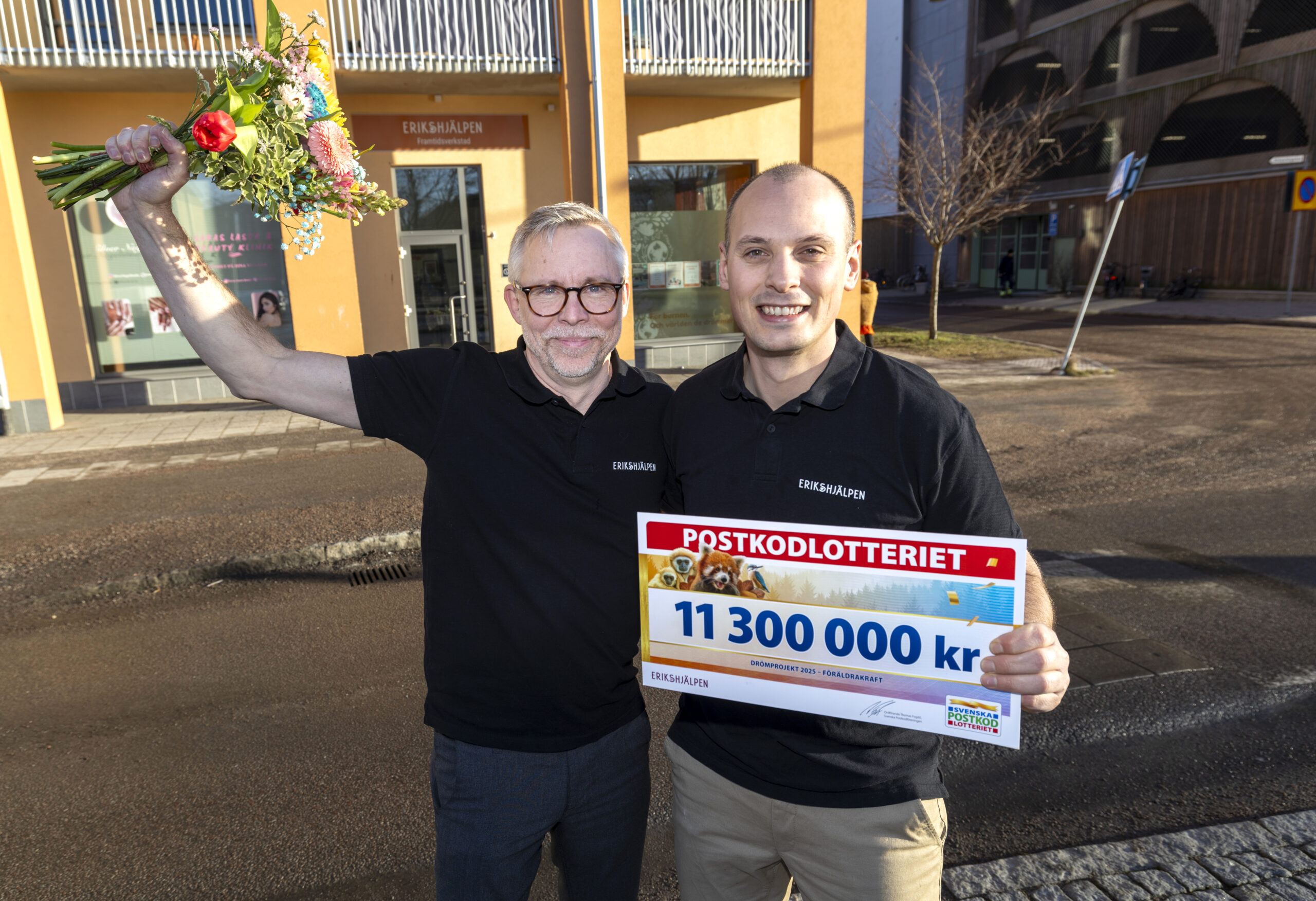
Secretary-General , Mattias Ingeson, and acting Sweden director Jonatan Saldner of Erikshjälpen were surprised with the check during a visit to Erikshjälpen Framtidsverkstad in Uppsala.
Secretary-General , Mattias Ingeson, and acting Sweden director Jonatan Saldner of Erikshjälpen were surprised with the check during a visit to Erikshjälpen Framtidsverkstad in Uppsala.
Building bridges between parents and the community
Erikshjälpen Framtidsverkstad sometimes meets parents who express a lack of confidence in their own abilities and who find it difficult to reconcile present parenting with challenges linked to finances and working conditions. Distrust of authorities can be great, so Erikshjälpen wants to act as a bridge builder to various agencies in society in addition to parent-strengthening measures. In this way, public resources and interventions can be made available to many more people.
Erikshjälpen will also develop community hubs in each town to foster inspiration, engagement, and the sharing of experiences.
“ the Postcode Lottery now has the opportunity to develop its existing operations with new perspectives. This is important and urgent,” says Anders Årbrandt, managing director at Svenska .
The " Föräldrakraft " project is expected to result in:
- 150 families per year participating in family activities.
- 300 parents who undergo the Parent Focus training.
- 500 parents take part in lectures and activities aimed at increasing knowledge about parenting in Swedish society and confidence in existing support services.
An important part of the project is the Parent Focus training, which focuses on strengthening relationships within the family.
The war in Ukraine has now been going on for three years. The situation remains serious and Erikshjälpen sees a great need for long-term interventions for affected children and families. Therefore, we are intensifying our work in the country and starting cooperation with three more organisations on the ground.
February 24 marks the start of the fourth year of war in Ukraine. Russian attacks continue to cause fear and insecurity for children. Recently, there has been talk of a potential peace in which the US would negotiate with Russia. But there are many concerns about what such a peace could mean. What is clear is that even if the bombs stopped falling tomorrow, the children of Ukraine still have a huge need.
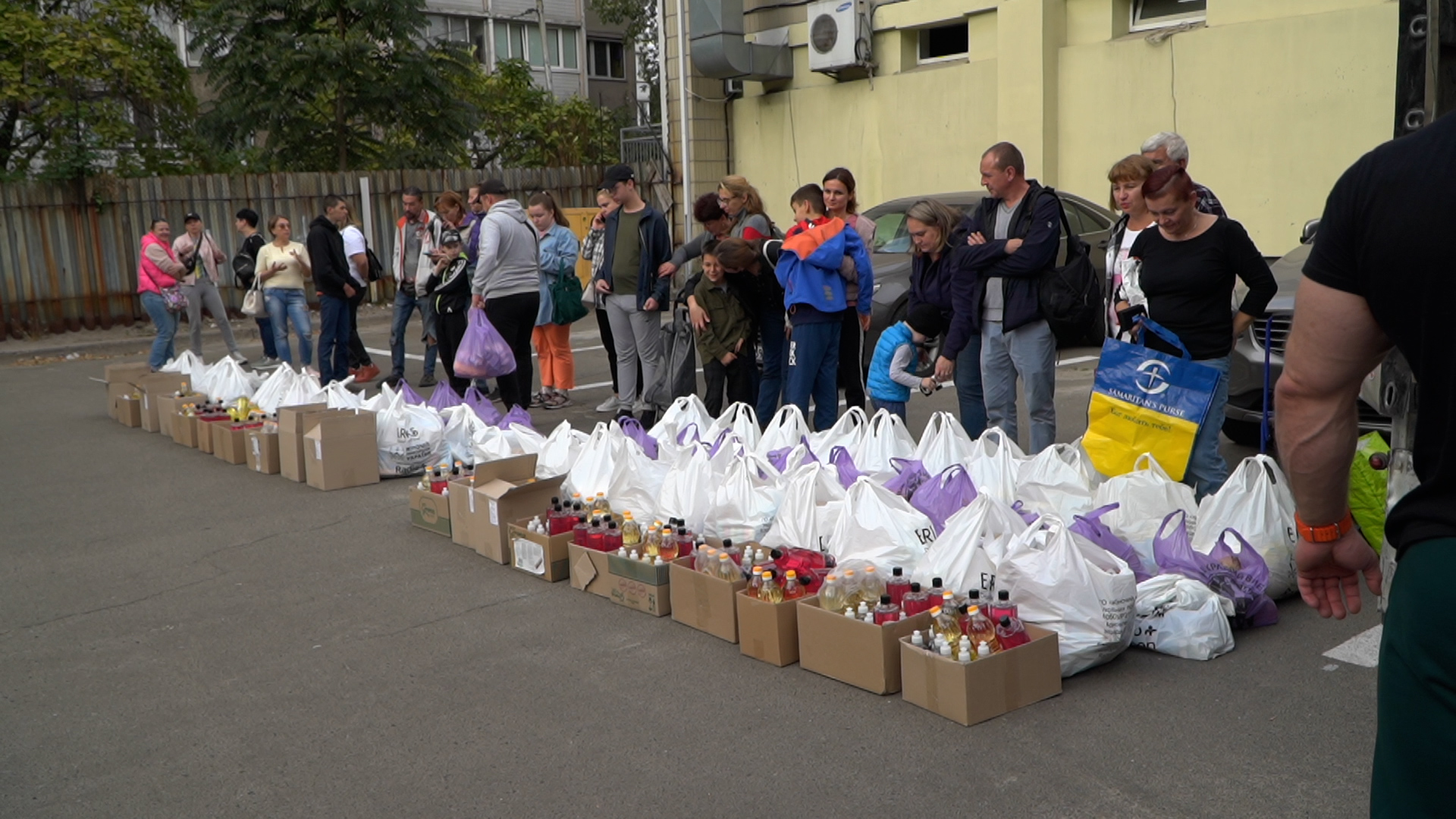
The Women's Consortium of Ukraine distributes emergency packages to families in Zaporizhzhia. Photo: Women's Consortium of Ukraine
The Women's Consortium of Ukraine distributes emergency packages to families in Zaporizhzhia. Photo: Women's Consortium of Ukraine
Since the beginning of the warn 2022, Erikshjälpen has been on the ground in Ukraine. Part of our work includes material support and emergency aid, but also psychosocial support to give children safe places in the chaos. The psychosocial support serves as anshelter from the war. Children are given a place to play and be creative as a way to process what they have been through. Quite simply, a place where they can be children. This is work that must not stop just because peace is in place.
New partner organizations
To strengthen the work in the country, Erikshjälpen has started working with three new organisations on the ground in Ukraine.
Through this, Erikshjälpen wants to send a clear signal: We are not leaving Ukraine. We are gearing up to meet the enormous needs that the children in the country have and will have for a long time to come.
Erikshjälpen has previously cooperated with the organization Women Consortium of Ukraine (WCU). The organization has extensive experience in humanitarian interventions, both before and after Russia's full-scale invasion. WCUU supports families with children with cash, food, hygiene items, legal assistance and psychosocial support. Now theoperations in the country have been expanded with three new organisations.
Erikshjälpen's new partner organizations
Voices of Children
The Voices of Children's Center in Mykolajiv offers psychological support to children through individual and group counseling and psychosocial activities. Each month, the center receives around 300 participants, of which around 100 are new. The organization focuses on helping children cope with the trauma of war and creating a safe environment for their recovery.
Dobrobut
The Ukrainian charity 'Eudemony of Ukraine' works with children on a non-violent basis, emphasizing safety, respect and empathy. During the war, the focus has been on psychosocial support and strengthening children's resilience through a safe and communicative environment. The approach is adapted to the age and needs of children to provide the right support and engagement.
Martin Club
The GO MARTIN Club has been supporting children and women affected by poverty, war and violence since 1999. The organization works to provide them with social skills and opportunities for a better life. They promote a safe environment for children to grow up in, have zero tolerance for violence, and work with government and civil society to drive social reform.
Lena Elf
Press officer
Erikshjälpen's raffle of a unique silk dress was decided at the end of 2024. The dress was designed by Sofia Corneskog from Bankeryd and was worn by Sonja Aldén during six concerts. Now the winner has received her dress - and don't be surprised if it will be seen on stage again.
Actually, it was her mother, Madeleine, who won the dress. But the one who will wear it in the future is her daughter, Miranda Bergenkull Lorentzson, from Göteborg. In mid-January, Sofia Corneskog visited her to take measurements for the minor adjustments that needed to be made.
- I feel just like when I wore my wedding dress, a bit like a princess. It's very rare that you look this good. It feels incredibly luxurious and I'm so excited to wear it on stage," says Miranda as she tries on the dress.
It feels incredibly luxurious and I'm so excited to wear it on stage.
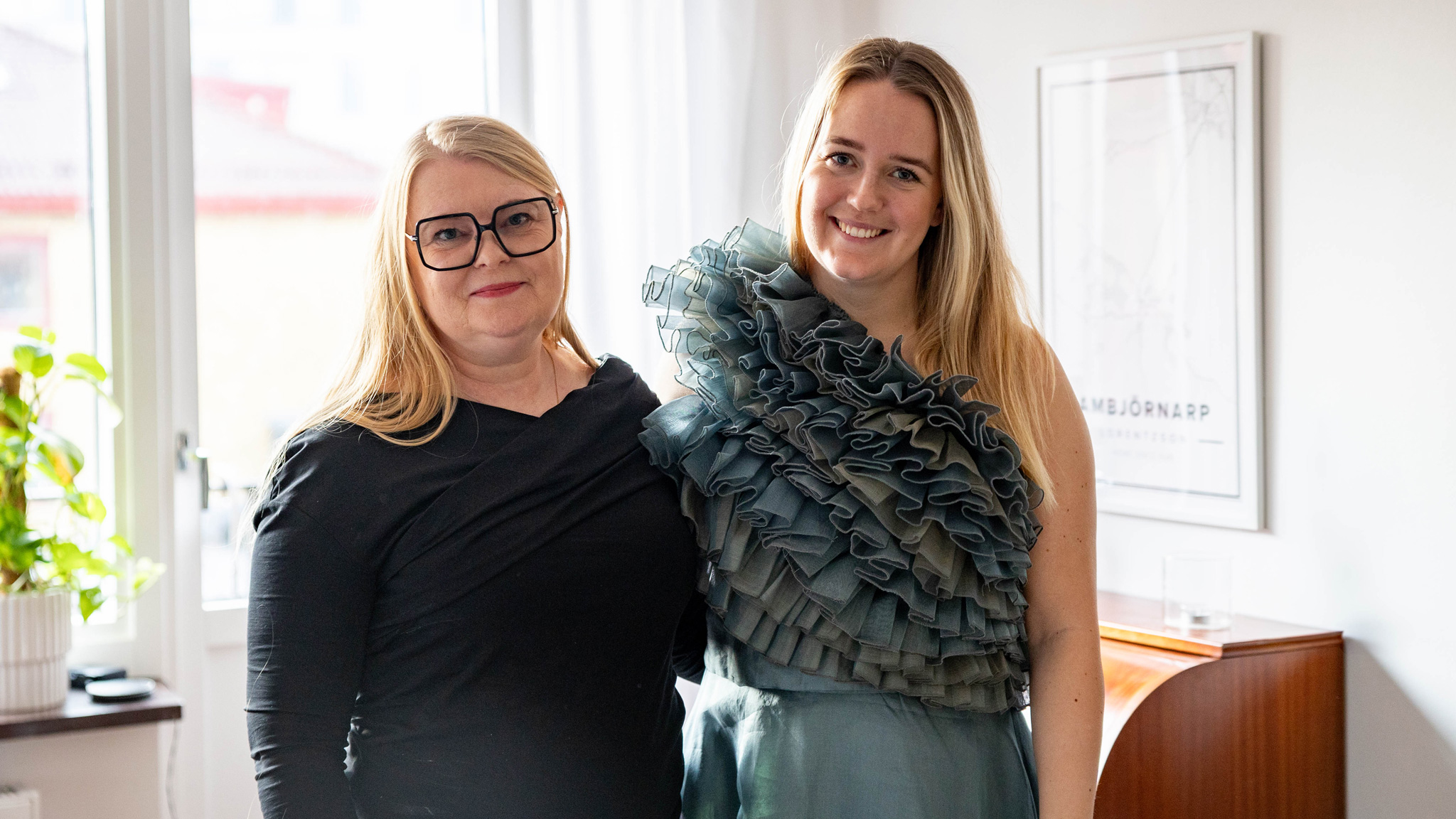
"I hope I get the chance to wear this dress on stage one day," says Miranda Bergenkull Lorentzson as she tries on the dress made by Sofia Corneskog.
"I hope I get the chance to wear this dress on stage one day," says Miranda Bergenkull Lorentzson as she tries on the dress made by Sofia Corneskog.
Miranda is 32 years old and is studying to become a psychologist. She started out as a musical theater performer and graduated from the Ballet Academy in Stockholm. While she’s studying, she keeps her performing career alive and performs as often as she can.
- I'll probably wear the dress for more formal concerts, like when I sing in churches. It's so good that the top and skirt can be used separately, then you can dress down the dress if you want. I have a friend who will soon turn 40 and then I have thought of using only the skirt, but it might be the top too.
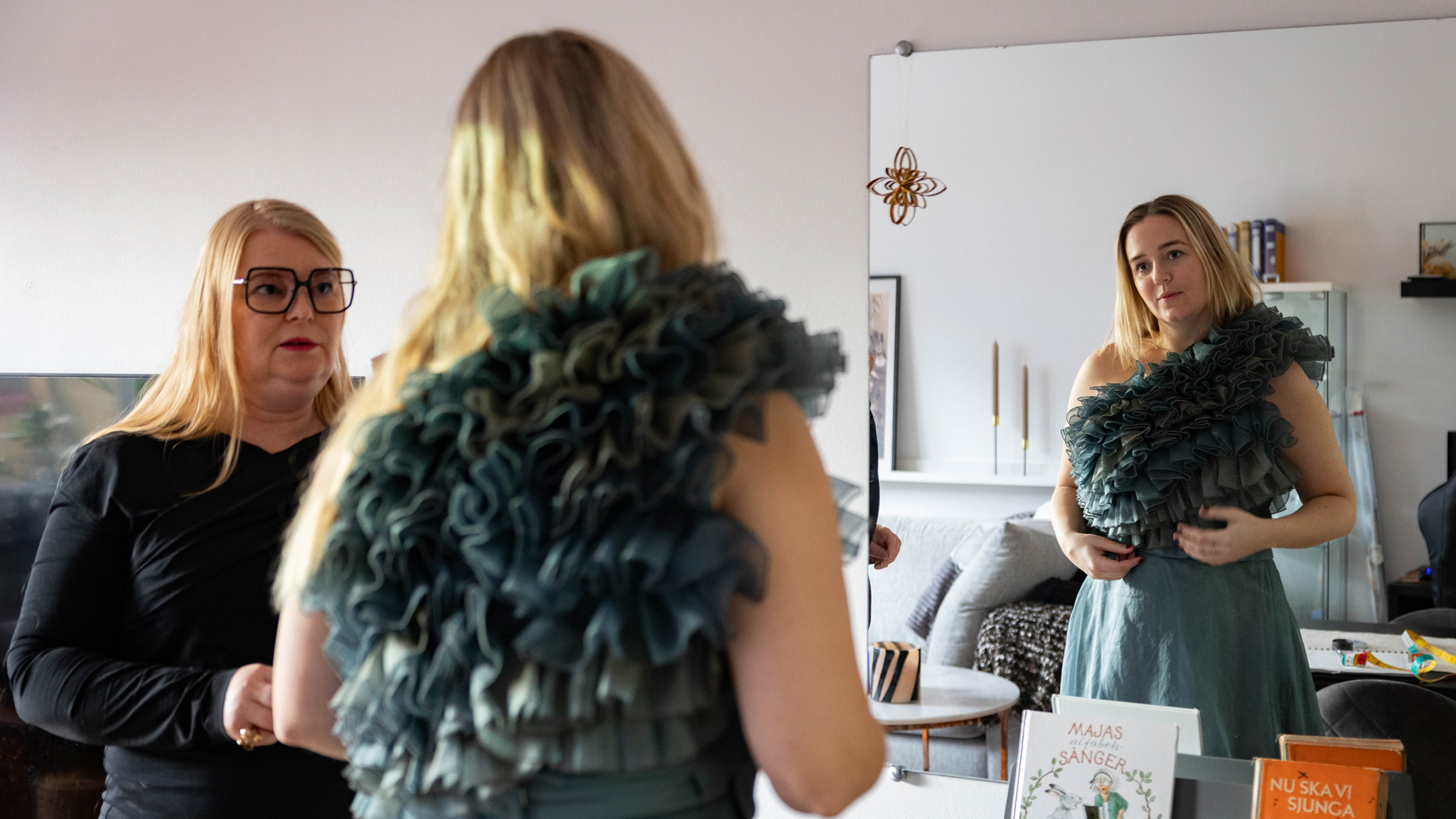
The dress is made entirely of silk, including the lining, and the color is best described as gray-blue. "It's incredible. The color is so beautiful. Wow," says Miranda Bergenkull Lorentzson.
The dress is made entirely of silk, including the lining, and the color is best described as gray-blue. "It's incredible. The color is so beautiful. Wow," says Miranda Bergenkull Lorentzson.
At the end of November, her mother Madeleine found out she was the winner and called Miranda straight away.
- My first thought was: How crazy, how can this even happen! Then I thought it was really cool. When my mom said she was going to give the dress to me, I asked if she was really sure. If she didn't want it instead. But my mom was sure that I would get it," says Miranda.
- She really wanted to do it for me and I am very grateful for that.
62 140 Swedish kronor (SEK)
Over 380 people participated in the raffle of the dress and a total of 62,140 Swedish kronor (SEK) was raised for Erikshjälpen's work for children around the world.
Author: Johan Larsson.
Photographer: Lisa Carlbäck.
It takes more than just giving young people a formal seat at the table; we must also give them the tools and support to be able to participate, says Erikshjälpen's Secretary-General Mattias Ingeson and Erikshjälpen's Head of Sweden Birgitta Johansson.
This year marks the 35th anniversary of the the United Nations Convention on the Rights of the Child . Ever since the convention was adopted by the United Nations on November 20, 1989, it has been a global symbol for the protection and promotion of children’s rights. Sweden also enacted the the United Nations Convention on the Rights of the Child into law nearly four years ago, but we still need to ask ourselves: How far have we come in ensuring children’s rights in practice?
The gaps between our neighborhoods are growing at an accelerated pace, a trend that is clearly reflected in the educational achievements, economic conditions and well-being of young people. Socio-economic disparities are not only visible at the individual level, but also stigmatize entire neighbourhoods. Young people's chances of success are strongly linked to where in the country they grow up.
We can no longer turn a blind eye to the downward spiral. Inequalities in children's opportunities must be taken seriously. All young people, regardless of where they grow up, have the right to an equal chance of education and a good life. Political action is now needed to slow down this trend.
Sweden, along with other countries that have ratified the the United Nations Convention on the Rights of the Child, is reviewed every five years by the UN Committee on the Rights of the Child. This is an accountability of how well a country is fulfilling children’s rights. In its most recent review, the UN Committee on the Rights of the Child issued several observations regarding Sweden. Among other things, the Committee noted that many children do not feel their voices are being heard and that Swedish authorities do not take children’s opinions seriously.
Fine words and promises are no longer enough - our young people deserve real influence and participation.
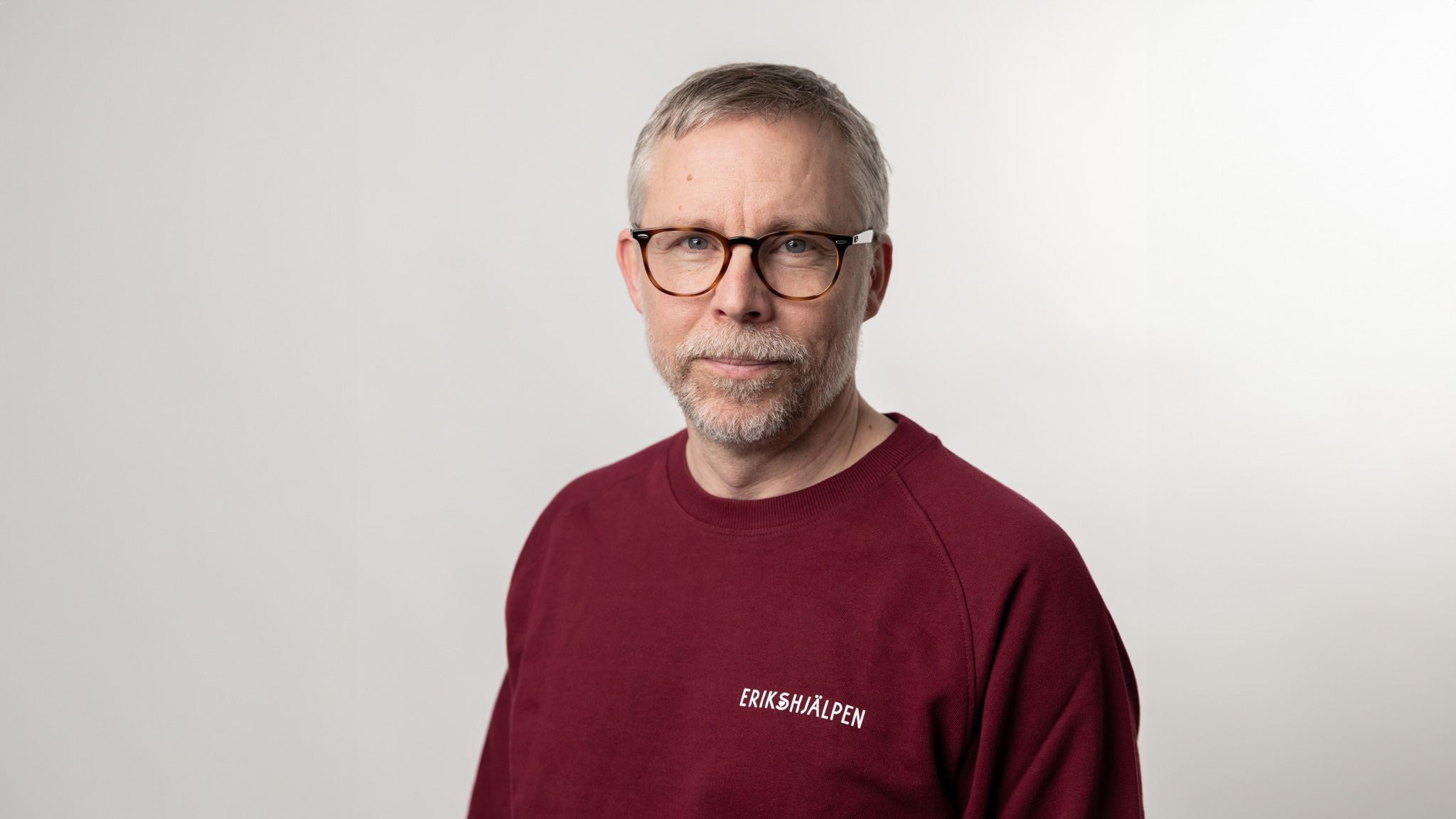
Mattias Ingeson Secretary General Erikshjälpen
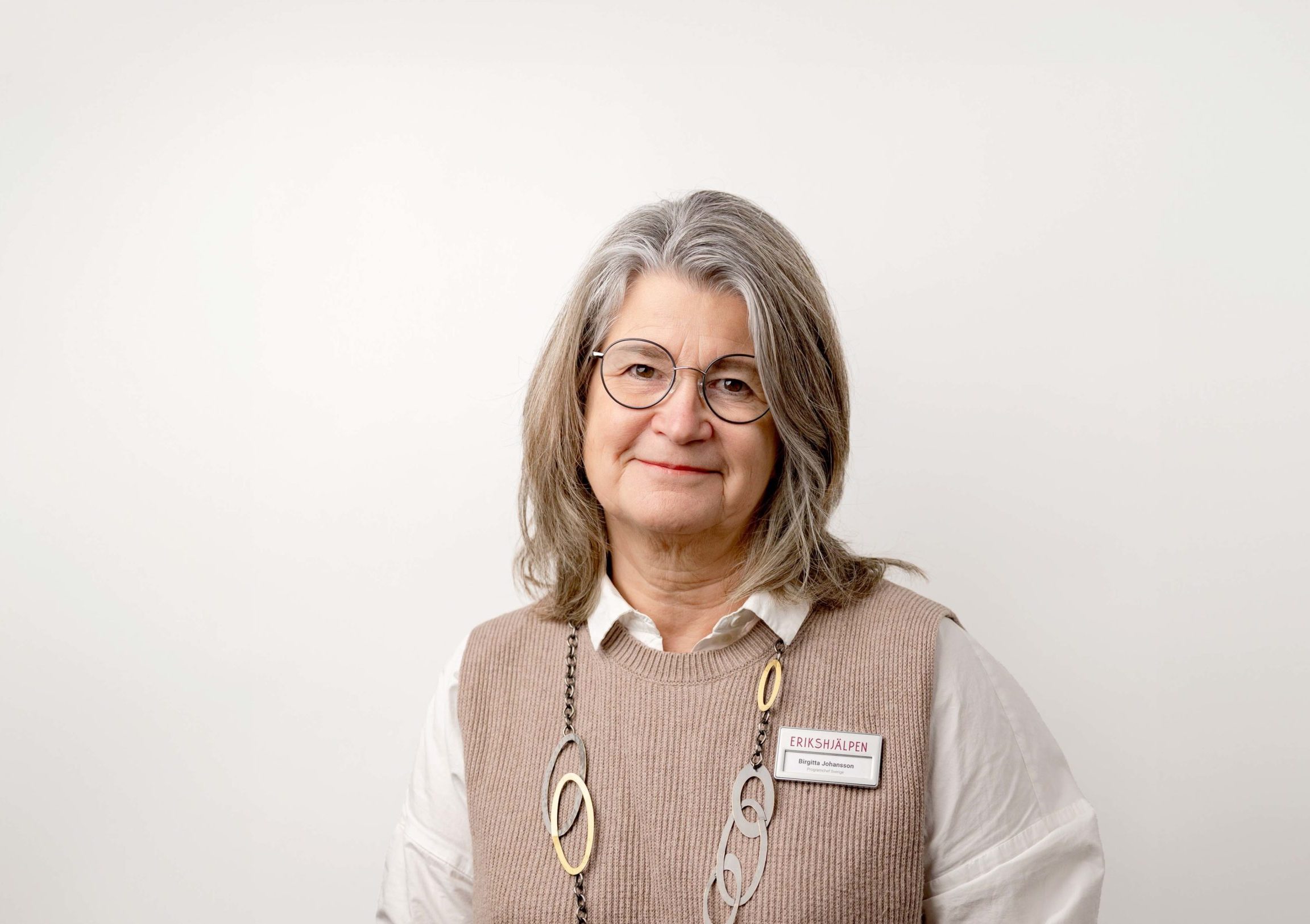
Birgitta Johansson Head of Erikshjälpen Sweden
Mattias Ingeson Secretary General Erikshjälpen
Birgitta Johansson Head of Erikshjälpen Sweden
A central aspect of the United Nations Convention on the Rights of the Child is precisely the right of children to be heard and to have their views taken into account in decisions that affect them. Sweden has made significant progress in involving children. Today, children and young people have the right to express their views on matters that affect them in both family and legal contexts.
However, there are still significant gaps in how children's views are taken into account in practice, particularly in situations related to migration and social services. Children's voices are sometimes not given equal weight, leading to their perspectives being overlooked in decision-making processes. This is a democratic problem and a loss for society as a whole. Children's views and experiences contribute to better decisions and solutions, for all of us.
We hear politicians talk about how they want to include young people in societal development, but it takes more than just giving young people a formal seat at the table; we also need to give them the tools and support to participate.
Many of the young people Erikshjälpen meets in its work with people in underprivileged neighborhoods feel like strangers in their own country. No one cares what they think. We believe this can be countered by empowering all children to participate in society, especially when it comes to issues that affect them. Allowing children and young people to own their issues, platforms and meeting places.
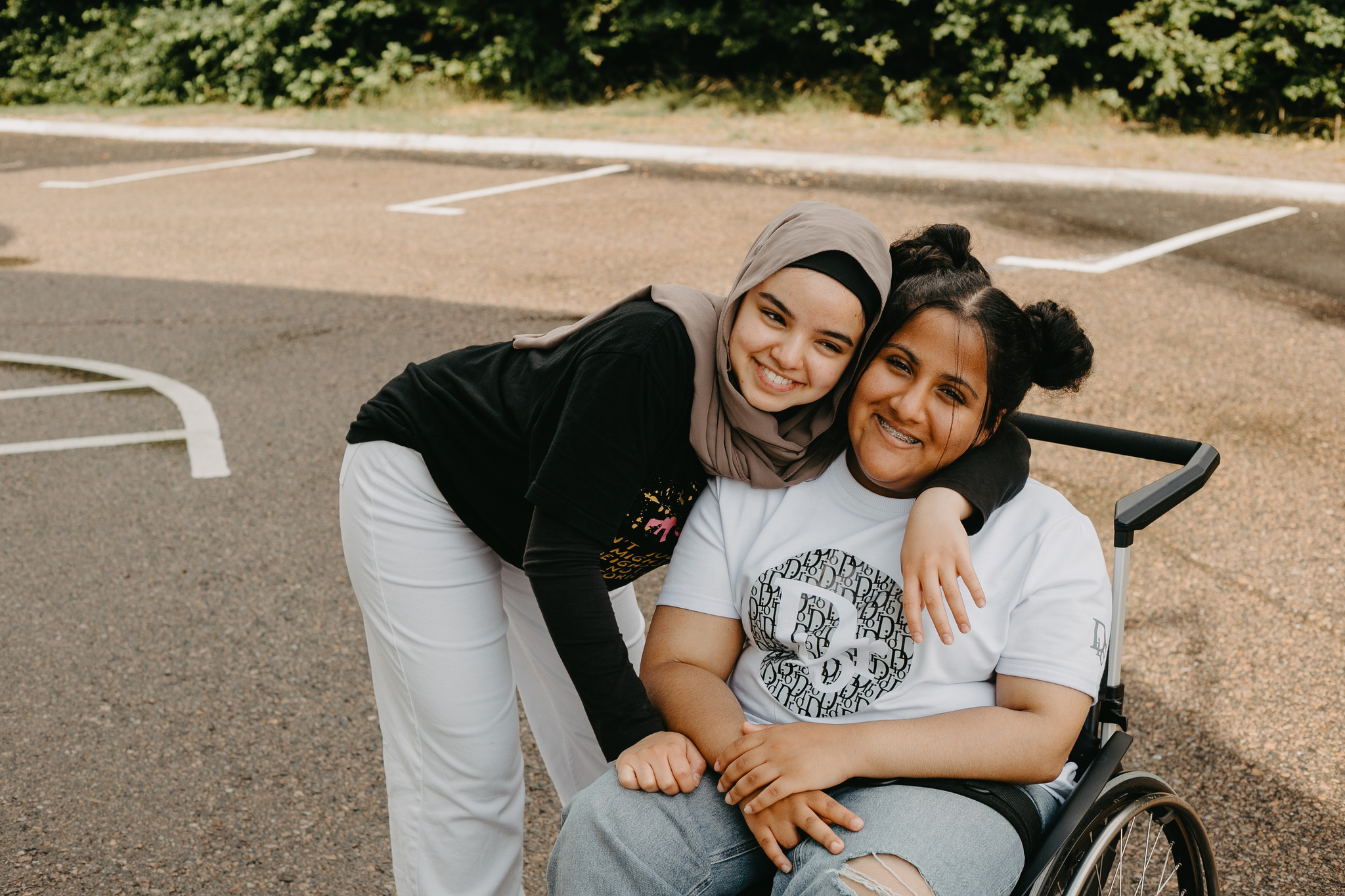
Minna and Fadek from Erikshjälpen Framtidsverkstad in Helsingborg.
Minna and Fadek from Erikshjälpen Framtidsverkstad in Helsingborg.
Children and parents need help to realize their potential and create the conditions to develop both themselves and their area.
These measures could make it a reality:
- Participation and Influence: Children and young people must be given the conditions and opportunities for platforms to exert influence and be genuinely involved. Municipalities and government agencies need to establish clear structures for issues that affect young people.
- Training: Politicians and officials should be provided with training on children's rights and in particular on children's right to participation and how to promote children's empowerment in a meaningful way.
- Child impact assessments: Child impact assessments should be a mandatory part of decision-making processes, to ensure that children's interests and rights are taken into account.
The UN Convention on the Rights of the Child is clear. All children, without exception, should have their rights fulfilled. This means the right to education, health, adequate living conditions, protection from violence and to grow up in conditions that allow them to develop and reach their full potential.
So now that the Convention on the Rights of the Child ( the United Nations Convention on the Rights of the Child ) is turning 35, let’s make sure that children’s rights aren’t just words on a piece of paper, but that they are implemented and apply to all children, no matter where they grow up in Sweden. Fine words and promises are no longer enough—our young people deserve real influence and participation.
Now we want to see concrete action from responsible politicians and officials: Give young people to influence the decisions that shape their future. We want to see it now! Sweden cannot lose another generation to exclusion. Let's work together to create an inclusive society where young people's voices are not only heard, but also taken seriously.
Author:
Mattias Ingeson, Secretary General of Erikshjälpen.
Birgitta Johansson, Head of Erikshjälpen Sweden.
child participation and inclusion were the focus ofthis year’s children’s rightsconference in Jönköping, which was organized by, among others, the countyandand Erikshjälpen.
- When the new Social Services Act comes into force next year, it will be crucial that we intensify work on preventive interventions for children and young people, said Camilla Waltersson Grönvall. For this we neede need a strong civil society that can build bridges and contribute with its resources and knowledge.
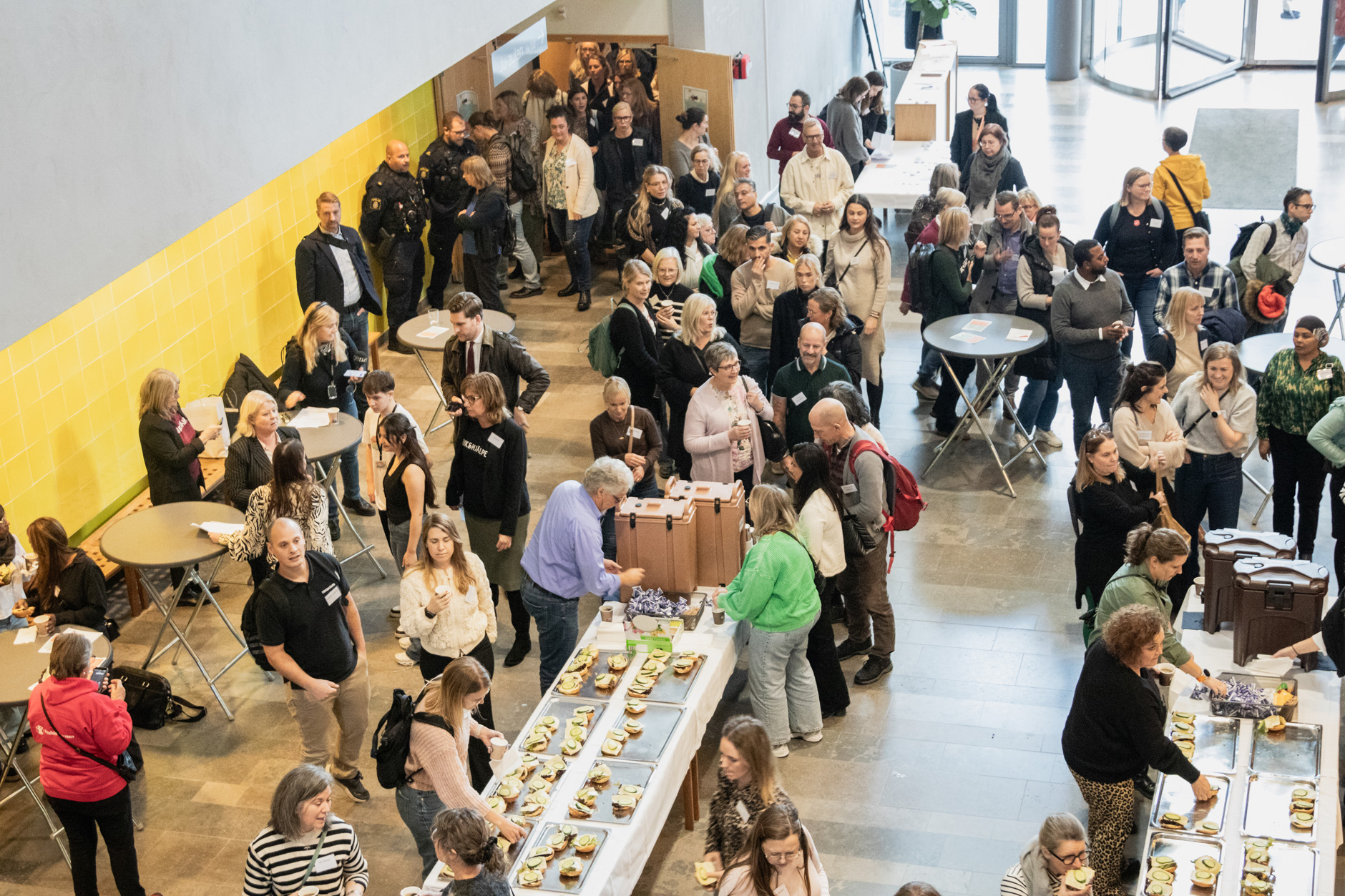
During the conference on children’s rights at Jönköping University, approximately 300 participants from schools, social services, healthcare, and the nonprofit sector gathered to discuss how child participation can be strengthened. Through lectures and panel discussions, participants explored how adults can become better at including children in important decisions.
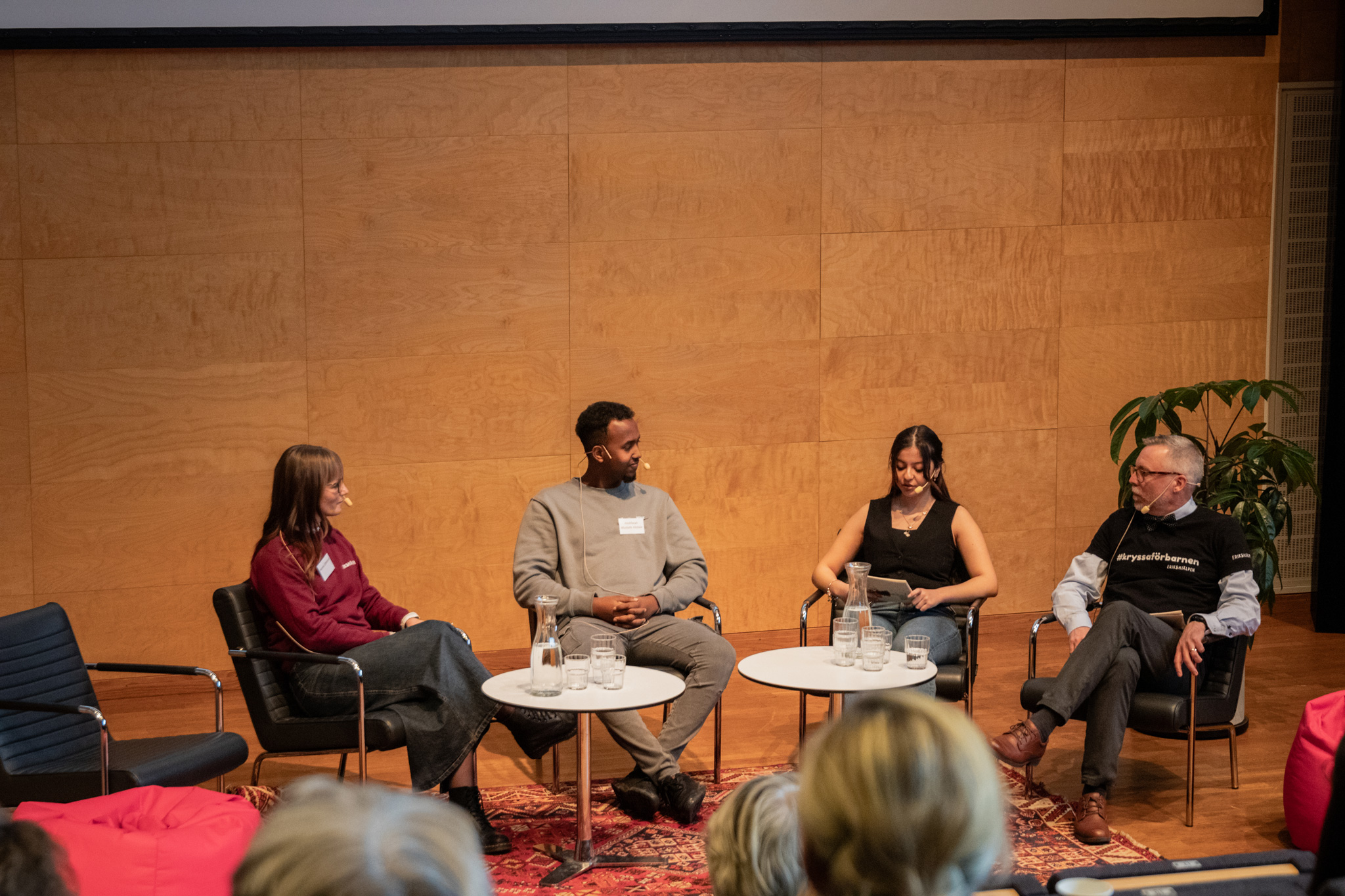
From left: Hanna Löfstrand, Abdifatah Mustafe, Houler Akhwarzi and Mattias Ingeson.
From left: Hanna Löfstrand, Abdifatah Mustafe, Houler Akhwarzi and Mattias Ingeson.
- "Every day, Erikshjälpen Framtidsverkstad meets committed children and young people who want to be involved in the development of society," says Mattias Ingeson, Secretary-General of Erikshjälpen. "But society needs to create structures where children's voices are taken seriously and have a real impact.
In one of the panel discussions, socialMinister of SocialCamilla Waltersson Grönvall, Minister of Social Affairs, Police Chief Carin Götblad, and Jönköping County Governor Brittis Benzler. They shared their perspectives onchild participation and were interviewed by young people fromVetlanda the Youth Council and Underground Råslätt.
- As a as a minister, it is obviously important to listen to children's voices if you are to drive credible changee, said Camilla Waltersson Grönvall.
Listening to children's voices is obviously important to drive credible change.
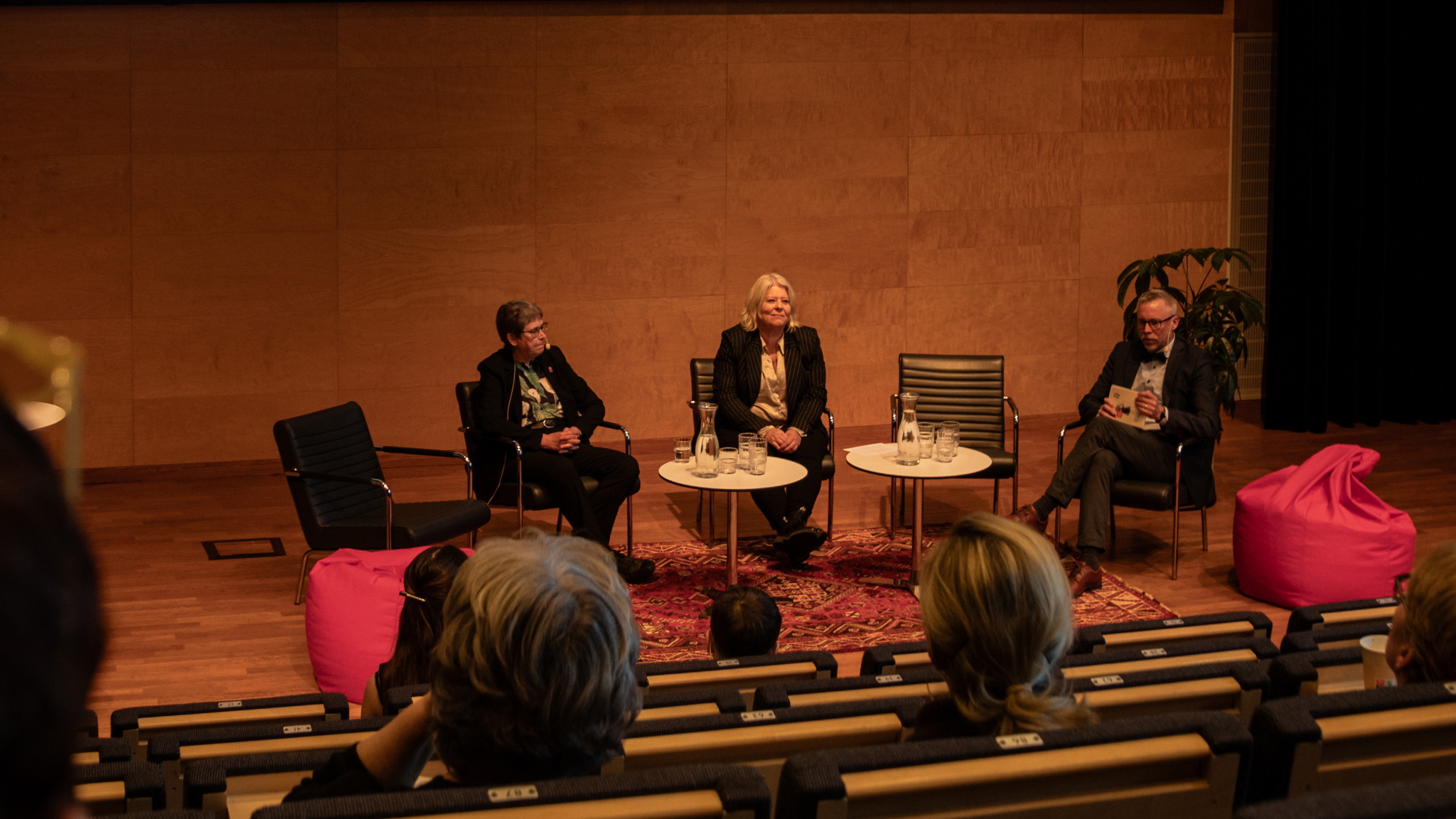
From left: Brittis Benzler, Camilla Waltersson Grönvall and Mattias Ingeson.
From left: Brittis Benzler, Camilla Waltersson Grönvall and Mattias Ingeson.
The day included lectures and seminars on children's rights and how adults can work to ensure that children are heard and taken seriously in decisions that affect their daily lives. By bringing together experts, politicians, civil servants and young people, the conference is an important platform for promoting children's rights work both in the region and nationally.
The conference was organized by the Children’s Rights Focus Group in Jönköping County, in collaboration with Save the Children, RF-Sisu, Erikshjälpen, the Women’s and Girls’ Crisis Center, Share Music & Performing Arts, Jönköping County Region, Municipal Development, the University of Jönköping , the Municipality of Jönköping, the Municipality of Vetlanda , and the Jönköping County Administrative Board.
After months of uncertainty Erikshjälpen received the long-awaited news that it had reached the final stage of the selection process at Sida.
- We are incredibly grateful for the trust and look forward to deepening our cooperation, says Mattias Ingeson, Secretary-General of Erikshjälpen.
The government's new aid reform, and Sida's announcement that it would terminate existing agreements, risked putting an end to several of Erikshjälpen's interventions in the world's most vulnerable countries.
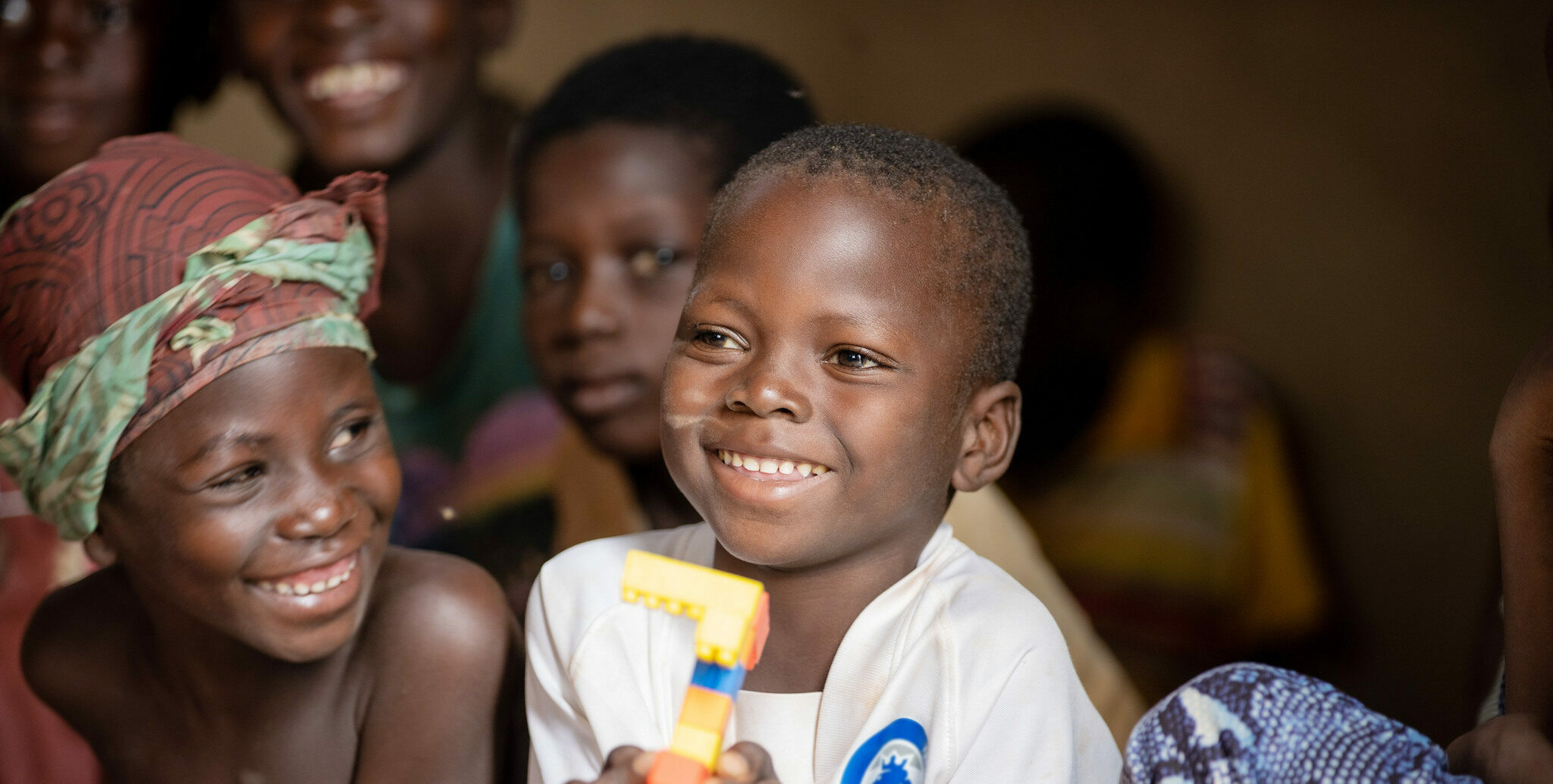
Burkina Faso is one of the countries that the Swedish government has chosen to phase out, but which continues to receive support from Erikshjälpen.
Burkina Faso is one of the countries that the Swedish government has chosen to phase out, but which continues to receive support from Erikshjälpen.
Erikshjälpen has previously had its Funding through the Swedish Mission Council (SMR), but now a process was started where they had the opportunity to apply for funding directly from Sida. An application was submitted together with the British organization Cord.
- "With the changes that have taken place, we feel it is time to take this step," says Mattias Ingeson. Cord contributes valuable expertise in areas such as conflict management and peacebuilding, which complements our child rights-based approach. Something that is becoming increasingly important in many of the areas where we operate.
Cord brings valuable expertise in areas such as conflict management and peacebuilding, which complements our child rights-based approach.
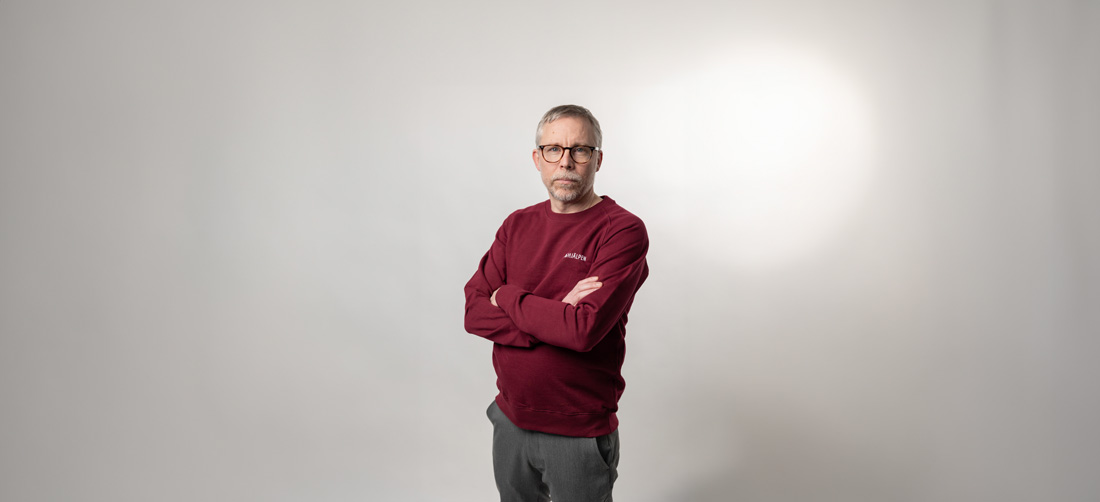
Mattias Ingeson, Secretary-General Erikshjälpen.
Mattias Ingeson, Secretary-General Erikshjälpen.
Erikshjälpen has now been invited to a first dialog meeting with Sida on November 6 to get more information about the upcoming application. There are still questions to be answered, such as levels of support and what further selection looks like, but Mattias Ingeson is cautiously positive.
- We are happy and excited to have come this far. I do not want to pre-empt the dialogue that we have with our partner and with Sida, but as I see it, we definitely have the capacity to double our interventions compared to today.
We are happy and excited to have come this far.
An in-depth application must be submitted to Sida by February 1, 2025.
This year, Erikshjälpen Framtidsverkstad celebrates its 5th anniversary. During its first five years in Adolfsberg, at Helsingborg , the company has already made a significant impact.
Activities coordinators Damir Softic and Mariam Zaoujan tell us how Erikshjälpen Framtidsverkstad has developed and how they see the future. During the anniversary, we get to meet Ismet, one of the first young people at the future workshop in Adolfsberg. Today he is a committed leader himself.
- The Future Workshop means a lot to me. Here I have gotten help with school, practiced in the second-hand shop and gotten help with finding my first job. I have participated in various leadership trainings and now I organize football trainings and tournaments for other children in the area.
The Future Workshop means a lot to me.
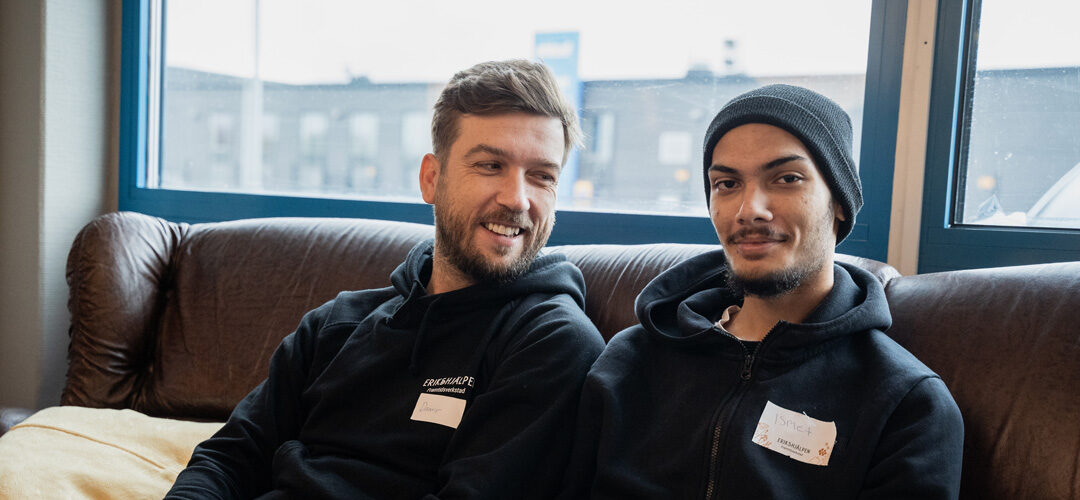
Damir and Ismet.
Damir and Ismet.
It is in Erikshjälpen Second Hand's shop at Måndagsgatan 6 in Adolfsberg that children and young people's dreams for the future take shape. At Erikshjälpen's Future Workshop, they get the opportunity to explore their driving forces, strengthen their abilities and feel that they can influence the development of their own neighborhood.
- For many, it's simply about finding their voice and daring to believe that it matters," says Mariam. "With us, each individual is supported to develop, not only as a person but also in community with others. It's about more than just activities - it's about building self-confidence and faith in the future.
It's about more than just activities - it's about building confidence and trust.
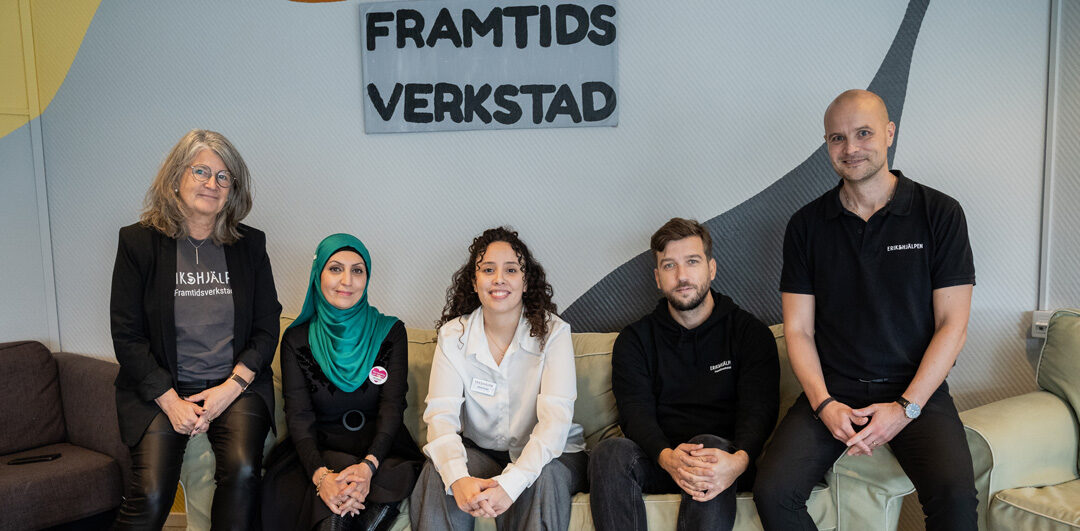
Birgitta Johansson, Rossol Saaid, Mariam Zaoujan, Damir Softic and Håkan Giselsson.
Birgitta Johansson, Rossol Saaid, Mariam Zaoujan, Damir Softic and Håkan Giselsson.
The celebration included a breakfast with cake. The guests included various professionals working with young people in the area. Neighborhood police officers, social services and politicians, who all meet the same young people, but in different roles.
“ Erikshjälpen Framtidsverkstad ” is the glue that holds our collaboration together,” says Christina Wideland from the City Planning Office in Helsingborg, who works on projects such as “Mitt Adolfsberg” and “Trygghetsprojektet,” among others. “We’re so glad you’re here to stay.”
Erikshjälpen Framtidsverkstad is the glue that holds our collaboration together.
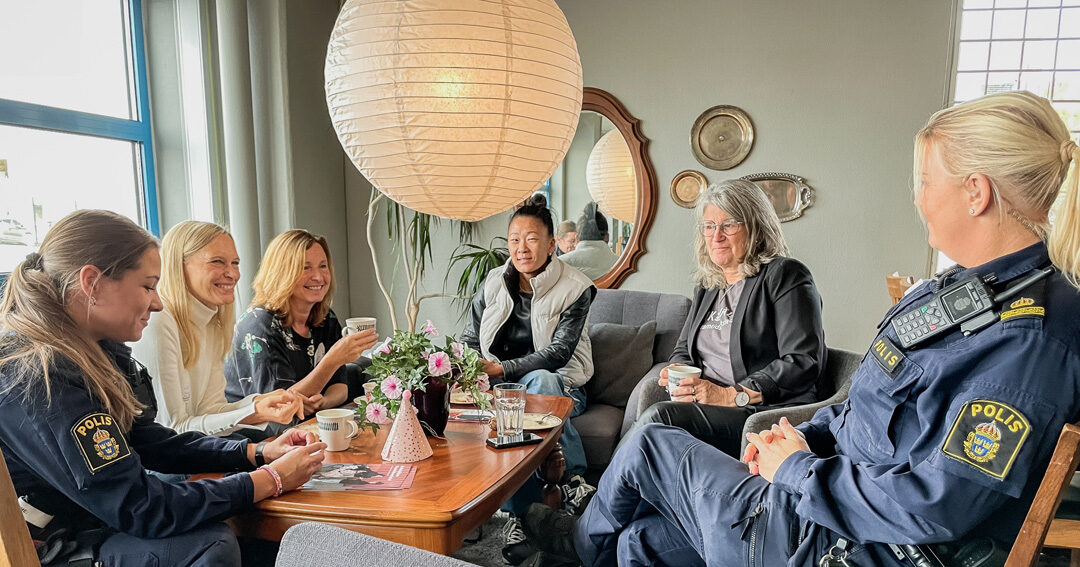
Collaboration was indeed the key word of the morning. Around the coffee tables, both opportunities and challenges were discussed. Lenah and Olivia, area police officers in Adolfsberg, talked about the concern they felt after Adolfsberg's leisure center closed last year. But how safety in the area could still be maintained by Erikshjälpen together with actors from the City of Helsingborg and various youth associations filling the void together.
- "Many people in Adolfsberg don't even believe they have a future," says Lenah. "Together we can build trust and confidence in the adult world and instill hope in young people.
Together, we can build trust and confidence in the adult world and instill hope in young people.
Sofia Corneskog from Bankeryd has designed dresses for celebrities like Carola and Carina Bergfeldt. Now she has made a unique silk dress for Sonja Aldén and it can be yours if you make a contribution to Erikshjälpen.
- "It has always been my goal to use my knowledge to make the world a little better, and Erikshjälpen was closest to my heart," she says.
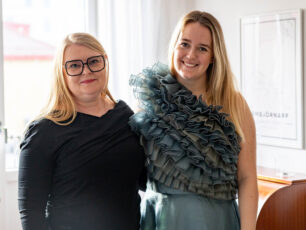
Sofia Corneskog has her studio in the old station house in Bankeryd. Here, white, loving wedding dresses share space with sparkling gala dresses for celebrity-packed parties. Sofia Wistam, Carina Bergfeldt, Arja Saijonmaa, Lina Hedlund and not least Carola are some well-known names who have worn dresses designed by Sofia - now you can too.
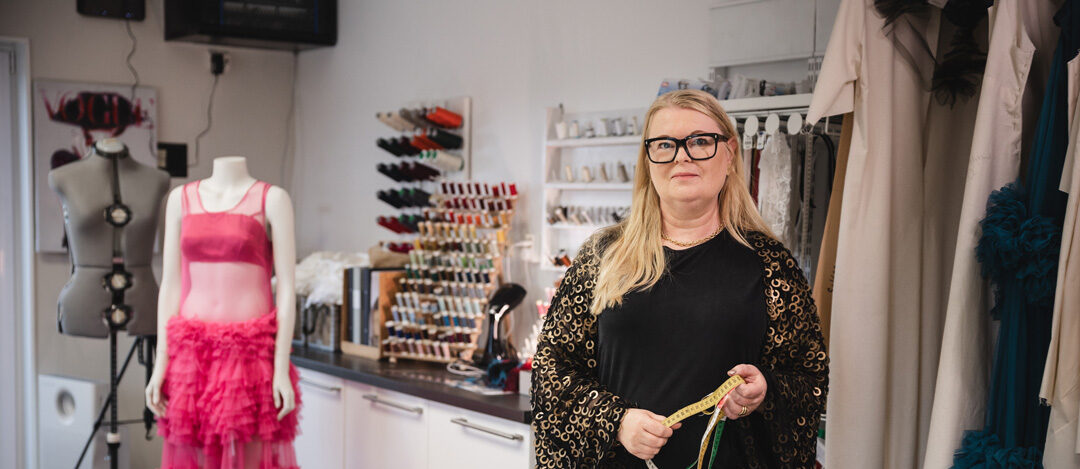
Sofia Corneskog is known for her stunning tulle creations and describes her designs as glamorous, playful and voluminous. The dress in the picture is not the one being raffled.
Sofia Corneskog is known for her stunning tulle creations and describes her designs as glamorous, playful and voluminous. The dress in the picture is not the one being raffled.
- Whoever wins the dress, wins a garment of the highest quality that is handmade in Sweden based on my style and design language. It could be used at a New Year's Eve party, for example, but is of course equally suitable for any party. The dress is two-piece and it is possible to use only the top or skirt if you want. This means that it can easily be dressed up or down, says Sofia.
The dress Sofia is donating to Erikshjälpen was designed together with singer Sonja Aldén. It is made entirely of silk, including the lining, and the color is best described as grey-blue. Sonja will wear the dress during six concerts this fall and then it will be raffled off to a lucky winner who has donated at least Swedish kronor (SEK) 100 to Erikshjälpen.
- This is not a dress from a large chain that supplies garments from a factory abroad, but a completely unique dress that I have designed in collaboration with Sonja. We have also thought about how it should attract the winner and I am happy to help with styling tips such as which shoes and accessories to match - and of course I adjust the dress to suit the winner.
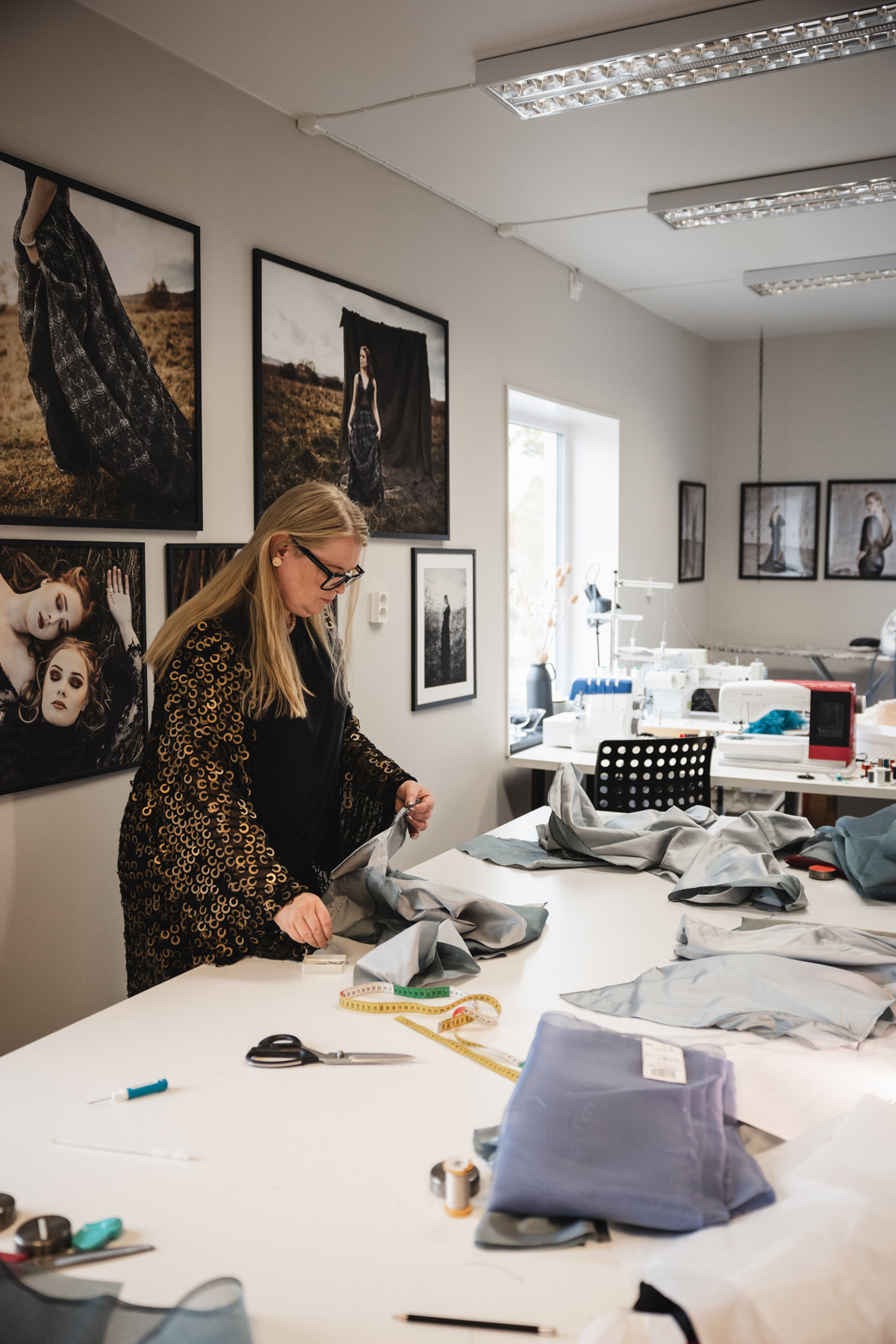
The bright studio in Bankeryd radiates creativity with a large table filled with fabric in the center of the room. Sofia has about ten garments in progress at any one time and has customers all over Sweden. Her design language is glamorous but playful, preferably large tulle creations.
- I like it to be visible and want it to be quite voluminous. The dress I'm making for Erikshjälpen is solid colored but still with a lot of structure. Most focus is on the top while the skirt is a little simpler so that it does not become a circus outfit. For me and Sonja, quality is also important and that's why we chose silk, which is a durable material. Since silk breathes, the dress is also comfortable to wear," says Sofia.
For me and Sonja, quality is also important, which is why we chose silk, which is a durable material.
Sofia studied at the Swedish School of Textiles in Borås and subsequently completed her apprenticeship at Göteborg. After spending a few years away from the forests of Småland, she moved to Bankeryd in 2013 and founded the company Sofia Corneskog Couture. She has also been a monthly donor to Erikshjälpen for nearly 30 years.
- I am a preschool teacher and have my own children, so children's rights issues are important to me. Erikshjälpen is really on the side of the children and I am confident that the help will arrive.
The competition closed on November 18, 2024
The winner was Madeleine Bergenkull!
Together we raised 62 140 Swedish kronor (SEK). Thank you to everyone who participated in the raffle!
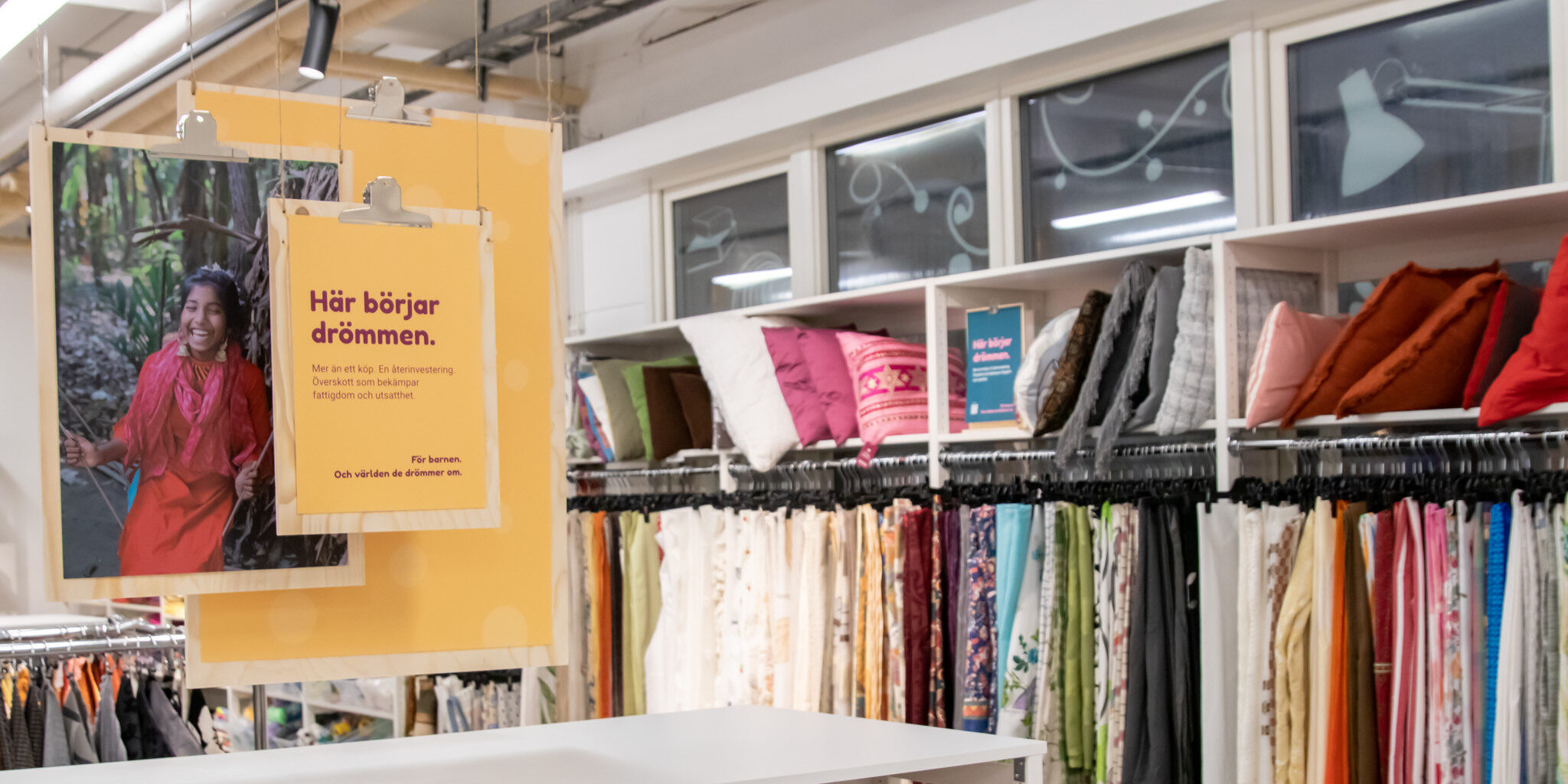
On Saturday, October 5, all daily cash registers from Erikshjälpen Second Hand's stores will go to Radiohjälpen's fundraising campaign "Världens Barn". The project that we highlight in this year's campaign is about how portable schools in Bangladesh ensure that children can continue to go to school despite poverty and climate disasters.
Erikshjälpen is contributing to the Världens Barn campaign for the 27th year and has been involved since the start. Last year, the second-hand shops sold for an unimaginable 3,703,294 Swedish kronor (SEK). In addition to donating the daily takings, many of Erikshjälpen Second Hand's 52 shops draw attention to Världens Barn through various activities.
-"In our stores there is always a great commitment to children," says Jerker Sandell, Executive Director of Erikshjälpen Second Hand. "The Världens Barn campaign gives us the opportunity to do even more for children around the world.
The World's Children campaign gives us the opportunity to do even more for children around the world.
Children of the World
Världens Barn, Sweden's largest fundraising campaign for children's right to health, school and security, is carried out in a unique collaboration with Swedish Television, Swedish Radio P4, Erikshjälpen and 13 other aid organizations. Every year, Radiohjälpen grants funds to around thirty projects in as many countries. All organisations involved in the campaign highlight a special project each year.
- Around the world, many millions of children live in insecurity due to war and disasters. Our knowledge, willingness and ability to help them affects the future development more than anything else and defines who we are, says Mattias Ingeson, Erikshjälpen's Secretary-General and Chairman of the Board of the Swedish National Fund for Children.
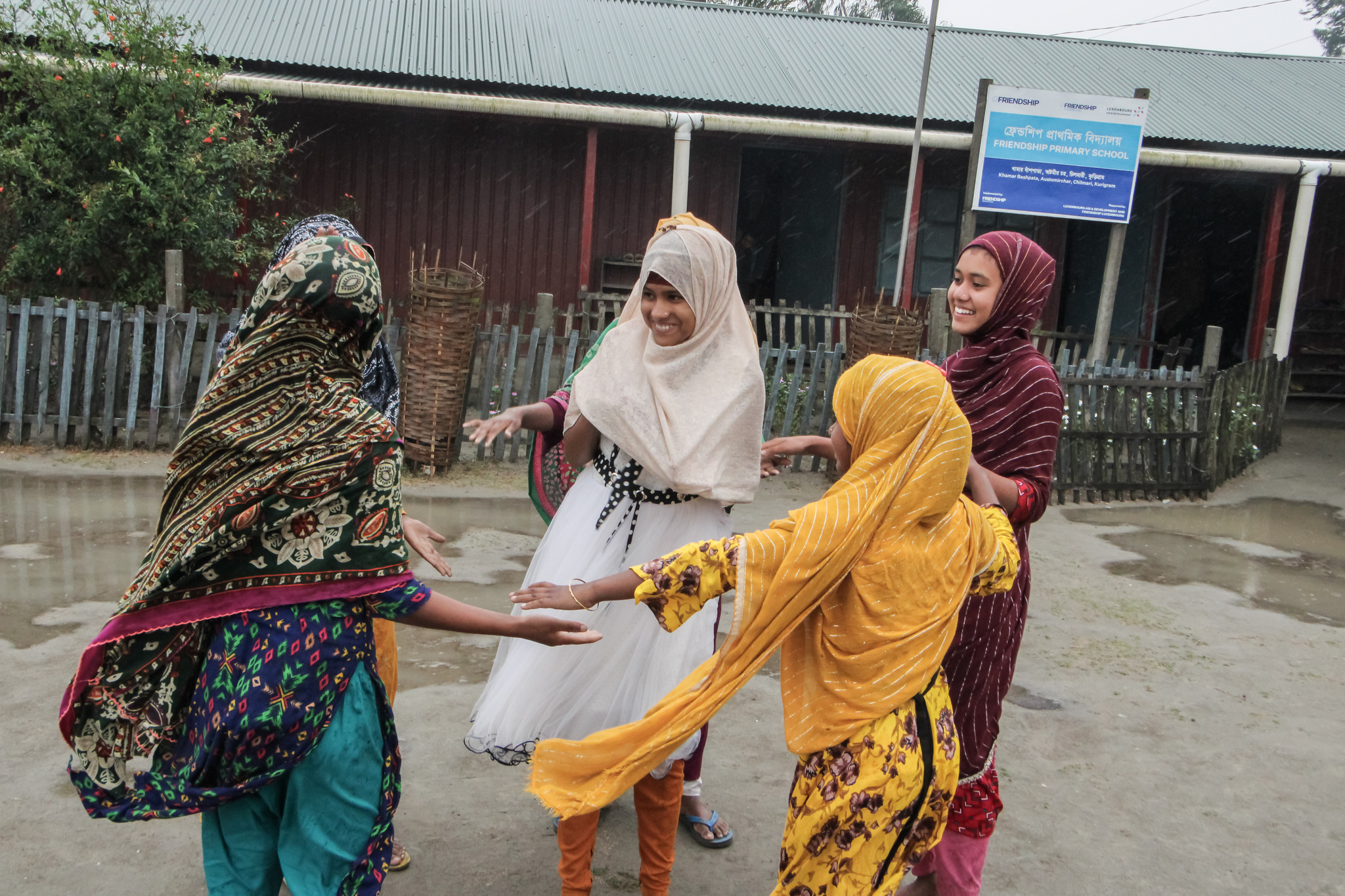
Mim and her friends are playing in the schoolyard.
Mim and her friends are playing in the schoolyard.
Erikshjälp's focus this year - portable schools
Mim, her parents and five siblings live on one of the many sand islands in the Brahmaputra river delta in Bangladesh. Floods, cyclones and other natural disasters strike the area several times a year, causing great devastation. Landslides and soil erosion make it difficult to build roads and schools. But thanks to the portable school, which Erikshjälpen has established together with its local partner Friendship, children in the area have the opportunity to go to school. Mim and her friends have learned about their rights and how to build up preparedness to cope with natural disasters.
Shop for the world's children
Visit one of our second-hand shops on Saturday, October 5 and shop for the children of the world.
 Listening