Thirteen-year-old Timofyj has been forced to leave his home twice because of the war in Ukraine. Each time, he has had to start from scratch. He loses contact with his friends, and his childhood is replaced by responsibility.
For Timofy, everything changed when Russia invaded eastern Ukraine in 2014 and his family was forced to leave their home in Donetsk. He was young, but remembers the sudden upheaval when his family fled to Myrnohrad, a town further away from the fighting.
After the move, Timofy's father died in an accident. He was left behind with his mother, little brother, and a lot of responsibility.
"I didn't really understand what I was supposed to do. I just listened to my mother, listened to the news, and tried to follow all the rules that were in place because of the war," says Timofyj.
I just listened to my mother, listened to the news, and tried to follow all the rules that were in place because of the war.
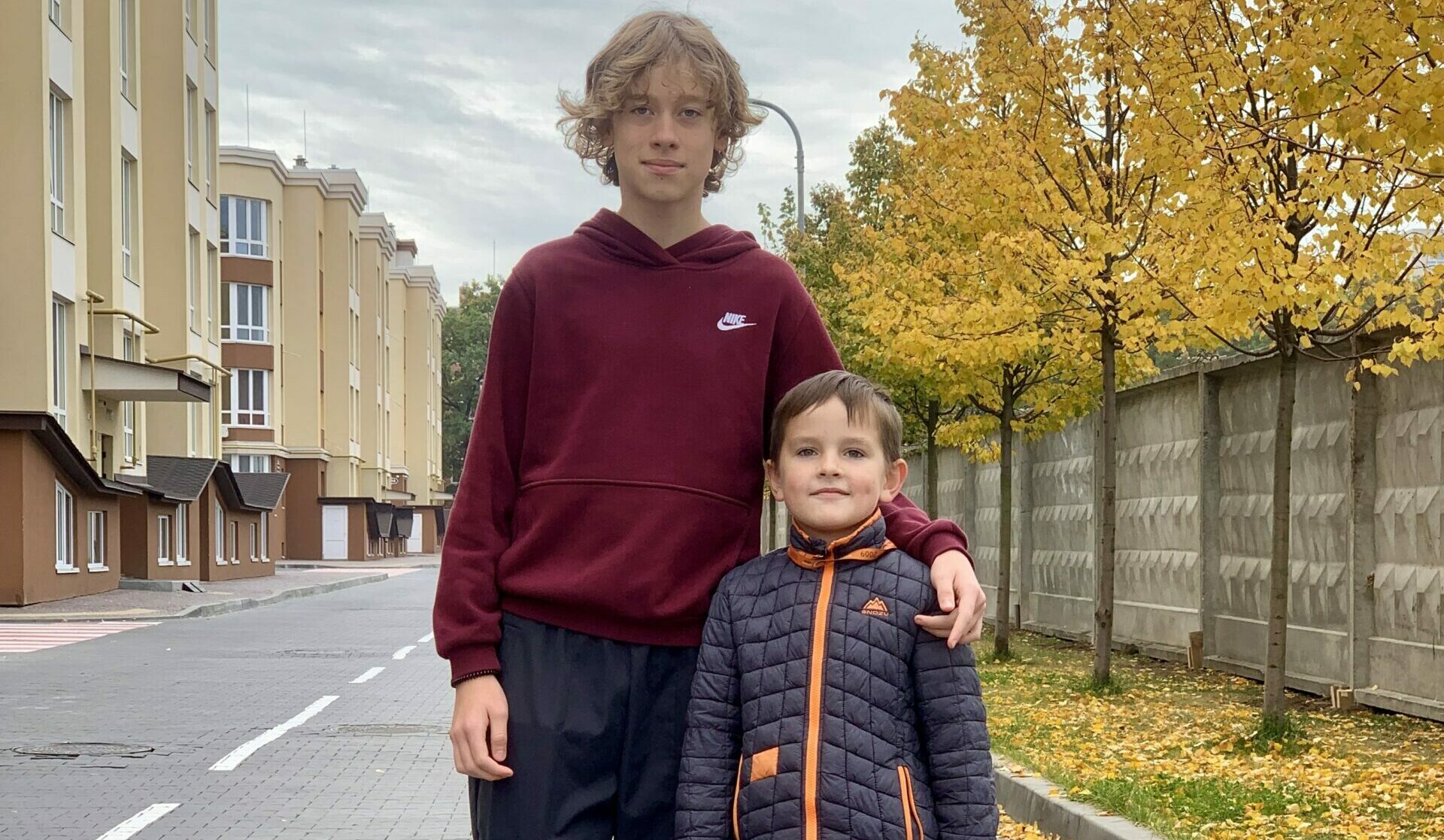
Timofy and his little brother.
Timofy and his little brother.
Forced into a new everyday life
When Russia launched its large-scale invasion in 2022, Myrnohrad, the family's new home, ended up close to the front line. A shell hit the house where they lived and they were forced to flee again. Timofyj had to quickly leave school and all his friends behind.
"The war has caused me to lose touch with my friends. I hardly talk to those I don't go to school with anymore. Some of them I don't even remember," says Timofyj.
Today, he lives with his mother and younger brother in the Kiev region and is trying to rebuild a secure everyday life.
The war has caused me to lose contact with my friends.
Childhood was exchanged for responsibility
His father's death and the escape from Donetsk meant that Timofyj had to take on a greater role at home at an early age.
"I take care of my little brother and help out with whatever I can. I'm kind of my mom's right-hand man," says Timofyj.
In the midst of his new everyday life, he still tries to live like a normal teenager with school, friends, and free time.
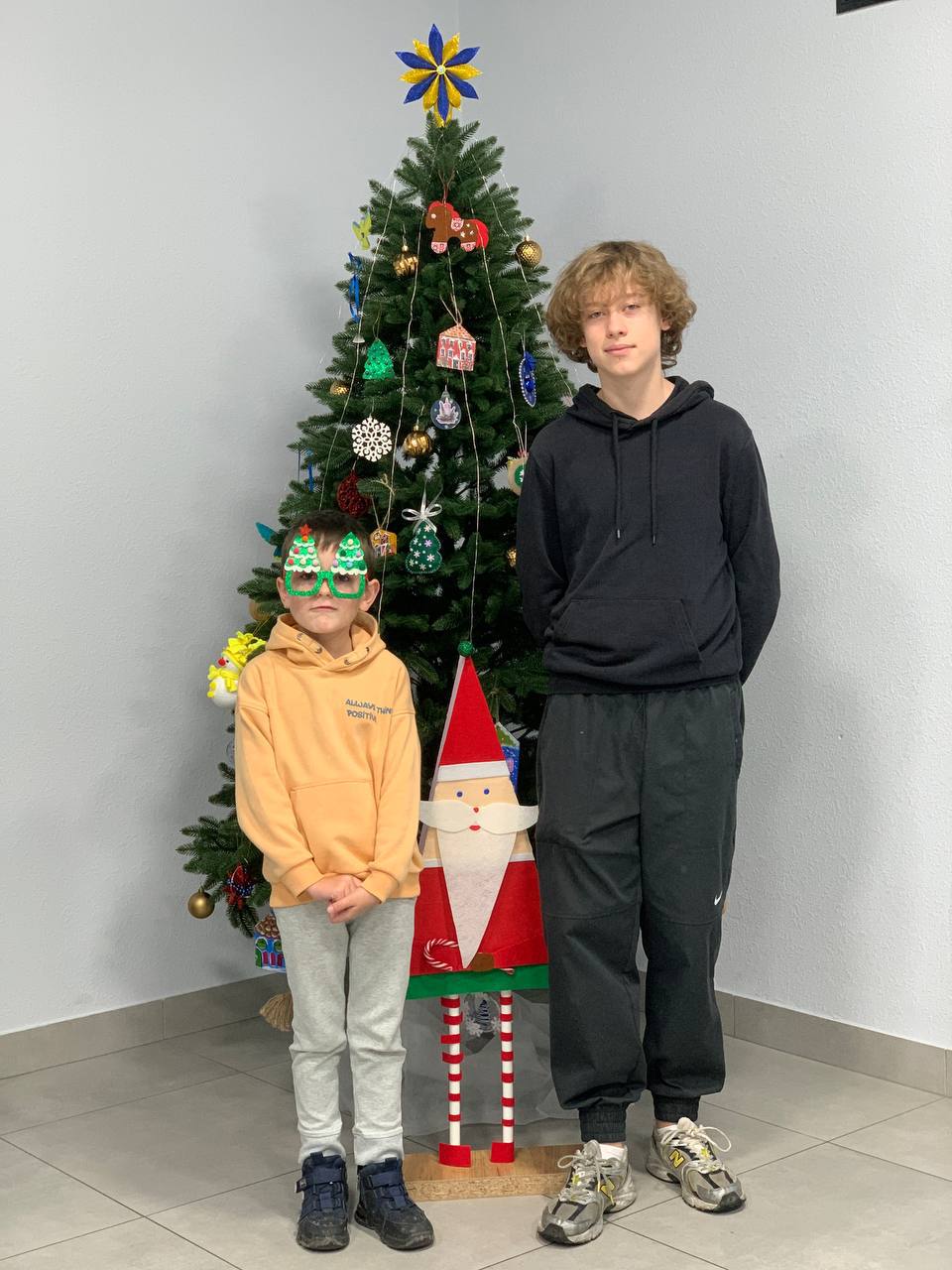
Timofyj with his little brother.
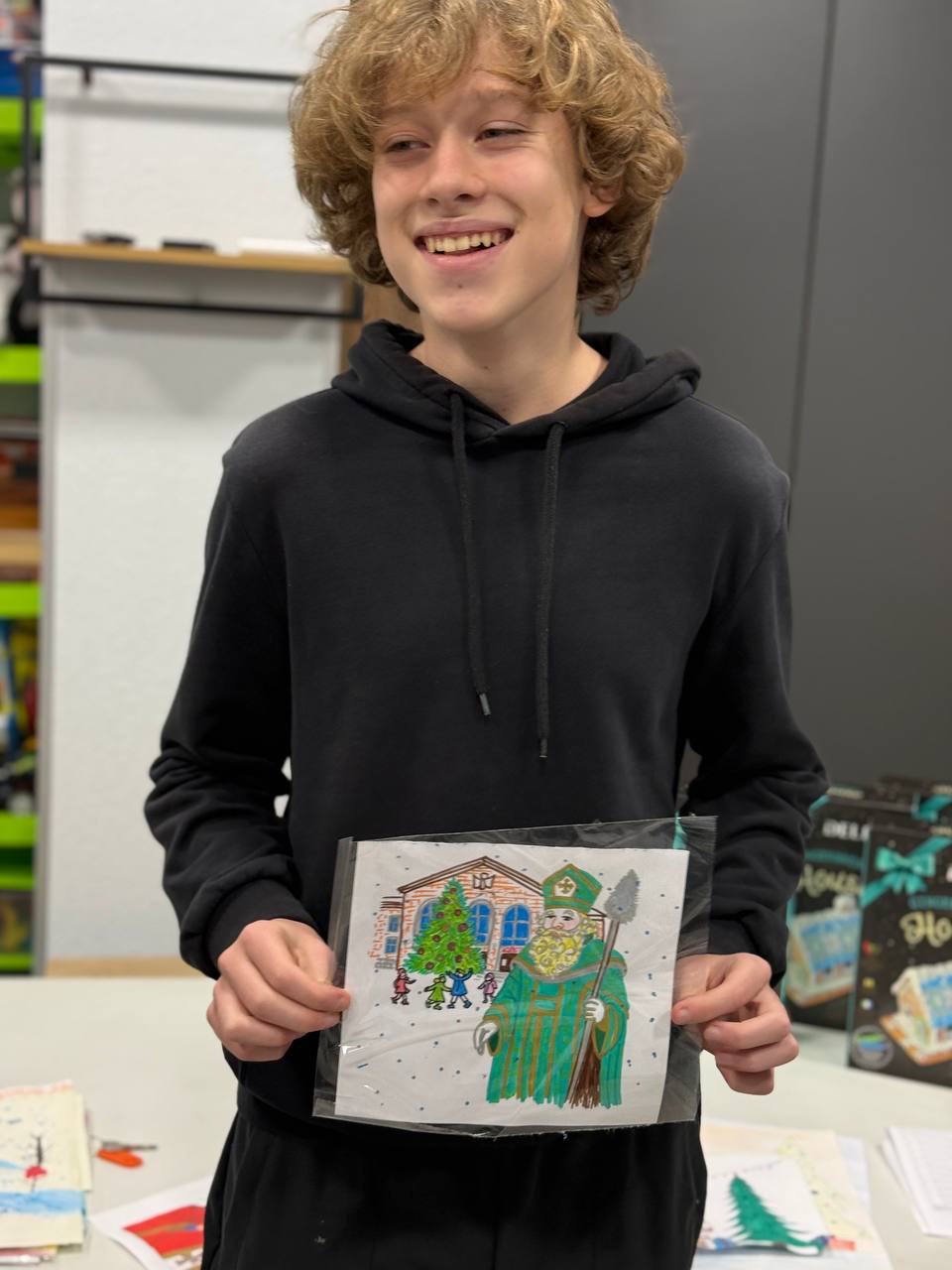
Timofyj in one of the child-friendly family hubs.
Timofyj with his little brother.
Timofyj in one of the child-friendly family hubs.
A chance to think about something other than the war
Together with the local organization WCU, Erikshjälpen works to give children the opportunity to escape the war for a while and just be children.
In child-friendly family hubs, children can socialize with friends, engage in creative activities, and receive support from psychologists to process what they have experienced. All activities are organized in shelters so that they can continue even during air raid alerts.
Here, Timofyj can momentarily let go of all the responsibilities that war brings and just be himself: a teenager.
"My brother and I really like it. It's fun and exciting, and it's cool to get to do something interesting," says Timofyj.
Timofy's thoughts on the future
Even though Timofyj finds it difficult to imagine life after the war, he still has dreams.
– I want to understand more about IT, about different codes, and earn money from it. But I don't know yet what you have to do to achieve that.
Many children fleeing Ukraine
In 2025, the war in Ukraine intensified and spread to more areas. Since June 2025, approximately 150,000 people have been evacuated from the front lines. More than 16,500 of them are children.
Today, there are around 3.8 million internally displaced persons in Ukraine. Many lack electricity, water, and heating in their homes. The large-scale invasion has not only caused damage and death, it has also forced thousands of children to take on adult responsibilities far too early.
Despite widespread criticism, the government is moving forward with the bill to lower the age of criminal responsibility. In an op-ed on altinget.se, Erikshjälpen points out that the bill violates the United Nations Convention on the Rights of the Child. Putting children in prison does not make Sweden safer.
Saying no to lowering the age of criminal responsibility does not mean accepting that a child shoots someone. Protecting society is not just about locking people up, but about preventing the next shooting.
In its opinion piece, Erikshjälpen points out that lowering the age of criminal responsibility is a measure that looks powerful on paper but in practice makes it easier to miss the core issue: the adults who exploit children and the structures that make this possible. When children are drawn into crime, it is a sign that society has failed.
The proposal is not consistent with the United Nations Convention on the Rights of the Child , and the UN Committee on the Rights of the Child urges Sweden not to lower the age of criminal responsibility. One of the experts criticizes the shift of responsibility and blame from adults to children, saying:
– You're targeting the children, not the adults who are leading them.
Read the entire debate article on altinget.se here:
Debate: Children in prison do not make Sweden safer
Mattias Ingeson, Secretary-General Erikshjälpen
Mattias Ingeson, Secretary-General Erikshjälpen
Twelve-year-old Sabina had never seen cabbage or onions growing in the dry landscape where she grew up in northern Kenya. Now vegetables are sprouting in the school garden, and with them Sabina's hopes for the future are growing.
Sabina breaks into a smile as she recounts the first time spinach was served at school.
– When my classmates and I saw that vegetables were being grown in the school garden, we were totally blown away. I had never seen cabbage or onions growing around here before, and it was the first time I’d ever eaten spinach at school.
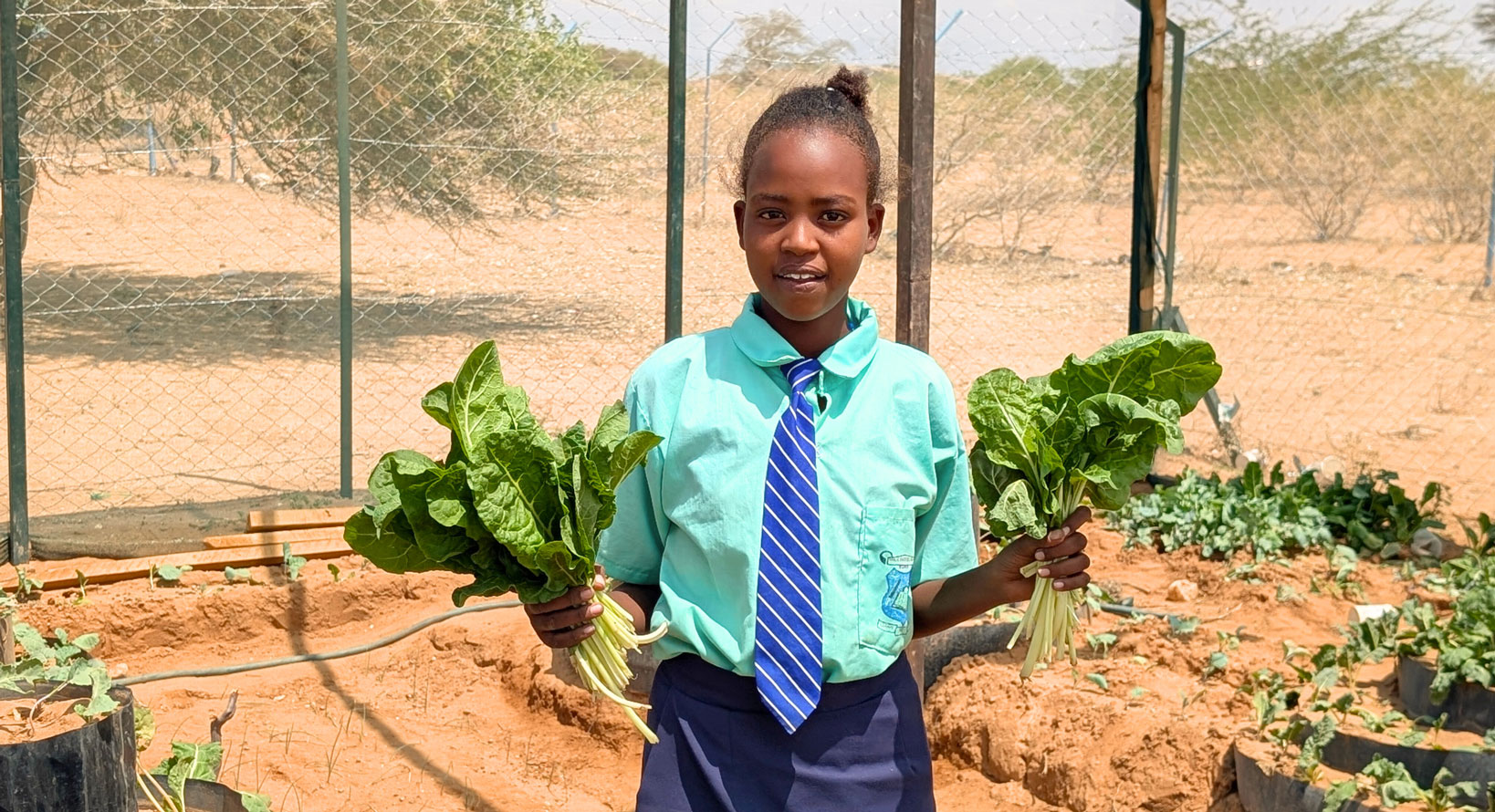
Climate change makes farming more difficult
Eating vegetables is not a given for children in the remote village of Korr in northern Kenya. Climate change is clearly noticeable here, and the annual dry seasons are becoming longer. It is becoming more difficult to grow crops, and the lack of water is also causing livestock to die of dehydration. The food shortage is serious. In some parts of the country, one in three children may never reach the age of five.
Against all odds, the school garden is growing
But in the middle of this arid landscape, a school garden is now thriving at Amalio Primary School in Korr. As part of Erikshjälpen's long-term work in northern Kenya, students are learning about nutrition. They are also learning about cultivation techniques that make it possible to grow crops despite the drought. The vegetables they grow are then used in school lunches, providing the children with important nutrients.
"At school, we've learned about vegetables that are full of vitamins. And now I can see them growing!" says Sabina.
At school, we learned about vegetables that are full of vitamins. And now I can see them growing!
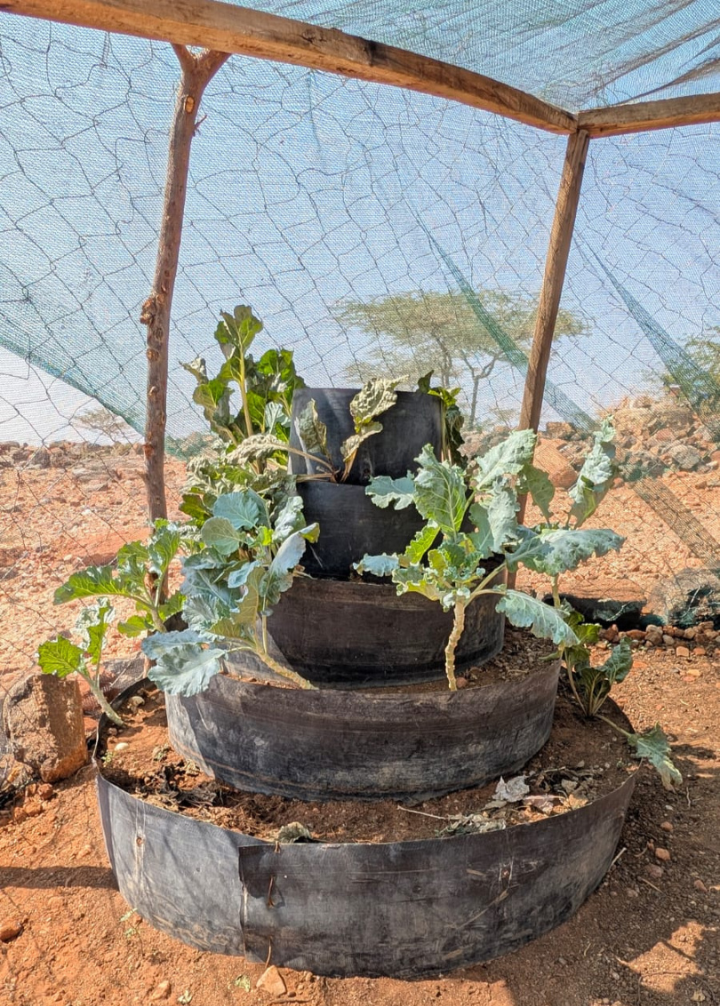

The school garden gives hope for the future
For Sabina, the school garden has become more than just a school garden. It has become a place where vegetables are grown for school lunches and hope for the future is cultivated.
– Now I know that vegetables help us to be strong and healthy.
Now she dreams of one day working as a teacher and teaching sustainable farming to children and young people – and in many ways, that dream has already taken off.
"I want to start growing things at home, even though it's very dry. But I'm going to show my mom how to grow cabbage in a bag without using so much water," says Sabina.
When I grow up, I want to be a teacher and teach children and young people about sustainable farming.
The government has proposed lowering the age of criminal responsibility from fifteen to thirteen. We asked children and young people about the new bill, and the message was clear: "We need support, not prison."
Talking to children about issues that affect their lives and futures is a central part of Erikshjälpen's work. When we asked children and young people from Erikshjälpen Framtidsverkstad about lowering the age of criminal responsibility, they shared a variety of thoughts and experiences.
"If they lower the age to thirteen, they'll just send twelve-year-olds instead. A thirteen-year-old doesn't shoot someone because he wants to, but because he's forced to. He's thirteen years old—what else can he do?" says a seventeen-year-old.
The young people described the subject as uncertain and difficult to talk about. But despite differing opinions, there was one thing everyone agreed on: solutions must be put in place long before a crime is committed.
Find these children before they commit crimes instead.
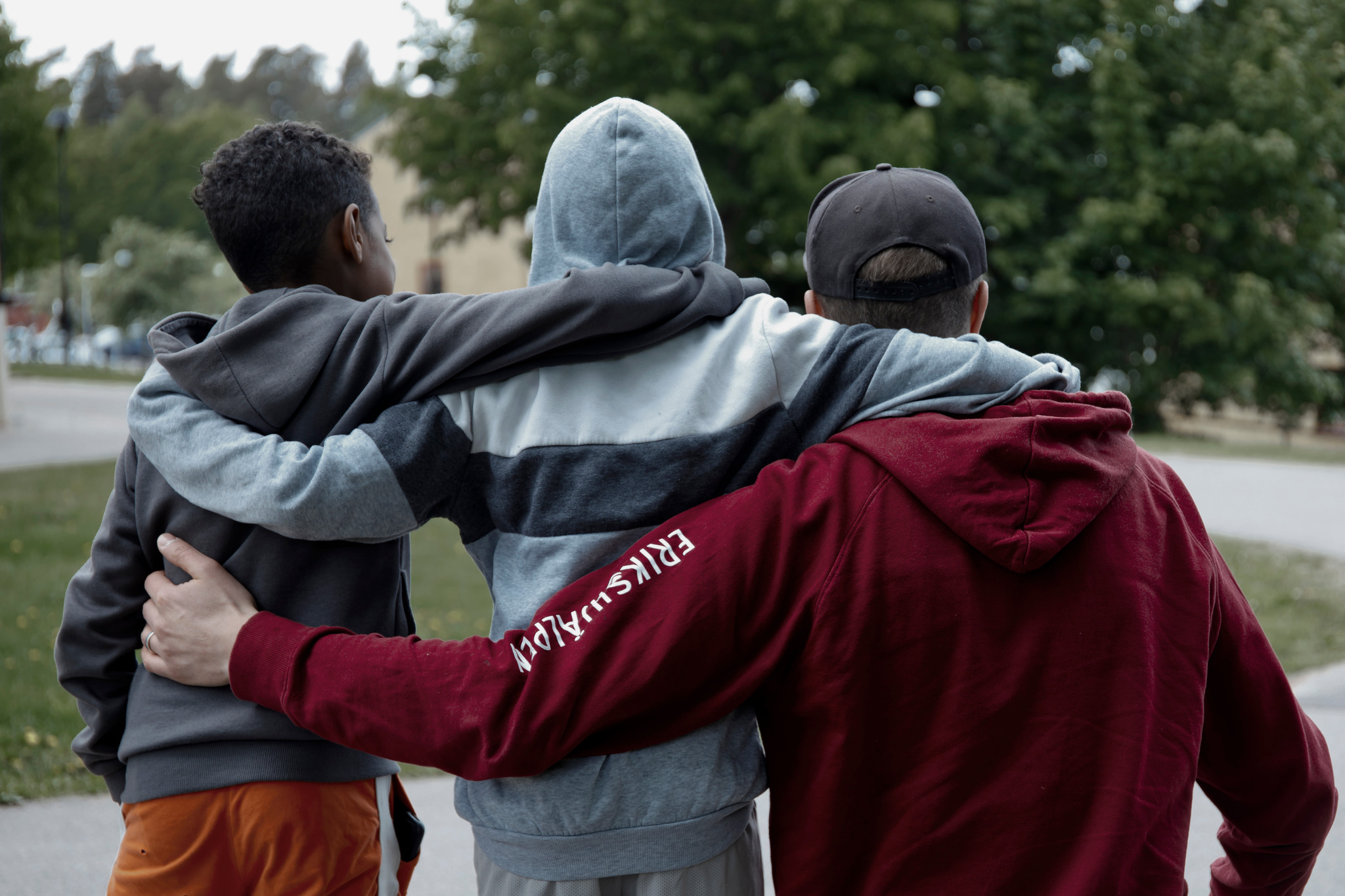
Young people's proposals to stop gang recruitment
During the discussions, the young people highlighted important measures to prevent children from becoming involved in crime:
- More preventive interventions recreation centers and meaningful activities that all children have the opportunity to participate in.
- Secure relationships with adults and the police – without trust, children do not dare to seek help or talk about threats and pressure.
- Support at school and at home – more adults who are present, attentive, and engaged in children's everyday lives.
The young people emphasized that harsh punishments should be directed at adults and older criminals who exploit children to commit crimes—not at the children themselves.
If he has been threatened, he should not be imprisoned, but should receive psychological help.
Erikshjälpen supports young people
Erikshjälpen rejects the government's proposal to lower the age of criminal responsibility. Like young people, we believe that the proposal does not address the underlying causes of child crime. Instead, it risks causing more children to reoffend and new children to be recruited.
"Real security for young people and society is created through early and long-term interventions, strong relationships, and contexts where children are supported in choosing paths other than crime," says Mattias Ingeson, Secretary-General Erikshjälpen.
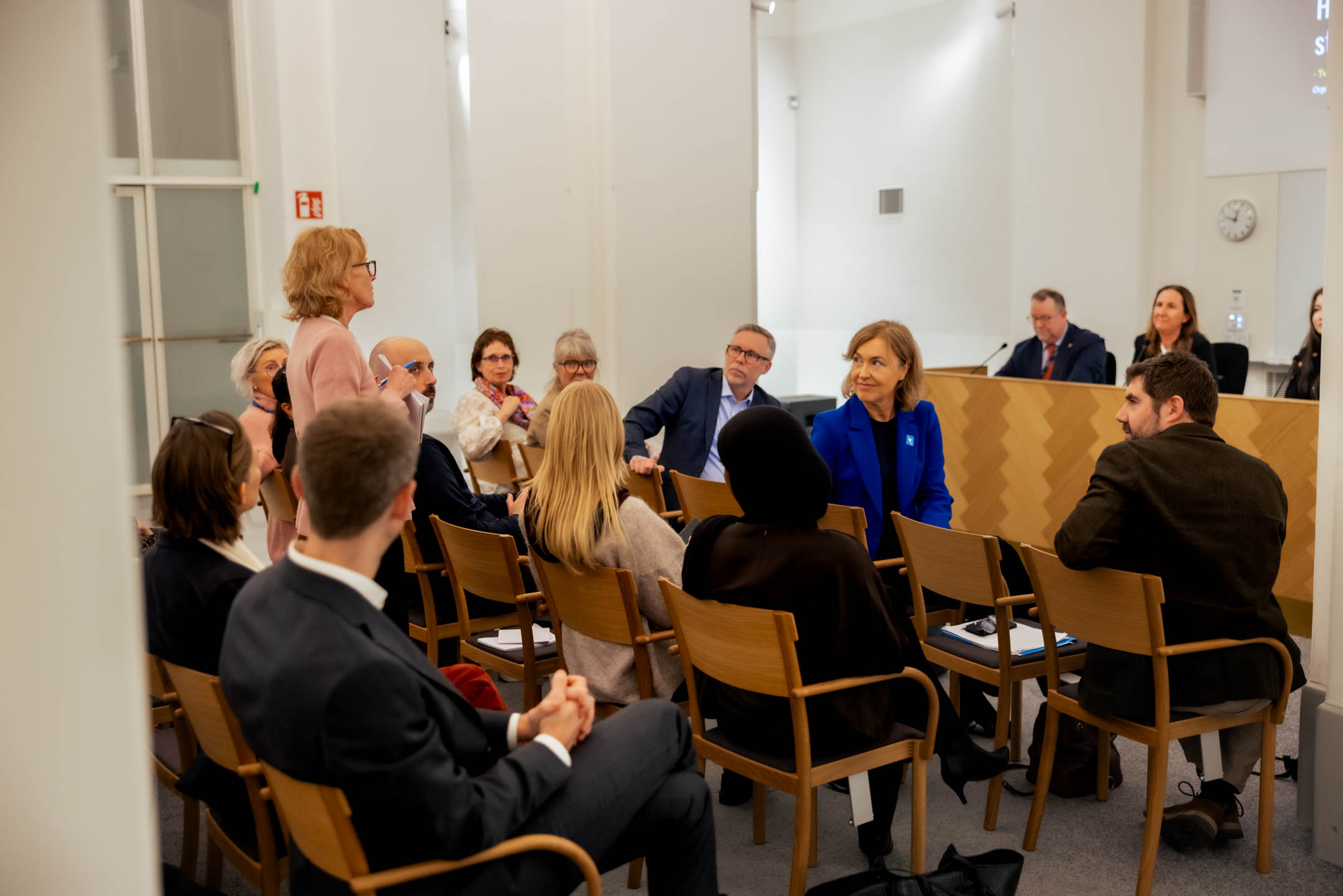
On Wednesday, December 10, a seminar was held in the Swedish Parliament on how Sweden can strengthen children's rights in a rapidly changing aid landscape. The roundtable discussion was organized by the Parliamentary Network for International Children's Rights Issues.
During the seminar on the theme "Two years of the reform agenda – what has happened and how do we move forward? Erikshjälpen's Secretary-General Ingeson highlighted the organization's work in Bangladesh. This is a long-term effort in which children themselves participate in disaster risk management, among other things. By showing how children can be active agents of change, Erikshjälpen wants to emphasize that investing in children leads to both safer societies and sustainable development.
When children are given the opportunity to influence their own everyday lives and local communities, lasting change is created.
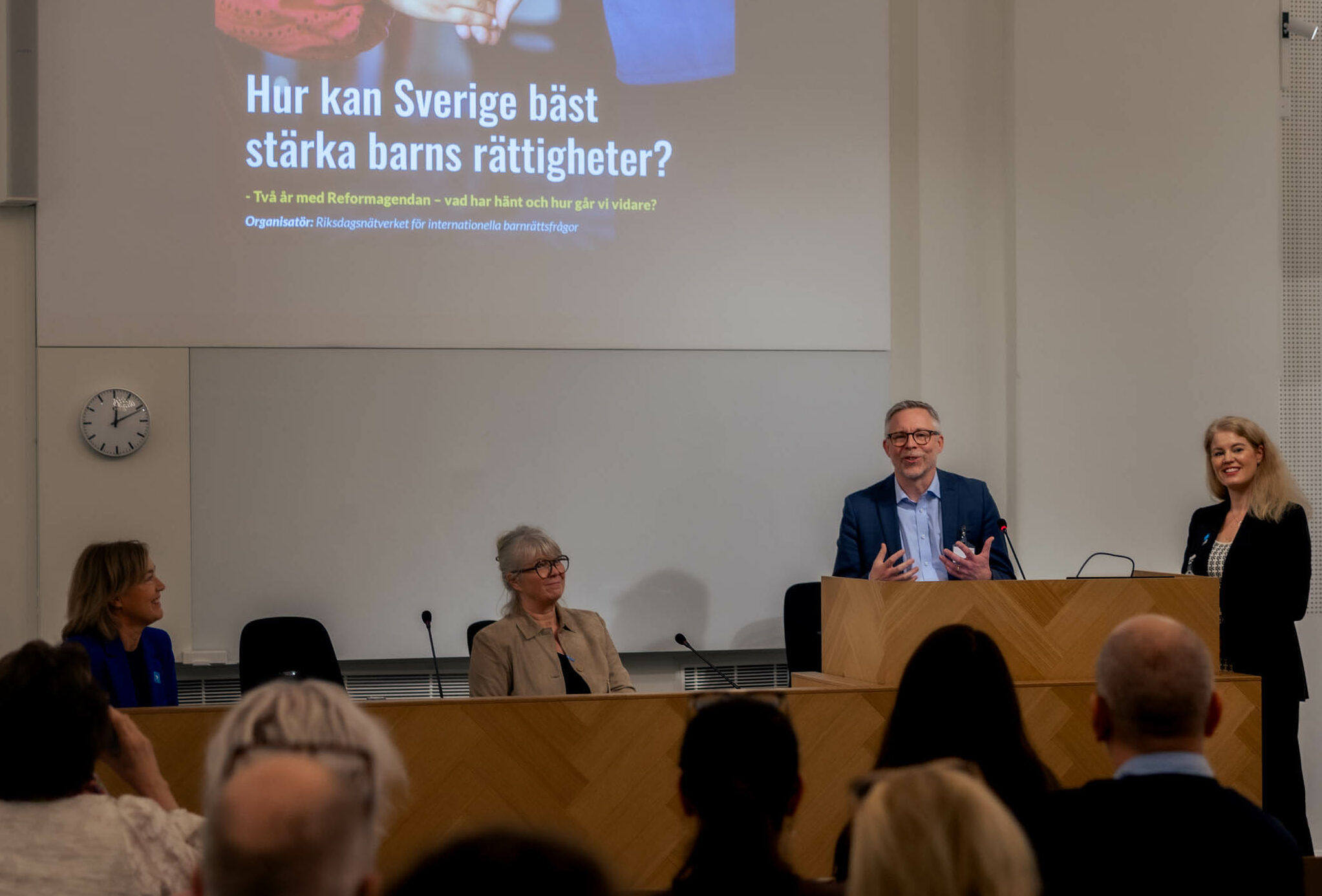
©UNICEF/Anton Brunnberg
©UNICEF/Anton Brunnberg
©UNICEF/Anton Brunnberg
©UNICEF/Anton Brunnberg
Children are hardest hit – and should be the focus of aid efforts
Children are the ones most affected by war, climate crises, and growing inequality. At the same time, children's rights are being pushed back globally. During the seminar, it was emphasized that Sweden has long been a leading voice for children's rights—and that this role is now more important than ever.
The government's reform agenda contains clear statements on children's rights, but children's rights organizations emphasized the need for this to have a greater impact in both thematic and geographical aid strategies.
Important issues discussed
During the seminar, issues such as the following were discussed:
- The current state of children's rights globally
- How children's rights can be strengthened when aid is reformed
- The importance of international commitments and strong multilateral cooperation
- The link between children's rights and investments in education, gender equality, and climate action
- How child participation be ensured in practical social work
©UNICEF/Anton Brunnberg
©UNICEF/Anton Brunnberg
Unified voices for stronger Swedish leadership
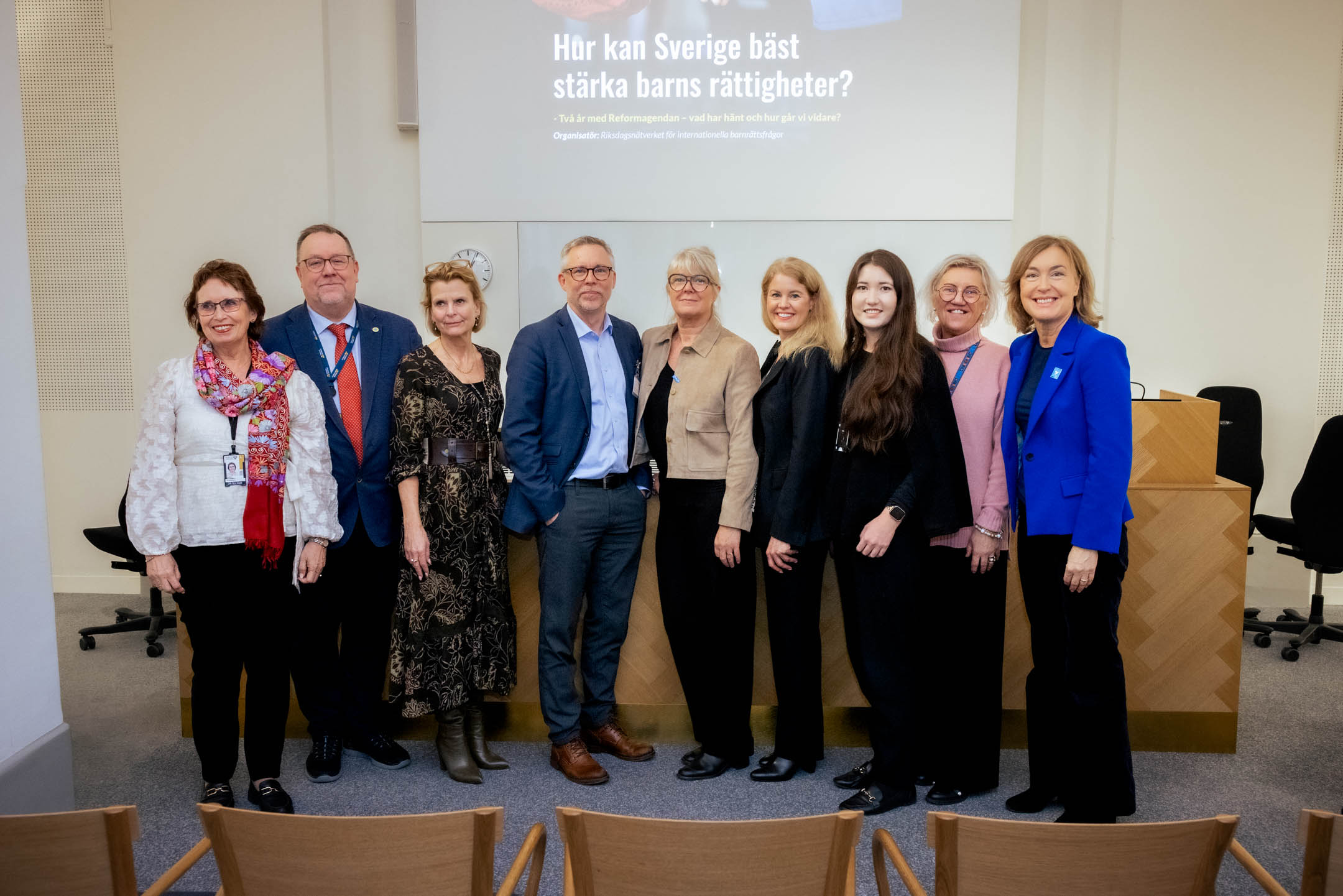
Participants included representatives from several parliamentary parties and children's rights organizations, including:
- Gudrun Brunegård (Christian Democrats)
- Olle Thorell (S)
- Åsa Regnér (Save the Children)
- Mattias Ingeson (Erikshjälpen)
- Monica Lorensson (Plan)
- Karin Strömstedt (UNICEF)
- Yasmine Ericsson (SD)
- Carina Ödebrink (S)
- Pernilla Baralt (UNICEF)
Putting children at the center was seen as one of the most long-term and powerful investments Sweden could make.
The discussion clearly showed that there is both a willingness and opportunities to strengthen children's rights in Swedish development cooperation. Putting children at the center was seen as one of the most long-term and powerful investments Sweden can make.
Lena Elf
Press officer
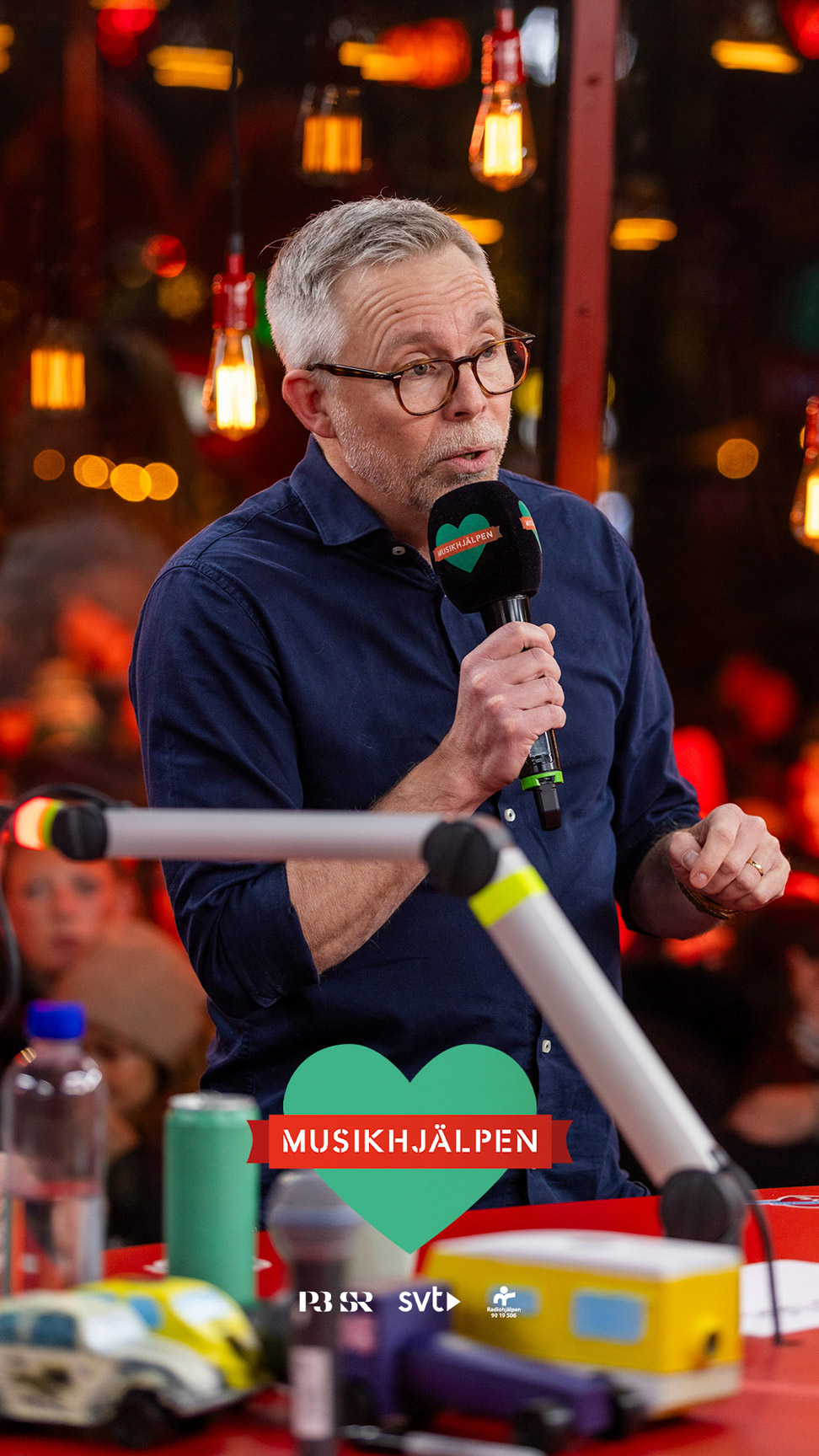
This year's theme for Musikhjälpen in Karlstad was "All children have the right to go to school." Mattias Ingeson, Secretary-General Erikshjälpen, visited the glass cage and talked about the children's rights organization's work on the climate-vulnerable sand islands in northern Bangladesh.
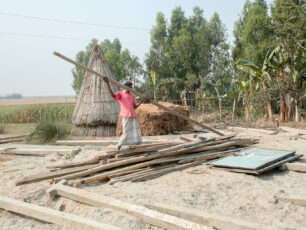
"Before this project, there were no schools on these islands. Together with Friendship, we are working with portable , which can be dismantled when the water starts to rise and then reassembled in a new, safe location just a day or two later," explains Mattias Ingeson, Secretary-General Erikshjälpen.
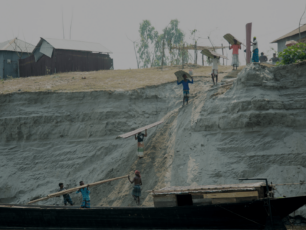
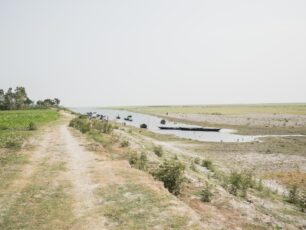
Innorthern Bangladesh, in the Jamuna River delta, people live on sand islands. The islands are unstable and prone to recurring floods and other natural disasters. This has made it impossible to establish infrastructure or school buildings. Since 2006, Erikshjälpen has been working with the organization Friendship in Bangladesh to enable children to attend school despite the climate disasters that constantly threaten the country. portable allow children to continue their education even when floods threaten.

Children are agents of change themselves, if only they are given the opportunity.
A safe place and an opportunity for a better life
Going to school means so much more than just getting an education. It is particularly important for girls, many of whom risk being married off if they do not attend school. However, many girls face obstacles that prevent them from attending classes. The journey to school can be long and dangerous, and the lack of toilets and opportunities for good hygiene during menstruation can mean that they prefer to stay at home.
“An important part of our work is to tell children about their rights,” says Mattias Ingeson. We set up children’s clubs and committees where, in addition to learning about disaster preparedness, they also learn that they have certain rights, such as the right to go to school. Children are agents of change themselves, if only they are given the chance.
portable are one of our interventions strengthen children's right to education,health, safety, and protection innorthern Bangladesh. Onthe page Portable school – from dismantling to rebuilding, you can read about how to move a school.
Learn more about portable
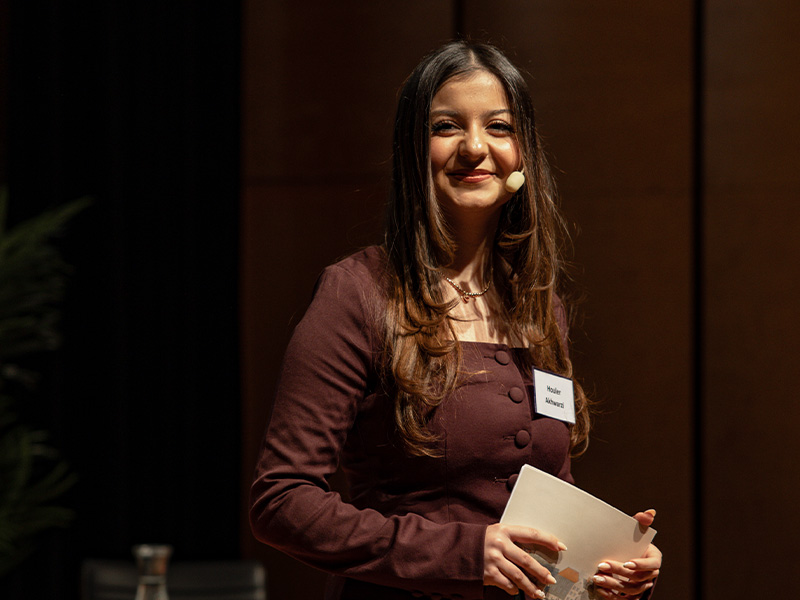
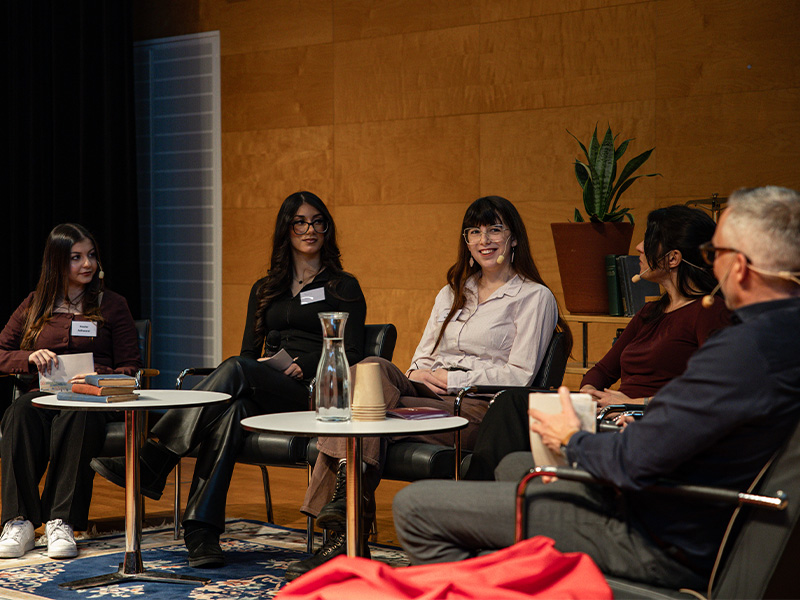
For children and young people to be able to trust society, society must also trust them. That was the main message when about 300 people gathered at Jönköping l University on the Day of the Convention on the Rights of the Child.
"We are here. We care. Take us seriously." This is how the young people expressed their message. They had planned and created this year's Children's Rights Conference themselves, and their voices were at the center of the day.
The theme of this year's Children's Rights Conference was Trust and the Rights of the Child in a Changing World. The day explored what makes young people trust adults - and what can cause trust to break down. What made the conference special was that the young people themselves had decided the theme, made the program and led the discussions.
“You adults say you know what it’s like to be young, because you’ve been young yourselves. I don’t mean to sound harsh, but the problem is that you don’t know what it’s like now. But your children do, so ask them what it’s like,” said Zeina Kifo from Öxnehaga in Jönköping.
Research, conversations and personal stories
The Children's Rights Conference featured current research and personal stories. Researcher Stephanie Plenty presented new findings from a major study on young people's democratic engagement. Young people then participated in a panel discussion with, among others, Evin Cetin, founder of SAO jobs (a form of employment for secondary school students aged 14).
Two-time speaker of the year Charbel Gabro gave a talk on how people from different backgrounds can understand each other better. Marx Mukuru and Nasir Sarr, winners of the 'Local Poet of the Year' award, performed texts about injustice and what it can feel like to grow up in today's society.
I hope that those of you who are here will take this with you to your organizations. It doesn't have to be a big conference, but just create discussions.
A meeting place for important conversations
Child rights issues concern many professionals. The conference brought together adults working in, for example, schools, social services, health care or the non-profit sector. This made the day an important platform to talk about children's rights - both in the region and in Sweden.
- "I hope that those of you who are here will take this with you to your businesses. It doesn't have to be a big conference, but just create discussions," says Minda Ranerås, 19 years old from Tenhult.
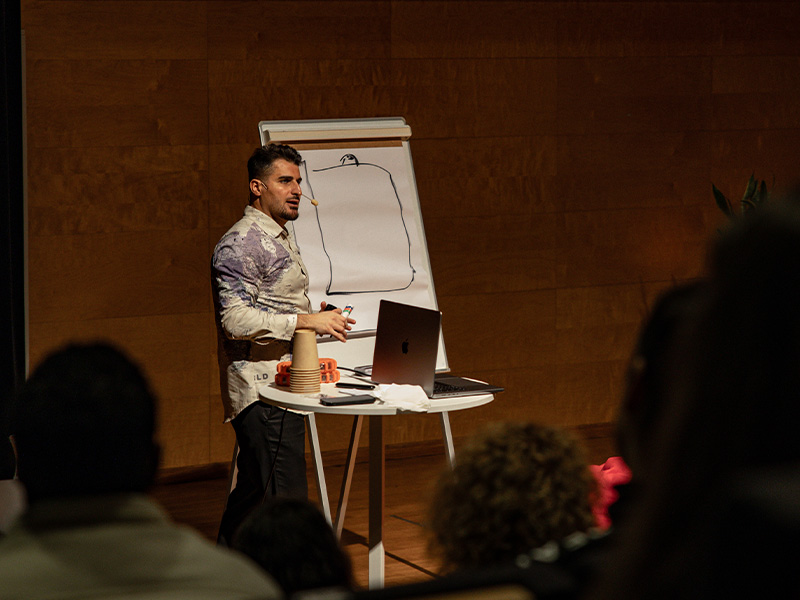

Conference on the Rights of the Child 2025
The Children’s Rights Conference was organized by the Children’s Rights Focus Group in Jönköping County, in collaboration with Save the Children, RF-Sisu, Erikshjälpen, the Women’s and Girls’ Crisis Center, Share Music and Performing Arts, Jönköping County Region, Municipal Development, the University of Jönköping , the Municipality of Jönköping, the Municipality of Vetlanda , and the County Administrative Board of Jönköping County.
Tip: Be sure to listen to the interview with some of the young people on P4 Jönköping.
"Before, we used to go to bed hungry and my mom couldn't buy us school books. But now we can afford both books and school uniforms," says eight-year-old Epakan Esekon.
The drought in northern Kenya is the worst in over 40 years. In Turkana district, one in three children is at risk of acute malnutrition. Epakan lives here with her parents and three siblings in the small village of Ngikwatex. Her family is used to droughts every year and has adapted their lives to the weather. But in recent years, climate change has made the dry spells longer and the consequences worse. Livestock die, crops fail and families go without food. Sometimes for days at a time.
Before, we used to go to bed hungry and mom couldn't buy us school books.
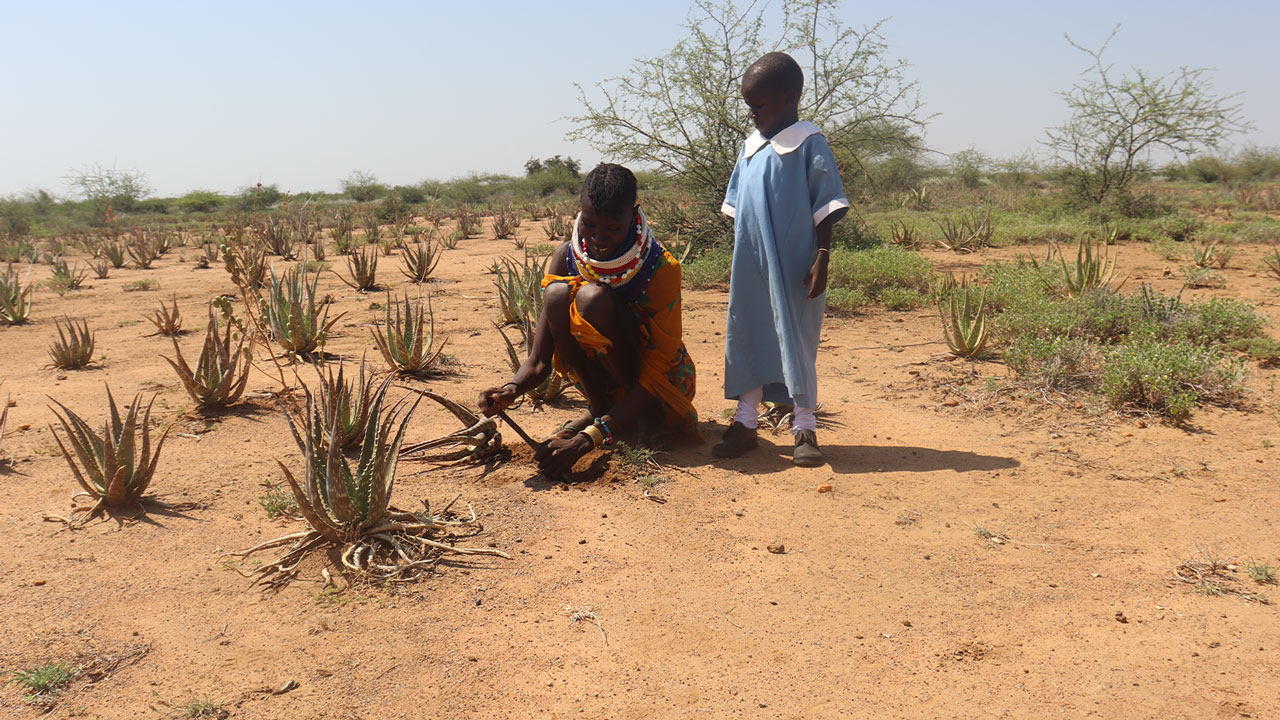
Aloe vera cultivation was the solution
But amidst the cracked ground, something green has started to grow. For Epakan and her family, it was aloe vera that turned their lives around. When the family was at its worst, mother Aweet received support and training from Erikshjälpen that enabled her to start growing in the dry landscape. She learned which cultivation techniques work best, how to prepare the sap from the leaves and what it takes to sell successfully in the local market.
- I have been given many good tools to cope with all the challenges when the drought comes. Now I can feed my family two meals a day and the children can continue going to school," says Aweet.
Growing aloe vera may seem like a small change. But for Epakan it is actually life-changing. The money isn't just for food - now her mother Aweet can afford to send her children to school. And for the start of the school year, Epakan has been given a school uniform, shoes, socks and exercise books.
Now we can afford to buy food every day and our lives have improved!
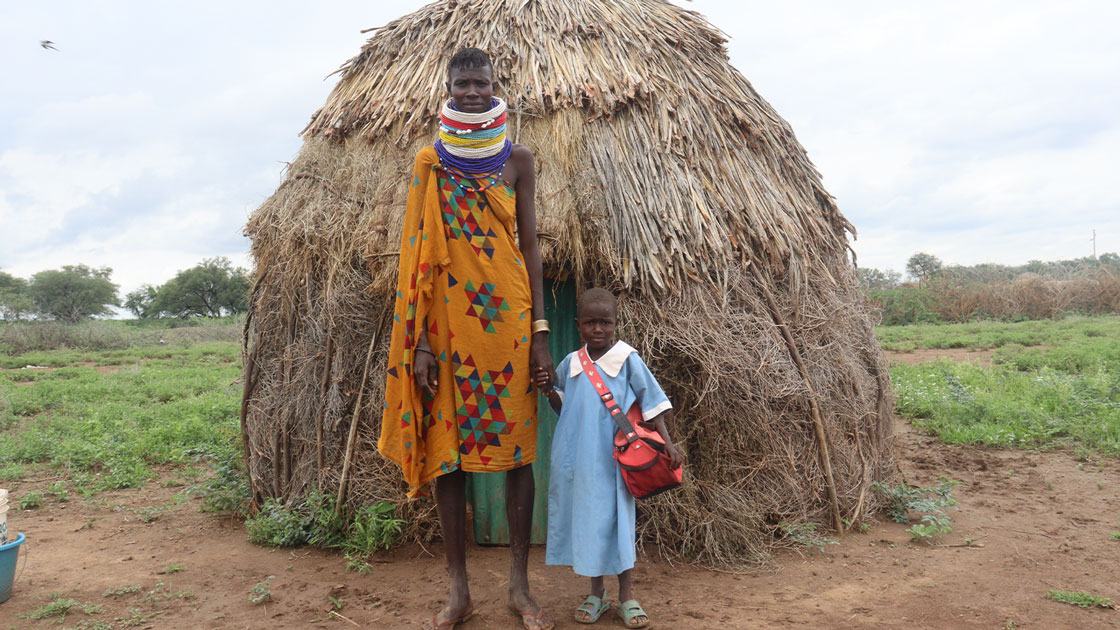
Epakan and mom Aweet on their way to school.
Epakan and mom Aweet on their way to school.
 Listening