Mim dreams of becoming a teacher
 Listening
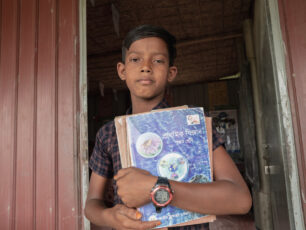
 Staying in school and getting a full education is something 11-year-old Mim Akter hopes for. But it's not something she takes for granted. Coming from Khamarbashpata in Chilmari, northern Bangladesh, she knows too many girls whose lives have taken a different turn.
Child marriage is common in Bangladesh
Child marriage and child labor are common in Bangladesh. Mims' own mother was married off at the age of 15. When a girl is married off, she is forced to drop out of school to take care of the new household and in-laws, and contribute to the family's livelihood.
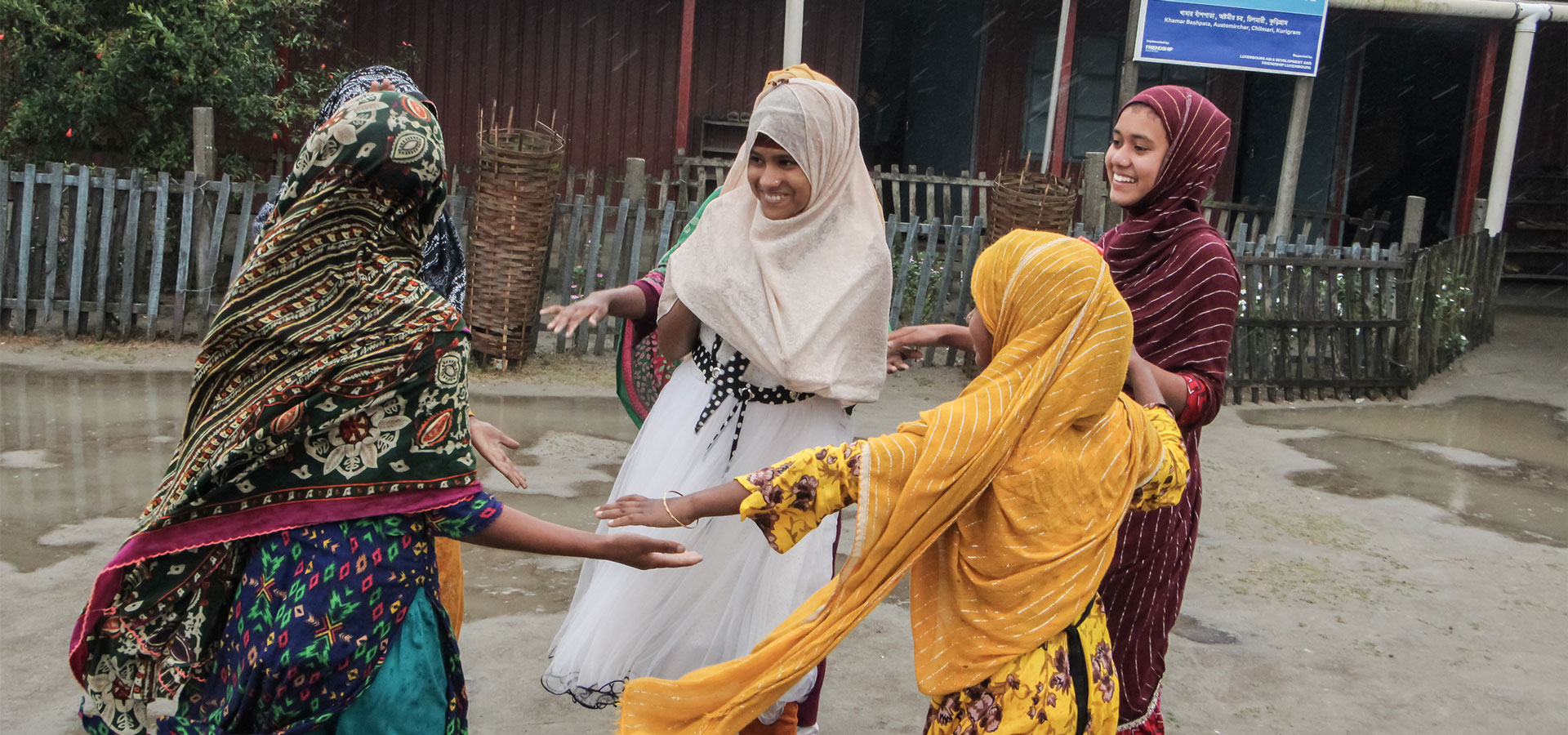
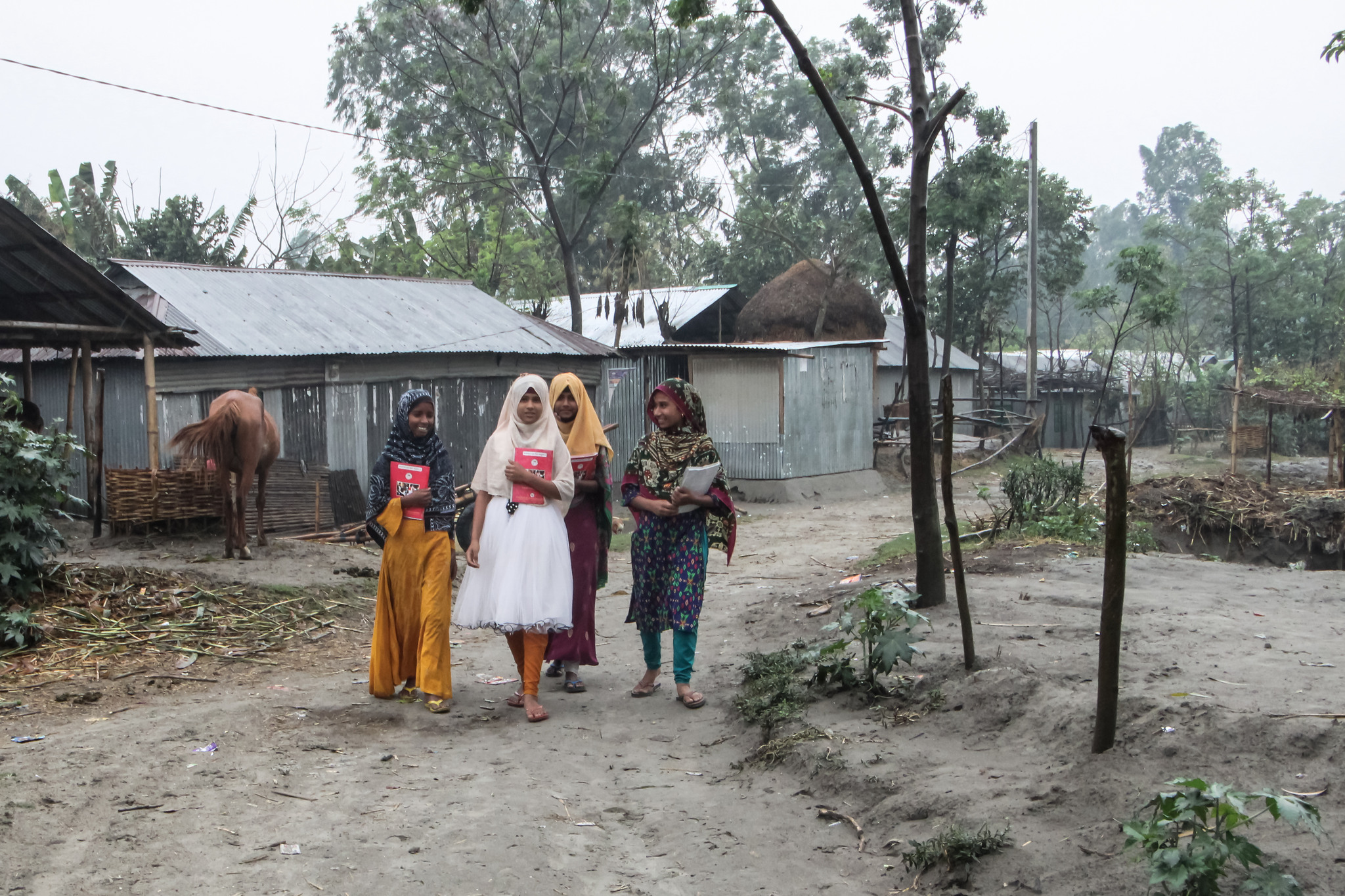
I will do everything I can to make my future different. I want to become a teacher and help more children go to school
Schools make dreams possible
Mim is in grade five at Friendship Primary School Khamarbashpata. She loves school, especially English and is very involved in school activities. Her biggest dream is to continue her studies. Today, around 650 million girls in the world receive no or very little education. Poverty, menstruation, or long and dangerous journeys to school are some of the reasons why girls miss large parts of their schooling or are forced to drop out completely.
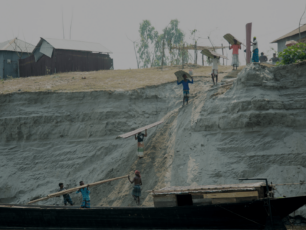
Mim, her parents and five siblings live in a small house on one of the many sand islands that form part of the Brahmaputra River Delta. The area is inaccessible, vulnerable and hard hit by climate change. Floods, cyclones and other natural disasters strike once or twice a year, causing great devastation. Landslides and soil erosion make it difficult to build permanent infrastructure like roads and schools. But thanks to the portable school, which Erikshjälpen has developed and established together with the organization Friendship, Mim and many other children in the area have the opportunity to go to school.
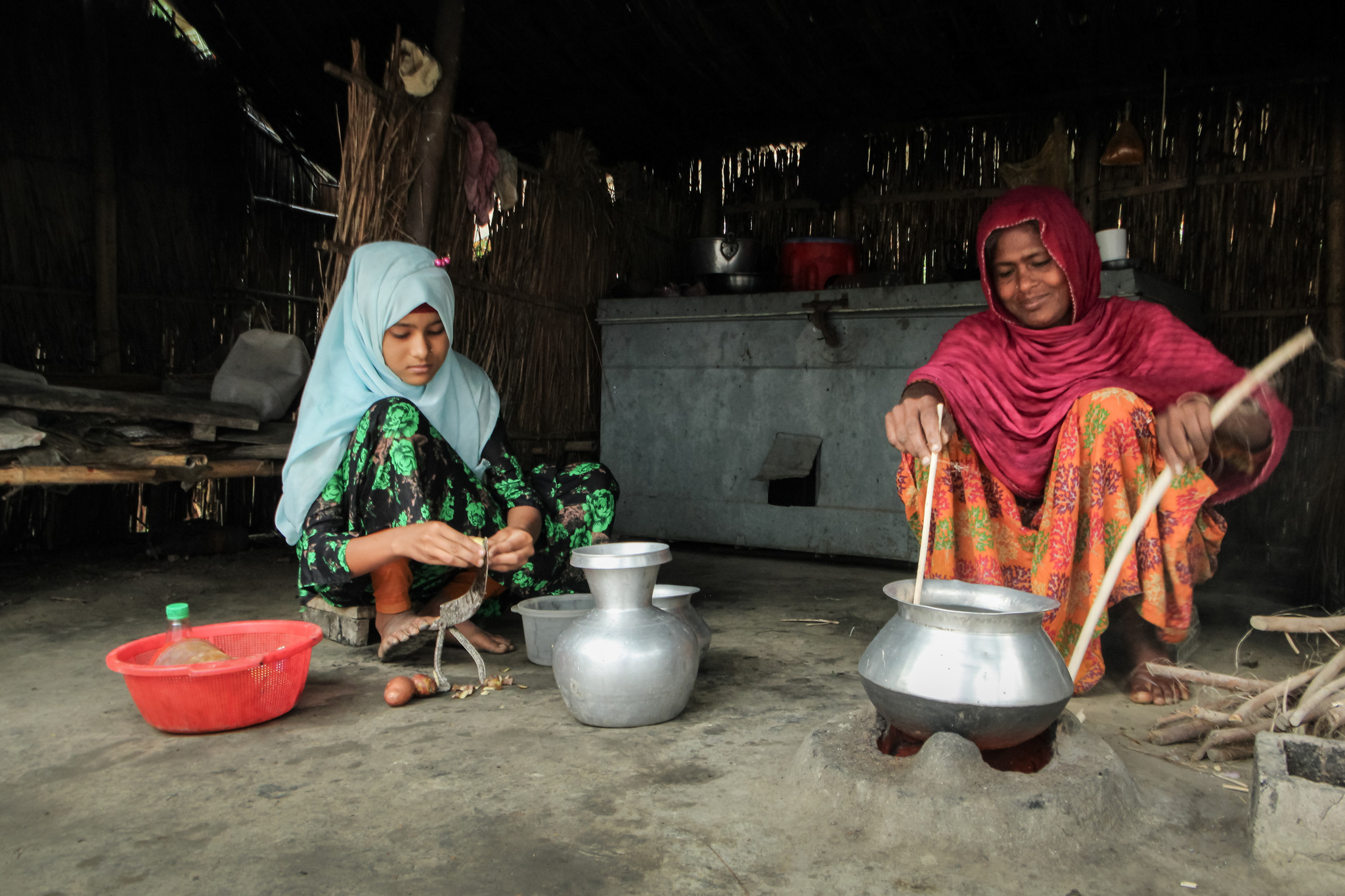
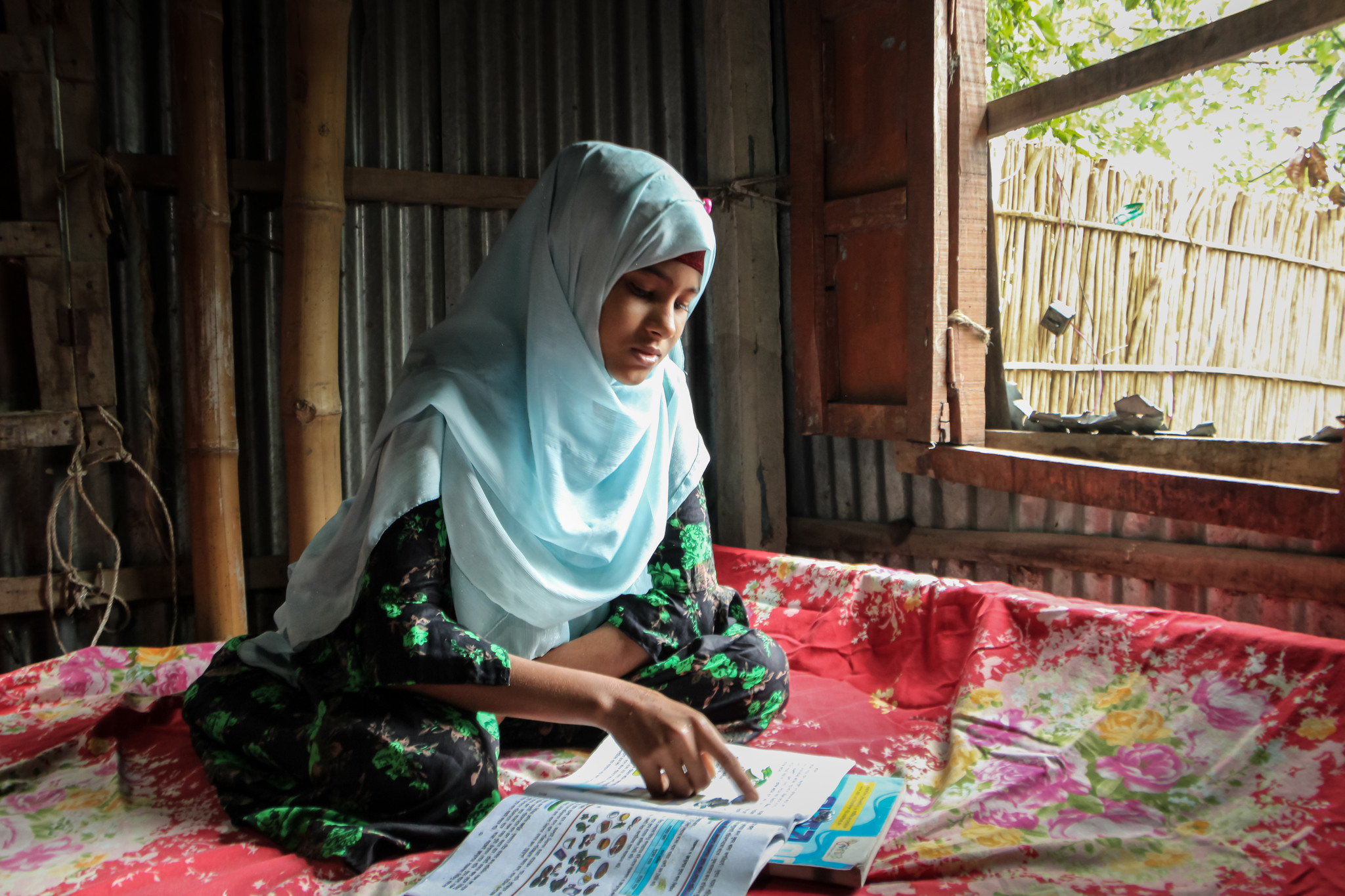
Through school, Mim and her friends have learned about their rights and how to build resilience and cope with natural disasters. The whole village is better. And now Mim dares to hope for a future different from her mother’s.
- Now everyone in the village is committed to the issue of child marriage, she says proudly.
Give a gift for the children. And the world they dream of.
Published: 31 March 2026