Bangladesh
 Listening
 Bangladesh is one of the most densely populated countries in the world. Child marriage and child labor are common. And many children lack access to healthcare and education. It is a country heavily affected by natural disasters and climate change.
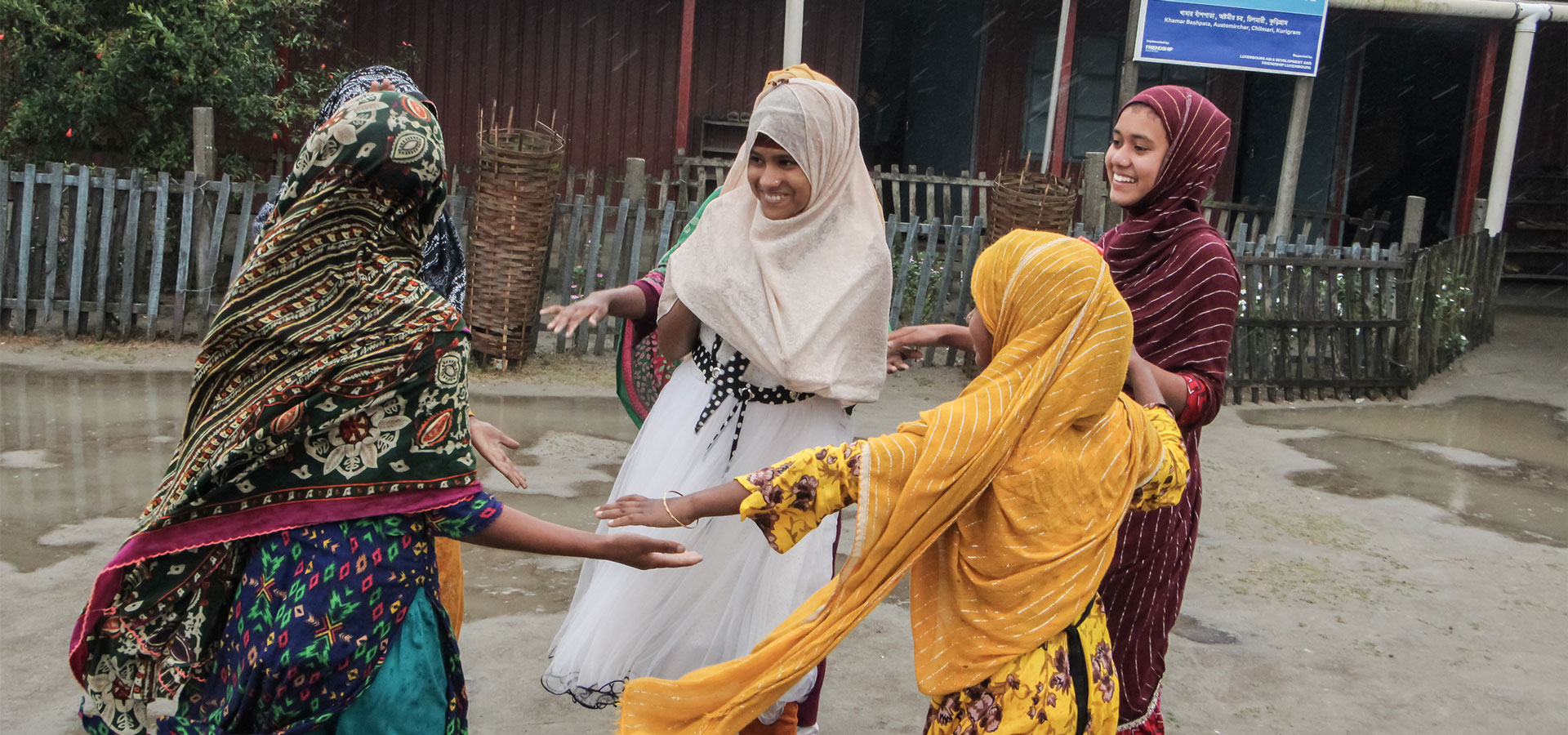
In Bangladesh, Erikshjälpen works to ensure that children have access to health, education, safety and protection. In communities that are constantly threatened by floods, residents are equipped with disaster preparedness and improve their living conditions for better resilience in terms of, for example, recurring floods. portable schools allow children to attend school despite the climate disasters that constantly threaten the country.
This is what Erikshjälpen works with in Bangladesh
- Increasing opportunities for children's rights to education, health, safety and protection.
- Authorities and parents taking greater responsibility for safeguarding children's rights.
- Children learn more about and dare to stand up for their rights.
- Development of distance learning systems and portable schools for children living on remote island formations in a large river basin.
Facts about Bangladesh:
Area: 148,000 square kilometers (about one-third the size of Sweden)
Capital city: Dhaka
Population : 175 686 899 (2025): 175 686 899 (2025)
Official language: Bangla/Benglai
Climate: Tropical. Winters are mild and summers are hot and humid. The monsoon season occurs between May/June-October.
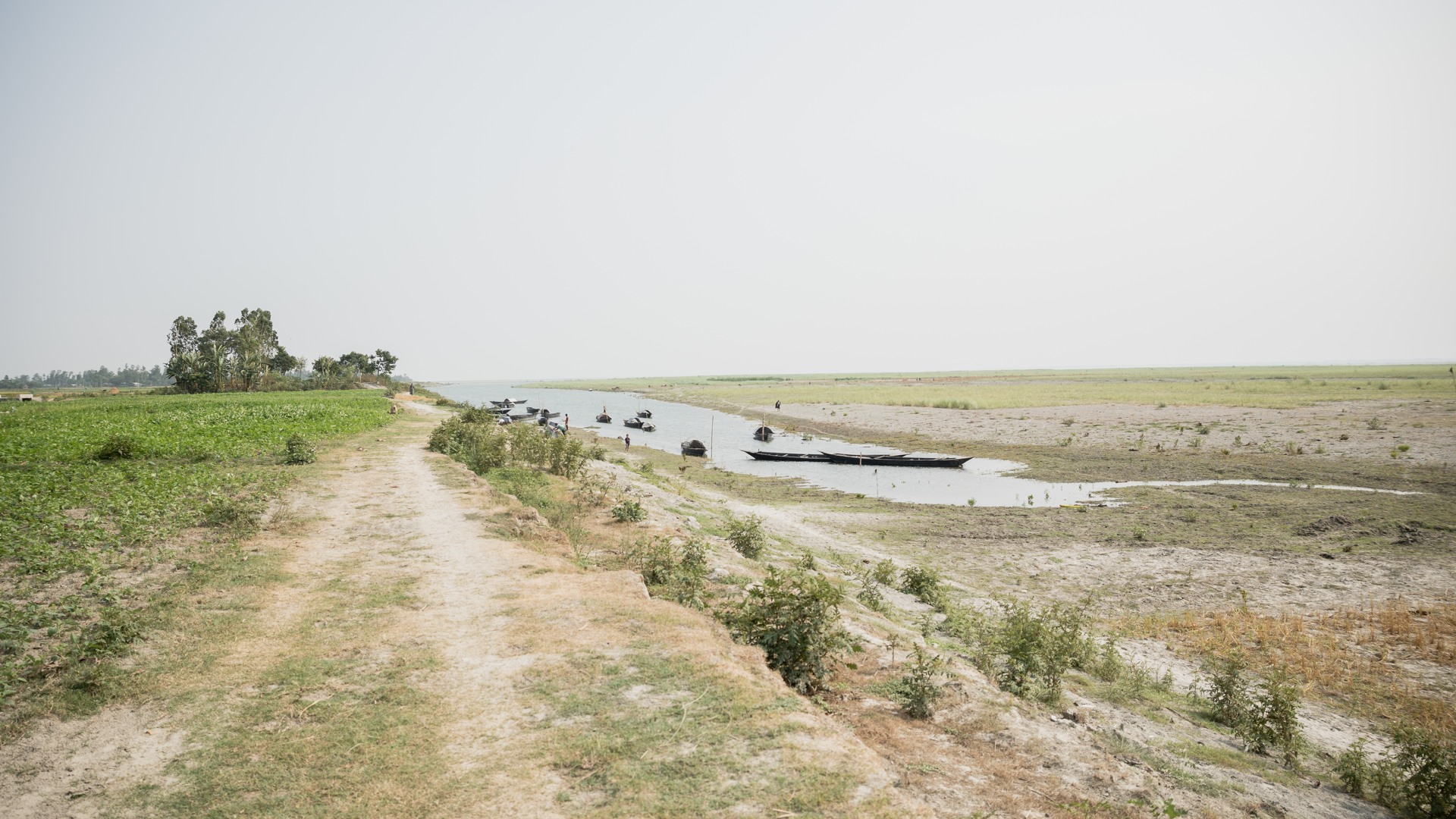
Nature: Bangladesh is a very low-lying country. The land surface is barely above sea level. This makes the country vulnerable to ocean currents and a rise in sea level would be devastating for the people of Bangladesh. Most of the land area lies between the giant Ganges and Brahmaputra rivers. The rivers flow into the Bay of Bengal. The landscape is very fertile and ideal for agriculture, allowing the large population to live here. Much of the coastline is marshland. A lot of mangroves grow along the coast.
History: Bangladesh became independent in 1971 after the separation from East Pakistan. Bangladesh means the land of Bengal.
Published: 09 April 2026